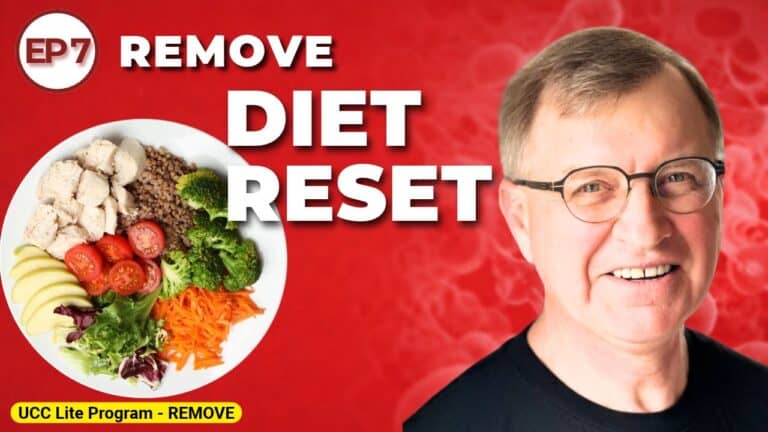
Sensitive Gut? Personalising Stage 1 – REMOVE
What You’ll Learn
In this lesson, you’ll discover:
- Why sensitive digestive systems may need a gentler approach.
- Why removing too many foods can be counterproductive.
- How to simplify meals and reduce digestive stress.
- How to approach bowel and digestive support carefully – without any aggravations.
Lesson # 6 of 20
1. A Sensitive Gut Needs a Different Approach
Not everyone responds to Stage 1 – REMOVE in the same way. Some people notice improvements quite quickly. Others have IBS symptoms, food sensitivities, SIBO-type bloating or unpredictable digestive reactions.
This doesn’t necessarily mean the programme isn’t working. In my clinical experience, sensitive digestive systems often respond better to a slower, more personalised approach. The goal is to stabilise digestion, not “push through” or push harder.
2. Remove Less, Not More
One of the most common mistakes I’ve seen is removing too many foods at once. People sometimes eliminate everything they suspect might cause a reaction. Unfortunately, excessive restriction can make eating more stressful and reduce dietary variety.
Instead, concentrate on the foods that clearly cause problems. Keep tolerated whole foods in your diet, even if they aren’t part of an idealised Candida diet. There is no single perfect diet for everyone. It’s your own tolerance that really matters, not what some Candida forum or what Chat GTP recommends you do.
3. Simplify Your Meals
If your digestion is sensitive, simpler meals can make things easier. Try these suggestions:
- Using fewer ingredients per meal.
- Choosing simple cooking methods.
- Eating at reasonably consistent times.
- Chewing thoroughly and eating slowly.
- Keeping a record of foods that agree with you.
This is not about restricting your diet indefinitely. It is about making meals easier to manage while you establish a more comfortable routine.
4. Support Bowel Function Gently
Regular bowel movements remain important during Stage 1. However, forcing bowel activity can make digestive discomfort worse, particularly if you have IBS or a sensitive gut.
Start with the basics:
Some people may benefit from magnesium or digestive enzyme support. However, these are optional and should be selected according to individual needs. Digestive enzymes, such as those in Yeastrix Active Enzymes, are intended to support food breakdown. While they are not essential, they can make a significant difference.
5. Introduce Supplements With Care
More supplements do not necessarily mean better results. If you have reacted to probiotics or other digestive products in the past, be particularly thoughtful about timing. It can be easier to assess your tolerance when you introduce one product at a time rather than several together.
The Yeastrix Gut Restore Kit is an example of structured digestive support options. Food, hydration, comfortable bowel movements and a consistent routine should remain the foundation, but targeted supplements can really assist the process.
6. Recognising When Your Approach Is Working
You may be personalising the programme successfully if you notice:
You don’t need dramatic changes. Greater stability is a worthwhile sign of progress.
Key Points
- Sensitive digestive systems may need a slower, more personalised approach.
- Removing too many foods can create unnecessary dietary restriction and stall progress.
- Keep whole foods that you tolerate well. Identify what you can’t tolerate well.
- Simplify meals and establish predictable eating habits. Fancy meals are not required!
- Support bowel function gently rather than forcing it.
- Introduce supplements carefully, they are optional but can be highly-supportive.
- Your aim is calmer, more predictable digestion, not “a perfect gut”.
Lesson 6 – Practical Action Steps
My advice in this area is to be patient and take your time. This is especially important if your bowel function has not been the best for some time. If constipation persists, or you experience significant abdominal pain, vomiting, blood in your stools or unexplained weight loss, always seek medical advice.
Start Here
At Your Own Pace
What Comes Next?
In Lesson 7, we’ll look at what success actually looks like at the end of Stage 1 – REMOVE. We’ll discuss the improvements worth looking for and why steady, predictable digestion is often more meaningful than dramatic short-term changes.
Before moving into Stage 2 – REPLACE, it’s important to recognise the progress you’ve already made.
Stage 1 Related Resources
Explore the REMOVE diet, nutrition and recipes.
VIEW Stage 1 REMOVE DIET & RECIPES →

Eric Bakker N.D.
Greetings! I am a naturopathic physician from New Zealand. Although I’ve retired from clinical practice since 2019 after 34 years of clinic. I remain passionate about helping people improve their lives. You’ll find I’m active online with a focus on natural health and wellbeing education through my Facebook page, Reddit page and YouTube channel, including this website.