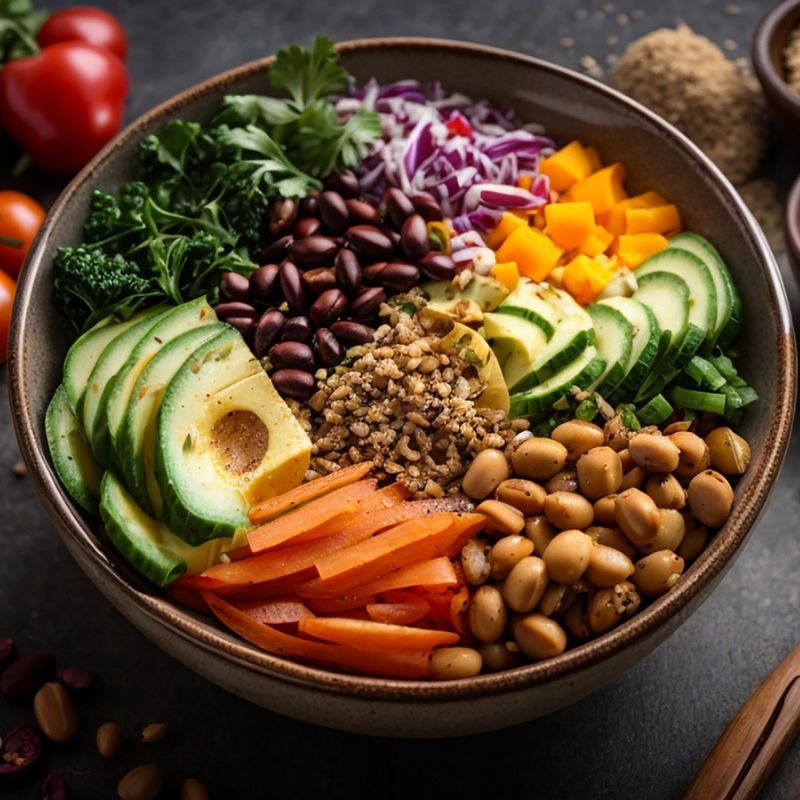
Healthy Eating

Understanding Healthy Eating
Taking a balanced approach to diet, nutrition, and daily habits is essential—not just for overcoming Candida or bacterial overgrowth and restoring beneficial gut bacteria, but also for enhancing longevity, boosting energy and vitality, and maintaining an ideal body weight.
Embarking on a healthier way of eating can be an incredibly rewarding journey, one that positively impacts not just your own well-being but also the health of those around you.
This comprehensive page explores 10 key healthy eating concepts, offering valuable insights whether you’re just starting out or already well-versed in nutrition and whole-foods eating. Packed with practical advice and scientifically backed information, much of what you’ll find here has helped countless individuals improve their health—and it can do the same for you.
If you’re following a gut-friendly or Candida-focused diet, knowing exactly which foods to emphasise — and which to avoid — makes all the difference. Here’s a complete anti-Candida food list to help you build balanced, healing meals.
Let’s Build Healthy Eating Habits!

Understanding Healthy Eating
Prioritising a balanced approach to diet, nutrition, and healthy daily habits is not just essential for combating Candida or bacterial overgrowth and improving gut flora—it’s also a foundation for longevity, vitality, energy, and maintaining an ideal body weight.
A well-structured, health-focused diet profoundly influences our overall well-being and can significantly reduce the risk of chronic disease. If you’re ready to embark on a journey toward healthier eating, our comprehensive guide on this page will provide valuable insights. Feel free to use the Table of Contents to navigate directly to sections that interest you or read through everything to build a strong foundation.
Building Healthy Eating Habits
If we want to improve our health effectively while also positively influencing the well-being of those around us, adopting a nutrient-dense, whole-food diet is the best approach. Understanding what constitutes healthy eating and incorporating practical lifestyle changes can lead to long-term success.
Many people struggle with a variety of health conditions, from minor acute issues like allergies, colds, and flu to more serious chronic diseases such as diabetes, heart disease, and cancer. Research increasingly supports the fact that eating well is one of the most powerful tools for preventing and managing disease.
An Australian study explored why people commit to long-term dietary changes (James et al., 2022) . The findings revealed that individuals who successfully adopted and maintained a healthy diet did so because they:
The Power of Plant-Based Foods
Scientific studies continually highlight that diets rich in plant-based foods—such as fresh fruits and vegetables, whole grains, legumes, nuts, and seeds—are not only beneficial for gut health but also reduce the risk of serious diseases, including cancer (Cena et al., 2020). Conversely, diets high in processed foods and unhealthy fats—especially processed meats—are linked to inflammation, digestive issues, and increased disease risk.
Why Quick-Fix Diets Don’t Work
Some people look for quick fixes when it comes to diet—crash diets, extreme detoxes, or restrictive meal plans. While some of these approaches may provide short-term symptom relief, they fail to address the underlying causes of chronic illness—namely poor diet and chronic stress.
A 2019 study found that a poor diet contributes to more global deaths than smoking, high blood pressure, or any other risk factor. Unhealthy eating patterns are a major contributor to chronic diseases worldwide, making dietary improvement an urgent necessity (Aubrey 2019).
The Impact of Stress on Health
What happens when a poor diet is combined with chronic stress? The long-term consequences on health become even more serious. Research (Renzaho et al., 2014) has shown that:
The best solution? Eat well and actively reduce stress through mindfulness, exercise, and relaxation techniques.
3 Simple Steps to Get Started
One of the biggest mistakes people make when trying to eat healthier is taking on too much at once. Instead, focus on small, realistic, and sustainable goals to create lasting change.
Key Takeaways
By taking small, mindful steps, you can create a sustainable, health-focused lifestyle that not only improves your well-being but also sets a positive example for those around you. The key is to start—one meal, one choice, one day at a time!
Article of Interest: The 7 Best Bowel and Digestive Health Tips I Know
Healthy Eating Is About Making Mindful Choices
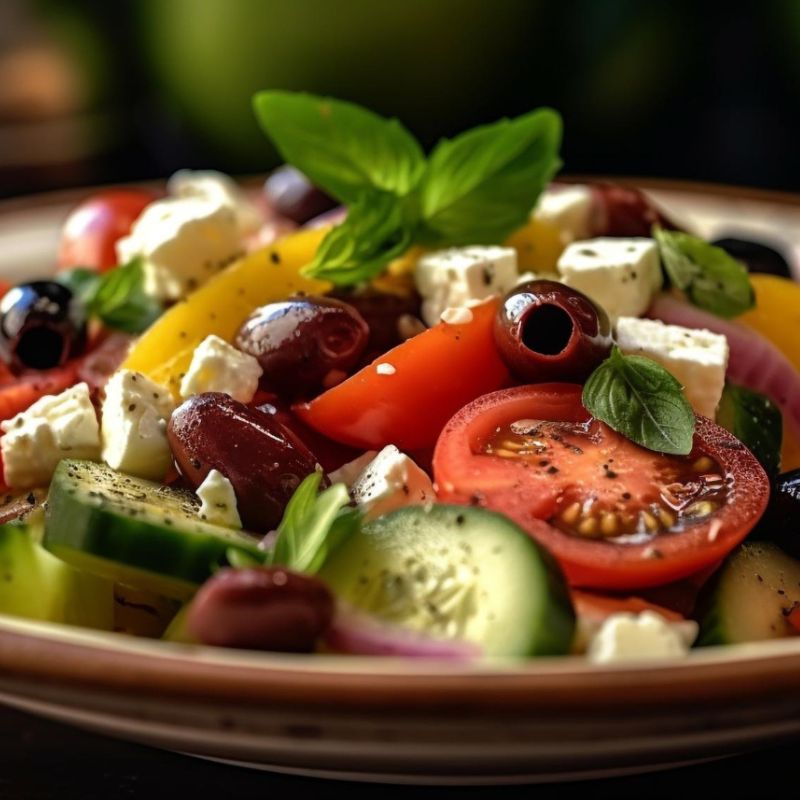
A healthy diet is not about rigidly adhering to someone else’s meal plan or following a set of specially designed recipes that claim to be the perfect solution for a particular health condition. True healthy eating is deeply personal because each of us is unique, with individual nutritional needs, digestive capacities, and metabolic responses.
What works for a spouse, best friend, or the latest bestselling diet book may not be the right fit for us. The only way to discover what truly nourishes and supports our well-being is through personal experimentation—listening to our body, observing how different foods make us feel, and adjusting accordingly.
Making mindful choices about what we eat and drink is one of the most powerful steps we can take toward improving our health. A well-balanced diet plays a crucial role in managing and even preventing conditions such as Candida overgrowth, SIBO, IBS, IBD, diabetes, heart disease, autoimmune disorders, and even cancer. (Lampe, 2020).
Scientific research has revealed that, over time, we tend to gravitate toward the foods we enjoy, but more importantly, our gut microbiome plays a significant role in shaping our cravings and preferences. The composition of our gut bacteria is largely influenced by what we regularly consume, creating a cycle where the microbes we nurture dictate our dietary inclinations. (Ercolini et al., 2018).

Poor Dietary Habits Harm Our Gut Microbiota
More and more people today are consuming Western diets high in saturated fats and refined sugars, a trend that is fueling widespread inflammation and chronic disease. Busy lifestyles have led many to rely on convenience foods, often at the expense of their health (Clemente-Suárez et al., 2023).
Even those who try to eat healthily can still fall into the trap of processed foods. Avoiding soda and fries is a good start, but true healthy eating requires a fundamental shift—not just in what we eat, but also in how we eat and how we live. The way we nourish ourselves is deeply connected to our habits, routines, and overall lifestyle.
Since the early 2000s, and especially after COVID-19, many people have become increasingly sedentary, working from home and spending less time outdoors. This “lappy-lifestyle,” as I call it—where much of life revolves around screens and digital devices—has led to lower physical activity levels and reduced exposure to sunlight, both of which are crucial for overall health.
Hectic and Stressed Lives Affect Our Gut
Hectic, stress-filled lives contribute to unhealthy coping mechanisms, such as excessive alcohol consumption, reliance on medications, and social withdrawal. Chronic stress and anxiety can weaken the gut microbiota, making individuals more susceptible to illnesses they struggle to explain. A fast-paced, worry-driven lifestyle is often linked to gut dysbiosis, particularly small intestinal bacterial overgrowth (SIBO) and Candida overgrowth. Research shows that when Candida albicans populations rise, beneficial anaerobic bacteria like Bifidobacterium decline, leading to increased biofilm production and further imbalances in the gut. (Jawhara et al., 2022)
Studies clearly demonstrate that Western diets contribute to gut dysbiosis, which in turn promotes inflammation and chronic disease (Bhandari 2021). However, growing evidence suggests that a diet rich in fiber, low in refined sugars, and abundant in prebiotic and probiotic foods can support gut health and help prevent conditions such as Candida overgrowth, IBS, SIBO, and IBD.
Key Take-Aways
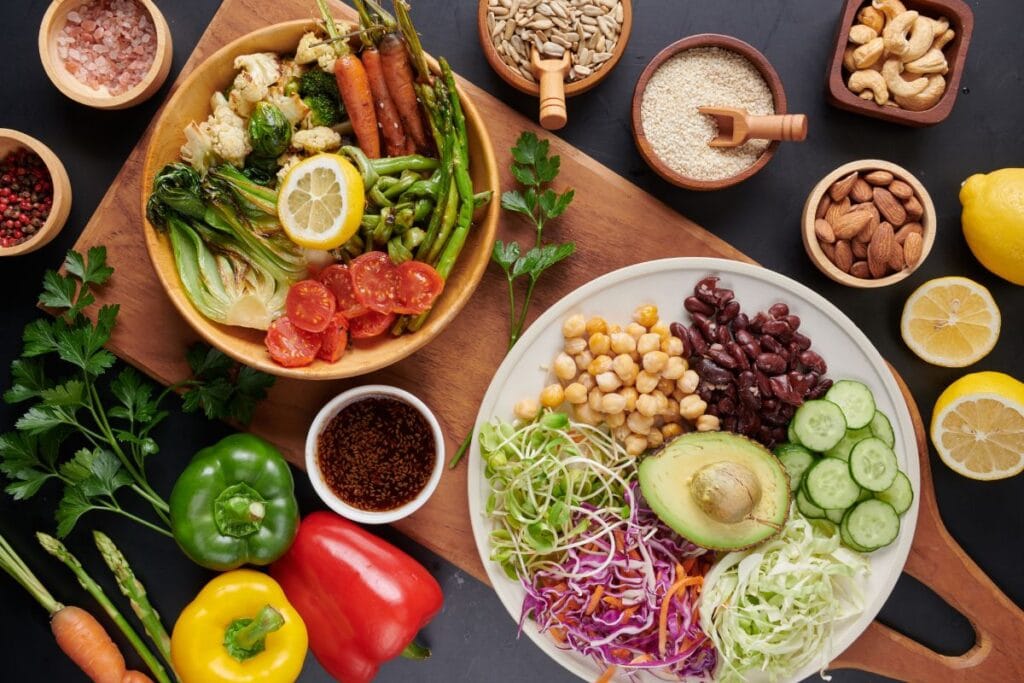
A Healthy diet Starts with a healthy relationship with food

A truly healthy diet isn’t about following rigid meal plans for a few weeks just to shed some weight, nor is it about forcing yourself to eat foods you dislike simply because they’re labeled as “healthy.” Instead, it’s about developing a balanced, sustainable relationship with the foods and drinks that nourish your body and support long-term well-being.
You don’t need to be a dietitian or a naturopath to calculate the perfect ratio of proteins, fats, and carbohydrates for every meal. In reality, healthy eating is much simpler—and more enjoyable—than many people think.
Don’t Get Fanatical!
And here’s something you might find surprising: not every bite or sip you consume needs to be perfectly healthy. It’s all about balance. As long as the majority of your diet consists of wholesome, nutrient-dense foods, the occasional indulgence won’t mess-up your health. However, eating junk food too often is a different story.
Research has shown that consuming takeaway meals more than twice a week is linked to poorer overall diet quality and a higher risk of moderate abdominal obesity in both young males and females. (Smith et al., 2009). The key is moderation. It’s okay if a small portion of your diet includes less-than-ideal choices, as long as the foundation of your eating habits supports your health. However, if you’re dealing with Candida overgrowth, SIBO, IBS, or IBD, your diet may need more careful attention.
Food is powerful, but sometimes your gut needs extra help to rebalance itself. That’s where natural antifungal support comes in — including herbs, nutrients, and lifestyle strategies that target fungal overgrowth without harsh side effects.
That’s where our Ultimate Candida Cleanse Program can help—designed specifically for those struggling with gut imbalances. And best of all, it’s completely free.
10 Good Healthy Eating Concepts
The following points have been the mainstay of nutritional recommendations from our clinic for many years until my retirement, and here it is online. I’d like to think some of our advice has helped quite a few people recover their health, and I’d like to think the following points can help you recover and remain in good health as well.
The 4 Stages Of Change

Improving your health and lifestyle is a transformative journey, best understood through distinct four stages of change. Recognising where you are and what you may need to change can provide clarity and direction.
My goal is to share the benefits of healthy eating and living, drawing from decades of experience as a naturopath specialising in digestive health, particularly fungal, bacterial, and parasitic imbalances. Learning and embracing change is a game-changer when it comes to recovery from any acute or chronic health condition.
Article of Interest: The 4 Stages of Change
1. Avoid Regular Poor Food And Drink Choices
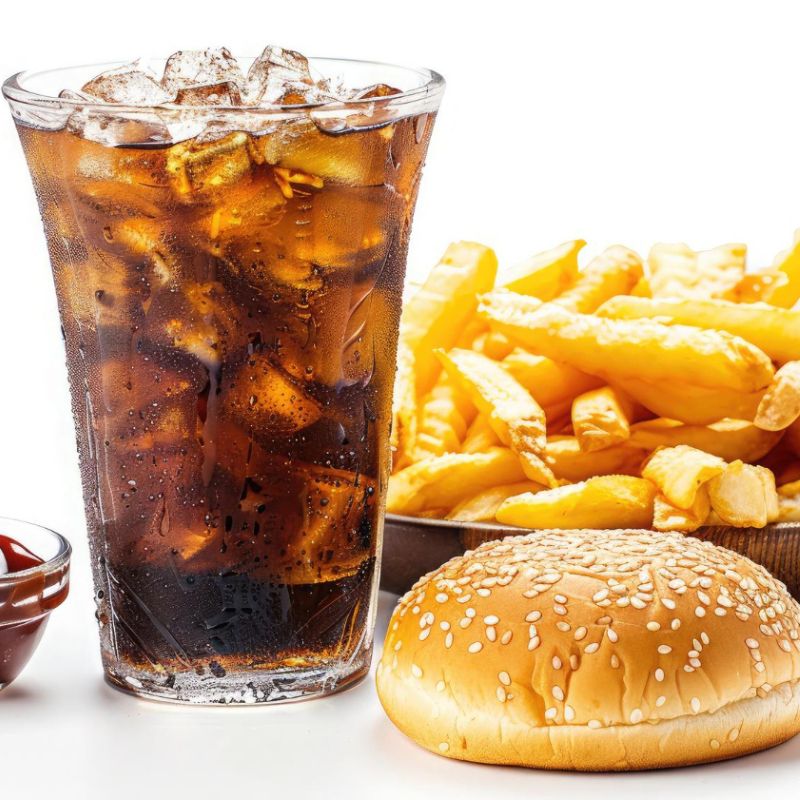
In Western countries, one in five people regularly consume carbonated drinks, potato chips, and ultra-processed foods (UPFs). Research shows that the intake of artificially sweetened diet drinks has risen from just 3% of adults in 1965 to about 20% today, primarily among those aged 20–59. (Bleich et al., 2014). While marketed as healthier alternatives, diet drinks may disrupt appetite control, leading to increased food intake. (Dennis et al., 2009).
Children are particularly at risk. Studies show that about 40% of calories consumed by U.S. children and adolescents (ages 2–18) come from empty calories. (Reedy et al., 2012). Recently published research in the British Medical Journal has linked UPFs—including soda, cookies, chips, white bread, and frozen meals—to various health problems. These highly processed foods are engineered to hit a “bliss point” that encourages overeating while providing little nutritional value. (Fang et al., 2024).
Reliance on Ultra-Processed or Prepackaged Meals
Unhealthy eating is often a matter of convenience. Grabbing something nutritious, like yogurt, fruit, nuts, or seeds, is just as easy as reaching for junk food. Yet, a growing reliance on fast food and prepackaged meals—especially among younger generations—stems from a lack of cooking knowledge and meal-planning skills. While many blame time constraints, studies show that confidence in cooking and meal planning plays a significant role. Parents who struggle with these skills are more likely to rely on processed meals, but improving them could reduce dependence on expensive, unhealthy prepackaged foods. (Horning et al., 2016).
Never fear fat — but do choose wisely. Quality fats support hormone production, brain function, and gut health. Learn which healthy fats and oils to include in your Candida-friendly diet, and which ones to leave behind.
Key Takeaways
Avoid Poor Food And Drink Choices – Key Points

Ultra Processed Foods
Ultra-processed foods (UPFs) are industrially manufactured products composed of refined food ingredients and various chemical additives, including artificial colorings, flavorings, sweeteners, and preservatives. Designed for maximum convenience and shelf life, they are heavily marketed and often come in attractive packaging. However, these foods are typically loaded with unhealthy amounts of fat, sugar, and salt while being calorie-dense and severely lacking in protein, dietary fiber, essential vitamins, minerals, and beneficial bioactive compounds.
Research has linked UPF consumption to serious health risks. A large prospective study found that a mere 10% increase in UPFs in the diet correlated with a more than 10% rise in the risk of breast cancer and overall cancer. (Fiolet et al., 2018).
With little to no real nutritional value, UPFs include sugar-sweetened beverages, candy, ice cream, chocolates, donuts, savory snacks, burgers, processed meats, and frozen meals. Their long shelf life, affordability, and intnse flavor make them highly appealing, but their frequent consumption can have lasting negative effects on health.
Surprisingly, long-term Candida issues can also impact liver function. In fact, poor detox capacity and a sluggish liver often go hand in hand with gut dysbiosis. Read more about the Candida and fatty liver connection and how to support both systems together.
Articles Of Interest
2. Let’s Plan What We Eat

Success and good health don’t happen by chance. Like anything worthwhile in life, they require planning before execution. However, this doesn’t mean your diet plan needs to be complicated or time-consuming. A little preparation goes a long way, and creating a simple menu is the first step. With countless recipe websites available today, finding meal inspiration has never been easier.
Collect and Make Your Favorite Recipes
I’ve always kept a collection of my favorite recipes, have you?, and once you find the dishes you enjoy, you’ll soon develop the confidence to cook without relying on a recipe and make amazing meals. With repetition, preparing healthy meals becomes second nature. When you select the best ingredients for your recipes and make them with love and little devotion, you’ll find yourself rarely eating out, and so will the rest of your family and friends!
Organise Yourself
Some people struggle to follow healthy eating habits until they dedicate time—preferably when they’re relaxed, not stressed—to plan their weekly meals and shopping. Organising your menu in advance will save you both time and money. If you and your partner work together, meal prep becomes even easier. For instance, packing your lunch the night before or planning dinner in the morning before you leave home can make a huge difference. This “plan to eat” mindset helps prevent last-minute, unhealthy food choices.
Without A Plan It May Be A Take-Away
How often have you come home and thought, “What’s for dinner?” while staring into the fridge? Many people end up opting for takeaways, and with the rise of services like Uber Eats, ordering fast food has never been easier—but it’s also an unnecessary expense. Without a plan, it’s easy to slip back into convenient yet unhealthy eating habits, grabbing whatever is on hand—whether it’s a slice of bread or a glass of wine. Planning ahead prevents these pitfalls, helping you avoid stress, extra costs, and unwanted weight gain.
The best time to start is always – RIGHT NOW...
Key Take-Away

We Only Need A Dozen Or More Tasty Recipes
Did you know that most families rotate between just seven to ten recipes throughout their lives? You don’t need a vast collection of meals—simply finding a dozen recipes that you enjoy and can prepare easily is enough. Many households rely on a handful of staple dishes, with a few becoming cherished family favorites.
Finding the right recipes may take some trial and error, especially if you’re cooking for multiple people. Choose meals that are well-liked by most, but don’t stress about pleasing everyone all the time—variety is key. Relying on just two or three recipes is a recipe for boredom, which often leads to falling back into unhealthy eating habits.
The trick is to keep experimenting with ingredients and flavours to maintain interest and excitement around mealtimes. If you need inspiration, check out the Recipe page.
Key Take-Away
My Healthy Shopping List
Shoppers today have access to thousands of different grocery lines at supermarkets. Our body’s shape and form will be greatly influenced by the choices we make and the items that end up in our grocery cart. With all of the enticing meals and beverages to choose from, grocery shopping requires organisation and planning.
Make a healthy shopping list before you go shopping and follow it. You’ll save time and money by doing this, which will also help you follow a food plan and avoid making impulse purchases. Impulse and cravings are two good reasons to never, ever go to a grocery store when you’re hungry!
I’ll give you a sneak peek at what’s on my shopping list so you can get an idea of what I plan to buy. It’s full of options for nutritious foods, which is exactly what I used to advise our patients to eat in order to maintain great health, including a healthy gut and waistline:
Articles Of Interest
3. Reduce Refined Wheat Products and Gluten
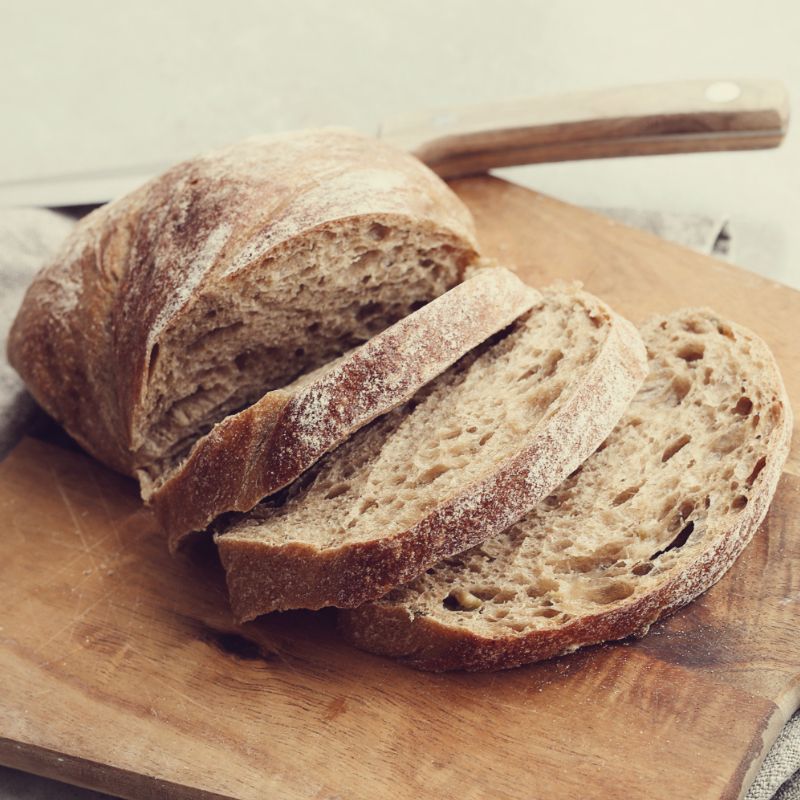
Eliminating gluten-containing foods can be one of the most challenging aspects of dietary change. Many people struggle to temporarily give up bread, pasta, and other wheat-based products, but for those dealing with gut issues like Candida, SIBO, IBS, or IBD, a three-month break from refined wheat is one of the best things they can do for their digestive health.
This means avoiding foods like white bread, biscuits, cookies, cakes, pastries, muffins, pasta, tortillas, and pretzels—essentially anything made from refined wheat flour. Instead, focusing on fresher, more nutrient-dense foods allows for better gut healing and overall well-being.
Gluten sensitivity symptoms are often vague and not always digestive in nature. Because wheat-based foods are so deeply ingrained in daily diets, people rarely stop eating them long enough to recognise the benefits of removal.
The same applies to other commonly consumed foods like dairy. When eaten continuously, these foods can disrupt the gut microbiome, leading to imbalances and inflammation. The contrast between a diet rich in refined wheat and one centered around vegetables, fruits, lean proteins, nuts, seeds, and legumes is striking—it even affects gut bacteria composition.
Recent studies indicate that higher consumption of refined wheat flour is linked to lower gut bacterial diversity, while whole grains promote beneficial gut bacteria, reducing the risk of bowel cancer. (Um et al., 2023). Another study found that purified wheat flour consumption was associated with the presence of gastrointestinal Candida (Jeziorek et al., 2019).
It May Not Be Gluten Intolerance

Before eliminating gluten permanently, it’s important to determine if you actually have gluten intolerance. Many people experience issues with wheat due to underlying gut problems rather than true gluten sensitivity. A gluten-free diet is not appropriate without a complete medical diagnosis (Diez-Sanpedro et al., 2019).
One challenge with removing gluten is that results are not immediate. While some people feel better within weeks, others take months or even up to a year to notice improvements. In fact, it’s common to feel worse before feeling better as the gut undergoes a healing process. Patience is key—gut healing is gradual, and long-term improvements take time.
For best results, commit to at least three months without refined wheat, but ideally six months, to allow your gut lining to recover. During this time, take probiotics daily to support microbiome restoration. Once reintroducing wheat, opt for whole wheat products made through traditional sourdough fermentation, as they are easier to digest. Additionally, pseudo-grains like buckwheat, millet, quinoa, and amaranth are excellent gluten-free alternatives.
Tips for Boosting Fibre on a Gluten-Free Diet
Increase your fiber intake while staying gluten-free with these simple strategies:
Key Take-Away
4. Cleansing Diet
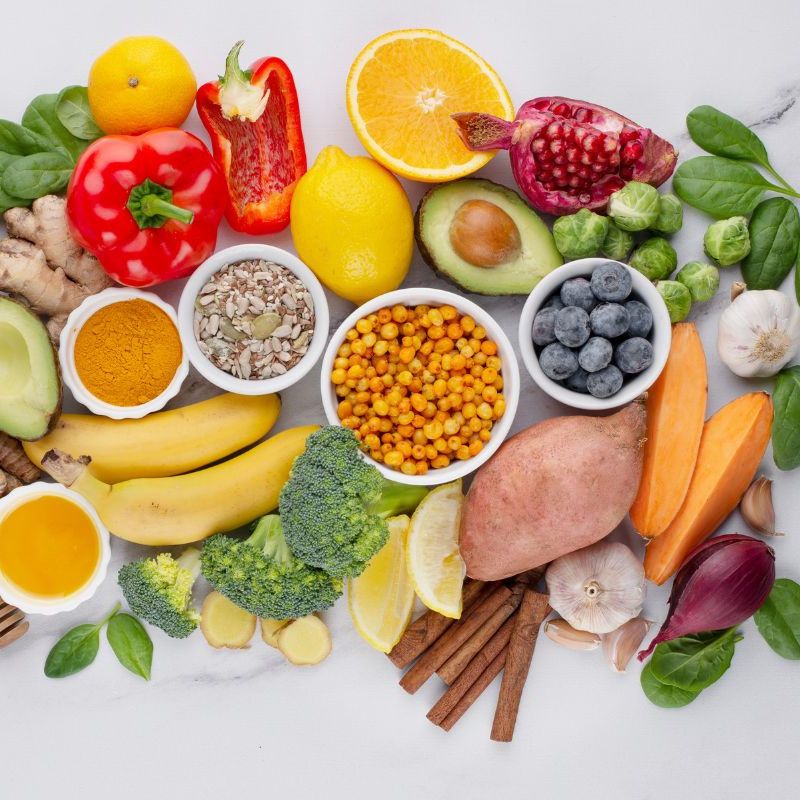
An internal gut cleanse can be beneficial for many people, especially those who frequently consume processed foods, alcohol, soda, refined carbohydrates like bread and biscuits, chocolate, coffee, tea, takeaway meals, and ultra-processed foods. The idea that gut-derived toxins contribute to chronic disease is still debated within the scientific community. However, some research suggests that certain bacterial species, such as Bacteroides, produce toxins that may be associated with early-stage bowel cancer (Purcell et al., 2017).
There has never been a better time to consider a cleansing diet. In recent years, research into gut health has expanded rapidly, with more studies published on the microbiome’s role in overall health than at any other time in history (Puschhof et al., 2023). These findings reinforce the importance of gut health in disease prevention and overall well-being.
Completing a cleansing program annually can help reset digestion, improve gut microbiota balance, and enhance overall health. Many individuals with chronic health issues experience a gradual decline in gut function due to poor diet and lifestyle choices. A structured cleanse allows the gut to adapt to dietary improvements, leading to beneficial shifts in metabolism and microbiome composition. For many, a cleanse can serve as the perfect catalyst for transitioning to a healthier diet.
What Is the Purpose of a Cleansing Diet?
A cleansing diet supports the body’s natural detoxification processes by eliminating stored toxins, particularly those accumulated in body fat. This detox process may temporarily strain the liver and gallbladder, often resulting in symptoms such as headaches, fatigue, and insomnia as toxins enter the bloodstream during weight loss (Merrill et al., 2013).
By temporarily eliminating specific foods and focusing on nutrient-dense whole foods, a cleansing diet can help remove bowel toxins, reduce gut and systemic inflammation, improve digestion, and boost energy levels. It also helps reset eating habits, making it easier to maintain a long-term healthy diet.
Key Take-Away
Gut Cleansing – Key Points
Cleansing Our Gut Restores Our Gut Microbiome
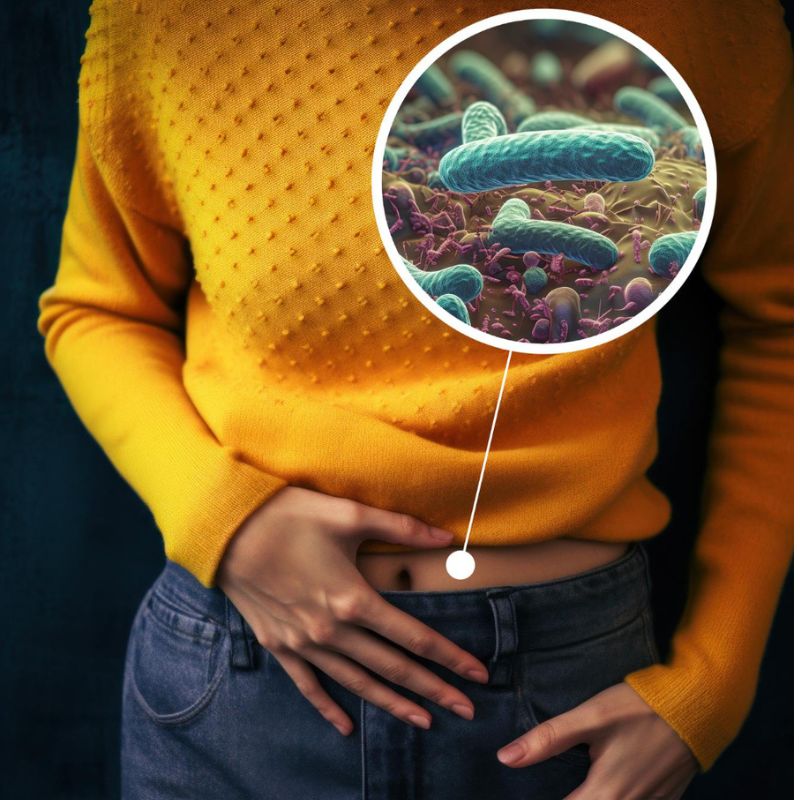
Our human microbiome is the vast collection of microbes—including bacteria, fungi, and viruses—along with their genetic material, that naturally reside inside and on the surface of our bodies. When following a cleansing diet, the primary goal is to rebuild and support a healthy gut microbiome.
Beyond the immediate benefits of detoxification and improved nutrition, a cleanse can have profound and lasting effects on the balance of beneficial bacteria in the digestive tract. It’s often followed up by a liver cleanse. These stages are part of our Ultimate Candida Cleanse Program.
A diet rich in diverse, whole, and plant-based foods fosters a healthier gut microbiota by promoting the growth of beneficial bacteria while suppressing harmful species. These good bacteria play a crucial role in immune function, reducing systemic inflammation, enhancing nutrient absorption, and supporting overall healing. A well-executed gut cleanse helps reset microbial balance, paving the way for better digestion, increased energy, and long-term well-being.
Article Of Interest
5. Mediterranean Diet
A Timeless Approach to Health
The Mediterranean Diet, often referred to as MedD, is inspired by the traditional eating patterns of those living in countries bordering the Mediterranean Sea. This dietary approach emphasises a balanced intake of whole, nutrient-dense foods, including generous amounts of fresh vegetables, fruits, legumes, whole grains, nuts, seeds, extra virgin olive oil, and fish. (Sofi et al., 2014)
Unlike many restrictive diets, the Mediterranean way of eating is sustainable and enjoyable, making it one of the most effective long-term dietary approaches for maintaining overall health. Research has consistently linked this diet to a lower risk of chronic diseases such as cardiovascular disease, diabetes, and even neurodegenerative disorders. Its benefits extend beyond nutrition, promoting an overall lifestyle that values balance, moderation, and social connections.
Beyond Food: The Mediterranean Way of Life

A Mediterranean lifestyle goes far beyond the food on the plate. Regular physical activity, stress management, adequate sleep, and strong social interactions are equally important components of this diet’s success. In Mediterranean cultures, mealtimes are social occasions, enjoyed with family and friends.
This combination of mindful and relaxed eating, regular activity, stress management, and positive relationships enhances health and well-being.
Red Wine: A Double-Edged Sword

Red wine has long been a topic of discussion in the health and nutrition world, often praised for its polyphenol content, particularly resveratrol, which is associated with cardiovascular benefits. However, it is crucial to understand that wine is not a health drink, and any potential benefits should be seen as a minor bonus rather than a primary reason to consume it.
Many studies that link red wine to reduced disease risk emphasise that these benefits correlate with light to moderate consumption, typically defined as no more than one glass per day for women and no more than two glasses daily for men.
Despite its polyphenol content, wine is still an alcoholic beverage, and alcohol consumption carries inherent risks. Even in small amounts, regular intake has been associated with an increased risk of various diseases, including liver cirrhosis and certain types of cancer. While moderate consumption within the framework of a Mediterranean diet may offer some advantages, excessive intake quickly outweighs any potential benefits. Unfortunately, in many parts of the world, binge drinking and habitual overconsumption are common, particularly in social settings, which not only undermines the principles of the Mediterranean lifestyle but also contributes to serious health issues.
The key to wine consumption, as with many aspects of diet and lifestyle, is moderation. Some individuals may find they can enjoy a single glass of high-quality red wine with their meal without negative consequences, while others may struggle to control their intake. If alcohol consumption is difficult to moderate, the best option is to avoid it altogether. While a well-balanced Mediterranean diet may include wine, it is by no means essential for good health, and there are plenty of other ways to obtain the polyphenols and antioxidants that contribute to longevity and well-being.
Moderate Consumption The Key
Red wine is often highlighted as a key component of the Mediterranean diet due to its polyphenol content, particularly resveratrol, which has been linked to cardiovascular benefits. However, while moderate consumption may offer some health advantages, excessive alcohol intake can have serious consequences, including liver disease, increased cancer risk, and metabolic issues. (Hrelia et al., 2023)
The key is moderation. For those who choose to drink, a glass of high-quality red wine with meals—typically no more than one per day—is considered acceptable. However, it’s important to remember that wine is not an essential part of a healthy diet. If you struggle with alcohol consumption, it is best avoided altogether.
Antioxidant and Antimicrobial Benefits of Mediterranean Foods
One of the Mediterranean Diet’s greatest advantages is its high concentration of antioxidant-rich foods, particularly those containing polyphenols. These natural compounds have been shown to:
Another often-overlooked feature of the Mediterranean diet is the antimicrobial properties of many of its traditional herbs and spices. Common Mediterranean herbs—such as oregano, rosemary, thyme, garlic, fennel, and basil—have been found to exhibit antibacterial and antifungal properties, supporting both gut health and immune function (Liu et al., 2017), (Oppedisano et al., 2023), (Meccatti et al., 2023).
Key Take-Away
This diet isn’t just about what you eat—it’s about how you live. By incorporating Mediterranean eating principles and lifestyle habits, you can enjoy better health, greater energy, and a more balanced, fulfilling way of life.
The Mediterranean Way Of Eating – Key Points
Articles Of Interest
6. The Low-Reactive Diet (For Any Food-Related Issues)

One of the most important aspects of eating well is learning to listen to our body’s signals. Our body provides feedback through our appetite, digestion, and overall well-being, guiding us toward what works best for us. However, it’s crucial to distinguish between true hunger and cravings.
Hunger is our body’s natural way of signalling its need for nourishment, whereas cravings often stem from habits, emotions, or imbalanced gut bacteria. Understanding this difference is key to making food choices that truly benefit your health.
Article Of Interest: the difference between cravings and hunger.
Your digestive system constantly communicates with you through the frequency and consistency of your bowel movements, how you feel after meals, and even how your energy levels fluctuate throughout the day. If you experience bloating, discomfort, sluggishness, or loose stools after eating, your gut may be signalling a food intolerance or imbalance.
By paying close attention to these cues, you can begin to understand which foods support your health and which may be contributing to discomfort and inflammation.
This approach to eating is sometimes referred to as “intuitive eating.” Over the years, I have seen countless patients benefit from tuning in to their body’s natural responses to food. When we nourish ourselves with the right balance of proteins, healthy fats, vegetables, and whole foods, our bodies thrive. On the other hand, when we consume foods that don’t agree with us, even if they seem “healthy,” our bodies will signal distress—if we are willing to listen.
A common observation I’ve made is that an imbalanced gut, often due to factors like antibiotics, stress, or poor dietary choices, makes the microbiome more susceptible to bacterial or yeast overgrowth. This, in turn, can lead to food intolerances that linger for months or even years. Many chronic gut health issues, including SIBO, IBS, and Candida overgrowth, are linked to this imbalance, highlighting the importance of addressing gut health in any dietary approach.
Food Cravings as Indicators of Sensitivities

Food cravings can offer valuable insights into underlying digestive issues. Many individuals struggling with gut imbalances, such as Candida, IBS, or SIBO, experience strong cravings—particularly for foods that exacerbate their condition. If you frequently crave bread or dairy but feel worse after consuming them, it’s likely that your body is reacting negatively to these foods. This can indicate sensitivity, intolerance, or even a gut microbiome imbalance that fuels the craving itself.
Interestingly, people often crave the very foods that contributed to their digestive issues in the first place. Breaking the cycle of dependency on problematic foods is critical. Eliminating common triggers like dairy, gluten, or refined sugar for a period of six to nine months can provide significant relief. Many people report improvements in mood, energy levels, digestion, and even reductions in chronic pain after cutting out these foods. While the changes may seem subtle at first, over time they can have profound effects on overall well-being, from better sleep to enhanced emotional resilience.
Re-Introducing Foods the Right Way
Once you have removed potential trigger foods and allowed your gut to heal, you can gradually reintroduce them to assess your tolerance. This process should be done methodically, one food at a time, so you can clearly identify which foods may still cause issues. Some individuals find that they develop stronger sensitivities to certain foods over time, particularly common allergens such as dairy, gluten, eggs, corn, nuts, and citrus fruits.
The key to successful food reintroduction is to be patient and observant. If a particular food causes discomfort, bloating, skin reactions, or digestive disturbances, it may be best to continue avoiding it. This process helps create a diet that is truly tailored to your body’s needs, reducing inflammation and supporting long-term gut health.
Key Take-Away
By following a low-reactive diet, you give your gut the opportunity to heal, restore balance, and function optimally. The goal isn’t to follow rigid dietary rules but to cultivate an intuitive and sustainable approach to eating that enhances both your digestion and overall well-being.
Most Common Foods People Eliminate
Some people may have already slowly introduced foods back into their diet that were previously taken out these may have suspect high-carb foods like:
Summary
A simple explanation of the Low-Reactive Diet is you avoid certain foods and drinks know or suspect to be reactive, and then re-introduce them back again into your diet and take a note of what happens. Through experience, we’ve developed lists of foods in several categories found to be the most reactive. Don’t worry, you’ll learn exactly what to do and what not to do, so there’s little chance of messing things up. You’ll learn about this during the Ultimate Candida Cleanse Program.
The Low-Reactive Diet – Key Points
Articles Of Interest
7. Consider Adding Fermented Foods

Incorporating probiotic and prebiotic foods into your diet can be a powerful way to support your gut health. Probiotics are live bacteria found in fermented foods, which can have profound benefits on your digestive system. Probiotics can improve our health in the following ways and more (Dimidi et al., 2019, Carbonero et al., 2022) .
These include foods like yogurt, kefir, sauerkraut, kimchi, and other fermented items that help replenish the good bacteria in your gut. Prebiotic foods, such as garlic, Jerusalem artichokes, onions, bananas, asparagus, cabbage, and leeks, provide essential nourishment for these beneficial bacteria, further supporting gut balance.
Have you explored other cultured foods beyond yogurt? While many people enjoy these foods daily—foods that have been made for centuries through traditional preservation techniques—some may find the idea of “fermentation” unappealing. However, fermented foods, which are produced by microorganisms like bacteria, yeasts, and molds, have been used globally to preserve a variety of foods such as miso, kombucha, kimchi, and sauerkraut.
Fermentation is a fascinating process where microorganisms break down carbohydrates and proteins to create foods that benefit our health. A key player in this process is Lactobacillus bacteria, which thrive in a lactic-acid-rich environment—the very sourness our gut bacteria thrive on. This environment is crucial for improving the health and balance of your gut microbiome.
If you haven’t already, consider integrating these fermented foods into your daily routine to reap the many health benefits they offer.
Key Take-Away
Articles Of Interest
8. Choose Healthy Oils and Fats
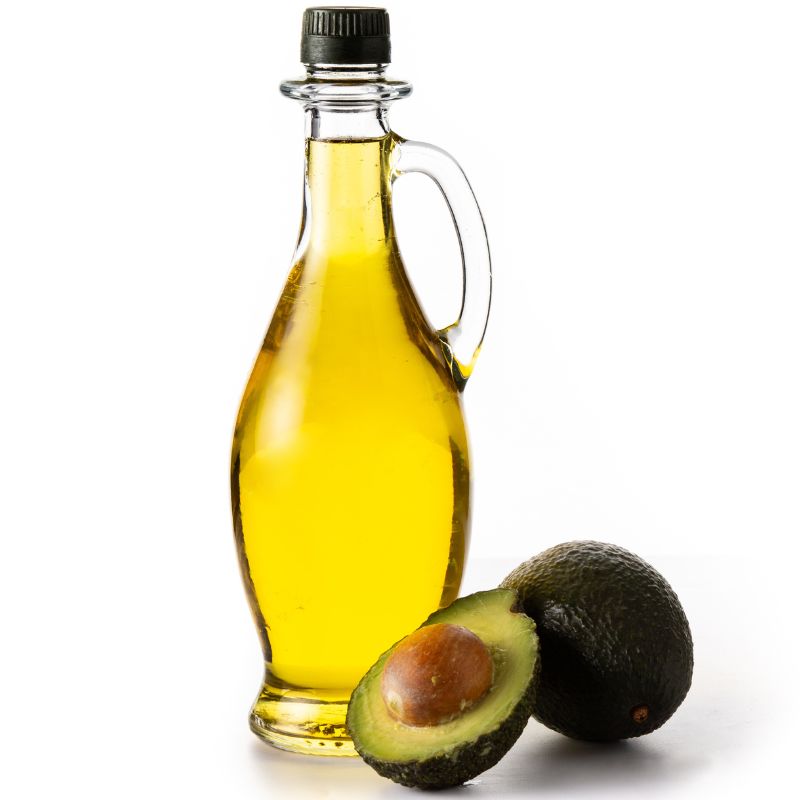
Healthy fats are a cornerstone of a balanced diet and play a crucial role in supporting various bodily functions. Found in foods such as avocados, nuts, seeds, and olive oil, healthy fats provide energy, support cell growth, protect organs, and assist the body in absorbing fat-soluble vitamins like A, D, E, and K. Integrating these fats into your meals not only contributes to overall health but also helps you feel more satisfied, reducing cravings for less nutritious options.
Historically, fats like lard and tallow were common cooking ingredients, largely because they were natural, unprocessed fats. Up until the 1960s, these fats were staples in many households. Today, however, there is a growing understanding of how the fats we consume affect our brain function and overall health. In The Palaeolithic Prescription, anthropologist Dr. Melvin Konner highlights how high levels of fish and wild game fat were essential for human brain development. Studies show that consuming too many omega-6 fats and too few omega-3s over just two generations can significantly affect brain size and function.
When it comes to fats, the quality matters more than the quantity. Each of the millions of cells in our body contains fat, and more than half of our brain is made up of fat. Saturated fats, in particular, are vital for optimal brain function.
Personally, I favor extra virgin olive oil, avocado oil, and macadamia oil for their health benefits and versatility in cooking. I also enjoy using coconut oil, ghee, and Japanese sesame oil, especially in stir-fries. Nut oils like avocado and walnut are excellent additions to salads when used fresh and unheated.
Interestingly, many cultures that consume high-fat diets have a remarkably low risk of heart disease. Indigenous societies worldwide, which traditionally ate diets rich in saturated fats from animal sources, maintained excellent health with little to no cardiovascular issues. Before the introduction of refined carbs, alcohol, and processed foods, these cultures thrived on natural fats and proteins sourced from animals, plants, and fish.
The Case Against Bad Fats: Avoid Deep-Fried and Trans Fats

Saturated animal fats are not to be feared, butter is OK and so is lard. Likely our best overall choice is olive oil when it comes to cooking and salad use. Buy only fats and oils that are certified as organic. Buy only cold-pressed oils. Do not buy oils in clear glass or plastic bottles, light destroys oils through oxidation. All fats and oils, including fish oils, should taste and smell “fresh”. If they do not, dispose of them. Rancid fats and oils are toxic and may interfere with normal fatty acid metabolism. Store oils and fats in cool, dark and dry conditions.
While healthy fats are essential, not all fats are created equal. It’s important to limit your intake of harmful fats, such as trans fats and deep-fried oils. Trans fatty acids (TFAs) are typically found in processed foods and are created through a process called hydrogenation, where vegetable oils are hardened. These fats raise LDL (bad) cholesterol and lower HDL (good) cholesterol, contributing to an increased risk of heart disease.
Trans fats are most commonly found in:
Eric’s Personal Oil and Fat Ratings
Here’s my personal ranking of oils and fats, based on their quality and suitability for different uses:
Key Take-Away
Articles Of Interest
9. Choose Protein Sources Wisely

Rethinking Protein: It’s More Than Just Meat
When we think of protein, we often associate it with meat—steak, chicken, or fish. It’s a common mindset, but one that limits our understanding of protein-rich foods. Many people, when asked about their main meal, instinctively mention a meat-based protein source. However, protein is much more than just meat—it is a fundamental macronutrient necessary for building, maintaining, and repairing our body’s tissues.
Amino acids are the building blocks of protein. Once broken down in the digestive system, they contribute to the formation of muscles, blood cells, hormones, and enzymes. Protein is essential for overall health and should ideally be included in most meals as a foundational dietary component.
Determining Your Personal Protein Needs
Everyone’s protein requirements are unique. There is no universal formula for determining how much protein an individual needs. The best way to find out what works for you is through self-experimentation. No book, expert, or “protein priest” can dictate the perfect protein intake for you—your body will tell you what it needs if you learn to listen.
A great approach is to consume protein with both lunch and dinner. Experiment with different sources—eggs, meat, fish, tofu, beans—and observe how your body responds in terms of energy, mood, and sleep. Over time, you’ll notice that certain proteins make you feel better than others.
Keeping a food journal can be extremely beneficial. By tracking what you eat and how you feel afterward, you can identify patterns between your protein intake and overall well-being. Once you discover protein sources that work well for you, refine your intake by focusing on their quality and quantity.
Understanding Protein Sources
There are two primary categories of protein: complete and incomplete. Understanding the difference can help you make better dietary choices.
Complete Proteins (Animal-Based)
These contain all nine essential amino acids required for the body’s functions. They are considered “first-class proteins” and include:
Incomplete Proteins (Plant-Based)
These lack one or more essential amino acids. However, by combining certain plant foods, you can create a complete protein profile.
Complete Protein Combinations (Plant-Based)
Reading Labels and Estimating Protein Intake
If you consume packaged foods, check the nutrition labels for protein content per serving. Here’s a quick guide to understanding how much protein is in common foods:
Key Take-Away
By choosing your protein sources wisely and listening to your body, you can develop a diet that supports your health, energy levels, and long-term well-being.
Articles Of Interest : Protein
10. Drink More Water – Less Coffee, Tea, and Alcohol

Incorporating the right health drinks into our daily routine can be a simple yet powerful way to improve digestion, enhance hydration, and support overall well-being. Whether dealing with persistent bloating from IBS, Candida overgrowth, or the inflammation associated with IBD, specific beverages can help alleviate symptoms and promote healing.
Beyond managing gut-related conditions, these drinks serve as preventative measures, keeping our gut microbiome in balance and supporting long-term health. Additionally, hydration plays a crucial role in digestion, promoting regular bowel movements, boosting energy levels, and even enhancing skin health.
Mild dehydration is more common than many realize, and even slight fluid loss can lead to symptoms like fatigue, irritability, and impaired cognitive function. Are you drinking enough water to feel the difference?
Don’t Like Water? Improve the Flavour Naturally
Some people tell me they don’t enjoy drinking water due to its “lack of taste.” If that sounds like you, there are plenty of ways to enhance water’s flavour naturally without resorting to unhealthy additives. Try these simple and healthy ideas:
Choosing naturally flavored water over sugary drinks will make a significant difference in your health and energy levels. Plus, it’s an easy habit to maintain!
Why You Should Avoid Soda and Sugary Drinks
Why do so many people consume fizzy soft drinks when they are loaded with artificial colors, flavorings, preservatives, and excessive sugar? Commercial beverages like cola and other soft drinks contain shocking amounts of added sugars, often in the form of high fructose corn syrup (HFCS), which is detrimental to health.
Studies have consistently shown that frequent soft drink consumption contributes to:
Key Take-Away
By making simple swaps in your daily routine, you can experience the transformative power of proper hydration and gut-friendly drinks!
Article Of Interest: Healthy Drinks

Ultimate Candida Cleanse System
Beat Candida naturally with the complete, science-based system created by naturopath Eric Bakker, N.D. This all-in-one package gives you two downloadable guidebooks plus the Yeastrix Gut Restore Kit — three targeted professional formulas that work together to reset your gut, restore balance, and rebuild healthy digestion.
You get a structured, step-by-step program, professional clinical guidance, and supplements designed to support each stage of recovery. No guesswork. No confusing protocols. Just a clear roadmap and the right tools to help you finally reduce symptoms, rebalance your microbiome, and feel like yourself again. The Ultimate Candida Cleanse System is everything you need to make real progress — naturally, safely, and effectively.