
The Role of Fibre in Gut Health
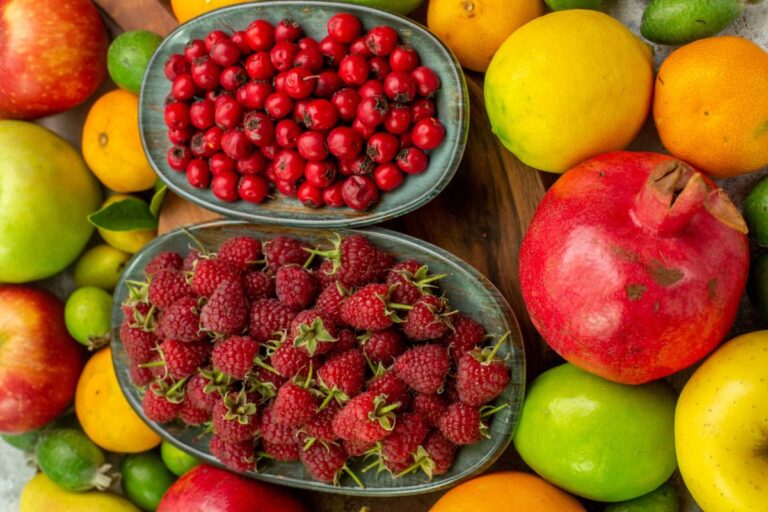
Fibre plays a crucial role in maintaining a healthy gut microbiome. High-fibre foods are an important part of a healthy diet. High-fibre foods, including a range of plant-based options such as fruits, vegetables, whole grains, legumes, nuts, and seeds, are crucial for maintaining a healthy digestive system.
Foods that are high in fibre contain different forms of carbohydrates with varying levels of solubility: some are easily broken down by the body, while others remain undigested and ferment in the bowel, promoting a beneficial environment for the microbiome.
Fibre comes in two main types—soluble and insoluble—both of which play vital roles in digestion. We’ll be discussing both these typs in some detail, along with the best food examples. Despite its importance, some people mistakenly view fibre as a “remedy for constipation”, overlooking its significantly broader benefits for digestive health. We’ll be discussing those as well. First, let’s look at what fibre is:
What is Dietary Fibre?
Dietary fibre refers to plant-based carbohydrates that resist digestion and absorption in the small intestine. Unlike other nutrients, fibre passes through the digestive system relatively intact. Dietary fibre consists of non-digestible forms of carbohydrate, usually as polysaccharides that originate from plant-based foods (Barber et al., 2020).
Fibre may be fermented by beneficial bacteria in the large intestine, contributing to gut health, or it may help regulate digestion by adding bulk to stools and supporting regular bowel movements.

Evolution of Understanding: Fibre and Gut Bacteria
When I qualified as a naturopath in the late 1980s, fibre was primarily recognised for its ability to “bulk the stool” or alleviate constipation. At the time, the concept of fibre supporting beneficial gut bacteria was largely unknown.
Terms like “probiotics” and “microbiome” were not part of everyday vocabulary, and even scientists and physicians had limited understanding of how dietary fibre influenced gut health. Without access to the internet, research was scarce and difficult to obtain unless one had connections to academic institutions.
Over time, however, the advice given by naturopaths—that a high-fibre diet builds good digestive health—proved correct.
Today, numerous studies show that individuals who consume high levels of dietary fibre maintain better overall health compared to those with low-fibre diets.
People who eat fibre-rich diets experience lower risks of developing chronic conditions like heart disease, diabetes, and various types of cancer. A study supports this, finding that high-fibre diets are strongly associated with better health outcomes .(Zhou 2022)
Modern Understanding of Fibre and Disease Prevention
Research has since firmly established that low-fibre diets, which are common in Western countries, contribute to a wide range of chronic diseases. In addition to heart disease, cancer, and diabetes, low-fibre intake is linked to conditions like SIBO, Candida overgrowth, IBS, and IBD. According to one researcher, modern diets, especially in Europe and North America, are severely lacking in fibre, making it more important than ever to focus on incorporating fibre-rich foods (Stephen 2017).
Clinically, I began noticing a connection between diet and autoimmune diseases shortly after I started practicing. It has been rewarding to see that recent scientific research is catching up to these observations.
One of the most significant studies published in the European Journal of Clinical Nutrition provides key insights into the relationship between fibre, the microbiome, and chronic disease. (Vijay 2022)
Some of the major findings include:
Fibre: A Key to Better Health
The evidence is clear: fibre is essential not only for preventing constipation but also for nourishing beneficial bacteria in the gut and supporting a healthy microbiome.
Foods like oats, apples, berries, whole grains, and vegetables, including seaweeds, are staples of a high-fibre diet that promotes gut health and overall wellness. These foods are rich in both soluble and insoluble fibres, making them highly effective at improving digestion and reducing the risk of chronic diseases. We’ll discuss many more high fibre foods soon.
The Functions and Health Benefits of Dietary Fibre
There are more reasons to include fibre in your diet than to exclude it. Research has shown that there are 6 key benefits of dietary fibre. (Dhingra 2012)
The Two Main Types of Fibre
Did you know there are two kinds of dietary fibre, the soluble type and the insoluble
Soluble and Insoluble Fibre
You’ve probably heard of the terms “soluble” and “insoluble” fibre, but what is the difference? While soluble fibre dissolves in water and insoluble fibre does not. There are several types of both, and some types of fibre are even both soluble and insoluble. Are you confused yet?
Let’s examine types of fibre, look at their best food sources, and see what benefits they offer us:
Soluble Fibre
Soluble fiber is a type of fiber that attracts water to form a gel-like substance in the gut, which helps slow down digestion.
This delay in stomach emptying makes us feel fuller for longer, contributing to better appetite control and weight management. In addition, slower digestion can positively impact blood sugar levels by improving insulin sensitivity, which is beneficial for those managing or preventing diabetes.
Soluble fibre also plays a significant role in reducing LDL (“bad”) cholesterol by interfering with the absorption of dietary cholesterol, promoting its excretion through the bowel.
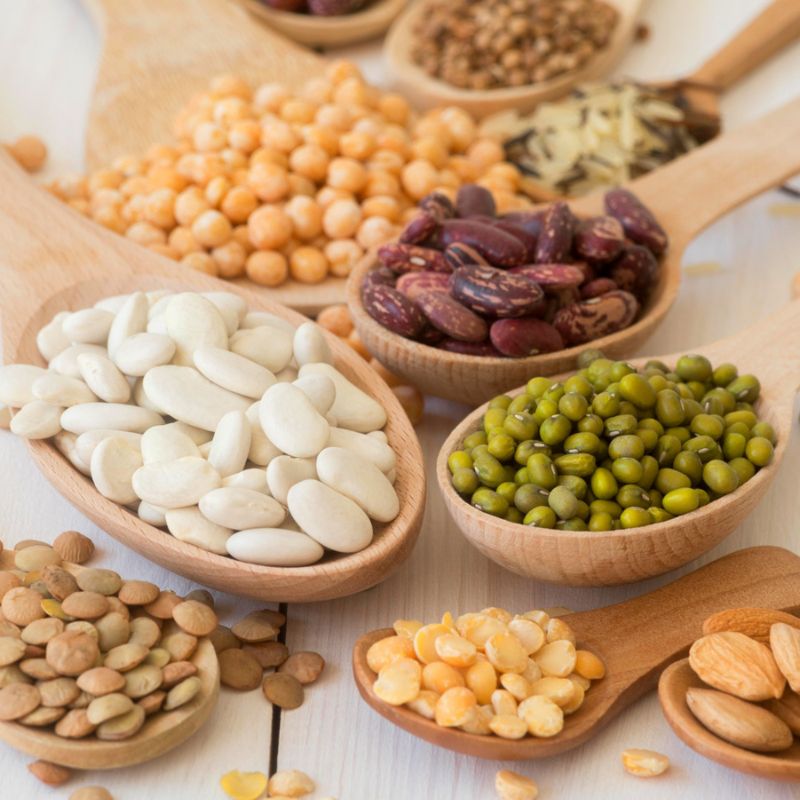
Consuming a diet rich in soluble fibre, like those found in whole foods such as fruits, vegetables, and legumes, can contribute to lower cholesterol levels.
This is reminiscent of the Mediterranean diet, well-known for its heart-health benefits and high fibre content. By adopting such dietary patterns, you can support both metabolic and cardiovascular health (Ghavami 2023).
Types of Soluble Fibre
Soluble fibres dissolve in water to form a gel-like substance, slowing digestion, stabilizing blood sugar, and supporting cholesterol regulation. The key types of soluble fibre include:
Key Points:
In conclusion, incorporating soluble fibre into our diet offers many and varied health benefits, ranging from weight management to improved bowel function, more balanced gut bacteria, as well as cholesterol and blood sugar levels. This aligns well with our holistic, natural approach to health and wellness.
Best Food Sources of Soluble Fibre
Here’s a list of some of the best food sources of soluble fibre along with their key gut-health benefits:
This list emphasises the digestive benefits of each food, focusing on their role in supporting a healthy gut environment and promoting overall digestive health.

Insoluble Fibre
Insoluble fibre, including types like arabinoxylan, bran, and resistant starch, is essential for digestive health due to its ability to add bulk to stools and promote regular bowel movements, preventing constipation.
This fibre does not dissolve in water, passing through the digestive system mostly intact, which helps speed up the transit of food and waste through the gut. It is predominantly found in whole grains and vegetables, especially leafy greens.
Types of Insoluble Fibre
Insoluble fibres do not dissolve in water and pass through the digestive tract relatively intact. Their main role is to add bulk to stool and speed up its passage through the intestines, which helps prevent constipation and promotes regular bowel movements.
Two key types of insoluble fibre include:
Key Points:
Best Food Sources of Insoluble Fibre:
This list emphasizes the role of insoluble fibre in promoting digestive regularity, preventing constipation, and supporting overall gut health.
Why We Need Different Types Of Fibre Fibre
Each of these two types of fibre contributes uniquely to improving human health by promoting digestive wellness and enhancing overall metabolic function.(Latimer 2010)
Recent studies suggest that different types of fibre not only provide diverse health benefits but also allow specific strains of bacteria to colonise them, influencing the gut microbiome. The physical structure of fibre plays a key role in this, affecting gas production and the creation of short-chain fatty acids (SCFAs). SCFAs are crucial compounds that promote the growth of beneficial bacteria, supporting a healthy and balanced microbiome (Yakubov 2023).
Some High Fibre Foods Are Prebiotic By Nature
It sounds rather confusing, but foods high in fibre and prebiotics are related but not the same. Although there is some overlap, the two groups have distinct functions when it comes to gut health and general wellbeing.
Not all high-fibre foods are prebiotic by nature, though most prebiotic foods are a kind of high-fibre food. The big thing with prebiotic foods is that they specifically nourish and feed our beneficial gut flora through a fermentation process.
A varied diet rich in high-fibre and prebiotic foods can help support improved digestive health and general well-being. Let’s look at the difference between high-fibre foods and prebiotic foods. I’ll give you a comparison, and by doing so summarise what high fibre and probiotic foods are:
Prebiotic Foods
High-fibre foods include a particular subset of foods called prebiotic foods. Prebiotics are dietary fibres that the body does not digest; instead, they provide nutrition to probiotics, or good gut bacteria, which live in the colon.
These prebiotic fibres include fructo-oligosaccharides (FOS), galacto-oligosaccharides (GOS), and inulin. Studies have confirmed inulin and GOS to be the main prebiotics. (Scott 2020)
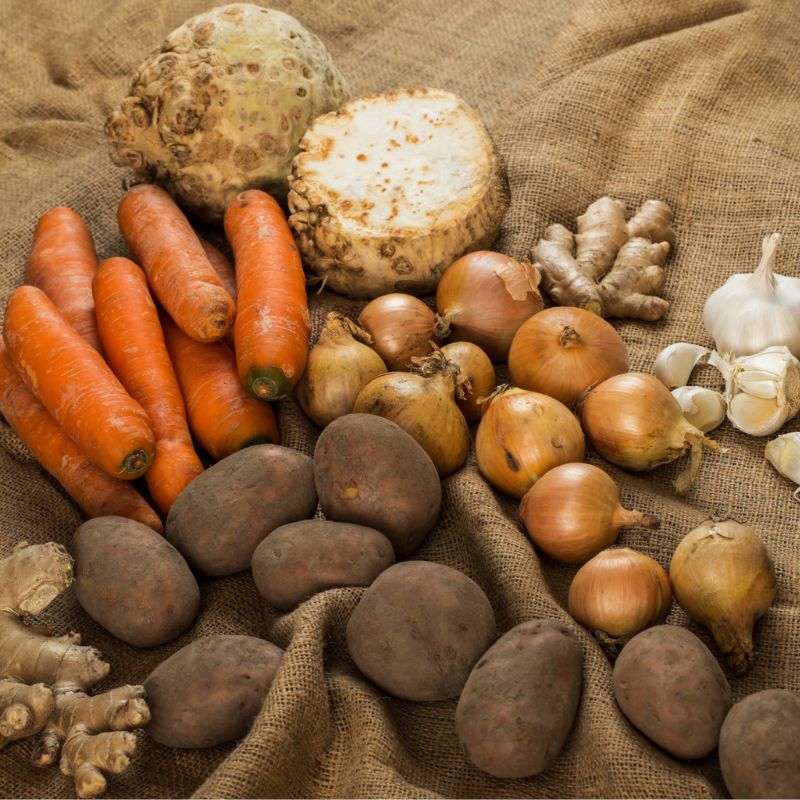
Foods like chicory root, garlic, onions, leeks, asparagus, and whole grains are the main sources of prebiotic dietary fibre. Can you see how these same foods keep coming up?
Prebiotic foods primarily encourage the development and activity of good gut bacteria, which can improve immune system performance, gut health, and general wellbeing.
How Much Fibre Do We Need?
Current research strongly supports the need for more dietary fibre in our diets. Many Western countries have a concerningly low average fibre consumption, often falling well below the recommended 30 grams per day. Even more troubling is that many otherwise healthy individuals following popular low-carb diets may struggle to meet the necessary fibre intake for optimal health.
While low-carb diets remain popular for weight loss and metabolic benefits, they can also limit fibre intake, which is essential for gut health and disease prevention. For example, a study found that a low-protein, high-carbohydrate diet may help reduce the risk of brain ageing and dementia, showing the importance of balancing macronutrient intake (Wahl 2018).
Studies show that people who eat the most fibre have a 15–30% lower risk of death from all causes compared to those who eat the least (McKeown 2022).
To achieve these benefits, most experts recommend consuming at least 25 to 29 grams of fibre per day, with more than 30 grams daily being even better. Unfortunately, many people in Western countries consume less than 20 grams of fibre a day, well below the recommended amount.
Fibre-Rich Foods: How to Reach Your Daily Target
To meet fibre goals, consuming more fruits, vegetables, whole grains, and legumes is essential. For those aiming to reach 25 to 30 grams of fibre per day, here is an example of how you can achieve this through common foods, along with their fibre content as per the U.S. Department of Agriculture:
The Challenge of Increasing Fibre Intake
For some, reaching the recommended fibre intake can be challenging. However, by gradually adding more fibre-rich foods like lentils, beans, vegetables, fruits, and whole grains, it’s possible to make significant improvements in your daily fibre consumption. Additionally, when increasing fibre, remember to drink plenty of water to aid digestion and prevent bloating or discomfort.
By incorporating a variety of high-fibre foods into your diet, you can significantly improve your digestive health and lower the risk of chronic diseases like heart disease, diabetes, and certain cancers. Ultimately, striving for 25 to 30 grams of fibre per day can contribute to a longer, healthier life.
Compelling Health Reasons We Need Fibre In Our Daily Diet
There are several compelling reasons why you should include plenty of fibre in your daily Foundation diet, here are a few validated by research:
Plants Contain Fibre, Animal Meats Doesn’t

Although meat and dairy products from animals are considered healthy foods, they don’t contain any fibre. Whole-grain wheat, brown rice, oats, and corn are examples of whole grains that are easily accessible, affordable, and store well.
While I’m OK with a diet containing lean animal (meat) protein, including eggs and chicken, you won’t find any fibre, but will get plenty of protein. Dietary fibres are found in every plant. Studies are continually pointing out to us that, in order to prevent disease and postpone death, people ought to consume more whole plants. Why?
The fibre content, and the several health benefits we just mentioned, including your gut bacteria love it and will thrive on a diet rich in plant fibre. A high-fibre diet supports and nourishes the protective mucus layer in our gut, preventing pathogen invasion like a Candida or bacterial overgrowth.Fibre helps prevent the development of leaky gut.

Take care when making dietary changes too rapidly, excessive fibre intake can lead to gas, abdominal pain, and bloating.
While it’s more common to consume less fibre than recommended, it’s important to increase your fibre intake gradually to avoid digestive discomforts. Also, ensure you drink enough water daily to fully benefit from fibre’s digestive support.
Too much fibre too soon can cause bloating, gas, and discomfort, it’s something I’ve seen countless times in my clinic over the years. Gradually increase fibre intake and stay hydrated to maximise its benefits. Once your microbiome improves you’ll tolerate high-fibre foods a lot better. Let’s look a little deeper into fibre tolerance:
Starch and Fibre Tolerance

When it comes to how our gut microbiome processes fermentable starches and fibre, each of us has a unique microbiome “fingerprint.” It’s not unusual to be unable to tolerate certain beans, nuts, or vegetables, even with a healthy gut.
For example, you might be able to handle a small portion of chickpeas or tahini, but consuming more could lead to bloating or gas. This doesn’t necessarily signal a severe issue, but rather indicates that your gut may need balancing.
Tolerance is not just about which foods you can handle but also how much you can consume without discomfort. In some cases, people may simply eat too much in one sitting, overwhelming their digestive system regardless of the food’s healthiness. The solution might be as simple as reducing portion sizes before seeking specialised diets or miracle cures.
Sometimes, moderation is key to resolving digestive issues, and sometimes we need to track the development of symptoms with any change in our diet in order to establish any cause and effect.
Key Takeaways:
Increasing Food Tolerance and Microbial Diversity
Improving high-fibre food tolerance plays a critical role in enhancing the diversity of gut microbiota, which has far-reaching effects on overall health.
Clinically I’ve found many patients, particularly those on carb-focused or structured diets like FODMAPS, go through a process of learning to discover which high-fibre foods are suitable for their unique needs.
Although this process may at first appear being tedious, is often restorative and healing for most patients. It is important to learn that a diverse diet rich in many natural foods is important for maintaining optimal health. Let’s briefly talk more about the importance of expanding our variety of foods and why:

Expanding Food Variety for Better Health
As patients increase their tolerance to different foods, they are able to incorporate a wider variety high-fibre foods such as fruits, vegetables, nuts, seeds, and other nutrient-dense options. This expanded diet boosts the microbial diversity in their gut, which improves many aspects of their health, including mental, emotional, and physical.
Studies reveal that individuals with more diverse and balanced gut microbiotas tend to live longer and enjoy better health. In contrast, it has commonly been found that elderly individuals suffering from chronic diseases such as cancer and dementia often have disrupted gut microbiomes, known as dysbiosis. ((Lozupone 2012); (Deng, 2019).
The Role of Microbial Diversity in Health
A broader gut microbial fingerprint allows us to manage a more extensive variety of dietary fibres and carbohydrates. On the other hand, people with limited gut bacteria diversity, which is often linked to leaky gut and chronic inflammation, may experience growing food intolerances and allergies. (Poto et al., 2024).
Recent research underscores the importance of a nutritionally balanced, fibre-rich diet made up of whole foods. This type of diet not only provides essential nutrients to the body but also fosters a diverse and well-balanced gut microbiome, which is crucial for long-term health (Zhang 2022).
Key Take-Away:
Avoid Powdered Fibre Supplements
If you want to take a fibre supplement, I suggest you stay away from commercial high-fibre powdered goods. Many have added artificial sugars, colours, and preservatives, why even bother?
A smarter move is to get some psyllium from your local health food store, it works really well for constipation. A recent study found psyllium husk to have a most positive effect on the human microbiome, especially when it comes to alleviating symptoms of poor transit times (constipation). (Jalanka 2019)
Try LSA Mix
If you are looking for a natural (sugar-free) fibre powder, try acacia powder or pure apple fibre. Another good choice is flax seed meal. You might also like to try the ground LSA mix, this is a powdered mixture commonly available at health food stores, and it’s made from ground Linseed-Sunflower-Almond, in equal proportions. Keep refrigerated to maintain freshness, it’s great to add to soups, cereals, and different dishes to boost your fibre intake. And it tastes great!
Eric’s Advice About Fibre in Your Diet

Let Fibre Be Your Best Medicine
While dietary changes can ease symptoms of Candida, SIBO, IBS, or IBD, fibre alone doesn’t “cure” these conditions. In my experience, it’s more effective to focus on repopulating your gut with beneficial bacteria (probiotics) than just trying to “kill” the bad bacteria or yeast.
A healthy diet including high-fibre foods can absolutely help resolve these issues, given time.
Though specialised supplements can speed things up, nothing beats a nutrient-rich, high-fibre diet. As Hippocrates said, “Let food be your medicine.” A high-fibre diet not only supports digestion but also increases your intake of essential vitamins and minerals, especially if you focus on organic, fresh produce.
High Fibre Is The KEY To Good Gut Health
Fibre is key to promoting a healthy gut by boosting beneficial bacteria and suppressing harmful microbes like Candida. It also supports healthy bowel function, making it essential for long-term digestive health. While you can add fibre through supplements, I always recommend getting it from whole foods. A diet rich in fibre can make all the difference in restoring balance to your gut and overall well-being.
Including a variety of these fibres in your diet can have a profound impact on your digestive health. Different foods such as oats, apples, berries, whole grains, and vegetables contain a mix of both soluble and insoluble fibres, making them particularly beneficial for promoting a healthy gut and overall well-being. Even seaweeds are an excellent source of unique fibres that support digestion and metabolic health.
Consider incorporating some of these fibre-rich foods into your daily meals. Starting with a focus on a few key foods like oats, berries, and vegetables, while eliminating poor food and drink choices, can quickly set you on the right path toward better digestive health and overall wellness. If you can master this part of your diet, you’ll be well ahead of many in terms of health and longevity.
By making small, simple adjustments, such as adding more high-fibre foods, you’ll support not only your gut health but also your overall vitality.
Thanks for reading this blog post, please leave a comment with your views or recommendations!

Eric Bakker N.D.
Greetings! I am a naturopathic physician from New Zealand. Although I’ve retired from clinical practice since 2019 after 34 years of clinic. I remain passionate about helping people improve their lives. You’ll find I’m active online with a focus on natural health and wellbeing education through my Facebook page, Reddit page and YouTube channel, including this website.