
Digestive Enzymes

What Are Enzymes?
Enzymes are specialised proteins that act as biocatalysts, accelerating chemical reactions essential for life. These remarkable molecules are found in every living organism and play a central role in sustaining biological functions.
In humans, enzymes are responsible for facilitating everything from complex movements like running and jumping to fundamental processes such as breathing, digestion, thinking, and our moods.
Life’s Too Slow Without Enzymes
Our human body hosts over 3,000 different enzymes, each uniquely designed to regulate specific metabolic processes. These large protein molecules are composed of chains of amino acids intricately folded into complex structures, which determine their precise function. Without enzymes, critical functions would occur far too slowly to support life.
The need for quality enzyme supplementation has never been greater. Enzymes play a dual role in promoting health—not only by improving digestion and nutrient absorption but also by reducing inflammation systemically. Their wide-ranging benefits may seem remarkable, but once understood, the clinical value of enzymes becomes clear. Let’s explore how digestive and systemic enzymes function and their applications in supporting overall health.
Enzymes are often named with an “-ase” suffix to reflect their role; for instance, amylase in saliva breaks down starch into simple sugars, while lipase targets fats, converting them into absorbable molecules. In addition to their natural roles, enzymes have gained widespread attention as dietary supplements, much like probiotics, due to their potential to support digestion, reduce inflammation, and improve overall health.
Some strains of Candida, like Candida krusei, are particularly resilient and more difficult to treat. These species often require a multi-pronged approach, and enzymes can play a key role in disrupting their biofilms and aiding antifungal action. Learn more about Candida krusei and how it differs from the more common Candida albicans.
The Spark Plugs Of Health and Vitality

Enzymes are essential proteins that act as catalysts, dramatically speeding up chemical reactions in the body—sometimes by 10 billion-fold or more. Remarkably, enzymes themselves remain unchanged by these reactions, allowing a single enzyme molecule to convert thousands, even millions, of substrate molecules each minute.
Enzymes are, quite literally, the spark plugs of life, driving millions of biochemical reactions every second and ensuring the body operates at its best.
These catalysts are highly specific, meaning each enzyme carries out only one specific reaction, ensuring precision in the body’s complex biochemical processes.
Our body contains over 3,000 types of enzymes, responsible for driving thousands of reactions necessary for life. Inside each of the body’s 100 trillion cells. Enzyme-reactions allow us to see, hear, feel, think, move, and digest food. Beyond digestion, enzymes support critical functions like reducing inflammation, cleansing the blood, fighting pathogens, and strengthening our immune system, making systemic enzyme therapy a powerful tool in promoting faster recovery and overall wellness.
Why Are Enzymes Needed?
Enzymes are found everywhere, facilitating real-world functions both inside and outside the body. Nutritious whole foods such as fruits and vegetables are rich in enzymes. Our human body also continually produces enzymes for innumerable metabolic reactions.
As an increasing number of people lead sedentary and high-tech lifestyles, have dysregulated sleeping habits and maintain unhealthy diets rich in ultra-processed foods, fewer people are getting sufficient enzymes from the lack of fresh foods they consume.
Additionally, more people are suffering from chronic conditions. Enzyme production decreases with age. Yet as we age, our body needs more enzymes to counter health issues such as diseases and inflammation. Increasing health problems and insufficient enzymes to combat these issues necessitates enzyme supplementation.
Take-Away
Two Types Of Enzymes: Digestive and Systemic

Enzymes can be categorised into two main types: digestive and systemic. Digestive enzymes, such as protease, amylase, and lipase, break down proteins, carbohydrates, and fats, ensuring efficient nutrient absorption and energy production.
Digestive Enzymes
Enzymes are vital for maintaining a healthy digestive system, alleviating bloating, and reducing gas or discomfort. Digestive enzymes work in our digestive tract to break down food into smaller, more absorbable components.
If a condition or ailment involves symptoms like cramping, bloating, inconsistency of stools, or discomfort of the gastrointestinal tract when certain foods are consumed, treatment will likely benefit from taking digestive enzymes.
Systemic Enzymes
On the other hand, systemic enzymes work throughout the body to support immunity, regulate inflammation, and promote tissue repair. Systemic enzymes are taken on an empty stomach, absorbed in the small intestine, and carry out functions throughout the body. If the problem however is related to inflammation, for example joint pain, scar tissue, muscle soreness or blood clots, systemic enzymes can help alleviate the associated symptoms.
Many systemic enzymes work by dissolving and eliminating immune complexes built up in our bloodstream, stimulating the body’s normal defence mechanisms and regulating inflammatory responses.
What Are Digestive Enzymes?

Digestive enzymes are proteins that act as biological catalysts to break down food into smaller, absorbable nutrients. These enzymes are essential for proper digestion, ensuring that carbohydrates, proteins, fats, and other nutrients can be efficiently absorbed into the bloodstream and utilised by the body. Without enzymes, essential nutrients remain locked within food and cannot be properly absorbed.
Digestive enzymes, including amylases, proteases, and lipases, target specific macronutrients—carbohydrates, proteins, and fats—while others, such as lactase and invertase, break down specific sugars like lactose and sucrose. Additionally, cellulase helps digest cellulose, a type of insoluble fibre that can cause bloating and discomfort when consumed in excess.
Most digestive enzymes function optimally in the highly acidic environment of the stomach (pH 2–4). While our body produces its own digestive enzymes, many factors—like aging, stress, poor diet, or illness—can impair enzyme production, leading to issues like bloating, malabsorption, and gut dysbiosis.
The specific enzymes you use matter. Not all blends are created equal — some lack the potency or spectrum needed for proper gut support during a cleanse. I formulated Yeastrix Digestive Enzymes with Candida in mind — including cellulase and hemicellulase to help break down fungal biofilms and support nutrient absorption.
Common Causes of Digestive Enzyme Insufficiency
Our human body naturally produces digestive enzymes, but various factors can deplete enzyme levels, leading to digestive issues. These include:
Enzyme insufficiency can often lead to symptoms of poor digestion, including bloating, gas, and malabsorption. In some cases, low stomach acid (hypochlorhydria) can exacerbate these symptoms, with misdiagnoses frequently resulting in unnecessary acid-blocking medications.
Key Benefits of Digestive Enzymes
The Importance of Digestive Enzyme Supplementation
Digestive enzymes play a key role in gastrointestinal health because they can exert a powerful effect in addressing a full range of commonly recognised gastrointestinal disturbances, including poor digestion, malabsorption, intestinal hyperpermeability (leaky gut), gut dysbiosis (SIBO), and food allergies and sensitivities.
Broad-spectrum digestive enzyme supplements, which target proteins, fats, starches, sugars, and fiber, are particularly effective for individuals experiencing digestive challenges such as Candida overgrowth, SIBO, irritable bowel syndrome (IBS), or inflammatory bowel diseases (IBD) like ulcerative colitis.
In my clinical experience, I have frequently observed remarkable improvements in patients, and that these conditions can be supported by the use of broad-spectrum enzyme formulations. Many patients have reported enhanced energy levels, improved mood, and better bowel function, alongside reduced bloating, gas, and other gastrointestinal discomforts.
Enzyme Supplementation Is Advantageous
Eighty percent or more of our body’s energy is expended by the digestive process. When we are run down, under stress, living in a very hot or very cold climate, pregnant, older, working on a computer, or a frequent traveler, extra enzymes are required by our body.
Because all our body’s systems function through enzymatic-action, it makes good sense to supplement our enzymes with extra digestive enzymes. Our very lives are dependent upon enzymes, making supplementation very advantageous.
Digestive Enzymes: A Key to Optimal Digestive Health

I often recommend a digestive enzyme formula, particularly for individuals over 50 or those who exhibit signs of poor stomach function. These may include people with poor dental health, regular alcohol consumption, frequent intake of takeaway foods, frequent traveller, shift-workers, or those with high-stress lifestyles.
A high-quality digestive enzyme supplement supports proper digestion and ensures the stomach, pancreas, and small intestine work harmoniously. The ideal formula should target the stomach and duodenum while priming the pancreas to perform more efficiently, offering comprehensive support across the digestive system.
Enzymes work best when paired with the right foods — especially those that are low in sugar, anti-inflammatory, and rich in fiber. If you’re not sure what to eat, I’ve outlined the foods to eat on the Candida diet to support digestion and reduce the fungal load.
When Should Digestive Enzymes Be Considered?
Here are common indications for using digestive enzymes we would use in our clinical practice:
1. Digestive Problems
Digestive enzymes can be invaluable for various digestive complaints, including:
2. Food Allergies
Enzymes aid the stomach and pancreas in breaking down food more effectively, reducing symptoms of poor digestion. Proper protein digestion, for instance, can prevent food allergies, as undigested proteins absorbed into the gut may trigger immune reactions. This process has been linked to allergies, asthma, eczema, and autoimmune conditions such as psoriasis.
3. Poor Stomach Function
Sub-optimal stomach function is not limited to older adults—it’s also prevalent in younger people with conditions like eczema, asthma, and autism. In my practice, every case of acne rosacea is treated with digestive enzymes, and male patients experiencing bloating, fullness after meals, or a preference for red meat and alcohol often benefit significantly from enzyme supplementation.
4. Liver and Gallbladder Issues
Digestive enzymes are highly beneficial for patients with indigestion, malabsorption, or liver and gallbladder problems, such as gallstones. Proper fat digestion ensures better absorption of essential fatty acids and fat-soluble vitamins while minimizing gas, bloating, and diarrhea from carbohydrate malabsorption.
5. Weight Loss Support
Digestive enzymes can optimize food breakdown, absorption, and elimination, essential for effective weight management. By enhancing fat metabolism and nutrient utilization, they help the body function efficiently during weight loss programs.
6. Skin, Hair, and Nails
Weak, flaky nails and dull, brittle hair often indicate poor digestion. In my clinic, patients presenting with these symptoms are commonly prescribed digestive enzymes, yielding consistent, positive outcomes for their overall appearance and health.
Why Digestive Enzymes Are Essential
Digestive enzymes are a cornerstone of digestive health and can benefit a wide range of patients. Their ability to address common digestive issues, enhance nutrient absorption, and improve overall well-being makes them a vital tool in any wellness protocol.
Whether you’re looking to support gut health, improve skin and hair quality, or enhance weight management, digestive enzymes offer versatile and comprehensive benefits.
Best Digestive Enzymes
The best digestive enzymes can significantly enhance the body’s natural ability to break down food, promoting optimal gastrointestinal health and improving nutrient absorption, particularly if a high-quality digestive enzyme formula is taken regularly.
Beyond digestion, the benefits of enzyme supplementation extend systemically, helping to reduce inflammation, combat chronic fatigue, and support better sleep and mood balance. By maximising our digestive system’s ability to absorb essential vitamins, minerals, and nutrients from a healthy diet, enzymes provide the body’s trillions of cells with the nourishment needed to optimise overall health and well-being.
These supplements are particularly valuable for individuals over 50, as natural enzyme production decreases with age, making supplementation an important tool for maintaining digestive efficiency and vitality.
Taking Digestive Enzymes As Dietary Supplements

Digestive enzymes play a crucial role in breaking down proteins, carbohydrates, fats, and oils, facilitating their absorption into the body. Without these enzymes, essential nutrients remain bonded to large molecules or trapped within food matrices, making them inaccessible to our cells. Once broken down, nutrients are absorbed by enterocytes, enter the bloodstream, and are delivered to the body’s cells.
Unlike systemic enzymes, which are taken away from meals, digestive enzymes should be consumed with meals for optimal effectiveness. This aligns well with the common practice of taking supplements alongside food.
Common Reasons for Ineffective Digestive Enzyme Supplementation
To achieve desired results, it’s essential to take digestive enzymes consistently and for an adequate duration, typically several months, especially if on the Ultimate Candida Cleanse Program.
Guidelines for Taking Digestive Enzymes
Take-Away
Digestive enzymes are vital for efficient nutrient absorption and overall digestive health. e have found that proper timing, consistent use, and choosing the right supplement can significantly enhance their effectiveness.
The specific enzymes you use matter. Not all blends are created equal — some lack the potency or spectrum needed for proper gut support during a cleanse. I formulated Yeastrix Digestive Enzymes with Candida in mind — including cellulase and hemicellulase to help break down fungal biofilms and support nutrient absorption.
What Are Systemic Enzymes?

Systemic enzymes play a pivotal role in regulating inflammation and supporting the body’s natural healing processes. Unlike digestive enzymes, which are primarily consumed with meals to aid in breaking down food, systemic enzymes are taken on an empty stomach, allowing them to enter the bloodstream where they exert their therapeutic effects.
Systemic enzyme supplementation is usually administered in enteric-coated (delayed-release) formulations. This coating ensures the enzymes survive the acidic environment of the stomach and remain intact until they reach the small intestine for absorption. Once absorbed, these enzymes work throughout the body, regulating inflammation, breaking down abnormal proteins, and clearing cellular debris.
How Do Systemic Enzymes Work?
Systemic enzymes are absorbed by the small intestine and carried through the bloodstream, where they act on areas of inflammation or damage. Their primary actions include:
Inflammation is a natural and necessary response of the immune system to injury, infection, or irritation. However, when inflammation becomes chronic, it can lead to excessive fibrin accumulation and scar tissue formation.
This scarring can compromise the function of organs like the lungs and liver, leading to significant health problems. Systemic enzymes modulate the inflammatory process, helping the body heal effectively while minimizing the risk of chronic inflammation and scar tissue formation.
Systemic enzymes stay active in the bloodstream for up to 12 hours before being metabolized and excreted. They also have a synergistic effect with some medications, such as aspirin, which can enhance their therapeutic action.
However, proper dosing is essential, especially for individuals taking prescription drugs, as systemic enzymes can amplify the effects of certain medications.
Key Benefits of Systemic Enzymes
Systemic enzymes provide a wide range of benefits, including:
Systemic enzymes have been extensively studied, with over 200 peer-reviewed publications confirming their absorption, utilisation, and therapeutic actions. Pioneering research by Dr. Max Wolf from Columbia University demonstrated the efficacy of systemic enzymes, and they have been used widely in Europe and Japan for osteoarthritis (as an example) more than 40 years (Henrotin et al., 2022).
The Importance of Systemic Enzyme Supplementation
Systemic enzyme supplementation is a valuable therapeutic approach for managing chronic inflammation, supporting recovery from injuries, and improving overall health. Chronic inflammation, characterised by excessive cytokine signalling and fibrin buildup, can lead to debilitating conditions and reduced organ function. Systemic enzymes help regulate these processes, preventing the development of excessive scar tissue and improving tissue flexibility and resilience.
Additionally, systemic enzymes can complement other enzyme supplements, including digestive enzymes, to provide comprehensive support for the body. However, individuals using systemic enzymes should be cautious about drug interactions and consult with a healthcare provider to determine appropriate dosing.
Take-Away
By incorporating systemic enzymes into a health regimen, individuals can experience improved inflammation control, enhanced recovery, and better overall well-being. With their broad range of benefits, systemic enzymes offer a powerful tool for supporting both targeted and systemic health goals.
Key Actions Performed By Systemic Enzymes
Now let’s take a look at several main actions that are performed in your body by systemic enzymes:
1 – Anti-Inflammatory

One of the most critical actions performed by systemic enzymes in the body is their role in combating inflammation. Inflammation is a primary factor in many chronic diseases, including heart disease, diabetes, and cancer. As the body’s first line of defence, enzymes play a pivotal role in managing inflammation and supporting a healthy immune response.
Inflammation occurs when the immune system reacts to irritation or injury. For instance, if the left foot is injured, the body creates a specialised enzymatic protein chain called a Circulating Immune Complex (CIC), which is specifically tagged for that injury. The discovery of CICs by Dr. Gunter Blobel, who received the Nobel Prize in 1999, highlights their significance in cellular communication and the inflammatory process.
The hallmark signs of inflammation—redness, swelling, and pain—result from the liberation of CICs at the site of injury. While inflammation is necessary for healing, it can escalate in certain conditions, such as autoimmune diseases, leading to chronic and recurring inflammation. This prolonged state of inflammation can further damage tissues and contribute to systemic health issues.
Why NSAIDs Fall Short
Non-Steroidal Anti-Inflammatory Drugs (NSAIDs) like ibuprofen, aspirin, Celebrex, and Vioxx are often prescribed to manage inflammation. These drugs work by inhibiting the production of CICs, thereby reducing inflammation, but they also produce significant side-effects when taken regularly ( Ghlichloo et al., 2023).
NSAIDs come with some significant drawbacks:
Systemic Enzymes Are Superior For Inflammation

The ability of systemic enzymes to reduce inflammation without causing harm to the digestive system or other organs sets them apart from pharmaceutical drugs. By addressing the root cause of inflammation rather than merely suppressing symptoms, systemic enzymes help the body maintain a balanced inflammatory response.
Unlike NSAIDs, systemic enzymes offer a safe and effective alternative for managing inflammation. Systemic enzymes are non-toxic, have no known side effects, and carry no risk of overdose. Their targeted action makes them an appealing choice for both natural and conventional healthcare practitioners.
Systemic enzymes exhibit a selective approach to inflammation. While they suppress the production of harmful inflammatory mediators produced by the immune system, they allow beneficial immune components to continue their healing functions. This targeted action ensures that systemic enzymes reduce pain, swelling, and redness without disrupting the body’s natural healing process.
Additionally, systemic enzymes prevent the overproduction of inflammatory mediators, ensuring that inflammation does not become chronic or require increasing doses of medication to control. This reduces the risk of iatrogenic diseases—health problems caused by medical treatment (drug-induced disease).
The Future of Systemic Enzymes
Many experts believe that enzymes will play a significant role in conventional medicine in the future. With their proven safety, efficacy, and ability to modulate inflammation without side effects, systemic enzymes are a cornerstone of natural anti-inflammatory therapy. Their potential as a primary tool for managing chronic inflammatory conditions continues to gain recognition.
By incorporating systemic enzymes into a wellness plan, individuals can manage inflammation naturally, avoid the risks associated with NSAIDs, and support their body’s healing and recovery processes.
2 – Anti-Fibrosis

As we age, our bodies produce fewer enzymes, with enzyme production peaking in our late twenties and gradually declining thereafter. Enzymes play a crucial role in dissolving fibrosis and scar tissue, a process essential for maintaining optimal health. Fibrosis, the buildup of fibrin in tissues, is an inevitable part of aging and can impact the function of various organs over time.
Reduced enzyme levels in the body make it harder to break down excess fibrin, which accumulates in response to injuries, surgeries, or chronic inflammation. This can lead to conditions such as uterine fibroids, fibrocystic breast disease, arterial plaque, and thicker, more pronounced scar tissue. By middle age, many people notice that wounds heal less efficiently, and scar tissue becomes more rigid and prominent.
Supporting Our Body’s Natural Healing Response
Supplementing with systemic enzymes can help counteract this natural decline, aiding in the breakdown of fibrin and reducing the formation of scar tissue. Regular use of systemic enzymes as part of an anti-aging regimen can not only decrease inflammation but also limit the development of new fibrosis. Clinical experience has shown that systemic enzymes can even reduce old scar tissue, including surgical scars, kidney or lung fibrosis, and keloid scars.
By supporting your body’s enzyme levels through supplementation, you can take control of the aging process, promoting better healing and maintaining healthy tissue function as you grow older.
3 – Blood Cleansing

One of the lesser-known yet remarkable actions of systemic enzymes is their ability to purify and cleanse the blood. The bloodstream functions as the body’s waste disposal system, constantly carrying away cellular debris, bacterial components, and other dead materials.
Systemic enzymes support this natural detoxification process by improving circulation and aiding the liver, which plays a central role in maintaining a clean bloodstream.
Systemic enzymes reduce excess fibrin in the blood, a substance that can cause the blood to thicken and slow its flow. Thickened blood not only strains the circulatory system but also increases the risk of clot formation, which can lead to serious cardiovascular events like strokes and heart attacks. By breaking down fibrin and improving blood flow, systemic enzymes play a crucial role in maintaining cardiovascular health.
Additionally, systemic enzymes assist the liver in its detoxification processes. For individuals with impaired liver function, the liver may take days—or even weeks in severe cases—to adequately cleanse the blood. Enzyme supplementation enhances the liver’s efficiency, ensuring the bloodstream remains clean and healthy even when liver function is suboptimal.
Key Actions of Systemic Enzymes in Blood Cleansing
Systemic enzymes contribute to cardiovascular and immune health in several ways:
Cautionary Notes for Use
While systemic enzymes provide significant benefits, it’s essential to exercise caution in certain situations. Individuals taking blood-thinning medications such as Heparin, Warfarin, or Plavix, as well as those with conditions like hemophilia, should avoid systemic enzymes unless under the direct supervision of a qualified healthcare provider.
These enzymes have potent blood-thinning effects, which, when combined with prescription anticoagulants, may increase the risk of haemorrhaging. Regular blood testing and medical monitoring are crucial in such cases.
Systemic enzymes are a powerful tool for blood cleansing, circulation improvement, and overall cardiovascular health. When used responsibly, they can help maintain a clean, healthy bloodstream and significantly reduce the risk of serious health complications.
4 – Balance Immune Response

Inflammation is a natural and protective process that the body uses to respond to injury, infection, or irritation. However, when inflammation becomes excessive or chronic, it can lead to tissue damage and contribute to various health problems.
Conversely, when our immune system is overly active and inappropriately up-regulated, there is an increased risk of auto-immunity, where the immune system mistakenly attacks the body’s own tissues. One study suggests that short-term supplementation with systemic enzymes may attenuate inflammatory processes in healthy individuals with inflammation (Paradis et al., 2015).
Systemic enzymes play a critical role in attenuating and balancing our immune responses, helping to restore homeostasis, or the body’s natural steady state. When the immune system is compromised and running too low, the body becomes more vulnerable to acute infections and illnesses. The phrase attenuate inflammatory processes means to reduce, lessen, or weaken the body’s inflammatory response.
When something “attenuates” inflammatory processes, it works to:
The phrase “to attenuate” is often used in the context of treatments or substances (such as systemic enzymes, probiotics, medications, or natural remedies) that can help control and manage inflammatory conditions.
Systemic Enzymes Support Immune Balance
Systemic enzymes work by addressing both ends of the immune spectrum. For those with low immune activity, enzymes support the clearance of debris and promote optimal immune cell function, helping the body fight off infections more effectively.
On the other hand, when the immune system is overactive, enzymes help to reduce its over-responsiveness by breaking down and eliminating auto-antibodies—immune proteins that target the body’s tissues and contribute to autoimmune diseases.
Benefits for Autoimmune Conditions
Systemic enzyme therapy has shown promise in managing a variety of autoimmune conditions, including:
Systemic enzymes are uniquely equipped to promote immune balance, reducing the risk of infections when the immune system is low and mitigating the damaging effects of autoimmunity when the immune system is overactive. This dual action makes them a valuable tool for supporting long-term immune health.
5 – Virus Fighting
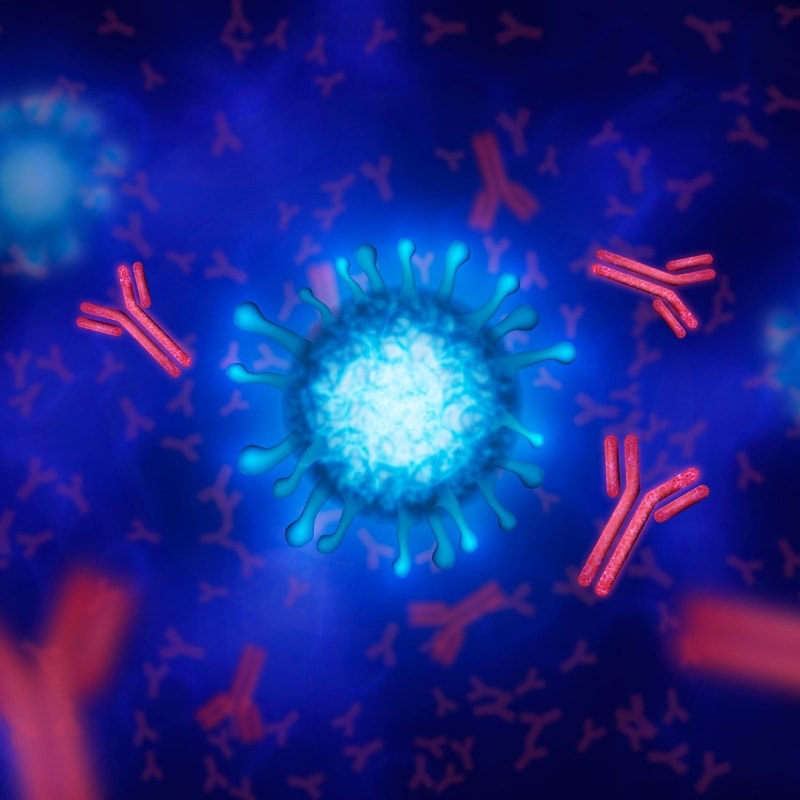
Viruses are notorious for their ability to replicate rapidly within their host, often leading to the swift onset of disease. However, systemic enzymes have emerged as one of the few dietary supplements that may effectively resolve post-COVID Fatigue
This unique ability makes them a valuable tool in supporting immune health and combating viral infections (Rathi et al., 2021).
Systemic enzymes can identify and target foreign proteins, distinguishing them from the body’s own proteins through a sophisticated lock-and-key mechanism. Once identified, these enzymes work to neutralize the virus by preventing it from attaching to and breaching the cell wall. By doing so, systemic enzymes halt the virus’s ability to bind to cellular DNA, effectively stopping rapid viral replication and rendering the virus inert.
This selective action not only curbs the spread of viral infections but also supports the body’s immune defense by removing harmful proteins and debris. Studies and clinical observations suggest that systemic enzymes can play an important role in managing viral loads and reducing the severity of viral illnesses.
By integrating systemic enzymes into a comprehensive wellness plan, individuals may enhance their body’s ability to fight off viruses while maintaining overall health and resilience.
Taking Systemic Enzymes As Dietary Supplements
Systemic enzymes are distinct from digestive enzymes, as they serve a broader metabolic purpose, particularly in managing inflammation. Unlike digestive enzymes taken with meals, systemic enzymes should be taken away from meals for optimal effect. However, this can be challenging for many patients who are accustomed to taking supplements with food.
Failures with systemic enzyme supplementation often occur due to the following 3 reasons:
To achieve the desired results, it is essential to take systemic enzymes in sufficiently high doses and for an adequate duration. Patients should understand that systemic enzymes do not provide the immediate suppressive effects of NSAIDs. While NSAIDs may mask symptoms, they can also harm the kidneys, liver, or stomach and allow the underlying degenerative processes to persist.
How To Take Systemic Enzymes
For the best results, systemic enzymes should be taken at specific times:
If it’s too difficult to remember multiple doses, taking the full daily dose at bedtime is better than skipping doses altogether.
Key Benefits Of Systemic Enzymes
Systemic enzymes can be used to support various health conditions and promote overall wellness. Their benefits include:
Take-Away
Systemic enzymes are a powerful tool for managing inflammation, improving circulation, and supporting recovery. Consistent and proper use—well away from meals—is crucial to achieving their full benefits.
We have found that learning and understanding about dosage timing, patience, and the importance of long-term use can significantly enhance the effectiveness of systemic enzyme supplementation

Ultimate Candida Cleanse System Bundle
Restore gut balance naturally with the Ultimate Candida Cleanse System Bundle — a complete, professional-grade gut health solution developed by naturopath Eric Bakker, N.D.
This all-in-one system combines two in-depth books — The Ultimate Candida Cleanse Program and The Ultimate Candida Cleanse Guide — along with the Yeastrix Gut Restore Kit, featuring targeted antifungal, probiotic, and enzyme formulations. Together, they deliver a structured, step-by-step approach to eliminating Candida overgrowth, rebalancing your gut microbiome, and rebuilding healthy digestion from the inside out — your foundation for lasting energy, comfort, and vitality.
To achieve real, lasting results, you need more than just a plan — you need the right support. That’s why Eric Bakker created Yeastrix, a professional-grade supplement range launched in 2025 to work hand-in-hand with his new Candida Cleanse Program. Each Yeastrix formula targets a key stage of gut recovery — helping restore microbial harmony, enhance digestion, and support long-term wellness.
If you’re ready to take control of your health and finally feel like yourself again, the Ultimate Candida Cleanse System gives you everything you need — expert guidance, a proven roadmap, and powerful natural support that truly works.