
What Is Leaky Gut ?
Leaky gut syndrome, also called intestinal permeability, occurs when the lining of the small intestine becomes compromised. Normally, this gut lining functions as a highly selective barrier, allowing only tiny, fully digested food molecules to enter the bloodstream.
However, in leaky gut, larger undigested food particles, along with bacteria, fungi, and their toxins, can pass through the weakened barrier. This disruption may trigger inflammation and contribute to various health issues.
Though once dismissed as a wastebasket diagnosis, more recent research has revealed that leaky gut may play a role in various diseases, especially autoimmune disorders. What was once considered fringe has now become a topic of serious scientific investigation, with studies showing that leaky gut could be a new focus for disease prevention and treatment (Bischoff 2014).
Leaky Gut Is Not Yet Fully Understood
Leaky gut is still not fully understood, and many doctors struggle to pinpoint it due to its overlap with conditions like irritable bowel syndrome and inflammatory bowel diseases like ulcerative colitis. Some researchers believe that leaky gut may either cause or worsen these issues and many other conditions.
In this comprehensive blog post we’ll take a basic (as well as a deeper look) at what leaky gut is, and more importantly, what we can do about it and how to prevent recurrence.
📖 TIP: For more in-depth information, click the + icons on the green boxes.
First let’s look at the symptoms of leaky gut, followed by causes.
Leaky Gut Symptoms

Leaky gut-induced symptoms can trigger a range of symptoms and health issues, making it difficult to diagnose because leaky gut symptoms often overlap with other conditions such as IBS (Aleman et al., 2023).
The other issue is that standard medical tests don’t always pinpoint the real cause, leaving many individuals without a clear diagnosis or proper treatment.
What can be even more confusing is that intestinal permeability doesn’t directly cause symptoms, but it often results from damage to the small intestinal lining, which can lead to many other issues (Fukui 2016).
Many individuals with leaky gut experience gut symptoms such as bloating, diarrhoea, or gas, but one of the most common early signs that you may have a leaky gut is experiencing multiple food sensitivities.
Here are several evidence-based recognised leaky gut symptoms, they include:
Digestive Symptoms
Most leaky gut symptoms involve some type of digestive issue. A review of 66 IBS studies found gut barrier dysfunction in a significant number of adult cases and in all children’s cases (Hanning 2021).
Food Allergies and Food Intolerances
Chronic Fatigue Syndrome
Mood Disorders
Extended Symptoms and Related Health Conditions
Leaky gut may manifest in a variety of symptoms, with some that extend well beyond digestive issues. This widely-debated condition is associated with a wide range of other health conditions. Some of these symptoms might not immediately suggest a gut-related problem, which can make diagnosis even more challenging.
Symptoms and conditions linked to leaky gut may include:
Diseases Related to Intestinal Permeability
There are many different diseases that can be attributed or related to leaky gut syndrome. Here are just a few of the more prominent of recognised conditions:
Gut-related diseases: (Aleman et al., 2023).
Non-gut related diseases: (BMC Gastroenterology 2014)
Small Intestinal Permeability

The small intestine is designed to allow only tiny, broken-down nutrients like fats, proteins, and starches to pass into the bloodstream, while keeping harmful or larger compounds out. Millions of cells, held together by tight junctions, maintain this selective barrier.
In a healthy gut, nutrients like glucose, amino acids, and electrolytes are absorbed through the microvilli and transported into the body’s circulatory system to nourish cells. However, when leaky gut occurs, this process becomes less efficient.
Nutrients may leak through tiny gaps between the cells, triggering the immune system and stimulating antibody (SIgA) production. Leaky gut is linked to defective intestinal mucosa, which compromises food absorption and digestion and may raise the risk of malnutrition and poor health. (Niewiem 2022)
The Small Intestine Houses Our Immune System
It is important to consider that about 70% of our immune system is located in our small intestine and affected by fungal and bacterial diversity. How we live and what we eat determines our level of health by impacting directly on our microbiome. (UCLA Health 2021)
When leaky gut syndrome occurs, our immune system becomes increasingly challenged as it has to shadow-box an increasing amount of “leaked” particles in our bloodstream. This is called a “high antigenic load”, and is part of the process how food allergies and auto-immune disease likely occurs, a breach in the gut wall and an immune system being continually challenged (Camilleri et al., 2019).
Allergies and auto-immune responses can and commonly do occur in conjunction with dysbiosis and an increase in pathobionts (beneficial bacteria and yeasts that can become disease-causing under certain conditions) (Han et al., 2021).
This intestinal barrier also acts as a wall, a kind of shield, preventing unwanted micro-organisms, undigested foods, toxins like Candida metabolites, in addition to various chemicals from being absorbed.
Inflammation and Leaky Gut

It is accepted that disruptions in gut microbiota are closely linked to the onset of most chronic inflammatory diseases (Wang 2020). The cells lining our small intestine form a strong, protective barrier that prevents larger, unwanted molecules (called antigens) from entering our bloodstream. Secretory antibodies made in our gut (called SIgA) help manage anything that does slip through the gut barrier.
Localised Pain and Inflammation
However, when antigens bypass this barrier, they trigger an immune response, forming antigen-antibody complexes that cause localised inflammation. This inflammation weakens the gut lining further, allowing even more antigens to pass through, leading to a vicious cycle of inflammation and increased permeability. Over time, the immune system perceives these antigens as threats and escalates its response, producing more antibodies to fight them off.
These antigen-antibody complexes can travel through the bloodstream, triggering inflammation in distant parts of the body. For instance, inflammation can occur in the brain, a condition now referred to as neuro-inflammation (Janakiraman 2018). The immune system may become over-reactive, attacking substances that aren’t inherently harmful, resulting in ongoing inflammation in various tissues.
Persistent inflammation and antibody production can lead to auto-immune diseases we will discuss soon. Some examples of auto-immune conditions and their affected areas include:
Chronic Low-Grade Inflammation

Chronic low-grade inflammation is common in chronic disease. Studies show that people with chronic disease often have intestinal permeability and higher levels of endotoxins in their blood (DiVincenzo et al., 2023). They also are found to have higher levels of circulating antibody levels, especially SIgA.
Endotoxins
Studies have found stress and modern lifestyle factors (inc. alcohol, poor diet, drugs, etc.) may cause bacteria or their toxins to pass through the weakened gut barrier, leading to long-lasting endotoxemia*. Leaky gut isn’t just a risk for chronic disease, it could be a cause (de Punder et al., 2015).
* Endotoxins are released when bacteria die, and then their toxins are able to cross the gut barrier to end up in the bloodstream. You may also like to read about mycotoxins, released by Candida species.
Low-Grade Gut Discomfort or Pain
Low-grade pain is a common symptom of intestinal permeability and may also indicate a shortage of beneficial bacteria. The small intestine is usually protected by a thin mucus layer, supporting good bacteria and blocking harmful substances. When this layer weakens, leaky gut develops, allowing bacteria and yeast to spread beyond the intestines. I’ve seen patients with gut discomfort and pain improve through lifestyle changes, diet adjustments, and supplements.
Low-grade discomfort or pain can be due to bacterial, fungal or parasite issues, especially their toxins involved in translocation caused by a leaky gut. It’s no surprise that Candida infections can become systemic, similar to autoimmune conditions, and cause wide-sprad inflammation.
Food Allergies and Leaky Gut

Intestinal permeability makes the gut wall permeable (“leaky”) to toxins, microbes, undigested food, waste, or macro-molecules bigger than what would normally pass through the small intestinal membrane.
It becomes easy to understand how allergies can develop under these conditions. If the gut leaks dairy proteins, it can be responsible for challenging the immune system, causing symptoms.
Allergies and an increase likelihood are a consequence of prolonged intestinal permeability. Studies shown that altered intestinal epithelial barrier function and composition is observed in food allergy. (Samadi 2018)
SIgA Antibody
An excessive number of antibodies circulate in the blood when a patient has numerous food sensitivities. In addition to the ability of such antibodies to suppress IgA, they may also be a sign of leaky gut due to the patient’s numerous food sensitivity problems.
If you are a person who has both a low level of SIgA, and several food sensitivities, leaky gut should be investigated as a potential source of your issues. I’ve invariably found that many patients could go back and eat foods they once could before they became unwell.
As the gut microbiota improves, so does their tolerability of many different foods. If you want a deeper look into SIgA, and learn about a chemical our white blood cells make called Interleukin, click the following:
Antibody SIgA and Gut Health
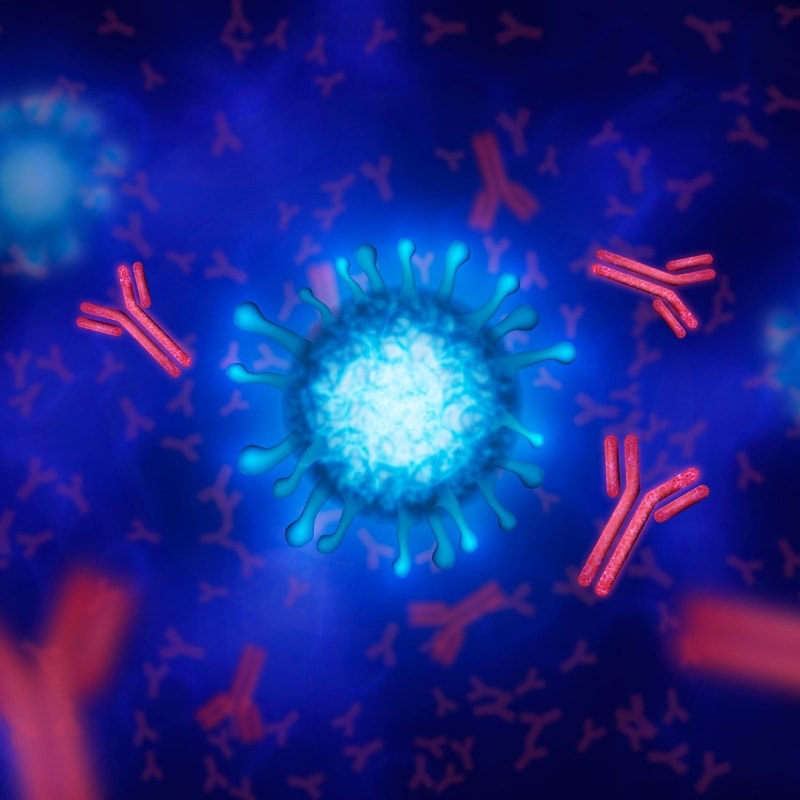
SIgA (Secretory Immunoglobulin A) is a vital antibody produced by the immune system, commonly found in body secretions such as mucus, saliva, and tears. It also plays a crucial role in our gut, forming a protective layer in the mucus lining throughout the digestive tract. SIgA is often measured in stool tests, as it is a key indicator of immune function within the gut (Pietrzak et al., 2020).
SIgA is predominantly located in the brush border of the small intestine, where it serves as the first line of defence against harmful microorganisms. It helps prevent infections and counteracts environmental toxins. In a healthy gut, SIgA levels are balanced, which helps regulate intestinal bacteria and reduce chronic inflammation.
According to research, SIgA, along with other antimicrobial molecules, is a primary mechanism for controlling gut bacteria (Santaolalla 2011).
Over time, however, we may lose some of this protective function, especially as we age. Reduced SIgA levels can increase susceptibility to infections from viruses, bacteria, parasites, and Candida. (Gardner 1980). In individuals with leaky gut syndrome or autoimmune disorders, we often observe chronic gastrointestinal infections accompanied by low SIgA levels in stool test reports.
When the gut lining is compromised, leaky gut allows proteins and harmful microorganisms to enter the bloodstream, potentially overwhelming the liver’s detoxification system. This can lead to food allergies (Poto et al., 2024), as the immune system produces antibodies in response to these proteins, as well as higher levels of Candida metabolites (Basmaciyan et al., 2019).
Multiple Sensitivities Can Develop
I discovered clinically that patients with chronic leaky gut can sometimes develop sensitivities to perfumes, cologne, tobacco smoke, or environmental toxins. These can be the patients who complain of brain fog, disorientation, lack of focus or attention, or memory loss are additional common concerns patients have. These are also more likely the patients who go on to develop chronic fatigue syndrome. (Stallmach et al., 2024).
As the intestinal lining of the small bowel becomes increasingly damaged and leaky over time, substances larger than particle size such as undigested food particles, disease causing bacteria, yeasts, and potentially toxic molecules can pass through these weakened and leaky cell membranes. This can lead to high or low levels of IgA. Higher levels often indicate more acute activity, whereas lower IgA levels signify more chronic and prolonged activity.
Low Levels of SIgA
When IgA levels are below what is required to adequately protect the body, a deficiency results, which can leave you vulnerable to disease and, in the case of SIgA, various kinds of inflammatory disorders.
Low SIgA levels are frequently, though not always, detected in patients with Candida, but what causes a lack of such a crucial defence mechanism?
Past infections
Even past experiences of specific viral infections can cause decreased levels of SIgA in some people. There are two examples of what can cause this issue, for example, Epstein-Barr virus and Coxsackie
To keep SIgA at its ideal level, your body requires a number of vital nutrients. Maintaining healthy SIgA levels requires folic acid, iron, vitamin C, and zinc in particular.
By doing this, you’ll lower your body’s production of cortisol and give your adrenal glands some rest. Sustained high cortisol levels during stress can cause immune suppression, increasing vulnerability to acute infections. (Morey 2015)
A negative cyclical effect is once more evident as high cortisol production has been shown to increase SIgA levels. (Viena 2012)
Spend some time alone, away from work, the computer, and the children. Relaxing in a warm bath or even lying down in a warm room with your feet raised will help the body reset its metabolism and reduce the production of the harmful hormone cortisol.

Once Candida has overgrown in the gut, it allows metabolites to pass through the intestinal wall, including toxins. This process occurs when leaky gut occurs, allowing Candida toxins (like candidalysin) to enter the circulation.
These foreign molecules enter the bloodstream, triggering the increasing production of antibodies and cytokines, which are protein molecules released by the white blood cells of the immune system to cause a reaction in other cells, to fight the antigens.
Cytokines are minuscule secreted proteins released by our white blood cells that have a specific effect on the interactions and communications between cells. They alert the white blood cells, lymphocytes, to fight any foreign particles that have escaped through the intestinal lining (Zhang et al., 2009).
Interleukin-17 (also known as IL-17) is one of the most important cytokines when it comes to Candida. Multiple studies in both humans and mice show the importance of this specific cytokine in Candida infection (Conti et al., 2015).
A breach of small intestine membrane, the induction of IL-17 activity, and the activation of cancer-associated factors provide three of the most convincing examples of Candida’s ability to contribute to disease. (Ho 2020)
IL-17 stimulates other pro-inflammatory cytokines, and antimicrobial proteins that protect against fungal infection by increasing white blood cell activity and Candida-killing activities. IL‐17A is the most studied IL‐17 family member, it has been shown to contribute to the symptoms of dermatitis, psoriasis, IBD, arthritis, multiple sclerosis (MS), periodontal disease and lupus (SLE), among other inflammatory diseases.
Auto-Immune Disease and Leaky Gut

Our traditional understanding of autoimmune disease, which emphasised genetic predisposition, and environmental triggers, has now evolved to recognise a critical third factor: impaired gut function. Growing evidence identifies intestinal permeability, or “leaky gut,” as a key contributor to the onset of autoimmune conditions (Paray 2020).
Studies are only now discovering that repairing the small intestine (leaky gut) membrane is essential to not only reversing autoimmune disease symptoms, but helping to reduce chronic inflammation and chronic illness in general. Today, leaky gut is viewed as an early warning sign for autoimmune disease development (Mu 2017).
Treat The Cause Not Just Symptoms
In my professional view, therapies that fail to address leaky gut often do little more than mask symptoms, while leaving the underlying issue unresolved. For too long, the standard approach has been to prescribe powerful, long-term medications for symptom relief, overlooking the root cause. Autoimmune diseases were once considered to have “no known cause,” but we now know that healing the gut is fundamental.
At our clinic, we’ve spent the past 35 years refining natural medicine protocols tailored to patients with autoimmune diseases, leaky gut, Candida overgrowth, inflammatory bowel disease, and IBS. Our Candida Cleanse Programs, which you can find [here], have helped countless individuals manage these interconnected issues.
Nutritional Deficiencies, Malabsorption, and Leaky Gut

Eating a healthy diet loses its value if your body isn’t properly digesting and absorbing nutrients. In fact, without proper absorption, you might as well be consuming junk food.
Stress is often a key factor in poor gut and stomach function, with conditions like low stomach acid (hypochlorhydria) and leaky gut commonly linked to poor absorption of essential nutrients such as trace elements, minerals, vitamins, amino acids, and fatty acids.
When the gut becomes “leaky,” its lining can become inflamed, damaging the microvilli—tiny projections responsible for nutrient absorption. This inflammation may hamper the ability of these cells to effectively transport nutrients into the bloodstream (Aleman et al., 2023). As a result, chronic inflammation and damage from leaky gut may contribute to widespread nutrient deficiencies. (IMD Berlin)
Common deficiencies include:
Leaky gut makes it difficult for the body to efficiently absorb nutrients, which can lead to long-term health issues such as fatigue, anxiety, depression, and musculoskeletal pain. Over time, this can have a serious impact on overall well-being.
Malabsorption can manifest itself in various ways, here are just a few:
Liver Health and Leaky Gut
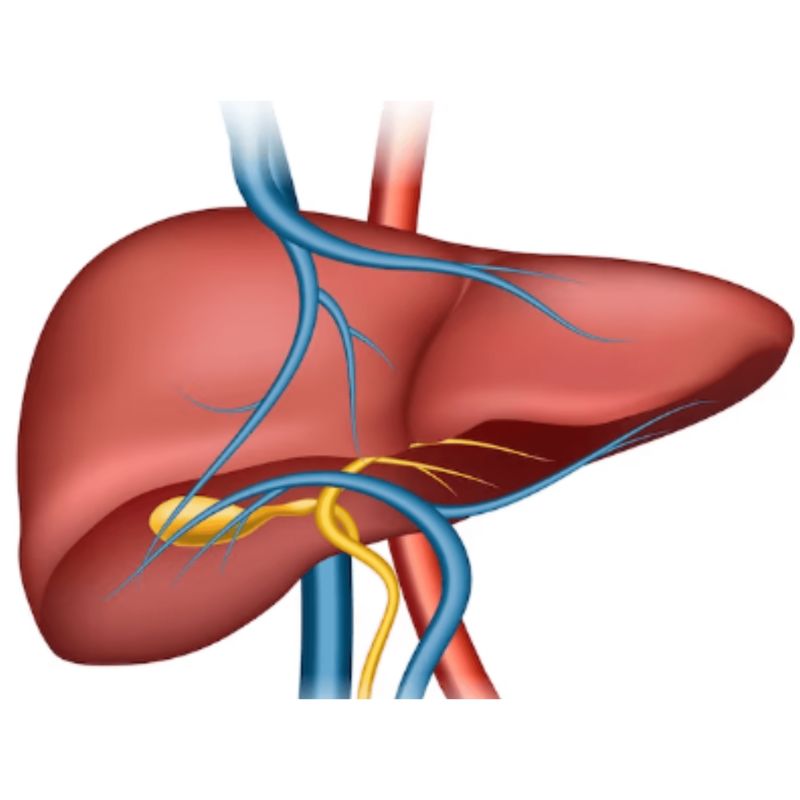
The gut-liver connection is essential for keeping our body in balance. When the intestinal barrier is damaged, it can lead to liver problems. Recent research shows that increased intestinal permeability is linked to liver damage, especially non-alcoholic fatty liver disease (Nicoletti et al., 2019).
During the past decade, the intestinal microbiome and intestinal permeability have emerged as an important liver disease modifier (Leung et al., 2017).
Toxic Liver Load
Our small intestine can develop microscopically-tiny leaks, allowing undigested substances and toxins to enter our bloodstream. These toxins are then passed through to the liver for processing, which, over time, becomes overwhelmed and unable to handle the increasing load.
As the intestinal lining weakens, increasing amounts of toxins and undigested food enter the bloodstream, triggering immune system responses into sending out more antibodies to fight these foreign substances. This immune response can lead to the production of toxic chemicals that attack body tissues, causing allergic reactions, pain, and chronic inflammation.
While leaky gut can be remedied, it requires patience and the right approach to support gut healing.
Key Articles
What Causes Leaky Gut?

Leaky gut is often a sign of a deeper issue. Because it affects the small intestine, it can be linked to various chronic conditions like heart disease, autoimmune disorders, depression, and chronic fatigue syndrome (Arietta 2006).
Studies show that intestinal permeability is associated with many chronic diseases, but the root cause is often hidden, while only the symptoms are treated.
To effectively address leaky gut, the underlying cause, including bacterial overgrowth or Candida, must be identified and treated alongside repairing the gut. Understanding this is crucial, as many doctors may overlook it, and early intervention can help prevent future chronic health problems.
Leaky gut syndrome (LGS) has many potential causes, ranging from lifestyle choices to medical treatments. Common triggers include antibiotics, toxins, stress, and poor diet (Camilliri 2019).
Here are some of the main causes, many are linked with often cause malabsorption issues and increased susceptibility to infections.
Let’s now take a look at the main causes of leaky gut:
Causes of Leaky Gut
Small Intestine Microvilli: The Gatekeepers of Gut Health

The small intestine is lined with millions of microscopic, finger-like projections called villi. Even smaller than the villi are microvilli, which form what is known as the brush border. This area plays a crucial role in nutrient absorption, as well as in protecting the body from harmful pathogens.
The brush border is where nutrients are absorbed into the body, thanks to the dense network of microvilli, each of which is covered in a thin layer of mucus. This mucus is essential for harboring beneficial bacteria. These friendly bacteria support healthy digestion and immune defense by keeping harmful microorganisms at bay.
When the mucus layer of the brush border is compromised, opportunistic bacteria and yeast can penetrate the gut barrier more easily. This increases the risk of exposure to pathogens and toxins, including substances like candidalysin, a harmful toxin produced by yeast. The breakdown of this defense layer can lead to a higher susceptibility to infections and other gut-related issues.
In recent studies, scientists discovered that the cells in the small intestine release enzyme-filled vesicles from the tips of the microvilli. These tiny enzyme packages help process nutrients and also provide an extra layer of defense against infections from harmful microorganisms. This discovery (Short 2009) highlights how intricate the gut’s defence system is and how it actively works to maintain a healthy balance.
However, antibiotics can disrupt this delicate balance. Frequent use of antibiotics has been shown to cause significant damage to the brush border, often leading to overgrowth of yeast, such as Candida, in the gut. While some research shows that gut bacteria can recover within a few weeks after stopping antibiotics, other studies suggest that the effects can last from two to six months, or even longer (Elvers 2020).
Maintaining the integrity of the microvilli and brush border is essential for both nutrient absorption and protecting the body from harmful invaders. When disrupted, as in the case of antibiotic overuse, it can set the stage for gut imbalances that lead to broader health issues.
Heavy Alcohol Use

Although some individuals may be genetically predisposed to leaky gut, modern lifestyle factors play the leading role. Diets low in fibre and high in sugar, saturated fats, and processed foods contribute to gut inflammation, damaging the intestinal barrier. Heavy alcohol use and chronic stress also disrupt gut health (Zhang 2022).
The standard American diet, with its emphasis on convenience and processed foods, is often a major contributor to this problem. Infections, autoimmune disorders, and diabetes can further increase the risk of developing a leaky gut.
In terms of dietary factors, several foods have been identified as problematic for gut health. For example, lectins, which are found in foods like wheat, rice, and soy, can damage the gut lining when consumed in large amounts.
Conventional cow’s milk, especially due to the A1 casein protein and pasteurisation, is also difficult to digest and harmful to the gut. Additionally, gluten-containing grains may damage the intestinal lining, while excessive sugar can feed harmful bacteria and yeast, producing toxins that erode the gut barrier.
Dietary triggers of leaky gut include:
How To Test For Leaky Gut

If you suspect something serious is going on with your gut function, it’s important to see a gastroenterologist for a colonoscopy or endoscopy to rule out any underlying serious disease.
If however, your symptoms are more in line with leaky gut, you can also purchase leaky gut test kits online or through private labs. While lifestyle changes, especially stress reduction, are key to healing leaky gut, it’s best to first confirm any gut issues with the help of a health-care professional, this may be a medical doctor or professional natural therapist, like a naturopath.
The problem though in this there is no standard test yet for leaky gut. Diagnosing leaky gut syndrome is challenging because there is currently no validated, standardised test available to definitively confirm this condition (Lacy et al., 2024).
Although patients may be informed that blood or stool tests can diagnose leaky gut, medical research has yet to establish a reliable diagnostic tool. While various methods are under investigation, none have really gained acceptance in clinical practice. Some testing companies offer at-home urine tests for leaky gut, you’ll find several online.
How is Intestinal Permeability Measured?
Intestinal permeability is measured using various tests, though no standard method currently exists. One common approach is the urine test, where a person drinks a solution containing molecules of different sizes, and their urine is analysed to see which molecules passed through the gut lining. Another method is the blood test, which looks for specific antibodies and endotoxins that signal bacterial infiltration.
More invasive options include biopsies which examine the gut lining directly for gaps or abnormal permeability. These methods however are still under research and not widely used in clinical practice.
Urine Test:
This test operates on the principle that small molecules are readily absorbed by our intestinal cells while larger molecules are not. The patients drinks a solution containing two water-soluble sugars that are not metabolised by us as humans. If these sugars are absorbed into the bloodstream via the gut lining, they will be excreted in the urine and can be measured. Mannitol is expected to be absorbed to some extent, while lactulose should typically be excluded by a healthy gut lining. (Sequiera et al., 2014), (Denno et al., 2014),
Stool Test:
The discovery of zonulin, a protein that regulates cell adhesion in the gut lining, has provided another method for measuring intestinal permeability. Zonulin levels increase in response to intestinal bacteria or the ingestion of gluten, the protein found in wheat, rye, and barley. Zonulin can be measured in stool tests, although results can be confounded by gluten intake (Fasano 2020).
Blood Test:
This test examines blood for signs of bacterial infiltration by measuring specific antibodies and endotoxins, which may indicate gut leakage.
These tests, while promising, are still being researched and are not yet widely utilised in clinical settings.
How To Fix Leaky Gut

Fixing leaky gut requires a multi-faceted approach that focuses on healing the gut lining, balancing the microbiome, and reducing inflammation. The first step is to identify and remove any cause and underlying triggers, such as poor diet, stress, or overuse of medications like NSAIDs (acetaminophen, ibuprofen, aspirin, etc.) or antibiotics.
A diet rich in whole, unprocessed foods—especially those foods high in fibre, antioxidants, and healthy fats—can help repair the gut lining. Fermented foods and probiotics can also restore healthy gut bacteria, which play a key role in maintaining intestinal integrity. Additionally, addressing food sensitivities, such as gluten or dairy, can reduce inflammation and give the gut a chance to heal.
Lifestyle changes are just as important as dietary adjustments. Stress is a major contributor to leaky gut, so managing it through mindfulness, meditation, or regular exercise can support gut healing. Alongside these, supplements like L-glutamine, zinc, and omega-3 fatty acids may help rebuild the gut lining and reduce inflammation. Long-term success depends on consistent effort in both diet and lifestyle choices, with a focus on gut-friendly habits that promote balance and repair.
Let’s now look at some of the best ways to fix leaky gut:
The Best Ways to Fix Leaky Gut
There is no standard treatment or “best way” to cure leaky gut syndrome, because many doctors still do not consider it to be a legitimate medical condition. However, there are several specific dietary and lifestyle changes that will help most people improve their intestinal barrier.
Here follows a summary of some of the best ways our clinic would recommend treatment for leaky gut syndrome. By incorporating many or all of these areas, good results would be expected.
Diet Modification:
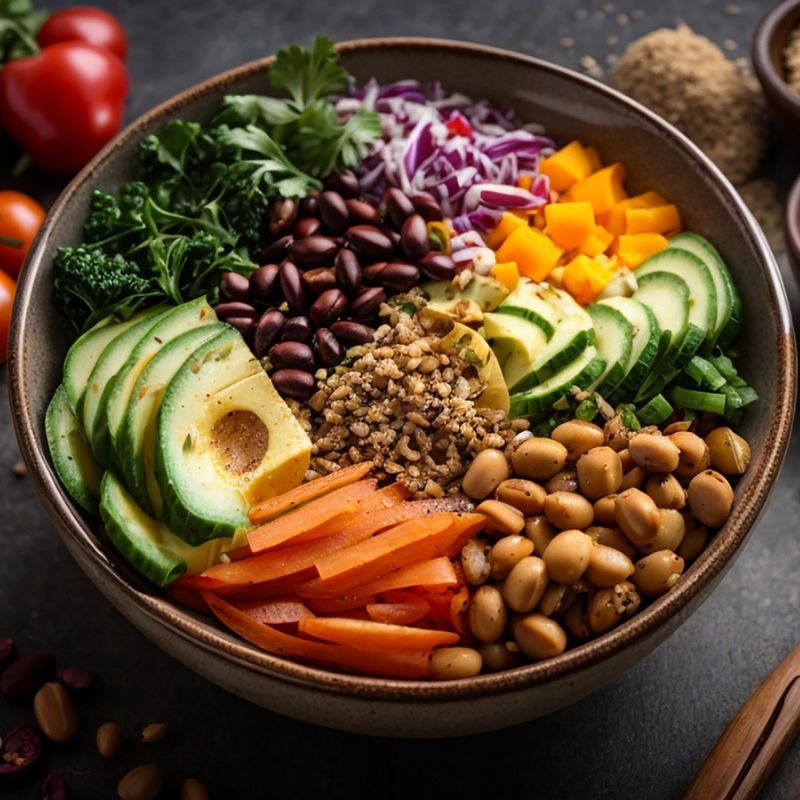
Leaky gut treatment should focus on changing your diet by avoiding fats, sugars, additives, and processed foods (Aleman et al., 2023).
Given the strong link between leaky gut, gut dysbiosis, and major diseases, focusing on a healthy diet and probiotics could be key to improving how we manage these conditions in the future (Fukui 2016).
There are many different dietary approaches when it comes to leaky gut, some recommend the FODMAPS diet, while others just settle for a more whole-foods diet approach based on the Mediterranean diet.
Best Leaky Gut Diet Recommendations
Here are some of the best dietary recommendations we recommend when it comes to leaky gut:
Best Leaky Gut Lifestyle Modification

Lifestyle modification is a commonly overlooked area when it comes to the treatment of leaky gut. Clinically, I’ve found a strong link between stress and diet and this common gut condition.
Although it is well recognised that one of the immediate (acute) effects of physical exercise is intestinal permeability, the exercise effect on the immune system, and microbiota diversity suggests that exercise also provides long-term benefits for the intestinal barrier (Mailing et al., 2019).
Multiple studies have confirmed the link between stress and intestinal permeability, as well as poor sleep patterns. Both human and animal studies have shown that stress disrupts intestinal barrier integrity (La Torre et al., 2023).
By exercising several times a week, learning the art of relaxation, and focusing on how to create great sleep patterns, we’ve got just about all bases covered.
Here are a few lifestyle modifications sure to help:
Leaky Gut Syndrome Treatments

Leaky gut treatment also includes taking supplements like probiotics, prebiotics, polyphenols, vitamins, fibre medicinal herbs, mushrooms, and FODMAPs (Aleman et al., 2023). Studies show these can help improve gut immunity, strengthen the intestinal barrier, heal the gut lining, and support cell growth.
Repair the gut by taking specialised dietary supplements that support gut microbiome recovery. Our recommendations are to work on diet and lifestyle first and foremost, while supporting your gut function temporarily with premium supplements.
Apart from emphasising the best diet, the dietary supplements I’ve used the most in my clinic involved just three products: a gut microbial balancing product, an enzyme formulation, and a probiotic.
Here are a few dietary supplement recommendations sure to help:
Probiotics
Probiotics are live beneficial microorganisms that play a pivotal role in maintaining gut health, bolstering immune function, and supporting overall well-being. These friendly bacteria and yeasts naturally inhabit various parts of our body, including the digestive tract, vaginal microbiome, skin, mucous membranes, and even areas like the scalp and nails.
Supplementing with high-quality probiotics can help restore and maintain this delicate microbial balance, especially after disruptions caused by factors like antibiotics, stress, or dietary imbalances.
Rebalance Your Gut Flora the Professional Way

Yeastrix Daily Probiotic is designed to address these challenges head-on. Whether you’re aiming to rebalance your gut flora post-antibiotic use, enhance your immune defences, or improve specific areas such as vaginal, urinary, or digestive health, Yeastrix Daily Probiotic offers a potent, scientifically-backed solution.
With targeted strains, high-potency, and a gentle delivery system, Daily Probiotic provides effective, long-lasting benefits for men’s and women’s unique health needs. Click Here to read more.
Key Product Features:
By integrating these features, Yeastrix Daily Probiotic stands out as a reliable and professional choice for those seeking to enhance their health through targeted probiotic supplementation.
Eric’s Conclusion

In conclusion, the integrity of the intestinal barrier and the influence of bacterial byproducts are now recognised as critical factors in the development of many chronic diseases. Increased intestinal permeability may serve as an early trigger or contributing factor, affecting far more than just the digestive system.
From cognitive issues and digestive discomfort to autoimmune conditions and even cancer, leaky gut has far-reaching consequences that extend beyond the gut itself. While the concept of leaky gut syndrome remains a “grey area” for some scientists, emerging research increasingly supports its role in a wide range of health conditions.
The most promising treatments focus on modulating gut microbiota—through diet, prebiotics, probiotics, and stress management—all of which have shown encouraging results. While it may take years to fully understand the gut’s influence on overall health and disease, nurturing digestive health now seems like a sensible step toward achieving optimal well-being.
Thank you for reading our comprehensive guide on intestinal permeability. Feel free to share your thoughts in the comments below.

Ultimate Candida Cleanse System
Beat Candida naturally with the complete, science-based system created by naturopath Eric Bakker, N.D. This all-in-one package gives you two downloadable guidebooks plus the Yeastrix Gut Restore Kit — three targeted professional formulas that work together to reset your gut, restore balance, and rebuild healthy digestion.
You get a structured, step-by-step program, professional clinical guidance, and supplements designed to support each stage of recovery. No guesswork. No confusing protocols. Just a clear roadmap and the right tools to help you finally reduce symptoms, rebalance your microbiome, and feel like yourself again. The Ultimate Candida Cleanse System is everything you need to make real progress — naturally, safely, and effectively.

Eric Bakker N.D.
Greetings! I am a naturopathic physician from New Zealand. Although I’ve retired from clinical practice since 2019 after 34 years of clinic. I remain passionate about helping people improve their lives. You’ll find I’m active online with a focus on natural health and wellbeing education through my Facebook page, Reddit page and YouTube channel, including this website.