
The Foundation Diet
The origins of the Foundation Diet stem from my own gut health struggles in the 1980s, long before “gut health” became the household term it is today. Like countless others at the time, I experienced the fallout of antibiotic overuse, which led to persistent Candida overgrowth and serious gut dysbiosis—conditions that would take me years to fully understand and overcome.
My personal health journey ignited a lifelong commitment to natural healing, Candida recovery, and a deepening focus on diet, nutrition, and lifestyle as core strategies for gut restoration.
As I entered clinical practice and became a naturopath in the late 1980s, it didn’t take long to realise that digestive health was the cornerstone of overall wellness.
After speaking with thousands of patients over several decades, it became abundantly clear that true healing can only begin in our gut. My own personal experience with Candida overgrowth taught me first-hand how strongly the microbiome impacts everything from energy and immunity to mental clarity and hormonal balance.

MEVY Diet Origins
Almost 40 years ago, one of the most pivotal influences on my dietary philosophy was The Yeast Syndrome by Dr. John Parks Trowbridge. His MEVY approach—centred around Meat, Eggs, Vegetables, and Yogurt—became the foundation of the nutritional guidance I once gave many patients suffering from Candida overgrowth and related gut issues. It was effective, structured, and therapeutic for its time.
However, science never stands still. Since The Yeast Syndrome was published (1986), our understanding of the human gut microbiome has advanced dramatically.
What we now know is that long-term recovery from Candida and chronic gut problems isn’t just about “cutting sugar and avoiding yeast-containing foods”. That’s old-school – it’s about fostering gut-microbial balance, encouraging diversity, and feeding & supporting the beneficial bacteria that promote resilience and health from within.
The Foundation Diet

Alongside this deeper microbial understanding, the broader lifestyle context also needed to be addressed. Candida overgrowth recovery In today’s fast-paced, high-tech, and sedentary world, lifestyle practices that once came naturally have largely been lost—and yet, they remain just as vital to gut health, if not more – now as they were 40 years ago.
Over time, and through years of clinical refinement, our MEVY Diet principles gradually evolved. Drawing from the Mediterranean diet’s time-tested principles and enriching them with globally sourced, gut-supportive elements, I developed what I now call the Foundation Diet, an approach brings together the best of traditional wisdom and the best of modern science.
It incorporates probiotic-rich fermented foods, natural antimicrobial foods, antioxidant-rich fruits, fibre-dense vegetables, nutrient-packed and polyphenol-rich herbs and spices, and anti-inflammatory ingredients that support both digestive healing and long-term vitality.
It’s also a comprehensive lifestyle philosophy shaped by decades of functional medicine insight and hands-on patient experience.
From my first days in naturopathic practice to my final consultations before retiring in 2019 (after 34 yrs), gut health has remained the unshakable core of my work and research. The Foundation Diet is the culmination of that lifetime of learning, research, and clinical care—an evolved, holistic response to the complex health challenges of our modern times.

How Does This “Foundation Diet” Work?
Foundation Diet is 6th module of the Ultimate Candida Cleanse Program, and follows the Food Re-Introduction module.
In our clinic, we call this eating approach the “base diet” because it sets a solid base or foundation for better digestion, stronger immunity, and overall long-term resilient health. It’s based on years of real-world clinical experience and science of feeding the trillions of beneficial bacteria that live inside our gut.
So, what makes this way of eating different from all the other “diet plans” out there? To begin with, it’s actually designed with your gut microbiome in mind.
The Foundation Diet is especially helpful if you’re dealing with Candida overgrowth, SIBO irritable bowel syndrome, or IBD. These chronic conditions have become common thanks to high stress, poor diet, along with medications that create gut imbalance.

And No Kale-Chugging!
Our recommended long-term eating approach helps calm inflammation, clear out microbial troublemakers, and supply your gut microbiome with the food they actually want to eat. It’s full of real, whole foods that heal—not just mask symptoms—and it’s built to support and build a balanced gut that works properly.
You won’t need a PhD to follow this way of eating and living either. It’s practical, common-sense, science-backed, and doesn’t require chasing kale down with bone broth every six-hours. Unless you’re into that of course.
Your Foundation Diet Resources

We recommend saving our Foundation Diet PDF resource for quick and easy access. It will serve as your guide throughout the process of establishing new ways of eating, helping to simplify the journey and keep you on track. Here is the key document and other resources you’ll need:

Born From Mediterranean Roots
The Mediterranean diet—rich in vegetables, fruits, whole grains, legumes, fish, and healthy fats—has long been celebrated for promoting microbiome diversity and reducing inflammation (Tosti et al., 2018).
The low environmental impacts (water, nitrogen and carbon footprint) of the Mediterranean diet is one of the several positive aspects of this proven dietary model (Guasch-Ferré et al., 2021).
Building on this legacy, the Foundation Diet goes further, it incorporates time-tested ingredients and traditions from around the world to specifically target microbiome repair and balance, fungal and bacterial-control, immune health, reduction of inflammation, and chronic disease prevention.
While the Mediterranean approach focuses on a balanced intake of anti-inflammatory and nutrient-dense foods, the Foundation Diet adds targeted, gut-repairing elements and key anti-microbial foods from global cuisines.
For example – fermented foods like sauerkraut, kimchi, tempeh, and miso; powerful antimicrobial spices such as turmeric, clove, and nutmeg; and microbiome-boosting seaweeds and plant-based high-protein foods are all central to this therapeutic way of eating. Let food be your medicine.
In contrast, the Western diet—dominated by ultra-processed foods, sugary drinks, refined grains, alcohol, and excess red meat—promotes inflammation and microbiome disruption. The Foundation Diet is the antidote: a nutrient-rich, tasty, and deeply-healing diet and lifestyle that nurtures the gut and supports the whole body.
Global Approach To Microbiome Mastery
The Mediterranean Diet is widely considered one of the healthiest dietary patterns in the world. It’s not just a “diet” but a way of eating that emphasises fresh, seasonal, and whole foods, inspired by traditional cuisines of countries bordering the Mediterranean Sea—like Greece, Italy, and southern France.
The Foundation Diet is a variation of the Mediterranean diet. This way of eating and living integrates the best dietary & lifestyle practices from the Mediterranean, but also multiple cultures, including:
Here are the key foods below that make up the Foundation Diet, you’ll find them and a lot more on our complete and convenient patient handout. (The Foundation Diet Guide download link is above or here if you missed it).

The Foundation Diet Is An Evidence-Based Diet Approach
The Foundation Diet—recommended in the Ultimate Candida Cleanse Program — is a sustainable, science-backed way of eating designed to nourish your body and support long-term gut and microbiome health.
By focusing on nutrient-dense, microbiome-friendly foods, our approach helps balance Candida and gut bacterial levels, normalise weight, improve digestion, improve energy & sleep, and boost overall health—naturally.
No calorie counting, no daily weigh-ins—just real food that satisfies. As your cravings fade and your energy returns, you’ll see and feel the difference. Your body will thank you, especially your waistline.
The Foundation diet is not about:
The Foundation Diet: Healthy Food List
Inspired by the Mediterranean way of eating—with added global gut-health support from Asia and Europe—the Foundation Diet is designed to nourish your microbiome, fight Candida and SIBO, and support long-term digestive wellness.
Here is a basic list of foods we recommend on this diet:
🌿 Plant-Based Staples
Nutrient-dense and rich in fibre to feed beneficial gut flora. The Foundation Diet has a strong focus on plant-based foods packed with protein, vitamins and minerals, fibre, healthy fats.
🫒 Healthy Fats
Support brain, immune, and gut function with these anti-inflammatory fats.
🐟 Lean & Gut-Supportive Proteins
Clean proteins with anti-inflammatory benefits.
🥖 Fermented & Functional Foods
Feed your microbiome with these traditional, probiotic-rich options.
🌿 Herbs & Spices
Packed with antioxidants and natural antimicrobials.
☕ Beverages (Optional)
Enjoy in moderation as part of a relaxed lifestyle.
7 Foundation Lifestyle Principles
Gut health is about more than just food. Most Candida and gut recovery programs focus narrowly on diet and cleansing—missing the following seven essential lifestyle factors that influence healing. The Foundation Diet takes a true holistic approach by integrating key lifestyle habits alongside nutrition.
When you prioritise these pillars—sleep, stress, relationships, movement, and more—you create lasting balance, resilience, and vitality. This is not only how Candida overgrowth and SIBO can be eradicated, it’s how true and sustainable wellness is achieved.
⚖️ Body Weight
Maintain a healthy, balanced weight to reduce inflammation and support the gut. Looking to lose weight permanently – the healthy way? Our Healthy Weight Loss page is a key part of the Foundation Diet and offers real, lasting solutions. Forget quick fixes—true, sustainable weight loss comes from smart lifestyle habits, not fad diets or pills. Take charge of your health now for long-term balance and wellbeing!
Read: Weight Loss
😴 Sleep
Prioritise restorative sleep to strengthen immunity and regulate digestion. Sleep isn’t a luxury—it’s a vital part of healing and overall health. Whether you’re managing Candida or just aiming to feel your best, quality sleep makes a big difference. Yet, nearly one in three adults struggles with it. That’s why sleep is a key lifestyle focus in the Foundation Diet.
Read: Sleep and Insomnia
🛡️ Immune Function
Support immunity through nutrient-dense foods and microbiome diversity. Your immune system is your body’s frontline defense against harmful microbes, chemicals, and abnormal cells. It’s a complex network that works quietly in the background—until something goes wrong – like Candida overgrowth, SIBO, IBS, or IBD. When it’s weakened, illness can take hold fast. That’s why immune support is a key focus in the Foundation Diet lifestyle.
Read: Immune Function
🏃 Physical Activity
Move daily—walking, swimming, or yoga all enhance gut motility and reduce stress. In a world where sitting has become the norm, staying active is more important than ever. Whether it’s walking, stretching, or regular exercise, movement is essential—our bodies were never meant to be still for long. That’s why physical activity is a vital part of the Foundation Diet lifestyle.
Read: Exercise
🤝 Relationships
Stay socially connected; laughter and support help regulate stress hormones and gut function. Good health isn’t just about food and fitness—your relationships matter too. The quality of your connections with family, friends, and others can deeply impact your mental, emotional, and physical well-being.
There’s no perfect way to relate to everyone, but building supportive, healthy relationships that meet your individual needs is key. That’s why relationships and communication are core lifestyle pillars in the Foundation Diet.
Read: Relationships
😌 Stress Reduction
Daily stress management—breathing, nature time, mindfulness—protects the gut-brain axis. Stress is more than just feeling overwhelmed—it impacts your immune system, gut health, and increases your risk of chronic disease. While stress might not directly cause issues like Candida or SIBO, it creates the ideal conditions for them to take hold.
That’s why managing stress is a vital part of the Foundation Diet lifestyle—it helps protect your gut, strengthen immunity, and support long-term health.
Read: Stress
🌱 Healthy Environment
Reduce exposure to toxins by choosing organic food, filtering water, and avoiding harsh chemicals. Your surroundings matter just as much as your diet and activity levels. A clean, supportive home and work environment can greatly influence your overall well-being.
While gut health is a major focus of this site, the Foundation Diet lifestyle also emphasizss creating healthy spaces—because where you live impacts how you feel.
Read: Environment
10 Foundation Diet Nutritional Principles
Our clinic refers to the Foundation Diet as the “base diet” or foundational eating approach. It’s not just about eating; it’s a way of living that supports optimal health, microbiome balance, and overall wellness.

1 – Anti-Aging
Every component of the Foundation Diet is chosen to combat oxidative stress, slow cellular aging, and protect against age-related diseases.
Foods high in antioxidants—like olive oil, berries, turmeric, and green tea—help maintain youthful energy and reduce inflammation throughout the body.
KEY: Olive oil (Mediterranean), berries, turmeric (India), green tea (Japan)

2 – Anti-Inflammatory
Chronic inflammation is at the root of many digestive and autoimmune disorders. The Foundation Diet calms the immune system with anti-inflammatory staples such as oily fish, leafy greens, turmeric (India), and polyphenol-rich foods like berries and herbs. This naturally reduces flare-ups, die-off, and supports healing from within.
KEY: Leafy greens, oily fish, garlic, turmeric (India), ginger (Thailand)
3 – Antimicrobial
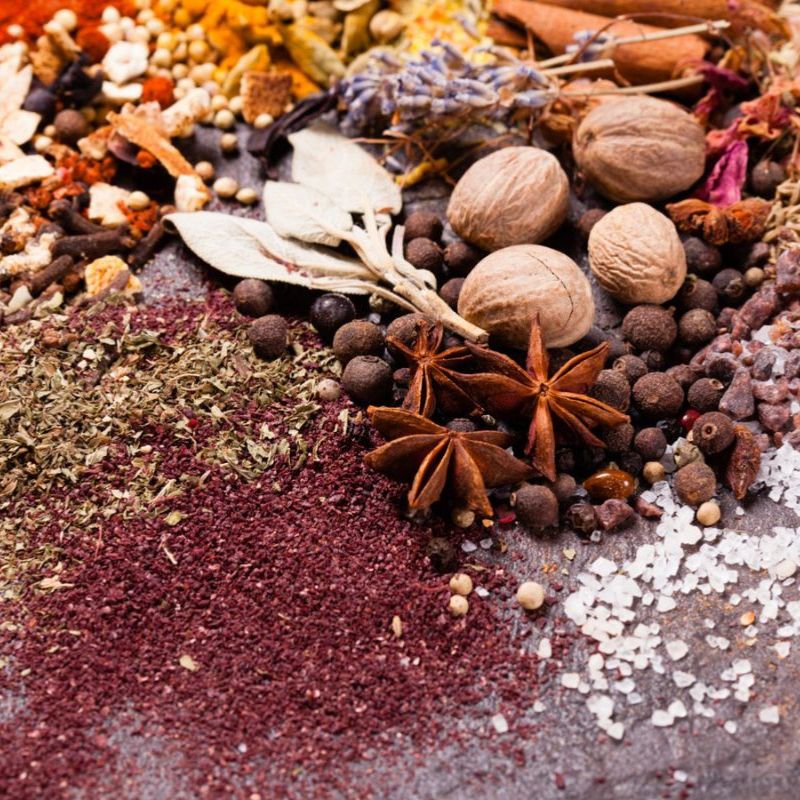
Many foods in the Foundation Diet gently inhibit the growth of harmful bacteria, yeasts, and parasites. Fermented foods like kimchi (Korea), tempeh (Indonesia), and sauerkraut (Germany), along with antimicrobial herbs like garlic, clove (Indonesia), and ginger, help maintain microbial balance—especially helpful in managing Candida overgrowth or SIBO.
KEY: Sauerkraut (Germany), tempeh (Indonesia), clove, nutmeg, coconut (Indonesia)
4 – Diet Diversity
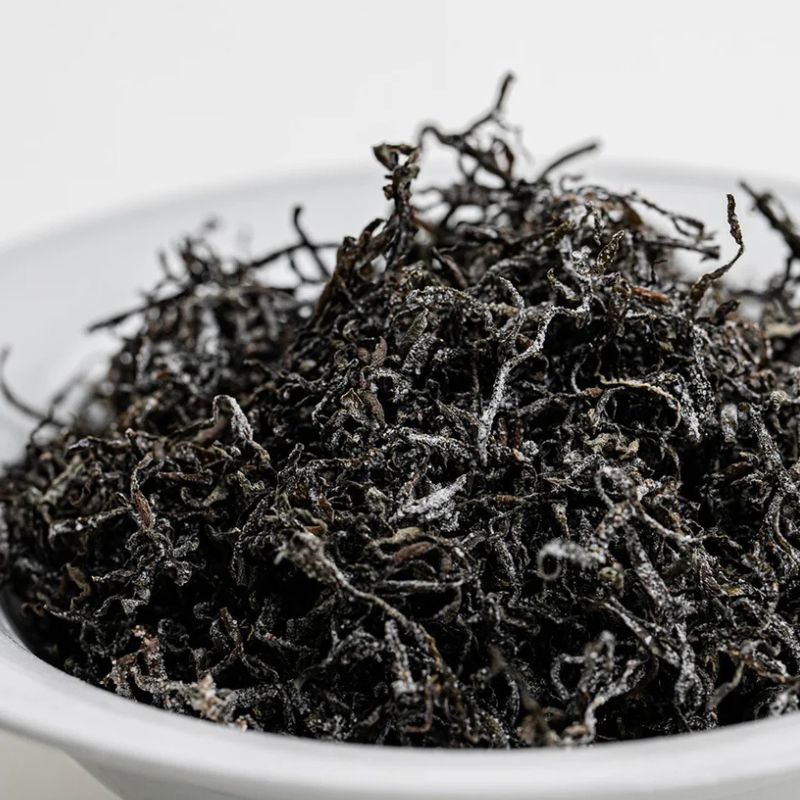
Microbial diversity thrives on dietary diversity. This diet encourages a wide variety of foods, colours, and textures—from Japanese seaweeds to Thai coconut and spices—ensuring a broad intake of fibre and nutrients that feed different types of beneficial bacteria. Many of these foods contain key vitamins of minerals hard to find elsewhere.
KEY: Seaweed (Japan/Korea), tofu (Japan), legumes, multi-coloured fruits and vegetables

5 – Immune-Building
A resilient gut fuels a strong immune system.
Fermented soy (Japan), prebiotic foods like leeks, garlic, and onions, and polyphenol-rich herbs all help support the production of short-chain fatty acids and immune-regulating compounds.
KEY: Fermented soy (Japan), garlic, onions, leeks, miso (Japan), herbs, yoghurt.
6 – Nutrient-Dense
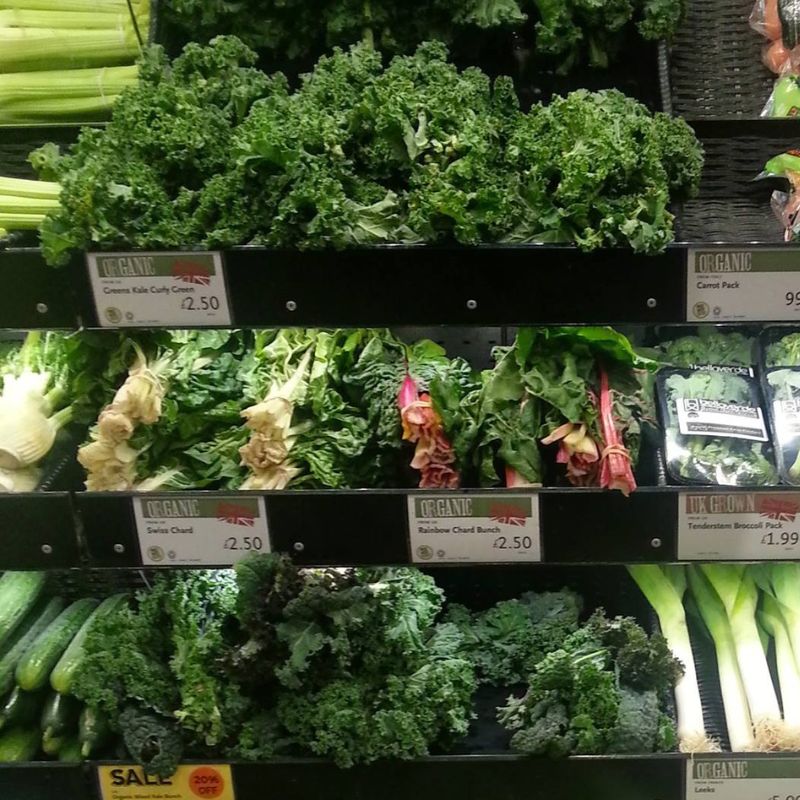
Each meal delivers a powerful nutritional punch. The Foundation Diet is packed with amino acids, vitamins, minerals, and healthy fats from sources like legumes, oily fish, seeds, tofu, and seasonal vegetables.
It’s designed to nourish the body deeply and sustainably.
KEY: Green leafy vegetables, oily fish, seeds, tempeh (Indonesia), tofu, legumes, seaweed
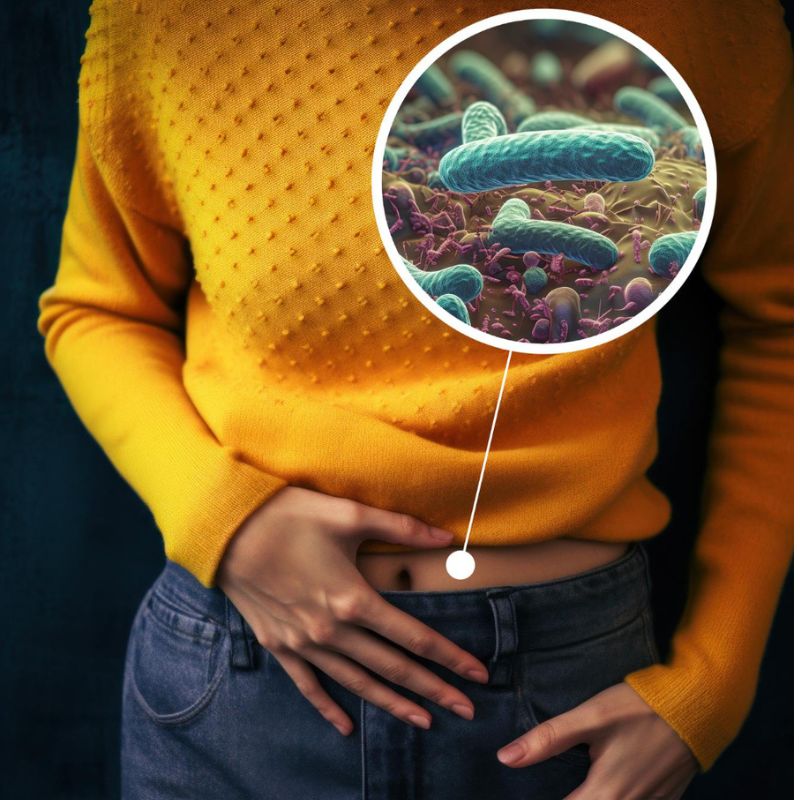
7 – Gut Microbiome-Building
Central to the Foundation Diet is restoring gut flora. Fermented foods, prebiotics, and plant-based diversity help repair dysbiosis and build a more robust gut lining.
Seaweed (Japan and Korea), tempeh, and traditional fermented vegetables are key players.
KEY: Prebiotics, fermented vegetables, seaweed, tempeh, probiotic foods.
8 – Polyphenol-Rich
Polyphenols are powerful plant compounds that feed specific beneficial gut microbes and reduce oxidative stress.
Found in colourful vegetables, herbs, spices (India and Southeast Asia), green tea, olive oil, and berries. Poly-phenol rich foods also support brain health and cardiovascular function.
KEY: Olive oil, herbs/spices (India), berries, green tea, cocoa

9 – Environmentally-Friendly
The Foundation Diet promotes sustainability—favouring organic, local, and seasonal produce.
By reducing reliance on factory-farmed meats and processed foods, and embracing traditional, plant-forward eating patterns, it supports both human and planetary health.
KEY: Seasonal produce, plant-based meals, coconut oil (Thailand), organic choices
10 – Culturally-Connected & Soul-Nourishing
More than just a list of foods, the Foundation Diet respects the wisdom of traditional diets. Drawing from cultural cuisines—Germany’s sauerkraut, India’s healing spices, Japan’s seaweed and soy, Thailand’s coconut and lemongrass—it reintroduces food as a sacred part of wellness.
It promotes mindful eating, culinary enjoyment, and emotional satisfaction, all of which play a major role in digestive healing and long-term wellness.
KEY: Sauerkraut (Germany), tofu & seaweed (Japan), kimchi (Korea), spices (India), coconut milk (Thailand)
Key Take-Away
Key Food Pages
Key Diet and Nutrition Pages
Key Lifestyle Pages

Scientific Backing for the Foundation Diet
Research consistently supports a nutritionally balanced, whole-food-based, fibre-rich diet for promoting gut health. A diverse and well-balanced microbiome is essential for better health, with the latest studies confirming that a varied diet rich in vegetables, fruits, herbs, spices, nuts, seeds, and whole grains supports a healthy microbiome (Zhang 2022).
The Foundation Diet incorporates a broader variety of foods, providing additional health benefits backed by scientific evidence. Our clinic has recommended many of these additional foods, such as fermented foods, antimicrobial foods, prebiotic foods, fruits, vegetables, and spices, to patients with conditions like Candida, SIBO, IBS, and IBD for well over 30 years.
With the launch of Candida.com, we aim to provide more research-based information on Candida, fungal and bacterial imbalances, and microbiome health than ever before. You’ll find literally thousands of studies on this website from reputable research sources to validate our recommendations.
The latest research also supports the specific herbs, spices, and fermented foods we’ve recommended since the late 1980s. You’ll be able to explore these studies on our website, with clickable links for you to access the science behind our approach.
Key Take-Away
Customise Your Foundation Diet to Suit Your Gut and Lifestyle
Personalising the Foundation Diet is essential for success—especially if you want to prevent common gastrointestinal issues like bloating, gas, or abdominal discomfort. Even healthy foods can cause unwanted symptoms in certain individuals. One person may feel great after eating legumes, while another may experience cramping or changes in bowel movements, such as looser stools or firmer consistency.
From my clinical perspective, I’ve seen a clear pattern among individuals with mental health challenges such as anxiety, depression, autism spectrum disorders, Parkinson’s, and Alzheimer’s. Many of them also report gut-related issues. This is no coincidence.
The gut-brain connection is now well recognised, and it’s especially significant in people dealing with chronic health concerns. It underscores the importance of tuning in to how specific foods affect not just digestion, but also mental clarity, mood, energy, and inflammation.
Track New Foods and Gut Symptoms
If you’re dealing with gut or neurological imbalances, I strongly encourage you to keep a food and symptom journal. Track any newly introduced foods and observe how your body and mind respond. If certain foods trigger unwanted symptoms—digestive or otherwise—remove them temporarily. This simple act of observation can offer powerful insights into your unique biochemistry and allow you to take control of your health more effectively.
Symptoms to look out for may include:
The Role of the Low-Reactive Diet & Food Re-Introduction
Before jumping into the Foundation Diet, it’s often beneficial to complete the Low-Reactive Diet and Food Re-Introduction modules. These are strategic steps that help uncover hidden food sensitivities and intolerances. Some individuals may react to:
Identifying these reactive foods allows you to tailor the Foundation Diet with precision—minimising inflammation and enhancing nutrient absorption, energy, and long-term gut restoration.
Once you’ve fine-tuned your intake and resolved any reactive patterns, the Foundation Diet can then be safely and confidently adopted as a sustainable, microbiome-supportive lifestyle plan.
Key Take-Away
Conclusion
The Foundation Diet is more than just a way of eating—it’s a lifestyle approach rooted in common sense, traditional wisdom, and modern gut-health science. By combining nutrient-dense foods from diverse cultures with habits that support digestion and microbial balance, you’re creating a solid base for long-term wellness.
This dietary approach isn’t some fad—it’s a sustainable way to nourish your body, protect your gut, and feel your best, day in and day out. Start where you are, build gradually, and trust your body’s ability to thrive.

Eric Bakker N.D.
Greetings! I am a naturopathic physician from New Zealand. Although I’ve retired from clinical practice since 2019 after 34 years of clinic. I remain passionate about helping people improve their lives. You’ll find I’m active online with a focus on natural health and wellbeing education through my Facebook page, Reddit page and YouTube channel, including this website.