
Understanding Antimicrobial Foods
For individuals struggling with chronic gut issues, antimicrobial foods provide a valuable foundation for restoring balance. They help reduce harmful microbes, protect the gut lining, and encourage the growth of beneficial bacteria necessary for a healthy microbiome. This contributes to symptom relief, better digestion, and long-term healing.
A Case for Natural Compounds Over Chemical Drugs
The growing prevalence of life-threatening bacterial, fungal, and viral infections, coupled with the alarming ability of these pathogens to develop resistance to pharmaceutical drugs, underscores the urgent need for alternative strategies to combat these threats.
The World Health Organization (WHO) expects the ‘post-antibiotic’ era to occur around the year 2050 after evaluating data from 129 countries; every region of the world showed extensive resistance to antimicrobial agents (Kwon et al., 2021), (Oliveira et al., 2024).
Pharmaceutical treatments, while widely used, often come with significant drawbacks, including toxicity, diminishing efficacy due to resistance, and collateral damage to beneficial microorganisms. In light of these challenges, natural compounds emerge as a superior and more sustainable solution.
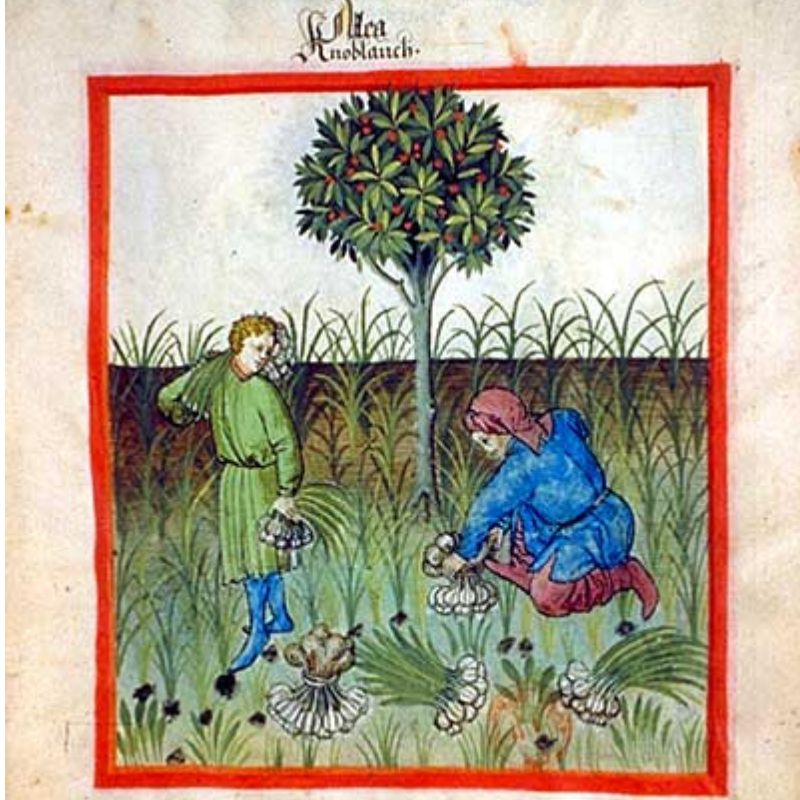
Medicinal Plants Were Once Traditional Medicine
Did you know that more than 1,300 plants have been identified with proven antimicrobial properties, and over 30,000 antimicrobial compounds have been extracted from plants? (Tajkarimi et al., 2010).
Additionally, research estimates that between 14% and 28% of all plant species possess medicinal properties. An impressive 74% of all known bio-active plant-derived compounds being discovered through traditional knowledge and use, at times dating back thousands of years (Pandey et al., 2014).
Traditional medicine is defined as follows: “The sum of the total knowledge, skills, and practices based on the theories, beliefs, and experiences indigenous to different cultures, used in the maintenance of health as well as in the prevention, diagnosis, improvement, or treatment of physical and mental illness” (Anwar et al., 2024).
Today with modernisation and urbanisation, most of our earliest knowledge into plants and healing has already been lost unfortunately. With today’s enormous health-care challenges, natural compounds emerge logically as the superior and more sustainable solution to relieve human suffering.
The Safe And Effective Way To Keep Our Gut Clean And Balanced
For centuries, antimicrobial foods have been treasured for their ability to naturally combat harmful microorganisms. These foods offer a safe and effective way to promote health and manage a variety of conditions, including Candida overgrowth, SIBO, IBS, and inflammatory bowel disease (ulcerative colitis).
By including these key cleansing spices, herbs, and condiments in your diet, you not only support your gut health but also enhance your immune system and overall well-being.
Natural Compounds, Not Synthetic Drugs
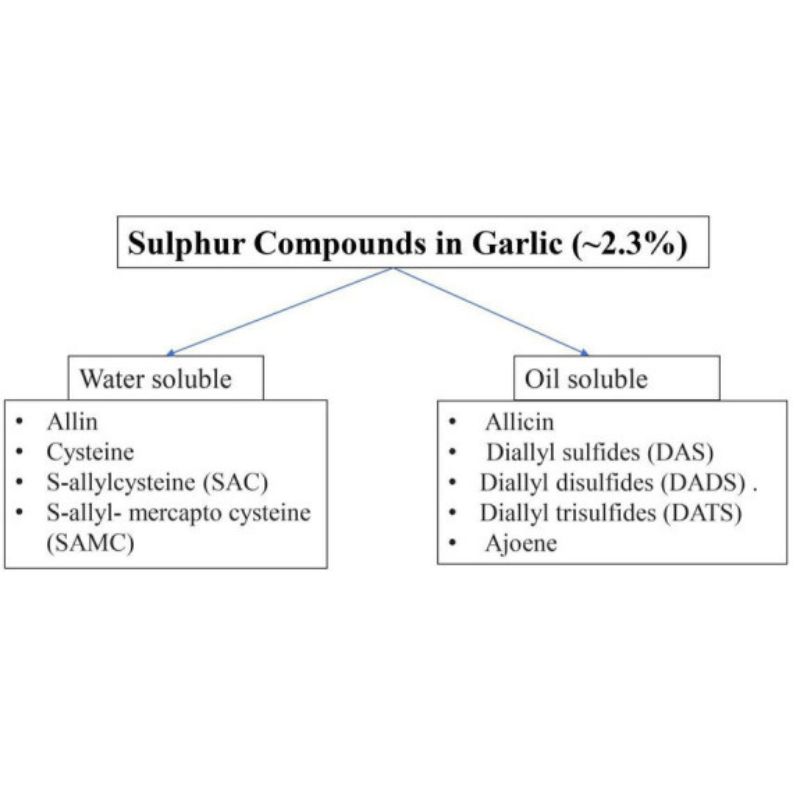
Antimicrobial foods contain natural compounds, not chemical drugs, such as allicin, eugenol, caprylic acid, lauric acid, and polyphenols, which inhibit or kill bacteria, viruses, fungi, and other pathogens.
Unlike pharmaceutical antibiotics, which often act as a broad-spectrum weapon, indiscriminately destroying both harmful pathogens and beneficial bacteria, antimicrobial foods, including spices and herbs, offer a much more refined and selective approach.
Antibiotics can significantly disrupt the delicate balance of the gut microbiome, often leading to unintended consequences such as dysbiosis, weakened immunity, or even secondary infections like Candida overgrowth. In contrast, antimicrobial foods contain natural compounds that target harmful microorganisms more specifically, leaving beneficial bacteria relatively unharmed.
Selective Action
This selective action is particularly valuable for maintaining a healthy gut environment, as the beneficial microbes in the gut play a critical role in digestion, nutrient absorption, immune modulation, and the production of essential compounds like short-chain fatty acids.
By preserving this balance, antimicrobial foods not only help manage infections and overgrowths such as Candida or SIBO but also support the long-term health and resilience of the gut microbiome. Furthermore, because they are derived from natural sources, antimicrobial foods are unlikely to contribute to antibiotic resistance, making them a safer and more sustainable choice for managing gut imbalances over time.
The benefits of antimicrobial foods include:
By incorporating these foods into your daily diet, you can strengthen your gut’s defenses while addressing specific conditions like dysbiosis, ulcerative colitis, and bacterial or fungal infections.
Why Natural Compounds Are The Intelligent Choice
Derived from animal, plant, or microbial sources, natural compounds offer a unique combination of low toxicity, targeted activity, and high bioavailability, making them ideal candidates for combating harmful pathogens.
Recent advancements in research have highlighted the incredible potential of various natural compounds, including plant extracts, essential oils, small antimicrobial peptides from animal sources, bacteriocins, and a range of plant-derived compounds such as triterpenoids, alkaloids, phenols, and flavonoids (Woo et al., 2023).
These natural agents not only exhibit strong inhibitory activity against bacteria, fungi, and viruses but also possess unique mechanisms of action that reduce the likelihood of resistance development (Karnwal et al., 2024).
Unlike pharmaceutical drugs, which frequently disrupt the delicate balance of the microbiome and contribute to resistance, natural substances often work in harmony with the body, providing potent antimicrobial, antifungal, and antiviral effects without the associated long-term risks.
How Natural Compounds Work

Natural compounds excel in their ability to target pathogens selectively without harming beneficial microorganisms. For example, phenolic compounds found in many colourful vegetables and fruits disrupt pathogen cell membranes, while flavonoids interfere with microbial enzyme systems, rendering bacteria and fungi helpless (Lobiuc et al., 2024).
Essential oils and antimicrobial peptides in many plants further enhance this approach by attacking pathogens on multiple fronts, making resistance development far less likely (Chouhan et al., 2017).
In addition, many natural compounds also positively influence our immune system, supporting the body’s innate ability to heal and combat infections. This dual action—directly targeting pathogens and boosting immunity—makes natural compounds considerably more effective and holistic compared to the single-target mechanisms of pharmaceutical drugs (Gasmi et al., 2023), (Mahmud et al., 2023).
Polyphenols Have Antimicrobial Properties
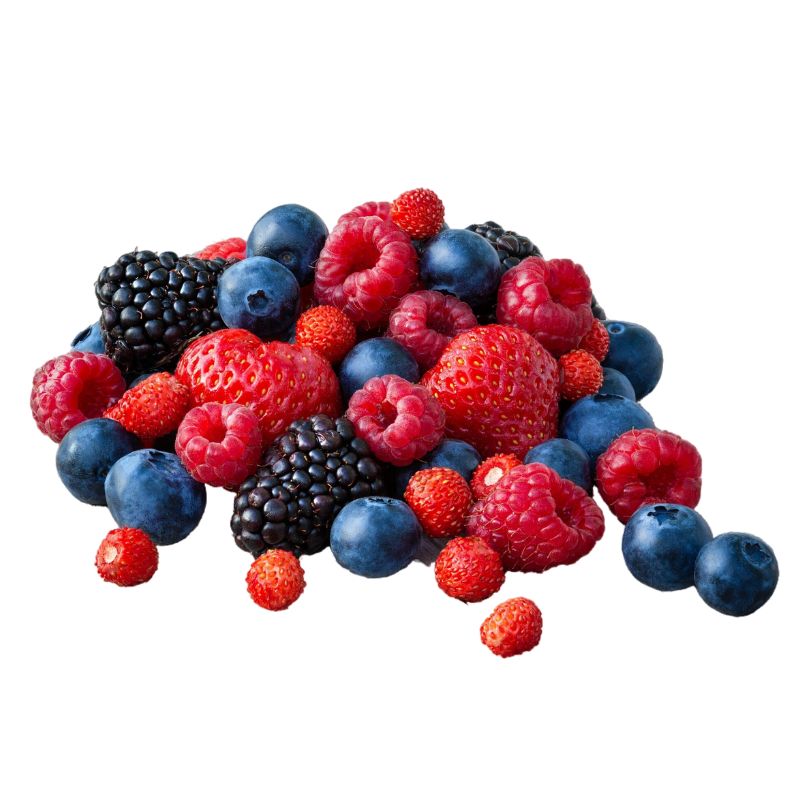
Polyphenols, plant-derived nutrients, play a crucial role in reducing oxidative stress and controlling inflammation within the body. Acting as potent antioxidants, they neutralise free radicals—unstable molecules that can harm cells and contribute to chronic diseases like diabetes, heart disease, and cancer.
These compounds are abundant in vibrant, colorful foods such as fruits, vegetables, tea, coffee, and dark chocolate. Beyond their protective role, they also give these foods their vivid colors and are often accompanied by essential nutrients like fiber, vitamins, and minerals, making plants a cornerstone of health and disease prevention.
Polyphenols are intricate plant-based phytochemicals present in a wide range of foods, particularly fruits and vegetables. They belong to a diverse family of naturally occurring compounds in plants, categorized into four main groups: flavonoids, phenolic acids, lignans, and stilbenes, ranging from simple molecules to complex polymers.
Article of Interest: Polyphenol Rich Foods
Let’s look a little more into the antimicrobial properties of polyphenols:

A Sustainable Future in Antimicrobial Treatments
As drug-resistant pathogens continue to threaten public health, it is important to prioritise natural compounds as a primary strategy for managing bacterial, fungal, and viral infections.
These substances not only offer a safer alternative to synthetic drugs but also contribute to ecological balance by reducing reliance on harmful pharmaceuticals.
By harnessing nature’s vast repository of antimicrobial agents, we can address bacterial, fungal, and viral infections effectively while preserving overall health and microbial harmony.
Natural compounds represent the future of sustainable, effective, and safe antimicrobial treatment, providing a path forward that aligns with both human health and the environment. Let’s take a look at some of the best antimicrobial foods, and then check out a basic antimicrobial one-week menu plan.
Top Antimicrobial Foods to Support Gut Health
Below are eight powerful antimicrobial foods. Each offers unique health benefits and plays a significant role in promoting gut balance and fighting harmful microorganisms.
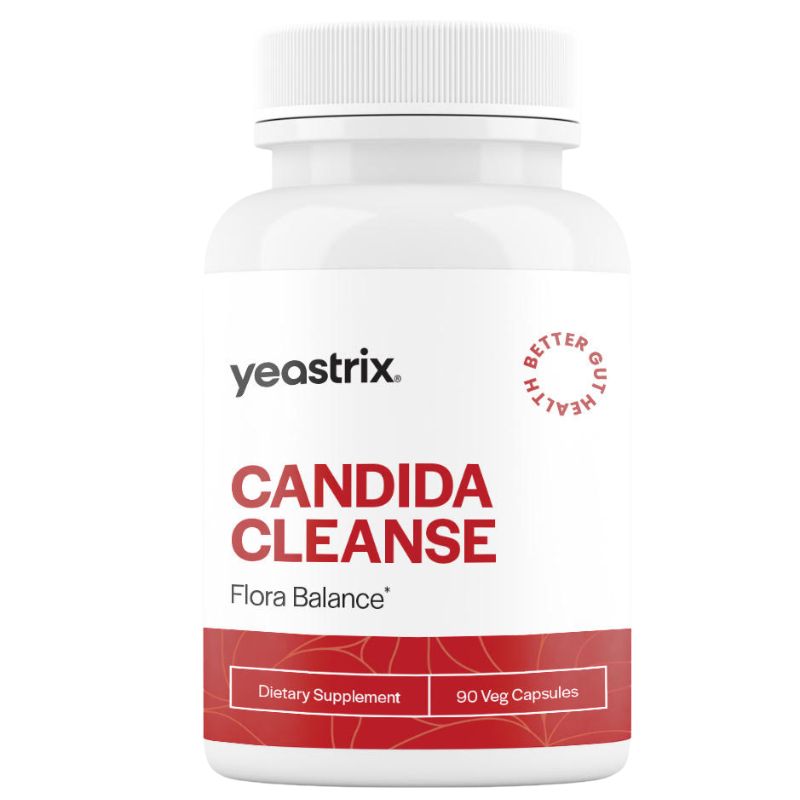
Yeastrix Candida Cleanse: Antimicrobial Solution
For those looking for an all-in-one solution to tackle Candida and other fungal or bacterial infections, consider Yeastrix Cleanse, our 3rd generation antifungal supplement. This product combines 14 powerful antifungals, creating a balanced and effective cleanse for yeast and bacterial overgrowth.
Yeastrix Candida Cleanse includes:
With Yeastrix Candida Cleanse, you can simplify your antifungal regimen by getting the benefits of cinnamon along with other natural ingredients that promote gut health and combat yeast infections. Made with the highest-quality, non-GMO, and vegetarian ingredients, it’s designed for those looking for a natural, safe, and effective approach to Candida management.
Key Take-Aways
By making antimicrobial foods a staple in your diet, you can naturally support your gut and overall health.
Key Articles to help support us on our health journey:

The Key Principles of the Antimicrobial Diet
The Antimicrobial Diet is centered on using natural, wholesome foods and specific ingredients to reduce harmful microbes in the gut while supporting the growth of beneficial bacteria.
It focuses on incorporating fresh, nutrient-dense vegetables, low-sugar fruits, healthy fats, and high-quality proteins to starve pathogens of their fuel sources while nourishing the body. Key antimicrobial foods like garlic, oregano, coconut oil, and ginger are emphasised for their powerful properties in disrupting microbial growth.
Avoiding ultra-processed foods, added sugars, and inflammatory ingredients is crucial to create an environment where the gut can restore balance.
By combining these principles with proper hydration and consistent meal patterns, the Antimicrobial Diet helps to restore gut harmony and optimise overall health.
Food List for the Antimicrobial Diet
How to Incorporate Antimicrobial Foods into Your Diet
Incorporating antimicrobial foods into your daily routine is an easy and enjoyable way to support gut health. By introducing a variety of natural, potent ingredients into your meals and snacks, you can help reduce harmful microbes, enhance digestion, and boost overall wellness.
Start gradually with these powerful foods to avoid discomfort and aim for consistent use to maximise their benefits.
Candida and Gut Health
It’s important to recognise that simply removing carbohydrates does not “starve” Candida. Instead, it is often the consumption of sugar, processed foods, alcohol, antibiotics, and high stress levels that contribute to Candida and gut imbalances (Jawhara 2023).
Surprisingly, many fruits and vegetables often eliminated in Candida-focused diets may not need to be excluded, indeed, many fruits and vegetables have antimicrobial properties, but here are some of your best choices:
Foods to Include
Gut-Healing and Anti-Inflammatory Foods
Low-FODMAP Vegetables (For SIBO)
Probiotic Foods
(Introduce after the antimicrobial phase)
Foods to Avoid
Sample 7-Day Antimicrobial Diet Plan
Day 1
Day 2
Day 3
Day 4
Lifestyle Tips for Success
Key Take-Aways
This structured plan helps eradicate Candida, SIBO, IBS, and IBD while restoring gut balance and promoting long-term health.

Eric Bakker N.D.
Greetings! I am a naturopathic physician from New Zealand. Although I’ve retired from clinical practice since 2019 after 34 years of clinic. I remain passionate about helping people improve their lives. You’ll find I’m active online with a focus on natural health and wellbeing education through my Facebook page, Reddit page and YouTube channel, including this website.