

What Is Berberine?
Berberine is a potent, naturally occurring compound found in several plants, including goldenseal, and Oregon grape. Known for its vibrant yellow colour, berberine has been traditionally used in herbal medicine for centuries its wide-ranging health benefits.
Berberine, a powerful bio-active compound, is one of America’s top-5 selling herbs and belongs to a class of plant-compounds known as alkaloids. (Winston 2010)
This compound has a rich history in traditional Chinese and other forms of traditional medicine, where it has been employed to address many kinds of ailments. (Yin et al., 2008). Recent scientific research supports its numerous potential health benefits. This comprehensive blog post will tell you everything you need to know about berberine, including the latest research.
Berberine: A Versatile and Powerful Natural Plant Compound
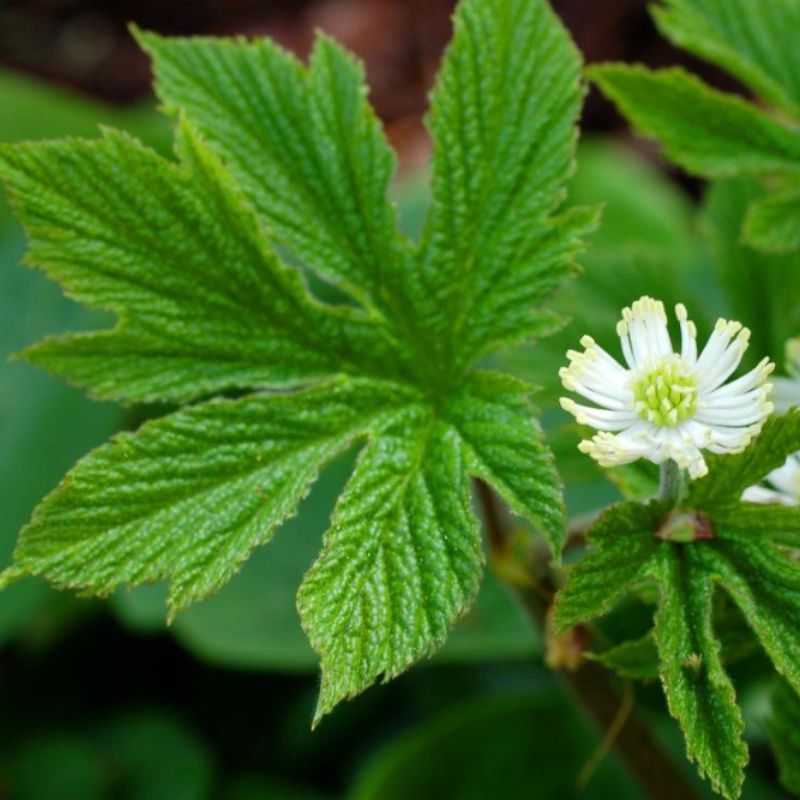
Berberine, also referred to as “berberine hydrochloride”, is a natural plant chemical (isoquinoline alkaloid to be exact) present in a diverse array of herbs, commonly including goldenseal, barberry, goldthread, and Oregon grape.
This powerful alkaloid is concentrated in various parts of these plants, such as the stem, bark, roots, and rhizomes (underground stems). Berberine is known for its striking deep yellow hue, which has historically been utilised as a natural dye.
Primarily, berberine is sourced from a group of shrubs belonging to the Berberis genus.
Berberine is not tied to a single plant species but is an alkaloid found across a wide-range of medicinal herbs used in traditional Chinese medicine.
Berberine-containing plants have been valued for their therapeutic properties for centuries, and modern science continues to explore the wide-ranging benefits of berberine derived from them.
Tropho-Restorative Herb
Berberine is called a “tropho-restorative” herb. Chronic irritability caused by Candida or bacteria can cause vaginal mucosal tissue to become inflamed and infected, leading to symptoms and a progressive loss of function. The use of mucous membrane tropho-restorative herbs like goldenseal can help re-establish normal function, by boosting immunity, killing infection and restoring the cells lining the body’s mucous membranes.
I’ve always found it clinically safe to use tropho-restorative herbs (used appropriately) when the body’s mucous membranes are found suffering from fungal or bacterial infection.
Unlike most antifungals, berberine-containing plants act as liver tonics, helping the body secrete bile which is most useful when undergoing any candida cleanse.
— eric’s clinical tip
Sources of Berberine
The following plants are notable sources of berberine:
Berberine – An Herb With Ancient Origins
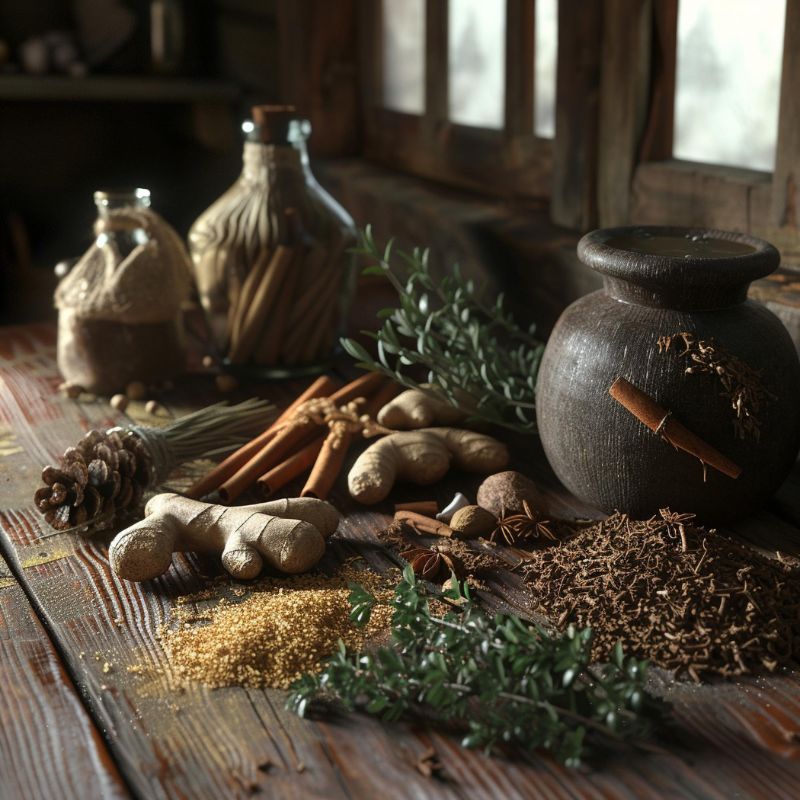
Berberine, a compound originating from plants in China and India, has been utilised for thousands of years in Traditional Chinese Medicine and Ayurvedic practices. This ancient remedy has stood the test of time and is now gaining recognition for its impressive array of modern applications.
Berberine is known for its wide range of pharmacological effects (Zhang et al., 2010), including:
Today, extracts and supplements, such as berberine HCL, are widely available, affordable, and praised for their efficacy in supporting health without relying on antibiotics.
Be careful about berberine hype online, some unfortunately still regard berberine as “quack-medicine”. They did the same with probiotics until only quite recently. There are over 5000 studies published in the United States National Library of Medicine that mention Berberine, and the vast majority of these are from the past few years, it’s best to ignore the “nay-sayers”.
It has demonstrated significant effects in various fields, from combating infections and supporting cardiovascular health to managing diabetes and aiding weight loss. Not just confined to laboratory settings, berberine has shown promise in human clinical trials, proving its value as a potent natural remedy. As you explore ways to enhance your health, consider how berberine might fit into your wellness journey.

What Are Alkaloids?
Berberine belongs to a class of mainly plant-derived compounds known as alkaloids, which are organic compounds that typically contain basic nitrogen atoms. Alkaloids can have powerful effects on humans and animals. Many end with “ine”, as in nicot-“ine”, they have effects as powerful as many pharmaceutical drugs. (Daley et al., 2021)
Common and well-known alkaloids include morphine, strychnine, quinine, ephedrine, and nicotine. Plants are the primary source of alkaloids, especially in specific flowering plant families.
Alkaloid compounds are known for their potent physiological effects on the human body – think of caffeine (coffee and tea) and nicotine (cigarettes). When consumed, alkaloids can exert significant impacts on various bodily systems, notably influencing cardiovascular and metabolic health. This makes berberine particularly valuable for addressing a wide range of health concerns.
Why Does Berberine Have Such Broad Benefits?
The extensive benefits of berberine can be attributed to its unique molecular structure, which allows it to interact with various biological pathways, including our immune cells and many other cells in our gut. These interactions enable berberine to modulate critical functions in the body, from metabolic processes to cellular signalling, thereby offering protection against a wide array of health conditions.
How Does Berberine Work?
Berberine performs many complex actions in our bodies that scientists are only now beginning to understand, even though America Indians have used berberine-containing herbal medicines for generations. Researchers admit, they know little about how Goldenseal really works.
Berberine has been the subject of extensive research, uncovering several key mechanisms through which it exerts its beneficial effects on the body. If you are interested in science, especially biochemistry, click on the + sign to learn how berberine works:
Where In The Body Does Berberine Function Best?
Clinically I’ve found the mucous membrane tissues of the vagina, mouth, and particularly the digestive system are where this effect is strongest. Liquid preparations can be used successfully for cleansing these mucous membranes. Scientists are finding many uses for this remarkable herb however since I first Stated using it with patients.
Numerous microorganisms, including Candida species, E. coli, staph aureus, and many others, some of which are found in the vagina, have been shown to be very susceptible to the antimicrobial properties of berberine.
You will find online different kinds of berberine preparations that can be used intra-vaginally in douches, and as suppositories, as well as orally in teas, capsules, and liquid herbal extracts.
The immune effect of the alkaloid berberine is especially specific to cells lining mucus membranes found in different places of the body, like the stomach, mouth, and the vagina.
Berberine Benefits
Berberine could be helpful on your journey to improved health. Let’s take a closer look at this wonderful natural supplement, making a perfect supplement for those with many kinds of issues affecting gut function, including Candida overgrowth, SIBO, IBS, and IBD.

Digestive Effects of Berberine
Berberine has a rich history as a remedy for diarrhoea in traditional medicine systems. Its effectiveness in this role is likely linked to its ability to inhibit the toxic secretions produced by harmful pathogens like Escherichia coli and Vibrio cholerae.
Animal studies have demonstrated berberine’s capacity to counteract these toxins, highlighting its longstanding value in digestive health (19).
In the case of ‘leaky gut,’ where the intestinal lining becomes excessively permeable, bacteria and toxins can leak from the gut into the bloodstream. This leakage can lead to endotoxemia, widespread inflammation, and, in some cases, trigger an autoimmune response. These are all signs of a sick gut.
Additionally, berberine helps restore balance to the gut microbiome, preventing dysbiosis—a condition where harmful bacteria outnumber beneficial ones (Yang et al., 2023). This balanced gut flora supports overall digestive health and may contribute to improved immune function and reduced inflammation.
Berberine Is Antimicrobial
In the context of Candida and SIBO, berberine stands out head and shoulders above many other herbs for its ability to support microbial balance in the gut. Research shows berberine can help restore the balance and number of beneficial gut bacteria that may be disrupted due to pathological health issues (Jia et al., 2019).
Candida albicans a type of yeast, can proliferate and disrupt normal gut flora, leading to digestive and systemic issues. Berberine has been found to be highly effective in managing both Candida and bacterial overgrowth (dysbiosis, now known as SIBO).
Berberine extract, and the plants from which it is isolated, has a long history of use in traditional medicine. It has been used for many kinds of digestive disorders including diarrhoea and irritable bowel syndrome, including fungal and bacterial overgrowth and infection.
Let’s first discuss the use of berberine as an antimicrobial, and mention several of the key studies that support the use of berberine when it comes to fungal and bacterial overgrowth.
Antifungal Effects
Candida albicans is naturally present on the human body, but under certain conditions, this yeast can become harmful and lead to serious infections. In fact, Candida is one of the leading fungal culprits behind hospital-acquired infections. (Sikora et al., 2023). There’s growing interest in finding ways to combat Candida infection without relying on medical treatments that might cause additional issues such as antifungal drug side-effects and fungal drug-resistance.
Research has highlighted berberine extract as a potent antimicrobial agent with broad activity against various pathogens, including bacteria, viruses, protozoa, fungi, and yeasts. Berberine has shown strong effectiveness against Candida in numerous studies as we will soon learn.
Berberine Doesn’t Harm Friendly Bacteria
The use of traditional herbs as antifungal agents is gaining traction among medical professionals. What makes berberine particularly valuable is its selectivity. It targets Candida without harming beneficial microbes like Lactobacilli and Bifidobacteria, which are crucial for maintaining a healthy microbiome. (Cheng et al., 2022)
Let’s look at a few recent studies supporting the use of berberine with fungal overgrowth and infection:
Antibacterial Effects
Antiparasite Effects
Chronic yeast infections often involve more than just an overgrowth of Candida; they can also include dysbiosis, an imbalance of various “bad” bacteria, fungi, and parasites. Additionally, conditions like SIBO may be present, further complicating the infection.
Given its broad-spectrum antimicrobial properties, berberine is an essential remedy for treating chronic yeast infections. Its effectiveness extends beyond Candida, addressing a range of other infections that may be present. (Behl 2022).
Berberine has shown promising effects against a variety of harmful parasites and bacteria, including well-known pathogens such as Giardia, Entamoeba histolytica, Trichomonas vaginalis, and Leishmania donovani . (Mahmoudvand et al., 2014). Studies conducted in laboratory settings have demonstrated berberine’s ability to inhibit the growth, multiplication, and maturation of these parasites. (Palai 2022).
Berberine-containing supplements are a wise choice in cases where multiple infectious agents are involved, thanks to their ability to positively impact various unwanted microorganisms.
This is why choosing the right herbal supplement is so crucial when dealing with chronic yeast infections, as it helps treat the full spectrum of underlying issues and informs a more targeted treatment approach.
Yeastrix Cleanse
I’ve been using and advocating berberine as a potent antimicrobial for more than 30 years, before scientific research validated its remarkable effectiveness as a natural antibiotic. Back in the early 1990s, we were some of the first in launching antimicrobial herbal medicines in our clinic that featured berberine as one of the key ingredients.
Building on that success, I formulated CanXida Remove in 2012, once again highlighting berberine for its powerful health benefits.
Most recently, and after more than 2 years of research, I’ve developed our third-generation anti-Candida supplement line, known as Yeastrix Cleanse, one of the most powerful and highly-effective all-natural gut cleansing supplements yet developed.
Berberine remains a cornerstone of our Yeastrix Cleanse formulation, specifically chosen for its exceptional antimicrobial properties. This long-standing commitment to berberine underscores my dedication to providing the most natural and effective solutions for gut health and overall wellness
Berberine Is Anti-Inflammatory

Recognising inflammation is straightforward when it manifests at the site of an injury. The redness and swelling that occur are clear indicators of blood and immune cells rushing to the area to initiate healing, a natural process known as acute inflammation.
Not all inflammation is bad however, our immune system creates an inflammatory response to allow our bodies to heal more effectively.
But what about inflammation that occurs beneath the surface, hidden from view? This type of chronic inflammation can go unnoticed and can contribute to a wide range of serious health conditions, including:
Among the many natural supplements known for their anti-inflammatory properties, berberine is one of the most effective. Extensive research has uncovered various mechanisms through which berberine combats inflammation. Let’s now take a look at different inflammatory conditions that have been linked to improving with berberine:
Potential Diabetic Treatment

Berberine Helps Lower Blood Sugar Levels
Berberine has emerged as a potent natural remedy for managing type II diabetes, demonstrating significant effectiveness in lowering blood sugar levels through multiple mechanisms. Diabetes, a leading cause of severe health complications such as limb amputation, blindness, kidney failure, and heart attacks, affected 38.4 million Americans, or 11.6% of the population, in 2021. These alarming statistics underscore the need for effective, safe, and accessible treatments to combat this widespread condition.
In a landmark 2008 study, taking 1 gram of berberine daily reduced fasting blood sugar by 20% and improved hemoglobin A1c (HbA1c) by 12%, which is a critical marker for long-term blood sugar control. Additionally, berberine had a positive impact on blood lipids, lowering cholesterol and triglycerides, which are often elevated in diabetic patients. These results are particularly impressive considering that berberine may be as effective as some oral diabetes medications, making it a viable option for those seeking natural alternatives or adjuncts to conventional treatment (Yin et al., 2008).
Further research has highlighted berberine’s broad-spectrum benefits for those with type II diabetes. It has been shown to improve glucose-lipid metabolism, reduce inflammatory markers, and enhance insulin sensitivity, especially in patients with metabolic syndrome.
Berberine vs Metformin
‘In one study, the effects of berberine, taken at a dose of 500 milligrams two to three times daily for three months, were compared to those of metformin, a widely used diabetes medication. The findings were remarkable: berberine controlled blood sugar and lipid metabolism as effectively as metformin, earning it the title of a “potent oral hypoglycemic agent.” (Yin et al., 2008).
Moreover, studies have demonstrated that berberine can improve insulin sensitivity by regulating adipokine secretion, a crucial factor in maintaining healthy glucose levels. This improvement in insulin sensitivity not only helps manage diabetes but may also offer protection against kidney damage, a common complication in diabetic patients. (Yang et al., 2012).
These compelling findings position berberine as a powerful and natural tool in the ongoing fight against type II diabetes, offering hope for those seeking alternatives to traditional medications. Its effectiveness, coupled with a low risk of adverse effects, makes berberine an attractive option for individuals aiming to manage their blood sugar levels and improve their overall metabolic health. Here are several compelling reasons to take berberine if you are interested in balancing blood sugar:
Heart Health

Heart disease remains the leading cause of death worldwide. Berberine shows promise in improving several risk factors for heart disease. Berberine has been found to aid in lowering high blood pressure, a significant risk factor for heart disease and stroke.
Berberine supports cardiovascular health by lowering cholesterol levels, improving blood pressure, and reducing inflammation, which are critical factors in preventing heart disease.
Lowering Cholesterol and Reducing Heart Disease Risk
Berberine is gaining attention for its beneficial effects on heart health, largely due to its ability to manage blood sugar levels and combat obesity, both of which are significant risk factors for coronary heart disease. By helping to maintain healthy blood sugar levels and reducing the likelihood of obesity, berberine plays a crucial role in lowering the risk of developing heart-related conditions. (Xia et al., 2016)
Nitric Oxide
One of the ways berberine supports cardiovascular health is by stimulating the release of nitric oxide, a key signalling molecule that relaxes the arteries, improves blood flow, and reduces blood pressure. Nitric oxide boost also helps protect against arteriosclerosis, a condition characterised by the hardening and narrowing of the arteries, which can lead to serious cardiovascular events. (Rafieian-Kopaei et al., 2014)
Research published further supports berberine’s heart-protective properties. In studies, individuals who supplemented with berberine showed improved heart function and were able to exercise more effectively compared to those who took a placebo. These findings suggest that berberine not only enhances cardiovascular health but also improves physical performance, particularly in those with compromised heart function.
Arrhythmias and Heart Failure
Additionally, the cardiovascular benefits of berberine extend to its potential use in treating arrhythmias and heart failure. By improving heart rhythm and overall heart function, berberine presents a promising natural option for those dealing with these serious conditions. (Cai et al., 2021). Its multifaceted approach to supporting heart health makes berberine a valuable addition to any regimen aimed at protecting and enhancing cardiovascular function
Berberine For High Blood Pressure
Managing high blood pressure is crucial for overall cardiovascular health. Research indicates that taking 0.9 grams of berberine daily, alongside the antihypertensive medication amlodipine, can enhance blood pressure control more effectively than using amlodipine alone.
This combination approach may offer superior results in lowering blood pressure, providing a more comprehensive strategy for individuals struggling with hypertension. (Francis et al., 2024)
Alternative To Statin Drugs
High Cholesterol and Lipid Levels: Elevated cholesterol and other lipids in the blood, a condition known as “hyperlipidemia”, can significantly increase the risk of cardiovascular issues. Incorporating berberine into your regimen, whether taken alone or combined with other beneficial compounds, has shown promise in effectively lowering various lipid levels. Berberine can be used as an alternative treatment for patients who do not tolerate statin drugs because of its lipid-lowering effects (Banach et al., 2018).
Specifically, berberine may help reduce total cholesterol, low-density lipoprotein (LDL) cholesterol—often referred to as “bad” cholesterol—and triglycerides. This can contribute to improved heart health and a reduced risk of related complications. (Cai et al., 2023)
Reduces Key Cardiovascular Inflammatory Marker – Berberine has also been found to reduce apo-lipoprotein B, a key risk factor for heart disease. Berberine’s action includes inhibiting the enzyme PCSK9, which helps remove LDL cholesterol from the bloodstream. Given its impact on diabetes, high blood sugar, and obesity, berberine could lower heart disease risk, though further research is necessary. (Zhao et al., 2021)
Berberine Weight Loss

The search for effective weight loss solutions often leads individuals to explore alternatives to traditional obesity medications, which are frequently accompanied by significant side effects. Berberine has emerged as a promising natural option, offering a relatively low risk of adverse effects.
Clinical studies and animal research support its efficacy in weight management, showing that berberine, when taken three times daily for three months, can lead to noticeable weight loss. In addition to this, berberine has been demonstrated to improve cholesterol levels and reduce triglycerides in the blood.
Berberine is not only effective for obesity, but also for other systems and consequences of obesity such as diabetes and cancer. (Ilyas et al., 2020)
Effects on Metabolic Syndrome and Fat Production
For those with metabolic syndrome, berberine supplementation over a three-month period has proven beneficial. Specifically, it has been linked to reductions in body mass index (BMI) and leptin levels—a hormone involved in hunger regulation—thus contributing to weight loss. (Och et al., 2022)
Berberine also inhibits the production of fat cells, further supporting its role in effective weight management. One of berberine’s unique properties is its ability to activate adenosine monophosphate-activated protein kinase (AMPK), an enzyme often referred to as a “metabolic master switch.” AMPK plays a crucial role in regulating metabolism and boosts fat burning in the mitochondria. (Szkudelski et al., 2019).
Studies suggest that berberine’s activation of AMPK helps prevent fat accumulation and offers protection against metabolic syndrome. (Cai et al., 2023). Click on the + sign if you wish to learn more about AMPK activation.
Clinical Evidence of Berberine’s Efficacy In Weight Loss
A study published in Phytomedicine investigated the effects of berberine on obese adults. Participants were given 500 milligrams of berberine orally three times daily for 12 weeks. The study evaluated the efficacy and safety of the treatment through various measures, including body weight, a comprehensive metabolic panel, blood lipid and hormone levels, inflammatory factors, complete blood count, and electrocardiography.
The results demonstrated that berberine is a potent lipid-lowering compound with a moderate weight loss effect, reinforcing its potential as an effective and natural solution for weight management and metabolic health. (Hu et al., 2012)
Potential Protection Against Cognitive Decline
Berberine has shown promise as a therapeutic agent against neuro-degenerative diseases such as Alzheimer’s disease, Parkinson’s disease, and trauma-induced neuro-degeneration. (Cheng et al., 2020). While more research is always needed, existing studies indicate that berberine can offer several neuro-protective benefits.
Combats Age-Related Cognitive Decline
One study highlighted multiple positive effects of berberine, including the enhancement of neuro-protective factors and pathways, as well as the ability to counteract neuro-degeneration. Research findings suggest that berberine could play a role in protecting the brain from age-related cognitive decline. (Yao et al., 2023).
Depression
In addition to its potential benefits for neurodegenerative diseases, animal studies have indicated that berberine may also help combat depression. The compound appears to have protective effects on the central nervous system, particularly through its ability to inhibit monoamine oxidase-A (MAO-A), an enzyme that breaks down norepinephrine and serotonin. By inhibiting MAO-A, berberine may help elevate mood and improve symptoms of depression. (Fan et al., 2019)
While further research is necessary to fully understand the extent of berberine’s neuroprotective properties, the current evidence suggests that it could be a valuable natural supplement for supporting cognitive health and mental well-being. (Tian et al., 2023).
Berberine As A Supplement

How Do You Take Berberine?
Experience has shown me, when it comes to Candida, SIBO, IBS, and IBD – that berberine, when used in combination with other anti-Candida ingredients, is far more effective than when used alone. Berberine, in particular, can be highly effective as a gargle or mouth rinse for acute conditions affecting the mouth and throat, often yielding significant curative results.
If you are taking berberine for diabetes, or another condition that does not involve gut problems or bacterial/yeast overgrowth, consider taking 500mg capsules of a berberine supplement 3 times daily before meals.
Forms and Dosage
Berberine is most commonly taken in capsule form. It’s advisable to start with a low dose to allow your digestive system to adjust, as starting with a higher dose can lead to temporary digestive symptoms like cramping or nausea.
Due to its short half-life, berberine should be taken in divided doses—typically three times a day—to maintain stable levels in your blood. Some studies recommend dosages between 900 to 1,500 milligrams per day, with 500 milligrams taken three times daily being a common regimen for a total of 1,500 milligrams per day. Other studies I’ve read mention 200mg doses twice daily and to build-up the dosage.
Yeastrix Cleanse: A Comprehensive Antifungal Solution
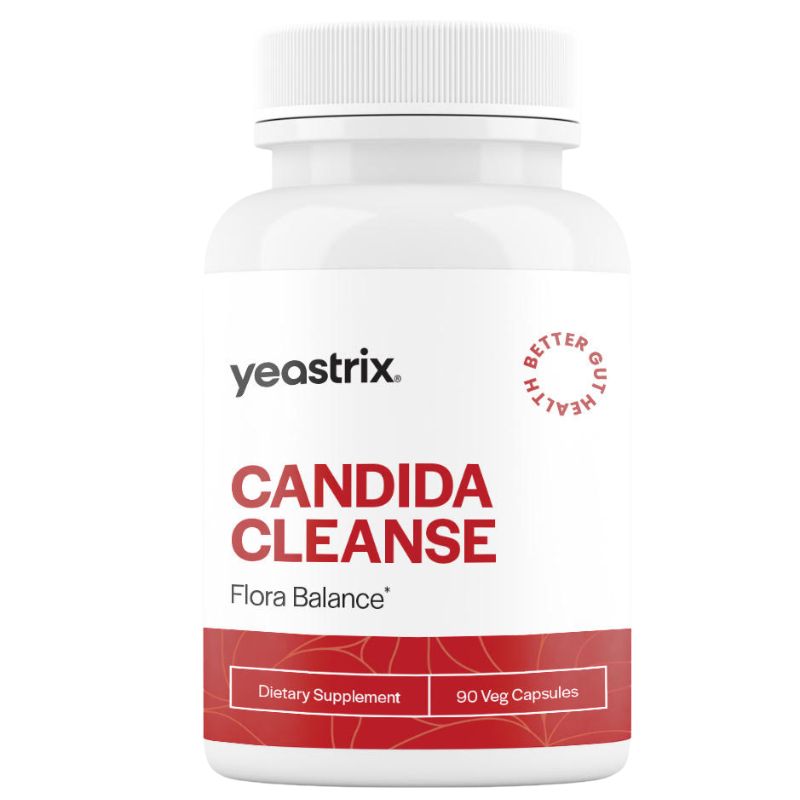
For those looking for an all-in-one solution to tackle Candida and other fungal or bacterial infections, consider Yeastrix Cleanse, our 3rd generation antifungal supplement.
This product combines berberine with several other powerful antifungals, creating a balanced and effective cleanse for yeast overgrowth.
Yeastrix Cleanse includes:
With Yeastrix Cleanse, you can simplify your antifungal regimen by getting the benefits of berberine along with other natural ingredients that promote gut health and combat yeast infections. Made with the highest-quality, non-GMO, and vegetarian ingredients, it’s designed for those looking for a natural, safe, and effective approach to Candida management.
Combination Therapy
When addressing an intestinal Candida overgrowth, it’s beneficial to use a combination of natural anti-fungals to prevent the yeast from adapting to a single treatment. This approach is why, when I formulated our Yeastrix Cleanse, I included 14 different natural antifungal ingredients. Berberine is one of these, alongside caprylic acid, NAC, and garlic extract, among others.
My previous 20+ years experience with Candida formulations has made Yeastrix Cleanse the #1 antifungal supplement we recommend for Candida, SIBO, IBS, and IBD issues. It is available at the Yeastrix online store.
Additional Considerations
Taking high doses of berberine acutely can sometimes cause stomach upset, cramping, and diarrhoea, reinforcing the recommendation to divide the dosage throughout the day. Collaborating with a natural health care practitioner can help determine the most effective dose for your specific needs.
Topical Applications
In addition to oral use, some people apply berberine directly to the skin to treat burns and to the eyes to combat bacterial infections like trachoma, a leading cause of blindness. Berberine has demonstrated effectiveness against a broad range of bacteria, protozoa, and fungi that can affect the skin.
Side Effects and Cautions of Berberine
Berberine is known for its impressive safety profile and is generally well-tolerated when taken at the recommended dosages. However, like any supplement, it can cause side effects, most of which are mild and related to the digestive system. Common digestive side effects include cramping, nausea, diarrhea, flatulence, constipation, stomach pain, and bloating.
Important Considerations
If you have a medical condition or are currently taking any prescribed pharmaceutical medications, including antibiotics, it’s important to consult your doctor before starting berberine. This is especially important for those on blood sugar-lowering medications, such as insulin or oral hypoglycemics, (like Metformin) because berberine can lower blood sugar levels.
Diabetics must be cautious to avoid the risk of dangerously low blood sugar. Similarly, individuals with low blood pressure should use berberine carefully, as it can naturally lower blood pressure further.
Pregnant and nursing women should avoid berberine, as there is insufficient information on its safety during pregnancy and breastfeeding. Always consult with your doctor before taking berberine if you are pregnant or breastfeeding.
Interactions with Some Medications
In the human body, an enzyme in the liver (called CYP3A) plays a crucial role in metabolising a wide range of pharmaceutical medications. Berberine can inhibit the function of this enzyme, potentially causing your medication to be metabolised more slowly and remain in your body longer, which may enhance its effects. (Feng et al., 2018).
Like the diabetic drugs, this interaction is particularly important to know for those taking tetracycline antibiotics – or related antibiotic drugs, making it essential to consult your medical doctor. (Rodríguez et al., 2024).
Long-Term Use and Dosage
Is berberine safe for long-term use? If you plan to supplement with berberine for more than 12 weeks, it’s advisable to speak with a doctor. While berberine has a strong safety profile, the primary side effects are digestive and are typically minor, such as cramping, diarrhea, flatulence, constipation, and stomach discomfort. To minimize these side effects, stick to the recommended smaller dosages, spread out throughout the day and taken after meals.
Caution for Extended Use
Berberine should not be taken by itself for more than two weeks at a time. However, it can be taken for longer periods when it is part of a balanced dietary supplement formula, such as Yeastrix Cleanse. It’s also important not to consume Golden seal or barberry herbal medicine tinctures, tablets, or capsules for more than two weeks straight, as berberine can irritate the mucous membranes with prolonged use.
To conclude, while berberine is a powerful and generally safe supplement, it’s essential to use it wisely, particularly if you have underlying health conditions or are taking other medications

Eric Bakker N.D.
Greetings! I am a naturopathic physician from New Zealand. Although I’ve retired from clinical practice since 2019 after 34 years of clinic. I remain passionate about helping people improve their lives. You’ll find I’m active online with a focus on natural health and wellbeing education through my Facebook page, Reddit page and YouTube channel, including this website.