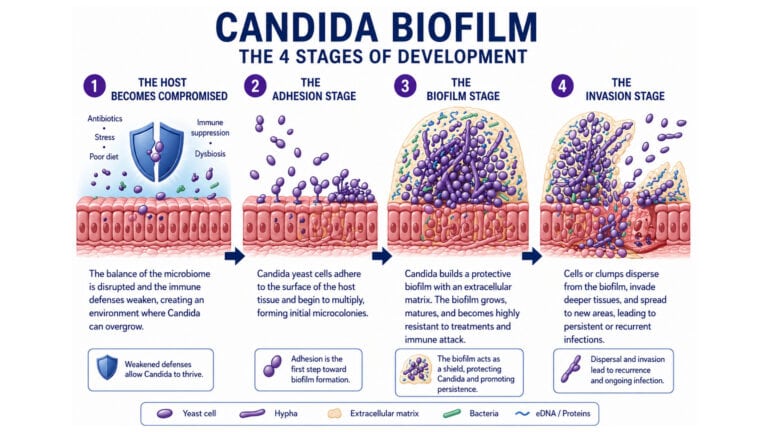

The Candida Symptom Maintainers
Certain diet and lifestyle choices can unknowingly fuel Candida overgrowth and keep yeast infections recurring, sometimes for years. I call these the “Candida symptom maintainers”, they create an environment that allows the infection to persist, making it difficult to fully recover. Here are some of the most common factors that can perpetuate a yeast infection:
What Keeps The Symptoms Of A Yeast Infection Going?
Have you read about the primary causes of a Candida yeast infection? This blog post is about the causes the keep a Candida yeast infection going, I call them the “Symptom Maintainers”. Here’s a check-list, we’ll be discussing several of these points in more detail below:
Dietary Factors
Lifestyle Factors
Environmental Factors
Understanding these common Candida symptom maintainers is the first step toward breaking the cycle of recurring infections. By addressing these factors through dietary changes, stress management, and lifestyle adjustments, you can create an environment that makes it difficult for Candida to persist.
Let’s now take a deep dive into the most common Candida symptoms maintainers:
1 – The Impact Of Sugar

Candida’s ability to spread and cause infections is largely due to its remarkable adaptability and capacity to survive in various conditions within the human body. It’s well-documented that individuals with diabetes are significantly more susceptible to Candida infections, largely because elevated blood sugar levels provide an ideal environment for the yeast to thrive. What may surprise you is how Candida cleverly exploits high sugar levels to sustain itself and spread.
If your diet is high in sugar and refined carbohydrates, you are essentially giving Candida the fuel it needs to persist and maintain the infection. Eliminating sugar from your diet is absolutely critical if you’re serious about overcoming Candida overgrowth. Some sources claim that sugar and refined carbohydrates are not linked to increased Candida overgrowth, but I suspect such assertions come from those who either lack clinical experience with Candida or are hesitant to challenge mainstream dietary beliefs.
It’s essential to understand how glucose not only supports Candida’s growth but also allows it to flourish and cause disease. Removing sugar from your diet is one of the most effective steps you can take to regain control and restore balance in your body.
Here are some important points on why glucose causes Candida to thrive and cause disease:
Sugar, Candida, and Auto-Immune Disease
Over the many years, I’ve repeatedly observed a strong connection between Candida overgrowth and autoimmune disease, particularly in female patients. This link became especially clear in cases where women with autoimmune conditions admitted to having a “sweet tooth.” Their stool tests often revealed strikingly high levels of Candida, pointing to an underlying issue exacerbated by their dietary habits.
In 2021, a study finally shed light on how major fungal infections, including Candida, can trigger severe autoimmune diseases, with the study’s author stating “the possibility of fungal infections causing autoimmune diseases has received virtually no attention” (Roe 2021).
Recent research has proposed a hypothesis that fungal infections could play a significant role in initiating and perpetuating auto-immunity. However, many years before such research was available, I had already identified the Candida/auto-immune link in my clinic through first-hand experience with patients.
Back then, suggesting a connection between Candida and autoimmune disease was dismissed as “unscientific” or “nonsense” by most doctors. Unfortunately, despite the growing body of evidence available today, some medical professionals still deny the impact Candida can have on overall health, including its role in autoimmune disease. This reluctance persists even as numerous studies now support what many of us in natural health have known for years.
Excess glucose levels can impair immune function
A 2005 data analysis by Turina, Fry, and Polk demonstrated that elevated glucose levels in the bloodstream weaken the immune system, impairing its ability to combat fungal infections effectively. This finding underscores the role of sugar in compromising immunity and creating conditions favorable for Candida overgrowth (Turina et al., 2005).
Glucose and Candida: What the Research Says

The relationship between glucose and Candida was further explored in animal trials conducted in 1993 by Vargas and colleagues. Their research provided compelling evidence that glucose consumption promotes Candida colonisation and invasion of the gut (Vargas et al., 1993). However, human studies have shown more nuanced results.
A 1999 study evaluating the impact of a high-sugar diet on Candida levels in the human gut found only a weak correlation. Interestingly, the increase in Candida cells in the stool was observed primarily in individuals who already had higher Candida levels in their oral cavity. However, this study, led by Weig and colleagues, focused solely on healthy volunteers with normal healthy immune systems.
The study’s findings suggest that individuals with compromised immunity—whether due to stress, illness, or other factors—could experience a much greater increase in Candida levels when exposed to high glucose levels. Misinterpretations of this study often lead to claims that sugar has little influence on Candida growth, but the results explicitly state: “A study was conducted in 28 healthy volunteers.”
Key Takeaways:
This highlights the importance of reducing sugar intake, especially for individuals dealing with Candida overgrowth or weakened immunity.
Higher glucose levels promotes Drug resistance in Candida

A 2019 study by Van Ende and colleagues uncovered another significant virulence factor of Candida species—Candida’s exceptional ability to tolerate stress. The research demonstrated that increasing glucose concentrations (ranging from 0.01% to 1%) leads to the up-regulation of stress-resistance genes in Candida albicans (Van Ende et al., 2019).
This adaptation not only enhances the yeast’s survival but glucose also increases Candida’s resistance to azole antifungal drugs, which are commonly used to treat fungal infections.
The implication is clear: the more sugar you consume, the greater the likelihood that azole antifungal medications, such as fluconazole, will be ineffective. This finding underscores the importance of limiting sugar intake when managing Candida infections, as high glucose levels provide the yeast with both a survival advantage and drug resistance, complicating treatment efforts.
Reducing sugar consumption isn’t just about starving Candida—it’s also about preventing the conditions that allow it to thrive and resist treatment. This reinforces the need for a comprehensive approach to Candida management, which includes dietary changes, antifungal treatment, and the restoration of a healthy microbiome.
Carbohydrates Form Candida Cell Walls

Sugar plays a critical role in Candida’s survival and growth, extending far beyond its contribution to biofilm formation. Studies show that carbohydrates make up 80–90% of Candida’s cell wall, underscoring their importance in the yeast’s development and spread throughout the body (Chaffin et al., 1998).
A 2022 study (Carbohydrates Metabolic Signatures in Immune Cells: Response to Infection) revealed that in low-glucose conditions, Candida albicans can efficiently utilise various carbon sources—both fermentable and non-fermentable—to sustain itself and grow.
The study also highlighted a fascinating carbohydrate metabolism shift in immune cells during fungal infections. Candida even expresses proteins that alter carbohydrate metabolism in immune cells, ensuring it gets the sugar it needs to thrive, often in increasing amounts (Awad et al., 2022).
This emphasises why controlling sugar intake is vital for managing Candida infections and disrupting its survival mechanisms.
Glucose helps Candida change to its hyphal form.
Glucose plays a crucial role in Candida’s ability to shift into its hyphal, invasive form. Studies show that even tiny amounts of glucose are enough to trigger this transformation, allowing Candida to spread rapidly through the digestive system and form biofilms, its primary defense mechanism.
A 2004 New Zealand study found that glucose, active at a pH between 7 and 8, is the main factor inducing Candida’s switch to its filamentous form (Hudson et al., 2004)
Ten years later, in 2014, Buu and Chen demonstrated that a glucose concentration as low as 0.1% in the bloodstream could prompt Candida to develop hyphae and release immune-suppressing proteins (SAP) (Buu et al., 2014).
Candida biofilms, made up of around 32% glucose, shield the yeast from your immune system and antifungal treatments. This glucose comes directly from dietary sugars, which Candida utilises to reinforce its biofilm and protect itself.
In short, sugar not only fuels Candida’s growth but also facilitates its invasive behavior, biofilm production, and defence against treatment. Consuming high amounts of refined carbohydrates and sugary foods feeds this cycle, making Candida infections more difficult to manage.
Glucose and Biofilm Production

The adaptability and resilience of Candida species are remarkable. It can survive across a wide range of pH levels, resist common antifungal treatments, and form biofilms that act as protective shields. These biofilms make Candida infections particularly difficult to treat.
As previously noted, Candida creates biofilms to protect itself from your immune system, probiotics, and antifungal medications. These biofilms provide a safe haven for Candida to grow and thrive. The longer a biofilm remains in your gut, the stronger and harder it becomes to eliminate.
But what are biofilms made of? Research by Fattani in 2006 revealed that Candida biofilms are composed of approximately 32% glucose. This glucose comes directly from dietary sugars, which Candida uses as a primary building block to reinforce and maintain its biofilm defenses.
In summary, sugar plays a central role in Candida’s survival, encouraging its growth, hyphal transformation, biofilm production, and ability to evade your immune defenses. Consuming excessive refined carbohydrates and sugary foods fuels this process, increasing Candida counts and exacerbating overgrowth.
Candida Biofilms Are One-Third Glucose
The flexibility and resilience of Candida species are two characteristics that never cease to astound us. We are aware that it can endure a wide range of pH values, become resistant to over-the-counter antifungals, and form biofilms that shield it from therapy. Then why is it so challenging to treat?
As we have mentioned previously, Candida tries to protect itself from both your immune system and medications like probiotics and antifungals by forming biofilms. The biofilm might be viewed as a safe environment for the Candida to exist and develop. A Candida colony’s biofilm gets stronger (and more difficult to remove) the longer it stays dormant inside your gut.
Candida biofilms are just that, but what are they made of? According to one study, Candida biofilms contain about 32% glucose (Al-Fattani et al., 2006).
Where does Candida source this glucose? From your diet. Simply said, Candida uses the extra sugars you ingest as one of the main building elements for the biofilms it uses to protect itself.
In conclusion, sugar promotes Candida growth, conversion to the hyphal form, biofilm production, intestinal permeability, dissemination throughout your digestive system, and promotes an effective defence mechanism against your immune system. Every time you eat too much refined carbs, cookies, doughnuts, sugar, etc., and you have Candida overgrowth, you run the risk of increasing Candida counts and making things a lot worse.
Key Take-Aways
2 – The Impact Of Alcohol

Alcohol and its effects on Candida and bacterial infections. If you are accustomed to consuming alcohol regularly, you may be unknowingly contributing to the persistence of your yeast or bacterial infection.
Alcohol has harmful effects in several ways, and its consumption can support the growth of Candida and worsen dysbiosis.
The National Center for Health Statistics reported in 2018 that nearly two-thirds (66.3%) of adults aged 18 and over in the United States drank alcohol in the past year. Of those adults, 5.1% engaged in heavy drinking, defined as consuming more than 14 alcoholic drinks per week for men, or more than 7 drinks per week for women National Center for Health Statistics.
This widespread alcohol consumption can have serious implications for gut health, particularly for those struggling with Candida overgrowth or other microbial imbalances.
Avoiding alcohol can be a key step in supporting the body’s efforts to manage Candida and restore microbial balance.
Here’s why alcohol should be avoided in the presence of Candida overgrowth:
Article Of Interest: Alcohol and Yeast Infection (in men & women)
Alcohol and Mood Disorders: The Vicious Cycle

Alcohol consumption can exacerbate mood disorders, especially when combined with the strain of gut dysbiosis and the toxic by-products produced by Candida. For those already struggling with exhaustion, irritation, and potential depression caused by an imbalance in gut health, alcohol is like pouring fuel on a fire.
In our clinic, we’ve observed that many individuals with chronic Candida infections also struggle with mood disorders. A significant number of these patients had a history of moderate to heavy alcohol consumption before their Candida diagnosis. Some of the most challenging cases, in particular, still drank during their treatment, although at reduced levels.
A study by McHugh and Weiss found a clear link between heavy drinking and depressive disorders, noting that when these two conditions co-occur, it often results in greater severity and a worse prognosis for both (McHugh et al., 2019).
Understanding the impact of alcohol on mental health is essential. Alcohol has deceiving effects on the brain, where it alters brain chemistry, leading to the worsening of mood disorders such as depression and anxiety. Regular alcohol consumption reduces serotonin levels, a key neurotransmitter that directly affects mood. Over time, this can contribute to a growing dependency, increased anxiety, stress, and a worsening mood.
When dealing with Candida overgrowth, it’s crucial to address not only the physical symptoms but also the potential mental health impacts. Reducing or eliminating alcohol consumption can be a critical step in managing both Candida and mood disorders.
Alcohol Weakens Immune Function
A strong immune system is crucial for keeping infections like Candida albicans under control. Alcohol consumption can impair this defence, allowing opportunistic pathogens to thrive.
A 2014 University of Maryland study examined alcohol’s effects on immune cells such as leukocytes, monocytes, and natural killer cells. While alcohol initially caused a brief spike in immune cell activity 20 minutes after peak intoxication, this was short-lived. By the 2-hour and 5-hour marks, immune cell levels dropped significantly, indicating a weakened immune response.
Alcohol and Liver Stress
Your liver plays a critical role in detoxifying Candida by-products like acetaldehyde, uric acid, and ammonia, helping prevent symptoms like fatigue, brain fog, and migraines. Acetaldehyde, a neurotoxin and potential carcinogen, is particularly harmful.
Alcohol worsens liver function, as it also produces acetaldehyde during metabolism. This increases the liver’s workload, especially in cases of Candida overgrowth. When the liver becomes depleted of nutrients like molybdenum, toxins circulate more freely, intensifying brain fog and that familiar “hangover” sensation.
Alcohol disturbs your sleep

While alcohol might help you fall asleep initially, it disrupts your REM cycle, the stage responsible for restorative sleep. This leaves you feeling tired and unrefreshed the next day (Colrain et al., 2014).
At night, your body is designed to activate the parasympathetic nervous system (PNS) (the “rest and digest” system) and deactivate the Sympathetic Nervous System (the “fight or flight” system).
However, alcohol interferes with this process. Once its sedative effects wear off, the sympathetic nervous system (SNS) kicks in, waking you abruptly and leaving you feeling too “wired” to fall back asleep. The result is poor-quality rest and lingering fatigue (Orjatsalo et al., 2018).
Sleep is essential for immune function, hormonal balance, and overall health. If you’re dealing with Candida, SIBO, or other gut issues, avoiding alcohol entirely is crucial—it will only worsen your symptoms and recovery.
Alcohol Disrupts Blood Sugar Balance
Alcohol has complex effects on blood sugar, varying by type of drink and individual physiology. A 2009 study found that alcohol can raise blood glucose levels, and for those dependent on alcohol, glucose may even reinforce drinking behavior (Leggio et al., 2009).
For instance, diabetics must exercise caution as alcohol can dramatically lower blood sugar, while sugary drinks like beer, wine, and cocktails can temporarily spike glucose levels. These fluctuations are particularly harmful for anyone with Candida overgrowth. Elevated blood sugar fosters an environment that encourages Candida growth, while sudden drops may trigger cravings and poor food choices, like late-night sweets.
Additionally, these rapid blood sugar swings can strain your adrenal glands and disrupt your stress response, further complicating recovery from Candida. Avoiding alcohol is key to stabilising blood sugar and supporting gut health.
Alcohol Encourages Candida Overgrowth
A 2014 study highlighted that alcohol consumption fosters both bacterial and fungal overgrowth, contributing to gut dysbiosis. Alcohol disrupts the microbiome, leading to the release of bacterial and fungal endotoxins (Parlesak et al., 2000).
These toxins activate proteins and immune cells that drive inflammation and can even lead to liver disease (Schnabl et al., 2014). By creating a disturbed gut environment, alcohol provides an ideal setting for Candida to thrive.
Alcohol Increases Intestinal Permeability
Your intestinal barrier plays a crucial role in controlling what passes from your gut into your bloodstream. It prevents harmful substances, like Candida toxins, from crossing into your body while allowing nutrients through.
Alcohol compromises this barrier in two distinct ways:
This weakened barrier promotes intestinal permeability, also known as leaky gut, creating the perfect environment for Candida to proliferate and its toxins to cause systemic issues.
Alcohol Causes Gut Inflammation
Alcohol triggers gut inflammation through multiple mechanisms, setting the stage for a wide range of disorders both within and beyond the digestive system. This inflammation can exacerbate or directly contribute to alcohol-related illnesses, including liver disease, cancers, neurological disorders, and other systemic conditions (Bishehsari et al., 2017). By disturbing gut health, alcohol creates a ripple effect that impacts the body as a whole.
Alcohol reduces fungal diversity
A study by Yang and colleagues found that alcohol-dependent individuals showed reduced intestinal fungal diversity paired with Candida overgrowth. Compared to healthy individuals, these patients experienced increased systemic exposure to fungal products and a heightened immune response to mycobiota-associated toxins (Yang et al., 2017).
The study also suggested that moderate to heavy alcohol consumption disrupts the intestinal mycobiota and promotes the translocation of fungal toxins. Interestingly, it noted that restoring a balanced intestinal mycobiome could be a potential strategy for addressing alcohol-related liver disease.
Hard Liquor Is Particularly Bad for Candida

Hard liquors like whiskey, rum, and gin are some of the worst offenders when it comes to worsening Candida infections. The situation becomes even worse when these spirits are mixed with sugary drinks like cola, lemonade, or energy drinks, as the combination introduces excessive sugar alongside the alcohol. This creates a perfect environment for Candida overgrowth.
A study by Engen, Green, and colleagues discovered that gin consumption increased the relative abundance of Clostridioides species in the gut. When this bacterial species is present in high levels, it is linked to various gut issues, including colon inflammation (Engen et al., 2015).
Does alcohol exacerbate Candida-related health problems? Absolutely. From promoting gut dysbiosis to overloading your body’s ability to manage Candida by-products, alcohol—especially hard liquor—makes it significantly harder to recover from Candida overgrowth.
3 – The Impact Of Vitamin and Mineral Deficiencies

The proper functioning of our body’s cells heavily relies on a steady intake of essential micronutrients, primarily through diet but also through supplementation when necessary. Numerous studies have demonstrated how deficiencies in vitamins and minerals can compromise the immune system, making it harder to fight infections and maintain overall health.
One standout example is vitamin D, which gained significant attention during the COVID-19 pandemic. Evidence from observational studies, such as Brenner (2020), suggests that vitamin D insufficiency was a major factor in COVID-19 deaths. Supplementation could have potentially prevented many of these fatalities (Brenner 2020).
Many Get Insufficient Micronutrients from Diet
According to the Linus Pauling Institute at Oregon State University, most people fail to meet their micronutrient needs through diet alone. This widespread deficiency stems from poor eating habits and a reliance on energy-dense but nutrient-poor foods.
Why Fruits and Vegetables Are Crucial
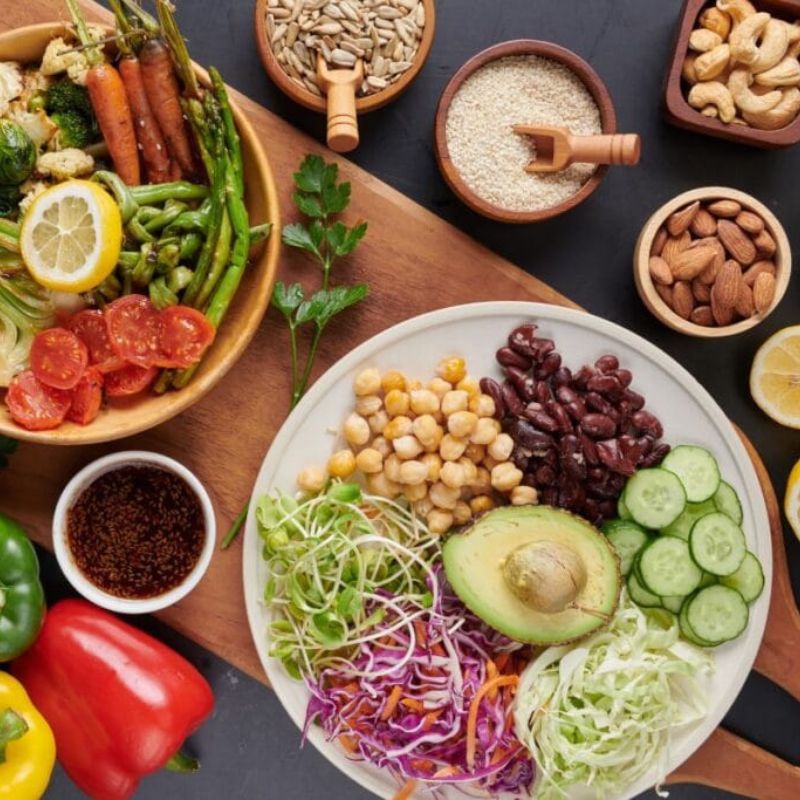
Fruits and vegetables contain phytochemicals, natural compounds that plants produce to protect themselves from bacteria, fungi, and viruses. These compounds, when consumed, provide extraordinary benefits to human health.
One study highlighted the importance of phyto-chemicals, concluding:
“Consumers should obtain their nutrients, antioxidants, bioactive compounds, or phyto-chemicals from their balanced diet with a wide variety of fruits, vegetables, whole grains, and other plant foods for optimal nutrition, health, and well-being.” (Liu 2013).
Micronutrient Deficiencies in Candida Sufferers
Nutritional deficiencies are particularly common in those with chronic Candida infections. Dr. Leo Galland, in his 1983 report “Nutrition and Candidiasis,” identified specific deficiencies frequently seen in Candida patients, including:
Dr. Galland noted the significant impact these nutrient deficiencies had on chronic candidiasis, further emphasising the need for balanced nutrition.
Follow a Candida Diet Approach if You Have Candida
For those with Candida, correct diet as well supplementation if required can play a critical role in recovery. A study found that supplementing with selected immune-supportive micronutrients improves immune function and lowers the risk of infections. (Gombart et al., 2020).
While eating a balanced, diverse diet rich in fresh, natural foods is the best approach, multivitamins can help bridge the gap if your diet is limited. The Candida diet as part of our Ultimate Candida Cleanse Program used in my clinic for over 30 years is designed to address these deficiencies comprehensively.
Take-Aways
Steps to Improve Nutritional Health:
By prioritising your micronutrient intake, you can strengthen your immune system, improve gut health, and better manage Candida infections or other chronic conditions.
4 – The Impact Of Digestive Problems

The proper functioning of our body’s cells heavily relies on a steady intake of essential micronutrients, primarily through diet but also through supplementation when necessary. Numerous studies have demonstrated how deficiencies in vitamins and minerals can compromise the immune system, making it harder to fight infections and maintain overall health.
Many Of Us Get Insufficient Micronutrients from Our Diet
As an example of nutrient deficiencies, one standout example is vitamin D, which gained significant attention during the COVID-19 pandemic.
Evidence from observational studies suggests that vitamin D insufficiency was a major factor in many COVID-19 deaths. Supplementation could have potentially prevented many of these fatalities (Brenner 2020).
According to the Linus Pauling Institute at Oregon State University, most people fail to meet their micronutrient needs through diet alone. This widespread deficiency stems from poor eating habits and a reliance on energy-dense but nutrient-poor foods.
The Impact of Digestive Problems
Chronic gut issues are often a sign of Candida colonisation in the digestive tract. Conditions like gastric ulcers, Crohn’s disease (Standaert-Vitse et al., 2009), and ulcerative colitis (Ksiadzyna et al., 2009) have been linked to Candida presence in the gut (Kreulen et al., 2023). Additionally, digestive problems can indicate an imbalanced microbiome. Unless this balance is restored, Candida overgrowth will likely persist.
Gut Inflammation Worsens Candida
Gut inflammation is a major driver of Candida overgrowth (Jawhara et al., 2008). Research on mice shows that inflammation encourages Candida colonisation and slows the healing of ulcers (Nakamura et al., 2007). Inflammation in the gut can arise from:
These factors can either pave the way for Candida colonisation or make it difficult to eliminate existing overgrowth.
Low Stomach Acid and Candida
Low stomach acid contributes to poor digestion and creates an environment favourable for Candida overgrowth (Kumamoto et al., 2011). Digestive function can be improved to a great degree with the addition of supplementary digestive enzymes. This condition can lead to:
Acid-Blocking Drugs and Candida
Proton pump inhibitors (PPIs) and other acid-blocking medications, commonly prescribed for acid reflux or stomach ulcers, may unintentionally promote Candida overgrowth (Mottaghi et al., 2021). This creates a favourable environment for Candida colonisation in both the stomach and the first section of the small intestine.
Take-Aways
Steps to Address Digestive Issues and Candida Overgrowth:
By addressing these digestive issues, you can create an environment in your gut that helps to manage Candida overgrowth and promotes overall digestive health.
5 – The Impact of Chemicals In Our Environment
In today’s world, we are exposed to more environmental toxins than ever before. These chemicals are absorbed into our bodies through food, water, and air, and many accumulate over time because our bodies cannot effectively break them down.
Research has shown that some of these chemicals promote the growth of Candida, leading to overgrowth and other health issues.
Below is a detailed exploration of key chemicals, their sources, and their impact on Candida and overall health.
Parabens
Parabens are synthetic preservatives used in cosmetics, personal care products, and medications since the 1920s. They prevent bacterial and mold growth, extending product shelf life, but they also have concerning health effects.
While some argue parabens are safe, caution is advised due to their weak but persistent oestrogenic effects and cumulative exposure risks.
Bisphenol A (BPA)
BPA, a chemical used in plastics, is a well-documented endocrine disruptor with potential risks to immune and reproductive health.
Avoid BPA-containing plastics and opt for BPA-free or glass alternatives to minimise exposure.
Pesticides
Pesticides are widely used in agriculture and pose significant risks to gut and immune health.
To reduce exposure, opt for organic produce and avoid pesticide-treated foods when possible.
Herbicides (Weedicides)
Herbicides are used to control unwanted plants but have significant environmental and health impacts.
Avoid using herbicides and prioritise organic gardening or farming practices.
Halides (Chlorine, Fluorine, Bromine)
Halides, such as chlorine, fluorine, and bromine, are common in water treatment, manufacturing, and agriculture. While they have benefits, they can negatively affect health.
Filter your water and minimise exposure to halide-containing products, such as certain medications and flame-retardant materials.
Chlorine and Fluorine in Drinking Water
Chlorine is used to disinfect drinking water and swimming pools, but it can upset the gut microbiome.
Filter drinking water and limit pool exposure to reduce chlorine intake.
Key Takeaways
Here are actionable steps to minimize chemical exposure and protect against Candida overgrowth:
By reducing exposure to environmental chemicals, you can protect your immune system, balance gut health, and lower the risk of Candida overgrowth.

Ultimate Candida Cleanse System
Beat Candida naturally with the complete, science-based system created by naturopath Eric Bakker, N.D. This all-in-one package gives you two downloadable guidebooks plus the Yeastrix Gut Restore Kit — three targeted professional formulas that work together to reset your gut, restore balance, and rebuild healthy digestion.
You get a structured, step-by-step program, professional clinical guidance, and supplements designed to support each stage of recovery. No guesswork. No confusing protocols. Just a clear roadmap and the right tools to help you finally reduce symptoms, rebalance your microbiome, and feel like yourself again. The Ultimate Candida Cleanse System is everything you need to make real progress — naturally, safely, and effectively.

Eric Bakker N.D.
Greetings! I am a naturopathic physician from New Zealand. Although I’ve retired from clinical practice since 2019 after 34 years of clinic. I remain passionate about helping people improve their lives. You’ll find I’m active online with a focus on natural health and wellbeing education through my Facebook page, Reddit page and YouTube channel, including this website.