Mycotoxins: An Overview
Fungi are incredibly diverse, with over a hundred species known to cause toxicity. Of these, more than 300 compounds are recognized as mycotoxins—toxic chemical substances produced specifically by molds and yeasts. Mycotoxins pose serious health risks to humans, animals, plants, and even insects, and they can cause both disease and death upon exposure.
Mycotoxins vary widely, as they are produced by different types of fungi, including molds and certain yeasts. For instance, some species of Candida can produce various mycotoxins, though not all Candida strains do. The presence of mycotoxins in Candida is influenced by the specific fungal strain and the environmental conditions in which it grows. Mycotoxins are typically classified by the fungal species that produce them and by their unique chemical structures.
The health impact of a mycotoxin depends on the toxin’s type, the level of exposure, and the health of the exposed individual. Importantly, most fungal-related illnesses worldwide result not from inhaling black mold spores, accidental consumption of poisonous mushrooms, or Candida infections, but from mycotoxicosis—a toxic condition caused by ingesting food contaminated with mycotoxins.

What Is Mycotoxicosis?
Mycotoxicosis refers to the illness caused by consuming foods tainted with mycotoxins. This condition affects a significant global population, though it’s often under-reported (Omotayo et al., 2018).
Foods at high risk include grains like wheat, corn, and rice, which can become contaminated or damaged by factors like moisture and insects. When stored improperly, these foods are particularly vulnerable to mycotoxin contamination. (Santos et al., 2022),
Unlike the opportunistic fungi that can grow at human body temperature (37°C), mycotoxin production generally occurs at lower temperatures—typically between 20°C and 30°C. (Bennett et al., 2003). In areas with limited resources, where food storage conditions are often inadequate and malnutrition is prevalent, the risk of mycotoxin exposure is even higher. Weak regulatory oversight in food handling and storage further increases the likelihood of fungal contamination in such regions.
Key Points to Remember
By understanding these risks and improving food storage and handling practices, we can reduce the prevalence of mycotoxin exposure and protect public health on a global scale.
Let’s take a look now at mycotoxins as well as endotoxins, relating more to bacteria than yeast.
Endotoxins and Mycotoxins
Understanding Their Impact
Endotoxins and mycotoxins are toxic compounds that can enter our bloodstream and gut, presenting challenges for our body’s detoxification and immune systems. Under normal circumstances, if the gut microbiota is healthy and balanced, and toxin levels are manageable, our body’s elimination organs—like the liver and kidneys—work effectively to filter out these toxins.
In these cases, our immune system typically responds well, and any symptoms related to toxin release, such as mild Candida die-off reactions, are usually minimal and manageable with rest and hydration. This is often the case with mild to moderate Candida yeast infections.
The Risks of Overloading the System
Problems arise when too many microorganisms are killed off too quickly, leading to a sudden influx of endotoxins. This rapid release can overwhelm the immune system, making the effects of these toxins more intense and potentially harmful. This scenario is common in cases where individuals have a high Candida or bacterial load and undergo aggressive or prolonged treatment. In such cases, symptoms of toxicity—such as fatigue, headaches, or flu-like symptoms—may become severe, reflecting the body’s struggle to process the excess toxins.
Moldy Environments, Mycotoxins, and Brain Fog
People who live or work in moldy environments often struggle with brain fog, which affects their thinking and memory. Until recently, there was no solid research proving how mold impacts mood and cognitive function, leading to debate on the issue.
However, symptoms reported by those exposed to mold—such as fatigue, anxiety, depression, and memory problems—are similar to those seen in immune responses triggered by bacteria or viruses. To explore this, researchers findings confirmed that inhaling mold can disrupt cognitive function, with brain inflammation closely linked to changes in behaviour (Harding et al., 2023).
A Closer Look at Endotoxins and Mycotoxins
Let’s break down what endotoxins and mycotoxins are and how they impact our health:
Understanding how endotoxins and mycotoxins affect our body, particularly during treatments that target pathogenic bacteria or yeast, highlights the importance of a cautious, gradual approach.
Supporting detoxification pathways, maintaining adequate hydration, and allowing the body time to adjust are key to minimising these symptoms and achieving a balanced, effective treatment outcome.

Endotoxins: Their Bacterial Origins and Impact
What Are Endotoxins?
Endotoxins, also known as internal toxins, are toxic substances that can be active within the bloodstream, gut microbiome, and even the brain. While toxins can have various origins, endotoxins specifically stem from bacterial cell walls (Raetz et al., 2002). Although some toxins are produced naturally as part of our body’s metabolism, these typically pose little harm to a healthy system, as they are efficiently processed by the liver and kidneys.
The Role of Lipopolysaccharides (LPS)
Endotoxins are predominantly composed of lipopolysaccharides (LPS), large molecules located in the outer membrane of certain bacteria (Farhana et al., 2023). When these bacteria die, especially during infections or treatment, they release endotoxins into the body. This can prompt an immune response, especially if large amounts of bacterial die-off occur simultaneously.
Misconceptions About Candida Die-Off Reactions
A common belief is that symptoms from Candida die-off are solely due to “large amounts of Candida dying rapidly.” However, this explanation may be overly simplified. While rapid microbial die-off does contribute to toxin release, there are often additional factors at play, such as existing bacterial toxin buildup triggered by various internal and external causes. High toxin levels may worsen symptoms, adding to the body’s inflammatory response (Chiloeches et al., 2021).
Our Body’s Response to Toxins
In normal conditions, toxins produced from routine bodily processes are efficiently managed by the liver and kidneys, our primary detox organs. However, when toxins surge due to intensive antifungal or antibacterial treatments, the body may struggle to process them effectively. This heightened endotoxin load, especially during treatment of infections, leads to an accumulation of toxic metabolites, which can result in fatigue, nausea, and general malaise.
Immune System Activation and Cytokine Production
When the immune system recognises high levels of toxic metabolites, it responds by releasing secondary chemicals called cytokines. These cytokines, such as tumor necrosis factor (TNF)-alpha, interleukin-6 (IL-6), and interleukin-8 (IL-8), are essential for managing inflammation and signaling immune cells to tackle the toxin overload. However, cytokine production can result in pain, inflammation, and a wide range of symptoms as the body works to neutralize and clear these internal toxins (Chen et al., 2017).
Summary
Understanding endotoxins and the immune response they trigger is essential for managing symptoms during infection treatments, ensuring a balanced approach to recovery without overwhelming the body’s natural defenses.

Mycotoxins: Their Fungal Origin and Impact
Mycotoxins however, are toxins made specifically by fungal species, like Candida. Fungal toxins are produced in response to warmth, humidity, moisture, and food source.
Recent studies have shown that the impact of mycotoxin on human health is quite significant, and that toxins such as gliotoxin, and candidalysin have been detected in patients with active fungal infections. (Brown et al., 2021)
Mycotoxins are readily produced by Candida and are part of the disease process during fungal expansion and overgrowth, but increase especially when Candida is being treated. (Bennett et al., 2003) Some common mycotoxins include acetaldehyde, gliotoxin, and candidalysin.
We’ll discuss these mycotoxins and more on this page.

Acetaldehyde
Acetaldehyde is a molecule with a high toxic potential. It that can enter the brain from Candida at hazardous amounts. As far back as 1986 Dr. Orion Truss published many writings about the hazards of Candida overgrowth and yeast infection, including acetaldehyde toxicity.
Most of the early work on Candida was largely ignored by the mainstream, in favour of antibacterial treatments. Candida auris has changed the way science and mainstream medicine now views Candida species.
When we consume foods and drinks rich in sugar, we are assuring that Candida has plenty of sugar for fermentation to make acetaldehyde in our gut. The other problem we have is when we consume any alcohol, whether it be beer, wine, or spirits, or liqueur, we are adding to the body’s burden of high sugar levels and high metabolic toxins in the form of acetaldehyde.
Acetaldehyde generated in the intestines gradually penetrates into our brain and all other body organs, overloading the system and raising the danger of damage. Click here for the Acetaldehyde Toxicity page.
Aflatoxins
Aflatoxins are a particularly harmful type of mycotoxin produced by certain species of fungi, most notably the mold Aspergillus, which commonly grows in warm, humid conditions.
These toxins are a significant cause of toxicity in both humans and animals, and they are known for their potent cancer-causing effects on the liver, their ability to suppress the immune system, and their classification as carcinogens due to their cancer-causing potential (cancer.gov).
Aflatoxin exposure, even at low levels, can accumulate over time, increasing the risk of liver disease and immune dysfunction.
Alarmingly, it’s estimated that up to 25 percent of the world’s food supply is contaminated by aflatoxins, posing a major public health challenge, particularly in regions with limited food safety regulations and poor storage practices (Jallow et al., 2021).

Aflatoxin Linked With Cancer
Staples like corn, peanuts, rice, and grains are especially vulnerable to aflatoxin contamination, as the fungi thrive in crops stored in warm, moist environments. This widespread contamination highlights the importance of stringent food handling and storage practices, as well as regular monitoring of food supplies, to minimise aflatoxin exposure and protect human and animal health globally.
A study found that at its lower estimate, aflatoxin plays a role in about 4.6% of total annual liver cancer cases; at its upper estimate, aflatoxin may play a role in close to 30 percent cases worldwide. (link) Pregnant people are especially vulnerable to exposure to aflatoxin that is considered teratogenic (causing developmental malformations).
Aflatoxin causes serious harm to people’s health in under-developed countries. The economic losses of corn, cottonseed, peanuts, rice, sorghum, wheat, including processed human food and animal foods due to aflatoxin are significant.

Mold Spores
Mycotoxin explains why consuming foods with mold may not be the best idea, you may get sick, and in some cases, very sick.
Even the slightest visible mold growth indicates that fungal hyphae, or “root threads”, have likely infiltrated the food. In the case of toxic molds, mycotoxins tend to concentrate around these hyphae, allowing toxins to spread quickly and thoroughly throughout the food (Refai et al., 2013).
For this reason, simply removing the visible mold does not eliminate the health risks, as toxins may already be embedded in deeper layers of the food.
Examples of Mold on Foods
Understanding Mold Spores, Mycotoxins, and Health Risks
Mold continuously sheds microscopic spores, which become airborne and can disperse into our environment. Mycotoxins themselves can also become airborne, meaning that exposure doesn’t only come from ingesting moldy foods; we may inhale these toxins as well (Lindemann et al., 2022).
Breathing in mold spores and mycotoxins can lead to various respiratory symptoms, such as asthma, allergies, sinus infections, and cold- or flu-like symptoms. Additionally, Candida albicans—a common fungal organism—produces microscopic hyphae capable of releasing toxic secondary metabolites, contributing to the formation of mycotoxins (Telapko et al., 2021).
Mycotoxin Testing: What You Need to Know
Mycotoxin exposure is one of the most overlooked hidden causes behind a long list of unexplained health issues. You may be eating well, sleeping okay, even taking supplements—but still feeling “off.” If that sounds familiar, a mycotoxin test might be exactly what you need to uncover the real culprit.
Article of Interest: Mycotoxin Testing
In this section, I’ll walk you through everything you need to know about mycotoxin testing:
Let’s take the mystery out of mold toxins!

What Is a Mycotoxin Test?
A mycotoxin test is designed to detect the presence of harmful compounds produced by certain molds. These compounds, called mycotoxins, can build up in your body through food, air, or environmental exposure—especially in homes or workplaces affected by water damage or poor ventilation.
These toxins are invisible, odorless, and incredibly potent—even at very low levels. Long-term exposure can quietly wear down your body’s systems, leading to symptoms that often defy a clear medical diagnosis.
I’ve found that patients often like testing when they present with “mystery” symptoms such as::
How Is a Mycotoxin Test Performed?
The most widely used method is the mycotoxin urine test. This non-invasive test screens for mold-related metabolites excreted in your urine. It provides a snapshot of your toxic burden and helps identify which molds may be contributing to your symptoms.
Labs typically test for:
These tests are often done through specialty functional medicine labs that offer advanced mold and mycotoxin panels.
Why Testing Matters
Mold and mycotoxins are master deceivers. They don’t always produce symptoms right away, and most conventional tests won’t detect them. That’s why so many people go years—sometimes decades—without answers.
If you’ve tried different therapies, diets, or medications without much progress, it’s worth asking:
“Have I ruled out mold toxicity?”
What Comes After the Test?
If your results show elevated mycotoxins, don’t panic. With the right approach, you can detoxify and restore your health.
Recovery usually includes:
This isn’t a quick fix—it’s a full-body cleanup. But it works when done properly. It’s why I recommend the Candida Cleanse Program – it covers all the bases.
Key Take-Aways

Ultimate Candida Cleanse System
Beat Candida naturally with the complete, science-based system created by naturopath Eric Bakker, N.D. This all-in-one package gives you two downloadable guidebooks plus the Yeastrix Gut Restore Kit — three targeted professional formulas that work together to reset your gut, restore balance, and rebuild healthy digestion.
You get a structured, step-by-step program, professional clinical guidance, and supplements designed to support each stage of recovery. No guesswork. No confusing protocols. Just a clear roadmap and the right tools to help you finally reduce symptoms, rebalance your microbiome, and feel like yourself again. The Ultimate Candida Cleanse System is everything you need to make real progress — naturally, safely, and effectively.

Probiotics A Strategy for Reducing Mycotoxin Exposure
Emerging research suggests that taking a high-quality probiotic supplement may play a beneficial role in reducing mycotoxin bioavailability in the human body. A study published in 2015 found that probiotics could reduce the bio-accessibility of mycotoxins by 10 to nearly 60 percent, offering a promising approach for mitigating mycotoxin exposure through dietary supplementation (Ferrer et al., 2015)
By promoting a healthy balance in gut microbiota, probiotics may help prevent the colonisation of harmful fungi, thereby reducing the overall mycotoxin load and protecting against the potential health effects of these toxins.
Well-Researched Candida Mycotoxins
Candidalysin
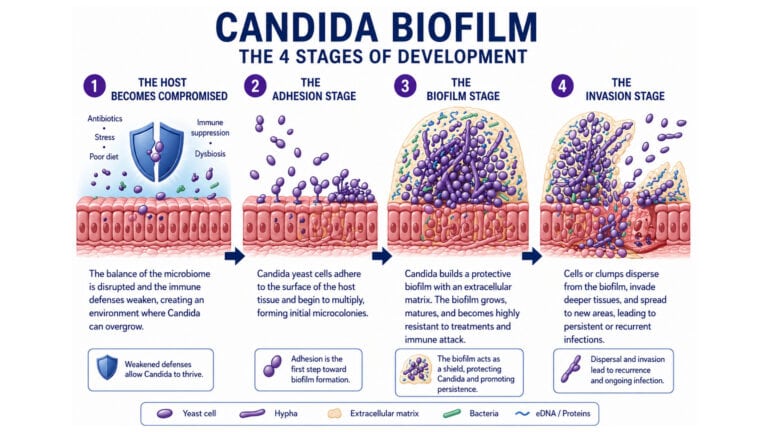
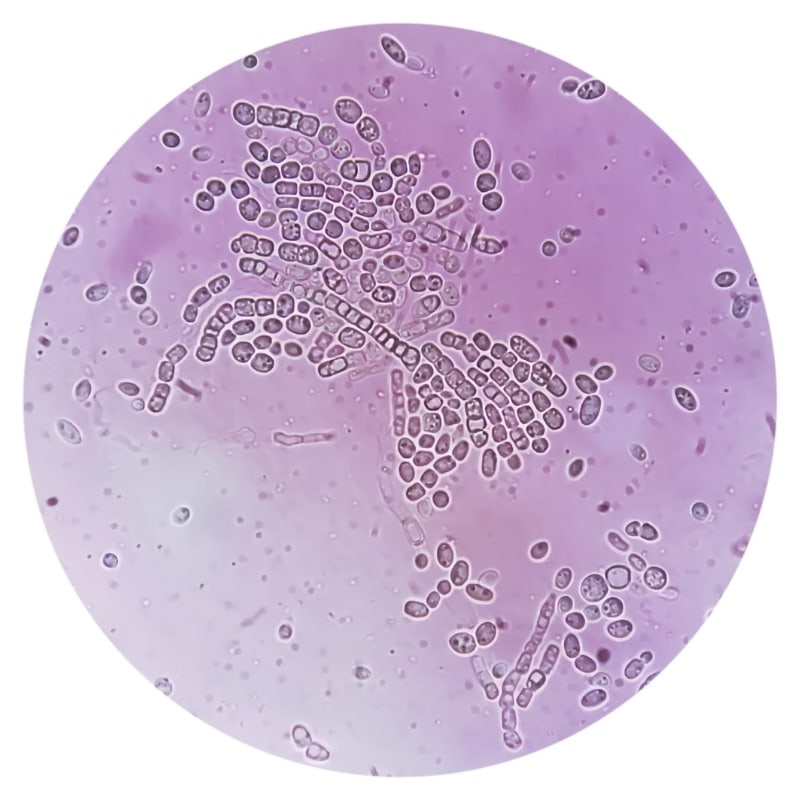
Candidalysin, a peptide toxin released by the invasive (hyphal) stage of Candida albicans, plays a critical role in the disease–causing potential of this common fungal species.
When Candida transitions from its yeast form to a hyphal, or filamentous, form, it gains the ability to invade host cells more aggressively, incorporating candidalysin into cell membranes and causing direct damage. Read here about the 5 key survival strategies Candida has developed.
Candidalysin: Candida’s Unique Peptide Toxin
This transition is believed to be one of the essential factors that enables Candida to shift from a benign presence in the body to a disease-causing pathogen.
The discovery of candidalysin has greatly expanded scientific understanding of how Candida albicans contributes to disease. As the first peptide toxin identified in a human fungal pathogen, candidalysin holds a unique place in fungal biology and research (Richardson et al., 2022).
By damaging host cells, candidalysin not only disrupts cellular function but also triggers immune responses, which can lead to inflammation and tissue injury. These effects are particularly concerning for individuals with compromised immunity, as candidalysin can rapidly overload the immune system and heighten susceptibility to autoimmune conditions, such as Sjogren’s syndrome, and other inflammatory diseases like inflammatory bowel disease ((Chen et al., 2022). ; (Weill Cornell Medicine).
The Impact of Peptide Toxins Like Candidalysin
Peptide toxins, such as candidalysin, consist of short amino acid chains that form complex structures. Many of nature’s most potent toxins are peptide-based, having evolved across plants, animals, and microbes as defense mechanisms or predation tools. These toxins can affect various biological systems, including immune, nervous, and digestive systems, and have effects that range from mild to highly toxic (Lewis and Garcia, 2003).
In the case of candidalysin, its presence in the body can manifest as symptoms that vary widely depending on where Candida is located. Symptoms may include gastrointestinal issues, genitourinary infections, fatigue, cognitive impairments, and mood disturbances.
Key Points About Candidalysin
The discovery of candidalysin has given scientists and healthcare providers new insights into the mechanisms of fungal infections, paving the way for targeted therapies that address the complex effects of this potent toxin on the human body (Naglik et al., 2019).
Gliotoxins
Gliotoxins (GTs) are a specific type of mycotoxin produced by various fungi, most notably Aspergillus fumigatus, which is commonly associated with lung and sinus infections (El-Bondkly 2014)
Other fungi, including certain species of Trichoderma (often found on feet) and various strains of penicillin mold, also produce gliotoxins. Interestingly, while gliotoxins are known to be produced by some Candida species, there is ongoing debate in the scientific community regarding the extent and implications of this production (Kwon-Chung 2008).

Gliotoxins: Mycotoxins with Immunosuppressive Properties
One of the most concerning properties of gliotoxins is their ability to inhibit the activation and proliferation of white blood T-cells, which play a crucial role in the immune response.
T-cells help defend the body against foreign invaders, including pathogens like Candida and their associated mycotoxins. By suppressing T-cell activity, gliotoxins can weaken the immune system’s ability to combat infections, potentially allowing fungal pathogens to thrive unchecked (Ye et al., 2021).
Fortunately, studies indicate that most individuals do not produce sufficient amounts of gliotoxin to significantly impact the disease process associated with yeast infections. This suggests that while gliotoxins can pose a risk, their actual effect may vary depending on individual susceptibility, the concentration of gliotoxin present, and the overall health of the immune system (Ye et al., 2021).
Key Points About Gliotoxins
Understanding gliotoxins and their impact on immune function is crucial for developing strategies to manage fungal infections and mitigate the effects of mycotoxins in susceptible individual
Toxic metabolites and auto-immune disease
When there are high levels of toxic metabolites like gliotoxin in the body and more are constantly created along with the high levels of yeast and pathogenic bacteria already present, a hidden issue becomes apparent. However, the real issue starts when both the candida itself and these toxic metabolites start to put the immune system under increasing stress and pressure.
An important fungicidal mechanism employed by our immune system involves the generation of toxic reactive oxygen species (ROS), such as superoxide and hydrogen peroxide. Candida albicans has employed several strategies to evade oxidative killing by our white blood cells. Our understanding how Candida senses and responds to our immune system’s response has increased significantly in recent years. (Dantas et al., 2015)

Average Diagnosis After 4 Years 6 And Doctors
Angela Crowley, MD, is up-front about it. According to Dr. Crowley, a rheumatologist:
“Accurately diagnosing an autoimmune disease can be tricky. People on average see six doctors over a period of 4 years before they get a diagnosis.”
Recognising and Addressing Candida Overgrowth

During my many years in clinical practice, I often encountered a common challenge: many medical professionals tended to dismiss the symptoms of Candida overgrowth.
Symptoms were frequently attributed to stress, aging, or simply the realities of “being a woman”. Unfortunately, when a Candida infection goes untreated for extended periods—sometimes even for years—it increases the risk of developing autoimmune conditions.
As time progresses, the gut becomes gradually more permeable, leading to what is commonly referred to as “leaky gut syndrome” (LGS). This condition allows mycotoxins to infiltrate the bloodstream, resulting in a steady decline in the patient’s overall health. Sadly, despite the patient becoming increasingly unwell, the correct diagnosis often remains elusive for healthcare providers.
In my experience, few medically-trained doctors acknowledge leaky gut syndrome as a legitimate condition, despite growing recognition of its role as an underlying cause of numerous chronic diseases. This lack of recognition can be attributed to the nebulous symptoms associated with both Candida overgrowth and LGS, which can affect multiple body systems and often overlap with symptoms of other chronic illnesses, including autoimmune diseases.
However, it is crucial to understand that once you identify Candida overgrowth as the root cause of your symptoms, and recognize the significant role your gut plays in your overall health, you can take effective steps to address the issue. By treating Candida overgrowth, you can alleviate your symptoms and significantly improve your chances of preventing or reversing various chronic illnesses, including autoimmune disorders.
Staying Positive and Proactive
It’s important to maintain a positive mindset, even if your journey toward a firm diagnosis has felt frustrating. If you’ve found yourself researching extensively online or feeling lost in your search for answers, know that you’re not alone.
For further insights, I recommend exploring the following resources:
Causes and Risk Factors of Candida: These pages provides essential information on what contributes to Candida overgrowth, as well as recognising Signs and Symptoms of Candida Infection: Understanding the specific signs can help you identify if you are dealing with a Candida issue.
Candida Causes And Symptoms
If you’re looking for an effective way to treat Candida overgrowth or a yeast infection, consider our Candida Cleanse program. This targeted approach can help you regain balance in your gut health and overall well-being.
Ultimate Candida Cleanse System
Beat Candida naturally with the complete, science-based system created by naturopath Eric Bakker, N.D. This all-in-one package gives you two downloadable guidebooks plus the Yeastrix Gut Restore Kit — three targeted professional formulas that work together to reset your gut, restore balance, and rebuild healthy digestion.
You get a structured, step-by-step program, professional clinical guidance, and supplements designed to support each stage of recovery. No guesswork. No confusing protocols. Just a clear roadmap and the right tools to help you finally reduce symptoms, rebalance your microbiome, and feel like yourself again. The Ultimate Candida Cleanse System is everything you need to make real progress — naturally, safely, and effectively.

Eric Bakker N.D.
Greetings! I am a naturopathic physician from New Zealand. Although I’ve retired from clinical practice since 2019 after 34 years of clinic. I remain passionate about helping people improve their lives. You’ll find I’m active online with a focus on natural health and wellbeing education through my Facebook page, Reddit page and YouTube channel, including this website.