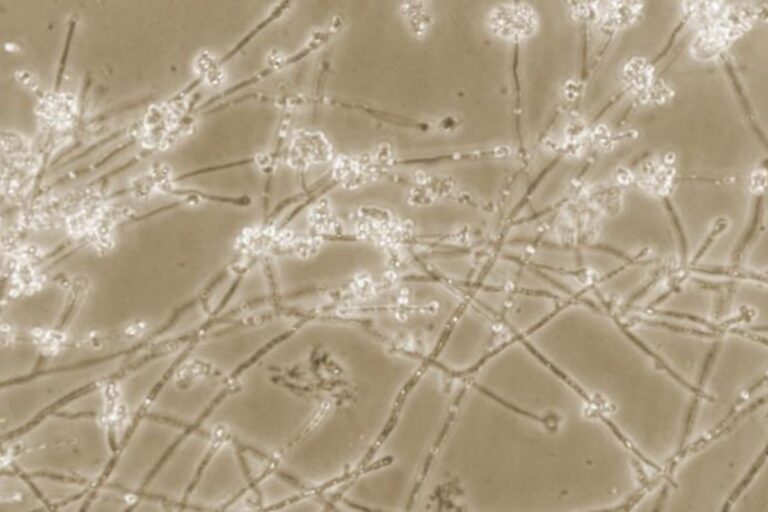

What Is Black Mold?
Every day, we come into contact with mold spores, whether through touch or inhalation. While the idea of a completely mold-free environment might sound appealing, it’s not only unrealistic but also unnecessary.
Mold is a natural part of our surroundings, existing both indoors and outdoors as a common element of the environment. Attempting to eliminate all mold would be an impossible task, as it’s virtually everywhere.
Among the many types of mold, black mold often draws particular attention due to its dark green or black appearance. “Black mold” is a term that generally refers to several species of mold, including Stachybotrys chartarum, which is commonly associated with water-damaged materials like wood, paper products, and drywall (Dylag et al., 2022).
Most Mold Is Harmless – But Not All
A study was published regarding the inhalational health effects of mold. The author mentioned that of the 100,000 or so known fungal species found, about 500 species are currently thought to be harmful to people. (Weinhold 2007).
While that number may sound alarming, it’s essential to remember that the vast majority of molds are harmless to healthy individuals. You likely encounter numerous species daily without experiencing any adverse health effects. So, in most cases, there’s no need to panic.
However, not all mold exposure is benign. Certain types of mold, such as black mold, can pose serious health risks—especially to those with allergies, weakened immune systems, or preexisting respiratory conditions. You can read more about mold here.
Some molds produce mycotoxins, harmful compounds that can lead to chronic illness or exacerbate existing health issues. It’s important to be aware of these more dangerous molds, particularly in environments where they may thrive.

Stachybotrys chartarum
A recent study from as recent as 2022 mentions that among the 123 currently accepted species of the genus Stachybotrys, S. chartarum consistently deserves our special attention. (Dylag et al., 2022)
Stachybotrys, commonly known as “black mold,” is one of the most hazardous types of mold. It thrives on damp surfaces from leaks or high moisture areas like bathroom cabinets, walls, and plumbing fixtures. This mold can significantly impact your health, potentially causing symptoms from headaches to vomiting, depending on exposure levels. (NIH)
Stachybotrys is frequently isolated in environments with poor ventilation and high moisture, such as older warehouse conversions and poorly heated buildings. It grows well in conditions where there is inadequate airflow and excess moisture from heating systems.
Despite its ominous appearance, the colour of a mold is not an indicator of its potential danger. In fact, according to the Centers for Disease Control and Prevention, there is no direct link between the colour of mold and specific health risks. (CDC).
If you notice black patches in damp areas like your bathroom or under the house, it’s crucial to address the mold problem promptly. Mold can damage materials like plaster, masonry, and organic materials such as carpets and wood, especially after rain or flooding.
To maintain a healthy environment and support a strong immune system, it’s essential to prevent mold growth in your home by ensuring proper ventilation and addressing any moisture issues.

Mold Likes Warm and Damp Places
Molds, including black mold, thrive in warm, moist environments, making places like bathrooms, kitchens, basements, and other damp areas prime breeding grounds. They can also grow more abundantly in humid climates or when indoor humidity levels are high, such as when using a humidifier. (EPA)
While molds are a normal part of our environment, they can trigger allergy-like symptoms in sensitive individuals, such as a stuffy nose, coughing, or skin irritation. For those who are immunocompromised, exposure to mold can lead to more severe reactions and health issues.
It is important to remember that while not all molds are inherently dangerous, their presence in large quantities can be problematic. Regardless of the type or colour of mold, it should be removed from living spaces to prevent health problems, especially for individuals with allergies, asthma, or weakened immune systems.
Understanding how to manage mold exposure, recognising the symptoms, and taking proactive steps to reduce mold growth in your home are crucial measures in maintaining a healthy living environment.
Can Black Mold Make You Sick?
Absolutely – black mold can make you sick, particularly if you have mold allergies. It releases spores and microbial volatile organic compounds (mVOCs) into the air, creating the characteristic musty smell associated with mold. These spores and mVOCs can trigger allergic reactions and cause irritation in your nose, eyes, and lungs. (Kuhn et al., 2003)
The immune system, in response to these foreign particles, releases chemicals that cause inflammation, leading to symptoms like sneezing, coughing, and congestion. Even individuals without mold allergies can experience irritation from mVOCs, such as eye or respiratory discomfort. (Institute of Medicine (US) 2004).
For people with weakened immune systems—due to immunodeficiency disorders or medications that suppress the immune system—exposure to black mold can lead to fungal infections, known as mycosis. These infections can affect the airways and other parts of the body, posing a more serious health threat to immunocompromised individuals.
How Dangerous is Black Mold to Health?
Mold exposure can lead to a variety of health problems, primarily allergic reactions. For many, mold exposure might only result in minor issues like a stuffy nose or coughing, but those with asthma, mold allergies, or weakened immune systems may experience more severe effects.
In rare cases, mold allergies may trigger a more serious condition called hypersensitivity pneumonitis. Symptoms of this chronic condition include shortness of breath, fatigue, persistent coughing, and, over time, progressive weight loss.
The Centers for Disease Control and Prevention (CDC) also warn that mold exposure can exacerbate asthma or lung conditions in individuals with preexisting respiratory issues. Severe reactions are more likely to occur in occupational settings where mold exposure is frequent, such as in farmers working around moldy hay.
Sensitivity to Candida May Increase
I’ve noticed in some patients over the years that sensitivity Candida-produced toxins was worse after they developed a mold allergy. If you have a Candida overgrowth and are exposed to mold, immune hypersensitivity reactions can exacerbate inflammation and further affect your immune system in a negative way.
According to critical opinions there is no sufficient evidence that mold/mycotoxin exposure might directly induce autoimmune disease (Kraft et al., 2021).
A study from 2010 however suggests a compelling connection between fungal toxins and MS.

Black Mold Symptoms
Exposure to black mold, like other types of mold, can cause a variety of symptoms, ranging from mild irritation to more serious respiratory issues.
Understanding these symptoms can help ensure that mold exposure is correctly identified, as mold-related illnesses are sometimes misdiagnosed as other conditions.
Naturopathic physician Dr. Joseph Pizzorno published a study in 2016, highlighting how mold exposure can be overlooked.
With up to half of buildings in North America showing signs of water damage, mold should be considered as a potential cause, especially for individuals with respiratory or chronic health issues. Click here to read Pizzorno’s studies – part 1, and part 2.
3 Patient Categories Worth Investigating
Dr. Pizzorno recommends investigating mold exposure in the following 3 types of patients particularly. Mold exposure doesn’t affect everyone in the same way, but those in these categories should consider mold as a possible underlying factor. (Pizzorno 2016).
Most Common Symptoms of Black Mold Exposure
Mold, including black mold, can trigger a range of symptoms, particularly for people with mold allergies or sensitivities. Common symptoms of mold exposure include:

Understanding Mold Infections and Toxic Effects
Fungal infections from mold exposure can occur in anyone, but for people with healthy immune systems, they are generally not a major concern. However, individuals with compromised immune systems—such as those with HIV, cancer patients undergoing treatment, or organ transplant recipients—are at a higher risk of developing fungal infections from mold. (Kraft et al., 2021).
Fungi and molds are capable of producing toxins called mycotoxins. Various immune-related organs or tissues of our body are impaired by mycotoxins, altering the susceptibility of our immune system, according to a study. (Park et al., 2015)
There is a common misconception that black mold is especially dangerous because it produces mycotoxins. While it is true that many types of mold, including black mold, can produce mycotoxins, the presence of mold does not automatically mean these toxins are being released.
Mycotoxin production depends on specific environmental conditions, and even when produced, inhaling or touching mold doesn’t guarantee exposure to these toxins. (Awuchi et al., 2021)
According to the CDC, there is little evidence to support that inhaling or touching mold leads to mold poisoning (mycotoxicosis). Don’t worry too much, mold poisoning is much more likely to occur from ingesting moldy food rather than from exposure to mold spores in the home.
Summary
In summary, while black mold can cause health issues, particularly for those with allergies or compromised immune systems, it is not necessarily more dangerous than other types of mold. All molds should be taken seriously, and mold growth should be removed from living spaces to avoid potential health risks.
Black Mold Symptoms In Those With Allergies
Black mold symptoms can be more severe in individuals with a mold allergy or compromised immune system. (Harding et al., 2019). Mold exposure can trigger or worsen asthma, leading to wheezing, shortness of breath, and chest tightness. Some individuals may also experience chronic respiratory symptoms like sinusitis and sore throats.
According to the National Institute of Environmental Health Sciences (NIEHS), mold exposure can cause the following symptoms, particularly for those with allergies:
In people who are especially or very sensitive to mold, additional symptoms can manifest, including:
Black Mold’s Impact on Vulnerable Populations
People with weakened immune systems—such as those with HIV, undergoing cancer treatments, or who have had organ transplants—are at a higher risk of developing fungal infections from mold exposure. These infections can affect the lungs or other parts of the body, further complicating existing health problems.
Children are also particularly vulnerable to the effects of mold exposure. A recent study found that children exposed to high levels of mold in their homes had a higher risk of developing asthma. (Li et al., 2022). This underscores the importance of addressing mold in living spaces, especially in homes with young children or those with preexisting respiratory conditions.

What Does Black Mold Look Like?
Black mold, scientifically known as Stachybotrys chartarum, is often characterised by its dark green or black appearance. Unlike some molds that may be powdery or fuzzy, black mold typically has a slimy or wet texture, especially when it grows in damp environments.
While the appearance of black mold is distinct, it’s important to remember that other types of mold can look similar. But it’s not worth testing according to the CDC. I don’t think it’s worth worrying about either – what species or type of mold it is. It is better to clean it all up, something we’ll discuss a little later on.
The colour alone is not always an indicator of danger, so any mold, regardless of color, should be addressed to prevent potential health risks and damage to your home.
Here are several key visual characteristics to help identify black mold:

Mold In Foods
Understanding Mold in Foods
Mold is a naturally occurring organism found in many foods, and while some molds are beneficial and essential in food production—like those used in certain cheeses, mushrooms, and fermented products—others can be harmful. Foods such as bread and leftovers may develop mold over time, which, while often harmless in small amounts, should be approached with caution. It’s important to differentiate between the beneficial molds used in food processing and harmful molds that can contaminate various food items.
While mold is a natural part of many foods, it’s prudent to avoid consuming moldy items whenever possible. In later sections, we will outline specific foods that are particularly susceptible to mold contamination, including certain fruits, nuts, and grains.
Molds reproduce by releasing microscopic spores into the air, which can be inhaled or ingested. For individuals with compromised immune systems—such as those undergoing immune-suppressing treatments, on antibiotics, or living with chronic conditions like HIV, cancer, or autoimmune disorders—this exposure can lead to illness. The key takeaway is that an individual’s vulnerability plays a critical role in how mold affects health.
For healthy individuals, occasional exposure to mold is generally not a cause for concern, as their immune systems can typically handle such challenges. However, people who smoke or have weakened immune systems or chronic illnesses should exercise greater caution to minimize the risk of mold-related infections. Inhalation of mold spores can also lead to infections in various organs, including the lungs, eyes, and skin, particularly in those with compromised defenses. Ultimately, maintaining a robust immune system is crucial for resisting and defending against potential mold threats.
Key Points:

Black Mold in the Shower: Prevention and Management
Preventing mold growth in your home hinges on one essential principle: controlling moisture. This is especially critical in areas prone to dampness, such as bathrooms and basements, where water naturally collects and creates an ideal breeding ground for mold.
Mold, particularly black mold, should never be allowed to flourish in your living space due to the hidden health risks it poses. If you spot mold in your home, it is vital to act quickly and remove it to safeguard your health and well-being.
The prevalence of mold-related issues is underscored by the extensive marketing of anti-mold products. Companies invest heavily in promoting these products, indicating a genuine demand due to the commonality of mold problems in households.
Mold growth isn’t just limited to bathrooms and kitchens; it can occur anywhere there is moisture and poor ventilation, including areas like bedrooms or behind furniture.
Vulnerable Areas for Mold Growth:
Key Strategies for Mold Prevention:
By managing moisture effectively and staying vigilant about mold presence, you can help maintain a healthy home environment free from the dangers of black mold.
Mold Frequently Occurs in Your Kitchen
Your kitchen is a prime environment for mold growth, and several areas are especially vulnerable. Here’s where mold often appears and how you can prevent it.
Refrigerator

Mold frequently grows on forgotten food items in the refrigerator. If you’re dealing with a yeast infection or any immune-related issues, consuming moldy food can worsen your condition.
Mold thrives in the lower part of the fridge due to less cold temperatures and accumulated moisture. It’s crucial to regularly check the bottom shelves and drawers, where food often goes unnoticed.
To avoid mold growth, clean out your fridge at least once a week. Get rid of any spoiled food or jars that have been sitting there for too long. If you’re treating Candida or SIBO (Small Intestinal Bacterial Overgrowth), consider replacing your refrigerator if it’s over five years old, as older units may harbor hidden mold. Also, don’t forget about the drip tray—it can easily become a breeding ground for mold spores and should be cleaned regularly.
Moldy Dishes

If you have Candida, SIBO, IBS, or other gut issues, using a dishwasher is better than hand washing your dishes. Dishwashers use higher water temperatures, which help eliminate fungal spores and bacteria more effectively.
Rinse plates immediately after use, stack them in the dishwasher, and run it daily to minimise the risk of mold exposure.
Compost Bin and Trash Can

Your compost bin and trash can are often overlooked areas where mold can quickly develop. Leftover food and damp garbage create an ideal environment for mold to grow in as little as 48 hours. Empty your trash daily and, if you have a serious Candida infection, consider getting rid of your indoor compost bin. Instead, take biodegradable waste outside each day to prevent mold buildup. Regularly washing out your trash can is essential to avoid inhaling mold spores every time you open the lid.
Butcher Block and Wooden Cutting Boards

Wooden cutting boards and butcher blocks are common kitchen tools, but they can harbor mold, especially if they’re not properly cleaned. Wooden boards are more difficult to sanitise thoroughly compared to non-wood alternatives.
To reduce mold risk, consider switching to cutting boards made from food-grade polypropylene, which can be washed in the dishwasher for a deep, hot clean. If you prefer wooden boards, clean them with boiling water and occasionally leave them out in direct sunlight to kill mold spores naturally.
How To Get Rid Of Black Mold
Small patches of mould in your bathroom or in the corners of your home are simple to ignore, but there is likely a lot bigger issue that you are not aware of. That tiny mould growth could be the traditional “tip of the iceberg,” warning you of a much larger issue that is hidden from view. Imagine what is potentially lurking behind that bathroom wall, if you can spot mold on the inside of the room.
In your home, mould spores might still find their way to you from where it has accumulated in enormous amounts behind those bathroom walls.
To prevent mold growth in your home, follow these steps:

Do You Have A Leaky Home?
Is your house excessively cold and damp? Sometimes it’s easy to spot any problems or issues that may be causing your house to develop mold more easily. Other times it’s near-impossible to find any cause, and it’s a good reason to call in the professionals, because your health is worth it.
Before you call in a mold-removal specialist, see if you can detect the source of the mold, providing it is safe for you to do so. Maybe you have a leaky home, many homes were build a long time ago that lacked modern standards of construction design we see today.
Start by performing a comprehensive evaluation of your home. If you don’t have a strong suspicion that you have a mold problem, you can perform a preliminary inspection on your own.
If you are in any doubt, you may want to get a professional to come to your house to do a thorough inspection of the inside and outside of your home. These guys know where to look.
Do an Inspection of Your Roof, Gutters and Down Pipes.
Look for the main causes of mould rather than just checking for apparent areas of mold on the walls, and then cleaning them. Some of the warning indicators you should watch out for are listed below:
Check, Clean and Repair Your Gutters and Down Pipes.
Make sure your gutters are in top condition. Unquestionably, among the most frequent reasons for mold growth in a house is gutters overflowing into the roof cavity, a leaky roof or rain entering the house through some breach like dry rot.
Without your knowledge or awareness, water begins to enter the house through blocked gutters that begin to overflow into the ceiling or wall cavity. Cut back any tree branches overhanging the roof and get somebody to regularly clear those gutters.
Additionally, check to see that the downspout doesn’t simply dump all that rainwater close to your house. A good gutter system should direct water as far away from the house as it can, down the storm water drain.
Check Your Home’s Humidity Levels
According to the World Health Organization (WHO), 10%–50% of indoor environments in homes in, e.g., Europe, North America, Australia, India, Japan, are damp. It makes sense to regularly check your home’s humidity levels.
The EPA mention that humidity or dampness (water vapor) in the air can supply enough moisture for mold growth. Indoor relative humidity should be kept below 60 percent, ideally between 30 percent and 50 percent, if possible. A bonus is that low humidity may also discourage pests such as cockroaches and dust mites.
You can buy a temperature and moisture metre from your local hardware shop for this. This is a particularly smart move if you reside in a humid climate.
Get an Extractor Fan in any Humidity Hot-Spots in Your House
You may need to have a fan installed that removes moisture laden air from your room, especially important in high-humidity areas like your bathroom. For rooms like the laundry, kitchen, and especially the bathroom, a combination of a fan and open windows may be necessary.
Ensure Good Ventilation, Open Windows or Skylights if Necessary
Think about upgrading your ventilation if you notice condensation or high levels of humidity within your house. This could be as simple as opening windows to let fresh air into the house.
Clean up any Moisture, Wet Spills or Water Promptly
Aim to always clean up spills, don’t leave any water lying around inside. This easy method will help you lower the moisture levels in your home. Make sure to clean up any spills and water leaks as soon as possible.
If one of your appliances begins to leak, like your refrigerator, freezer, washing machine, the moisture left on the floor serves as an easy environment for mould to grow. The same is true for leaks following a significant downpour of rain, especially if water gets inside your house.
With today’s global warming problems and the significant rain levels people are getting in many regions, this is particularly important point to consider.
Additionally, ensuring that the shower door is correctly closed after you take a shower will stop mould from growing in your bathroom. Be sure that the door closes properly, and that shower door seals work well to keep water inside the shower.
Black Mold Conclusion
Black mold exposure can lead to a variety of health symptoms, especially for those with mold allergies or compromised immune systems. Common symptoms include respiratory issues, skin irritation, and eye discomfort.
While not everyone will experience symptoms, it’s crucial to recognise the risks mold poses, especially for individuals with asthma or chronic respiratory conditions. Addressing mold exposure early can help prevent long-term health issues, particularly in vulnerable populations like children and immunocompromised individuals.

Eric Bakker N.D.
Greetings! I am a naturopathic physician from New Zealand. Although I’ve retired from clinical practice since 2019 after 34 years of clinic. I remain passionate about helping people improve their lives. You’ll find I’m active online with a focus on natural health and wellbeing education through my Facebook page, Reddit page and YouTube channel, including this website.