
Candida Diet: What to Eat, What to Avoid & What the Science Says
Candida Diet: What Is It?
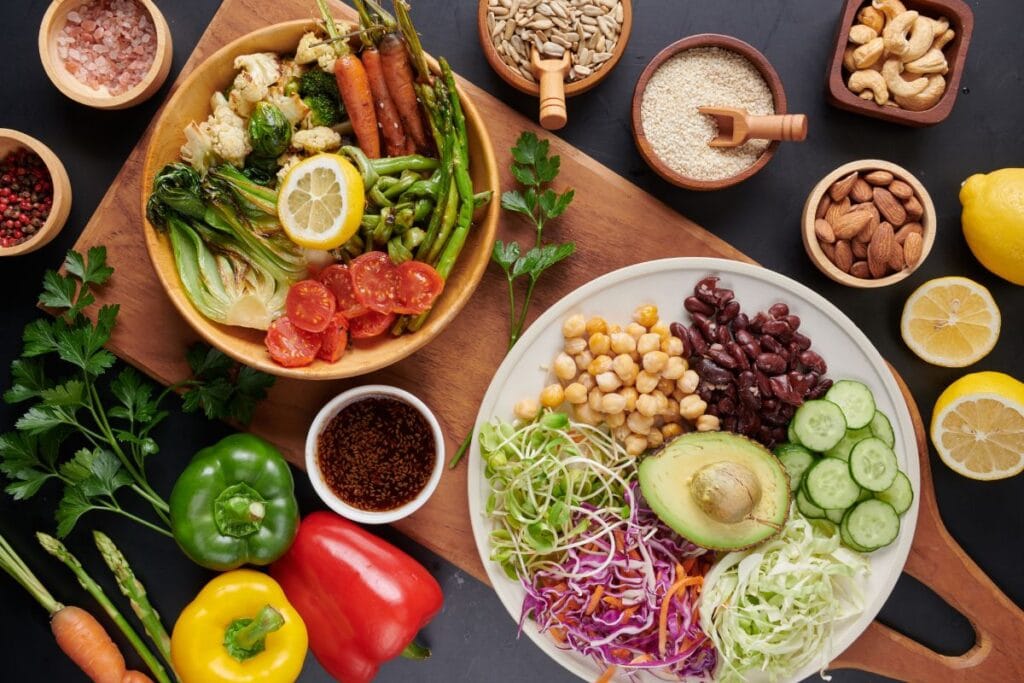
The Candida diet is a dietary approach that typically emphasises whole, minimally processed foods while reducing added sugar, refined carbohydrates and highly processed foods. Many people also use the term “Candida diet” to describe diets that restrict gluten, dairy, alcohol, fruit, fermented foods or other ingredients. But here’s the important part: not every restriction is necessary for everyone.
There is currently limited clinical evidence that a specific Candida diet can treat Candida overgrowth by itself. However, replacing highly processed foods and added sugars with nutrient-dense whole foods can support overall dietary quality and gut health.
This guide explains what you can eat, what you may want to limit, which popular Candida diet restrictions are poorly supported, and how to develop a more personalised approach that you can actually maintain.
Quick Answer: What Can You Eat on a Candida Diet?
Most people following a Candida-focused diet emphasise:
- 🥦 Non-starchy vegetables
- 🥑 Avocado and healthy fats
- 🐟 Fish and quality protein
- 🥚 Eggs
- 🌰 Nuts and seeds
- 🫘 Beans and legumes, if tolerated
- 🫐 Lower-sugar fruits such as berries
- 🥛 Unsweetened yogurt or kefir, if tolerated
- 🌾 Whole grains, depending on individual tolerance
- 🌿 Herbs and spices
- 💧 Water and unsweetened drinks
Foods commonly limited include:
- Added sugars
- Sugary drinks
- Highly processed foods
- Refined carbohydrates
- Excess alcohol
- Deep-fried foods
Important: There is no scientifically established universal list of foods that every person with Candida must avoid. Dietary tolerance varies, and excessively restrictive diets can make healthy eating harder to sustain.
Does the Candida Diet Actually Work?
The honest answer is that the evidence is limited.
Candida albicans is a normal member of the human microbiome in many people, and candidiasis is a medical condition that can occur when Candida overgrows in particular circumstances. However, there are currently no clinical trials demonstrating that a specific “Candida diet” can treat a diagnosed Candida infection on its own.
That doesn’t mean dietary changes are pointless however. Reducing added sugars and ultra-processed foods while increasing vegetables, fibre, quality protein and other nutrient-dense foods can improve overall diet quality. The benefit may therefore come from improving the overall dietary pattern rather than “starving Candida.”
Building a Candida-Friendly Diet
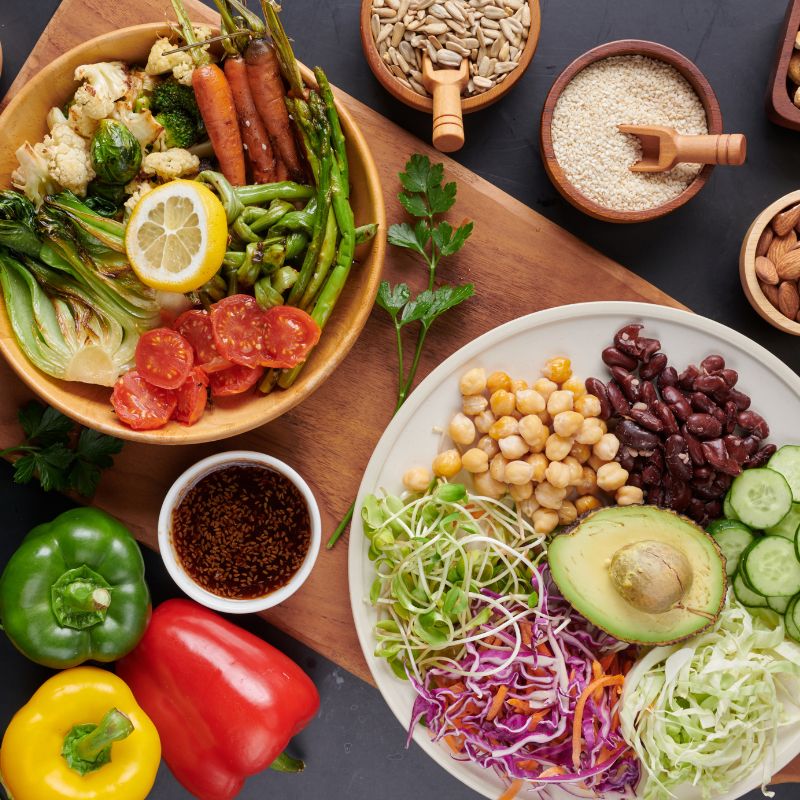
Many people look for a Candida diet food list to over come Candida overgrowth. But promoting a non-processed foods diet, rather than a strict “anti-Candida diet,” makes more sense to us. By understanding how to eat properly and maintaining a healthy whole-foods diet, our digestive and overall health improves, regardless of any imbalance or illness.
Central to this approach is dietary modification, given Candida’s strong affinity for refined carbohydrates. Recommended foods include proteins and healthy fats and oils, such as eggs, fish, poultry, tofu, nuts and seeds, non-starchy vegetables, and probiotic-rich foods like yogurt and sauerkraut.
For long-term health, consider the Foundation Diet, which you can read about in our Ultimate Candida Cleanse Program book. This diet is recommended after gut cleansing and determining which foods best suit your gut, and which foods and drinks are best reduced or avoided altogether.
Diet is a key foundation for supporting gut health, but it isn’t always the whole picture. If you’re dealing with persistent or recurring symptoms, learn about the different evidence-informed approaches that may help support digestive health and microbial balance.
Candida Cleanse Diet
Everyone’s experience with Candida is different, but there are certain foods that should be avoided by almost everyone. Sugary snacks and deep-fried foods are at the top of this list. High intakes of added sugars and refined carbohydrates may encourage an environment that favours microbial imbalance and are best limited as part of a balanced diet. Deep-fried foods, on the other hand, are often high in unhealthy fats that can contribute to inflammation and further disrupt the balance of your gut microbiome.
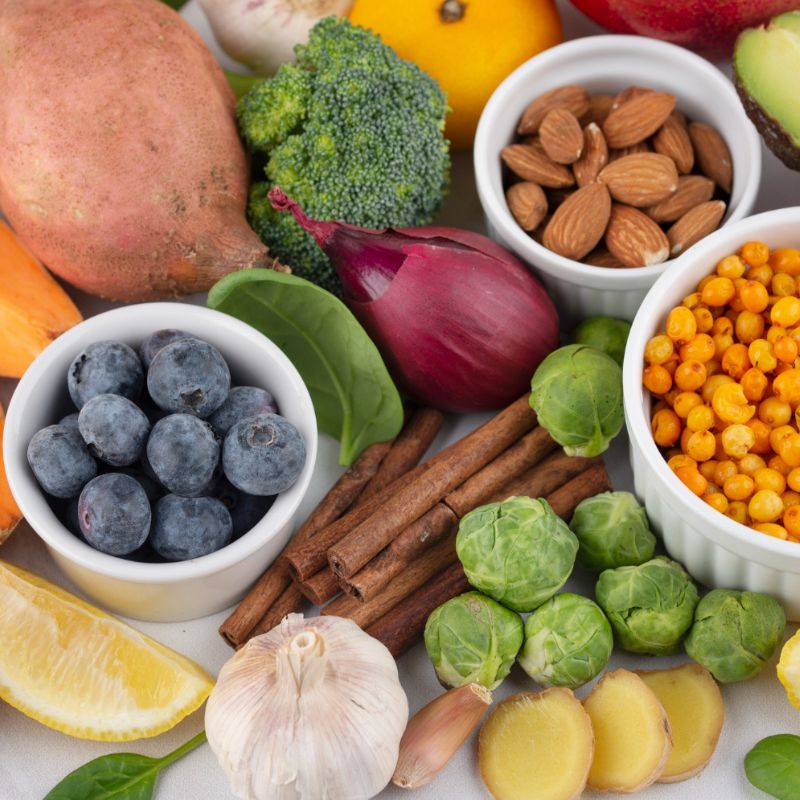
The foods you should focus on include a variety of tasty, nutritious ingredients that not only support gut health but also make for delicious meals. Incorporate plenty of non-starchy vegetables like leafy greens, broccoli, and bell peppers.
These are rich in vitamins, minerals, and fibre, which help to maintain a healthy digestive system. Protein sources such as eggs, fish, poultry, and tofu are also crucial as they provide the building blocks for your body’s repair and growth processes.
Healthy fats play a significant role in a Candida cleanse diet as well. Foods like avocados, nuts, seeds, and olive oil provide essential fatty acids that support cell function and reduce inflammation. Probiotic-rich foods such as yogurt, sauerkraut, and kefir can help restore the balance of good bacteria in your gut, which is vital for keeping Candida in check.
Transitioning to this kind of diet may seem challenging at first, but it’s an opportunity to explore new recipes and flavors. Instead of sugary snacks, try fresh fruit like berries, which are lower in sugar and packed with antioxidants. Replace deep-fried foods with baked or grilled options that are just as satisfying but much healthier.
Understanding the importance of a balanced diet is key to managing Candida. It’s not just about eliminating certain foods but also about nourishing your body with the right ones. By making these dietary changes, you’ll likely notice improvements in your energy levels, mood, and overall well-being.
What Can I Snack on Candida Diet?
Maintaining these healthy eating habits long-term is crucial. Once you’ve cleansed your gut and rebalanced your microbiome, sticking to a whole-foods diet will help prevent future imbalances. This doesn’t mean you can never enjoy your favourite treats again, but moderation and mindful eating will be essential.
In conclusion, a diet rich in nutritious, whole foods can significantly impact your battle against Candida. By avoiding sugars and unhealthy fats and focusing on vegetables, proteins, and healthy fats, you’ll support your body’s natural defenses and promote a healthier, happier you.
Everyone’s experience of Candida is different, but there are certain foods that should be avoided by almost everyone. These include sugary snacks and deep fried food. The list of foods to eat contains lots of tasty, nutritious ingredients that you can use to make delicious meals for you and your family.
Article Of Interest: 50 Healthiest Snack Ideas
Candida Diet Food List
Candida Diet Food List & Shopping Guide
This candida diet food list fits right into our Ultimate Candida Cleanse Program, which combines diet, supplements, and lifestyle changes for a full-spectrum gut reset. It’s a great next step if you’re ready to go beyond just tweaking your meals.
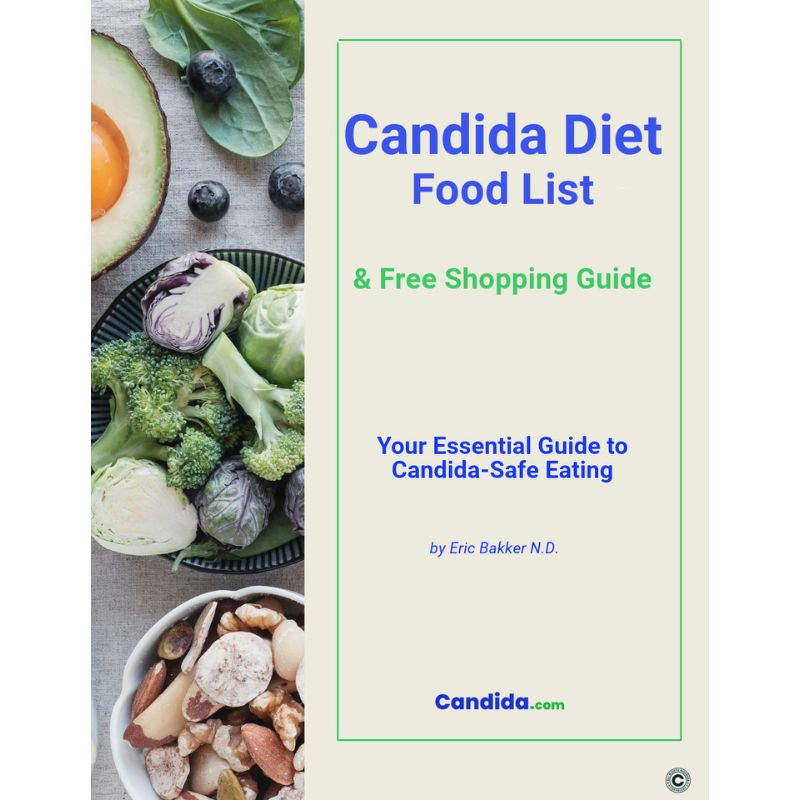
We’ve created a free, easy-to-follow shopping guide to help you choose the healthiest foods for your gut. Inside this 9-page download, you’ll find:
Download your FREE Candida Diet Food List and Shopping List (PDF)
For more detailed advice on fresh food choices, be sure to visit this page, where I walk you through what to look for at the supermarket.
Best Foods To Eat On Your Candida Diet

High Polyphenol Foods 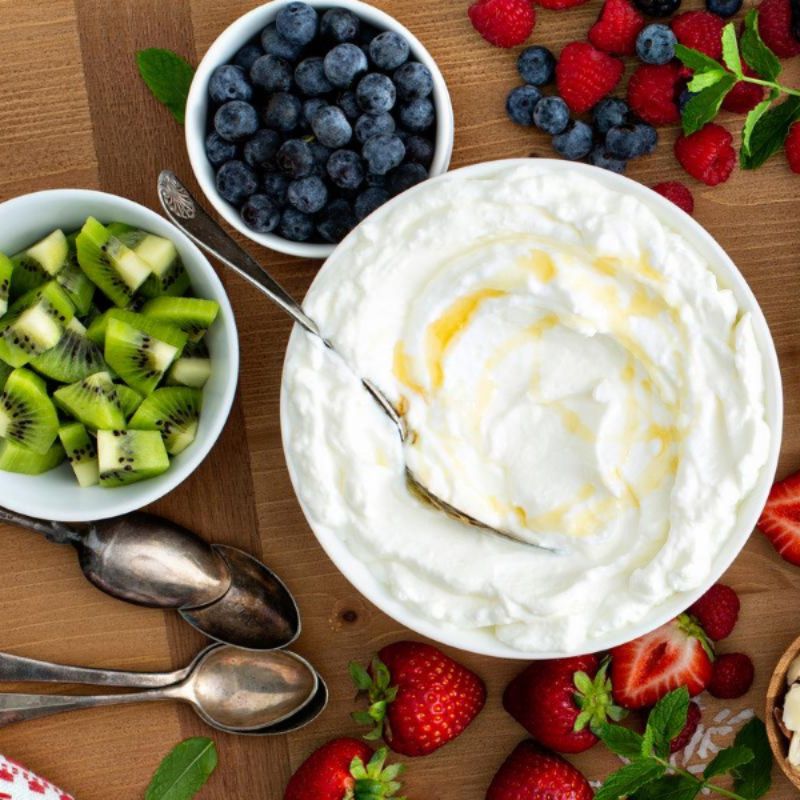
Yogurt & Berries 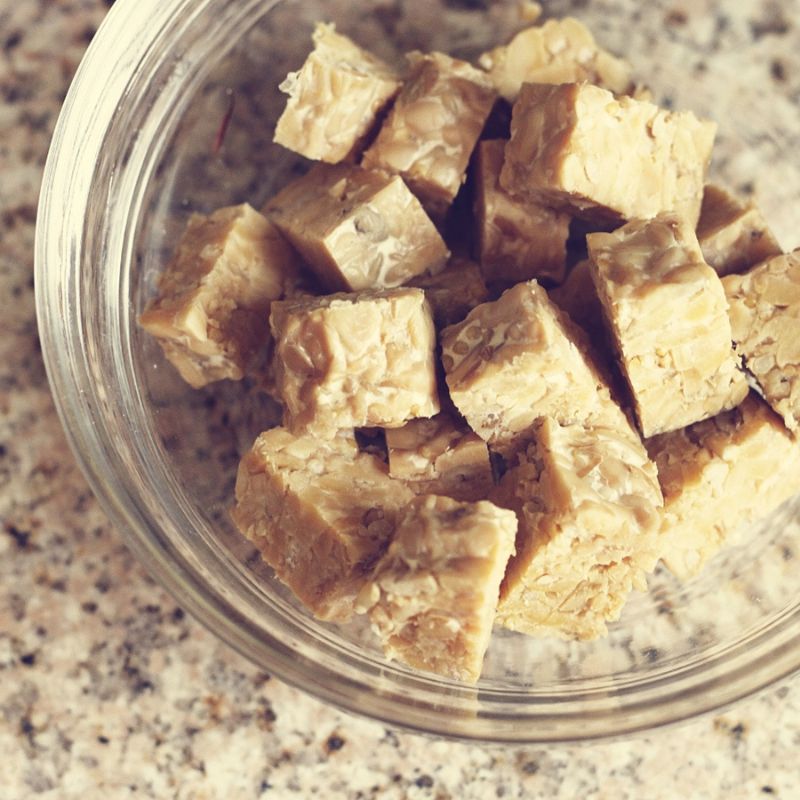
Tempeh 
Healthy Fats 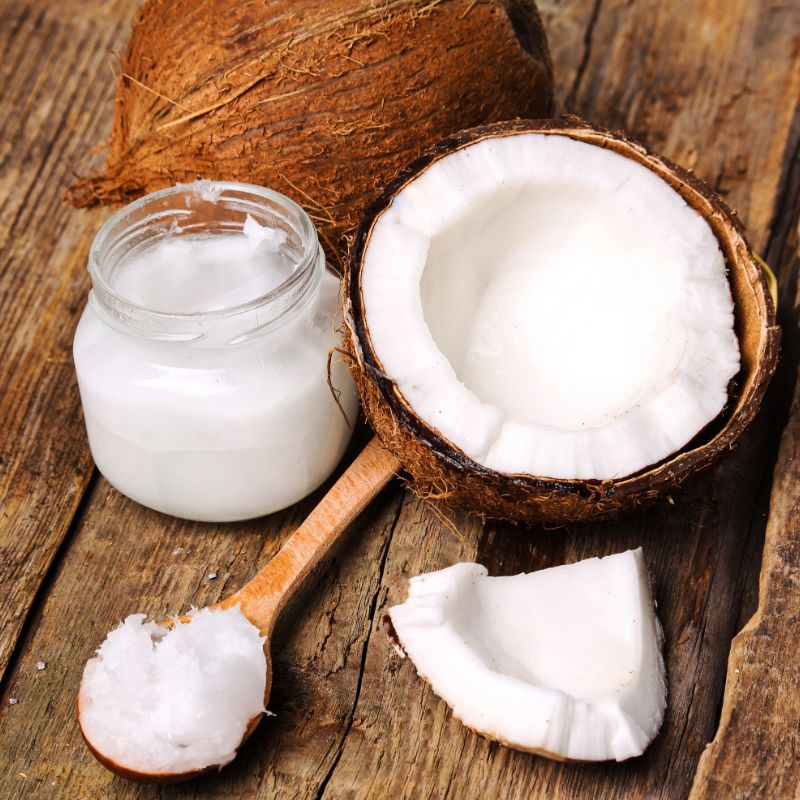
Coconut 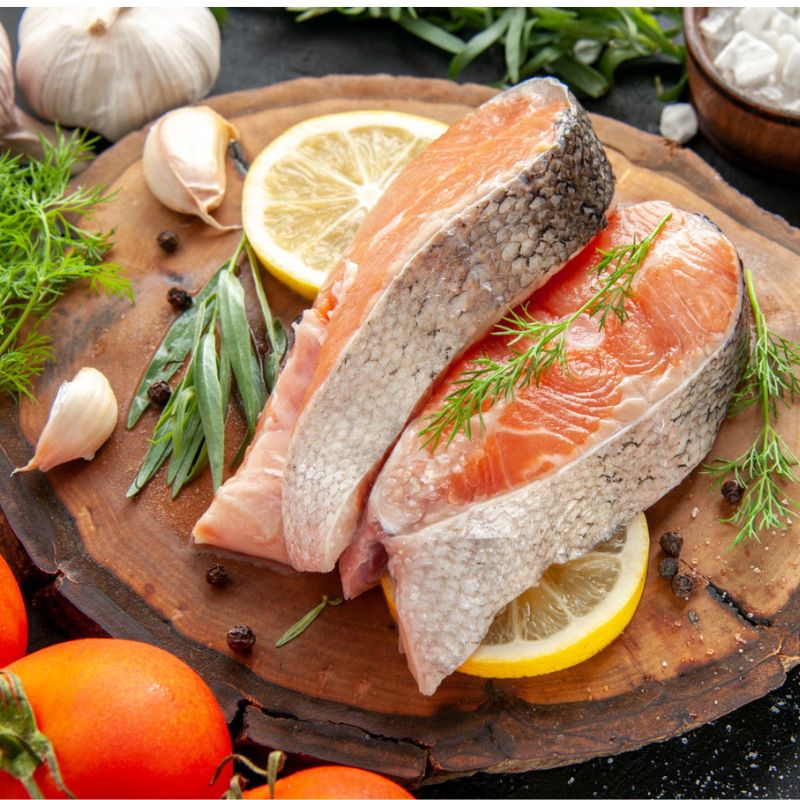
Fatty Fish like Salmon 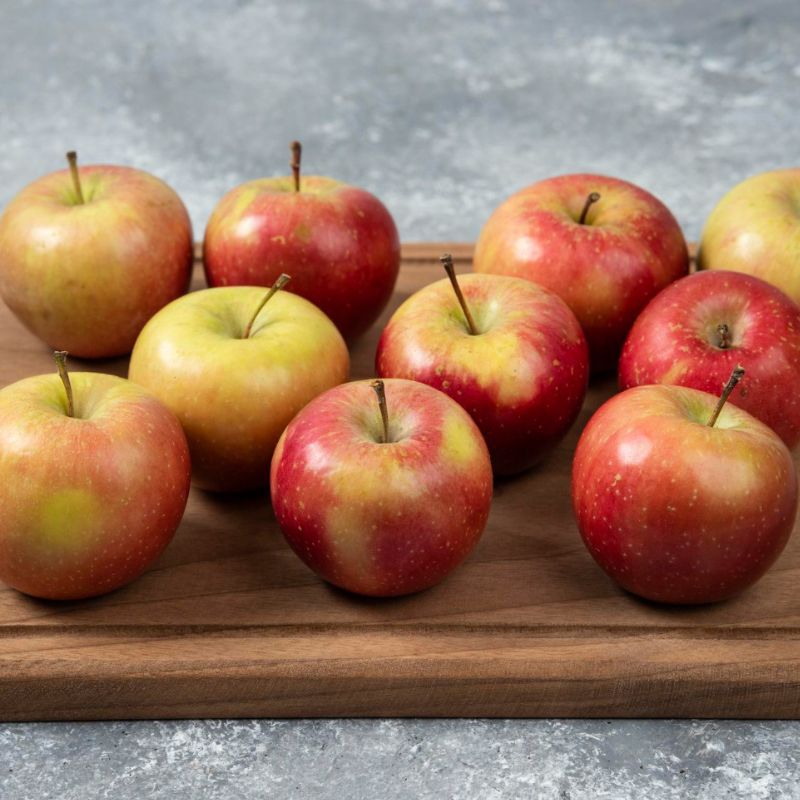
Heirloom Apples 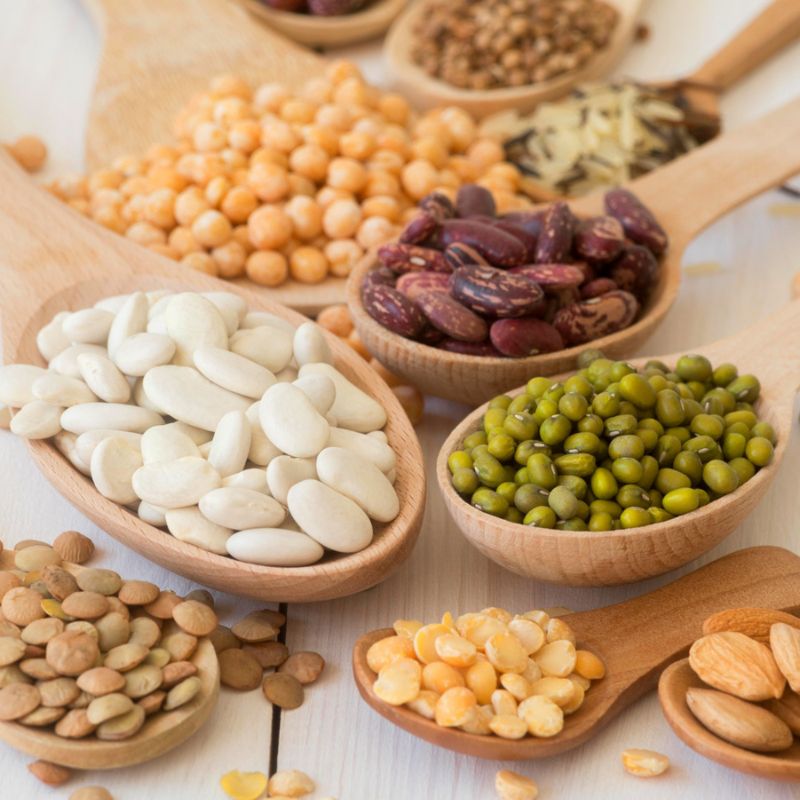
Beans and Lentils 
Dried Herbs & Spices 
Kefir 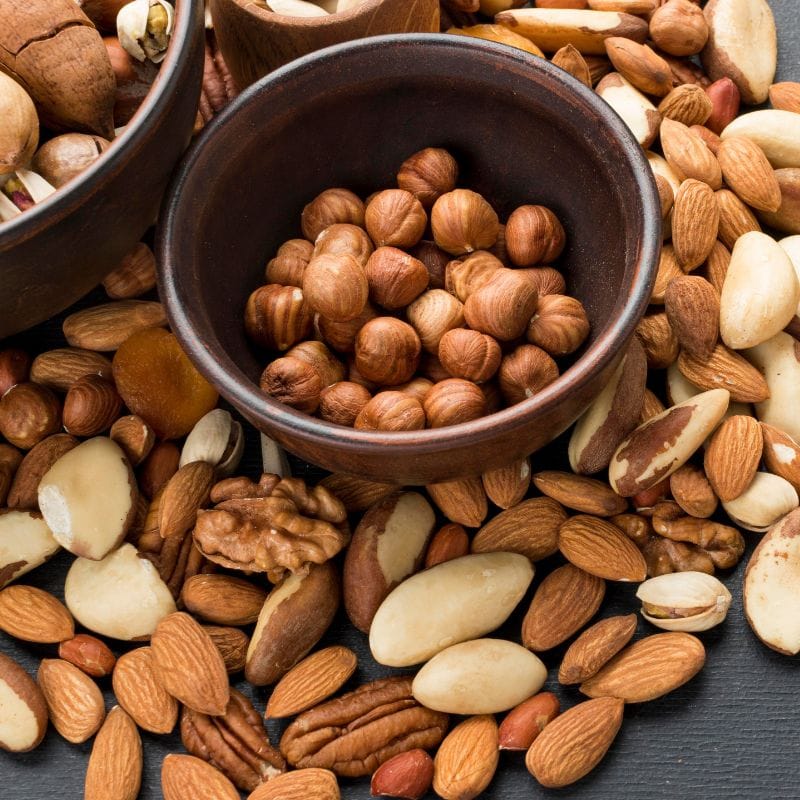
Fresh Nuts 
Sauerkraut 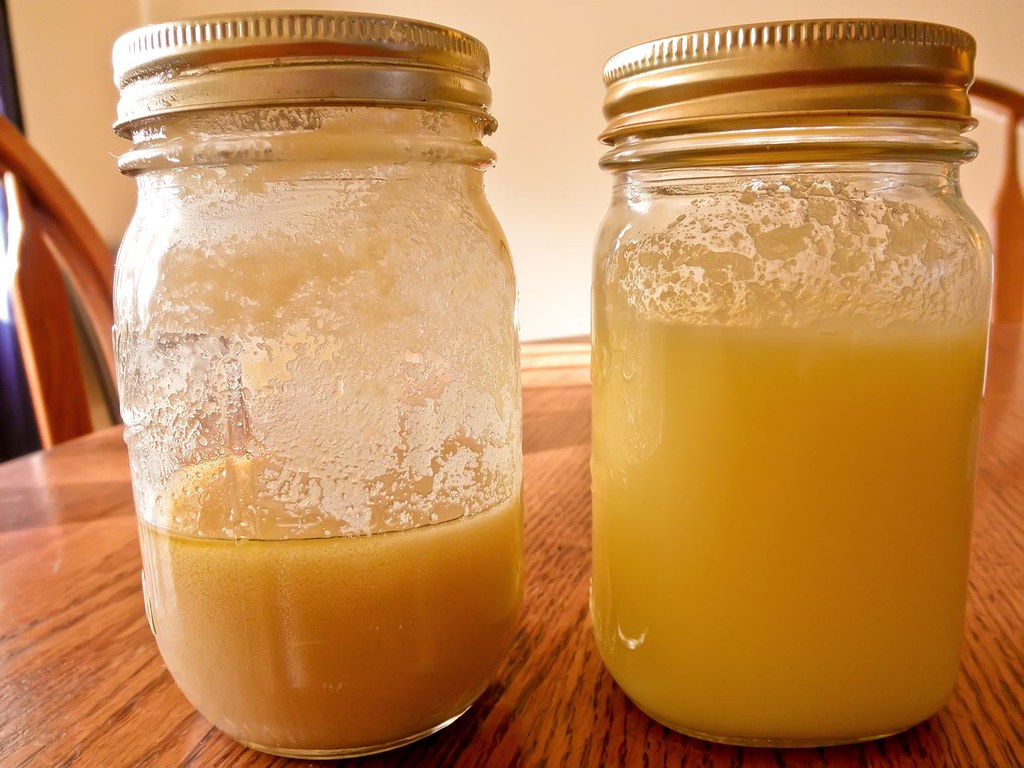
Ghee 
Grass-Fed Butter 
Colourful Vegetables 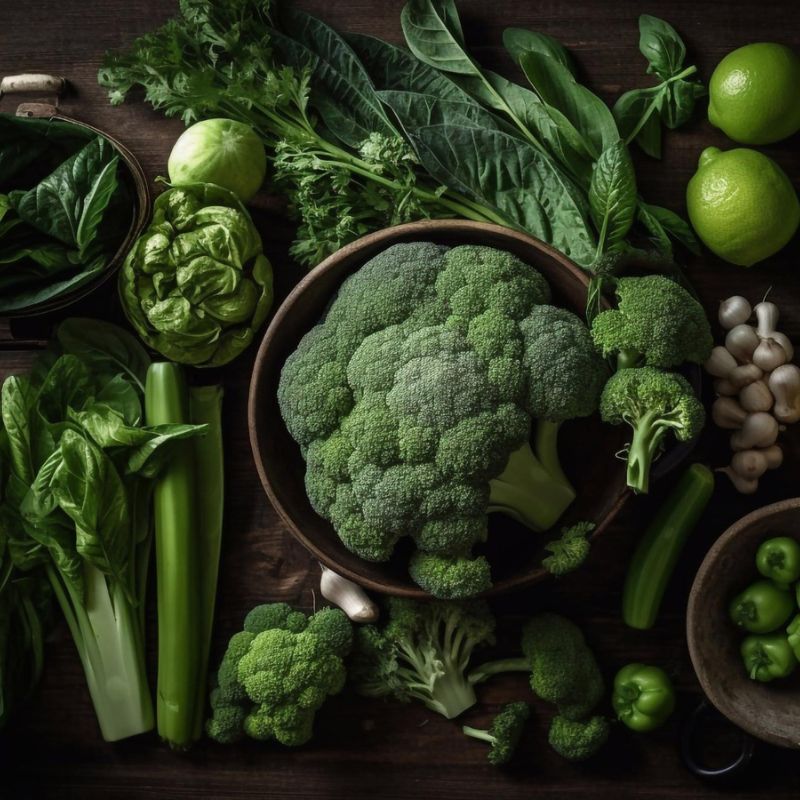
Leafy Green Vegetables 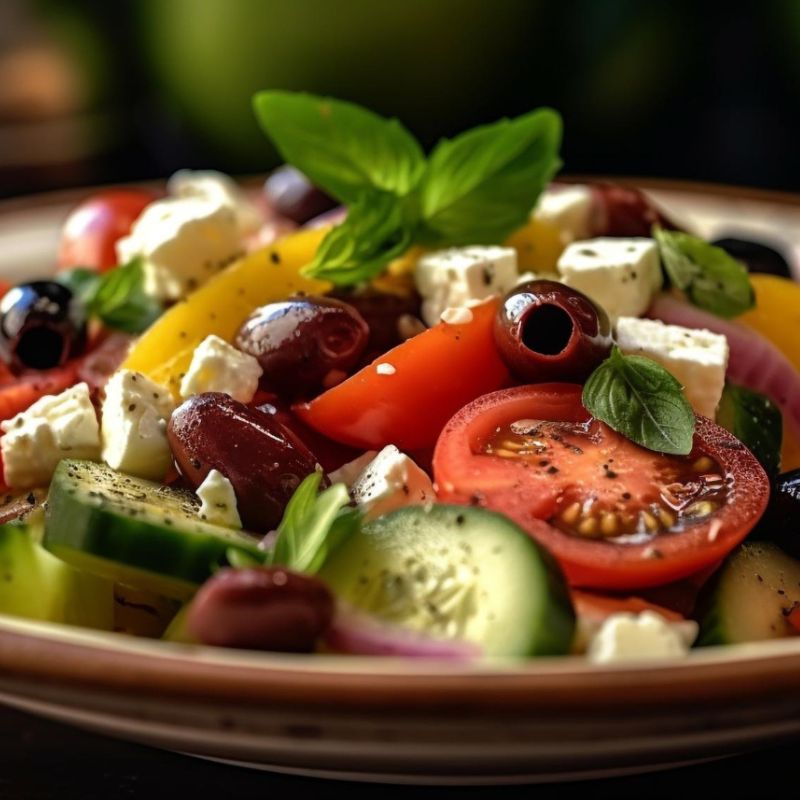
Mediterranean Diet 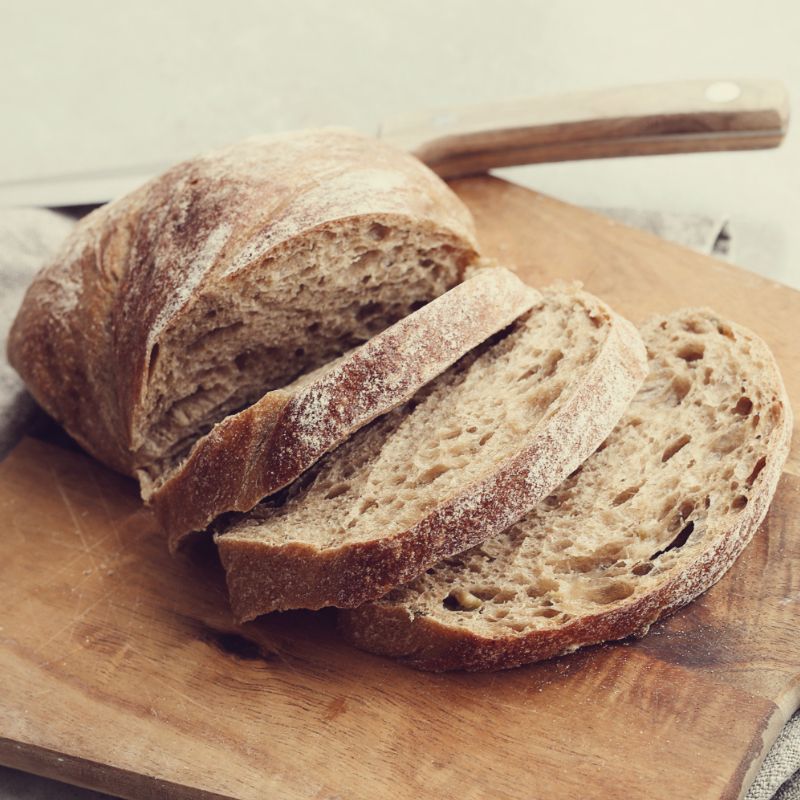
Sourdough Bread 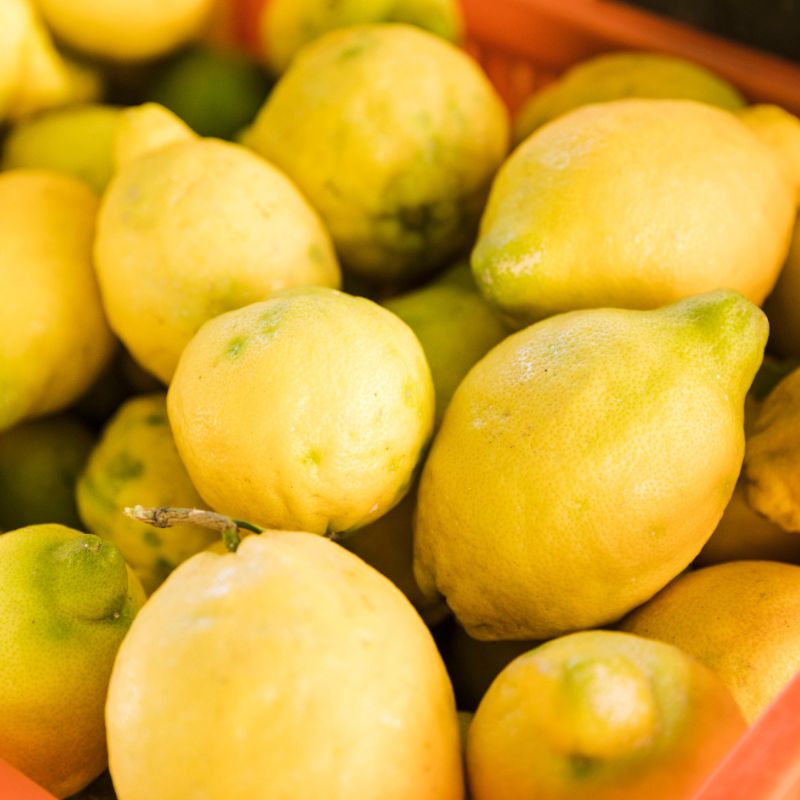
Lemons 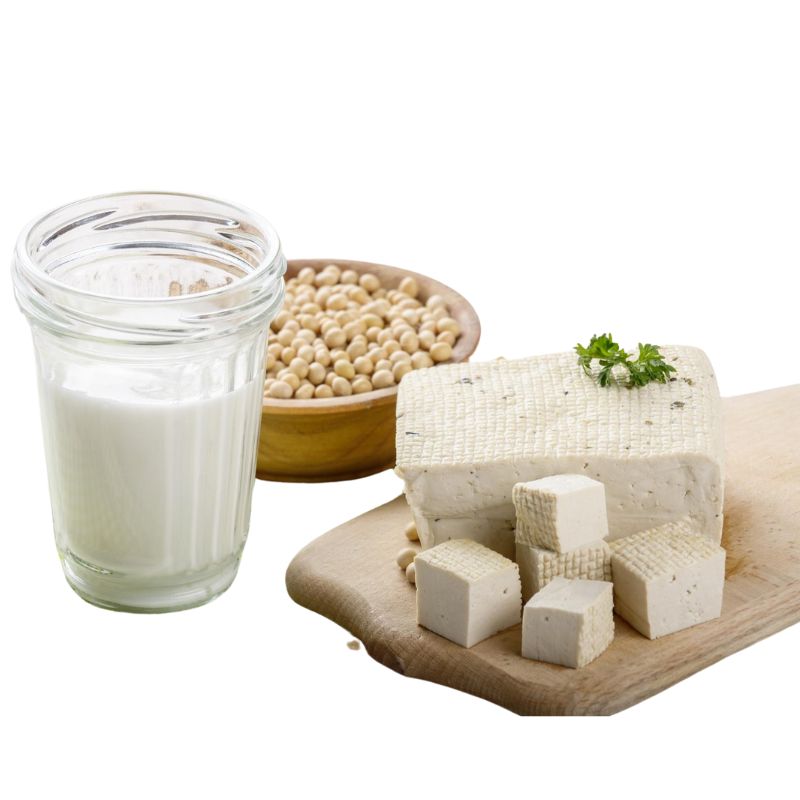
Tofu 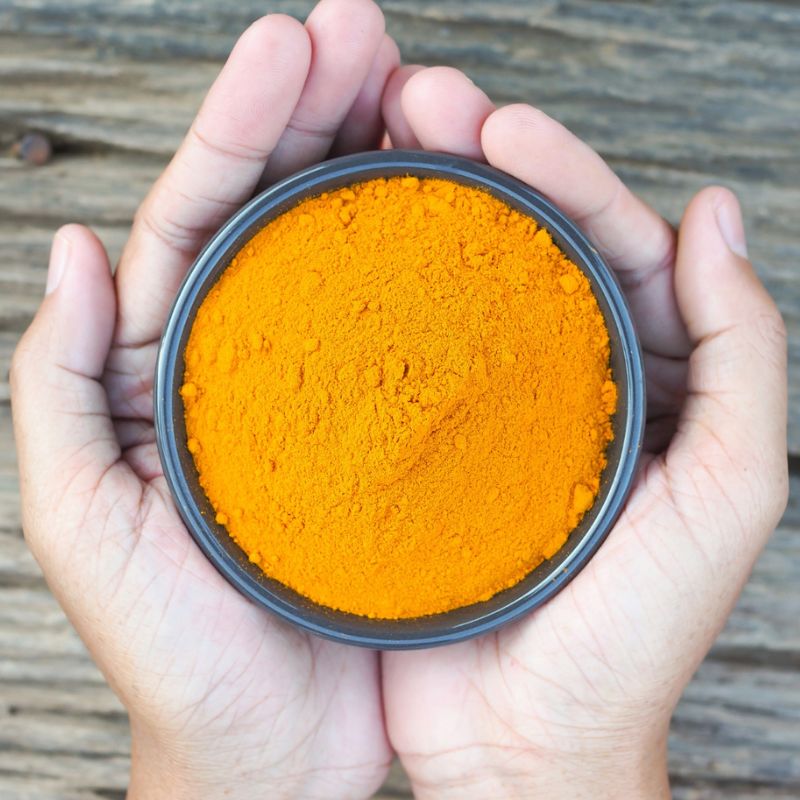
Turmeric 
Apple Cider Vinegar 
Fermented Foods 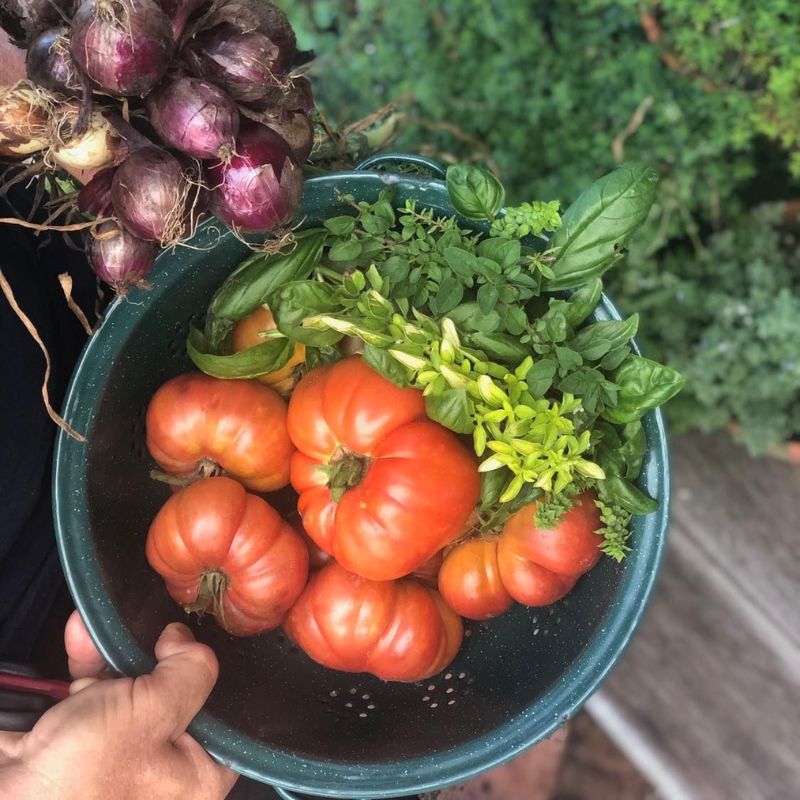
Garden-Fresh 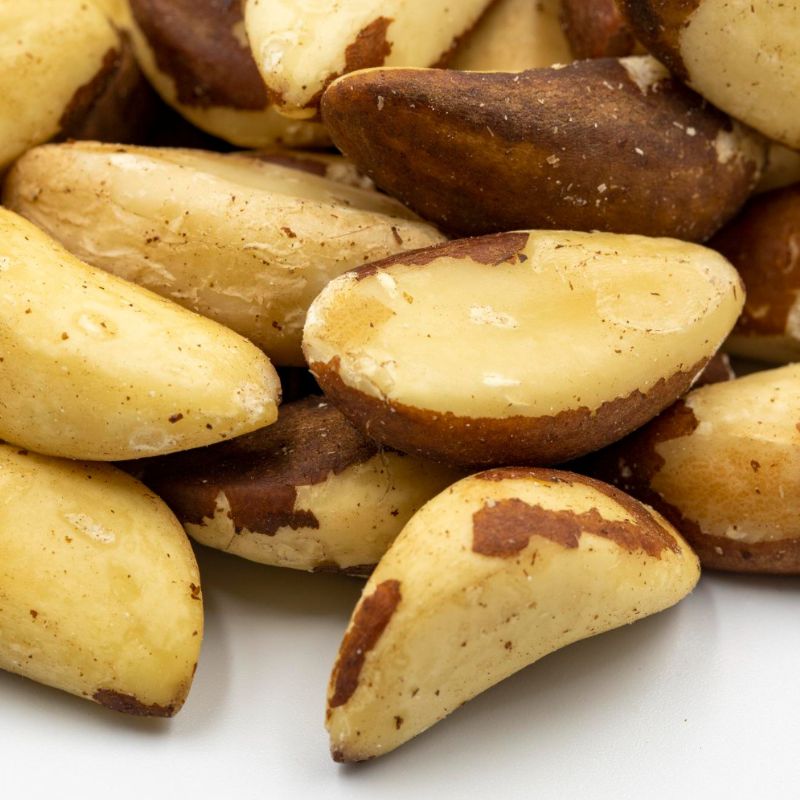
Brazil Nuts 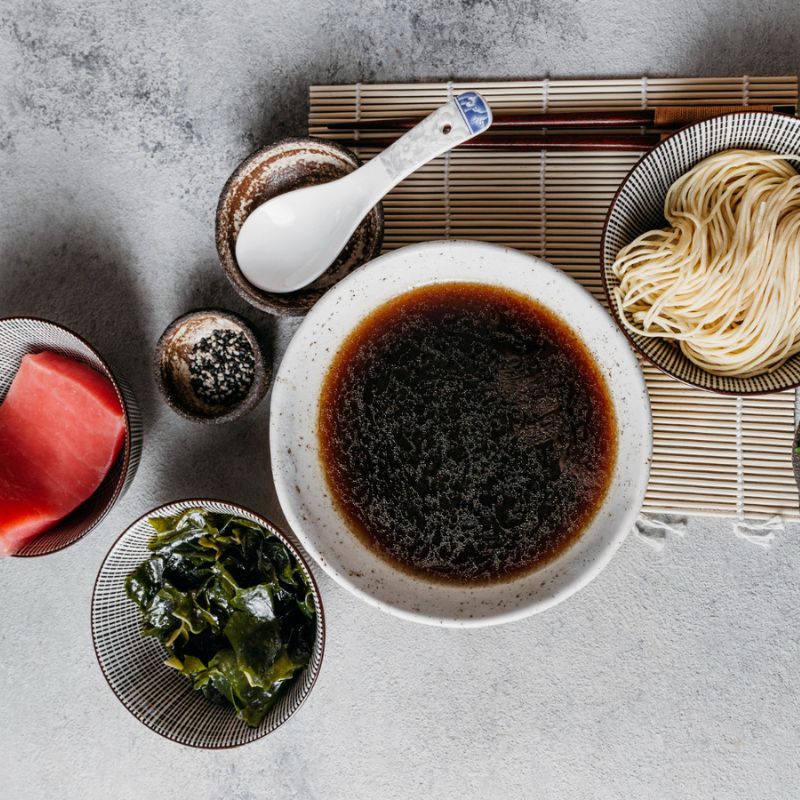
Miso Soup 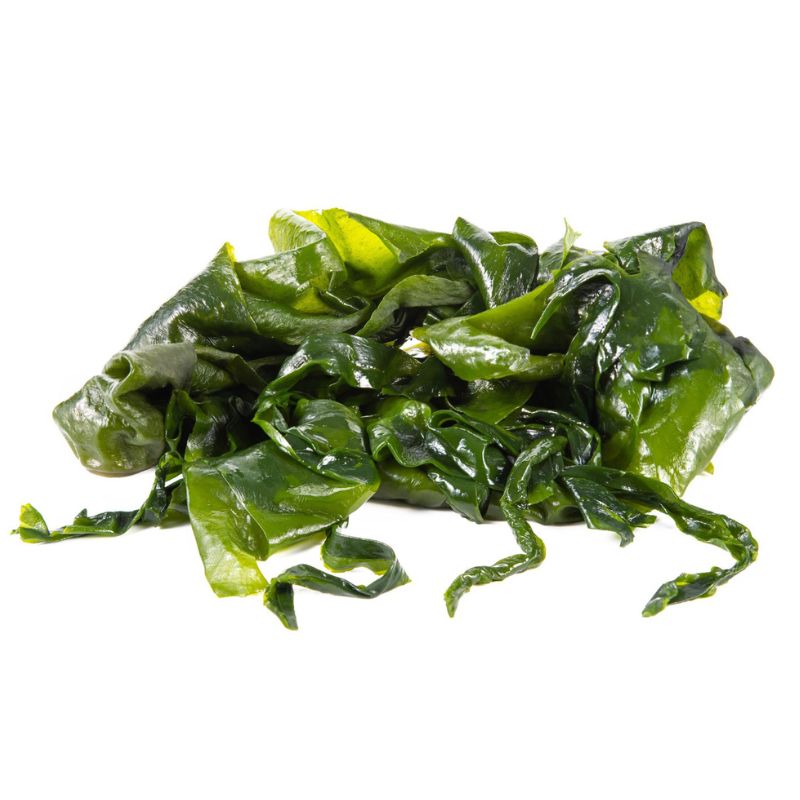
Green Seaweed 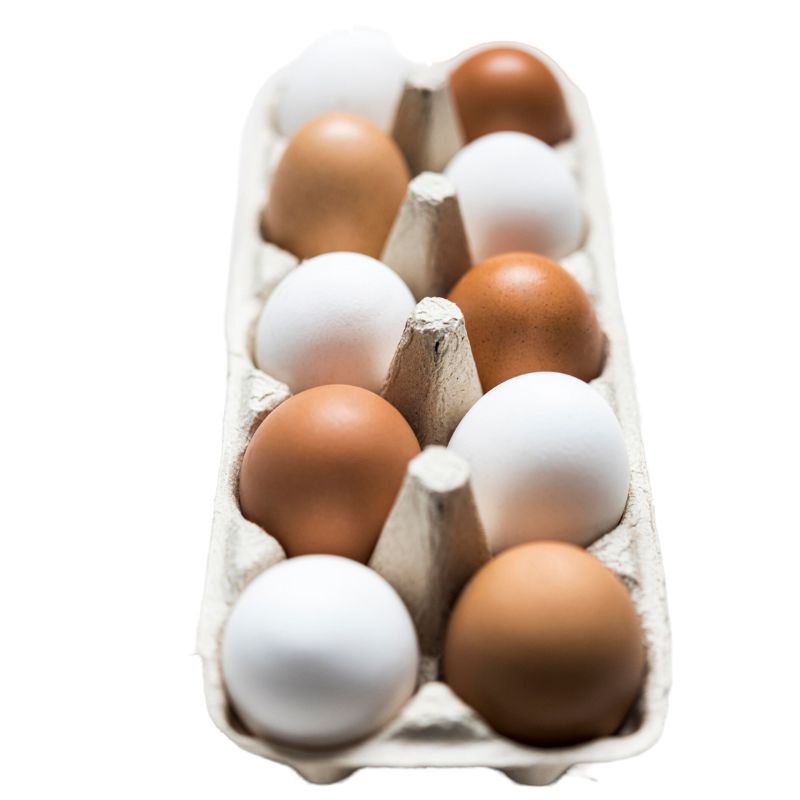
Free-Range Eggs 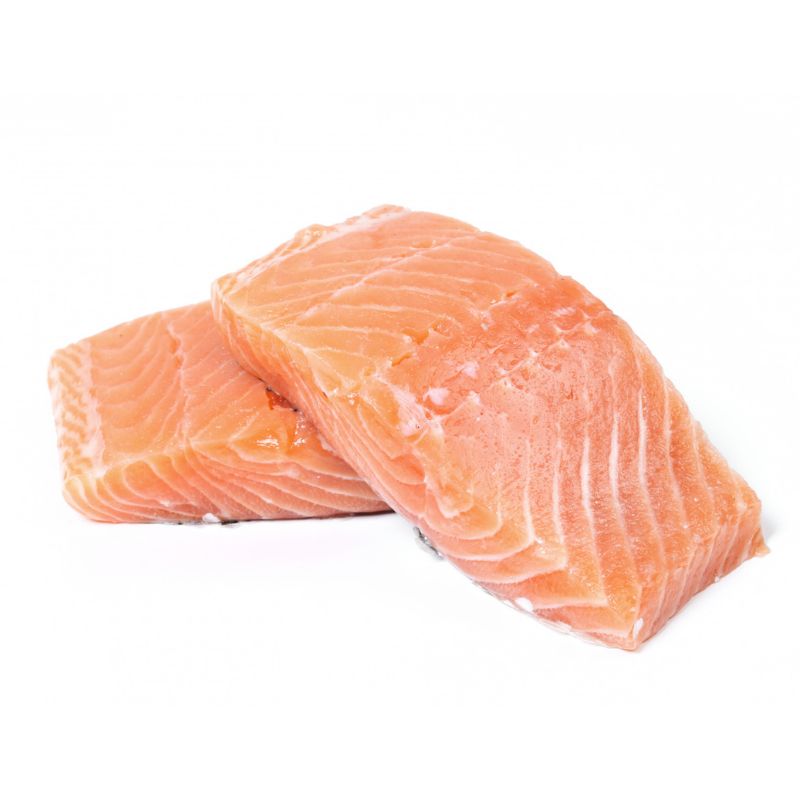
Fresh Fish 
Extra-Virgin Olive Oil 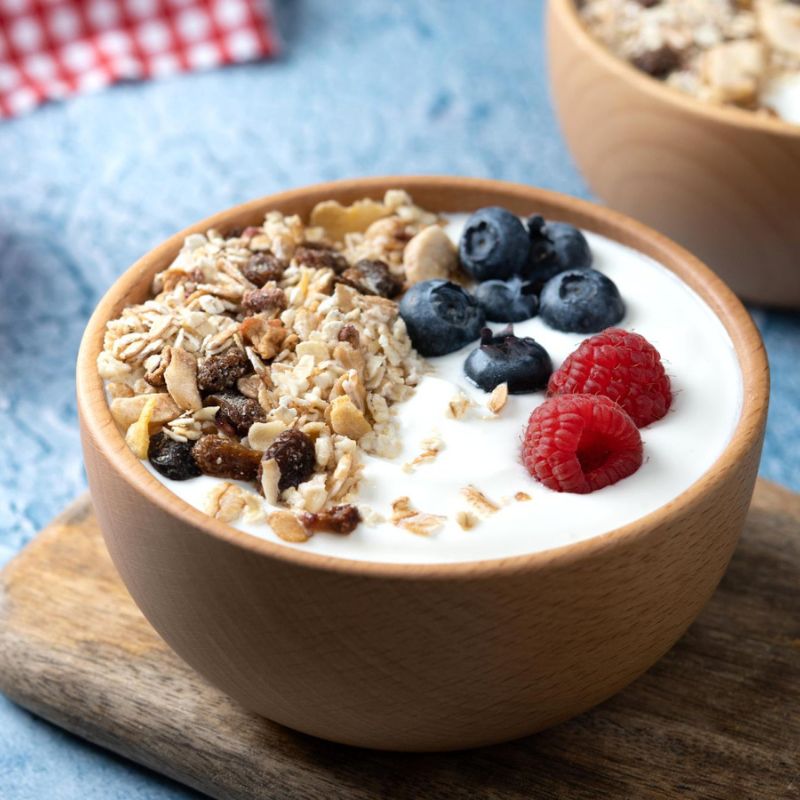
Greek Yogurt and Berries 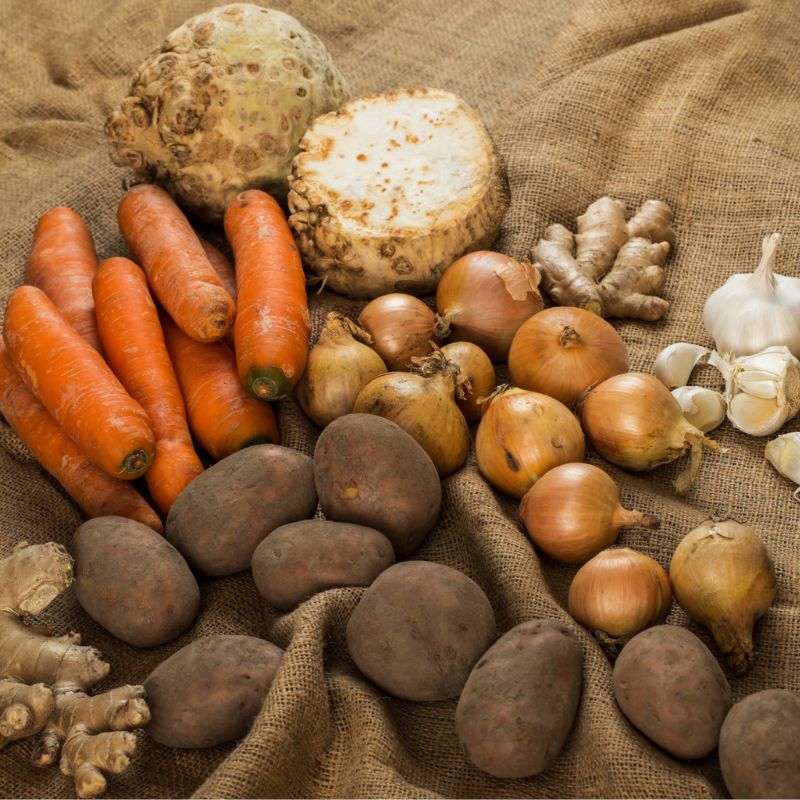
Root Vegetables – Prebiotic Food 
Lemon Water 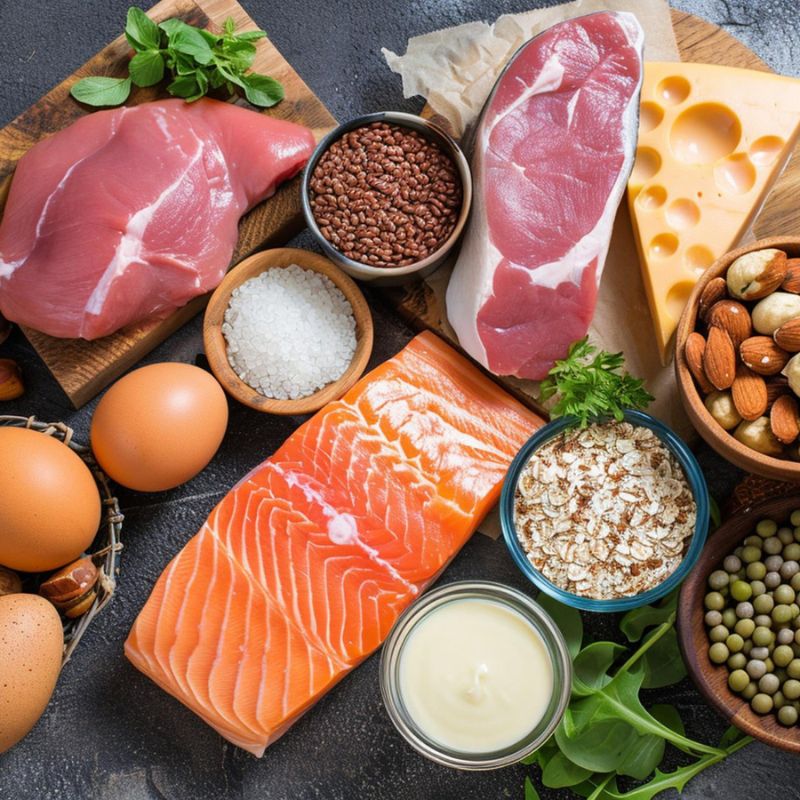
Lean Protein 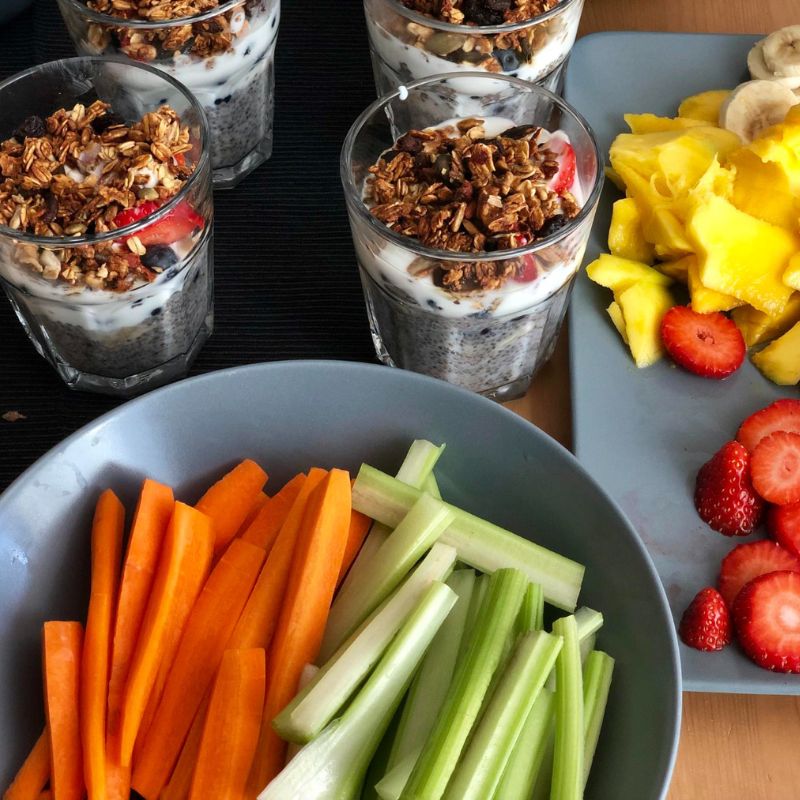
Healthy Fresh Snacks 
Garlic, Onions, Shallots 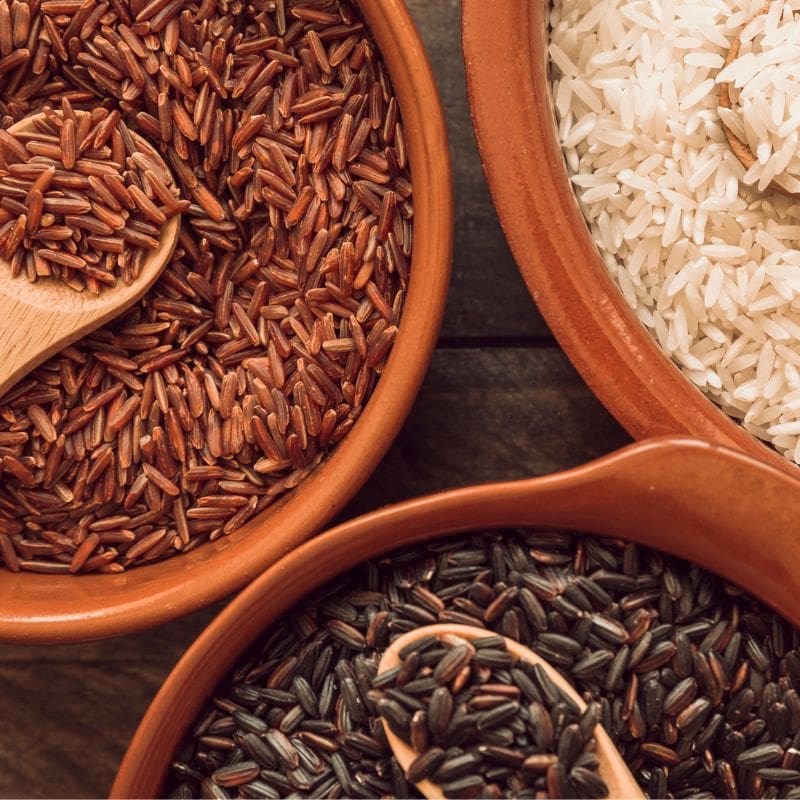
Wild Rice & Red Rice 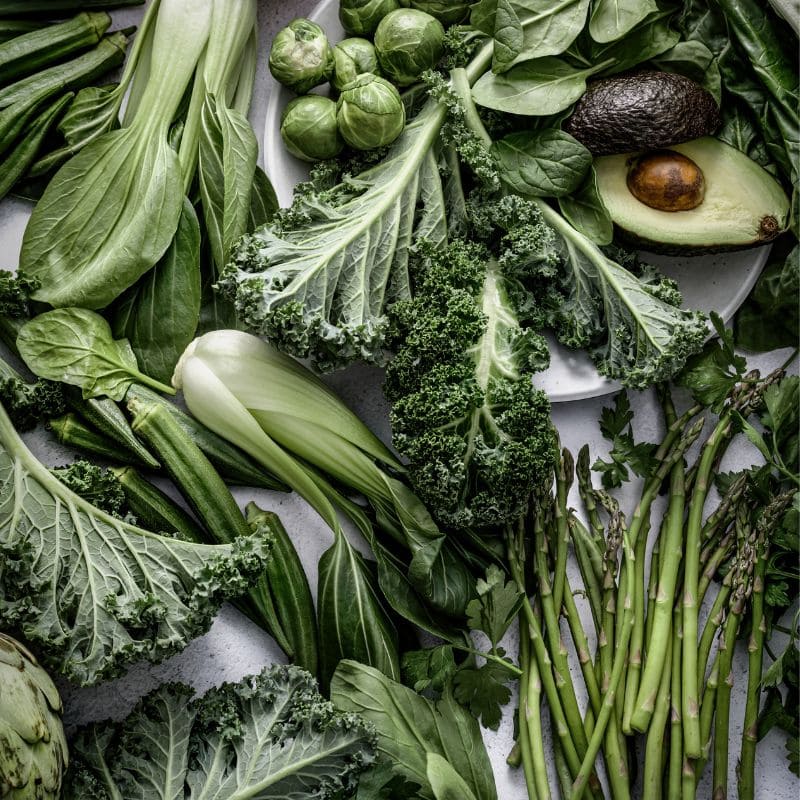
More Leafy Greens 
Mushrooms
Candida Diet Food Pages
Whether you’re starting with a basic cleanse or need help with chronic symptoms, I’ve created a range of Candida programs designed to match your needs — including food plans, symptom tracking, and lifestyle upgrades.
Anti Candida Diet
While there are many types of foods we can enjoy, those with Candida, SIBO, IBS or IBD benefit from foods with certain anti candida actions that benefit recovery and prevention of further symptoms. The following foods are also suitable for those who are looking for foods and drinks with anti bacterial, anti parasite as well as anti viral activity.
These links will take you to pages containing more detailed information about some of the food actions and other benefits summarised on this page:
What Is the Purpose or Goal of a Candida Diet?
The Candida diet is designed to reduce excessive Candida overgrowth, a common yeast that can disrupt the gut microbiome and lead to a range of health issues, including digestive discomfort, fatigue, brain fog, skin problems, and recurrent infections. The primary goal of this diet is to eradicate fungal and bacterial imbalances, restore gut health, enhance digestion, and alleviate symptoms linked to Candida overgrowth.
However, the true purpose of a Candida diet — or any well-structured healthy diet—is to build and maintain optimal gut health and well-being. In recent years, scientific research has significantly expanded our understanding of the gut microbiome’s critical role in human health and disease. Studies have shown that a balanced gut microbiome is essential for immune function, metabolic health, inflammation regulation, and even mental well-being (Puschhof et al., 2023).
Unlike extreme dietary restrictions or one-size-fits-all low-carbohydrate approaches, a Candida diet focuses on long-term, sustainable dietary habits. Rather than eliminating entire food groups, it emphasises nutrient-dense, whole foods while restricting processed foods, refined sugars, and inflammatory ingredients that fuel Candida overgrowth. The key is to tailor a diet to your personal preferences and nutritional needs, ensuring that you enjoy the foods you eat while supporting your gut health.
By incorporating a wide variety of fibre-rich vegetables, lean proteins, healthy fats, and probiotic-rich foods, you naturally promote a balanced gut microbiome and a healthier relationship with food. The more enjoyable and nourishing your meals are, the less likely you are to revert to unhealthy eating patterns dominated by ultra-processed and sugar-laden foods. I’ve told patients in my clinic for years that the key to long-term health is finding the sweet spot where nutrition and enjoyment intersect—ensuring that your lifestyle changes are both sustainable and pleasurable.
The nutritional recommendations and food categories promoted on this website align with these principles, supporting a diverse and resilient microbiome—a key factor not only for Candida recovery but also for conditions like SIBO, IBS, and IBD. A microbiome-friendly diet is also crucial for enhancing longevity and overall quality of life.
Research continues to confirm that a nutritionally dense, fibre-rich, whole-foods diet builds a well-balanced microbiome characterised by high diversity and stability (Zhang, 2022). When your gut thrives, your entire body benefits, making the Candida diet not just about overcoming overgrowth but about creating a foundation for lifelong health.
Key Nutritional Considerations On The Candida Diet
Here are several key actions to consider when selecting foods on a Candida diet:
By focusing on these actions, you can effectively manage Candida overgrowth and support overall health through diet.
Candida Diet Caution

Personalising Your Diet for Optimal Health
Each of us is uniquely different, with individual health needs, preferences, and tolerances. The key to a successful Candida diet—or any health-focused eating plan—is discovering what works best for your body. Instead of following rigid, one-size-fits-all cookie-cutter Candida diet plans, it’s far more beneficial to develop eating habits that align with your personal health goals, digestion, and lifestyle.
Through years of working with patients, I’ve found that many individuals don’t fit neatly into predefined dietary categories for Candida, SIBO, IBS, or IBD. Some people tolerate foods they were told to avoid, while others struggle with foods they were advised to consume. The best diet isn’t dictated by generic food lists—it’s the one that supports your unique gut microbiome while allowing you to enjoy and sustain your eating habits long-term.
Rather than obsessing over what’s “allowed” or “forbidden,” focus on how your body responds to different foods. If you love avocado, that’s great—eat it. If you feel fine after eating potatoes, pumpkin, or sourdough bread, then they may work for you. If you dislike sauerkraut, you don’t have to force it into your diet. The key is to build a foundation of nutrient-rich, whole foods that you genuinely enjoy, while minimising processed and refined foods that promote Candida overgrowth and gut imbalance.
Success comes from experimentation, mindful observation, and making informed choices. Your ideal Candida diet isn’t about rigid restrictions—it’s about developing a sustainable, enjoyable, and highly personalised way of eating that optimises your gut health and overall well-being.
Prioritise Small Goals and Just Get Started
Begin with some kind of plan about your new way of eating and thinking about food. Define what “healthy” and “unhealthy” food choices are to you and list a few of your specific goals around diet and nutrition, such as consuming more green nutrient-dense vegetables, fewer processed foods, drinking less alcohol and coffee, and more water each day.
Try to kick the eating and lifestyle habits you know are bad in the first several weeks.

Candida and Gut Diets Create Confusion
When it comes to Candida and gut health, dietary recommendations are often conflicting, overly restrictive, or based on anecdotal claims rather than solid research. Many Candida diets promote low-sugar fruits, non-starchy vegetables, and gluten-free foods while strictly excluding sugar, gluten, alcohol, and dairy.
General advice often includes eating organic foods, drinking plenty of water, and avoiding processed products. While some of these guidelines are beneficial, much of the information is repeatedly recycled across different sources without deeper insight into how dietary choices actually affect Candida and gut health.
Some proponents take these restrictions even further, recommending a no-fermentation approach that bans mushrooms, yeast-containing foods, and even fermented vegetables like sauerkraut and kimchi. Others insist on eliminating entire food groups—gluten, dairy, or even nightshade vegetables—without scientific justification. In my clinical experience, the majority of people do not need to follow such extreme restrictions. Unless you have a severe condition like celiac disease, ulcerative colitis, or a specific food sensitivity, there is often no need to eliminate these foods entirely.
Misplaced Blame: Are the Right Foods Being Excluded?
Many people struggling with Candida overgrowth or digestive issues quickly blame certain foods—mushrooms, gluten, dairy, or fermented products—when their symptoms persist. However, these foods are often not the true culprits. The real issue may lie in other dietary and lifestyle habits that have yet to be fully addressed, such as consuming too much processed food, excessive sugar intake, or even hidden food intolerances that haven’t been properly identified. They also include a sedentary lifestyle and living a stressful lifestyle.
I’ve worked with countless patients who were convinced they needed to remove entire food groups because of something they read or were told. In reality, they were still consuming other foods or drinks that fuelled their symptoms. They were focusing on minor dietary details while missing the bigger picture: a sustainable and balanced approach that genuinely supports gut health.
Unfounded Dietary Restrictions: What Does the Science Say?
Beyond the typical Candida diet, some people claim that avoiding tea, coffee, alcohol, or oxalate-rich foods like spinach, soy, almonds, and beets is essential for gut health. However, if you dig into the scientific research, you’ll find little to no evidence supporting these extreme dietary exclusions. Most of these recommendations are based on personal opinions rather than well-documented clinical studies.
Restrictive diets can also create unnecessary anxiety around food, making it difficult to develop a healthy, long-term approach to eating. Rather than focusing on banning foods indefinitely, it’s far more effective to take a structured approach, testing and reintroducing foods to see how your body responds over time. This is exactly the kind of elimination and challenge method I’ve used successfully in my clinic—and it’s a core principle of our Ultimate Candida Cleanse Program.
The Candida Cleanse Program
The Ultimate Candida Cleanse Program aligns with the principles of healthy eating without unnecessary restrictions.
Instead of following rigid rules, this program helps individuals:
The truth is, no one—including me—can tell you exactly what the best foods are for your gut. Your body is the ultimate guide. Through careful observation and structured food trials, you can uncover the foods that truly nourish and heal your gut while avoiding unnecessary restrictions that don’t serve you.
If you’re tired of conflicting dietary advice and want a real path to better gut health, the key is not in blindly following restrictive diets—it’s in learning to understand your body and making informed, balanced choices that work best for you.

The Yeast Syndrome MEVY Diet
One of first books about Candida yeast infection I studied is called The Yeast Syndrome by Dr. John Parks Trowbridge, one of America’s foremost experts in Candida yeast infection from the 1970s and 1980s.
In The Yeast Syndrome, Dr. Trowbridge explains his yeast control diet, the MEVY diet, that he incorporated into his four-phase Celebration of Healthy Eating program, used at The Center for Health Enhancement in Humble (Houston), Texas.
Dr. Trowbridge mentioned that the MEVY diet (meat, eggs, vegetables, and yogurt) can counteract candidiasis almost as well as the popular antifungal drug Nystatin, and his diet forms part of his four-stage Candida treatment program. You’ll find information about the MEVY diet concept in my first Candida and gut health book (Candida Crusher), published online in 2013.
The MEVY Diet is Outdated
Our clinic recommended the MEVY approach to eating with Candida for several years, but nutritional science has advanced considerably since 2013, and along with it, our knowledge and understanding of food, Candida, and the human gut microbiome.
Researchers have published thousands of new and updated information, including plenty of human gut microbiome research online in the past ten years alone, so it made sense to update Candida Crusher in 2025. Researchers have published a tremendous amount of microbiome research online in the past ten years alone, surpassing $1.7 billion in US dollars. (Henderson 2020)
There appears to be a growing trend towards eating foods that feed our microbiome. Since the publication of Candida Crusher in 2013, the field of microbiology and our understanding of the intricate relationship between the bacteria in our gut, the foods we consume, and the diseases we face have undergone explosive growth.
Discover Sensible and Scientifically Proven Ways to Overcome Candida Overgrowth, IBS, IBD, and SIBO
On this website, you’ll find evidence-based, practical dietary strategies designed to reduce your risk of modern health issues, including Candida overgrowth, SIBO, IBS, and IBD. Our recommended approach is rooted in a balanced and comprehensive whole-foods approach widely recognised for its ability to support gut health, restore microbial balance, and eliminate digestive imbalances.
This dietary framework has been carefully refined over many years, integrating the most effective gut-cleansing, microbiome-supporting, and health-building principles. It’s not just theory—we’ve successfully applied these strategies both in clinical practice and in our own daily lives for almost 40 years.
By following the sensible and proven dietary methods outlined on this website, you’ll be taking a significant step toward eradicating Candida overgrowth, restoring gut function, and achieving lasting digestive wellness.
Thanks for reading this page, please leave a comment if you wish.

Ultimate Candida Cleanse System
Beat Candida naturally with the complete, science-based system created by naturopath Eric Bakker, N.D. This all-in-one package gives you two downloadable guidebooks plus the Yeastrix Gut Restore Kit — three targeted professional formulas that work together to reset your gut, restore balance, and rebuild healthy digestion.
You get a structured, step-by-step program, professional clinical guidance, and supplements designed to support each stage of recovery. No guesswork. No confusing protocols. Just a clear roadmap and the right tools to help you finally reduce symptoms, rebalance your microbiome, and feel like yourself again. The Ultimate Candida Cleanse System is everything you need to make real progress — naturally, safely, and effectively.
