Foods To Avoid

Candida Diet Food List To Avoid
If you are serious about overcoming Candida overgrowth, SIBO, IBS, or IBD, the first and most important step is eliminating junk foods and ultra-processed foods (UPFs). Many people assume that a Candida diet is about avoiding gluten, sugar, or specific food groups like many fruits, root vegetables, or even mushrooms.
While these may be considerations later, the foundation of gut recovery only begins with removing highly processed and nutritionally depleted foods and consuming a fresh and whole-foods diet.
Modern diets are saturated with artificial sweeteners, preservatives, and chemically altered fats—all of which can wreak havoc on gut health. By transitioning to a whole-foods-based approach, we can shift from an inflammatory, gut-disrupting diet to one that supports microbiome balance and digestive healing.
This shift is crucial in stabilising the gut before eliminating additional suspect foods like gluten. Once processed foods are reduced or better still – eliminated, many people find they tolerate previously “problematic” natural foods much better.
Your Complete Candida Diet Food List
On this website, we have categorised foods and drinks into three main categories:
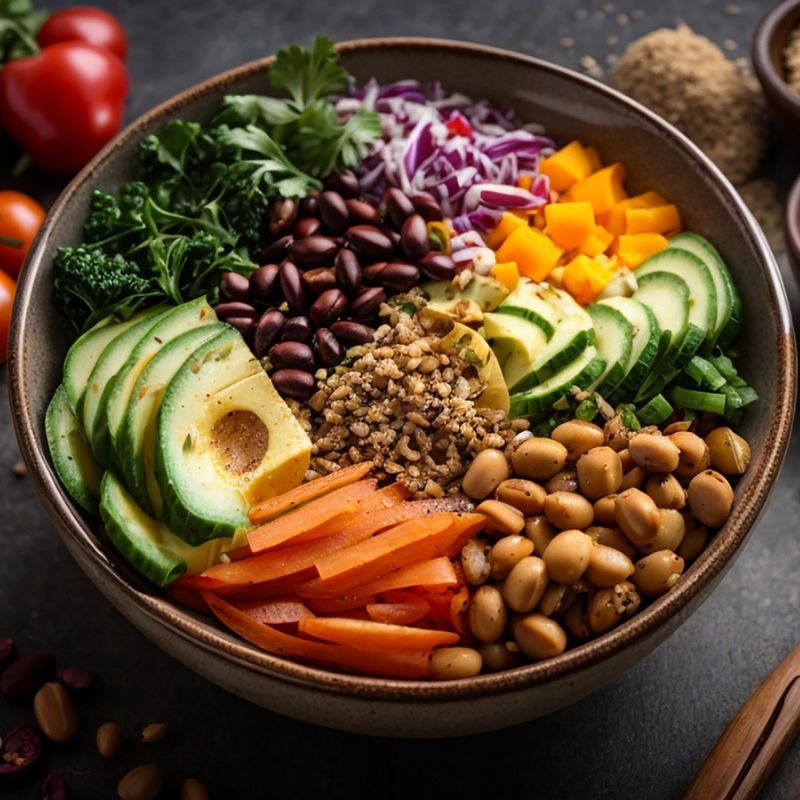
Foods To Eat
Choosing the right foods is one of the most powerful steps you can take toward restoring balance in your gut and overall well-being. If you’re dealing with Candida overgrowth, SIBO, IBS, or IBD, the foods you eat can either support your healing or contribute to ongoing symptoms. This page outlines the most beneficial foods to include in your diet to help rebalance your gut microbiome and promote long-term health. Read: Foods To Eat

Foods To Avoid
The first and most important step is eliminating junk foods and ultra-processed foods (UPFs). Some may assume that a Candida diet is about avoiding gluten, sugar, or specific food groups like many fruits, root vegetables, or even mushrooms. While these may be considerations later (or not even be necessary at all for some), the foundation of gut recovery begins with removing all highly processed and nutritionally-depleted foods and consuming a fresh and whole-foods diet. Read This Page
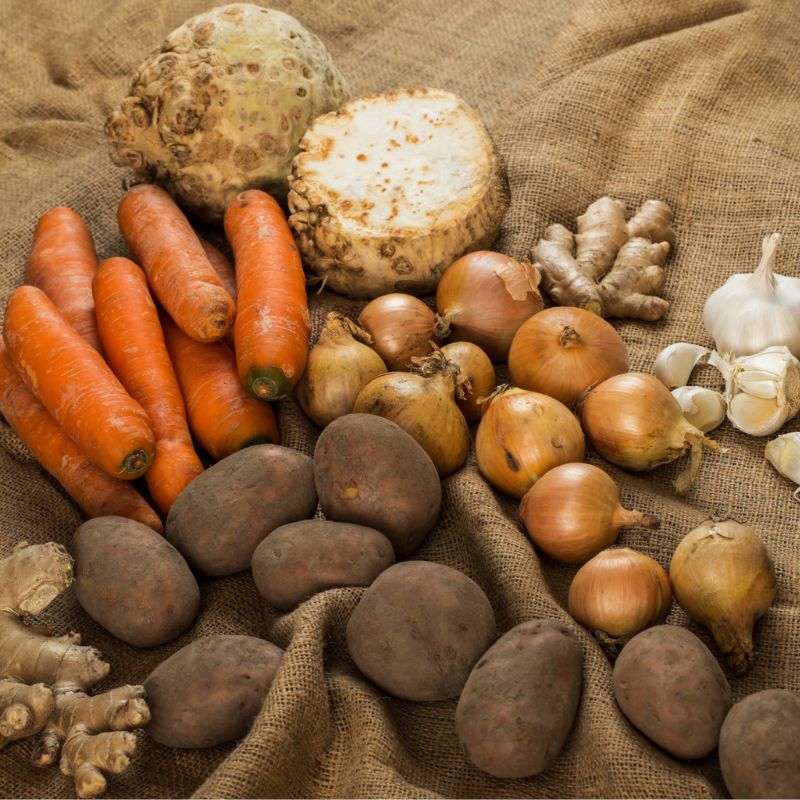
Maybe Foods
Despite any presence of fungal or bacterial overgrowth, infection, or gut issues, specific foods will always remain problematic for specific people. These foods are “maybe” foods and require caution until proven “gut-safe”. Recognising these foods is an important part of symptom management and gut health. This comprehensive page separates fact from fiction. Read: Maybe Foods
Exclude Sugar, Junk, and Ultra-Processed Foods FIRST
The latest studies show there is increasing evidence of an association between diets rich in ultra-processed foods and gut disease, including inflammatory bowel disease, bowel cancer and irritable bowel syndrome (Whelan et al., 2024).
In the short term, these foods can make us feel slightly better, but it’s a temporary mood boost followed by a letdown that makes us feel depressed and anxious. Food manufacturers are manipulating our minds and bodies — spending millions of dollars over decades to engineer food that tastes good, but not good enough to make us stop eating (Rozsa 2023).
When On Your Candida Cleanse – Avoid These Foods…
Sugary & Processed Foods
Refined Carbohydrates & Baked Goods
Meats & Processed Proteins
Sweetened Dairy & Beverages
Fast Food & Takeaway
Many people are drawn to snacks that hit those pleasure buttons: super sweet, ultra salty, or packed with fat. And guess what? The fast food industry knows it well – they even employ “food psychologists” to discover the best combination of chemicals to apply to junk foods to have us eat more. They’ve mastered the art of combining these three cravings into irresistible, hard-to-resist foods.
Fast food chains understand this perfectly, carefully engineering their most addictive products to target these cravings. Every ingredient is meticulously balanced to create the ideal ratio of sugar, salt, and fat, ensuring maximum appeal and driving sales. According to the author of one study, “appreciating the power of salt, fat and sugar in snack foods could help people from overdoing it “(Crowe 2014).
But when you’re on a Candida cleanse, these kinds of snacks can set you back in a big way. They feed the wrong bugs in your gut, fuel inflammation, and make it harder for your body to restore balance. So, let’s call out the usual suspects. Which of the following snack types tempts you the most?
The Very Sweet
The Very Fatty
The Very Salty
Take-Away
If you’re on a Candida diet, it’s not just about avoiding sugar—it’s also about ditching those high-fat, high-salt processed snacks that disrupt gut balance. The good news? Once your taste buds reset, you’ll crave clean, real foods a lot more than these hyper-processed ones.

Soda Drinks 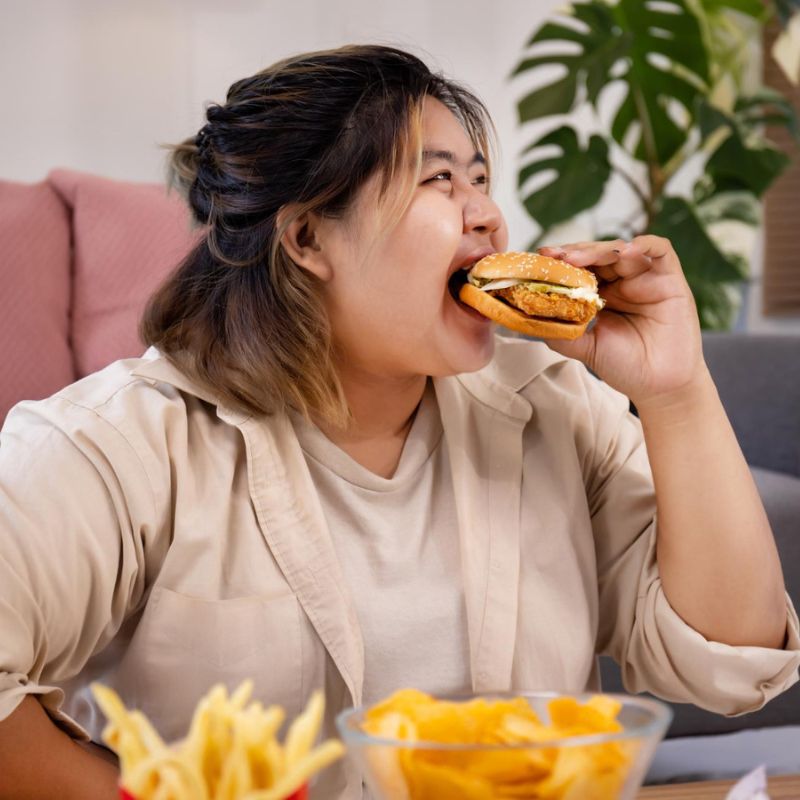
Take-Away Food Burgers and Fries 
Deep-Fried Foods 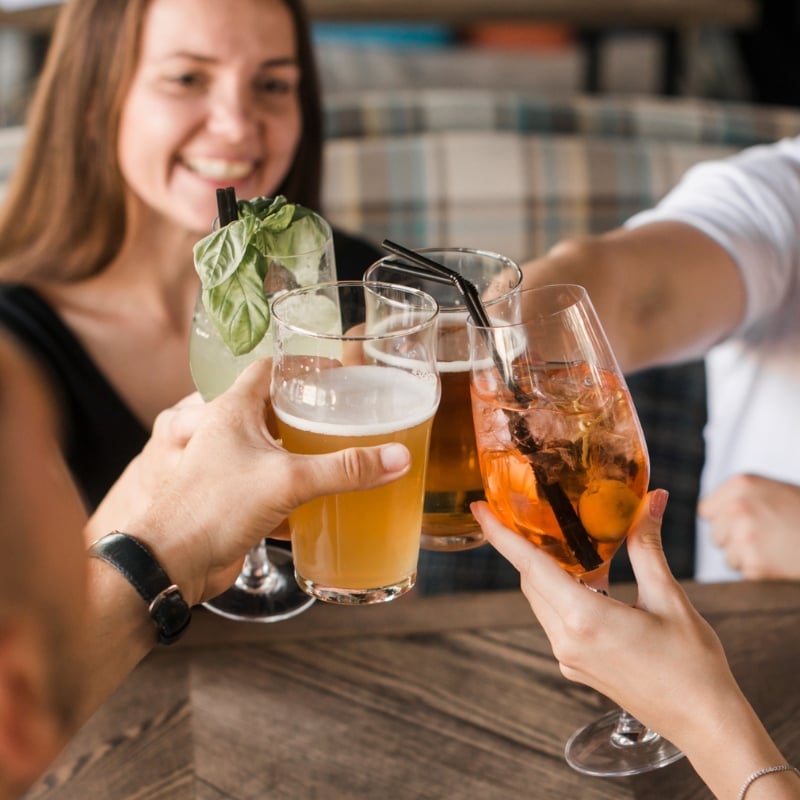
Alcohol 
Poor Diet and Lifestyle 
Junk Food 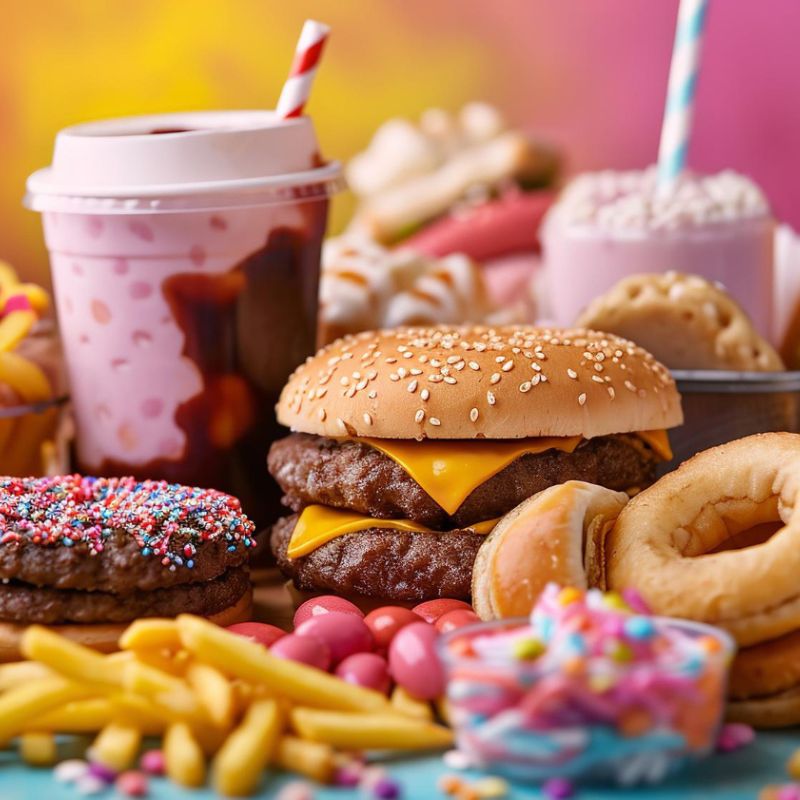
More Junk Food 
Ultra-Processed Foods 
Refined Carbohydrates 
Processed Meat 
Ice Cream and Candy 
Potato Chips 
Condiments 
Hot Food in Styrene 
Chewing Gum 
Peanuts (allergy & mold)
Types of Junk and Processed Foods
Poor Diets and Gut Bacteria
The composition of our gut microbiome is heavily influenced by diet and plays a crucial role in our overall health. A healthy gut microbiome, supported by a balanced diet rich in fibre, diverse nutrients, and low in added sugars, fosters a range of beneficial bacteria that enhance digestion, immunity, and even mental well-being.
Junk Food Disrupts Our Gut Microbiome
Research shows a clear contrast between the gut microbiomes of those who consume healthy foods and those who rely on junk food. (Shah et al., 2023).
Junk Foods Linked To Obesity
Junk food consumption promotes the growth of more harmful microorganisms like Firmicutes, linked to inflammation and obesity. Studies show that higher caloric intake is associated with a 20% growth of Firmicutes and 20% reduction in Bacteroidetes, which was directly related to the gain in body weight (Davis 2016).
Article of Interest: Junk Food
Reduced Bacterial Diversity, More Harmful Bacteria and Yeasts
Take-away and junk food is generally high in saturated fats, sugars, and processed ingredients, which negatively impacts gut health by promoting harmful bacteria and yeasts like Candida albicans and reducing the diversity of beneficial microbes (Jawhara 2023).
Junk food eaters experience a reduction in microbial diversity, with an increase in harmful bacteria and yeast linked to inflammation, obesity, and metabolic issues (Shah et al., 2023).
The gut microbiome’s role in metabolism and immune function is well established. Healthy eaters benefit from improved cholesterol and glucose metabolism, reduced systemic inflammation, and a more robust gut barrier. Junk food disrupts all these functions, weakening gut defences and leading to chronic health problems (Hills et al., 2019), (Zhao et al., 2023),
Dietary interventions, such as increasing fibre, prebiotic and probiotic foods, and adopting personalised nutrition plans, can help restore gut health, Candida, IBS, or SIBO recovery, and mitigate the risks associated with poor dietary choices.
Junk Food Eaters Typically Have
Poor Food and Drink Choices Contribute To Fungal Overgrowth
It’s not an easy transition, but it’s an essential one. Many of my patients who have struggled with persistent gut issues, including chronic Candida overgrowth, have experienced remarkable improvements simply by eliminating UPFs and embracing a more natural way of eating.
Research supports this approach, as studies have increasingly linked junk food and ultra-processed foods to several gut disorders, including inflammatory bowel disease, irritable bowel syndrome, and bowel cancer (Whelan et al., 2024).
Listen to Your Body: Recognising Food Triggers
When making dietary changes, particularly the removal of processed foods, it’s essential to observe how your body responds. If symptoms such as bloating, gas, fatigue, or mood swings improve after eliminating certain foods, this may indicate a reduction in Candida overgrowth or bacterial imbalance.
Paying close attention to these signs allows you to tailor your approach and make informed decisions about your diet. Understanding the link between diet and gut health is a powerful tool in managing conditions like Candida overgrowth. Instead of blindly following restrictive diets, a well-planned, step-by-step approach that prioritises fresh, whole foods lays a solid foundation for healing. Consider the Ultimate Candida Cleanse Program, it is a very well-structured Candida, SIBO, IBS, and IBD plan that can help you cut through all the trends and misinformation online today.
Ultra-Processed and Packaged Foods
Eating fresher, minimally processed foods naturally reduces exposure to hidden sugars, additives, and inflammatory ingredients found in packaged products. Some canned and frozen items, like canned sardines or tomatoes, may be fine, but many processed foods include harmful additives or undergo high-heat processing that strips nutrients.
Common Packaged Foods to Avoid on the Candida diet:
Article of Interest: Ultra-Processed Food
How Do Junk And Processed Foods Affect Our Gut?
Scientific studies consistently find that junk foods, sugary snacks, and ultra-processed foods (UPFs) contribute to Candida overgrowth, bacterial dysbiosis, IBS, and IBD in the following many ways:
1 – Directly Feed Harmful Microorganisms
2 – Weaken Gut Barrier and Immune Function
3 – Disrupt Gut Microbiome and Digestion
4 – Drive Inflammation and Gut Damage
5 – Impact the Gut-Brain Axis
Key Take-Away
Why This Matters:
By making these foundational dietary shifts, you create the best conditions for gut healing and long-term wellness.
NO Alcohol With Candida: Here’s Why
NO Alcohol With Candida or Bacterial Overgrowth: Here’s Why

You’ve probably heard that a glass of red wine a day is good for the heart. While that may be true for a healthy person, it’s a different story if you have a yeast or bacterial overgrowth, irritable bowel syndrome (IBS), inflammatory bowel disease (IBD), or any other gut-related health issue. In such cases, alcohol can do more harm than good, especially if consumed regularly.
Alcohol is best avoided if you want to recover faster from any health problem, regardless of the quantity consumed. The more frequently you drink—especially on a daily basis—the higher the risk of addiction and increased consumption over time. Chronic alcohol intake is linked to gut dysbiosis, immune suppression, and systemic inflammation, all of which can hinder recovery.
Alcohol and Candida: The Research
A recent study found that people who consume alcohol daily have higher levels of anti-Candida albicans antibodies in their bloodstream, indicating an increased abundance of intestinal Candida. Interestingly, researchers noted that these markers decreased when alcohol consumption stopped
(Hartmann et al., 2021).
Although this study focused on heavy drinkers, it reinforces the idea that alcohol negatively impacts gut health. Based on this, I strongly recommend avoiding alcohol entirely if you have gut problems—at least until you experience significant, long-term improvements in all aspects of your health, not just your digestion.
The Role of Acetaldehyde
Before discussing specific types of alcohol and their impact on Candida, it’s important to understand a harmful byproduct of alcohol metabolism: acetaldehyde. This toxic compound is created when the body breaks down alcohol and is also found in air pollution, tobacco smoke, and certain foods. Normally, the small amounts we encounter in daily life don’t pose a problem, but excessive alcohol consumption or a Candida overgrowth can lead to dangerously high acetaldehyde levels in the body.
Elevated acetaldehyde levels are often responsible for hangover symptoms like headaches, brain fog, fatigue, and nausea. One study found that Candida yeast itself produces acetaldehyde as a metabolic byproduct, besides other mycotoxins, further compounding the issue
(Gainza-Cirauqui et al., 2013). This means that even without alcohol, a Candida overgrowth can lead to symptoms resembling those of a hangover.
Dehydration and Liver Burden
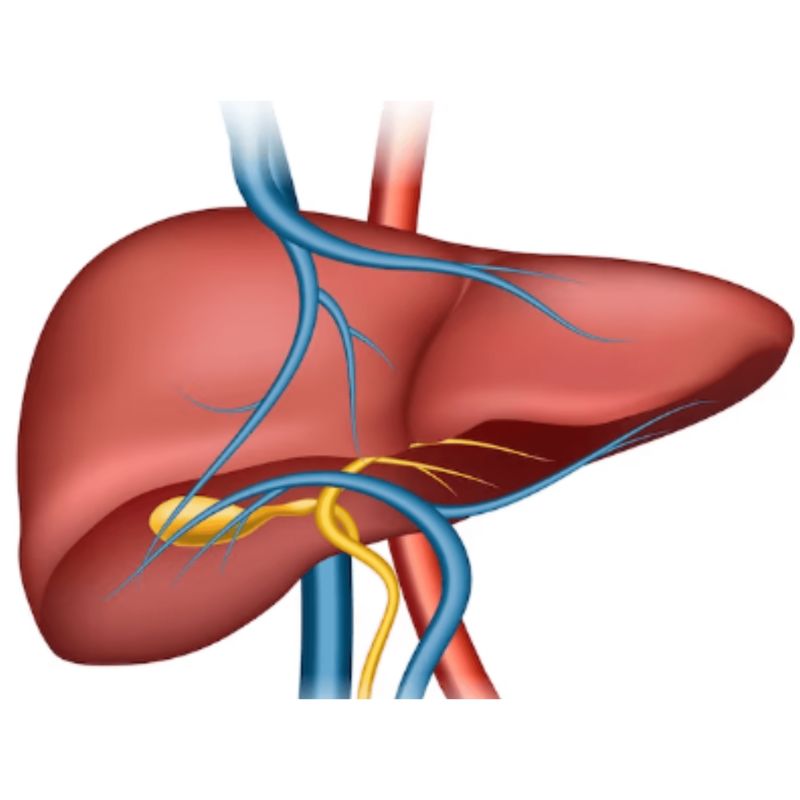
Hangovers are often a result of dehydration and the liver’s struggle to process excess acetaldehyde. Alcohol consumption increases the production of anti-diuretic hormone (ADH), leading to fluid loss, contributing to headaches and fatigue (Swift et al., 1998).
Your liver breaks down alcohol in a two-step process: first into acetaldehyde, then into acetic acid, a harmless compound that eventually converts to carbon dioxide and water. In a healthy individual, small amounts of alcohol are processed efficiently, but in those with Candida or gut imbalances, acetaldehyde lingers longer, worsening symptoms and increasing toxicity.
One study found that a natural anti-hangover formulation containing pear juice (65%), lime (25%), and coconut water (10%) enhanced the activity of alcohol-dehydrogenase by 23.3% and aldehyde-dehydrogenase by 70.02%, aiding alcohol metabolism. (Srinivasan et al., 2019) This suggests that proper nutrition can mitigate some alcohol-related effects, but it does not eliminate the risks associated with Candida overgrowth.
Alcohol Types and Their Effects on Candida
Different types of alcohol affect gut health in unique ways. While moderate red wine consumption has been associated with certain health benefits due to its polyphenol content, alcohol in general disrupts gut flora and can exacerbate Candida overgrowth.
For optimal gut health, it’s best to limit or completely avoid alcohol, at least until Candida and other gut issues are fully resolved. Prioritising a whole-food, gut-friendly diet will support long-term recovery and overall well-being.

Leftovers: A Hidden Risk for Gut Health
Many people with Candida overgrowth, IBS, IBD, or SIBO make the mistake of eating leftovers from the previous night’s dinner for lunch. While this seems convenient, it can pose risks to gut health.
Refrigeration only slows bacterial and fungal growth—it doesn’t stop it. Leftovers should generally be consumed within three to four days, but for those with gut issues, even this may not be ideal.
Mold and bacteria can still proliferate, especially if food isn’t stored properly. Freezing leftovers is a safer option, but the best approach is to prepare fresh meals daily.
If you’re dealing with gut problems, avoiding leftovers may help prevent unnecessary exposure to harmful microbes.
Here’s why:
Why Leftovers Can Be Problematic for Gut Health
Key Take-Away
Fruit Juices and Sodas: A Gut Health Trap
Many people still believe that starting the day with a glass of fruit juice is a healthy habit. However, fruit juices and sodas provide little to no nutritional value, are high in sugar or artificial sweeteners, lack fibre, and often contain artificial additives. For those dealing with Candida, SIBO, or other gut issues, these beverages can be particularly harmful.
A much healthier alternative is to choose whole fruits, herbal teas, infused water, or homemade smoothies made with natural ingredients like berries. Avoiding commercially bottled, canned, or frozen juices—including orange, grape, apple, and pineapple juice—is a smart choice.
One exception is sugar-free tomato juice. All fizzy, carbonated, and energy drinks should also be eliminated, especially while following the Ultimate Candida Cleanse Program.
Why Avoid Fruit Juices & Sodas?
The Smarter Choice
Ditching fruit juices and sodas in favor of whole, seasonal fruits, herbal teas, and naturally infused water is a simple yet powerful step toward better gut health. Small changes can make a big difference—your microbiome will thank you. Read: Healthy Drinks
Article of Interest: Healthy Drinks
Condiments, Sauces, and Vinegar-Containing Foods
Many people with yeast or bacterial infections focus primarily on avoiding sugar and yeast-containing foods. However, condiments, sauces, and vinegar-containing foods can harbor even more yeasts, molds, and unhealthy bacteria than all other food groups combined!
Take a moment to check your refrigerator. How many jars have been sitting there for weeks or even months, forgotten and unused? Many of us neglect to check expiration dates on bottled foods, allowing harmful microbes to proliferate.
Among the sauces and condiments best avoided for a few months are:
Best Avoided: Store-Bought Sauces and Condiments
It’s best to steer clear of:
While some brands may be okay (without sugars, high sodium, or additives), many contain hidden ingredients that disrupt gut health. If you truly enjoy certain condiments, do your research and choose clean, high-quality versions. Better yet, make your own—this way, you control the ingredients and can incorporate gut-friendly additions like garlic, lemon juice, ginger, and herbs.
Vinegar: What to Avoid and What’s Safe
How to Choose the Right Condiments
When buying sauces and condiments, always read labels carefully to spot hidden sugars and additives. “Clean” condiments are hard to find in typical supermarkets, so try health food stores or ask your naturopathic doctor for recommendations.
Opting for homemade sauces or brands with minimal added sugars will better support gut health. Below is a breakdown of popular condiments, common brands, and their typical sugar content.
Popular Sauces & Condiments: Sugar Content Breakdown
Final Thoughts on condiments, sauces, and vinegar-containing foods
By eliminating heavily processed condiments and sauces and choosing healthier homemade alternatives, you can support gut health and aid in Candida recovery.
🛒 Tip: Finding truly clean condiments can be a challenge. Explore health food stores or check with your naturopath for the best recommendations.
We hope you enjoyed reading this page – please leave a comment with your experiences quitting (or eating) junk and processed foods – it may inspire others to quit these “non” foods and choose fresher and healthier options instead.

Ultimate Candida Cleanse System
Beat Candida naturally with the complete, science-based system created by naturopath Eric Bakker, N.D. This all-in-one package gives you two downloadable guidebooks plus the Yeastrix Gut Restore Kit — three targeted professional formulas that work together to reset your gut, restore balance, and rebuild healthy digestion.
You get a structured, step-by-step program, professional clinical guidance, and supplements designed to support each stage of recovery. No guesswork. No confusing protocols. Just a clear roadmap and the right tools to help you finally reduce symptoms, rebalance your microbiome, and feel like yourself again. The Ultimate Candida Cleanse System is everything you need to make real progress — naturally, safely, and effectively.