Anti Candida Diet

What is an Anti Candida Diet?
The saying, “Let food be thy medicine and medicine be thy food,” holds profound truth when addressing Candida overgrowth and bacterial dysbiosis. While a wholesome, nutrient-dense diet is essential for overall well-being, incorporating potent anti-fungal foods and anti-bacterial foods, herbs, and spices can significantly enhance the effectiveness of an anti-Candida diet.
Antifungal foods not only help suppress and eliminate Candida but also provide powerful antioxidants and other valuable nutrients that support optimal health.
In this post, let’s discuss the anti-Candida diet foods list, including various herbs, spices, and antimicrobial supplements that, in our experience, work best to halt Candida overgrowth and help to get rid of unwanted high levels of dysbiotic bacteria and parasites in the body.
The Evolution of the Anti-Candida Diet
Decades ago, well before Google and the abundance of online resources, most of our patients seeking help for Candida overgrowth relied solely on very basic supplements.

The concept of an anti-Candida diet was largely unknown outside of books like The Yeast Syndrome (1983), written by Dr. John Parks Trowbridge.
However, more than 40 years later however, through extensive clinical and online research, our clinic has uncovered a diverse array of natural foods, herbs, and spices with potent antifungal and antibacterial properties. Many of these foods are readily available at local grocery or whole-foods stores.
By making simple yet strategic dietary changes, we can proactively manage Candida and bacterial overgrowth, reducing our reliance on pharmaceutical interventions. This empowers us to take control of our health naturally and effectively.
Combat Candida with Anti-Fungal Foods
Your diet plays a crucial role in restoring microbial balance. While some foods fuel Candida and bacterial overgrowth, others actively fight them. Antimicrobial foods help not just with Candida but also with SIBO, IBS, and IBD.
Research shows Candida albicans can disrupt gut microbiota, reduce beneficial bacteria, and contribute to mucosal dysbiosis (Bertolini et al., 2019). Over 20 years of stool testing in our clinic has consistently revealed that individuals with high Candida levels often have bacterial imbalances—elevated harmful bacteria and depleted beneficial bacterial strains.
By analysing stool test data, particularly “sensitivity testing,” we’ve identified the most effective foods, herbs, and spices for combating Candida overgrowth, tailoring recommendations to individual needs.
This imbalance underscores the importance of eating the right foods in an anti-Candida diet. It is important also to point out that gut dysbiosis isn’t just about fungal overgrowth; it can also involve other fungal and bacterial imbalances (Banaszak et al., 2023) including:
For these reasons, we advocate incorporating both antifungal and antibacterial foods in Candida recovery protocols.
This comprehensive guide explores the best anti-fungal foods, herbs, and dietary supplements that effectively combat Candida and dysbiotic bacteria while also helping eliminate harmful parasites.
Why the Anti-Candida Diet Matters

The anti-Candida diet is crucial for preventing and reversing fungal overgrowth. By eliminating added sugars, processed foods and drinks, avoiding inflammatory foods, and incorporating probiotic and antifungal-rich foods, you can create an environment where beneficial bacteria thrive while Candida overgrowth and yeast infection is kept in check.
Many people report relief from Candida symptoms such as:
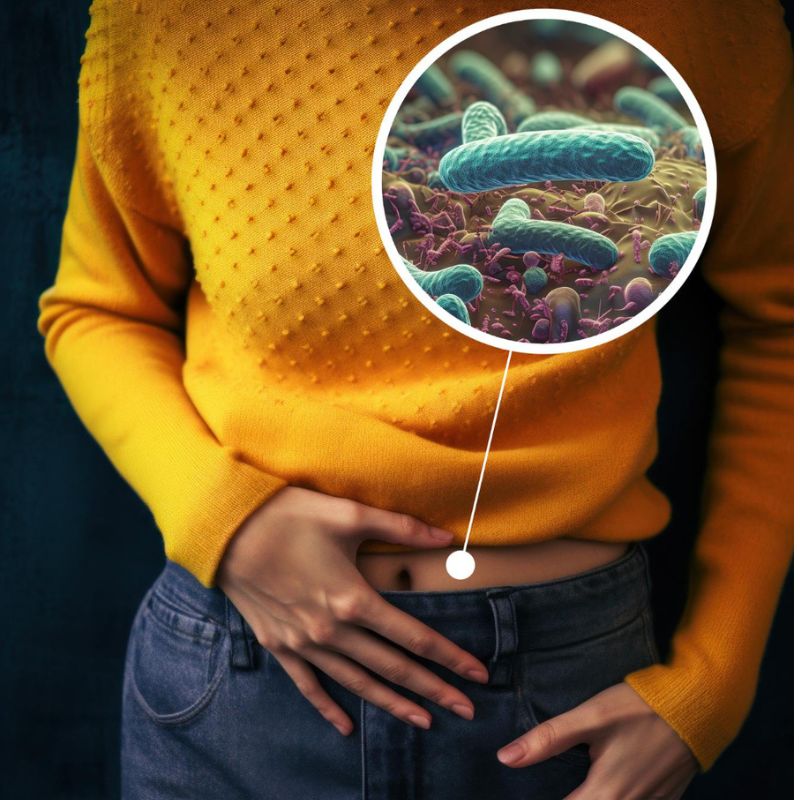
Restoring Gut Health With The Right Foods
Our body hosts literally trillions of microorganisms, outnumbering human cells 10 to 1. Despite comprising just 1–3% of our body mass, these microbes are absolutely crucial for our health (NIH 2012). These microorganisms, including bacteria and yeast, play a fundamental role in maintaining our overall health.
Recent research has highlighted just how dependent we are on these microscopic allies for functions such as digestion, immune support, blood sugar regulation, and even mental well-being. Given their significance, it’s no surprise that an imbalance in gut flora—known as gut dysbiosis—can lead to a cascade of health issues (DeGruttola et al., 2016).
When an opportunistic pathogen like Candida albicans proliferates beyond normal levels, it can cause digestive discomfort, bloating, indigestion, nausea, diarrhoea, and gas. These are all symptoms of Candida overgrowth. Beyond digestive concerns, Candida overgrowth has been linked to chronic fatigue, recurring infections, and weakened immunity.
One of the primary contributors to fungal overgrowth is a poor diet. Consuming excessive added sugars and inflammatory foods creates the ideal conditions for Candida albicans to flourish (Jawhara 2023).
Fortunately, making strategic dietary changes can inhibit and even reverse its growth. By adopting a fresh whole-foods diet as outlined on this page, you can restore gut microbial balance and reclaim your digestive and overall health.
7 Key Anti-Candida Diet Principles
To effectively manage Candida overgrowth and SIBO, consider these core anti-Candida dietary principles:
1 – Eliminate Gut Irritants
2 – Support Digestive Function
3 – Focus on Antimicrobial Foods
4 – Consume Nutrient-Dense Foods
5 – Promote Gut Microbiome Healing
6 – Repopulate with Probiotics and Probiotic-Rich Foods
7 – Hydration and Detoxification
Your Complete Candida Diet Food List
The Anti-Candida diet emphasises whole, unprocessed foods that nourish and balance the microbiome. To simplify this approach, we’ve categorised foods into those you can eat freely, those to avoid, and the “maybe” category, foods that some individuals may struggle with, yet others can eat freely. By following these guidelines, you can tailor your diet to promote gut health and lasting recovery.
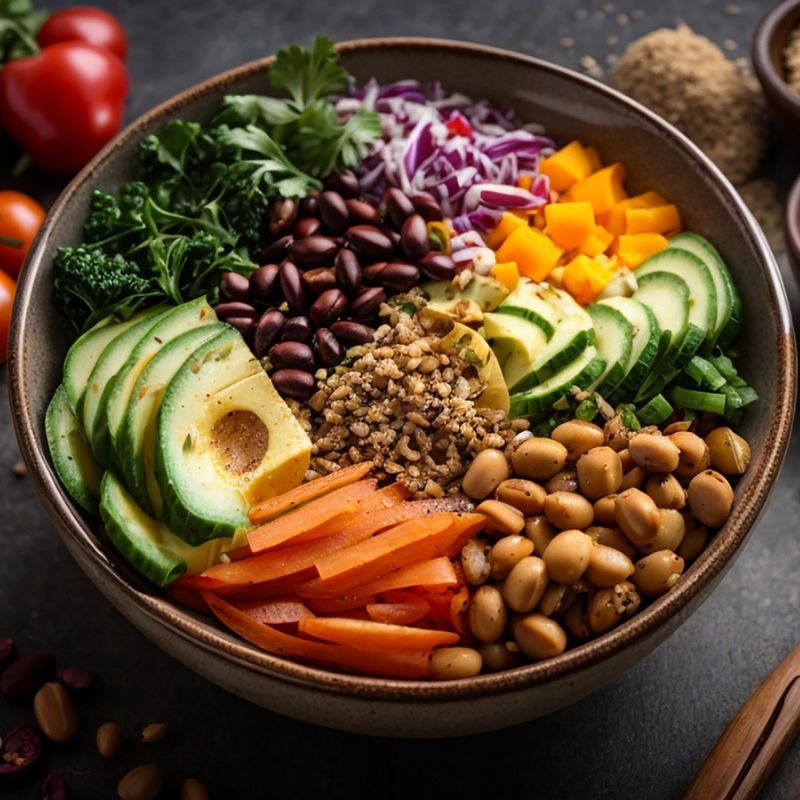
Foods To Eat
Choosing the right foods is one of the most powerful steps you can take toward restoring balance in your gut and overall well-being. If you’re dealing with Candida overgrowth, SIBO, IBS, or IBD, the foods you eat can either support your healing or contribute to ongoing symptoms. This page outlines the most beneficial foods to include in your diet to help rebalance your gut microbiome and promote long-term health. Read: Foods To Eat

Foods To Avoid
The first and most important step is eliminating junk foods and ultra-processed foods (UPFs). Some may assume that a Candida diet is about avoiding gluten, sugar, or specific food groups like many fruits, root vegetables, or even mushrooms. While these may be considerations later (or not even be necessary at all for some), the foundation of gut recovery begins with removing all highly processed and nutritionally-depleted foods and consuming a fresh and whole-foods diet. Read : Foods To Avoid
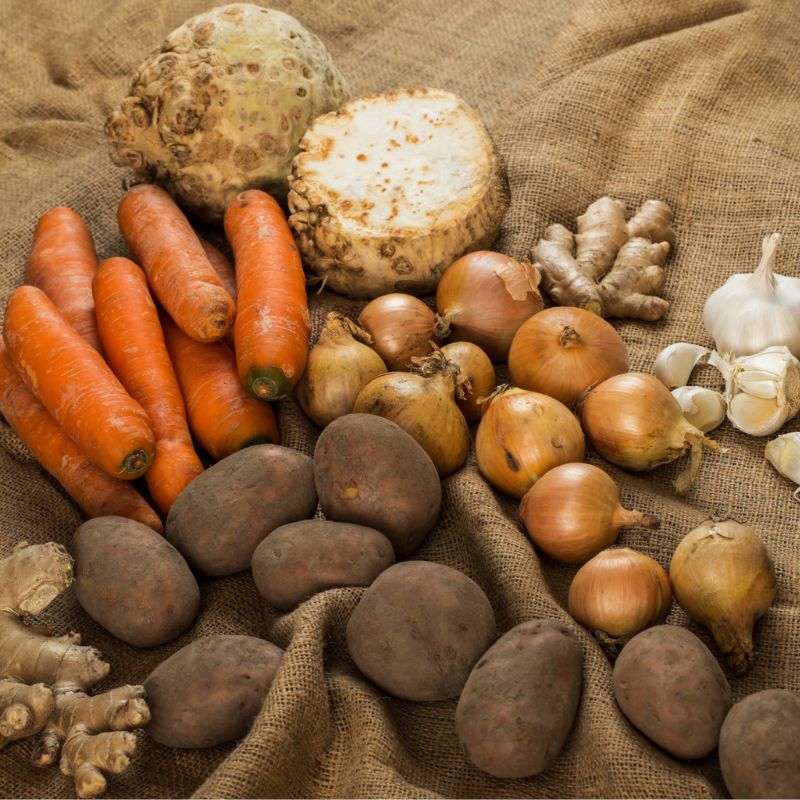
Maybe Foods
Despite any presence of fungal or bacterial overgrowth, infection, or gut issues, specific foods will always remain problematic for specific people. These foods are “maybe” foods and require caution until proven “gut-safe”. Recognising these foods is an important part of symptom management and gut health. This comprehensive page separates fact from fiction. Read: Maybe Foods
Antimicrobial Foods
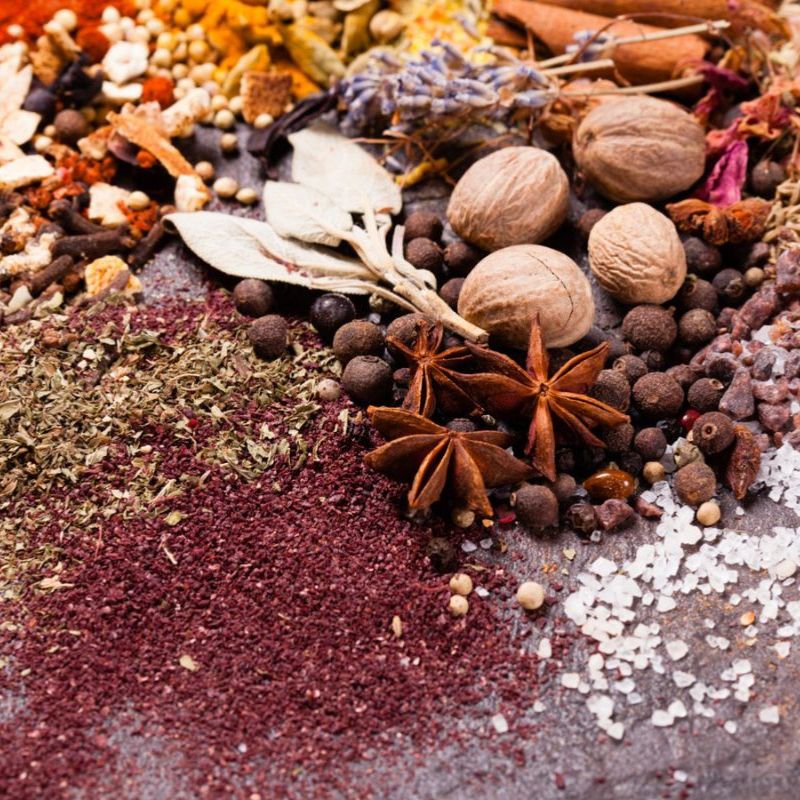
Antimicrobial foods contain natural compounds such as allicin, eugenol, caprylic acid, and polyphenols, which inhibit or kill bacteria, viruses, fungi, and other pathogens. Unlike drugs, antimicrobial foods, including spices and herbs, offer a much more refined and selective approach. By including these key cleansing spices, herbs, and condiments in your diet, you not only support your gut health but also enhance your immune system and overall well-being. Read: Antimicrobial Foods
Candida Diet Food Pages
Bringing Antimicrobial Foods, Herbs, and Spices into Your Diet
Adding antimicrobial foods to your daily meals is a simple and effective way to support gut health. These natural ingredients help reduce harmful microbes, enhance digestion, and promote overall wellness. To maximise their benefits, introduce them gradually and use them consistently.
Key Articles to Help Support on Your Gut Health Journey
Key Take-Aways
The Bottom Line
To successfully combat Candida overgrowth, adopting a fresh, whole-food diet rich in antifungal and antimicrobial ingredients is essential. This approach not only alleviates symptoms but also promotes long-term gut health and prevents future recurrences.
For a structured, science-backed plan, explore our Ultimate Candida Cleanse Program, which include:
More than 60,000 people have used our programs online to improve their gut health, digestion, and immunity naturally. Take the next step toward better health today, check out our Program today.
Thanks for reading this page, please leave any comments with your point of view, tips, or any other information that may help other in their Candida overgrowth recovery.