
What Is Turmeric?
Turmeric (Curcuma longa) is a golden-yellow spice prized for its vibrant color, earthy flavor, and powerful health benefits. Native to Southeast Asia, it has been a cornerstone of culinary traditions in Indian, Middle Eastern, and Southeast Asian cuisines for centuries. Beyond its role in cooking, turmeric is deeply rooted in traditional medicine systems such as Ayurveda and Traditional Chinese Medicine, where it has been used for its healing and therapeutic properties.
Turmeric, derived from the rhizomes (roots) of the Curcuma longa plant in the ginger family (Zingiberaceae), is a spice renowned for its vibrant yellow-orange color. This striking hue comes from curcuminoids, a group of fat-soluble polyphenolic compounds that not only define its appearance but also underpin its remarkable health benefits.
Among these, curcumin stands out as turmeric’s most researched and celebrated active compound, prized for its potent health-supporting properties. In this comprehensive guide, we’ll explore everything you need to know about turmeric—its origins, benefits, and why it deserves a regular place in your diet.
The Wonder Drug of Life

Curcumin, often referred to as the “wonder drug of life,” has earned this reputation due to its wide range of potential health benefits (Gera et al., 2017). From reducing inflammation and neutralising free radicals to supporting joint health and enhancing brain function, curcumin is a powerhouse of wellness.
Turmeric’s bioactive compounds have made this spice a subject of interest in modern science, with numerous studies exploring its ability to aid in managing chronic conditions and supporting overall vitality.
Turmeric’s versatility in fresh and dried forms makes it an accessible and practical way to add a nutrient-rich boost to your meals while reaping its incredible health benefits. By understanding its history, uses, and preparation techniques, you can fully appreciate this golden spice’s role as both a culinary delight and a natural remedy.
Turmeric Curcumin

Turmeric has a rich history in both culinary and medicinal traditions. As a cornerstone of Ayurvedic and Traditional Chinese Medicine (TCM), it has been used for thousands of years to address a range of health concerns.
These ancient practices incorporated turmeric for its ability to aid digestion, detoxify the body, heal skin disorders, support liver health, and promote vitality. Turmeric was also used symbolically, representing purification and well-being in various cultural rituals (Prasad et al., 2011).
Modern research has expanded our understanding of turmeric’s health benefits, with its active compound, curcumin, emerging as a powerful agent with anti-inflammatory, antioxidant, antimicrobial, and anti-cancer properties. Scientific studies highlight its potential in managing chronic conditions, supporting metabolic and joint health, and improving skin vitality.
Traditional Uses of Turmeric
Condiment
Turmeric is a popular spice known for its aroma, bright yellow colour, and preservative properties, with daily consumption in South East Asia reaching up to 1.5 g. It is a primary component of many curry powders, comprising between 10–30% of the mix, although vegetarian blends contain less due to its bitterness (Sharma et al., 2005). The food industry also uses turmeric oleoresins, extracted from powdered rhizomes, for their distinctive taste and vibrant colour (fao.org)
Colouring Agent
Curcumin, the yellow pigment in turmeric, is widely used as a natural colouring agent in food, textiles, and cosmetics (Sharifi-Rad et al., 2020).
Tumeric colours various foods like mustard, dairy, pastries, soups, and cereals, offering a natural alternative to synthetic dyes like tartrazine. However, it is sensitive to heat, light, and alkalinity, limiting its use to short-term storage (Esatbeyoglu et al., 2012). The FAO/WHO sets the safe daily intake of curcumin at 0–3 mg/kg body weight (fao.org).
Cosmetic
Traditionally applied to the skin, turmeric is believed to improve complexion, reduce acne, and inhibit facial hair growth. Turmeric is believed to be one of the first known skin cosmetics used by women (Gopinath et al., 2017).
Curcuminoids, known for their antioxidant, anti-inflammatory, and skin-lightening properties, are widely used in cosmeceuticals. Topical curcumin gel can improve sun-damaged skin with prolonged use, while turmeric’s essential oils hold potential in perfumes and soaps. Hydrogenated curcumin derivatives like tetrahydrocurcumin are also used in moisturisers to prevent lipid rancidity (Vaughn et al., 2016), (Vollono et al., 2019),
The Science Behind Turmeric’s Benefits

Curcumin, the primary active ingredient in turmeric, is a polyphenol known for its extensive health benefits. Its anti-inflammatory effects make it a natural alternative for managing arthritis and joint pain, while its antioxidant properties help combat free radicals, supporting overall cellular health. (Hewlings et al., 2017).
Turmeric’s antimicrobial actions are being researched for their potential to fight infections and drug-resistant pathogens (Hussain et al., 2022).
Whether as a kitchen staple, a therapeutic supplement, or a skincare ingredient, turmeric’s versatility and efficacy solidify its place as a timeless natural remedy. By incorporating turmeric into our diet and wellness routine, we can harness the power of this golden gem to enhance overall health and well-being.

Curcumin
At the heart of turmeric’s potency lies curcumin, a powerful bioactive compound. Curcumin is known for its anti-inflammatory, antioxidant, and antimicrobial properties, which contribute to turmeric’s reputation as a “super spice.”
Curcumin only gained popularity among the scientific community, once isolated by Vogel and Pelletier in 1815, since then its various health benefits have been discovered (Prakesh et al., 2023).
Curcumin was first shown to exhibit antibacterial activity in 1949 (Schraufstatter et al., 1949). Since then, this polyphenol has been shown to possess anti-inflammatory, hypoglycemic, antioxidant, wound-healing, and anticancer actions (Aggarwal et al, 2008).
Potential therapeutic effects of curcumin, the anti-inflammatory agent, against neuro-degenerative, cardiovascular, lung, metabolic, and autoimmune disease (Aggarwal et al., 2009).
Modern research highlights curcumin’s potential to support everything from gut health and immune function to brain health and joint pain relief. These benefits make turmeric a valuable addition to a healthy lifestyle.
Modern Applications and Forms of Turmeric
Today, turmeric is celebrated for its versatility and is commonly used in various forms, including:
Combine Turmeric and Pepper for Increased Bio-Availability
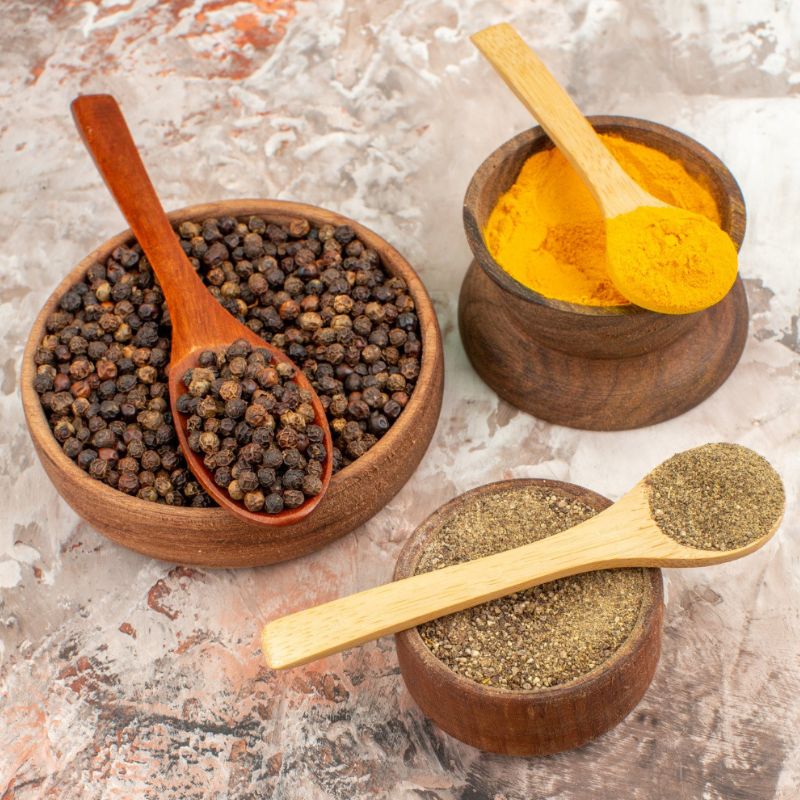
Turmeric reigns supreme when it comes to all-natural anti-inflammatory remedies. Curcumin, the main active component of turmeric, is its secret.
A study mentions that curcumin has gained world-wide attention mainly due to its anti-oxidant and anti-inflammatory mechanisms. The benefits of these two actions are best achieved and enhanced when piperine, a powerful active ingredient in black pepper, is combined with turmeric.
In a clinical study, the authors found that 2 g of curcumin administered at the same time with 20 mg of piperine, appeared to promote a significant 2000% increase in the oral bio-availability of curcumin.(Bertoncini-Silva et al., 2024).
Always add a little freshly-ground pepper to your meals. piperine helps your body absorb so much more from our food. Piperine has been well documented to enhance the bio-availability of a number of important therapeutic phyto-chemicals (Srinivasan 2007).
What Is Turmeric Good For?
Up to 2013, more than 65 clinical trials including curcumin have been completed, and many more are currently being conducted. Several nations, including China, India, Japan, Korea, South Africa, the United States, Thailand, and Turkey are currently using curcumin as a supplement or medicine. (Gupta 2013)
Clinical trials are still ongoing for a variety of conditions and illnesses, including colon and pancreatic cancer, multiple myeloma, Alzheimer’s disease, and psoriasis. (Hatcher 2008)
Numerous scientific investigations have demonstrated that curcumin has anti-inflammatory qualities comparable to those of pharmaceutical drugs like hydrocortisone. Curcumin may even be useful in the management of chronic inflammatory diseases like Crohn’s disease, ulcerative colitis, and possibly arthritis. (Burge 2019)
Turmeric Benefits

Studies highlight turmeric’s role in managing chronic conditions like arthritis, metabolic syndrome, and digestive issues, as well as its ability to combat Candida overgrowth, bacterial infections, and oxidative stress. Curcumin has also shown promise in neurological health, offering potential protective effects against Alzheimer’s disease and other neurodegenerative conditions.
Curcumin may not fit medical chemists’ definition of the perfect drug, but many in vitro, in vivo (test tube and human/animal studies) including clinical trials have irrefutably confirmed its medicinal potential in both basic experimental researches and clinical trials over the past few decades (Lin et al., 2022).
Turmeric, and particularly its active compound curcumin, has been extensively studied for its therapeutic effects on various health conditions.
Let’s look at a few of the most common evidence-based uses for turmeric:
These benefits highlight turmeric’s versatility as a natural remedy supported by both traditional use and modern scientific research.
Candida

Turmeric has a powerful capacity to act as antimicrobial medicine in the body, including its broad-spectrum antifungal activity (Martins et al., 2009).
Turmeric, particularly curcumin and its oil extracts, exhibits significant antifungal properties against a wide range of fungi, including multiple Candida species, dermatophytes, and plant diseases caused by pathogens (infectious organisms) (Apisariyakul et al., 1995), (Wuthi-undomlert et al., 2000).
In another study, anti-Candida was demonstrated against 38 different strains of Candida including some fluconazole resistant strains of Candida albicans, Candida glabrata, Candida krusei, Candida tropicalis, and Candida guilliermondii (Khan et al., 2012).
These effects are achieved through various mechanisms such as disrupting fungal cell membranes, reducing ergosterol production, and hyphal-development inhibition. Curcumin also demonstrates potential as an adjunct therapy, enhancing the effectiveness of conventional antifungal drugs (Hussain et al., 2022).
Additionally, turmeric’s low side effects and synergistic activity with other antifungal agents make it a promising candidate for systemic fungal infections and drug-resistant strains (Moghadamtousi et al., 2014).
Turmeric Is a Potent Antifungal
Key Points
This evidence highlights turmeric’s versatility as a natural antifungal agent, especially in addressing resistant fungal infections and enhancing existing treatments.
SIBO
Turmeric may be a very helpful addition to your anti-SIBO program since recent research is starting to suggest that it can be effective against both Candida albicans, different unwanted bacteria and the biofilms they generate.
How Can Curcumin Help with SIBO Symptoms?
Curcumin’s anti-inflammatory and antimicrobial properties make it a promising option for managing SIBO. It reduces inflammation by targeting proteins like NF-kB and TNF-alpha and may also help combat bacterial overgrowth in the small intestine, addressing key aspects of SIBO symptoms (Zhu et al., 2024).
Chronic Inflammation and Arthritic Pain

Turmeric, particularly its active compound curcumin, has shown significant potential in managing chronic inflammation and arthritic pain. Its anti-inflammatory and antioxidant properties inhibit inflammatory pathways (such as IL-6, IL-8, TNF-alpha, and COX-2 enzymes) which are central to arthritis progression.
Studies comparing curcumin to standard anti-inflammatory drugs, like ibuprofen, reveal similar efficacy in reducing pain and stiffness while producing fewer gastrointestinal side effects. Additionally, curcumin can enhance the quality of life for individuals with osteoarthritis and rheumatoid arthritis when used as a complementary therapy alongside standard treatments
From my clinical experience, incorporating turmeric and ginger into the daily diet offers a natural, effective approach to managing inflammation. Unlike concentrated supplements, consuming these spices with meals or in drinks can provide a gradual, sustainable benefit, especially when paired with black pepper to improve curcumin absorption.
While high doses of curcumin supplements (1,000-1,500 mg per day) have been used in clinical studies, even modest dietary inclusion of turmeric may positively impact inflammation, especially if consumed regularly with black pepper to increase uptake.
Key Insights:
Kidney-Protective
Curcumin has shown kidney-protective effects in various experimental models, including diabetic kidney disease, chronic kidney failure, and toxin-induced kidney damage. Recent studies highlight its ability to reverse alterations in chronic renal failure and preserve function in kidney cells (Trujillo et al., 2013), (Ghosh et al., 2014).
These effects are attributed to curcumin’s powerful antioxidant activity, including the reduction of inflammation, preservation of antioxidant enzymes, and prevention of oxidative stress. These findings position curcumin as a potential therapeutic option for protecting against kidney injury (Zhu et al., 2022).
What Do You Do With Turmeric?
Turmeric’s popularity spans both the kitchen and the medicine cabinet. In cooking, it is a versatile ingredient, enhancing the flavour, aroma, and visual appeal of dishes like curries, soups, and rice.
Medicinally, it is used in various forms, including powders, teas, and supplements, to harness its therapeutic effects. Traditional applications have highlighted turmeric as a natural remedy for digestive issues, respiratory conditions, and skin ailments.
Preparing and Storing Turmeric
Some varieties of mustard use turmeric as a natural colouring agent, and curry powder also contains turmeric. Many people appreciate the earthy flavour of turmeric on its own because it gives Thai or other Asian cuisines, stews, and chilli a depth of flavour and a pleasant colour. I discovered several years ago that turmeric is actually great in pumpkin or chicken soup, try it out.
To fully unlock the benefits of turmeric, proper preparation and storage are essential:
How to Use Turmeric in Your Daily Life
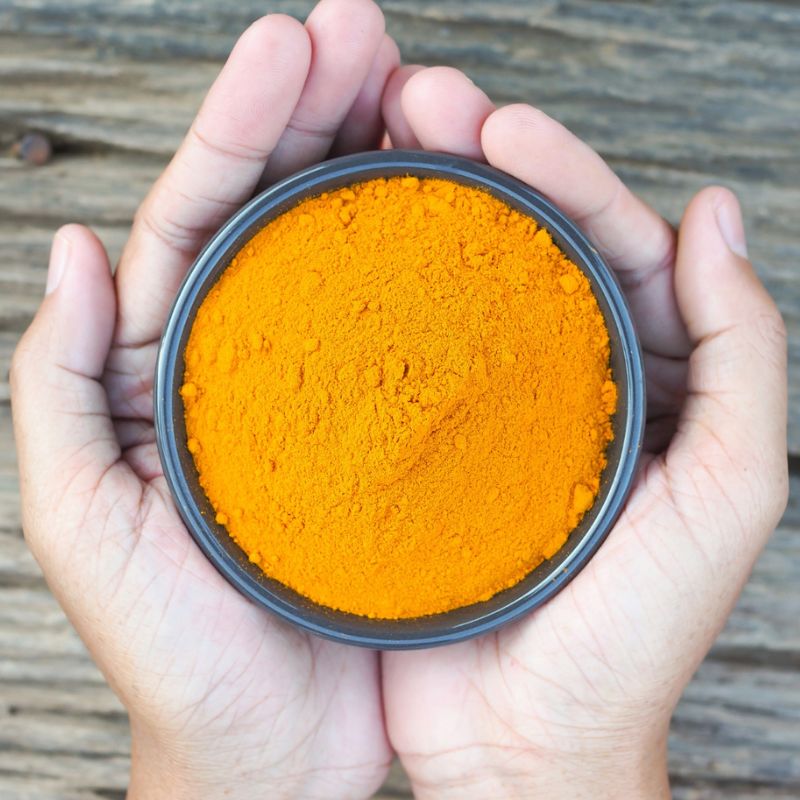
Turmeric is a versatile spice used not only for its medicinal benefits but also to enhance the flavor and color of a variety of dishes. Its warm, earthy notes make it a favorite ingredient in Thai, Indian, and other Asian cuisines. Beyond its traditional use in curry powders, turmeric can add depth and a golden hue to stews, soups, and even beverages. For instance, adding turmeric to pumpkin or chicken soup can elevate both the taste and visual appeal—it’s a delightful way to experiment in the kitchen.
Growing and Preserving Turmeric
In my garden in New Zealand, I cultivate turmeric roots in a glasshouse to ensure a fresh supply. When there’s a surplus, I freeze the roots in small pieces, preserving their potency and convenience for later use. Freezing turmeric is an excellent way to maintain its quality and ensure year-round availability.
A Note on Turmeric’s Staining Properties
While turmeric is a joy to work with, its vibrant yellow colour can be a bit too effective, often leaving stains on countertops, utensils, and clothing. I’ve found even stainless steel bowls and cutting boards can develop a yellow tint after prolonged exposure. To prevent or remove stains, act quickly—mild abrasives or natural cleaning solutions, such as a baking soda paste, are typically effective. The solution:
By using turmeric and other powerful spices in both your kitchen and for medicinal purposes, you’ll not only enjoy the flavours but also its impressive health benefits. Let’s look at different ways of incorporating turmeric into our diet and lifestyle:
Turmeric in Dietary Supplement Forms

Turmeric supplements, often standardised for their curcumin content, are widely used for their anti-inflammatory and antioxidant properties. Most manufacturers recommend taking 2–3 capsules daily with meals.
Supplements may be beneficial for those needing higher curcumin levels than typical dietary intake provides, but it’s crucial to combine them with black pepper or piperine to enhance absorption.
Studies show that black pepper can increase curcumin bioavailability by up to 2000%, making it a key component of effective supplementation.
However, many experts, including naturopaths and researchers (like me), suggest consuming turmeric in whole food forms. Turmeric’s natural synergy with other spices, such as ginger and pepper, enhances its therapeutic properties while avoiding the risks associated with concentrated supplements, like potential drug interactions or excessive intake that could lead to side effects such as digestive discomfort or kidney stone risk.
Incorporating turmeric into meals, teas, or smoothies allows for safe, gradual health benefits while supporting overall well-being.
Key Points About Turmeric Supplements:
Turmeric and Cooking: A Blend of Flavour and Health Benefits

The global challenge of drug-resistant pathogens has fuelled the search for natural compounds with antimicrobial properties, and turmeric has emerged as a star in this field.
Packed with curcumin, its bioactive compound, turmeric is not only a staple in kitchens worldwide but also a powerful addition to natural health strategies. Incorporating turmeric into your daily meals is an easy and delicious way to support your overall health while enjoying its vibrant flavour and colour.
Studies highlight turmeric’s ability to serve as a natural antimicrobial agent, making it a valuable addition to both your diet and health routine. Regularly incorporating turmeric into meals supports inflammation control, gut health, and even immune function, showcasing its potential as more than just a spice but as a functional food ingredient.
Turmeric’s biologically active compounds offer a dual role in both nutrition and potential protection against certain infections. For example, the antimicrobial and anti-inflammatory properties of turmeric make it a versatile ingredient that bridges the gap between culinary enjoyment and therapeutic benefit.
Cooking with Turmeric: Fresh vs. Dried
Turmeric can be used in its fresh or dried forms, each with unique qualities. Fresh turmeric is aromatic and has a stronger flavor, while dried turmeric is more convenient and has a longer shelf life.
Easy Ways to Incorporate Turmeric Into Meals
Cooking with turmeric is straightforward, and its earthy, slightly bitter flavor pairs beautifully with a variety of dishes. Here are some popular ways to add turmeric to your meals:
Tips for Cooking with Turmeric
Curcumin is lipophilic, meaning, it prefers to dissolve more into a fat-soluble rather than water-soluble environment. For this reason, add it to meals containing fats. Black pepper is another ally.
Turmeric in Fusion Cuisine
While turmeric is most often associated with Indian and Middle Eastern dishes, its versatility allows it to blend seamlessly into other cuisines:

Hot Turmeric Tea in Winter
Turmeric and ginger are both members of the Zingiberaceae family and share similar appearances, making them easy to grow together in gardens. When we lived in Brisbane, Australia, we grew both plants and often made tea from their fresh roots, which is incredibly soothing.
While fresh root is ideal, dried and powdered versions can still make a delicious and therapeutic tea. This drink acts as a natural decongestant and is perfect for alleviating the discomfort associated with colds, flu, sore throats, blocked sinuses, and general malaise.
To prepare this tea, start by brewing turmeric alone, followed by ginger, and then experiment with combinations of both. Adding cinnamon quill enhances the flavour and therapeutic properties of the tea, and you’ll quickly discover which combination you prefer.
My personal favourite is fresh ginger root simmered with true cinnamon quill (Cinnamomum zeylanicum) and one or two green cardamom pods for a fragrant and warming beverage. This simple blend offers a soothing, immune-boosting drink that helps you feel better even when you’re at your worst.
Hot Turmeric Tea Recipe
Golden Turmeric Tea: A Creamy Anti-Candida Elixir

Golden Turmeric Tea, often called “Golden Milk,” is a flavorful and health-boosting beverage that combines the antimicrobial power of turmeric, cinnamon, ginger, black pepper, and green cardamom with the richness of full-cream coconut milk.
This blend is especially beneficial for those managing Candida overgrowth, thanks to its antifungal properties and the synergy of its ingredients. The fats in coconut milk enhance the absorption of curcumin, the active compound in turmeric, which is fat-soluble and more effectively utilised by the body when paired with healthy fats.
For an added touch of sweetness, a half-teaspoon of raw honey can complement the richness of the coconut milk, creating a soothing, slightly sweet drink that is as pleasing to the palate as it is beneficial to health.
This drink is versatile, equally delightful when served warm on a chilly evening or cold on a hot summer day. While there are many variations of “Golden Milk,” the essential components are a fat-containing milk, turmeric, cinnamon, ginger, and a natural sweetener, avoiding refined sugars that can worsen Candida symptoms.
Turmeric’s growing popularity is evident, with millions of search results for “Golden Turmeric Milk” online. This reflects a renewed appreciation for its therapeutic potential and culinary versatility. This simple yet potent beverage is a wonderful way to incorporate anti-inflammatory and antimicrobial ingredients into your daily routine.
Golden Turmeric Milk Ingredients
Method
Additional Golden Milk Tips:
Is Turmeric Safe For Everybody To Take?
Everyone shouldn’t take turmeric, right?
I’ve always recommended that eating meals that contain turmeric should be safe, but like any spice or herb, you can over-do it as well. For example, when it comes to taking supplements while pregnant or nursing, you are best to consult with your doctor or nurse.
Some people with liver of gallbladder disease may be best to check in with their doctor as well, especially if you believe you may have gallstones. Taking high-dose curcumin capsules or tablets can affect some people with gut issues negatively, it’s why you always start with a low-dose, and if in doubt, consult with your naturopathic physician or doctor.
Before beginning a curcumin course of treatment, if you are taking various pharmaceutical medications for chronic conditions, it is best to speak with your health-care professional to rule out any potential drug interactions. The group of drugs in particular I’m referring to may include drugs used to treat stomach acid, blood sugar regulation, or blood thinning.
We hope you enjoyed this page all about Turmeric, please leave a comment if you have any additional information you would like to share.

Eric Bakker N.D.
Greetings! I am a naturopathic physician from New Zealand. Although I’ve retired from clinical practice since 2019 after 34 years of clinic. I remain passionate about helping people improve their lives. You’ll find I’m active online with a focus on natural health and wellbeing education through my Facebook page, Reddit page and YouTube channel, including this website.