

The Power of Polyphenol-Rich Foods: Your Guide to Better Health
Polyphenols, plant-derived nutrients, play a crucial role in reducing oxidative stress and controlling inflammation within the body. Acting as potent antioxidants, they neutralize free radicals—unstable molecules that can harm cells and contribute to chronic diseases like diabetes, heart disease, and cancer.
These compounds are abundant in vibrant, colorful foods such as fruits, vegetables, tea, coffee, and dark chocolate. Beyond their protective role, they also give these foods their vivid colors and are often accompanied by essential nutrients like fiber, vitamins, and minerals, making plants a cornerstone of health and disease prevention.
Polyphenols are intricate plant-based phytochemicals present in a wide range of foods, particularly fruits and vegetables. They belong to a diverse family of naturally occurring compounds in plants, categorized into four main groups: flavonoids, phenolic acids, lignans, and stilbenes, ranging from simple molecules to complex polymers.
This comprehensive guide delves into the amazing health benefits of polyphenols, covering their functions, sources, and the critical role they play in improving overall well-being. From antioxidants to anti-inflammatory properties, polyphenols are nature’s powerful ally for a healthier you.
Polyphenols and Their Role in Health
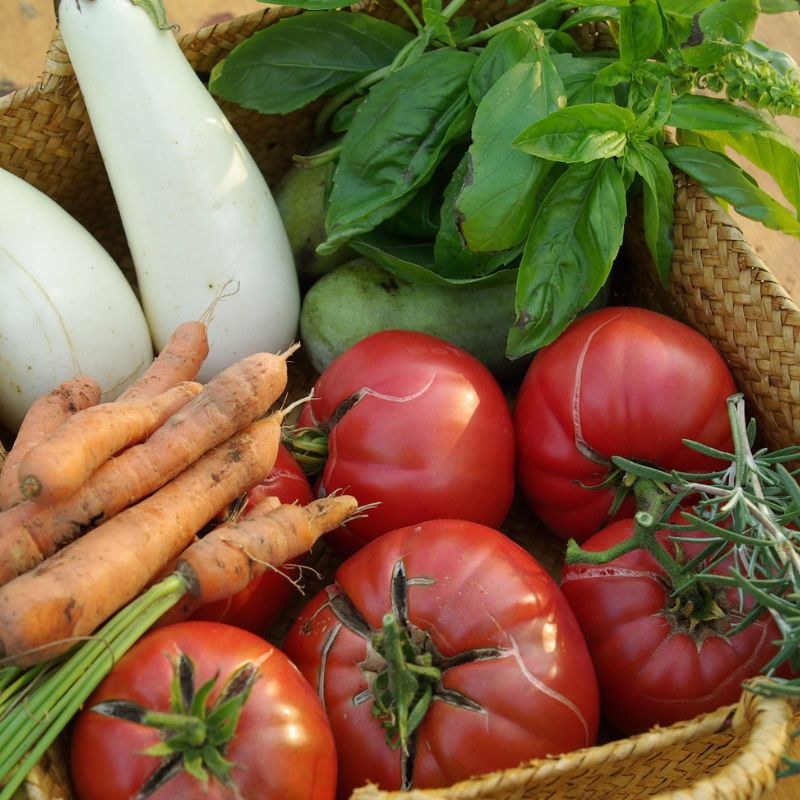
The health benefits of polyphenols have been the subject of extensive scientific research, particularly in the context of their antioxidant and anti-inflammatory properties. Long-term consumption of polyphenol-rich diets has been strongly associated with a reduced risk of several chronic conditions, including cardiovascular diseases, type 2 diabetes, certain cancers, osteoporosis, and neuro-degenerative disorders.
These compounds improve health by mitigating oxidative stress and inflammation, which are root causes of many chronic diseases. Moreover, polyphenols support brain health, enhance digestion, and contribute to metabolic balance.
Polyphenols play a crucial role in protecting plants against ultraviolet radiation and many kinds of fungal, bacterial, and viral diseases. (Pandey et al., 2009). This may give us a clue when it comes to them benefiting our health. Research indicates that polyphenol compounds offer substantial protection against the onset of various chronic conditions, including cardiovascular diseases, cancer, diabetes, infections, aging-related issues, and asthma (Pandey et al., 2009).
Due to their wide-ranging properties—anti-inflammatory, antioxidant, antibacterial, antifungal, anti-cancer, and anti-diabetic—polyphenols have gained significant scientific interest for their potential role in preventing conditions like obesity, cardiovascular disease, and cerebrovascular disorders (Oirdi et al., 2024).
Studies have shown that polyphenols are excellent antioxidants, capable of neutralising harmful reactive oxygen and nitrogen species, wastes generated as by-products of our body’s metabolic processes. It’s the unstable free radicals that can damage cells and accelerate aging and disease processes.
In addition to their protective role, these plant-based compounds influence various biological processes, including cellular repair (Li et al., 2014) and improving our immune responses (Ding et al., 2018).
Polyphenol-rich foods include many vitamins, and minerals that contribute significantly to our overall health and wellness. Regularly including polyphenol-rich foods in your diet is one of the simplest and most effective dietary simple ways to support our long-term health (Cory et al., 2018).
The presence of polyphenols in food contributes not only to health benefits but also to sensory qualities like taste and aroma. Polyphenols also play a role in supporting our gut microbiome, enhancing digestive health, deterring many pathogens and aiding nutrient absorption (Zhang et al., 2021).
Health Benefits of Polyphenol-Rich Foods
(Daglia 2011, Panche et al., 2016, Fraga 2019, Ullah et al., 2020).
Polyphenols Help You Live Longer

If you are interested in the best anti-ageing therapy, and in building a powerful foundational diet, the ultimate approach is by increasing your daily intake of health-promoting compounds like polyphenols. (Meccariello 2021)
You can achieve this easily by to increasing your fruit and vegetable consumption. Many people will have heard about the benefits of antioxidant rich foods, as well as the term anti-aging-foods (Ullah et al., 2020).
These are essentially polyphenol-rich foods. Research I’ve been studying appears to always favour getting your polyphenols from real food sources, as opposed to dietary supplements and functional food powders, regardless of quality. It’s also one of the reasons we grow most of our own fruit and vegetables.
Polyphenols Improve Our Gut Health
Polyphenols, like probiotics, play a vital role in promoting gut health and overall wellbeing. While their role in longevity has long been recognised, recent research highlights their profound impact on gut microbiota.
By fostering the growth of beneficial bacteria, polyphenols help maintain a balanced gut microbiome, essential for digestion, nutrient absorption, and overall health. Studies confirm a strong link between dietary polyphenols and improved gut flora (Singh 2019).
A polyphenol-rich diet is associated with extended lifespan. Research shows that individuals consuming higher amounts of polyphenols have lower mortality rates than those with minimal intake (Meccariello 2021). Additionally, polyphenols break down into molecules that directly support healthy gut microbes (Wang 2022).
Their gut benefits include:
Our Gut Bacteria Transform Polyphenols

Polyphenols have shown promising potential in the prevention and treatment of many diseases, with increasing scientific interest in their interactions with gut microbiota due to their impact on bio-availability and overall health.
Recent advancements in food science have deepened our molecular understanding of how polyphenols interact with our gut bacteria, shedding light on their powerful role in promoting our health. Despite this progress, challenges remain in fully understanding the polyphenol-gut relationship.
Most polyphenols in natural foods exist in bound forms that are not readily metabolised. To become bio-active, they must undergo transformation by gut microbiota in the colon, a process that is highly complex and reliant on microbial diversity (Zhang et al., 2021).
Research has also found the absorption of polyphenols present in food depends mostly on the activity of our intestinal microflora (Wiciński et al., 2020). Studies consistently highlight the essential role of gut microbiota in polyphenol digestion and metabolism, emphasising its central role in unlocking the health benefits of these compounds.
Dual Effect of Polyphenols on Gut Microbiota
Understanding the connection between dietary polyphenols, gut microbiota, and overall well-being sheds light on their essential role in maintaining a healthy gut. Research indicates that specific concentrations of polyphenols can help alleviate inflammatory bowel disease (IBD) and many other inflammatory conditions by enhancing gut microbiota health (Jamieson et al., 2023).
Polyphenols exhibit a two-fold benefit on our gut microbiome health:
Addressing Antibiotic Resistance
For decades, incorporating polyphenol-rich herbs and spices into diets has been emphasized for their antimicrobial properties. Scientific validation now underscores their effectiveness (Mandal et al., 2024).
Antibiotic resistance is a growing global health crisis exacerbated by the lack of new antibiotics. Polyphenols present a promising solution with potent antimicrobial and antibiofilm properties (Olszewska 2020).
Plant-based polyphenols, historically used in traditional medicine, are now recognised as key players in combating bacterial, fungal, and viral infections. Developing these natural alternatives is essential for addressing drug-resistant pathogens effectively.
Polyphenols Have Antimicrobial Properties
Let’s look a little more into the antimicrobial properties of polyphenols:
Anti-Biofilm Properties
4 Main Types of Polyphenols
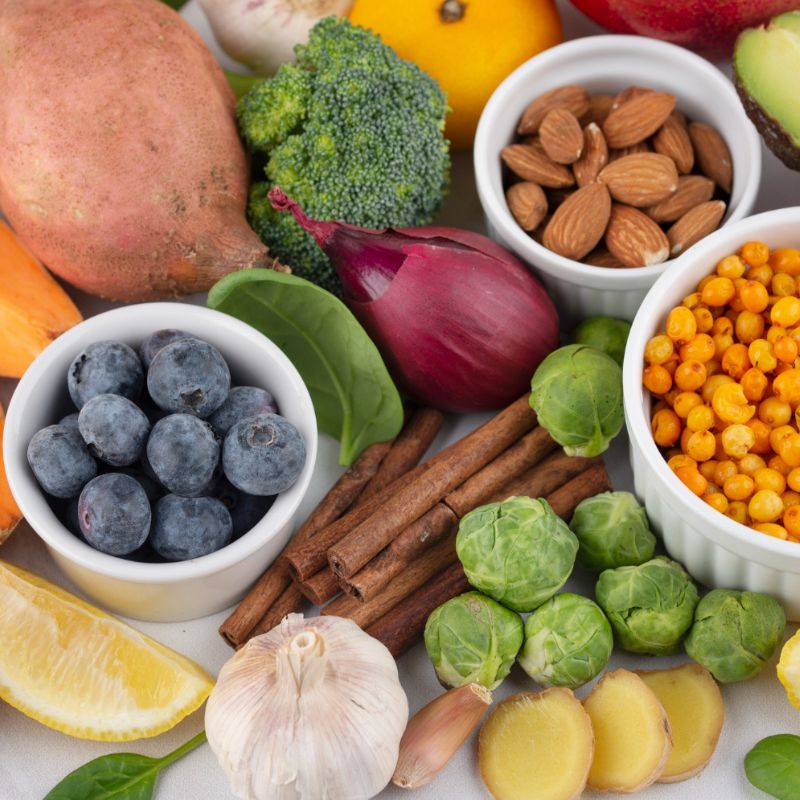
Polyphenols are a diverse group of over 8,000 compounds categorised into four primary types (Panday et al., 2009). Each group offers unique health benefits and is found in a variety of foods, making it essential to consume a wide range of these plant-based nutrients.
Polyphenols are abundant in colourful fruits, vegetables, cereals, legumes, and beverages. These are the foods we want to be eating, and the key foods that make up our Foundation Diet.
Fruits such as grapes, apples, pears, cherries, and berries are particularly rich sources, containing between 200–300 mg of polyphenols per 100 grams of fresh weight. Notably, products derived from these fruits, such as red wine and fruit juices, retain significant amounts of polyphenols.
A glass of red wine or a cup of tea or coffee typically contains about 100 mg of these beneficial compounds. Other notable sources include dark chocolate, green tea, blueberries, cereals, and dry legumes.
These compounds not only enhance the nutritional profile of foods but also contribute to their flavour, colour, bitterness, and astringency. The multitude of polyphenols with different structures, pathways, and physiological roles makes it challenging to classify them into types. The general consensus however is that there are 4 main groups of polyphenols.
Four Major Groups of Polyphenols
There are over five hundred different polyphenols, but they can be easily broken into four basic groups due to their structure. (Pandy 2009)
- Flavonoids: give many fruits and vegetables their amazing colour.
- Phenolic acids: coffee, cocoa beans, cherries, tea,
- Lignans: flax seeds, fruit, vegetables, seeds, legumes.
- Stilbenes: red wine, grapes.
Let’s first take a quick look at the polyphenol chart to see the different types, then discuss each of these four polyphenol groups individually, the flavonoids, and the non-flavonoid groups..
By the end you will know everything there is to know about polyphenols, the different types, the best high-polyphenol fruits and vegetables to eat, and what benefits you’ll gain by adding each of these four groups into your diet. Because it can get confusing, I’ll keep any nutritional biochemistry terms as simple as possible 🙂
Here is an image that displays all the main polyphenols, you may need to enlarge it if you are viewing on a mobile device:

1. Flavonoids
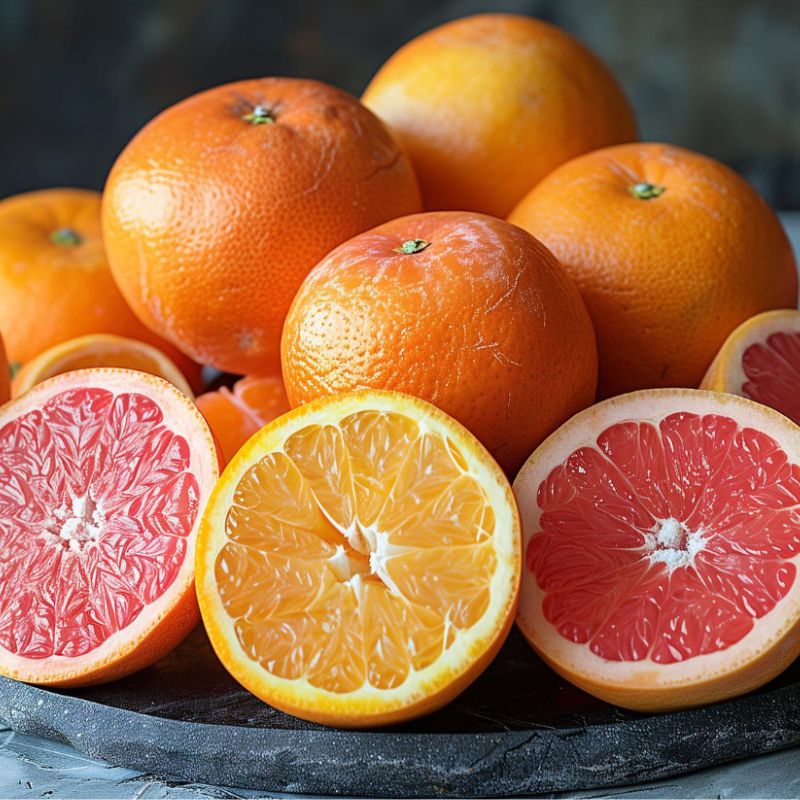
Flavonoids make up about 60% of all polyphenols and are widely recognised for their health-promoting properties, they are the most abundant polyphenols in our diet and share a common basic structure. Flavonoids are organic compounds produced by plants, categorised into several groups. While they do not directly support plant growth or development, they play crucial roles in the protection and defence, demonstrating anticancer, antimicrobial, insecticidal, and pharmacological properties.
Flavonoids have gained much attention for their potent antioxidant properties, especially quercetin, hesperidin, and rutin. Flavonoids are said to have anti-ageing properties: Combat cellular damage, mitigating signs of aging. They neutralise reactive oxygen species (ROS) and reduce oxidative stress, which is linked to conditions such as cancer, diabetes, cardiovascular disease (CVD), and several neuro-degenerative disorders. Studies highlight their role in preventing inflammation (Pietta 2000).
Their applications span both medicine (as therapeutic agents) and agriculture (as pesticides). Flavonoids aid plants in antimicrobial defence, UV light protection, insect feeding repellence.
Here are the 6 main types and the highest flavonoid-containing foods in their respective groups:
Flavonoid Health Benefits
Flavonoids exhibit antibacterial, antifungal, and antiviral properties, making them valuable in food safety, nutrition, and health. They inhibit microbial replication and infections. Studies show they can offer cardiovascular support, reduce platelet aggregation and improve lipid oxidation (reducing stroke risk) (Liu et al., 2024).
These class of polyphenols is particularly useful for conferring anti-diabetic activity: Regulate blood sugar and reduce oxidative stress-related diabetes complications (Yi et al., 2023).
Certain flavonoids like genistein and daidzein mimic steroid hormones, particularly estrogen, and show promise in treating chronic conditions like cancer, osteoporosis, and cardiovascular diseases. Clinical trials indicate their role in postmenopausal bone loss prevention and neuroprotection (Miadoková 2009).
Flavonoids like quercetin have anti-inflammatory effects, helping to inhibit early inflammation and enhance immune responses. Studies emphasise their role in reducing immune-related inflammation. (Pérez-Cano et al., 2016).
Recent research highlights the powerful anti-cancer properties of flavonoids. These natural compounds influence multiple anti-cancer mechanisms, such as gene regulation and carcinogen detoxification, through to the prevention of cancer initiation and progression (Kopustinskiene et al., 2020), (de Luna et al., 2023),
Flavonoids support brain health by addressing oxidative stress, inflammation, and metal accumulation, key factors in neurodegenerative diseases like Alzheimer’s (Minocha et al;., 2022). Compounds such as hesperidin and naringenin can cross the blood-brain barrier, holding potential as therapeutic agents.
Flavonoids hold promise for diverse applications in health and medicine, supported by their multi-functional properties and extensive research-backed benefits. Here are a few key points to note:
Key Points About Flavonoids
2. Phenolic Acids

Phenolic acids are a key group of non-flavonoid polyphenol compounds found in plants. This group accounts for approximately 30% of all polyphenols in the average person’s diet, and is the second largest group of polyphenolic compounds. Phenolic acids are among the simplest of polyphenols.
Phenolic acids exist in plants in their free state and also in an insoluble (or bound) state. Their bio-availability varies depending on their form (Cosme et al., 2020)
They are widely distributed across food groups, contributing to flavour, and tartness, and confer many health benefits. Phenolic acids are abundant in various food groups such as cereals, legumes, oil seeds, fruits, vegetables, beverages, herbs and spices.
- Free Phenolic Acids: Found in fruits and vegetables. More easily bio-available.
- Bound Phenolic Acids: found in grains and seeds, mainly in the bran or hull; require good enzyme levels (good digestion) to become bioavailable.
Phenolic Acid Health Benefits
The health benefits of phenolic acids stem from their potent antioxidant properties and their ability to positively influence immune function by the way white blood cells communicate, “cell signalling pathways” (Pandy et al., 2009). They play a role in reducing disease risks, such as cardiovascular conditions and chronic inflammation (Lutz et al., 2019), (Rahman et al., 2021).
Research is finding phenolic acids present a wide range of potential therapeutic effects useful in the treatments of cancer, diabetes, lung, and cardiovascular diseases, as well as liver, nervous system, and ultra-violet light protective effects in addition to their antimicrobial and anti-inflammatory activities.
Benzoic acid is commonly supplemented as antibacterial and antifungal preservative or tart/sour flavouring agent (del Olmo et al., 2017).
Phenolic acids are classified into two types: the first is the derivative of benzoic acid, including gallic acid, and the second comprises the derivatives of cinnamic acid, including caffeic acid (mostly in coffee), coumaric acid, tannins, and ferulic acid (found in cereals). (Dai et al., 2010).
Benzoic Acid
Benzoic acid (and its derivative hydroxybenzoic acid) is a phenolic acid naturally occurring in various foods, primarily fruits, spices, and some fermented products. It is commonly added as a preservative to processed foods such as sodas, pickles, sauces, and baked goods. Its inclusion is regulated for safety, typically at levels below 0.1% of the product.
Rich natural sources of benzoic acid are strawberries (up to 29 mg/kg), cayenne pepper and mustard seeds (up to 10 mg/kg), cloves, salvia, thyme and nutmeg (up to 50 mg/kg) and cinnamon (up to 335 mg/kg) (del Olmo et al., 2017)
Here are other good sources of benzoic acid:
Cinnamic Acid
Cinnamic acid (and its derivative hydroxycinnamic acid) is also phenolic acid naturally occurring in various foods, but tends to occur more commonly tham benzoic acid in a person’s diet.
The four cinnamic acids are chlorogenic acid, coumaric acid, caffeic acid, and ferulic acids. Processing methods like freezing, sterilisation, and fermentation have been found to increase the presence of free hydroxycinnamic acids (Adisakwattana 2017).
This phenolic acid acids is very prevalent in plant-based foods, with caffeic acid being the most abundant, comprising over 75% of cinnamic acids in fruits like plums, apples, apricots, blueberries, kiwi fruit , cherries and tomatoes. (Lafay et al., 2007).
Chlorogenic acid is widely found in apples, apricots, berries, peaches, pears, plums, avocados, and carrots. It is also found in tea and coffee, with coffee being a rich source (50-200 mg/mL in brews).
In contrast, coumaric acid is the main cinnamic acid in citrus fruits and pineapple. Ferulic acid is present in cereal grains (e.g., barley, rice, oats), apples, and oranges; supports skin health and reduces inflammation.
Here are good sources of cinnamic acid (Sova et al., 2020):
Key Points About Phenolic Acids
3. Lignans

Lignans are bioactive, plant-derived phenolic compounds. Research highlights their potential to prevent chronic diseases, particularly cardiovascular conditions and different types of cancer. Lignans may reduce the risk of breast cancer in post-menopausal women and colon cancer (Touillaud et al., 2007).
Whole-grain-based diets with lignans show promise in preventing diabetes and other lifestyle-related diseases.
They are found most abundantly in flaxseeds and sesame seeds, though smaller amounts occur in whole grains, nuts, legumes, fruits, and vegetables (Rodríguez-García et al., 2019).
Lignans are metabolised by our gut bacteria into enterolignans, natural compounds which exhibit estrogenic and other biochemical activities. These properties can help reduce the risk of heart disease and other chronic illnesses (Petersen et al., 2010).
Some of the most common dietary lignans include sesamin and sesamolin found in sesame seeds and syringaresinol in grains. These compounds are chemically distinct but share similarities with dietary fibre, particularly lignin, although lignans themselves are not classified as a source of fibre.
Notably, animal foods contain virtually no lignans except trace amounts of enterolignans formed by microbial metabolism in animals. Western diets typically provide a very low lignan intakes, averaging under 1 mg per day (Petersen et al., 2010). Regular consumption of lignan-containing foods can raise our exposure to these beneficial compounds.
Processing and storage minimally impact lignan content, especially in flaxseeds and sesame seeds, making them stable and reliable sources. Here are key points to know about lignans:
High Food Sources of Lignans
Lignans and the Mediterranean Diet
The Mediterranean diet, with its plant-centric approach and reliance on EVOO (extra-virgin olive oil) is a major source of lignans (Jiménez-Sánchez et al., 2022).
Key Mediterranean diet components include:
Key Points About Lignans
Lignans are a cornerstone of plant-based diets, particularly in the Mediterranean context, offering protective benefits against chronic illnesses. For optimal health, incorporating lignan-rich foods—like flaxseeds, linseeds, EVOO, whole grains, and vegetables—is a practical and effective strategy.
4. Stilbenes

Stilbenes, also known as phytoalexins, are a group of polyphenolic compounds produced by plants as part of their defense mechanism against stressors such as infections and UV damage. (Mendonça et al., 2024).
Resveratrol: The Stilbene Star
Resveratrol is the most extensively studied stilbene, valued for its therapeutic properties. Resveratrol is linked to the “French paradox,” potentially explaining the low incidence of cardiovascular disease among populations consuming a diet high in saturated fat and red wine.
This powerful stilbene works by protecting the heart, improving cholesterol profiles, and reducing oxidative stress. It is mainly found primarily in grape skins, peanuts, blueberries, mulberries, and red wine, this compound offers diverse health benefits:
Anticancer – Stilbenes exhibit chemo-preventative properties by modulating immune signalling pathways that regulate cell growth and apoptosis (programmed cell death). These mechanisms help prevent cancer development and inhibit the proliferation of cancer cells and tumor growth, as demonstrated in both in vitro and animal studies.
Antifungal – Resveratrol, a phytoalexin produced by plants to defend against fungal infections, demonstrates significant antifungal effects in humans. It can inhibit the growth of up to 16 types of fungi, making it effective for addressing conditions like Candida overgrowth and other fungal infections (Mattio et a., 2021).
Anti-inflammatory – Polyphenol compounds help regulate complex inflammatory pathways, reducing the overproduction of cytokines and other inflammatory markers. Their anti-inflammatory properties are instrumental in alleviating symptoms associated with arthritis, cardiovascular disorders, inflammatory bowel disease (IBD), and various other chronic inflammatory conditions.
Antimicrobial – Stilbenes exhibit broad-spectrum antimicrobial activity, targeting bacteria, viruses, and fungi. These compounds maintain gut microbiota balance by selectively targeting harmful microbes while preserving beneficial bacteria.
Antioxidant – Stilbenes possess strong antioxidant activity, helping combat oxidative stress and inflammation. Resveratrol, a well-known stilbene, activates SIRT1, a protein linked to enhanced cellular repair and longevity. By preserving DNA integrity and cellular function, stilbenes reduce the risk of age-related diseases such as cancer and neurodegenerative disorders. Additionally, they support healthier aging and may slow the aging process.
Cognitive and Neuro Support – Stilbenes provide cognitive support and neuroprotective benefits by reducing inflammation and oxidative stress in the brain. These effects help manage conditions such as Alzheimer’s and Parkinson’s diseases. Stilbenes also promote healthy blood flow to the brain and safeguard nerve cells from damage.
Heart Health – Resveratrol contributes to improved cardiovascular health by lowering blood pressure, preventing platelet aggregation, and enhancing cholesterol profiles. Regular consumption of stilbene-rich foods is linked to a reduced risk of heart attacks and strokes (Al-Khayri et al., 2023).
Type 2 Diabetes Management – Stilbenes enhance insulin sensitivity and reduce blood glucose levels, making them a promising natural approach for managing Type 2 diabetes.
Key Points About Stilbenes
By making stilbenes to defend themselves, plants ensure their survival and also provide us with powerful therapeutic agents. Whether through dietary consumption or medical application, stilbenes like resveratrol continue to gain recognition for their remarkable health benefits. Consider them powerful antifungals as well.
How To Incorporate Polyphenol-Rich Foods Into Your Diet

Let’s talk about how you can incorporate more of these foods into your diet. Including polyphenol-rich foods in your daily meals is an easy and effective way to reap their many health benefits.
By choosing a variety of colourful, minimally processed plant-based foods, you can enjoy their protective properties while savouring their natural flavours.
By regularly incorporating a variety of these foods, you can:
Occurrence and Content of Polyphenols In Foods

Polyphenols are distributed unevenly in plants, with insoluble phenolics primarily in cell walls and soluble phenolics located in plant cell vacuoles. Some, like quercetin, are ubiquitous in fruits, vegetables, cereals, teas, and wines, while others, such as flavanones and isoflavones, are limited to specific foods.
Typically, polyphenols exist as complex mixtures within foods, but you’ll find higher concentrations of polyphenols in the outer layers of plants compared to their inner parts. These are often the darker and more mature parts of the plant, like the outer leaves.
Factors Affecting Polyphenol Content
Different factors influence the amount and types of polyphenols in foods, for example:
Effects of Storage and Processing
Storage and processing can greatly alter polyphenol levels:
By understanding these factors, you can better preserve the polyphenol content in your diet.
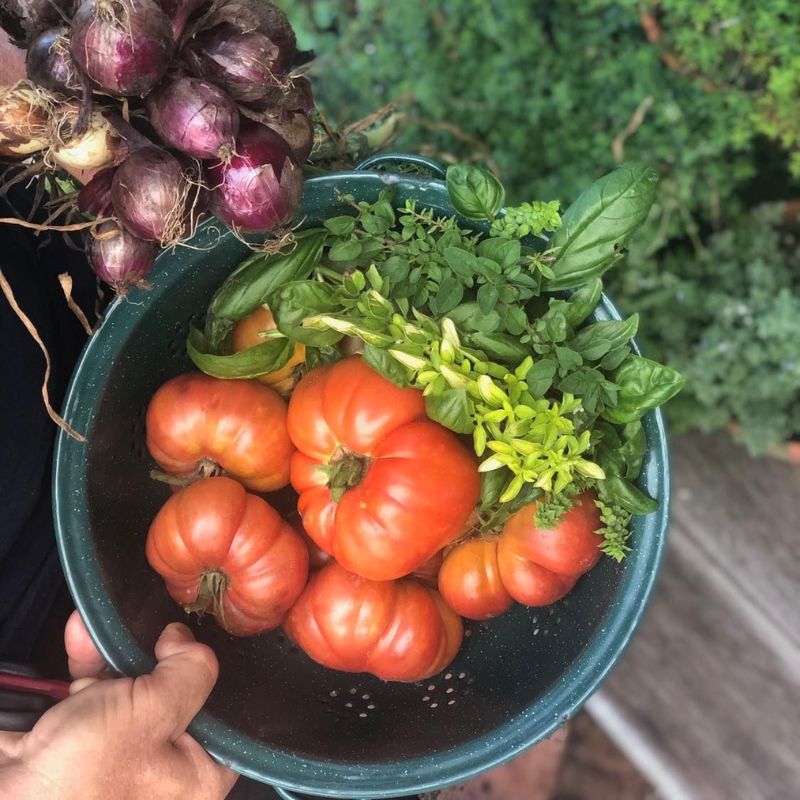
How Different Factors Affect Polyphenol Content in Food
The polyphenol content in food is influenced by various factors, such as plant growth conditions, ripeness, storage, and cooking methods.
Growing our own fruits and vegetables offers the advantage of controlling these factors to ensure optimal quality.
By managing feeding, watering, and harvest timing, we can maximise the nutrient and polyphenol content of our produce.
Additionally, it allows us to enjoy meals made with vegetables harvested just minutes before preparation, avoiding the uncertainties of store-bought produce grown under unknown commercial conditions, often involving pesticides, herbicides, weedicides, and artificial fertilisers.
Here’s a breakdown of how these factors can affect levels:
Growing Conditions
Storage Conditions
Cooking Methods
Other Strategies To Maximise Polyphenol Consumption
Here are other strategies to maximise polyphenol intake from your diet 🙂
By being mindful of these practices, you can maintain a diet rich in polyphenols and reap their numerous health benefits.
Foods With High Polyphenol Levels
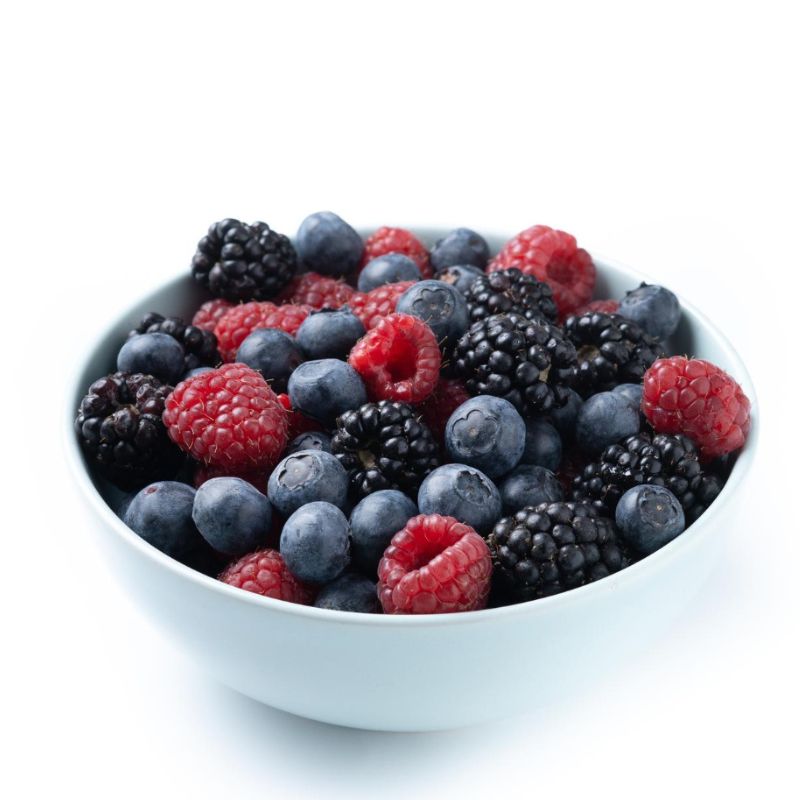
Polyphenols are widely distributed in plant-based foods, making fruits, vegetables, and beverages the most common sources. Fruits such as berries, apples, cherries, and grapes are especially rich in anthocyanins and flavonoids, which contribute to their vibrant colours and antioxidant properties.
Vegetables like spinach, onions, and broccoli also provide significant amounts of these compounds, offering various health benefits.
Additionally, beverages like tea, coffee, and red wine are celebrated for their high polyphenol content, delivering catechins, phenolic acids, and resveratrol, which support heart and brain health.
Nuts, seeds, and legumes, such as almonds, walnuts, and lentils, also contain substantial amounts of polyphenols. Dark chocolate, derived from cocoa, is another potent source, packed with flavonoids known for promoting cardiovascular and cognitive health.
The polyphenol content in these foods can vary based on factors like growing conditions, ripeness, and preparation methods, emphasising the importance of consuming a variety of plant-based foods to maximise their health benefits.
Here’s my expanded alphabetical list of polyphenol-rich foods to help you incorporate these beneficial compounds into your diet 🙂
The Top Food and Drink Sources of Polyphenols
There are some more nutrient-dense sources of polyphenols than others, here are the top sources:
The following foods have some of the very highest polyphenol content per serve (Opara 2014):
Summary of Polyphenol-Rich Foods

Polyphenols, plant-based compounds known for their health benefits, not only give fruits and vegetables their vibrant colours but also offer powerful antioxidant and anti-inflammatory properties.
Ideally, they form the basis of our fruit and vegetable consumption. Check out the Foundation diet, it’s my version of the Mediterranean diet.
Here’s a recap of some of the highest polyphenol-containing foods:
My personal favourites are berries, red wine, raw cacao beans, dark tea, coffee, onions, heirloom tomatoes, and eggplants. These foods are delicious and a simple way to boost health and longevity, I grow all these foods as much as I can.
To maximise polyphenol intake, include a diverse array of colourful, plant-based foods in your diet. A mix of fruits, vegetables, nuts, seeds, tea, and dark chocolate ensures a broad spectrum of these powerful compounds.
Eric’s Pro Tips for Maximising Polyphenols
While polyphenols have shown encouraging antimicrobial and anti-biofilm qualities in studies, it is important to remember their usefulness in real-world applications can vary based on the type of polyphenol, how much you consume, and the particular type of pathogen involved.
However, research is certainly pointing out that we could all likely benefit from eating more high-polyphenol foods when you look at the benefits
By following these tips, you can make the most of polyphenol-rich foods and enjoy their powerful health benefits every day. We hope you enjoyed our polyphenol blog post. Please leave a comment and let us know your views!

Eric Bakker N.D.
Greetings! I am a naturopathic physician from New Zealand. Although I’ve retired from clinical practice since 2019 after 34 years of clinic. I remain passionate about helping people improve their lives. You’ll find I’m active online with a focus on natural health and wellbeing education through my Facebook page, Reddit page and YouTube channel, including this website.


