
Why Sumac Is a Gut-Healing Star
A tangy, anti-inflammatory dish that supports digestion, gut flora, and immune health.
Sumac isn’t just a colourful and citrusy spice—it’s a nutritional powerhouse with potent anti-inflammatory, antimicrobial, and antioxidant benefits. Derived from dried berries of the Rhus plant, sumac has been traditionally used in Middle Eastern medicine to soothe digestive issues, combat infections, and regulate blood sugar. Its tart, lemony notes come from naturally occurring polyphenols and organic acids, which also happen to inhibit the growth of harmful bacteria in the gut.
Sumac is Antimicrobial Against Candida
But here’s where it gets exciting for gut health: sumac contains tannins and flavonoids that may help modulate gut microbiota, reduce bloating, and ease symptoms of indigestion or dysbiosis. In fact, sumac has shown antimicrobial activity against Candida species, making it especially relevant for those with imbalanced flora. Its high antioxidant load also supports the intestinal lining and can help reduce oxidative stress in conditions like IBS or SIBO.
In this recipe, we pair sumac with Greek yogurt (rich in probiotics), bitter greens like kale, and fibre-packed cabbage—ingredients that work together to calm inflammation, enhance motility, and build a resilient digestive system.
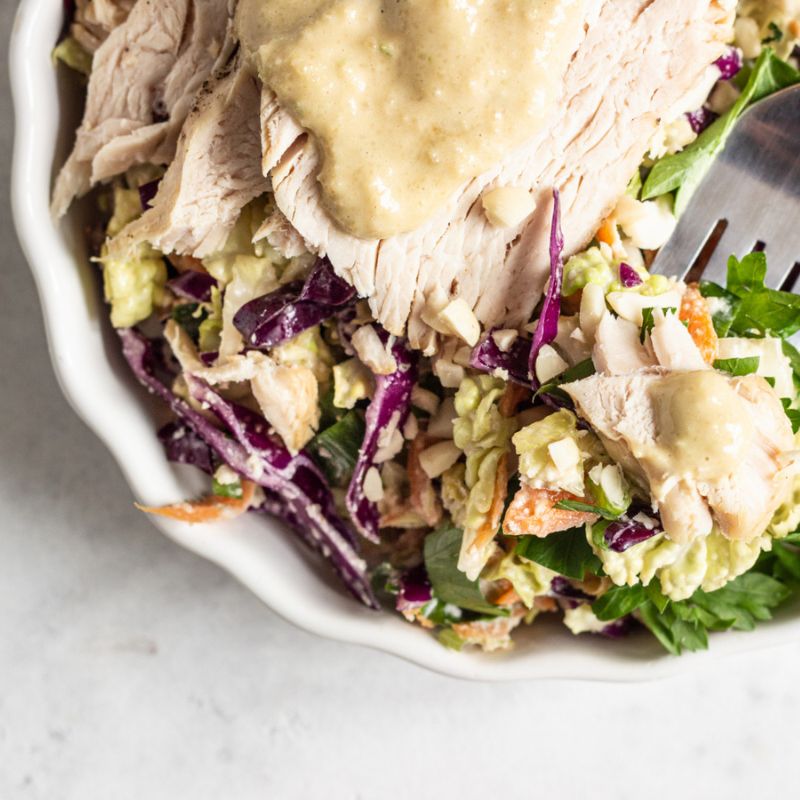
Sumac Chicken Salad with Tasty Yogurt Sauce
Ingredients
- 1 lb boneless chicken skinless chicken breasts (2 chicken breasts
- 2 tsp sumac
- 1 tbsp extra-virgin olive oil
- 1 tbsp extra-virgin olive oil (extra)
- 1 tbsp extra-virgin olive oil (2nd-extra)
- Sea salt and pepper to taste
- 1 small eggplant and cut into 3/4 inch slices
- 1 tsp ground cumin
- 1 small bunch of fresh kale tear into bite sized pieces
- 1.5 cups shredded purple cabbage
- 1 small red onion slice thinly
- 2 tbsp apple cider vinegar
- Sauce
- 1 tbsp Sumac
- 1 clove of finely chopped garlic
- 1 lemon juiced
- ½ tsp sea salt
- ½ tsp freshly ground pepper
- ½ cup Greek yogurt
Step-by-Step Instructions
- Prepare Salad
- Preheat oven to 425 F, line a baking sheet with baking (aka parchment) paper.
- Place prepared chicken on baking sheet.1 lb boneless chicken
- Combine sumac and 1 tbsp oil in a small bowl, brush over chicken. Sprinkle with pepper and salt to taste.2 tsp sumac, 1 tbsp extra-virgin olive oil, Sea salt and pepper to taste
- Bake for 10 minutes.
- Mix eggplant with cumin, 1 tbsp oil, salt and pepper. Add to the other half of the baking sheet.1 tbsp extra-virgin olive oil (extra), 1 small eggplant and cut into 3/4 inch slices, 1 tsp ground cumin, Sea salt and pepper to taste
- Place in over again, bake for a further 20 – 25 minutes until eggplant is a little browned and chicken is cooked through.
- Add the kale into a bowl along with the cabbage, and massage well with the remaining 1 tbsp of olive oil.1 tbsp extra-virgin olive oil (2nd-extra), 1.5 cups shredded purple cabbage, 1 small bunch of fresh kale
- Place in again, turn the oven off. Leave for 5 minutes.
- Remove from the oven, let cool for 20 – 30 minutes.
- Now add the red onion slices and vinegar and mix well.1 small red onion slice thinly, 2 tbsp apple cider vinegar
- Prepare Sauce
- Combine al the sauce ingredients into a small bowl, except the yogurt.1 tbsp Sumac, 1 clove of finely chopped garlic, 1 lemon juiced, 1/2 tsp sea salt, 1/2 tsp freshly ground pepper
- Set aside for 5-10 minutes to rest. Then stir into yogurt.1/2 cup Greek yogurt
- When ready to serve into portions, divide the kale and cabbage among bowls. Top with sliced eggplant, chicken, and yogurt sauce.
Key Gut Health Benefits of Sumac Chicken Salad

Eric Bakker N.D.
Greetings! I am a naturopathic physician from New Zealand. Although I’ve retired from clinical practice since 2019 after 34 years of clinic. I remain passionate about helping people improve their lives. You’ll find I’m active online with a focus on natural health and wellbeing education through my Facebook page, Reddit page and YouTube channel, including this website.