
Candida Die-Off Symptoms

Effects Of Candida Die Off
Beginning a Candida cleanse, SIBO treatment, or any dietary regimen aimed at overcoming microbial overgrowth can be a challenging and daunting journey for some. Candida die-off symptoms, sometimes called a Candida Herxheimer reaction, can occur when large numbers of yeast cells break down during treatment causing Candida detox symptoms.
The Candida cleanse process becomes even more complex due to a phenomenon known as “die-off.” I’ve found the term itself often sparks anxiety, as it is frequently associated with extreme symptoms and severe discomfort. However, in reality, die-off reactions are often exaggerated and not as debilitating as they are sometimes portrayed.
While some people may experience temporary Candida die off symptoms like mild fatigue, headaches, or brain fog, extreme reactions are not the norm. Many people undergoing a Candida cleanse may not encounter die-off symptoms at all, while others might experience only mild discomfort. Understanding the nature of die-off is essential because misconceptions surrounding it can cause unnecessary fear. Some people may even mistake other underlying issues for die-off, leading them to abandon their treatment plan prematurely.
The Reality Behind Die-Off Symptoms
Die-off, also known as the Jarisch-Herxheimer Reaction, occurs when large amounts of harmful microbes, such as Candida, bacteria, or parasites, die off rapidly. This sudden microbial die-off releases toxins into the bloodstream, temporarily overwhelming the body’s detoxification pathways.
Candida die off symptoms can vary widely, with some people experiencing mild discomfort and others facing more noticeable reactions. However, severe, prolonged symptoms are often misattributed to die-off when they may, in fact, indicate another underlying issue.
A common mistake some people make is assuming that worsening symptoms automatically mean the “treatment is working”. While some degree of discomfort is normal, extreme fatigue, brain fog, or flu-like symptoms should not be ignored. In many cases, symptoms that seem like die-off might actually signal an underlying infection, a gut imbalance, or even a poor dietary approach. Instead of pushing through blindly, it’s crucial to assess what’s really happening in the body.
Not everyone will experience die-off symptoms, but if you’re curious about what causes them — and whether you personally will — I’ve explained that in more detail in this deeper dive on the causes of Candida die-off.

The Origins of the Jarisch-Herxheimer Reaction
The term Jarisch-Herxheimer Reaction (JHR) was first identified by Austrian dermatologist Adolf Jarisch in the late 1800s and later expanded upon by German dermatologist Karl Herxheimer in the early 1900s.
These doctors observed that patients being treated for syphilis often experienced a temporary worsening of symptoms after taking medications designed to kill the bacteria.
When large populations of micro-organisms die rapidly, they release endotoxins and inflammatory compounds into the bloodstream. The immune system responds by triggering an inflammatory cascade, affecting different parts of the body, including the brain, liver, kidneys, joints, and skin (Dhakal et al., 2023).
This temporary state of heightened inflammation is what leads to common die-off symptoms such as headaches, fatigue, muscle pain, and flu-like discomfort (Chen et al., 2017). However, the reaction typically subsides within 24 to 48 hours as the body clears the toxins.
Candida Die-Off Articles of Interest
A Temporary Immune Response

Research has described the Herxheimer Reaction as a transient immune response that occurs within 24 hours of starting antimicrobial therapy. Treatments involving antibiotic or antifungal drugs, including Lyme disease, can bring about a Herxheimer reaction (Maloy et al., 1998).
In syphilis patients, Dr. Jarisch documented symptoms such as fever, chills, tiredness, exhaustion, muscle soreness, and worsening lesions (McKenzie et al., 2021). Similar reactions have been observed in people treating Lyme disease, fungal infections, and bacterial overgrowths (Butler 2017)..
Certain infections, including leptospirosis, tick-borne relapsing fever, and louse-borne relapsing fever, have also been associated with Herxheimer reactions.
In these cases, symptoms such as headache, fever, chills, sweating, low blood pressure, and fatigue may appear shortly after beginning antibiotic or antifungal treatments. These effects are temporary and usually subside without medical intervention.
Understanding the difference between true die-off reactions and other potential issues is key to navigating a Candida cleanse or gut-healing protocol effectively. Instead of fearing die-off, it is better to focus on supporting the body’s detoxification processes through proper hydration, a nutrient-rich diet, and a gradual approach to treatment.
Die-off reactions only happen when your body starts clearing an overgrowth. So, if you’re not sure whether you’re dealing with it in the first place, here’s how to recognise the signs of Candida overgrowth.
Herx reactions are characterised by three temporary occurrences:
Die Off Reactions

Die-off is referred to technically-speaking, as a Herxheimer reaction, Jarisch-Herxheimer, or; more commonly referred to with terms such as “Herx”, “die-off” or “flare-up”
The Herxheimer reaction is more likely to happen when antibiotics or antifungal drugs are used because they kill a lot of microorganisms simultaneously. Herx reactions are sometimes incorrectly believed to be an “allergic response” to antibiotics. (Dhakal et al., 2023)
Will Herxheimer Reactions Affect Everyone Undergoing Treatment?
Not everyone undergoing treatment for Candida, SIBO, or IBS will experience a die-off reaction. Individual responses vary due to unique sensitivities and treatment conditions.
Candida Die Off Symptoms
When undergoing treatment for Candida overgrowth, many people experience what is known as a “die-off” reaction, or Herxheimer reaction. This occurs when the Candida yeast cells die rapidly and release toxins into the body, which can lead to a range of symptoms.
Effects Of Candida Die Off
Here are the most common signs and symptoms of die-off reactions, organised into categories for clarity.
Cognitive and Emotional Symptoms
Digestive Symptoms
Skin and Allergic Reactions
Infections and Immune Responses
Respiratory and Ear, Nose and Throat Symptoms
Musculoskeletal Symptoms
General Physical Symptoms
Brain Fog Skin Reactions Are Common 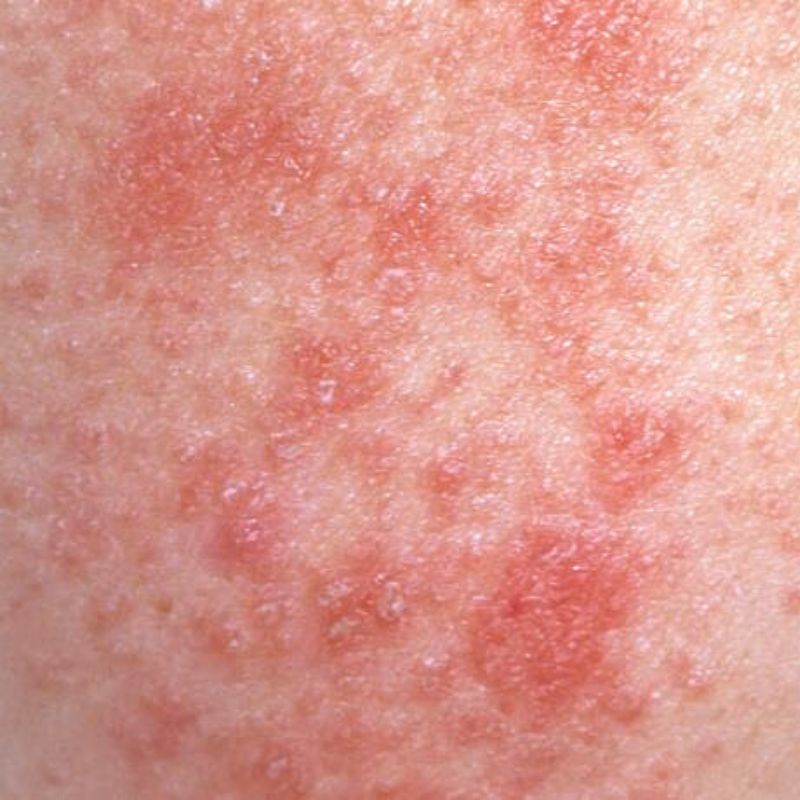
Die-Off Skin Reaction 
Inflammatory Responses 
Poor Immunity – Mouth Ulcers 
Digestive Issues – Bloating 
Poor Immunity – Fatigue 
Sweating and Fever 
Insomnia 
Changes in Bowel Habit 
Anxiety and Irritability 
Sinus Infection or Stuffy Nose
Candida Die Off Symptoms Thrush

When in the flare-up stage, a person will likely experience an exacerbation of their vaginal thrush symptoms. Regardless of symptoms, some will intensify, with certain symptoms flaring up more than others. Vaginal yeast infections typically cause redness, soreness, vaginal itching, swelling around the vaginal opening, burning during urination, and in some cases pain during vaginal sex (dyspareunia)
Candida Die Off Smell
Yes, there can be a distinct smell associated with Candida die-off, often described as unpleasant or unusual. When Candida dies, it releases mycotoxins such as acetaldehyde, ammonia, and other byproducts into the body. These toxins can temporarily overwhelm the detoxification systems, causing various symptoms, including body odor or a noticeable change in breath or sweat.
The Candida die-off smell may manifest in several ways:
How to Minimise Die-Off Smell
While die-off smells are usually temporary and harmless, persistent or foul odours could also indicate other health issues. If you’re concerned or the smell is accompanied by severe symptoms, consulting a healthcare professional is advised.
How Long Does Die-Off Last?
Candida die-off symptoms typically begin shortly after starting treatment for the infection, often within 1–2 hours. Initially mild, the symptoms may intensify over the next few days. Fortunately, this is a temporary phase, not a chronic illness or a new infection.
The Die-Off Inflammatory Response
Most people find that symptoms resolve on their own after a short period. While the duration can vary depending on the individual and the severity of the infection, die-off symptoms generally subside within a few days to a week. Staying hydrated, getting plenty of rest, and supporting your body with a healthy diet can help alleviate discomfort and speed up recovery.
The inflammatory response from Candida die-off can range from mild and localised to widespread, affecting various parts of the body, including the brain, organs, and skin. Severe die-off symptoms often slow recovery as people may discontinue effective treatment prematurely.
This inflammatory response can exacerbate existing symptoms or cause new ones to appear, leading some to abandon treatment, mistakenly thinking they are worsening. While the Herxheimer response is rarely fatal, it can cause significant pain, discomfort, and a worsening of symptoms. The severity of the inflammatory response is often reflected in the intensity of the symptoms.
Want to minimise the intensity of die-off? A smart approach is to plan your Candida cleanse properly — instead of jumping in cold.
What Causes Candida Die Off?
When large amounts of microorganisms like yeast and bacteria die, they release endotoxins. The interaction between these endotoxins and the immune system triggers die-off. Inflammation can escalate quickly, sometimes within hours, if too many endotoxins are released simultaneously.
Here is a list with the most common causes on die off:
Big Change For Gut Microbiome
When patients transition from a highly-processed diet to a whole-foods diet, especially after quitting long-term pharmaceutical drugs, their gut microbiome undergoes significant changes.
Naturopaths often see this when patients start natural antifungal and probiotic treatments. Consequently, patients may experience dramatic shifts in their microbiome, particularly if they quit alcohol, even for as little as three weeks.


How To Quickly Experience Die-Off
Here are the most common ways I’ve know some patients experience severe die-off. Below (the red icons) are the simplest methods and sure-fire ways to quickly develop die-off, especially if you incorporate several of these points simultaneously into your lifestyle at once.
It’s almost inevitable that you’ll feel terrible during a die-off, and in most cases it’s likely an unnecessary experience—one that could have been avoided. I wouldn’t recommend pushing through these symptoms, or making quick changes, especially if you’re dealing with chronic Candida. The more severe your condition, the more cautious you should be in the initial weeks of treatment.
In summary, when embarking on any cleansing program, take your time and avoid rushing. Being patient and gentle with your body is key to effective and sustainable healing. It’s good advice from somebody who has seen a lot of unnecessary die-off.

Be Patient And Take Your Time With Treatment
Patients with chronic conditions often make multiple significant changes simultaneously, such as altering diet, lifestyle, employment, and living environment. Many abruptly stop pharmaceutical prescriptions to “go natural,” a common trend in our clinic.
As a result, patients frequently experience symptom aggravation once treatment begins due to these simultaneous changes. Treatment aggravations are familiar to chiropractors and natural healthcare professionals, who understand them as a normal part of effective therapy. These can range from mild and subtle to severe, causing pain and discomfort. It’s important to remember that these symptoms are temporary and will soon pass, leading to notable improvement.
While not advisable, it’s not that difficult to induce die-off symptoms, ranging from mild to severe. Here are some methods that can quickly trigger die-off reactions:
These actions can make us feel terrible and are usually unnecessary and preventable. When starting any cleansing program, take your time and avoid rushing the process.
Food Withdrawal
The second most common scenario commonly associated with die off reactions includes the withdrawal of a certain food from the diet to which one may be allergic or intolerant, within the context of a Candida cleanse or detox program.
Die Off and Leaky Gut

Research has discovered that a dysbiotic microbiota compromises our gut barrier, leading to the flooding of our body’s bloodstream with molecules like food antigens and our gut microbiota with endotoxins (from antibiotics). These can negatively impact our immune system and metabolism. (Maciel-Fiuza et al., 2023)
It is these two main kinds of chemical reactions that occur inside our gut as a consequence that can cause uncomfortable Candida die-off effects, and this means that any symptoms you may be experiencing as a result of Candida overgrowth or SIBO, IBS, IBD may get worse before they improve, and for several different reasons.
Managing Toxic Load During Candida Die-Off
Our body’s toxic load can become overwhelmed by metabolites from fungal and bacterial toxins interacting with our immune system. This triggers detoxification pathways in the liver, kidneys, and other organs, leading to symptoms like fever, fatigue, headaches, brain fog, digestive issues, rashes, cognitive dysfunction, and mood swings—known as a Herxheimer response or die-off.
If your Candida overgrowth or gut dysbiosis (SIBO) is severe or chronic, carefully consider starting any pharmaceutical antibiotic (for bacteria) or antifungal (for yeast) treatment. Let’s briefly explore both treatments and their associated die-off symptoms.
Endotoxins And Mycotoxins
Endotoxins and mycotoxins release into our bloodstream as well as into the gut. Providing our gut microbiota is healthy and balanced, and toxin levels are within a range our body’s elimination organs can deal with, our immune response will be able to cope.
In such cases, you will find die off symptoms to be minimal, and quite manageable with rest and water. This is what occurs in many cases of mild to moderate Candida yeast infection.
I’ve seen it commonly also in cases when a patient only took one or two doses of an antifungal, reacted to the medicine, and then stopped before taking further doses. Check out our comprehensive article about Mycotoxins here.
However, it is the act of killing too many microorganisms too rapidly that can lead to a large influx of endotoxins, overwhelming our immune responses and making these poisons more harmful to our immune system and body.
This is what happens when a person has a high Candida or bacterial load, and either the dose was too high or the treatment too prolonged, and it’s a common scenario we have seen time and again in our clinic.
Acetaldehyde Toxicity
What does alcohol have to do with acetaldehyde, and more particularly, with Candida albicans? The symptoms of having consumed too much alcohol and Candida overgrowth are similar in some respects. A chemical called acetaldehyde connects these two seemingly entirely unrelated conditions. Check out our comprehensive article about Acetaldehyde Toxicity here.

Antifungal Drugs Linked With Many Side Effects
Patients who visited our clinic often received multiple rounds or courses of antifungal drugs, particularly fluconazole, to control and stop the development of a Candida yeast infection.
A recent study reported that most cases of mild to moderate drug intoxications were associated with commonly prescribed azole antifungal drugs, such as fluconazole (Burden et al., 2022)
Antifungal drugs often kill Candida cells too quickly in the body, prompting the body to create toxins like candidalysin, throwing the body’s immune cells into over drive. Candida is known to create many kinds of powerful mycotoxins under such circumstances.
There is no point in taking any antifungal drug repeatedly due to the high risk of antifungal drug resistance. (Arastehfar et al., 2020) Some of the worst die off cases we’ve seen in our clinic were chronic cases in which the patient had been on azole drugs repeatedly, sometimes for months, even years.
Candida Die Off Symptoms of Thrush

I’ve often found clinically when treating thrush—whether oral, genital, or systemic—it’s not uncommon for symptoms in patients to worsen before they get better. This often happens when large numbers of yeast cells begin to break down and release toxins into the body faster than our liver, kidneys, and lymphatic system can eliminate them.
During a Candida die-off from thrush, people often report a sudden increase in symptoms. For oral thrush, this might include a white-coated tongue, a burning sensation in the mouth, red or cracked corners of the lips, or a dry, metallic taste. Vaginal thrush may temporarily feel itchier or more inflamed. Some people also experience fatigue, brain fog, headaches, and irritability, which are signs that your detox organs are under pressure.
It’s important to distinguish between an actual infection flare-up and a detox reaction. Die-off symptoms tend to be short-lived—typically lasting anywhere from a few hours to a few days—and they often improve with supportive care. This includes increasing water intake, using liver-supportive foods, and ensuring regular bowel movements to reduce toxin recirculation.
A well-managed Candida cleanse in our opinion should always be gentle, progressive, and tailored to the individual. Pushing too hard, too fast—especially with antifungals or rapid diet changes—can intensify die-off and overwhelm the immune and detox systems. The key is to support the body’s ability to eliminate toxins effectively while reducing the Candida load gradually.
Key Take-Away
Pharmaceutical Drugs Linked With Die Off And Dysbiosis
Patients who visited our clinic often received multiple rounds or courses of antibiotic or antifungal drugs to control and stop the development of many kinds of infections. Broad-spectrum antibiotic treatments deplete our valuable gut bacteria and facilitate Candida fungal overgrowth through fungal dysbiosis, increasing the risk of invasive candidiasis (Li et al., 2022).
Antibiotic or antifungal drug symptoms include high grade fevers, chills, low blood pressure, sore muscles and joints. They can cause anaphylactic reactions in some. The following side-effects have also been reported:

Antibiotics And Die Off
The primary cause of most Candida die off in my opinion is antibiotic or antifungal drug treatments, it’s probably the most likely cause in most die off cases our clinic has seen.
Controlling Candida or bacterial overgrowth (SIBO, dysbiosis) is important for our long-term gut and overall health, but killing any overgrowth of microorganisms too rapidly and in large numbers has the potential to set-off a chemical reaction that sends out many different endotoxins, causing widespread dysbiosis. (Hrncir 2022)
Azole drugs are commonly used for all kinds of fungal infections and can further be classified in first generation (fluconazole and itraconazole) and second generation triazoles (voriconazole, posaconazole, and ravuconazole). (Watt et al., 2013). A further study mentions that the second generation of antifungal drugs are significantly more associated with drug-induced liver injury or toxicity, with itraconazole and voriconazole posing the greatest risk. (Zhou et al., 2022)
Effects Of Candida Die Off
Die off effects experienced can vary significantly amongst people. Some people compare die off symptoms to those of a typical case of cold or an allergic response to pollen or house dust. Some complain of a dull pain in the gut on the right (liver) side. Others have sleeping difficulties or bowel dysfunction, headaches as well as aches and pains in different parts of the body (inflammation) including the small joints, neck, and lower back.
Many patients I’ve spoken with describe a mild or even severe fatigue, and I’ve seen more than few people with cognitive dysfunction in the form of brain fog, or a “cotton wool” feeling in the head. Brain fog or mental fog can be really debilitating for some patients, one of the worst symptoms in fact.
Studies show our gut microbiota shape the state of our neurological and psychiatric health, and any type of imbalance in gut microbial communities or production of metabolites may be associated with an imbalance in our nervous system, and appearance of disease. (Mitrea et al., 2022)

The reason this all occurs is due to the endotoxins produced by bacterial or fungal microorganisms that can become harmful metabolites, triggering allergy-like responses in our bodies such as a mildly sore throat, blocked nose, and sinus congestion. They can also trigger inflammation, causing aches and pains in many places.
Die off effects due to acetaldehyde include nausea, headaches, dizziness, brain fog, and fatigue. (Swift et al., 1998). The reason some may feel tenderness around the liver region is due also to the toxic Candida metabolites.

Candida Die-Off In Stool
Before we consider Candida in our stool, it is important to remember that the presence of Candida doesn’t mean there is illness in our body; it normally lives within us as part of our gut microbiome.
Candida albicans is a pathobiont, it is harmless at normal amounts. However, it becomes dangerous when the gut environment is right for its harmful effects. (Alonso-monge et al., 2024)
For example, if you have whitish mucus or string-like substances, froth, or a kind of foam in your stool, it may mean that you have Candida or fungal issue in your gut. This may be accompanied by changes in digestive or bowel habits like rectal itching, diarrhoea, constipation, bloating, or gas.
Still, these signs could also be caused by a gut that is highly inflamed, or is infected by dysbiotic bacteria (SIBO), or a food allergy. Figuring out the root cause is important for making a correct diagnosis and getting effective treatment. These changes aren’t just caused by Candida; they can also be a sign of other problems in the intestines.
Symptom Aggravation vs Candida Die Off Aggravation
Unfortunately, many patients prematurely discontinue their Candida or gut treatments due to misconceptions about die-off reactions. They often misinterpret these symptoms, along with related allergic reactions, as signs of worsening Candida or SIBO overgrowth, rather than recognising them as transient indicators of progress.
This misunderstanding leads to treatment abandonment, which we have frequently observed. Some people believe die-off symptoms are the main reason for quitting a Candida diet, but that’s not true. Abandonment usually occurs because a specific symptom worsens, and the cause isn’t identified, leading to discontinuation of treatment.
It often remains unclear whether the worsening symptoms are due to Candida die-off, abrupt lifestyle changes, increased liver toxicity, adrenal fatigue, or other factors. Consequently, patients stop treatment without further exploration, which is understandable. Was the issue the treatment itself, dietary changes, or the cessation of certain habits like drinking alcohol or energy drinks?
In cases of chronic Candida or SIBO infections, symptom aggravations can serve as valuable signposts, offering insight into the body’s healing process and acting as a diagnostic tool for understanding the infection’s progression.

Brain Fog Can Have Many Causes
Brain fog is often seen as a sign of Candida die-off, but it can stem from various other conditions, including stress. Stress significantly impacts gut microbiota, altering its composition and influencing gut functions (Almeida et al., 2020).https://candida.com/stress/
Low-grade stress and burnout disrupt adrenal cortisol production, leading to brain fog and fatigue (Yaribeygi et al., 2017). This stress-induced cognitive impairment can easily be mistaken for Candida die-off, especially when it occurs alongside other common die-off symptoms.
Food intolerances also contribute to brain fog by provoking low-level inflammation (Zhou et al., 2019). In chronic cases, patients may take years to realize their cognitive problems are linked to specific food allergies or intolerances.
People often struggle to connect food intolerance symptoms to their causes because the body’s reactions are typically subtle or mild.
Eliminating the offending food can sometimes cause changes in the gut and brain that resemble die-off symptoms, such as low-grade joint aches and fatigue. This is particularly true for patients who have spent considerable time and money seeking answers from various doctors. Additionally, subtle food intolerance symptoms are often misinterpreted as other conditions, like sinus issues.
Food Elimination and Reintroduction Diet
Therefore, including a food elimination and challenge stage in any Candida or SIBO diet is essential. For over 30 years, our clinic has refined this procedure to help identify and manage virtually any food allergy or food intolerance effectively. Consider our food elimination and challenge diet for optimal results, it’s part of our Ultimate Candida Cleanse Program.
How Long Does Candida Die-Off Take?
Candida die-off symptoms often begin a few days to weeks after you start a new diet or begin taking antifungals, probiotics, or other treatments. Typically, these symptoms will last anywhere from three to ten days before improving on their own. As toxins leave your body, you should notice increased focus, better sleep, and improved mood within a few weeks.
While you may experience some initial discomfort, it’s crucial to remain patient. Most die-off symptoms will gradually subside, making way for noticeable improvements in your overall well-being.
To differentiate between die-off symptoms and those caused by food allergies, intolerances, or other conditions like Candida, SIBO, or IBS, keep a symptom diary. Track what you eat, any medications or supplements you take, and the timing of these changes to help identify patterns and better understand your symptoms.
Candida Symptom Tracking
Tracking your symptoms is a smart strategy for managing Candida-related issues. By documenting your symptoms, you can identify patterns and understand how different foods, medications, or supplements affect your condition. This approach helps you pinpoint potential triggers and avoid them in the future.
By paying attention to timing and changes, you’ll gain insights into what might be causing your symptoms and how best to address them. If you are involved in our Ultimate Candida Cleanse Program, you will discover that the fourth module, the Low reactive Diet, it is about identifying and eliminating any potential trigger foods, before introducing them in the Food Reintroduction stage.
Rank the Foods You Eat
Food Scoring Guide (links are in this book)
Use this tool to assess your daily food choices and identify potential triggers.
Track Your Symptoms
Symptom Tracker (PDF) – Perfect for printing and quick reference. (links in this book)
Symptom Tracker (Excel) – Ideal for digital tracking and long-term symptom monitoring. (links in this book)
Supportive Products
Yeastrix Products: Gut Restore Kit
the key times to observe With Die Off
Recovering From Candida Die Off
Die-off symptoms typically last a few days and rarely extend beyond a week. Contrary to some beliefs, experiencing die-off symptoms is not a prerequisite for a successful Candida cleanse or treatment for SIBO. In our experience, many individuals undergoing Candida overgrowth treatments report only mild die-off symptoms or, in many cases, none at all.
It’s important to note that the absence of die-off symptoms does not indicate an ineffective treatment. The amount of Candida or dysbiotic bacteria eliminated, along with associated toxins, might be insufficient to trigger noticeable die-off reactions. Therefore, if you start feeling better without experiencing significant die-off, it’s a positive sign that your treatment is working effectively.
Main Factors Influencing Die Off Duration
Those most successful with treatment and who didn’t experience die off reactions will most likely have:
When Considering Die-Off Reactions, Have You Considered These?
How to Handle Candida or SIBO Die-Off
If you’re experiencing die-off effects there are a few things you can do that can help form effective solutions. Keeping a diary can be particularly important for some, especially if experiencing recurring symptoms and while taking antifungal supplements. Here are some lifestyle and diet tips including how to manage dosages on gut health supplements:
How to Prevent Candida Die-Off
Avoiding major die-off reactions is manageable with these tips. You can find more information about how to avoid die-off reactions on this page: 7 Ways To Avoid Candida Die-Off.
Die-Off FAQs

Ultimate Candida Cleanse System
Beat Candida naturally with the complete, science-based system created by naturopath Eric Bakker, N.D. This all-in-one package gives you two downloadable guidebooks plus the Yeastrix Gut Restore Kit — three targeted professional formulas that work together to reset your gut, restore balance, and rebuild healthy digestion.
You get a structured, step-by-step program, professional clinical guidance, and supplements designed to support each stage of recovery. No guesswork. No confusing protocols. Just a clear roadmap and the right tools to help you finally reduce symptoms, rebalance your microbiome, and feel like yourself again. The Ultimate Candida Cleanse System is everything you need to make real progress — naturally, safely, and effectively.