
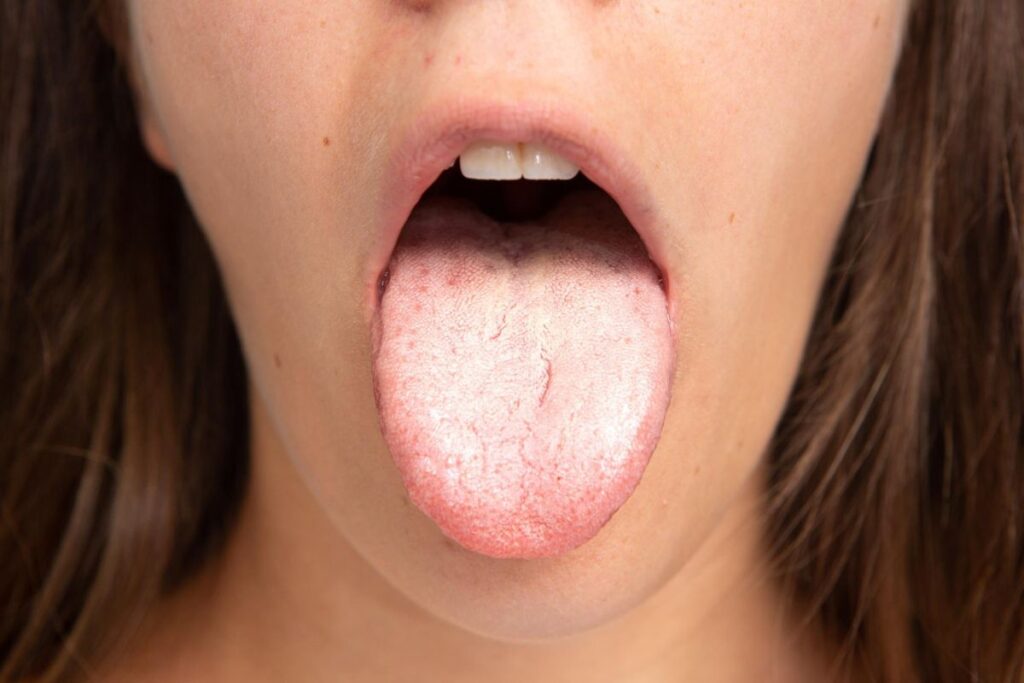
Do You Have Oral Thrush (Oral Candida)?
Candida albicans is a type of yeast naturally present in the mouth, digestive system, and other areas of the body. Under normal conditions, it coexists peacefully with beneficial bacteria. However, when the balance of microbes is disrupted, Candida can overgrow, leading to infections such as oral thrush, yeast diaper rash, vaginal yeast infections, or even gastrointestinal overgrowth.
Oral thrush, also known as oral candidiasis, is a fungal infection that affects the mouth and tongue, leading to white patches, discomfort, and irritation. In this in-depth guide, we’ll cover everything you need to know about oral thrush, including its causes, symptoms, and the most effective treatment options. We’ll also explore medications, natural remedies, and provide plenty of detailed pictures to help you identify this common condition and take the right steps toward relief.
Oral Thrush and Candida
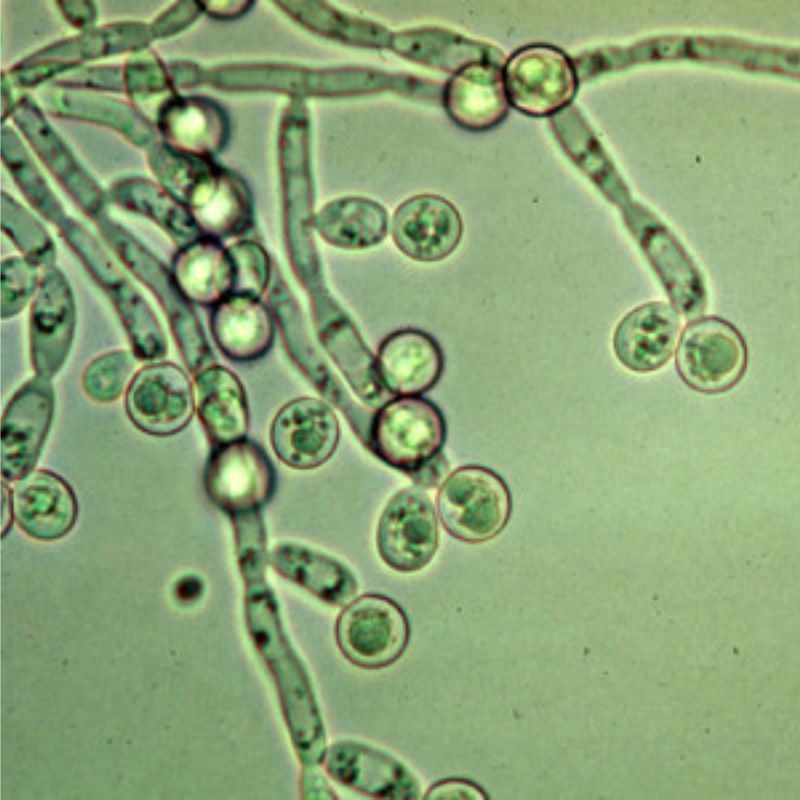
Our digestive system is a primary reservoir of Candida albicans. When gut health is compromised—often due to factors like poor diet, antibiotic use, high sugar intake, or a weakened immune system—Candida can multiply well-beyond normal levels.
Candida overgrowth, often linked to an imbalance in our gut microbiome and damage to the intestinal lining (leaky gut), can lead to oral thrush. Besides oral thrush, fungal overgrowth can also cause a wide range of symptoms including women’s and men’s yeast infections.
Candida in Your Mouth
Most people have small amounts of Candida in their mouth. Candida albicans are among the living organisms of normal oral microflora, and around 30% to 50% of people carry this yeast (Arya et al., 2023). Under normal living conditions, oral Candida doesn’t cause any noticeable problems. However, when conditions change, the yeast starts growing very quickly.
Candida Grows On Your Teeth As Well
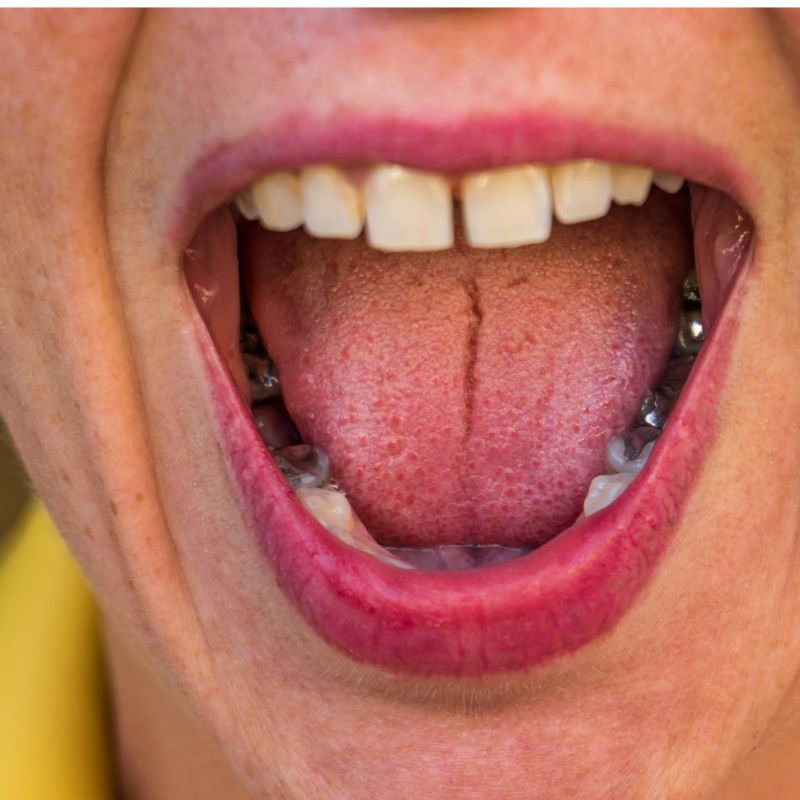
Candida doesn’t just grow on soft tissues like the tongue and gum, Candida can also attach to your teeth, hiding in tiny cracks and grooves in the enamel and dentin (Chevalier et al., 2018).
Studies show that Candida albicans is present in tooth decay (cavities) in both children and adults, and when combined with the bacteria Streptococcus mutans, it increases the risk of cavities by forming a stronger, stickier biofilm (Yoo et al., 2018).
Additionally, Candida interacts with harmful bacteria like Porphyromonas gingivalis, which is known to cause gum disease. This means Candida overgrowth can contribute to more serious oral health issues beyond just thrush (Diaz et al., 2020).
Causes and Risk Factors for Oral Thrush
Who Can Be Affected by Oral Candidiasis?

Oral thrush can develop in people of all ages, but certain groups are more vulnerable. Infants, whose immune systems are still developing, are particularly susceptible. However, older children and adults can also experience oral thrush, especially if their immune system is compromised or other risk factors are present.
Several underlying conditions, lifestyle habits, and medications can contribute to Candida overgrowth in the mouth. Identifying these factors is crucial for both treatment and long-term prevention.
You may be more likely to develop oral thrush if you:
What Causes Oral Thrush?
Oral thrush occurs when Candida, a type of yeast fungus naturally present in the mouth, multiplies uncontrollably. Under normal conditions, this fungus coexists with other microorganisms without causing harm.
However, certain triggers can disrupt this balance and lead to an overgrowth.
The most common culprit is Candida albicans, but other species, such as C. glabrata, C. tropicalis, and C. krusei, can also cause infection. In individuals with HIV, C. dubliniensis is frequently reported.
Common Causes of Oral Thrush

Pharmaceutical Medications 
Oral Contraceptive Pills 
Alcohol 
High-Sugar Junk Food 
5 – Diabetes 
Poor Oral Hygeine 
Antibiotics 
Chemotherapy Treatments 
Dentures
6 Key Factors That Increase the Risk of Oral Thrush
A variety of factors can contribute to the development of oral thrush, including medical conditions, medications, and lifestyle habits (Patil et al., 2015).
1. Weakened Immune System
2. Medications That Disrupt Microbial Balance
3. Poor Oral Hygiene
4. Metabolic Conditions
5. Dry Mouth (Xerostomia)
6. Lifestyle and Dietary Factors
Special Considerations
Oral Thrush in Infants
Newborns under one month old have a higher risk due to their immature immune systems. Oral thrush can be passed from mother to baby during breastfeeding if the mother has a yeast infection in her nipple.
Cancer Treatments and Oral Thrush
Take-Away
Understanding these risk factors can support both prevention and effective management of oral thrush, reducing the likelihood of recurrent infections.
Oral Thrush On Tongue
Oral thrush can present in different ways depending on the affected area. It commonly appears as white or creamy yellow patches in the mouth, often resembling cottage cheese.
Oral Thrush vs Normal Tongue

Normal Tongue
A normal and healthy tongue appears clean with a pink coating.
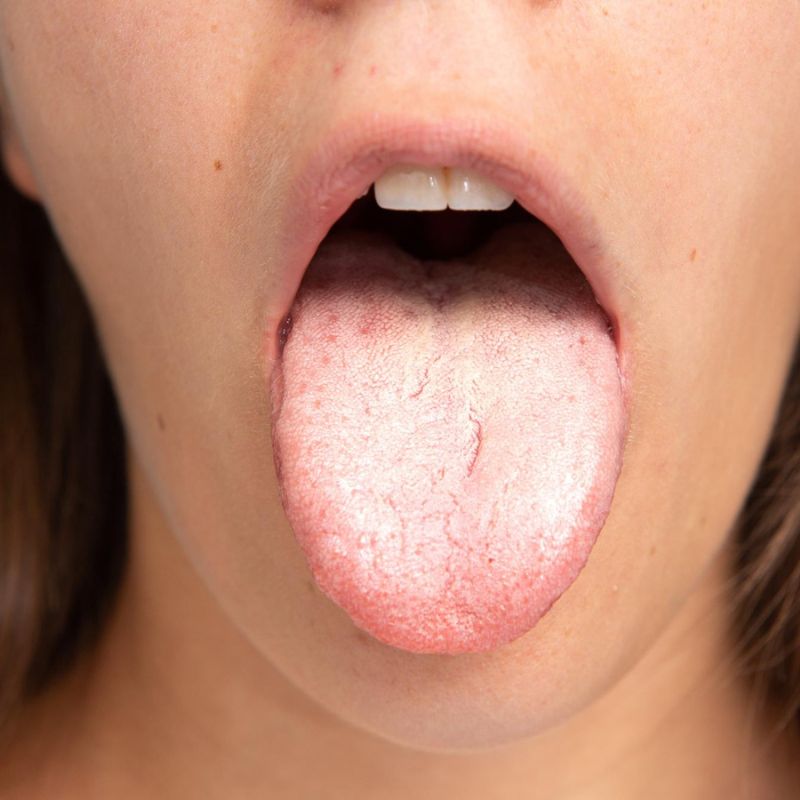
Oral Thrush
A tongue with oral thrush. Note the white coating.
Oral Thrush Symptoms

Symptoms in Adults
In its early stages, oral thrush may not cause any symptoms. But as the infection gets worse, one or more of the following symptoms may develop.
These patches can be found on the tongue, gums, inner cheeks, and roof of the mouth. Attempting to wipe them away may cause bleeding and discomfort, particularly during eating or drinking.
Oral thrush in adults typically manifests as (Taylor et al., 2023).:
In more severe cases, oral thrush may extend into the esophagus, leading to difficulty swallowing. Although uncommon, it may also accompany other Candida-related infections in the body.
Related Symptoms
Oral thrush can sometimes be associated with other fungal infections, such as vaginal yeast infections or men’s yeast infections.
Oral thrush in adults is generally not contagious, but it can be a sign of underlying health issues, weakened immunity, or prolonged use of medications such as antibiotics or corticosteroids. Recognising these symptoms early can help ensure timely and effective treatment.
Oral Thrush Pictures
Healthy Pink Tongue
This person has a healthy clean and pink-coloured tongue. This is key sign of very good digestive health.

Mild Oral Thrush
This person has a mildly inflamed red tongue with small patches of Candida oral thrush more towards the back of the tongue.
Advanced Oral Thrush
This person has a more advanced form or oral thrush. Note the thick white colouration of the surface of the tongue.

Glossitis
Glossitis refers to the inflammation of the tongue, and this can occur for many reasons, including a fungal infection. (Sharabi et al., 2023)
Moderate Oral Thrush
Note the deep cracks in the tongue and Candida oral thrush build-up more towards the back of the tongue.

Oral Cancer
Note the swelling and discolouration of the tongue. There is Candida oral thrush at the back of the tongue.

Oral Thrush in Infants
Oral thrush is common in babies under two years old and is usually not a cause for concern. It often appears as white or creamy patches inside the mouth, particularly on the tongue.
In a recent study, maternal mastitis and use of antibiotics were significantly associated with clinical oral thrush findings (Vainionpää et al., 2019).
Symptoms in Infants
Babies with oral thrush may experience:
Additional signs include:
In most cases, oral thrush clears up on its own within a few days. However, if symptoms persist, caregivers should consult a healthcare provider, who may recommend antifungal treatments like gels or drops (NIH 2022).

Oral Thrush and Nursing
Thrush can sometimes spread between a breastfeeding mother and her baby.
According to the National Health Service (NHS) in the United Kingdom, cracked or damaged nipples can make a mother more vulnerable to Candida infection, which can then be passed to the infant.
Risk factors for thrush in breastfeeding include:
Symptoms of a yeast infection in the breasts may include:
Treatment is available for both mother and baby, and breastfeeding can usually continue during treatment.
Diagnosis of Oral Thrush

Doctors diagnose oral thrush by examining physical symptoms and assessing risk factors. They may scrape off white patches from the tongue or other areas of the mouth for further analysis.
In some cases, scraping may cause slight bleeding. If needed, the sample is sent for laboratory testing to confirm the presence of Candida.
Underlying health conditions such as HIV, diabetes, or malnutrition may influence treatment choices, so doctors often evaluate these factors as well.
Diagnostic Methods
Microscopy and culture of skin swabs or scrapings help identify Candida infections. However, because Candida can exist harmlessly on mucosal surfaces, clinical assessment is essential. Oral thrush can also develop as a secondary infection due to other health issues.
For widespread or severe cases, an endoscopy may be performed to check if the infection extends into the gastrointestinal tract. If an underlying condition or medication is suspected as the cause, treatment will be tailored accordingly.
Oral Thrush Treatment

How Is Oral Thrush Treated?
Effective treatment for oral thrush involves a combination of good oral hygiene, antifungal medications, and addressing underlying causes.
In mild cases, natural remedies may help manage symptoms and prevent recurrence. For more severe or persistent infections, medical treatment is necessary.
General Measures and Prevention
Practicing good oral hygiene is essential for both preventing and managing oral thrush. This includes:
For denture wearers:
Medical Treatment of Oral Thrush
Topical Antifungal Medications
For mild to moderate cases, doctors typically prescribe antifungal medications applied directly to the affected areas for 7 to 14 days. These include:

Systemic Antifungal Medications
For severe, persistent, or recurrent oral thrush infections, doctors may recommend oral or intravenous antifungals, especially for people with weakened immune systems (e.g., those with HIV, diabetes, or undergoing chemotherapy).
Common options include:
Mouthwashes with Antifungal Properties
Certain mouthwashes can help control oral Candida overgrowth (Maziere et al., 2024), including:
Duration of Treatment
Treatment should continue for 1–4 weeks or until symptoms have been clear for at least 7 days to prevent recurrence.
Natural Treatment of Oral Thrush

Oral thrush, caused by Candida overgrowth of Candida albicans generally, is not just a surface-level issue—it reflects the state of your gut microbiome, immune function, and overall health.
While antifungal treatments can help manage symptoms, true healing requires a holistic approach, including a fresh, whole-foods diet, good oral hygiene, and lifestyle adjustments.
Understanding the root causes of oral thrush and taking proactive steps can prevent recurrence and improve your long-term oral and gut health.
The Role of Diet in Treating and Preventing Oral Thrush
The quality of the food you eat directly affects the quality of your gut microbiome, which in turn influences your immune system, digestion, and susceptibility to infections like oral thrush. A nutrient-dense, whole-foods diet is essential for both treatment and prevention.
Why Whole Foods Matter
We have detailed pages covering the best foods to eat and foods to avoid when dealing with oral thrush, but here are some core dietary principles:
Foods to Focus On
Foods to Avoid
- Junk foods and Refined sugars (candies, pastries, sugary drinks)
- Processed foods (packaged snacks, fast food)
- Alcohol (wine, spirits, and beer)
- Excess dairy, especially if it triggers mucus production or inflammation
A fresh, whole-foods diet is imperative for managing and preventing oral thrush. Without the right nutrition, antifungal treatments may provide only temporary relief, and the infection is more likely to return.
Essential Natural Treatments and Remedies for Oral Thrush
1. Maintain Good Oral Hygiene
- Brush twice daily using a soft-bristled toothbrush to avoid irritation.
- Replace your toothbrush daily until the infection clears.
- Rinse with warm salt water to help soothe inflammation.
- Avoid alcohol-based mouthwashes, which can disrupt your oral microbiome.
2. Use Natural Antifungal Remedies
Certain natural compounds have antifungal properties that may help combat Candida:
3. Support Gut Health with Antifungals, Digestive Enzymes, and Probiotics
A healthy and balanced gut microbiome helps prevent Candida from overgrowing and becoming problematic.
Consider:
4. Reduce Sugar Intake
Sugar is an easy food source for Candida, so cutting back is one of the most effective ways to prevent oral thrush (Van Ende et al., 2019). Even natural sugars (honey, fruit juices) should be limited during an active infection. The main issue is with refined sugars however.
5. Manage Stress and Strengthen Immunity
Chronic stress weakens the immune system by boosting cortisol production which has a suppressing-effect on immune function. This makes you more susceptible to bacterial, fungal, and viral infections (Alotiby 2024).
Support your body by:
Key Take-Aways
Thanks for reading this page, please leave a comment with your views or tips!

Ultimate Candida Cleanse System
Beat Candida naturally with the complete, science-based system created by naturopath Eric Bakker, N.D. This all-in-one package gives you two downloadable guidebooks plus the Yeastrix Gut Restore Kit — three targeted professional formulas that work together to reset your gut, restore balance, and rebuild healthy digestion.
You get a structured, step-by-step program, professional clinical guidance, and supplements designed to support each stage of recovery. No guesswork. No confusing protocols. Just a clear roadmap and the right tools to help you finally reduce symptoms, rebalance your microbiome, and feel like yourself again. The Ultimate Candida Cleanse System is everything you need to make real progress — naturally, safely, and effectively.

Eric Bakker N.D.
Greetings! I am a naturopathic physician from New Zealand. Although I’ve retired from clinical practice since 2019 after 34 years of clinic. I remain passionate about helping people improve their lives. You’ll find I’m active online with a focus on natural health and wellbeing education through my Facebook page, Reddit page and YouTube channel, including this website.





I want to have a video call consultation with Dr.Eric bakker
Hi there — thanks for reaching out, I appreciate it.
I’m no longer doing one-on-one consultations these days. After 30+ years in clinical practice, I’ve shifted my focus to online education and building structured programs that guide people step-by-step.
The good news is, I’ve put everything I used to do in consults into my programs, especially the Ultimate Candida Cleanse Program, which walks you through exactly what to do based on your situation.
If you’re looking for more personalised guidance, the best place to start is the Lite Guide — that will point you in the right direction and help you understand what’s going on. 👍