

Candida Home Tests
Candida home tests are straightforward, at-home methods designed to help identify a possible overgrowth of Candida albicans, a type of yeast that can contribute to digestive issues, fatigue, brain fog, skin problems, and more. However, it’s important to note that these home assessments lack scientific validation and should be used as an initial self-evaluation rather than a definitive diagnosis.
For many people, functional lab tests can be costly, and health insurance may not always cover them. When testing isn’t a feasible option, these home assessments can serve as practical alternatives, but it is important to remember they don’t serve as substitutes for scientifically-proven tests.
While they aren’t officially recognised as diagnostic tools, consistently positive results across multiple tests may suggest an underlying issue, such as gut dysbiosis, that warrants further attention.
5 Home Tests to Determine Candida Imbalance
One of the best aspects of these tests is that they are completely free—requiring only your time, awareness, and perhaps a note in your phone to track your observations. Some methods might seem simple or even unconventional, but many individuals have found them surprisingly effective in uncovering a potential yeast imbalance.
These tests can also help you become more attuned to your body’s signals and may even involve a friend or partner in the process for additional insights.
Tracking these five home tests on a weekly basis can be an excellent way to monitor how well your treatment is working and whether your food choices, lifestyle adjustments, and supplementation are supporting your recovery.
What Are These 5 Tests?
These are the same home tests I have used over the years to help identify Candida overgrowth and different kinds of yeast infections in patients. I first wrote about them in Candida Crusher (2013), my first book about Candida overgrowth.
You can perform several simple tests at home to assess whether you might be dealing with Candida overgrowth. While these methods aren’t as scientifically rigorous as functional diagnostic tests, they can still offer valuable insights, especially when expensive laboratory testing just isn’t an option.
Take-Away

The Spit Test Is Not An Accurate Test
One of the most well-known at-home Candida tests, the spit test, involves observing how saliva behaves in a glass of water. You’ll find this “test” on many websites and older Candida books.
While widely used, this test entirely lacks scientific validation and can be misleading. It is not an accurate test when it comes to Candida overgrowth determination and should be avoided. There are several reasons for saliva to behave in certain ways as we shall soon see.
How to Do The Spit Test:
Interpreting Spit Test Results
Limitations of the Spit Test
Poor Pancreatic Enzyme Production
In the past, I recommended the spit test for Candida detection, but over time, I’ve seen how unreliable it can be. We’ve had numerous patients who believed they had Candida based on this test later had their saliva analysed by reputable laboratories, only to receive negative results for Candida, other yeasts, fungi, or harmful bacteria. Instead, their symptoms were often linked to low pancreatic enzyme output.
When the pancreas fails to produce enough enzymes, carbohydrate digestion becomes impaired, leading to the production of thick, stringy mucus in the mouth. Many people mistakenly interpret this as a sign of Candida overgrowth when, in reality, the issue stems from pancreatic insufficiency. This misconception leads individuals to self-diagnose incorrectly, sometimes overlooking more relevant digestive concerns.
The spit test can produce misleading results for different reasons, a lack of beneficial gut bacteria or inadequate digestive enzyme production can influence the outcome. Here are a few key reasons why you should not pay much attention to this test:

Comprehensive Stool Tests Are Accurate And Validated
Relying on the spit test alone is not advisable, as it does not provide any kind of picture of your internal digestive and gut health. For a more accurate assessment, I recommend a comprehensive stool analysis.
This test provides a detailed view of your gut microbiome, digestive enzyme activity, and any potential Candida overgrowth. Unlike the spit test, stool analysis is based on well-established scientific principles and offers a clearer understanding of your digestive health.
While home tests can provide initial clues about potential Candida imbalances, they should not be viewed as definitive proof. Instead, they can indicate that something may be off with your gut health. Let’s explore five key indicators that can help you better understand what might be affecting your digestive system.
Take-Away

Test 1 – The Itch and Rash Test
Candida overgrowth can affect the skin, often causing persistent itching and rashes. Identifying these symptoms may help determine if a yeast imbalance is present.
Recognising the Symptoms
One of the most common signs of Candida overgrowth is persistent skin itching, often accompanied by a red, inflamed rash. This rash can appear in various areas, particularly where moisture and warmth create a favorable environment for yeast growth. Common locations include the genitals, buttocks, under the breasts, and other skin folds. The intensity of the itching can vary, ranging from mild discomfort to severe irritation that disrupts daily life.
How Do Yeast Infections Cause Itchiness?
There are several theories as to why Candida causes itchiness. One theory suggests that Candida cells can mutate and develop small hooks that latch onto and burrow into the skin, creating an itchy sensation. The longer the infection persists, the more deeply entrenched the yeast becomes in that area (Arya. N. et al., 2023).
Another theory proposes that the immune system reacts to Candida by releasing chemicals like histamines, which trigger inflammation and itching
(Lopes et al., 2015). Since Candida thrives in warm, moist environments, areas where the skin meets the mucous membranes—such as the genital region—are particularly vulnerable to infection.
Candida and Many Skin Conditions
Candida is known for its ability to cause a variety of skin rashes, which can sometimes be mistaken for other conditions like eczema, psoriasis, or bacterial infections. Recurring athlete’s foot, nail fungus, vaginal or jock itch, and inflamed patches on the skin are all possible signs of a yeast imbalance. While some skin rashes stem from allergies or other infections, persistent itching in these specific areas may indicate Candida overgrowth.
Identifying Potential Triggers
Pay close attention to your body and any recurring irritation in areas like the ears, scalp, anus, groin, armpits, or under the breasts. You might also notice a pattern of itching after consuming foods and beverages that promote Candida growth, such as sugary foods, alcohol, or processed carbohydrates.
Monitoring the behaviour of those around you can also provide clues. At social events or in public places, observe how people respond to their bodies.
For example:
Itch and Rash – Self-Assessment Questions
To help determine whether Candida might be contributing to your symptoms, ask yourself:
Limitations
While skin rashes can indicate Candida overgrowth, they may also stem from other causes, including:
If you suspect Candida is a factor, monitoring your symptoms and dietary habits can help you determine the best approach to restoring balance and improving your overall well-being. Consider tracking your itching patterns for a few days using a mobile phone calendar. Many people don’t realise how often they scratch or adjust their bodies throughout the day. Increased awareness may reveal a pattern linked to Candida overgrowth, helping you take the next steps toward better skin health.

Test 2 – The Sugar-Craving Test
If you frequently crave sugar and refined carbohydrates, it could be a sign of Candida overgrowth. Recognising and addressing these cravings is essential for restoring balance in your gut and breaking the cycle of sugar dependence.
Why It Matters
Candida albicans thrives on sugar. The more sugar you consume, the more you feed the yeast, leading to increased cravings and a vicious cycle of overgrowth. Excessive sugar intake can also worsen yeast-related symptoms, making it harder to maintain a balanced gut microbiome.
Are You Hooked on Sugar?
To effectively overcome a Candida imbalance (or even small intestinal bacterial overgrowth, SIBO), it’s crucial to evaluate not just what you eat, but also what you crave and how often. Many individuals with gut imbalances or fungal overgrowths experience subconscious cravings for sugary foods, often driven by Candida itself. This pattern is something I’ve observed in many patients over the years. Once their Candida imbalance was addressed, their sugar cravings diminished, making it easier to maintain a healthier diet.
Testing Your Sugar Cravings
A simple way to test your sugar cravings is to avoid all sweet foods for three days.
During this period, eliminate:
Instead, focus on fresh vegetables, lean proteins, whole grains like quinoa and brown rice, nuts and seeds, and plenty of water. Carefully check ingredient labels to avoid hidden sugars.
Observe how you feel during this challenge. If you experience intense cravings, headaches, fatigue, or mood swings, these may indicate a sugar dependency linked to an internal Candida overgrowth. The stronger your cravings and withdrawal symptoms, the more significant your Candida issue might be.
Article of Interest: Hungry or Craving Food?
Breaking the Cycle
Overcoming sugar cravings requires discipline and careful avoidance of sugary foods and drinks. As you reduce your sweet intake, you may start craving fewer sweet foods and develop a greater appreciation for bitter flavors. Bitter foods help support gut flora, improve digestion, and enhance liver and gallbladder function. They also aid in fat burning, waste elimination, and reducing harmful bacteria in the digestive tract.
By recognising and addressing your cravings, you can take a significant step toward managing Candida and improving your overall digestive health.
Sugar-Craving – Self-Assessment Questions
Ask yourself the following questions to determine if sugar cravings might be related to Candida:
Limitations
While sugar cravings can indicate Candida overgrowth, they may also stem from other causes, including:
If you suspect Candida is a factor, monitoring your symptoms and dietary habits can help you determine the best approach to restoring balance and improving your overall well-being.

Test 3 – The Odour Test
Body odor is a natural occurrence, primarily caused by bacteria breaking down sweat. While it’s often associated with excessive sweating, persistent or unusual body odour may indicate an underlying imbalance, including Candida overgrowth.
Managing Body Odor
For most people, body odour can be managed through proper hygiene. Regular bathing, clean clothing, and natural deodorants help minimise odour.
Diet, hydration, and stress management also play a significant role. However, if body odour persists despite good hygiene, it may be worth investigating deeper causes.
Common Causes of Body Odour
Candida Yeast and Body Odor
Emerging research suggests that gut microbiota plays a key role in body odour. The digestive system can produce odorous compounds like trimethylamine, ammonia, and volatile sulfur compounds, contributing to unpleasant smells (Mogilnicka et al., 2020).
Consider how fermenting foods smell when left too long in a warm environment. Similarly, an imbalance in Candida yeast can lead to increased body odor due to digestive fermentation. Many individuals with Candida overgrowth experience excessive perspiration, overheating, and strong body odor—often mistaken for other conditions.
In my clinical experience, Candida overgrowth is frequently linked to:
Yeast overgrowth leads to gut fermentation, producing excess heat and perspiration. As the body releases toxins through the skin, they mix with bacteria and body oils, causing strong odors. A Candida cleanse can help rebalance gut bacteria and reduce these symptoms.
Odour – Self-Assessment Questions
Limitations
During a Candida cleanse, temporary increases in body odour may occur as toxins are eliminated. However, with dietary changes, proper hydration, and gut support, body odour should improve over time.
Candida Cleanse Program
I always look for signs of underlying digestive issues to help confirm a diagnosis, especially when these signs are supported by a patient’s history and stool test results. If you frequently experience gas, burping, bloating, and digestive discomfort, the Candida Cleanse program is highly recommended. These symptoms suggest that you may be fermenting bacteria in your gut and releasing gas as a by-product. If you find yourself sweating and smelling easily, a Candida imbalance is a distinct possibility.
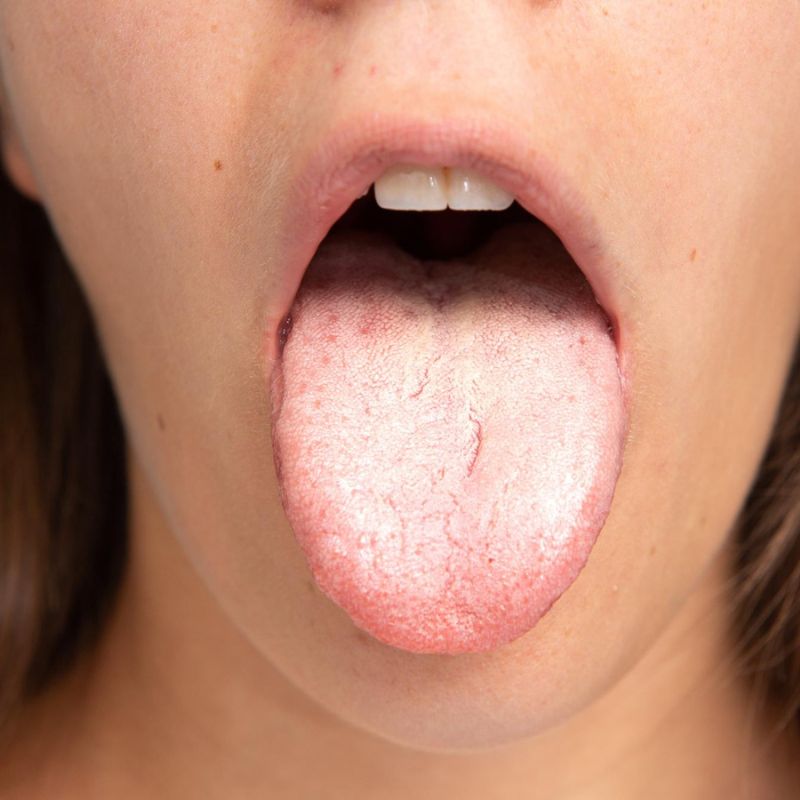
Test 4 – The White Tongue Test
A white coating on the tongue, especially in the morning, could be a sign of Candida overgrowth. This is particularly true if it is accompanied by bad breath or digestive discomfort. Your tongue acts as a reflection of your gut health, and persistent discolouration may indicate an imbalance in your intestinal microbiome.
How to Check
Understanding the Tongue’s Connection to Candida
Have you ever noticed a persistent white or yellowish layer covering the surface of your tongue? If so, pay attention to whether this discoloration worsens over time. Studies have shown that animals exposed to Candida developed white patches on their tongues within just three days, with fungal hyphae invading the tongue’s papillae within hours (Hisajima et al., 2008). This suggests that Candida can rapidly establish itself in the oral cavity and beyond.
Do You Have Bad Breath?
Bad breath, especially if persistent, can be a sign of bacterial or Candida overgrowth in your digestive system. Many Candida patients report bad breath ranging from mild to extremely unpleasant, sometimes described as “faecal-like.” While morning breath is normal, it should not be overwhelmingly foul.
If you experience persistent bad breath, consider whether you might have gingivitis, gum disease, or tooth decay. A professional dental check-up can help rule out these issues. If your teeth and gums are in good health but bad breath persists, the root cause may lie in your digestive tract.
Clinically, I’ve observed that the location of tongue discolouration can indicate where in the digestive system an imbalance may exist.
Your Tongue as a Reflection of Gut Health
A healthy tongue is clean and rosy, just like the digestive system it represents. If you observe your pet’s tongue, you’ll often notice that it’s pink and free of buildup—likely because they aren’t consuming processed foods, sugar, or alcohol. Pets also rarely suffer from bloating or digestive issues unless they eat something harmful to them.
Research has demonstrated that disturbances in the microbiota of the tongue coating can elevate inflammatory markers associated with chronic conditions (Li et al., 2021). This further emphasises the tongue’s role as an indicator of internal health.
The Candida Cleanse and Tongue Changes
As you progress through the different stages of the Candida Cleanse program, you may notice your tongue becoming more discoloured or “furry.” While this might be concerning, it is actually a positive sign that your body is detoxifying and eliminating toxins. Over time, as beneficial bacteria recolonise your digestive system, your tongue should gradually return to a healthy pink hue.
White Tongue – Self-Assessment Questions
By monitoring the condition of your tongue and making dietary adjustments, you can gain insight into your gut health and take steps toward a healthier digestive system. Keep in mind that symptoms may initially worsen before improving, but this is often a sign of progress in restoring balance to your body.
Limitations

Test 5 – The Gut Noise Test
Digestive noises, particularly when excessive or accompanied by bloating and gas, can indicate an underlying imbalance in the gut. Many people with a Candida yeast overgrowth experience noticeable digestive disturbances, which often become more pronounced in quiet environments or at night. While occasional stomach sounds are normal, persistent and loud noises may suggest fermentation and microbial imbalances in the digestive tract.
The production of excessive gas within the digestive and urinary systems is a hallmark of Candida yeast overgrowth. (Tamama et al., 2024). This process is similar to fermentation in brewing, where yeast and bacteria break down sugars, producing large amounts of gas as a by-product.
In a healthy gut, digestion should be relatively quiet and smooth, with minimal discomfort. However, when an overgrowth of Candida or other imbalances is present, the digestive system can become hyperactive, leading to bloating, gassiness, and abdominal discomfort.
Digestive Noises and Intestinal Dysbiosis
Research has demonstrated that individuals with small intestinal fungal overgrowth (SIFO) commonly experience symptoms such as excessive belching, bloating, indigestion, nausea, diarrhea, and gas (Erdogan et al., 2015). These symptoms are often tied to an under-active stomach or poor digestive enzyme production, both of which can worsen fungal overgrowth.
For those who experience increased digestive noises after consuming sweet foods, alcohol, or sugary beverages, it may be a sign of intestinal dysbiosis. Candida and other gut imbalances thrive on sugar and carbohydrates, leading to excessive fermentation, which in turn causes noisy digestion. Assessing these symptoms alongside other home tests can help determine the presence and severity of a Candida imbalance.
As the gut heals and harmful yeast and bacteria are brought under control, these symptoms typically subside. Supporting this process with high-quality digestive enzymes and probiotics is crucial. Digestive enzymes can significantly reduce discomfort from bloating and gas by improving the breakdown of food, while probiotics help replenish beneficial bacteria, promoting a balanced gut microbiome.
For those with a Candida imbalance, I often recommend digestive enzymes not just for symptom relief but also for their ability to address food sensitivities, which are commonly linked to Candida. Additional information on enzyme benefits can be found on this website. The Candida Cleanse program can help alleviate and eventually eliminate many unusual digestive noises, promoting better gut health and overall well-being.
Gut Noise – Self-Assessment Questions
Limitations
The Candida Cleanse program can help alleviate and eventually help to get rid of many unusual digestive noises.
More Reliable Ways to Test for Candida
While home tests may provide clues, they are not definitive. If you suspect Candida overgrowth, consider the following functional medicine tests. For more detained information about these tests click HERE.
Key Take-Aways

Eric Bakker N.D.
Greetings! I am a naturopathic physician from New Zealand. Although I’ve retired from clinical practice since 2019 after 34 years of clinic. I remain passionate about helping people improve their lives. You’ll find I’m active online with a focus on natural health and wellbeing education through my Facebook page, Reddit page and YouTube channel, including this website.