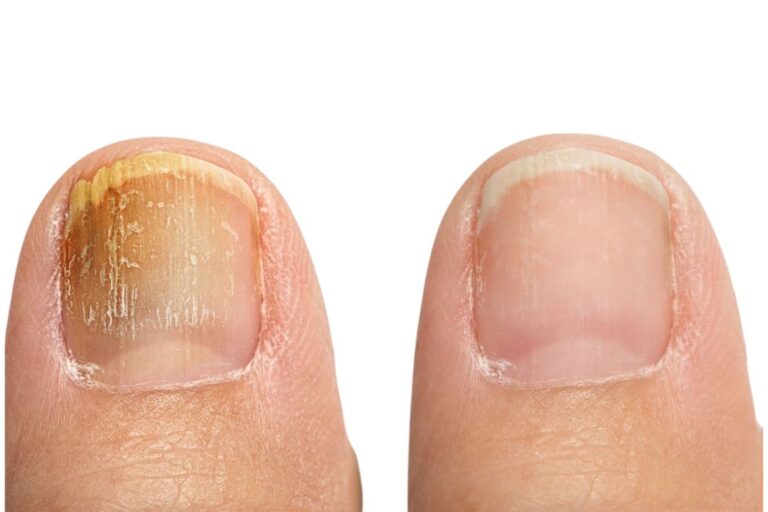

Everything You Need to Know About Athlete’s Foot
Athlete’s foot (tinea pedis) is one of the most common and stubborn of all fungal infections, affecting millions worldwide. This irritating condition primarily targets the spaces between the toes but can spread to the soles of the feet and even the hands. It thrives in warm, damp environments like sweaty shoes, public showers, and locker rooms, making it highly contagious.
What Is Athlete’s Foot?
Is the skin between your toes peeling? Do your feet, shoes, or socks have an unpleasant odour? If so, you may have athlete’s foot, a common and highly contagious fungal skin infection.
While not usually serious in healthy individuals, it won’t go away on its own. Left untreated, it can spread to the toenails and cause nail fungus, trigger persistent discomfort, and in rare cases, lead to secondary bacterial infections.
Athlete’s foot is a common fungal infection with varying prevalence rates across different populations. Estimates suggest that 3 to 15% of people will experience athlete’s foot at some point, with men and older adults being more susceptible (NIH 2022). In the UK, about 15% of the general population is affected. Studies in dermatology clinics found higher rates, with 25% in Italy and 27% in China (Crawford 2009).
Certain groups, such as swimming pool users and industrial workers, may have an increased risk, though one survey found fungal foot infections in only 9% of swimmers, with the highest rate (20%) occurring in men aged 16 and older.
Take-Away
The good news? With the right antifungal treatment, proper hygiene, and preventive strategies, you can eliminate athlete’s foot and keep it from coming back.
In this comprehensive guide, we’ll cover everything you need to know, including:
First, let’s take a closer look at the causes, how to recognise athlete’s foot, treat, and prevent this frustrating condition—so you can stay one step ahead of athlete’s foot for good!
What Causes Athlete’s Foot?

Over my decades of clinical experience, I’ve seen and treated countless cases of athlete’s foot and fungal nail infections. I know firsthand how quickly it can spread, particularly in households where people share bathrooms, towels, or shoes.
Some experts debate whether athlete’s foot is worse in summer, when feet are hot and sweaty, or in winter, when they’re trapped in closed shoes all day. Regardless of the season, one thing is clear: the fungus thrives in warm, damp environments, making prevention and treatment crucial.
Understanding Dermatophytes

Athlete’s foot is caused by a group of fungi called dermatophytes, which feed on keratin—a protein found in the skin, hair, and nails. These fungi flourish in warm, moist conditions such as locker rooms, swimming pools, communal showers, and inside sweaty shoes.
The infection spreads through direct skin contact with an infected person or indirectly through contaminated surfaces like floors, socks, towels, and bath mats.
If the skin becomes cracked, blistered, or starts bleeding, it can lead to secondary bacterial infections that may require additional treatment.
The most common fungal species responsible for athlete’s foot include:

Risk Factors for Athlete’s Foot
Athlete’s foot, or tinea pedis, is a widespread fungal infection, but certain factors increase susceptibility. While anyone can develop this condition, it is more commonly seen in men, adolescents, and young adults. However, women, children, and older adults are not immune, especially if they have underlying health conditions.
The infection is often acquired through direct contact with contaminated surfaces, such as shared towels or public showers. Understanding these risk factors can help reduce the chances of infection and recurrence.
Shoes and Moisture – Biggest Risk Factor

Footwear plays a crucial role in athlete’s foot development. Fungi thrive in warm, damp, and preferably dark environments, making closed, non-breathable shoes the perfect breeding ground.
Those who wear heavy industrial boots, safety shoes, or rubber boots for extended periods are at higher risk.
Excessive Sweating

Additionally, excessive sweating (hyperhidrosis) creates the perfect conditions for fungal growth, especially when feet remain damp throughout the day.
Keeping feet dry and choosing breathable footwear can significantly lower the risk of infection.
Medical Conditions That Increase Risk
Certain underlying health conditions make people more vulnerable to athlete’s foot, including:
Other Common Risk Factors
Beyond footwear and medical conditions, other factors increase the risk of developing athlete’s foot:
How to Reduce Your Risk of Athlete’s Foot
Preventing athlete’s foot largely comes down to good hygiene and smart footwear choices. Here are some very effective prevention tips:
Key Take-Away
By identifying and addressing these risk factors, you can greatly reduce your chances of developing athlete’s foot. If you are prone to recurring infections, taking proactive steps can make a significant difference in keeping your feet healthy and fungus-free.
Athlete’s Foot Symptoms
Athlete’s Foot Between The Toes

Athlete’s foot presents with a variety of symptoms, often starting as mild discomfort but progressing if left untreated.
The most common sign is itching along with cracked, flaking, or peeling skin between the toes or along the sides of the foot. If the skin is split
There are different types of athlete’s foot fungus as we will soon learn, but the most common kind of foot fungus I’ve found clinically is the toe web (in between the toes) type of athlete’s foot. Let’s now look at how athlete’s foot commonly manifests:
How Athlete’s Foot Manifests
What to Look For:
Early identification of these symptoms allows for quicker treatment and prevents complications such as secondary bacterial infections.
Athlete’s Foot On Hands

Athlete’s foot on the hands, also called tinea manuum, is a fungal infection caused by the same dermatophytes that affect the feet. It typically spreads from touching infected feet or contaminated surfaces.
Symptoms include dry, scaly patches, redness, itching, and sometimes blistering, usually affecting one hand more than the other. The infection may resemble eczema, making diagnosis tricky without proper testing (Chamorrow et al., 2024).
Treatment involves antifungal creams, either medical (like terbinafine or clotrimazole) or natural options (such as tea tree oil or coconut oil). Keeping hands dry, washing them regularly, and avoiding direct contact with infected areas can prevent the spread. If symptoms persist or worsen, oral antifungal medication may be needed.
Key Take-Away
Athlete’s Foot Pictures
The Three most Common Types of Athlete’s Foot
Tinea pedis, or athlete’s foot, typically appears in one of three common patterns:
1 – Toe Web (Interdigital) Type
Toe Web (in-between-the-toes) Type – Itchy erosions and scaling between the toes, especially between the fourth and fifth toes. The skin may appear white, soft, and macerated.

2 – Moccasin (Hyperkeratotic) Type
Moccasin (hyper-skin-growth) Type – A dry, scaly rash covering the sole and sides of the foot. This type is often caused by Trichophyton rubrum and may resemble chronic dry skin

3 – Blister (Vesiculobullous) Type
Blister (blisters-vesicles-pustules) Type – Small to medium-sized blisters, typically on the inner arch or sole of the foot, which may be intensely itchy and painful.
In rare cases, athlete’s foot can lead to more severe conditions such as:
Athlete’s Foot Between the Toes: Why This Area Is Most Affected
The spaces between the toes provide the perfect environment for fungal growth—warm, dark, and frequently damp due to sweat accumulation.
The infection often begins in this area with soft, white, peeling skin that becomes itchy and irritated. Without proper treatment, it can spread to the soles or nails, leading to more persistent infections.
To prevent and treat athlete’s foot between the toes, follow these key steps:
Key Take-Away
By recognising symptoms early and taking proactive steps, you can treat athlete’s foot before it becomes a persistent problem.
Athlete’s Foot Fungus Treatment
How to Get Rid of Athlete’s Foot
In cases where topical treatments don’t work, oral antifungal medications such as fluconazole or terbinafine may be necessary. These work from within to clear the infection more effectively. If the athlete’s foot keeps coming back, it might indicate a deeper infection requiring a prescription.

Fortunately, athlete’s foot is highly treatable with a combination of proper hygiene, topical and oral antifungal medications, and natural remedies. Addressing athlete’s foot early can prevent it from worsening or spreading to other areas, such as the toenails or hands.
Medical Treatment for Athlete’s Foot
For most cases, medical treatment recommendations begins with general measures to prevent moisture build-up and fungal growth, this includes recommendation to keep feet clean and dry, especially between the toes. To avoid tight, non-breathable shoes, wear moisture-wicking socks, and to use barrier protection, such as sandals, in communal facilities.
Athlete’s Foot Meds
Over-the-counter and prescription topical antifungal treatments are effective for mild to moderate infections. These should be applied once or twice daily for 2 to 4 weeks or longer if needed.
Common topical antifungal medications include:
Moccasin Athlete’s Foot
In some cases, particularly with hyperkeratotic tinea pedis (moccasin type), adding a topical keratolytic cream containing salicylic acid or urea can help break down thickened skin and improve antifungal penetration.
Oral Antifungal Treatments
If topical treatments are ineffective or if the infection is widespread, oral antifungal medications may be necessary. These are typically taken for a few weeks and include:
For persistent or severe cases, consult a healthcare provider to determine the most appropriate course of treatment.
Athlete’s Foot Fungus Natural Treatment

For those who prefer natural remedies or want to complement medical treatments, several options can help alleviate symptoms and combat fungal infections.
Some people choose to combine prescription antifungals with natural topical treatments, while others prefer a fully natural approach—both internally and externally. The best treatment path depends on what feels right for you, but the key is to take a well-rounded approach to healing.
When addressing athlete’s foot naturally, consider these three crucial factors:
Best Diet For Athlete’s Foot Has Focus on Gut Health
The best diet when you have chronic athlete’s foot is essentially healthy eating, focusing on avoiding pro-inflammatory foods like ultra-processed foods, junk food, alcohol, and excessive caffeine. In our Ultimate Candida Cleanse Program we discuss the healthiest foods to include in our diet, including anti-microbial foods to balance gut microbiota and prebiotic and probiotic foods to build gut bacteria. We also talk about gut microbiome restoration.
We support a high-fibre, plant-based diet, such as the Mediterranean or Foundation diet (in our Candida Cleanse program), which increases beneficial bacteria and metabolites (SCFAs), fostering a healthy gut microbiome and better health outcomes (Vijay et al., 2021). fungal overgrowth often links to gut inflammation, leaky gut, and digestive discomfort, leading to common symptoms such as constipation and irritable bowel syndrome.

By addressing all three aspects—diet, environment, and treatment—your chances of overcoming athlete’s foot naturally improve significantly.
Let’s now look at a few of the best topical treatments for athlete’s foot fungus:
Athlete’s Foot Home Remedy
For those looking for natural athlete’s foot treatments, external remedies may provide relief, they should be used alongside proper hygiene and antifungal medications or supplements for long-term effectiveness.
Internal Natural Support
Since chronic athlete’s foot may be linked to an overgrowth of Candida or weakened immune function, addressing gut health is crucial. We recommend the following:
Key Take-Away
By combining medical and natural treatments with good hygiene practices, you can effectively treat athlete’s foot and prevent future infections.
Athlete’s Foot Cream
Which Cream Works Best?

Several medical antifungal creams are effective for treating athlete’s foot, including clotrimazole, terbinafine, and miconazole. These medications target the fungal infection by disrupting the growth and reproduction of fungal cells, ultimately eliminating the infection.
They also provide relief from common symptoms such as itching, redness, and burning. When choosing a medical cream, it’s best to opt for a broad-spectrum antifungal to ensure it covers a wide range of fungal strains and prevents recurrence.
Terabinafine
For optimal results, apply the cream as directed, even after symptoms disappear, to prevent reinfection. Some medications, like terbinafine, offer fast-acting relief and may clear the infection more quickly, while others, such as clotrimazole, require longer use. While both of these pharmaceutical preparations can offer effective support, they have been linked with causing side-effects. If symptoms persist despite treatment, consulting a healthcare provider is advisable to rule out complications or a more resistant strain of athlete’s foot.
Which Natural Cream Works Best?
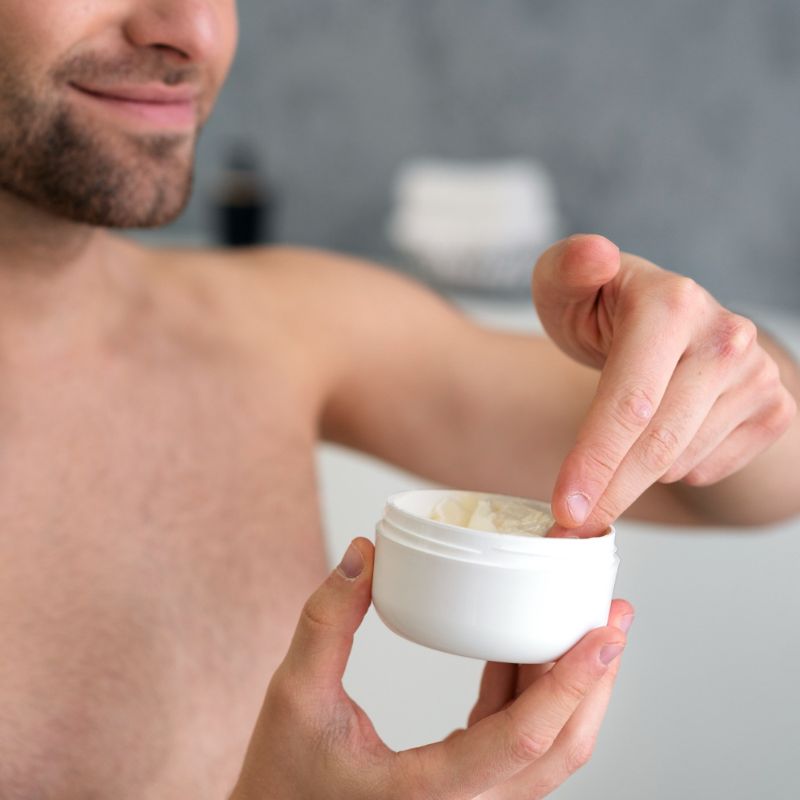
Natural creams for athlete’s foot often contain antifungal plant-based ingredients such as tea tree oil, coconut oil, and aloe vera. Tea tree oil, in particular, has strong antifungal and antibacterial properties that help combat fungal overgrowth while soothing inflammation.
Coconut oil provides a moisturising barrier that prevents skin cracking, reducing, antifungal action due to the caprylic acid content, and the risk of secondary infections. Meanwhile, aloe vera cools irritated skin and promotes healing, making it a valuable addition to a natural remedy.
Many natural creams combine these ingredients with other botanicals or essential oils like calendula, lavender, oregano, or tea tree oil, enhancing their antifungal effects. While natural treatments can be effective for mild cases, they may take longer to show results compared to medical antifungals.
Apply Consistently
Consistency is key—applying the cream daily and maintaining good foot hygiene can help prevent recurrence. For severe or persistent cases, natural creams may be best used alongside medical treatments for a comprehensive approach.
Athlete’s Foot Frequently Asked Questions
Is Athlete’s Foot Contagious?
How It Spreads
Yes, athlete’s foot is a highly contagious fungal condition. It spreads through direct contact with infected skin or contaminated surfaces such as locker room floors, showers, and shared towels.
Avoiding barefoot contact in public places such as gyms, sports halls, locker rooms, and keeping feet dry are crucial for preventing infection.
What Kills Athlete’s Foot Instantly?
While no treatment kills athlete’s foot instantly, some antifungal medications work faster than others. Prescription creams, oral antifungals, and hydrogen peroxide soaks can help eliminate the infection quickly.
Consistent application of antifungal treatments and proper foot care are key to eradicating the fungus as fast as possible.
Is Athlete’s Foot Bad?
Athlete’s foot is usually a mild condition, but if left untreated, it can lead to severe discomfort, cracked skin, and secondary bacterial infections.
People with diabetes or weakened immune systems should be especially cautious, as athlete’s foot can lead to serious complications.
How Do I Prevent Athlete’s Foot?
Once you’ve treated athlete’s foot externally and internally, keeping it from coming back requires daily preventive measures:
Athlete’s Foot Pictures
What Does Athlete’s Foot Look Like?
Seeing real images of athlete’s foot can help identify the infection early. Mild cases may show flaking and peeling skin, while severe cases may include redness, blistering, and deep cracks.
Comparing your symptoms to athlete’s foot pictures can help determine if treatment is necessary:
Athlete’s Foot Pictures

Look After Your Feet 
Nail Fungus Is Also Common 
Applying Tea Tree Cream 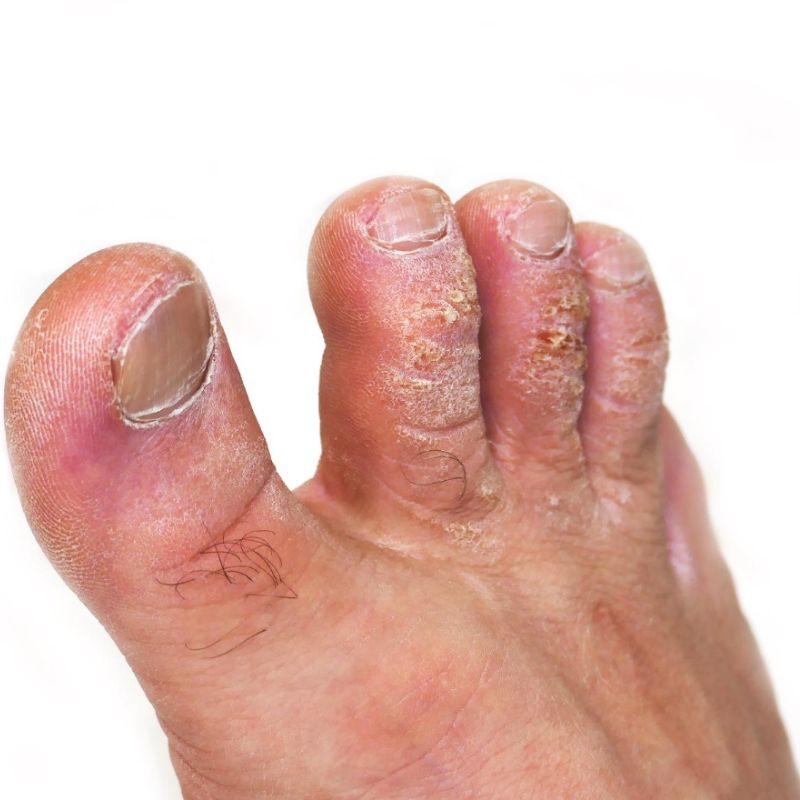
Advanced Athlete’s Foot Shoe Wearing Increase Risk 
Chronic Athlete’s Foot 
Heel with Fungal Infection Severe Athlete’s Foot 
Chronic and Recurring 
Fungal Nails Can Accompany This Condition 
Painfully Split Skin 
It’s Common with Athletes 
Children’s Athlete’s Foot 
Between The Toes 
Infections Can Last Years 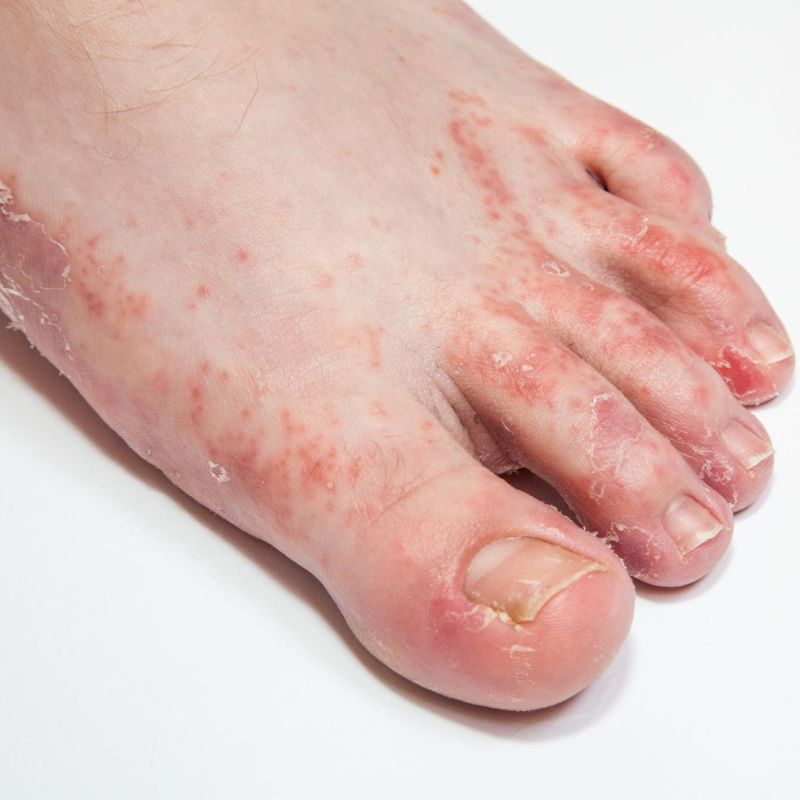
Athlete’s Foot and Dermatitis Vesiculobullous Type (Blisters) Moccasin Type
Final Thoughts On Athlete’s Foot
Preventing and Treating Athlete’s Foot For Good
Athlete’s foot is a common but manageable condition, it is possible to avoid this annoying problem with a little insight and understanding as to the causative and preventative factors.
A good summary of how to keep your feet healthy:
Follow these steps to prevent and treat athlete’s foot effectively, ensuring long-term foot health.
The Best Approach to Stubborn Athlete’s Foot—Treat Inside and Out
Athlete’s foot is more than just an itchy, peeling skin condition—it’s a fungal imbalance that can signal deeper health issues.
While antifungal creams and powders help control external symptoms, many people don’t realise that chronic or recurrent athlete’s foot is often linked to internal fungal overgrowth, poor digestion, and a weakened immune response.
The Internal Side of Athlete’s Foot: Gut and Immune Health
If athlete’s foot keeps coming back, the real issue might be inside your body, not just on your skin. Fungi like Candida, Aspergillus, and other opportunistic yeasts can overgrow in the gut when:
When fungal overgrowth is present internally, it can lead to chronic skin and nail fungal infections, including:
A Holistic Approach To Treating Athlete’s Foot
Instead of only using topical treatments, the best long-term approach is to eliminate fungal overgrowth internally while also strengthening your gut health and immunity.
Preventing and Managing Athlete’s Foot
Athlete’s foot (tinea pedis) is a common fungal infection that affects the skin of the feet. Those at highest risk include individuals with persistently wet feet, diabetes, weakened immune systems, and those who wear occlusive footwear. The infection is often contracted in public places such as community showers, swimming pools, locker rooms, and other shared bathing facilities.
Common symptoms include itching, scaling, and skin cracks between the toes. Some cases may involve thickened skin on the edges and underside of the foot, often with redness. Treatment typically involves a topical antifungal cream for about four weeks, though some may see faster results. If topical treatments fail, oral antifungals may be necessary. Preventing reinfection is essential and requires proper foot care and hygiene.
BEST Prevention and KEY Athlete’s Foot Management Tips
By following these preventive steps, individuals can effectively manage athlete’s foot and minimize the risk of reinfection.
Comprehensive Holistic Treatment Gets Rid of Athlete’s Foot for Good
If you’ve been struggling with recurring athlete’s foot, simply relying on creams and powders won’t fix the root problem. A combination of targeted antifungal treatments, probiotics, digestive enzymes, and gut-friendly nutrition can help eliminate fungal overgrowth at the source, ensuring long-term relief.
By treating athlete’s foot from the inside out, you’ll not only get rid of the infection, but you’ll also improve your overall gut health, immune function, and skin health.
If your athlete’s foot is persistent or severe, consider working with a naturopath or functional medicine practitioner to assess deeper fungal imbalances. With the right approach, you can finally say goodbye to athlete’s foot—for good!
Please leave a comment with your views or experiences which may be of benefit to others.

Eric Bakker N.D.
Greetings! I am a naturopathic physician from New Zealand. Although I’ve retired from clinical practice since 2019 after 34 years of clinic. I remain passionate about helping people improve their lives. You’ll find I’m active online with a focus on natural health and wellbeing education through my Facebook page, Reddit page and YouTube channel, including this website.