
Candida Diet Maybe Foods List- Caution Foods
Despite any presence of fungal or bacterial overgrowth, infection, or gut issues, specific foods will always remain problematic for some people. These foods are considered “maybe” foods and require caution until proven “gut-safe”. Recognising these foods is an important part of symptom management and promoting gut health. Lets look closer at the Candida Diet Maybe Foods List.
“Maybe” foods are generally safe for most people with a healthy and balanced gut, but can cause adverse reactions in others. Beans, although a common part of a healthy diet, can cause bloating and digestive discomfort in certain individuals due to their high fibre and oligosaccharide content. Certain fruits, such as apples or even bananas, may be harmless to one person but worsen different symptoms for another due to their natural sugar content.
Your Complete Candida Diet Food List
On this website, we have categorised foods and drinks into three main categories:
Foods To Eat
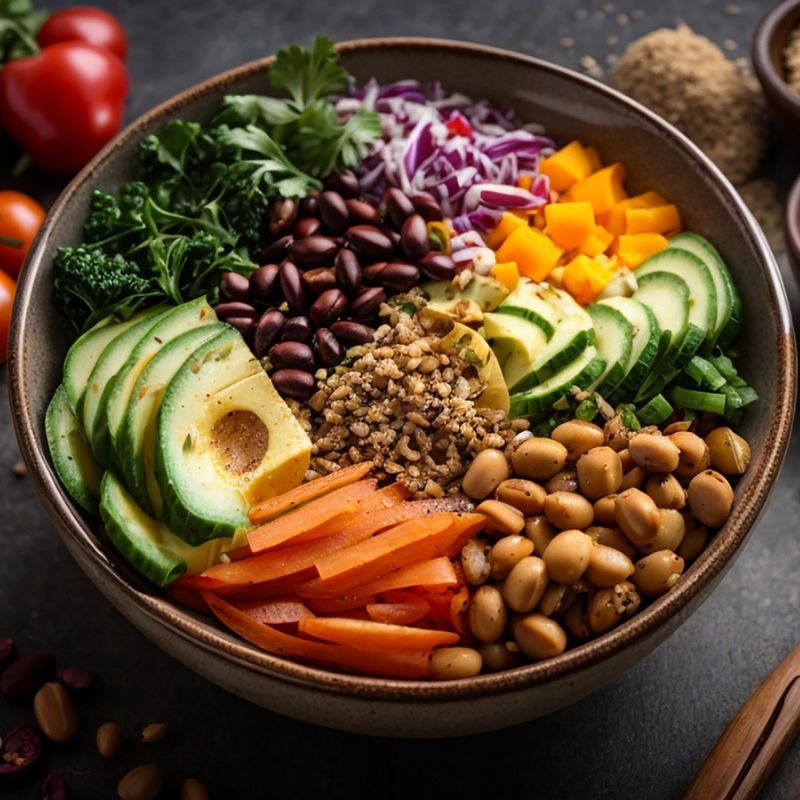
Choosing the right foods is one of the most powerful steps you can take toward restoring balance in your gut and overall well-being. If you’re dealing with Candida overgrowth, SIBO, IBS, or IBD, the foods you eat can either support your healing or contribute to ongoing symptoms. This page outlines the most beneficial foods to include in your diet to help rebalance your gut microbiome and promote long-term health. Read: Foods To Eat

Foods To Avoid
The first and most important step is eliminating junk foods and ultra-processed foods (UPFs). Some may assume that a Candida diet is about avoiding gluten, sugar, or specific food groups like many fruits, root vegetables, or even mushrooms. While these may be considerations later, the foundation of gut recovery begins with removing highly processed and nutritionally depleted foods and consuming a fresh and whole-foods diet. Read : Foods To Avoid
Maybe Foods
Despite any presence of fungal or bacterial overgrowth, infection, or gut issues, specific foods will always remain problematic for specific people. These foods are Candida diet “maybe” foods and require caution until proven “gut-safe”. Recognising these foods is an important part of symptom management and gut health. This comprehensive page separates fact from fiction. Read This Page
Re-Introduce Small Portion Sizes Of Suspect Foods
It’s crucial to be cautious when consuming these “maybe” foods for those with Candida or gut problems. Begin by gradually introducing them in small amounts and observing how your body reacts. Take beans as an example – start with a small portion and monitor any changes in your digestion. To alleviate bloating, gas, or discomfort, consider removing them from your diet once more.
Likewise, begin with a small amount of low-sugar fruits and monitor your body’s response. If you experience any negative effects like stronger cravings or digestive problems, try eliminating them from your diet until your symptoms improve.
Starchy vegetables can also be gradually reintroduced. Begin with a small serving of sweet potatoes, such as, and track your blood sugar levels and digestion. If you have a good tolerance, slowly increase the portion size while monitoring your body’s response.
Your Gut Will Adjust Over Time
By reintroducing and monitoring these Candida diet “maybe” foods, you can learn your body’s tolerance and adjust your diet accordingly. By taking a personalised approach, you can manage your symptoms effectively without needlessly restricting your diet. Over time, you might discover that you can diversify your diet beyond what you first imagined, resulting in a more enjoyable eating experience while still managing your gut health.
When you’re trying to decide whether a ‘maybe’ food belongs in your diet, it helps to understand your overall foundation. These healthy eating principles offer a broader view of how food choices affect gut balance, immune function, and long-term Candida recovery.
Candida Diet Foods List
The Candida Cleanse programs feature comprehensive Candida diet food lists categorised into Food to Eat and Foods To Avoid as well as Healthy Food Shopping Guide.
Our “Maybe” list includes foods that are generally safe for many people but may pose risks for some people with gut problems, including those with Candida overgrowth, SIBO, IBS, and IBD.
As mentioned, examples of these foods are beans, low-sugar fruits, and starchy vegetables. At the beginning of your Candida diet, you might choose to include one or two of these maybe foods. As you progress and start reintroducing foods, this list serves as a useful guide.
If a particular food causes problems, it will be easier to identify and eliminate. Gradually adding some foods back into your diet will make your Candida Diet more manageable, but it’s essential to avoid returning to a high-sugar diet that likely contributed to your symptoms initially.
What Are Foods We Need To Be Cautious About?

Some people may have removed foods from their diet during their Low-Reactive Diet, or they may be re-introducing foods during their Food Re-introduction. These are modules of the Ultimate Candida Cleanse Program.
Once the Candida overgrowth subsides and beneficial gut bacteria improve in both numbers and diversity, we shouldn’t have too many problems with these foods. Unless we simply eat too much or haven’t prepared them properly.
These following foods may be suspect for some people:
Beverages

If you’ve been consuming excessive amounts, it’s crucial to decrease your caffeine consumption significantly. Consuming too much caffeine can cause higher stress levels, disturbed sleep, and digestive problems, among other health issues.
Yet, eliminating caffeine completely can be difficult for many individuals. Luckily, there are options available to make this transition easier for you.
Another great option to high-caffeine drinks is green tea. It has a lower caffeine content compared to coffee or black tea, giving a milder energy boost without jitters or a crash. Green tea packs antioxidants and offers several health benefits, including improved cognitive function, weight loss, and reduced risk of certain diseases. Green tea contains L-theanine, which helps with relaxation and counteracts stimulating effects of caffeine.
If you’re someone who drinks hot beverages all day, herbal tea is a superb choice. These herbal beverages are naturally caffeine free and come in a wide range of flavours, so you can find one that matches your taste. Some herbal teas like chamomile, peppermint, and rooibos have unique health benefits, including better digestion, relaxation, and reduced inflammation.
You don’t have to give up your favourite drinks entirely to reduce caffeine intake. By considering these options, you can still enjoy healthy and satisfying beverages while reducing the negative impact of caffeine and too much introduced sugar on your body.
Fermented Foods

Kefir and sauerkraut, popular fermented foods, are known for their positive impact on gut health. These probiotic-rich foods contain live bacteria and yeasts that can improve your digestive system’s health.
Kefir and sauerkraut are well-known for enhancing digestion, bolstering immunity, and promoting a healthy gut microbiome. Nevertheless, caution should be exercised when consuming fermented foods for specific gut issues like IBS, IBD, Candida overgrowth, or SIBO.
Be Careful With Fermented Foods With Any Gut Problems
Although fermented foods have advantages, they may not be appropriate for everyone, especially people with certain gut issues.
Kombucha and Kvass and Candida

Depending on its preparation, Kombucha can contain a significant amount of sugar. I’ve found the sugar content can vary greatly between home-made and commercially produced kombucha. High sugar levels can aggravate Candida overgrowth and other harmful dysbiotic bacteria in the gut, making it less suitable for people with fungal or bacterial overgrowth or other gut issues.
If kombucha has been made properly and allowed to fully ferment, i.e., longer than only 14 days (depending on the temperature), the sugar content should be sufficiently low to not cause gut problems like bloating, burping and gas.
Kvass, also a traditional fermented drink, can be made from rye bread, beets and may contain varying amounts of sugar. Like kombucha, it may not be ideal for those managing Candida overgrowth due to the potential for high sugar levels. I’d recommend to start with small portions and take it from there.
Fermented Foods Conclusion
While fermented foods like kefir and sauerkraut can improve gut health, people with conditions like IBS, IBD, Candida, or SIBO should be cautious when consuming them. It’s essential to monitor your body’s reactions and consult with a healthcare provider to tailor your diet to your unique needs.
Fruit

High Sugar Fruits
Very sweet fruits are more likely to produce gut discomfort and to negatively affect a person’s blood sugar response, especially if consumed in large amounts. Discomfort is more apparent when a person is in active stages of Candida overgrowth, IBS or SIBO.
Keep in mind that high-sugar and very sweet fruits should still be minimised or eliminated from your diet in the early stages of any gut treatment.
We recommend these sweet fruits with caution:
Grains And Pseudo-Grains

There are varied opinions regarding avoiding gluten-containing grains or not on a Candida or SIBO, IBS or IBD diet. Some maintain various grains and pseudo-grains are less likely to irritate the gut than grains that contain gluten like wheat or rye. This has not been our experience, especially when a person is consuming sourdough bread as opposed to commercially-made bread.
Like starchy vegetables, it’s all about tolerance and not avoidance. Small amounts are OK but you would be better off sticking with options like millet or buckwheat if you have active Candida overgrowth or SIBO.
Why Be Cautious with Grains and Pseudograins?
Practical Tips for Incorporating Grains and Pseudograin into your Diet.
Nuts and Seeds
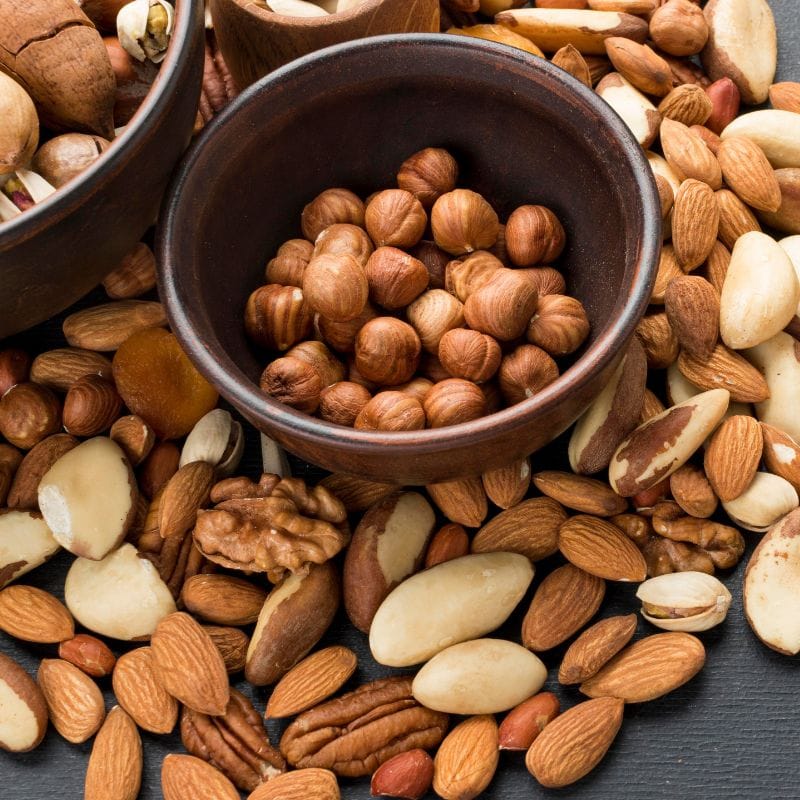
Adding nuts and seeds to diets can be healthy, but individuals managing conditions like Candida, SIBO, IBS, and IBD should be cautious. Whole nuts are less problematic compared to nut milks and nut butters. The presence of added sugars, oils, and preservatives in various commercial products is often the cause. These additives can worsen symptoms and potentially nourish harmful gut bacteria or fungi.
Making your own nut milks and butters is the best approach. Making your own nut milks and butters allows you to have full control over the ingredients and ensures that no unwanted additives or excess sugars are included. Homemade versions allow you to keep it simple, using just nuts and water for milks, or nuts and a bit of salt for butters.
If creating your own isn’t workable, choose a trusted organic brand. When shopping, opt for products that have minimal ingredients and are free from added sugars or preservatives. The better it is, the fewer ingredients it has. Take, for example, a high-quality almond butter that should only have almonds and a hint of salt.
Nuts And Seeds In Moderation Only
When adding nuts and seeds to your diet, remember to consume them in moderation. It’s essential to consume homemade or high-quality products in moderation. Digestive issues can arise from overconsumption, especially for those with sensitive digestive systems.
Including nuts and seeds in your diet can be advantageous if you are managing Candida, SIBO, IBS, or IBD. Concentrate on consuming whole nuts and seeds, and if workable, prepare your own nut milks and butters or opt for high-quality, organic options. To prevent possible digestive problems, consume them in moderation.
When managing Candida overgrowth, there are several considerations to keep in mind when incorporating nuts and seeds into your diet:
By being mindful of these factors, you can enjoy nuts and seeds as part of a balanced diet while managing Candida overgrowth or other issues like IBS or SIBO effectively.
Red Meat
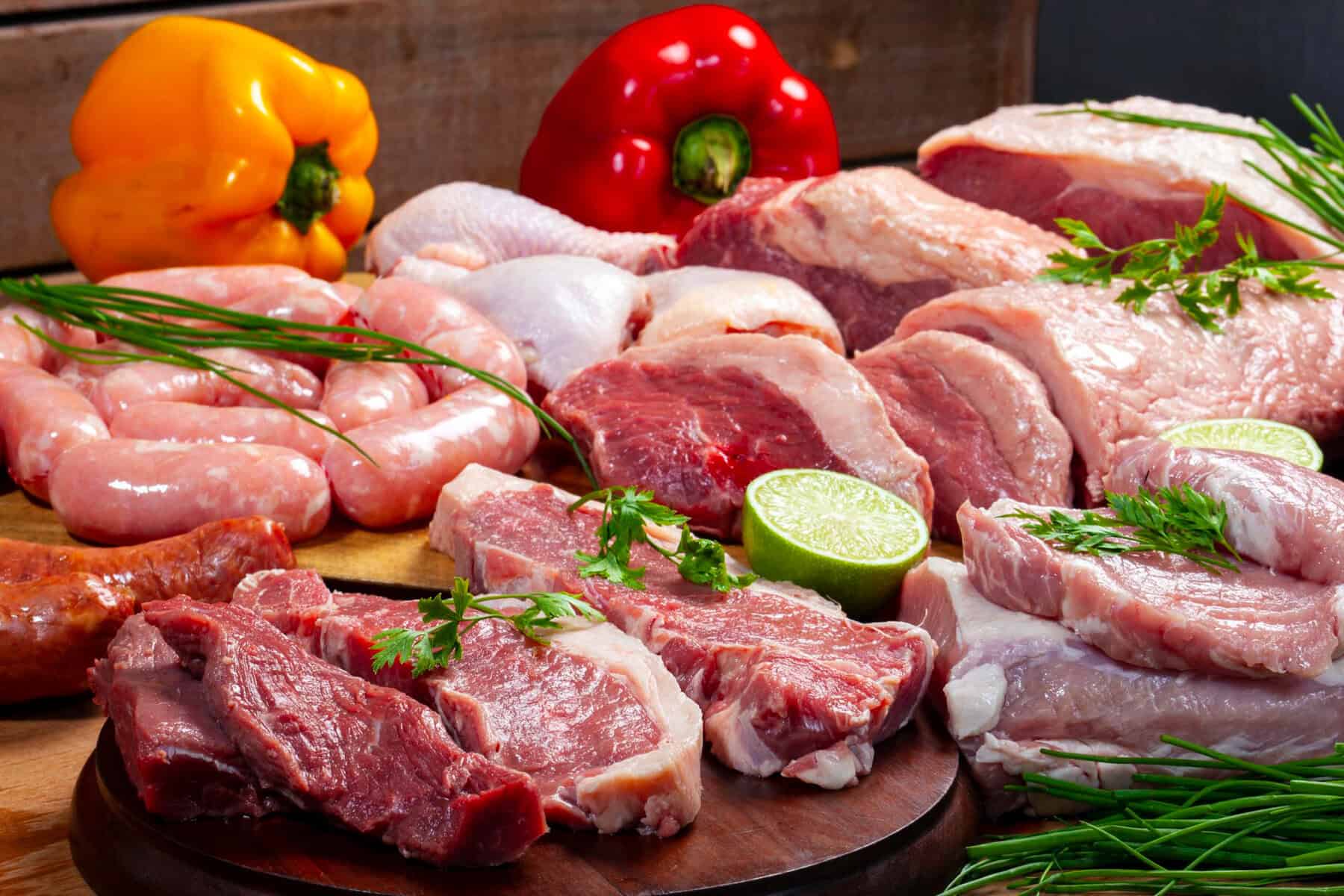
Red meats and processed meats can pose problems for people with Candida overgrowth, SIBO, IBS and IBD. Here’s what you need to keep in mind.
If you consume any meat, it makes a lot of sense to do so in moderation. Meat is consumption is certainly not necessary when it comes to protein requirements, but meat like pork and beef is highly desired by many in the West.
It is worth noting that the high consumption of red and processed meats has been associated with microbiome imbalance and linked to many diseases. (Diakité 2022)
Candida Can Thrive In Any pH
Candida flourishes in all pH conditions. Some web sources of Candida information incorrectly claim consuming red meat could encourage Candida overgrowth by increasing the intestinal pH, resulting in a more alkaline environment. Did you know Candida has developed 5 key survival techniques, including pH adaptability?
Studies show that Candida albicans is able to grow in media ranging from pH2 to pH10, and Candida has been isolated from a range of anatomical sites that vary dramatically in ambient pH – including the stomach (pH 2) , vagina (pH 4-5) and the mouth (pH 6), suggesting that adaptation to environmental pH is key for Candida survival, and its ability to cause disease. (Sherrington et al., 2017)

An All-Meat Diet Vaginal Yeast Infection Cure?
An interesting study from only a few years ago highlights the point of keeping an open-mind when it comes to Candida yeast infection treatment and diet. The study was regarding the nutritional intervention in the form of an all-meat ketogenic diet in the management of Candida vulvovaginitis.
The patient refused standard of care with oral fluconazole for Candida vulvovaginitis, and instead consumed a zero-carbohydrate all-meat ketogenic diet (mostly of beef) with strict adherence to the diet. After 43 days all symptoms ceased. (Yar et al., 2022) Do you have vaginal yeast infection? We recommend you look at our Vaginal Yeast Infection Treatment Program.
Meat Is No Problem For A Healthy Gut
All meats are generally digestible, but breaking down their protein bonds requires strong stomach acids and digestive enzymes. Meat high in fat content might slightly slow down digestion because fats take longer to digest than proteins, regardless of whether they come from plants or animals.
The digestion of hard-to-digest foods relies heavily on a healthy gut microbiome to convert them into absorbable nutrients. Raw vegetables with a high-fibre content are particularly challenging for our digestion due to the human gut’s limited efficiency in processing them (Fu et al., 2022).
Compared to herbivores, our large intestine is shorter and has less surface area, resulting in a smaller population of microorganisms to ferment and break down raw plant matter. Carnivores on the other hand require less time and processing to extract nutrients from meat, resulting in high yield, as evidenced by comparing gut structures and the passage of digestion time.
Meat does provide excellent nutritional value for the healthy gut, but only when consumes in moderation. As omnivores, us humans have a digestive system that can readily process both meat and vegetables.
White Meats Are Better
When it comes to meat, fish and chicken are the better choices. They support liver health, boost your body’s energy use, and help fight off damage from free radicals—no matter how long you eat them. On the other hand, beef and pork tend to slow down energy metabolism.
Eating chicken or fish also leads to fewer harmful compounds being produced in your gut, like TMAO and certain nitrosamines. They even help grow more “good” gut bugs like Lactobacillus and Akkermansia muciniphila. Beef and pork can increase Lactobacillus too, but they also lower other helpful bacteria like Firmicutes (Wang et al., 2024).
As for how you cook your meat:
There are pros and cons of eating meat, but “being hard to digest” shouldn’t be a problem for a reasonably healthy gut. Whenever I heard patients mention undigested food particles in their stool it was always about bits of vegetables like peas or corn, never bits of meat. There are other reasons why read and processed meat are not the best and should be “maybe” foods.
Here are a few reasons why red and processed meats aren’t the best:
Red Meats and Processed Meats
Red Meat, IBS And IBD
Red And Processed Meat Recommendations
By focusing on white meats like fish, chicken and turkey and other easily digestible protein sources, we can better manage Candida overgrowth, SIBO, IBS, and IBD, while supporting overall gut health.
Vegetables
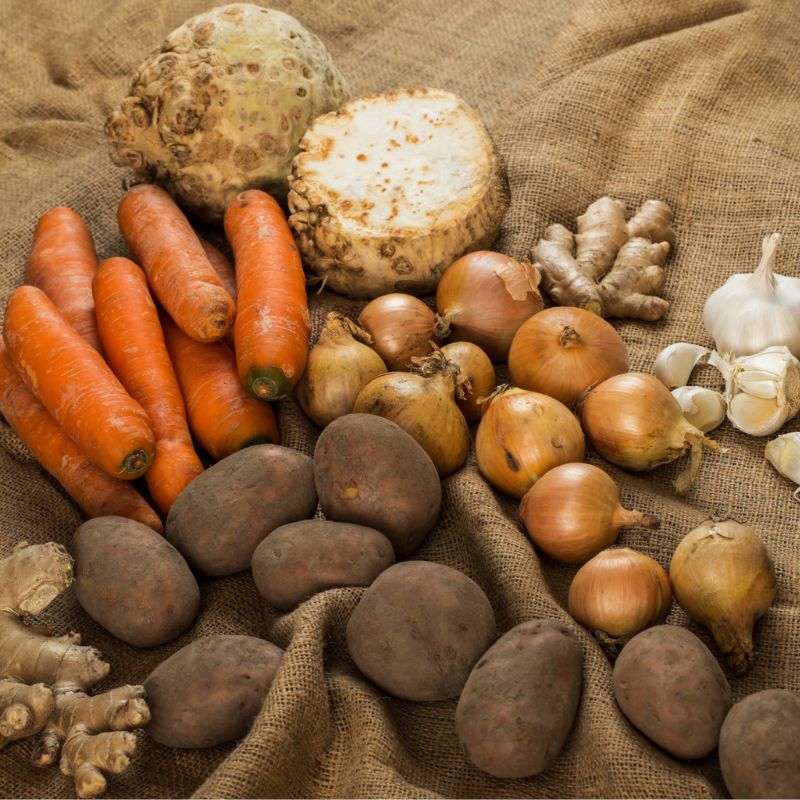
There’s a lot of discussion online about avoiding high-starch vegetables with all kinds of gut-related conditions, including Candida related complex, SIBO, IBS, and IBD. But the research isn’t there to say we need to avoid these food. When these vegetables are properly cooked, cooled and then re-heated we may find these foods to be a lot gut friendlier than we are told.
Remember, it’s all about tolerance, not avoidance.
Any of the following vegetables should be minimised or eliminated from your diet if they are found to be trigger foods, but can be included in small amounts as you progress through your treatment. The best method to uncover what vegetables you need to avoid is by completing the Low Reactive Diet followed by Food Reintroduction, these are two modules that form part of our Ultimate Candida Cleanse Program.
Starchy Vegetable Retrogradation

Starchy vegetables are gentler on our gut if we cook, cool, and reheat them before eating. This process, known as starch retrogradation, significantly alters the starch structure.
When starchy foods like potatoes or rice are cooked and cooled, the amylose and amylopectin chains in the starch realign, increasing the amount of resistant starch. This transformation allows these foods to by-pass digestion and reach the colon, where they are fermented by bacteria. This change also occurs when foods cool at room temperature. (Zhang et al., 2014)
Nutrient-rich sweet potatoes, carrots, and beets are high in vitamins and minerals and worth eating. Their increased carbohydrate and fibre content should pose little issue for most people managing various gut conditions if consumed after cooking, cooling, and reheating. If there are still issues, I recommend including a probiotics or digestive enzymes temporarily in your diet.
Eating starchy vegetables without retrogradation may trigger symptoms by stimulating fungi or bacteria or spiking blood sugar levels. I’ve seen this happen in chronic cases, where too much food was consumed, or there was a history of repeated antibiotic use. However, patients who understand and apply these principles generally do not experience problems with Candida or other gut issues when it comes to starchy vegetables.
Practical Tips for Incorporating Resistant Starch into Your Diet:
Starchy and High-Starch Vegetables Benefits and Considerations
Starchy Vegetable Preparation and Consumption
For people with gut issues like IBS, IBD, Candida, or SIBO, it’s important to pay attention to how these starchy vegetables are prepared and consumed. Here are some general tips:
By understanding the properties of these starchy vegetables and how they interact with our own unique digestive system, we can make more informed dietary choices going forward. Remember, it’s all about tolerance not avoidance.

Ultimate Candida Cleanse
If you are looking how to plan the best food to eat and foods to avoid during your Candida diet, check out our Ultimate Candida Cleanse treatment plan.
Key Takeaways
- Maybe foods in the Candida diet are generally safe but can cause discomfort for some individuals.
- Examples include beans, low-sugar fruits, and starchy vegetables; gradual reintroduction helps identify tolerance levels.
- The Candida diet food list categorizes foods to eat, avoid, and be cautious about, providing guidance for gut health.
- It’s essential to observe how your body reacts to reintroduced foods and adjust your diet accordingly.
- Maintaining a balanced diet while managing symptoms can lead to a more enjoyable eating experience.

Eric Bakker N.D.
Greetings! I am a naturopathic physician from New Zealand. Although I’ve retired from clinical practice since 2019 after 34 years of clinic. I remain passionate about helping people improve their lives. You’ll find I’m active online with a focus on natural health and wellbeing education through my Facebook page, Reddit page and YouTube channel, including this website.