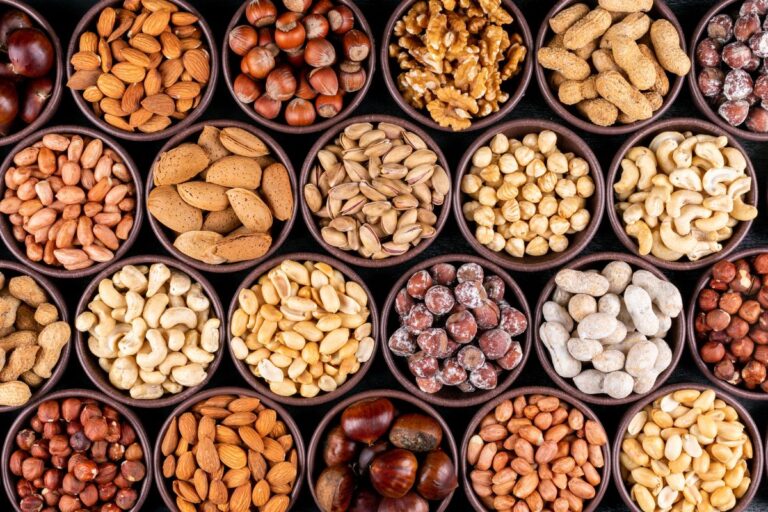

The Importance of Diet Diversity
Dietary diversity is a fundamental principle for maintaining and enhancing overall health. Incorporating a wide range of whole foods into your diet ensures that you receive a broad spectrum of essential nutrients.
This approach is supported by a growing body of research, which highlights the numerous benefits of a varied diet, including improved gut health, better disease prevention, and enhanced mental well-being.
Dietary diversity is defined as the number of different foods or food groups consumed over a given reference period (Ruel 2003). Dietary diversity has long been recognised as a key component of diet quality and many dietary diversity indicators (DDIs) have been developed (Verger et al., 2021).
The Importance of Variety in Our Diet
Healthy eating doesn’t have to be boring. Switching up our ingredients and cooking methods can transform basic dishes into exciting meals. Explore new cuisines, shop at farmers’ markets, or experiment with different preparation techniques like slow cooking or grilling. This helps keep us motivated to stick to healthy eating habits and makes meal preparation more enjoyable.
Tips to Increase Diet Variety
It’s well known that eating a varied diet is key to overall health, but the reasons behind it may be less clear. Variety in your diet is more than just including a range of foods; it ensures a broad intake of essential nutrients, supports gut health, and may even help prevent chronic diseases.
Here are ten key reasons why we should incorporate diverse foods into our meal plan:
10 Reasons Why Diet Diversity Matters
It’s important to eat many kinds of food, that we will be getting all the nutrition our body needs to remain in good health. Here are several of the most important reasons why it is important to maintain diet diversity:
Let’s look a little closer at these important points:
1. Allergy and Sensitivity Prevention

Exposing individuals, especially young children, to a variety of foods can significantly reduce the risk of developing food allergies and sensitivities.
Early exposure to diverse foods allows the immune system to become familiar with different potential allergens, reducing the likelihood of adverse reactions.
Research indicates that:
Incorporating a variety of whole foods, especially during early childhood, helps build a resilient immune system, reducing both short-term and long-term allergy risks.

2. Sustained Energy Levels
While dietary diversity is often linked to improved nutrient intake and gut health, evidence from observational studies suggests that greater food variety may promote healthy weight management.
In fact, some short-term feeding studies indicate that exposure to a wide range of foods can reduce sensory-specific satiation, leading to increased energy intake and greater food consumption in adults.
Given this, the focus should be on promoting a balanced eating pattern that prioritises plant foods, protein sources, low-fat dairy, and nuts while limiting sweets, sugary drinks, and red/processed meats. (de Oliveira Otto et al., 2019).
Key Points
Because dietary diversity is usually associated with greater food intake and at least no reduction in nutrient density, greater diversity usually results in diets of higher absolute levels of energy and nutrients (Ruel 2003).

3. Environmental Sustainability
Intensive industrial agriculture is proving unsustainable and detrimental to both the environment and human health.
A shift toward reduced consumption of livestock products and increased use of plant-based foods is essential for lowering carbon footprints and promoting healthier diets. (Dwivedi et al., 2017).
Key Points
Dietary diversity supports environmental sustainability by:
By diversifying food choices, we contribute to a more sustainable food system and reduce environmental impact.
4. Improved Gut Health
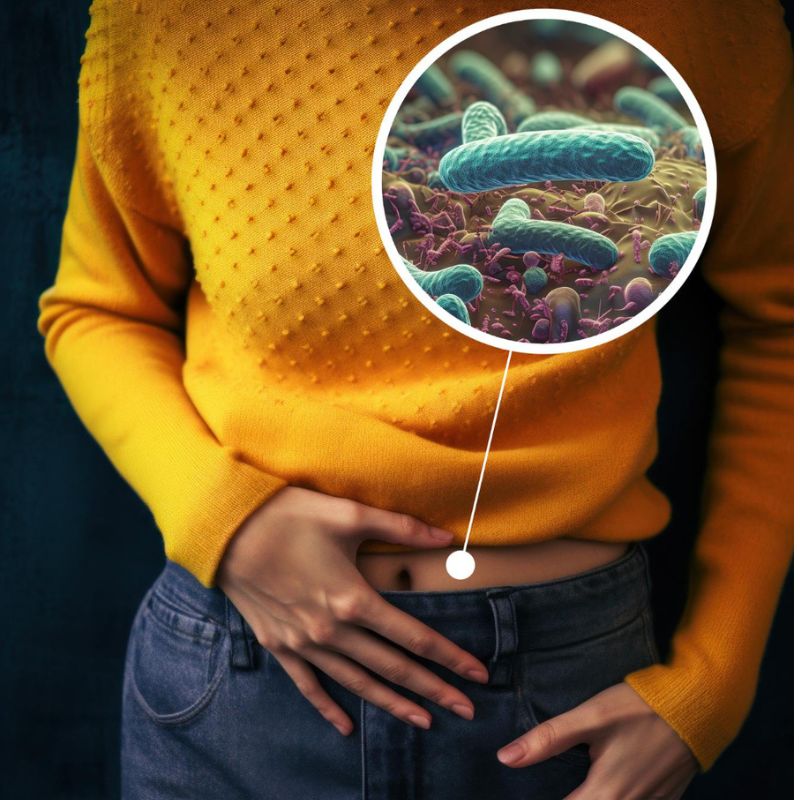
A diverse diet supports a diverse microbiome, which is essential for gut health. Foods rich in fibre, especially plant-based foods, help grow healthy bacteria in the gut.
Incorporating different vegetables, fruits, nuts, and grains feeds the gut microbiota and promotes overall digestive health. Eating seasonally is another great way to add variety to your diet.
Diverse diets contribute significantly to a healthy gut microbiome, which is crucial for digestion and overall health (Zhang 2022).
Key Points
Different foods offer dietary fibre, prebiotics, and probiotics that:
Interestingly, one study found that sociability is associated with higher gut microbial diversity, and anxiety and stress with reduced gut microbial diversity (Johnson 2020).

5. Healthy Sleep
A well-balanced diet plays a crucial role in sleep quality and overall health. Consuming foods high in protein, essential amino acids, low-glycemic-index carbohydrates, and antioxidants can improve sleep.
On the other hand, modern diets that are calorie-dense but lack essential nutrients have contributed to the rise in sleep disorders (Pattnaik et al., 2022).
Studies highlight a deeper connection between diet and sleep, revealing a bidirectional relationship where each influences the other.
Key Points
6. Nutritional and Essential Nutrient Adequacy
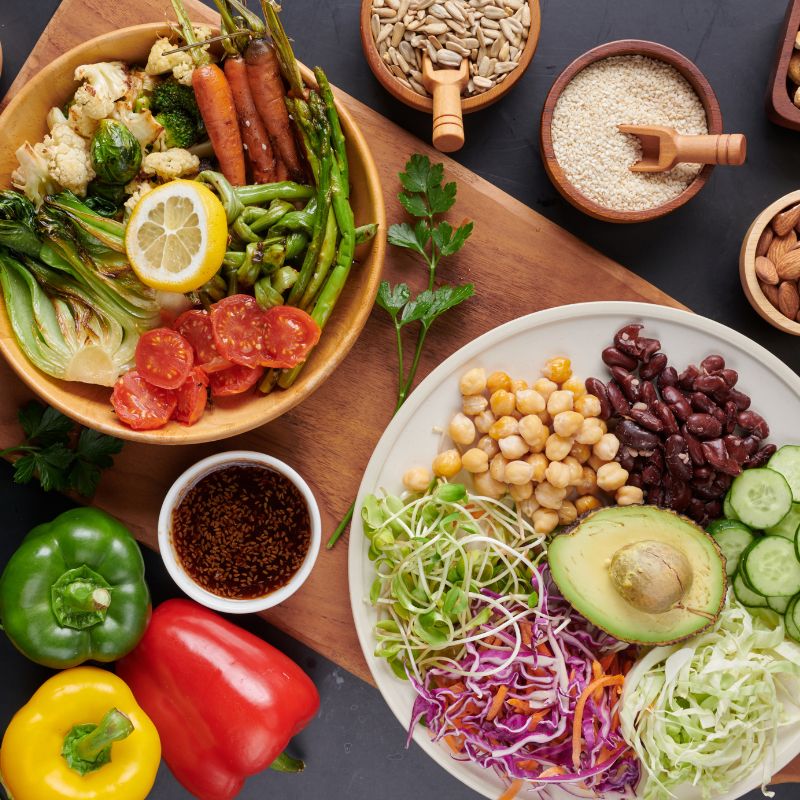
A diverse diet provides a comprehensive array of nutrients necessary for energy, growth, and healing. By including various types of carbohydrates, proteins, and fats, we support our entire body.
Not all foods provide the same nutrients, even within the same group. For instance, oranges are rich in vitamin C, while almonds provide vitamin E.
A diet rich in diverse whole foods, such as vegetables, fruits, whole grains, legumes, nuts, seeds, lean proteins, and dairy, ensures you get a variety of essential nutrients without the need for supplements.
Including new vegetables, less-common grains, and rotating protein sources can keep your diet balanced and nutrient-dense
Key Points
Including different food types ensures that meet our nutritional needs and minimise the risk of deficiencies.

7. Mental and Emotional Health
An increasing number of studies show that diet and nutrition play a critical role in not just physical health but also mental well-being. Western dietary patterns, often high in processed foods and low in essential nutrients, have been linked to poorer mental health outcomes (Muscaritoli 2021).
Maintaining a well-balanced, nutrient-rich diet supports optimal body function and helps prevent dysfunction caused by internal or external stressors.
Nutritional deficiencies can impair mental and physical functions, while a diet rich in essential micro- and macronutrients like omega-3s, B vitamins, vitamin E, magnesium, and folic acid can promote brain health, mitigate neuroinflammation, and improve overall mental well-being.
Key Points
8. Weight Management

The Mediterranean Diet is renowned for its effectiveness in preventing chronic diseases like cancer, diabetes, and heart disease as well as managing weight. This diet emphasises a diverse diet, including plant-based foods, healthy fats, and moderate consumption of fish and poultry, while also integrating beneficial lifestyle practices such as regular physical activity.
Meta-analyses have shown that the Mediterranean Diet is more effective in reducing body weight and BMI compared to other diets (Dominguez et al., 2023). Preliminary studies also suggest that combining this diet with energy restriction and physical activity can significantly aid weight control, though more research is needed to confirm long-term effects and cardiovascular benefits.
Key Points
A diverse diet can aid in weight management by:
Variety in diet helps maintain a healthy weight and reduces the risk of obesity and related chronic diseases.

9. You Will Live Longer
A healthy diet plays a crucial role in extending lifespan and promoting overall well-being. Evidence suggests that focusing on increasing the intake of nutritious foods is more effective for enhancing longevity than simply reducing the consumption of less healthy options.
One study found that women who consumed 16 to 17 different healthy foods regularly were 42% less likely to die from any cause than those who ate fewer healthy foods. (Michels et al., 2002).
Consuming less refined sugar will also make us live longer, current research suggests a direct link between refined sugar and cancer (Epner et al., 2022).
In a recent study, women who reported high consumption of less healthy foods—such as those high in refined sugars, unhealthy fats, and processed ingredients—demonstrated a significantly increased risk of mortality from cancer compared to those who consumed fewer of these less healthy options.
Key Points
This highlights the potential benefits of adding more nutritious foods rather than simply cutting out unhealthy ones. Including more fruits, vegetables, whole grains, and lean proteins in your meals can reduce your risk of early death.

10. You’ll Reduce Your Risk Of Type 2 Diabetes
Recent research over the past few decades has increasingly highlighted the significance of individual nutrients, specific foods, and overall dietary patterns in both preventing and managing Type 2 diabetes.
This body of evidence from prospective observational studies and clinical trials underscores that the quality of dietary fats and carbohydrates is more important than the mere quantity of these macronutrients.
A nuanced approach to diet that prioritises nutrient-dense, wholesome foods can have a profound impact on diabetes outcomes.
Diets that incorporate a diverse range of foods—including whole grains, fruits, vegetables, legumes, and nuts—while maintaining moderate alcohol consumption and minimising intake of refined grains, red and processed meats, and sugar-sweetened beverages—have been shown to significantly lower the risk of developing type 2 diabetes (Ley et al., 2016).
Such dietary patterns not only contribute to better glycemic control and improved blood lipid levels but also offer broader health benefits. By focusing on the quality of dietary choices rather than just caloric or macronutrient quantities, individuals with diabetes can manage their condition more effectively and potentially reduce their risk of related complications.
Key Points

How Processed Foods Affect Eating Habits
Ultra-processed foods (UPFs) can significantly disrupt healthy eating patterns and promote overeating due to their nutrient-poor composition. One key issue is the removal of natural fibre, which plays a vital role in regulating hunger by promoting feelings of fullness.
Without fibre, people are more likely to consume larger portions, as these foods do not provide lasting satiety. Furthermore, UPFs and junk food are typically high in added sugars, unhealthy fats, and artificial additives, which can overstimulate taste receptors and create cravings for more processed foods, leading to unhealthy eating cycles.
Processed foods also promote chronic inflammation, which can impair the body’s ability to manage hunger and fullness. (Tristan-Aseni et al., 2023). This inflammation often disrupts the gut microbiome, which influences digestion, metabolism, and even mood.
As a result, people consuming high amounts of processed foods may struggle with increased food intake and a weakened capacity to recognize when they’re full, contributing to unhealthy eating habits over time.
Study Key Points
Nutrient-Dense Foods for Gut Health
Nutrient-dense foods are vital for gut health and overall well-being. Examples include:
Benefits of Nutrient-Dense Foods
Articles of Interest
Here are several pages of potential interest:
Candida Diet Food List
Let’s now discuss these food categories below and their importance in brief and then link-up to a lot more detailed information on these following key pages:
Key Take-Away
Conclusion
Embracing dietary diversity is essential for achieving balanced health and well-being. It supports nutritional adequacy, enhances gut health, reduces allergy risks, aids in weight management, and contributes to mental and environmental health.
By incorporating a diverse variety of foods into your diet, you ensure a comprehensive intake of nutrients and maintain a healthy, resilient body

Eric Bakker N.D.
Greetings! I am a naturopathic physician from New Zealand. Although I’ve retired from clinical practice since 2019 after 34 years of clinic. I remain passionate about helping people improve their lives. You’ll find I’m active online with a focus on natural health and wellbeing education through my Facebook page, Reddit page and YouTube channel, including this website.