
What Are Nutrient Dense Foods?
Nutrient-dense foods are those rich in essential nutrients like vitamins, minerals, fiber, and lean protein, while being low in calories. This concept is fundamental to healthy eating and emphasises the quality of food over calorie counting.
Nutrient-dense foods comprise fruits, vegetables, whole grains, seafood, lean meats, eggs, peas, beans, and nuts.
An individual with a focus on consuming mainly nutrient dense foods focuses on foods with the highest micronutrient content per calorie rather than following strict diet plans like low-fat or raw-only regimens. Instead, they prioritise a variety of whole, unprocessed foods to support health and maintain satisfaction.
Common nutrient-dense foods include fruits, vegetables, whole grains, seafood, lean meats, eggs, beans, peas, and nuts. These foods not only supply abundant nutrients but also help reduce the risk of chronic diseases.
We will be looking at some of the healthiest foods we can eat on this page.

What Does Nutrient-Dense Mean?
Nutrient density refers to the amount of vital nutrients a food provides relative to its calorie content. In contrast, the typical Western diet is often calorie-dense but nutrient-poor, emphasising processed foods that offer “empty calories.”
Nutrient-dense foods are natural, whole, and fresh, providing an excellent source of vitamins, minerals, and other nutrients. They are low in unhealthy components such as saturated fats, added sugars, and sodium.
Studies have shown that such diets can disturb the gut microbiome, a condition known as gut dysbiosis, often linked to stress, illness, or overuse of antibiotics. However, diet is the most significant factor influencing gut health. Foods rich in nutrients support not only bodily functions but also help prevent deficiencies, offering essential benefits for overall health.
Why Are Nutrient-Dense Foods Important?
Nutrient-dense foods are essential for maintaining health, reducing inflammation, and preventing chronic conditions like heart disease, obesity, and diabetes. These foods are part of an anti-inflammatory diet that supports overall wellness by providing essential nutrients without overloading on calories.
Key Benefits:
The U.S. Department of Agriculture highlights the importance of nutrient-dense diets, emphasizing that diet quality depends on:
Nutrient Density vs. Energy Density
The difference between nutrient density and energy density lies in the balance of nutrients and calories.

Nutrient-Dense Foods are high in vitamins, minerals, and other nutrients compared to their calorie content. Examples include fruits, vegetables, lean proteins, and whole grains.
Example: One cup of broccoli contains only 30 calories but is rich in calcium, magnesium, vitamins A, C, and K.

Energy-Dense Foods are high in calories relative to their weight or volume and often lack essential nutrients. These are often junk foods or convenience foods.
Examples include fried foods, sugary snacks, and processed fats.
Example: A 12-ounce soft drink has around 150 calories but offers no meaningful nutrients.
Examples of Nutrient-Dense Foods
Here’s an expanded and highly curated list of some of the world’s most nutrient-dense foods across various categories. This list highlights foods renowned for their exceptional nutritional profiles, supported by recent expert sources:
Fruits and Vegetables
Proteins
Whole Grains
Healthy Fats
Dairy
Spices and Condiments
Specialty Foods
This list not only emphasises nutrient density but also highlights foods beneficial for supporting gut health, reducing inflammation, and providing sustained energy. Incorporating a variety of these into your diet can promote overall well-being and address specific nutritional needs
How to Follow a Nutrient-Dense Diet
To build a nutrient-dense diet, prioritise fresh, whole foods and reduce ultra-processed items.
To maintain a nutrient-dense diet:
A nutrient-dense diet ensures your body receives essential nutrients, supports gut health, reduces inflammation, and promotes overall well-being.
Adding Nutrient-Dense Foods to Your Diet
Incorporating nutrient-dense foods into our diet can be done easily with a few easy swaps and additions that enhance the quality of our meals. We can easily boost the nutrient density of our meals by makng the following choices:
Nutrient-Dense Snacking Options
Snacking can play a key role in your daily nutrition. I recommend choosing these nutrient-dense options to keep your energy levels up and support overall health:
By incorporating these nutrient-dense snacks into your diet, you can keep your energy levels stable and support overall health while avoiding empty calories and added sugars.
The 21 Most Nutrient Dense Foods
Prioritise nutrient-dense foods to get the nutrients your body needs without consuming excess calories. Focus on your overall eating pattern rather than fixating on individual foods or nutrients. Here are some of the best foods you can eat with regard to nutrient-density:

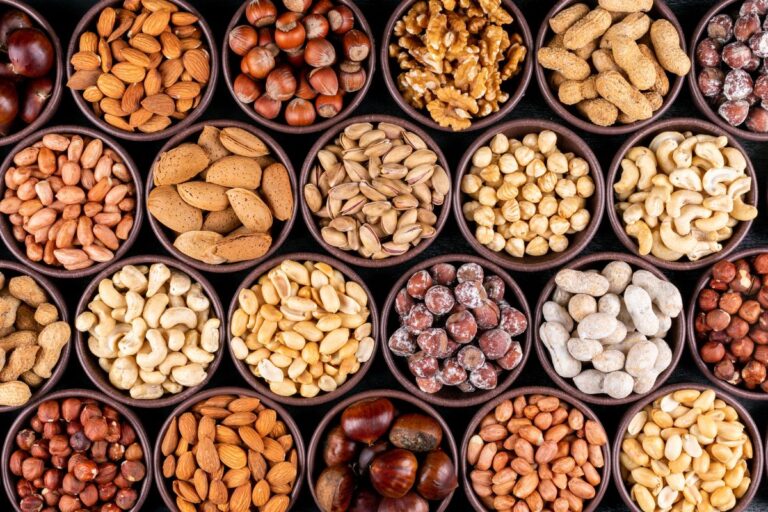
1. Almonds
Almonds are a nutritional powerhouse, offering a rich blend of healthy fats, protein, and fiber. They are an excellent source of vitamin E, magnesium, and riboflavin, all of which contribute to cardiovascular health by enhancing cholesterol levels and mitigating oxidative stress. Additionally, almonds provide a satisfying and nutrient-dense snack option that aids in weight management.
Beyond their cardiovascular benefits, almonds play a significant role in gut health. Their high fibre content supports digestive function by promoting regular bowel movements and fostering a healthy gut microbiome.
Fibre acts as a prebiotic, nourishing beneficial gut bacteria and supporting overall gut health. Incorporating almonds into your diet can help maintain a balanced gut flora, which is essential for effective digestion, nutrient absorption, and immune function.
2. Avocado
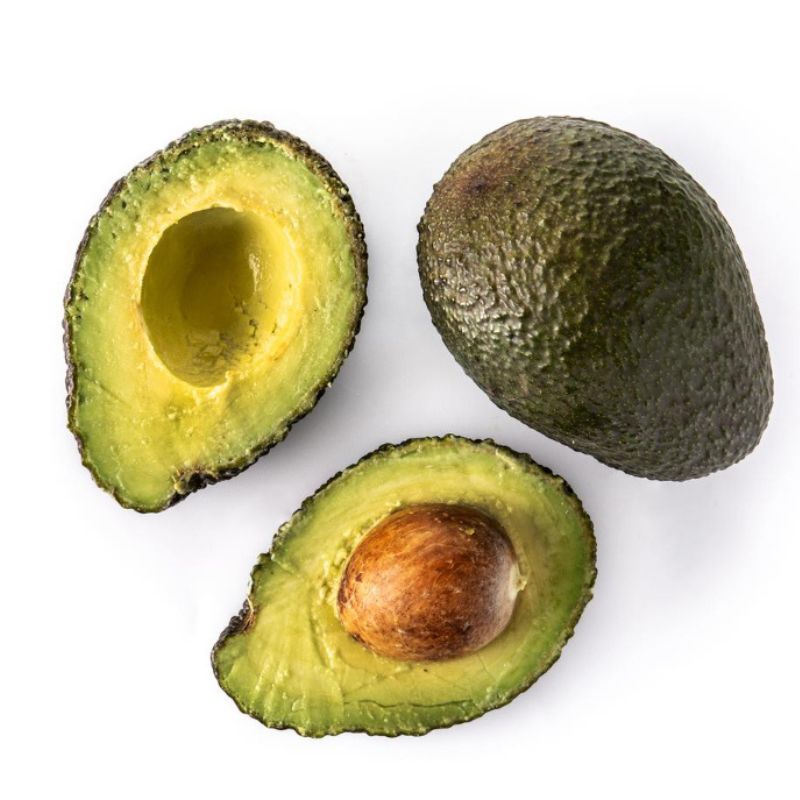
Avocados are rich in healthy monounsaturated fats, fiber, and essential vitamins including C, E, K, and B6. They are also an excellent source of potassium, which aids in blood pressure regulation. Consuming avocados supports heart health, enhances digestion, and provides significant anti-inflammatory benefits.
In addition to their cardiovascular and digestive advantages, avocados benefit gut health by promoting a balanced microbiome. Their fiber content acts as a prebiotic, feeding beneficial gut bacteria and contributing to a healthy digestive environment. This support for gut flora helps improve nutrient absorption and overall gut function, further enhancing overall well-being.

3. Berries
Berries, such as blueberries, strawberries, and raspberries, are packed with antioxidants, vitamins, and fiber. These nutrient-rich fruits help combat oxidative stress, enhance brain function, and support cardiovascular health. Low in calories yet high in essential nutrients, berries make a tasty, gut-friendly addition to your diet.
Their high fibre content aids in digestive health by promoting a balanced gut microbiome. The fiber acts as a prebiotic, nourishing beneficial gut bacteria and contributing to overall digestive well-being. Incorporating berries into your diet not only supports heart and brain health but also fosters a thriving gut environment.

4. Bitter Melon
Bitter melon is a tropical fruit renowned for its potential to help regulate blood sugar levels, making it particularly beneficial for individuals with diabetes. It’s high in fiber, vitamin C, and various B vitamins, which support digestive health and overall well-being.
The high fiber content in bitter melon aids digestion by promoting a healthy gut microbiome. Its ability to regulate blood sugar levels also contributes to better metabolic health. Including bitter melon in your diet can enhance digestive function and support balanced blood sugar levels.
5. Broccoli
Broccoli is a nutrient-dense cruciferous vegetable rich in vitamins C, K, and A, as well as folate, fiber, and antioxidants. Its high levels of sulforaphane, a potent compound, have been associated with cancer prevention due to its role in detoxification and inflammation reduction.
The fiber in broccoli promotes a healthy gut microbiome, aiding digestion and enhancing overall gut health. Additionally, the antioxidants and vitamins in broccoli support immune function and may help reduce inflammation, further contributing to overall well-being.

6. Chia Seeds
Chia seeds are a nutritional powerhouse, brimming with omega-3 fatty acids, fiber, protein, and essential minerals like calcium, magnesium, and phosphorus. Their high fiber content supports digestive health by promoting regularity and nurturing a healthy gut microbiome.
Additionally, chia seeds provide sustained energy, making them an excellent choice for maintaining vitality throughout the day. They also contribute to healthy skin and hair, thanks to their rich omega-3 and antioxidant content, which helps protect against oxidative stress and inflammation.

7. Dark Chocolate
Dark chocolate with at least 70% cocoa content is a treasure trove of flavonoids, potent antioxidants that support heart health by reducing blood pressure and cholesterol levels.
It’s also packed with essential minerals like magnesium, copper, and iron. This makes it a nutritious indulgence, providing both cardiovascular benefits and a boost of vital nutrients. Enjoying dark chocolate in moderation can be a delicious way to enhance overall health while satisfying your sweet tooth.

8. Eggs
Eggs are a top-notch source of complete protein, offering all essential amino acids your body needs. They are abundant in vitamins A, D, E, and B12, along with choline, which plays a crucial role in brain health.
Additionally, the antioxidants found in egg yolks, like lutein and zeaxanthin, are vital for protecting eye health and preventing age-related vision issues. Eggs provide a balanced mix of nutrients that support overall well-being and cognitive function.
9. Garlic
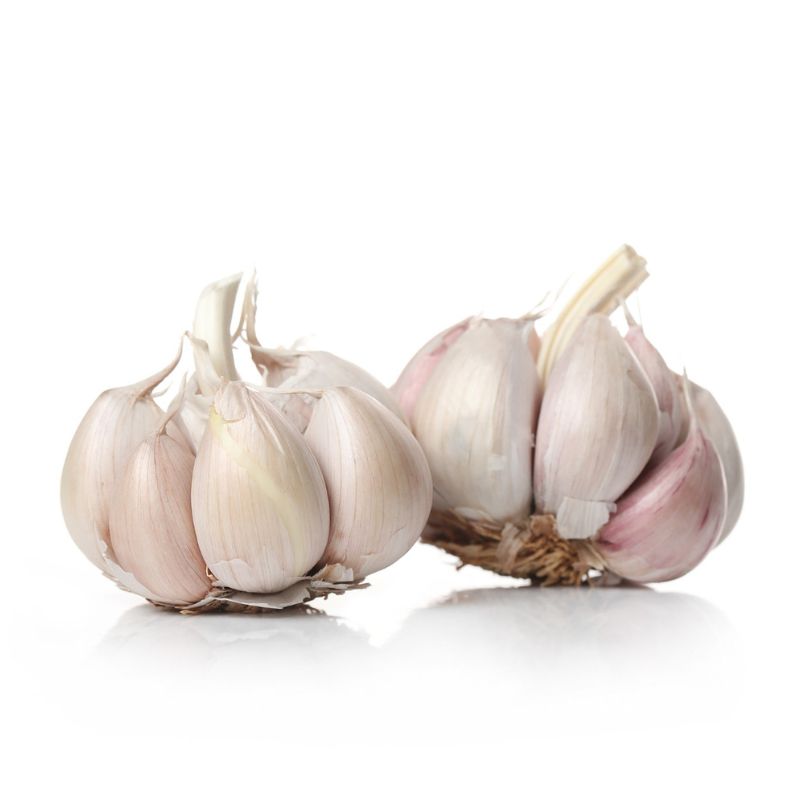
Garlic is celebrated for its potent anti-inflammatory and antioxidant properties. It’s rich in vitamins C, B1, and B6, as well as essential minerals like selenium, copper, and manganese. Garlic’s sulfur compounds, particularly allicin, are known to lower blood pressure and cholesterol, promoting heart health.
Additionally, garlic supports gut health by acting as a prebiotic, which nourishes beneficial gut bacteria and enhances digestion. Its antimicrobial properties can help maintain a balanced gut microbiome, contributing to overall digestive well-being.

10. Kale
Kale is a nutrient-packed leafy green, abundant in vitamins A, C, K, and various B vitamins, along with essential minerals such as calcium, potassium, and magnesium. Its high fiber content supports digestive health by aiding in regular bowel movements and promoting a healthy gut microbiome.
Additionally, kale’s rich antioxidant profile helps combat inflammation and oxidative stress, which can benefit overall health and potentially reduce the risk of chronic diseases.

11. Liver
Liver is an exceptionally nutrient-dense organ meat, packed with vitamins A, B12, B6, and folate, alongside essential minerals like iron, copper, and zinc. Its rich vitamin and mineral content supports energy production, enhances immune function, and boosts overall vitality.
Regular consumption of liver can contribute to optimal health by providing key nutrients necessary for various bodily functions, including cell repair and immune system support.

12. Mushrooms
Mushrooms are low in calories but rich in essential nutrients like selenium, vitamin D, and B vitamins. They are also packed with antioxidants and beta-glucans, which boost immune function and may reduce the risk of cancer.
Additionally, mushrooms contain prebiotics that feed beneficial gut bacteria, promoting a healthy gut microbiome. Their versatility makes them an easy and nutritious addition to many dishes, supporting overall health, including digestive well-being.

13. Potatoes
Potatoes are a great source of potassium, vitamin C, and B vitamins. When consumed with the skin, they provide a valuable amount of fiber, which supports digestion. Potatoes are also rich in resistant starch, a type of carbohydrate that acts like fiber in the digestive system.
This resistant starch helps regulate blood sugar levels, promotes the growth of beneficial gut bacteria, and enhances overall gut health. Their versatility and nutritional value make potatoes a beneficial addition to a balanced diet.

14. Quinoa
Quinoa is a gluten-free grain that offers a complete protein profile, containing all nine essential amino acids. It’s packed with fiber, which aids digestion and promotes a healthy gut by feeding beneficial bacteria.
Rich in magnesium and antioxidants, quinoa supports overall health by reducing inflammation and providing sustained energy. Its nutrient density and versatility make it an excellent choice for those looking to boost their nutritional intake and maintain gut health.
15. Salmon
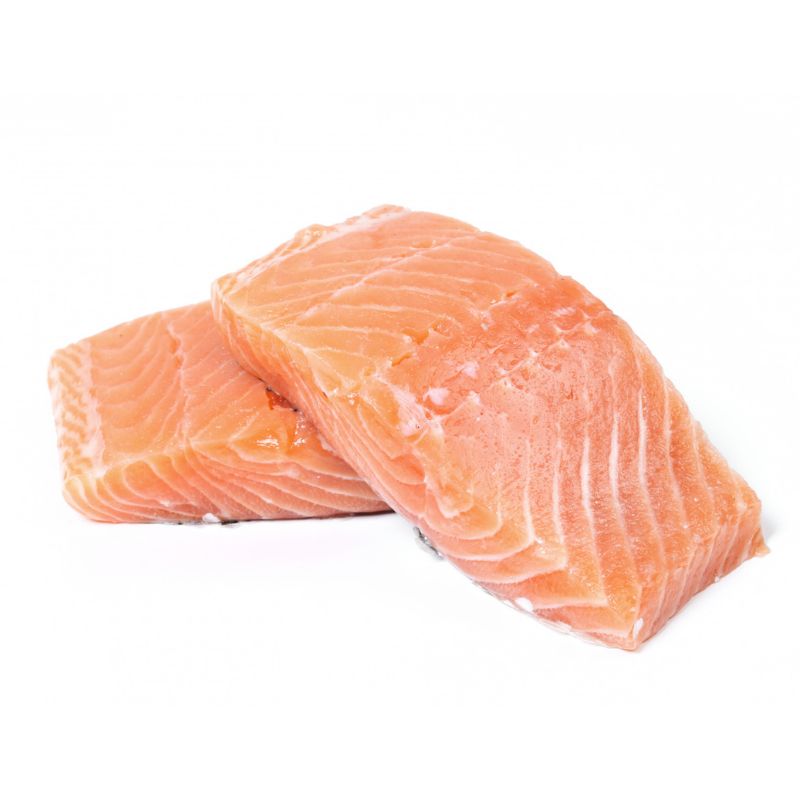
Oily fish, particularly salmon, is an excellent source of omega-3 fatty acids, essential nutrients that our bodies cannot produce on their own. Omega-3s are vital for the optimal function of various body systems, including the brain, eyes, heart, blood vessels, lungs, immune system, and endocrine system.
A 100-gram serving of wild Atlantic salmon delivers around 2.2 grams of omega-3 fatty acids and 25.4 grams of high-quality animal protein. Additionally, it is rich in vitamins and minerals like magnesium, potassium, selenium, and B vitamins.
The nutritional profile of salmon supports overall health, contributing to brain function, cardiovascular health, and more.
Salmon is not only nutritious but also tasty and easy to prepare. It offers a satisfying meal with relatively few calories. When purchasing fish, it’s important to choose options from sustainable sources to ensure environmental responsibility.
16. Sardines
Sardines are nutrient-packed, small, oily fish that are particularly rich in omega-3 fatty acids, which are essential for heart and brain health. They are also an excellent source of calcium and vitamin D, which are crucial for maintaining strong bones and preventing osteoporosis. Because sardines are typically consumed whole, they provide a unique range of nutrients, including high-quality protein, selenium, and vitamin B12, which support immune function and energy production.
From a gut health perspective, sardines are highly beneficial. The omega-3 fatty acids they contain have anti-inflammatory properties that can help soothe the gut lining and promote a healthy balance of gut bacteria. Additionally, the combination of protein, healthy fats, and essential vitamins and minerals in sardines supports overall digestive health and helps maintain a strong, resilient gut microbiome. Sardines are also low in mercury compared to larger fish, making them a safer choice for regular consumption.
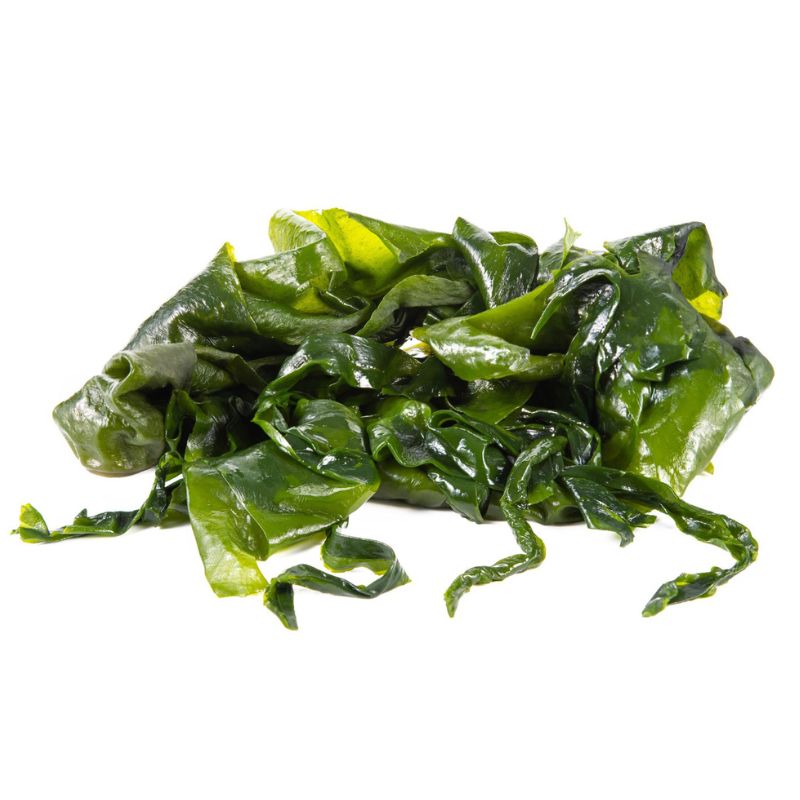
17. Seaweed
Seaweed is a nutrient-dense sea vegetable, particularly high in iodine, which is crucial for maintaining healthy thyroid function and regulating metabolism. In addition to iodine, seaweed is packed with essential minerals like calcium, iron, and magnesium, which support bone health, oxygen transport, and muscle function. The antioxidants found in seaweed help protect cells from oxidative stress, reducing the risk of chronic diseases.
When it comes to gut health, seaweed is a standout. It contains a type of soluble fiber known as alginate, which has prebiotic properties that nourish beneficial gut bacteria and promote a healthy gut microbiome. This fiber also aids in digestion and can help regulate blood sugar levels by slowing down the absorption of glucose. Seaweed’s versatility makes it easy to incorporate into various dishes like soups, salads, and sushi, adding both nutritional value and unique flavors to your meals.

18. Shellfish
Shellfish, including clams, oysters, and mussels, are incredibly nutrient-dense, offering a rich source of vitamin B12, iron, zinc, and omega-3 fatty acids. Vitamin B12 is essential for nerve function and red blood cell formation, while iron plays a crucial role in oxygen transport and energy production. Zinc supports immune function and wound healing, and omega-3 fatty acids promote heart health by reducing inflammation and supporting healthy cholesterol levels.
For gut health, shellfish provide high-quality protein and important minerals that contribute to the integrity of the gut lining, helping to prevent leaky gut syndrome. The omega-3 fatty acids in shellfish also have anti-inflammatory properties that can benefit the gut, reducing inflammation that might otherwise disrupt the balance of gut bacteria. Incorporating shellfish into your diet can enhance cognitive function, support heart health, and boost overall vitality, making them a valuable addition to a nutrient-rich diet.

19. Spinach
Spinach is a powerhouse leafy green, packed with essential nutrients like iron, calcium, magnesium, and vitamins A, C, and K. The iron in spinach plays a crucial role in oxygen transport and energy production, while calcium and magnesium are vital for maintaining strong bones and muscle function. Vitamins A and C are potent antioxidants that help protect cells from damage, support immune function, and promote healthy skin.
For gut health, spinach’s high fiber content is particularly beneficial. Fiber aids digestion by promoting regular bowel movements and supporting a healthy gut microbiome, which is essential for overall digestive health. The antioxidants in spinach also help reduce inflammation in the gut, contributing to a balanced and healthy digestive system.
Additionally, vitamin K in spinach is important for bone health, supporting calcium absorption and bone density. By incorporating spinach into your diet, you can enhance digestive health, reduce inflammation, and support strong bones and a robust immune system.

20. Sweet Potato
Sweet potatoes are an excellent source of beta-carotene, which the body converts into vitamin A, a nutrient crucial for maintaining healthy vision and supporting the immune system. In addition to their vibrant orange hue, which signals a high antioxidant content, sweet potatoes are rich in dietary fiber, aiding digestion and promoting a healthy gut microbiome.
The fiber in sweet potatoes not only helps regulate digestion but also contributes to blood sugar management by slowing the absorption of sugars, making them an ideal choice for maintaining steady energy levels. Vitamins C and B6 found in sweet potatoes further enhance immune function and support brain health, while potassium helps maintain healthy blood pressure and heart function.
With a low glycemic index, sweet potatoes are beneficial for those looking to manage blood sugar levels, providing a nutritious and versatile option for a variety of meals. Whether baked, mashed, or added to soups and stews, sweet potatoes offer a delicious way to support overall health, from the eyes to the gut.

21. Tomato
Tomatoes are packed with lycopene, a powerful antioxidant known for its potential to lower the risk of certain cancers, particularly prostate cancer, and to protect against heart disease by reducing oxidative stress. Beyond lycopene, tomatoes are also a rich source of vitamins C and K, which are essential for immune function and bone health, as well as potassium, which supports healthy blood pressure levels.
In addition to these benefits, tomatoes contribute to gut health. They are high in fiber, which aids digestion and promotes a healthy gut microbiome. The natural acidity in tomatoes can also help stimulate the production of digestive enzymes, enhancing nutrient absorption. Whether eaten fresh in salads, cooked into sauces, or enjoyed as a juice, tomatoes offer a versatile and nutrient-dense addition to your diet, supporting overall health and well-being.
Understanding which foods are nutrient-dense can help in creating a balanced diet. However, it’s essential to remember that no single food provides all the nutrients your body needs, so variety is key.
The Bottom Line
Nutrient-dense foods are a vital part of a healthy diet. Incorporating these 20 superfoods into your meals can boost your intake of essential vitamins, minerals, and antioxidants, promoting overall health and well-being. Remember, the best approach is to eat a diverse range of foods to ensure you get all the nutrients your body needs.

Eric Bakker N.D.
Greetings! I am a naturopathic physician from New Zealand. Although I’ve retired from clinical practice since 2019 after 34 years of clinic. I remain passionate about helping people improve their lives. You’ll find I’m active online with a focus on natural health and wellbeing education through my Facebook page, Reddit page and YouTube channel, including this website.