

Nuts and Seeds: A Cornerstone of a Healthy Diet
Nuts and seeds are nature’s compact powerhouses of nutrition, even though they may appear tiny, they offer exceptional benefits. Renowned for their extraordinary nutrient density, these foods are packed with essential fatty acids, plant-based proteins, and dietary fibre, and many minerals and trace elementsmaking them an indispensable part of any whole-food, health-conscious diet.
Like berries, nuts and seeds stand out for their ability to deliver concentrated nutrition in a small package, enhancing overall health and well-being.
Beyond their macronutrient profile, nuts and seeds are rich in vital trace elements, minerals, and an array of phyto-compounds that provide potent health-promoting properties. From supporting digestive health to reducing the risk of chronic illnesses like heart disease and diabetes, they truly qualify as superfoods.
Their unique nutrient composition not only meets daily dietary needs but also offers powerful protection against inflammation, oxidative stress, and other factors contributing to long-term disease.
As we explore the numerous benefits of nuts and seeds, it becomes clear that they are much more than snacks; nuts and seeds are true superfoods, fundamental to building a sustainable foundation for robust health, vitality, and longevity.
Nuts And Seeds Are True Superfoods
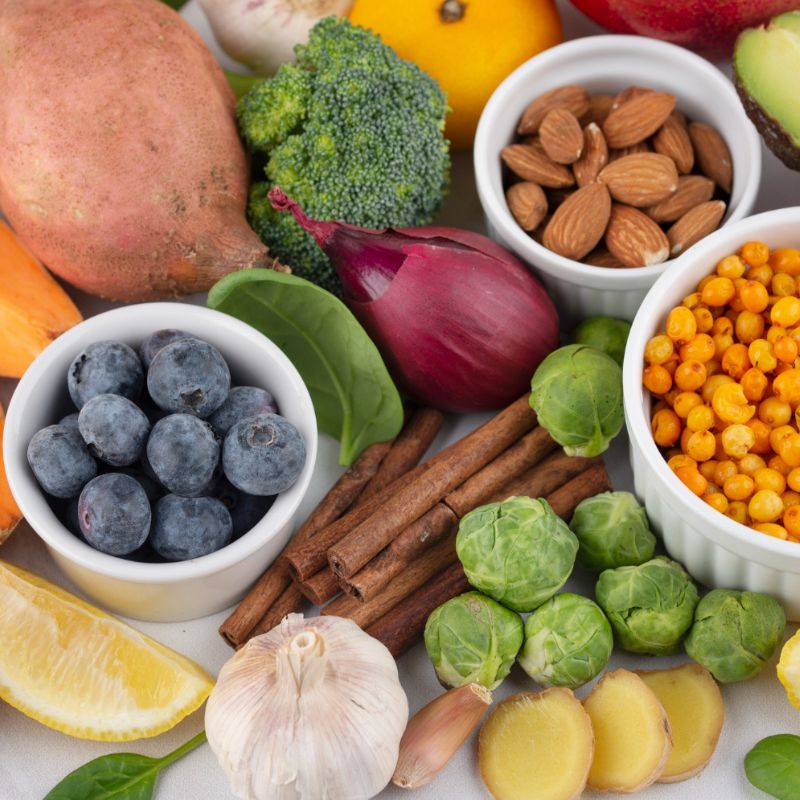
Additionally, nuts and seeds are rich in phytochemicals, healthy fats, and antioxidants, which help combat inflammation and support cellular health, making them a powerful ally in maintaining a strong and resilient body.
Despite their health benefits, moderation is key when it comes to nuts and seeds. Due to their concentrated nutrient profile and calorie density, eating them in small amounts—just a palmful a day—is enough to reap their benefits. This modest portion helps with satiety, curbing hunger between meals and supporting weight management without overloading on calories. By promoting fullness and delivering a steady release of energy, nuts and seeds make an excellent addition to any diet aimed at optimizing wellness.
One of the most compelling reasons to include nuts and seeds in our daily diet is their positive impact on our gut health. Their high fibre content nourishes beneficial gut bacteria, supporting a balanced microbiome, which plays a critical role in digestion, reducing inflammation, improving immunity, and even mental health well-being (Aziz et al., 2024).
Even in small amounts when taken regularly, nuts and seeds can deliver significant health benefits over time. Their unique blend of plant fats, minerals, amino acids, and many phytochemicals not only nourishes our body but also elevates our overall well-being, making them a vital ingredient for a healthier, happier life. Later we’ll show you several ways to incorporate nuts and seeds into your diet.
Classification of Nuts
Nuts are typically classified into two primary categories: tree nuts and peanuts, both of which are dietary staples with rich nutrient profiles and culinary versatility. Though often grouped together, their botanical classifications differ significantly.
Tree Nuts
Peanuts
Nuts and Seeds: Misunderstood Superfoods

The debate over whether nuts and seeds should be a regular part of our diets has grown somewhat polarised online. Some critics even discourage their consumption, labelling them as “too high in calories”, or foods that “may cause allergies”.
Meanwhile, concerns over seed oils have led to a wave of scientifically unsupported claims. This divide reflects a growing disconnect between online dietary trends and evidence-based nutritional guidelines. Social media groups and diet camps have turned nutrition into something akin to politics or religion, making it harder to discern fact from fiction. Everybody appears to have a different opinion.
I’ve found that the targeting of specific food groups, like nuts and seeds, is nothing new on the internet, but their inclusion as “problem foods” is rather bizarre. Nuts and seeds are one of the few foods universally praised across all dietary approaches—from veganism to paleo and the Mediterranean diet, and are a true superfood.
For those not trying to lose weight, nuts remain among the healthiest foods available. Even for those with weight concerns, it’s questionable whether the calories from nuts are comparable to the serious harm caused by processed snacks, junk foods, and sugary drinks.
From an evolutionary perspective, nuts and seeds were a blessing: calorically dense, nutrient-packed foods that sustained hunter-gatherer societies constantly on the move. Back then, obtaining these foods required significant effort—walking vast distances to find and gather them in small quantities. Today, by contrast, we simply drive to the supermarket, grab a bag of salted, roasted nuts, and eat them mindlessly while bingeing on the latest mini-series on Netflix.
The issue isn’t the nuts themselves but our modern lifestyles. Today we have an unhealthy abundance of foods like nuts and seeds, and consume far too much while moving far too little. The problem lies not in the inherent value of nuts and seeds but in our sedentary, overindulgent habits.
Key Diet and Nutrition Pages
Health Benefits Of Nuts And Seeds

Nuts and seeds are incredible sources of nutrition, providing essential fatty acids, protein, vitamin E, key minerals, and many trace elements. They are also rich in dietary fibre and health-promoting phyto-chemicals such as carotenoids, phytosterols (like beta-sitosterol), and polyphenols (including flavonoids, proanthocyanidins, and resveratrol).
A healthy dietary pattern emphasises an abundance of vegetables, fruits, legumes, nuts, whole grains, lean protein sources, and low-fat dairy products. Among these, nuts play a pivotal role due to their rich nutritional profile and numerous health benefits. For vegetarians, nuts are a particularly important source of unsaturated fats and high-quality vegetable protein, often ranking above meat substitutes in terms of consumption. Their optimal nutrient composition and robust scientific evidence supporting their health benefits underscore their indispensable role in a well-balanced diet.
Dietary patterns closely resembling the Mediterranean diet, where nuts are a central component, are associated with a range of positive health outcomes. Compared to a healthy diet without nuts, a nut-enriched diet has been shown to prevent cardiovascular events and lower the risk of chronic conditions like diabetes, cancer, and neurodegenerative diseases.
They Promote Satiety
One surprising benefit of nuts and seeds is their impact on weight and metabolic health. Despite their high-calorie content, studies have shown that frequent consumption of nuts and seeds correlates with lower obesity rates and a reduced risk of diabetes. This is largely because nuts and seeds promote satiety, helping you feel full longer, and improve blood sugar control.
Arginine and Nitric Oxide
Nuts and seeds are good sources of the amino acid arginine, a precursor to nitric oxide. Nitric oxide is essential for heart and circulatory health as it enhances blood flow and prevents blood clot formation. Elevated levels of nitric oxide from regular nut and seed consumption are linked to a reduced risk of heart disease and strokes. By improving blood flow and reducing blood viscosity, arginine also contributes to overall better circulatory health.
Risk Of Death Of All Cause Lowered By 22%
Consuming 28 grams (1 ounce) of nuts daily, compared to eating no nuts, is associated with a 21% lower risk of cardio-vascular disease (including coronary heart disease and stroke), an 11% reduction in cancer-related deaths, and a 22% decrease in all-cause mortality. Nut intake is also linked to reduced mortality risks from respiratory diseases, infections, and diabetes. These findings support recommending nuts and seeds as part of a daily diet for those without nut allergies (Balakrishna et al., 2022).
How to Incorporate Nuts and Seeds into Your Diet

Incorporating nuts and seeds into your daily diet is simple and rewarding. Aim for one ounce (28 – 30 grams) per day, and focus on enjoying the varieties you love, but try and eat a variety.
Sprinkle a handful into salads, sauces, or roasted vegetables, or mix them with whole grains like quinoa or brown rice for added texture and flavour. For creative options, try making a cashew or pine nut pesto, adding nuts or seeds to hot cereal or yogurt, or using nut flour in baking recipes. Including nuts and seeds in your meals not only boosts nutrition but also enhances flavor and texture.
Each type of nut has slightly different vitamin and mineral content, so eating a diverse range ensures a broader nutrient profile. If you have a nut allergy, seeds can be an excellent alternative, offering comparable health benefits and nutrient compositions. They’re a versatile substitute in recipes or snacks.
Tips for Enjoying Nuts and Seeds
Recommended Daily Servings
The Australian Dietary Guidelines recommend a daily serving of 30 grams of nuts for adults, which equals about a small handful. Including a variety of nuts ensures a balanced intake of nutrients. A single serving typically consists of:
Enjoying nuts and seeds in moderation as part of a balanced diet is an excellent way to boost nutrition and maintain long-term health.
The Best Nuts
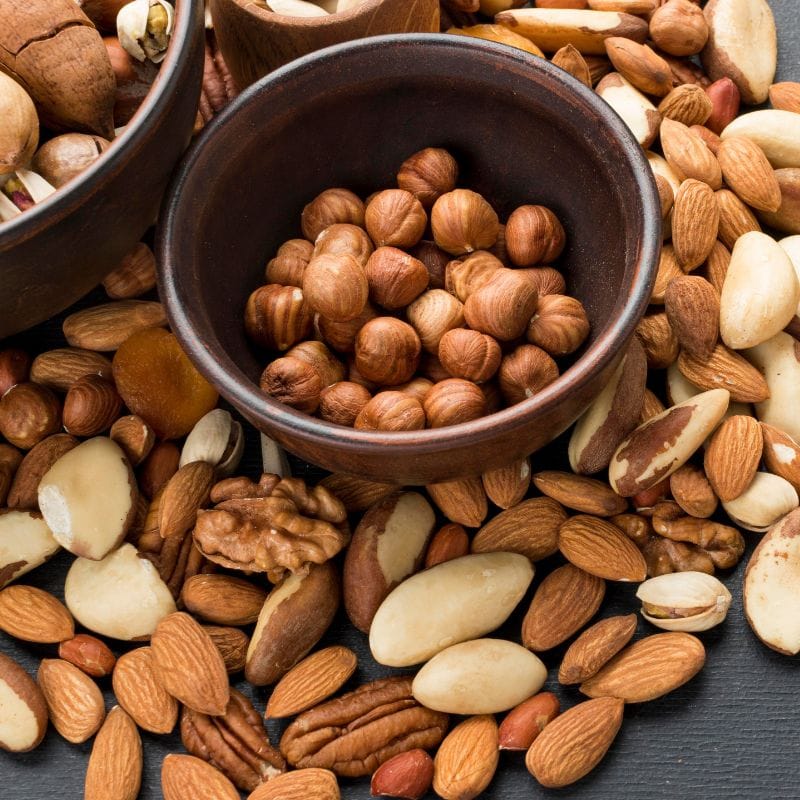
What is a Nut?
Nuts are a traditional nutrient powerhouse amongst all cultures, they were recognised and revered for their medicinal value in ancient traditions. For example, Hippocrates recommended almonds as a remedy for colds and coughs. Across cultures, preferences for nut and seed consumption vary widely.
Nuts have been essential components of diets around the world for thousands of years. A true nut is a fruit with a hard outer shell that contains an edible part inside. The confusion comes from the fact that many foods we call “nuts” aren’t technically nuts. For instance, hazelnuts, acorns, and chestnuts are true nuts, while Brazil nuts, almonds, and cashews are actually seeds from fruits. Peanuts, on the other hand, are legumes, more closely related to beans, peas, and lentils than to tree nuts. Are you confused yet?
When choosing the best nuts to eat, it’s important to focus on their nutrient-dense options that provide a variety of health benefits. We’ll talk about the ten best nuts to eat shortly. Nuts are packed with healthy fats, particularly monounsaturated and polyunsaturated fats, reducing the risk of many diseases and improving health. It’s also important to focus on freshness when it comes to nuts, be sure the nuts you buy are fresh and not stale.
Many nuts, such as almonds, walnuts, and pistachios, are rich in antioxidants, including vitamin E, which helps protect the body from oxidative stress and inflammation. Additionally, nuts are a great source of plant-based protein and dietary fibre, making them an excellent choice for vegans and vegetarians or those looking to increase their protein intake without relying on animal products.
Nuts also provide high levels of essential vitamins, minerals, and hard to get trace elements, including calcium, magnesium, potassium, copper, selenium, zinc, and several B-vitamins, all which play vital roles in bone health, muscle function, and overall metabolic processes. They also contain many bioactive compounds such as phenolic acids, phytosterols, carotenoids, and polyphenols. These compounds not only enhance health but also exhibit antioxidant, anti-inflammatory, antimicrobial, anticancer and probiotic properties, all contributing to disease prevention.
The great thing also is that nuts promote satiety, making them an ideal snack for weight management. Their combination of healthy fats, fibre, minerals and protein helps keep hunger at bay, making it easier to control portion sizes and reduce unhealthy cravings. However, it’s important to consume them in moderation, as they are calorie-dense.
In addition to supporting heart health, nuts have been shown to improve brain function, manage blood sugar levels, and provide anti-inflammatory effects. Incorporating a variety of nuts into your diet can help ensure a well-rounded nutrient intake and contribute to long-term wellness.
Highest and Lowest Nut-Consuming Countries
The highest nut-consuming countries include Canada, Iran, Palestine, Poland, Tanzania, Turkey, UAE, Zimbabwe, where people eat nuts very regularly, with most consuming at least 30 grams (1 ounce) per week and an average daily intake of 7.4 grams. The lowest nut-consuming countries include Argentina, Bangladesh, Brazil, China, India, Saudi Arabia, South Africa, and Sweden. Over half of the population in these nations eats less than 30 grams of nuts per month, with an average daily intake of just 1 gram. (de Souza et al., 2020).
Key Benefits of Nuts:
Incorporating a variety of nuts into your daily diet can help you gain these numerous health benefits, making them a smart choice for improving your overall well-being.
The 10 Best Nuts To Eat
Here is a list of the 10 best nuts to consume, along with their key features:
1. Almonds

Almonds are a rich source of nutrients, including vitamin E, calcium, magnesium, and healthy fats, making them a staple in many of the healthiest of diets. They are particularly known for their antioxidant properties, which help protect cells from damage caused by free radicals.
Almonds also play a vital role in promoting cardiovascular health by reducing LDL cholesterol and increasing HDL cholesterol levels. Consuming almonds regularly has been linked to improved blood sugar control, making them a valuable snack for individuals with diabetes.
These nuts are versatile and can be consumed raw, roasted, or as almond butter. They also promote satiety, which aids in weight management. The high magnesium content supports bone health and helps regulate muscle and nerve function. Additionally, almonds are an excellent source of plant-based protein, making them a great option for vegetarians.
2. Brazil Nut
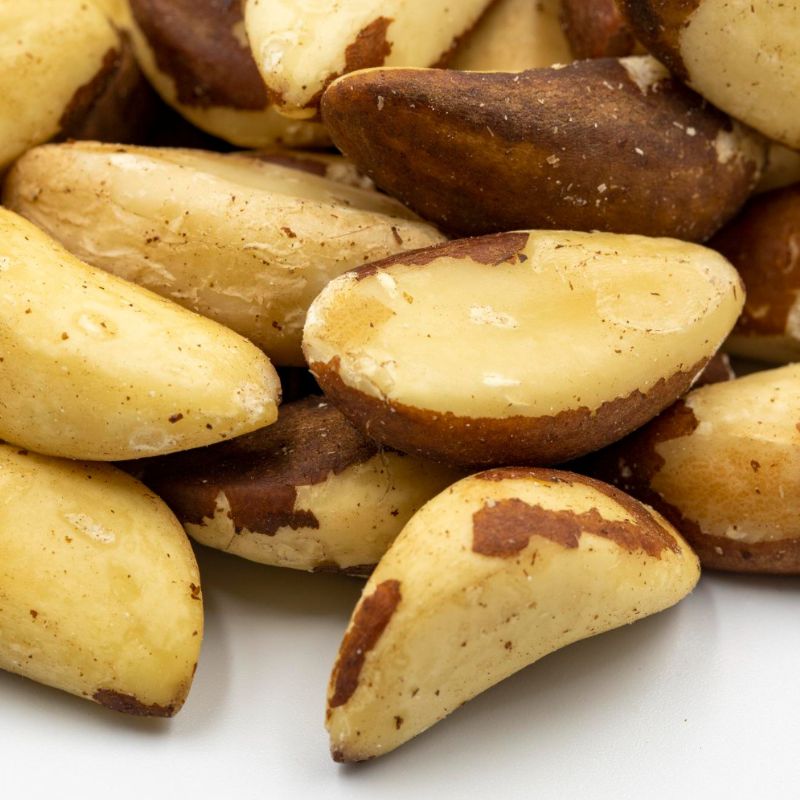
Brazil nuts are one of the best dietary sources of selenium, a mineral essential for antioxidant defense and immune function. A single Brazil nut can provide more than the recommended daily intake of selenium, making it a powerful ally in preventing oxidative stress and promoting thyroid health. They also contain healthy fats that support heart health by improving cholesterol levels.
Rich in protein, magnesium, and zinc, Brazil nuts promote bone health, muscle function, and overall immunity. Their creamy texture makes them a popular addition to desserts or a standalone snack. However, due to their high selenium content, it is essential to consume them in moderation to avoid potential toxicity.
3. Cashew Nuts

Cashews are technically seeds but are classified as nuts due to their culinary uses. They are known for their creamy texture and lower fat content compared to most nuts. Cashews are an excellent source of copper, magnesium, and zinc, which play a role in energy production, immune support, and bone health.
These nuts are also rich in antioxidants such as polyphenols and carotenoids, which help combat inflammation. Their versatility in the kitchen makes them a popular choice for vegan recipes, especially as a base for creamy sauces and cheeses. Eating cashews in moderation can help reduce cholesterol and stabilize blood sugar levels.
4. Chestnuts

Chestnuts stand out among nuts for their low fat content and high carbohydrate profile, making them more similar to grains. They are rich in dietary fiber, vitamin C, and potassium, supporting digestion, immunity, and heart health. Unlike most nuts, they are starchy and have a mildly sweet flavor, making them a popular ingredient in holiday recipes.
Roasted chestnuts are a traditional snack in many cultures and are often enjoyed during the winter months. They are also gluten-free and used in baking or as a thickener in soups and sauces. Their high water content and low calorie count make them a guilt-free treat for those watching their weight.
5. Hazelnut

Hazelnuts are best known for their use in spreads like Nutella, but they are also a nutritional powerhouse. They are high in vitamin E, which supports skin health and acts as a potent antioxidant. Hazelnuts are also rich in manganese, copper, and magnesium, essential for bone health and enzyme function.
The monounsaturated fats in hazelnuts support cardiovascular health by lowering LDL cholesterol and improving HDL cholesterol. Their rich, nutty flavor makes them a favorite in desserts, but they are just as enjoyable as a standalone snack or in savory dishes like salads.
6. Macadamia Nuts

Macadamia nuts are prized for their buttery flavor and creamy texture. They are among the richest nuts in monounsaturated fats, which are known to improve heart health by reducing bad cholesterol levels. These nuts are also a good source of thiamine, magnesium, and manganese, supporting energy production and bone health.
Despite their high fat content, macadamia nuts have been shown to aid in weight management when consumed in moderation. They are also loaded with antioxidants that help fight oxidative stress, making them an excellent addition to a balanced diet.
7. Pecan Nuts

Pecans are a staple in many Southern recipes, especially desserts like pecan pie. They are packed with heart-healthy monounsaturated fats and are a rich source of manganese, which plays a crucial role in metabolism and antioxidant defense. Pecans also contain plant sterols, which help lower cholesterol levels.
Their buttery flavour makes them a favourite for snacking and cooking. Despite their high calorie content, studies show that pecans do not contribute to weight gain when consumed in moderation. They are also a good source of dietary fiber, promoting digestive health.
8. Pine Nuts

Pine nuts are the edible seeds of pine trees, cherished for their mild, nutty flavour and rich texture. They are a significant source of arginine, an amino acid that supports vascular health by promoting nitric oxide production. Pine nuts also contain vitamins B1 and E, along with magnesium and zinc.
These seeds are a key ingredient in pesto and other Mediterranean dishes. Regular consumption of pine nuts can help reduce cholesterol levels, improve blood sugar control, and provide anti-inflammatory benefits. Their high protein content makes them a favorite for vegetarians and athletes.
9. Pistachio Nuts

Pistachios are vibrant green nuts known for their unique flavour and versatility. They are one of the lowest-calorie nuts, making them an excellent choice for healthy snacking. Rich in vitamin B6, potassium, and lutein, pistachios support brain health, eye health, and electrolyte balance.
These nuts also contain a significant amount of fiber and protein, aiding in digestion and promoting satiety. Their high antioxidant content helps reduce inflammation and oxidative stress, offering protection against chronic diseases.
10. Walnuts

Walnuts are a nutritional powerhouse, known for their high omega-3 fatty acid content, particularly alpha-linolenic acid (ALA). These nuts are excellent for brain health, as they help reduce oxidative stress and improve cognitive function. Rich in ellagic acid and other antioxidants, walnuts also support cardiovascular health.
Their nutty flavour and crunchy texture make them a versatile ingredient in both sweet and savory dishes. Regular consumption of walnuts has been shown to improve cholesterol levels, reduce inflammation, and support healthy aging.
The Best Seeds

What is a Seed?
A seed is the starting point of a plant. It contains a tiny plant embryo, which includes a small leaf, root, and stem. Inside the seed, there’s also an endosperm, which provides food for the growing plant. For example, broad beans are seeds, and if you crack one open, you can see the small leaves and root starting to form.
When it comes to eating seeds, these tiny powerhouses are packed with vital nutrients that promote overall health. Seeds are an excellent source of healthy fats, particularly omega-3 fatty acids, which are essential for reducing inflammation and supporting heart health.
For example, flaxseeds and chia seeds are rich in alpha-linolenic acid (ALA), an omega-3 fatty acid that has been shown to lower the risk of heart disease by improving cholesterol levels and reducing blood pressure. The polyunsaturated and monounsaturated fats found in seeds also support the cardiovascular system, helping to prevent conditions like high blood pressure, strokes, and heart attacks.
These healthy fats, in combination with other vital nutrients, contribute to the overall reduction of oxidative stress in the body, which in turn protects cells from damage and aging.
In addition to healthy fats, seeds are also an excellent source of plant-based protein, fibre, and a wide range of vitamins and minerals, making them ideal for people looking to increase their protein intake without relying on animal sources. Pumpkin seeds, sunflower seeds, and hemp seeds are particularly protein-rich, while chia seeds are especially high in soluble fibre, which supports digestive health and improves gut function. Many seeds, such as sesame seeds and flaxseeds, also provide significant amounts of antioxidants, such as vitamin E and lignans, which help protect the body from free radical damage.
These compounds have been linked to anti-aging properties and a reduced risk of chronic diseases, including certain types of cancer. Incorporating a variety of seeds into the diet helps improve immune function, supports bone health with minerals like magnesium and calcium, and even plays a role in stabilising blood sugar levels, making them a great choice for managing diabetes or preventing metabolic disorders.
Myth Debunked: Seeds and Diverticulitis
Past beliefs linked seeds to diverticulitis, an inflammation of small pouches in the colon, but current research does not support this association. Instead, seeds, rich in dietary fibre are now recognised as beneficial for gut health (Hawkins et al., 2021).
Key Benefits of Seeds
Overall, seeds are an incredibly nutrient-dense food choice that offers a variety of health benefits, from heart and brain health to digestive function and weight management. Including a variety of seeds in your daily diet helps ensure you get a wide array of vitamins, minerals, and essential fatty acids, contributing to overall well-being and long-term health.
The 10 Best Seeds To Eat
Here is a list of the 10 best seeds to consume, along with their key features:
1. Chia Seeds

Chia seeds are small but mighty, packed with nutrients like omega-3 fatty acids, fiber, protein, and various essential minerals such as calcium, magnesium, and phosphorus. These tiny seeds absorb water and form a gel-like consistency, making them excellent for hydration and digestion. The high fiber content promotes gut health and aids in weight management by enhancing satiety.
Chia seeds are versatile and can be added to smoothies, yogurt, baked goods, or used to make chia pudding. They are a plant-based source of omega-3s, which support brain and heart health. Their antioxidant properties also help protect against oxidative stress and inflammation.
2. Flaxseeds

Flaxseeds are an exceptional source of alpha-linolenic acid (ALA), a type of omega-3 fatty acid, and lignans, which are plant compounds with antioxidant and estrogen-like properties. These seeds promote heart health by improving cholesterol levels and reducing inflammation. They are also rich in fiber, which supports digestive health and helps regulate blood sugar levels.
Ground flaxseeds are often recommended over whole seeds, as the latter can pass through the digestive system undigested. They are frequently used in baking, smoothies, and as an egg substitute in vegan recipes. Their nutrient profile supports hormonal balance and reduces the risk of chronic diseases.
3. Hemp Seeds

Hemp seeds, or hemp hearts, are celebrated for their complete protein profile, containing all nine essential amino acids. They are also rich in healthy fats, including omega-3 and omega-6 fatty acids, and minerals like magnesium, zinc, and iron. Hemp seeds are particularly beneficial for maintaining energy levels and supporting muscle recovery.
With their mild, nutty flavour, hemp seeds can be sprinkled on salads, blended into smoothies, or added to baked goods. They are a great choice for vegetarians and vegans looking to boost their protein intake. Additionally, the balance of omega fatty acids helps reduce inflammation and supports brain and heart health.
4. Pumpkin Seeds

Pumpkin seeds, also known as pepitas, are nutrient-dense and loaded with magnesium, zinc, and healthy fats. They are particularly beneficial for prostate health and improving sleep due to their high tryptophan content, which the body converts to serotonin and melatonin.
These seeds are a great snack option, either roasted or raw, and can also be added to salads, granola, or baked goods. Pumpkin seeds contain antioxidants that reduce inflammation and support heart health. Their magnesium content helps regulate muscle and nerve function, blood sugar levels, and blood pressure.
5. Sesame Seed

Sesame seeds are tiny powerhouses of nutrients, offering high amounts of calcium, magnesium, and zinc. They also contain lignans, which have antioxidant and anti-inflammatory properties. Sesame seeds are rich in healthy fats, including polyunsaturated and monounsaturated fats, which support heart health.
These seeds are a key ingredient in tahini and are commonly sprinkled on breads, salads, and stir-fries. They may help reduce blood pressure and improve bone health, thanks to their high mineral content. Toasting sesame seeds enhances their nutty flavor and nutrient absorption.
6. Sunflower Seed

Sunflower seeds are packed with vitamin E, selenium, and healthy fats, making them an excellent snack for promoting skin and immune health. They are also rich in magnesium, which supports muscle and nerve function, and phytosterols, which help lower cholesterol.
These seeds are a popular addition to trail mixes, salads, and granola. Their antioxidant properties protect against oxidative damage, and their fiber content supports digestive health. Sunflower seeds are also linked to reduced inflammation, particularly in individuals with chronic diseases.
7. Poppy Seed

Poppy seeds are tiny seeds derived from the opium poppy plant, prized for their nutty flavour and rich nutrient profile. They are an excellent source of calcium, magnesium, and zinc, which support bone health, immune function, and metabolic processes.
These seeds are often used in baking and cooking, adding texture and flavor to breads, pastries, and sauces. Their high manganese content supports antioxidant enzyme activity, while their fiber content aids in digestion. Poppy seeds also contain small amounts of healthy fats and protein.
8. Nigella Seeds

Nigella seeds, also known as black cumin or kalonji, are small black seeds with a slightly bitter, peppery taste. They are renowned for their medicinal properties, including their anti-inflammatory and antimicrobial effects. Nigella seeds are rich in thymoquinone, a compound known for its antioxidant and anti-inflammatory benefits.
These seeds are often used in Middle Eastern and Indian cuisine, added to breads, curries, and pickles. Nigella seeds have been shown to support respiratory health, improve immune function, and aid in reducing high blood pressure.
- Key Features:
- Contains thymoquinone for anti-inflammatory and antioxidant benefits.
- Supports respiratory health and immune function.
- Common in Middle Eastern and Indian cuisine.
9. Quinoa Seeds
Although quinoa is often thought of as a grain, it is technically a seed and a nutritional powerhouse. It is a complete protein, containing all nine essential amino acids, and is high in fibre, iron, and magnesium. Quinoa is gluten-free, making it a great choice for those with gluten sensitivities.
Quinoa’s versatility makes it a popular ingredient in salads, soups, and side dishes. It is also rich in antioxidants, which protect against chronic diseases, and its low glycemic index makes it a good choice for blood sugar management.
10. Watermelon Seeds

Watermelon seeds, especially when sprouted or roasted, are a surprising source of protein, magnesium, and healthy fats. They also contain iron and zinc, supporting immune function and energy production.
These seeds are often overlooked but can be a nutritious snack when roasted. They promote heart health, improve digestion, and support bone health. Watermelon seeds are low in calories and packed with essential minerals, making them a guilt-free addition to your diet.
Nut and Seed Caution and Warnings
While nuts and seeds provide exceptional health benefits, they also come with some cautions that should be kept in mind. Compounds like phytates in nuts can reduce the bioavailability of certain nutrients in the digestive tract.
Additionally, while nuts may influence gut microbiota, their effects are not fully understood. Some studies suggest they could have prebiotic properties (Bamberger et al., 2018).
Choking Hazards and Recommendations for Young Children
Allergic Reactions to Nuts and Seeds
Nuts and seeds can trigger severe allergic reactions, including anaphylaxis, a life-threatening response. Key points include:
Tips for Managing Nut and Seed Allergies
By understanding these precautions, you can safely enjoy the nutritional benefits of nuts and seeds while minimising potential risks.
Thanks for reading this page, please leave a comment with your views on nuts and seeds!

Eric Bakker N.D.
Greetings! I am a naturopathic physician from New Zealand. Although I’ve retired from clinical practice since 2019 after 34 years of clinic. I remain passionate about helping people improve their lives. You’ll find I’m active online with a focus on natural health and wellbeing education through my Facebook page, Reddit page and YouTube channel, including this website.