

The Importance of Fats and Oils
Understanding fats and oils is essential for making informed dietary choices. Not all fats are created equal—what matters is not only the type of fat but also its source, how it’s processed, and how it’s used in your diet. The right fats can support optimal health, while the wrong ones may contribute to chronic disease.
Choose Fats and Oils Wisely
This guide will break down the different types of fats and oils, their benefits, and how to incorporate the healthiest options into your daily meals. By making smarter choices, you can improve your energy levels, support brain function, balance hormones, and even promote wellness and longevity.
The Essential Role of Fats and Oils
Fats and oils have long been misunderstood, often unfairly demonised in the past. However, they are fundamental to good health. They serve as a primary energy source, play a crucial role in cellular function, and enhance the flavour and texture of foods.
Fats and oils, collectively known as lipids, are essential macronutrients alongside proteins and carbohydrates. They are made up of fatty acids—chains of carbon and hydrogen atoms—that influence everything from metabolism to inflammation. Choosing the right fats is key to supporting overall well-being.

Triglycerides
Most dietary fat exists as triglycerides, which consist of three fatty-acid chains attached to a glycerol molecule, forming the backbone.
Elevated triglycerides in the blood are linked to an increased risk of heart disease. However, these triglycerides are not directly derived from dietary fat – but instead often from excess sugar that is not used for energy.
Foods high in refined carbohydrates, such as sugar and white flour, are the primary sources of these excess sugars. Current research strongly supports the actions of public health organisations aimed at reducing refined sugar intake. (Gugliucci 2023)
Understanding the true nature of fats and oils, and their critical role in our diets, can help dispel common misconceptions and promote healthier dietary choices. Balancing the intake of healthy fats while moderating sugar and refined carbohydrate consumption is key to maintaining heart health and overall well-being.
On this page, we’ll delve into the definitions and distinctions of various fats and oils, helping you distinguish between those that are beneficial and those best avoided.
Let’s explore what fats and oils are, look at their health qualities, and then talk about how to choose the best fats and oils. At the end I’ll give my own personal star-rating on fats and oils.
Two Main Types of Fats
The two main types of fats are saturated and unsaturated. The saturated fat group contains animal and plant-based saturated fats.The unsaturated group can be further broken down into the polyunsaturated group, the omega-3 (alpha-linolenic acid) and omega-6 fatty acids (linoleic acid). Healthy fats, including omega-3 and omega-6 fatty acids, are integral to a balanced diet, since they can’t be made by our body.
Omega 6 is found abundantly in vegetable oils such as safflower, sunflower, and corn oils. Omega 3 is found in plant leaves, seeds, nuts, and legumes, notably flax, rapeseed, walnut, and soy. Fish oils are richest source in long-chain omega-3 fatty acids, (DHA) eicosapentaenoic acid (EPA), and docosahexaenoic acid (DHA).
Both saturated and unsaturated fats are important for our bodies. Research shows that unsaturated fats are twice as important as saturated fats. A typical Western diet has an uneven balance of healthy and unhealthy fats, so there’s always room for improvement. (DiNicolantonio et al., 2021)
If you want to be healthier, make sure you get enough antioxidants and balance your fat intake.
As with many conflicting dietary claims, the truth lies in balance. Excessive fat of any kind is no good, but eating a balanced diet high in fibre, vitamins (especially A,C and E), and minerals (zinc and selenium) can help reduce the risks. (Roy et al., 2021)
Fats and Oils Composition
All fats and oils, whether derived from plants or animals, are composed of different proportions of saturated fatty acids, monounsaturated fatty acids, and polyunsaturated acids. Generally, animal fats like butter, lard, and tallow contain about 40 to 60 percent saturated fat, making them solid and hard at room temperature.
Vegetable oils from cooler climates are rich in polyunsaturated fatty acids, keeping them liquid at room temperature. However, oils from tropical climates are more saturated. For instance, coconut oil is over 90 percent saturated. While liquid in the tropics, it solidifies like butter in cooler climates.
Vegetable oils in tropical regions tend to be more saturated because the higher fat saturation helps maintain the stiffness of the plant’s leaves, like those of palm trees. Olive oil, abundant in oleic acid, comes from more temperate climates. It remains liquid at room temperature but hardens when refrigerated.
Researchers classify fatty acids based not only on their degree of saturation but also on their chain length, if you are interested, click on the + to see more:
Saturated Fats

Saturated fats are highly stable due to their chemical structure, where all carbon-atom linkages are filled or “saturated” with hydrogen.
This higher level of stability means they don’t easily go rancid, even when heated for cooking. Their straight bonds allow them to pack tightly together, making them solid or semi-solid at room temperature.
Saturated fats are found in animal products such as butter, cheese, whole milk, ice cream, cream, and fatty cuts of meat.
They are also present in certain tropical plant oils, including coconut oil, palm oil, and palm kernel oil. Additionally, our bodies can produce saturated fats from carbohydrates.
What Saturated Fats Do
Here is a list of some of the things saturated fats do in our body:
Reconsidering the Risks of Saturated Fats
Contrary to popular belief, most saturated fats are not as “dangerous” as often portrayed. They contribute to the texture, flavor, and shelf life of many foods. Multiple reviews of scientific evidence, including a study (Astrup et al., 2021), have shown that the recommendation to limit saturated fat intake to no more than 10% of total calories is not backed by rigorous research.
Moderation and Balance
While it’s essential to include some saturated fats in your diet for health, moderation is key. Balancing saturated fats with unsaturated fats can provide optimal health benefits. The complexity and intricacy of how saturated and unsaturated fatty acids function in the body are still not fully understood. Exploring traditional fats used by our ancestors and experimenting with different types of saturated fats can impact our well-being, including mood and cognitive functioning.
Different Types of Saturated Fats
Saturated fats are typically found in animal products and certain plant oils, but you can also commonly find them in a wide range of ultra-processed and junk foods. Here is a list provides a broader view of foods high in saturated fats, helping you make more informed dietary choices:
You might already know that beef and cheese are high in saturated fats. However, some less obvious sources include ice cream, sandwiches, full-cream milk, chips and savoury snacks, and coffee creamer. Whenever possible, choose foods high in unsaturated fats found in many kinds of fresh nuts and seeds, plant-based oils, and avocados for a healthier choice. Here is a list of foods known to be high in animal and plant-based saturated fats:
Animal-Based Saturated Fats
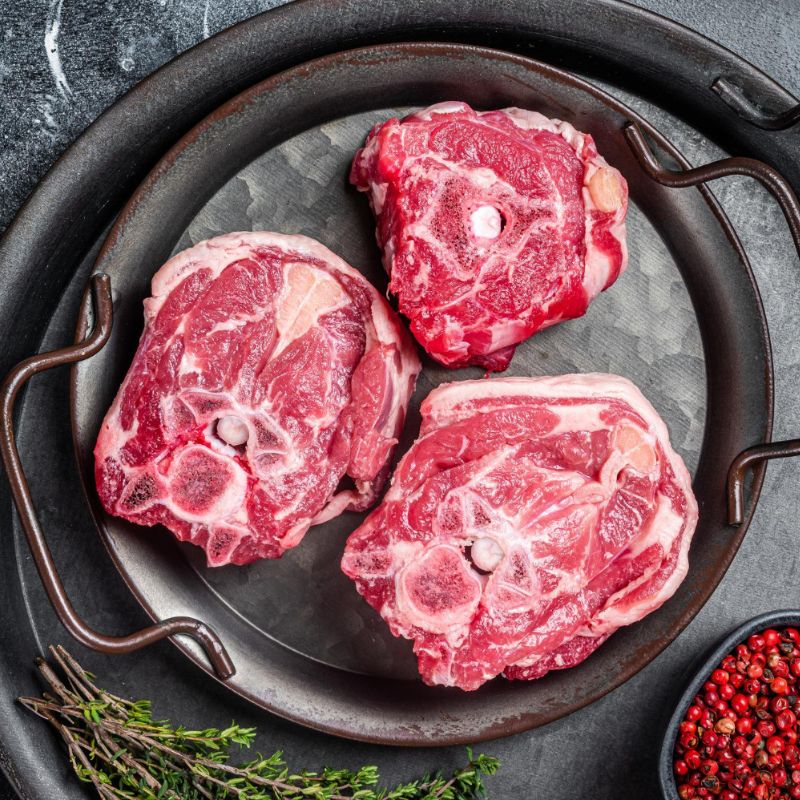
Butter, cheese, and fatty meats contain saturated fats that come from from animals, which are a valuable source of essential nutrients such as vitamins A, D, E, and K. These fats are stable, improving the taste, texture, and consistency of foods, and also support hormone production and maintain cell membrane health.
To reduce these risks while still enjoying the advantages of saturated fats of animal origin, it is important to balance animal fats we eat with healthier plant-based alternatives such olive oil, safflower (high-oleic) and sunflower oils whilst maintaining a diet that includes plenty of fruits like avocado, vegetables, and whole grains.
Statistical analysis shows that eating foods high in saturated fats is linked to less Candida, in contrast, high-carb foods (like those made from refined wheat flour) are linked to more Candida in the gut. (Higiene 2019) Click on the + to read more studies about animal fats.
Let’s delve deeper into these various types of plant-based saturated fats to better understand their impact on our diet and health:
Faecalibacterium prausnitzii
Many experts widely recognise Faecalibacterium prausnitzii as an important indicator of a well-functioning gut microbiome. Beneficial bacteria are crucial for maintaining gut health and overall well-being. Studies have shown that Faecalibacterium prausnitzii offers many health advantages. (Munukka et al., 2017)
Research shows that treating with Faecalibacterium prausnitzii can improve liver health, especially when it comes to fat. In research involving mice, supplementation with this bacterium led to improvements in liver function, suggesting its potential to mitigate liver-related issues. Researchers have discovered that Faecalibacterium prausnitzii decreases inflammation in adipose tissues, making it especially relevant to obesity and metabolic syndrome-related conditions.
By producing anti-inflammatory substances, the bacterium aids in maintaining a balanced gut microbiome, leading to reduced systemic inflammation and improved health. The impact on inflammation and liver health underscores the significance of a diverse and balanced gut microbiome in preventing and managing chronic diseases.
Faecalibacterium prausnitzii is a promising research focus because of its potential to improve gut health, reduce inflammation, and support liver function, making it a valuable target for dietary and probiotic interventions.
Plant-Based Saturated Fats

Plant-based saturated fats, found in coconut oil, palm oil, and cocoa butter, offer several benefits, including gut health. These fats are stable at high temperatures, making them suitable for cooking.
They contain medium-chain triglycerides (MCTs), which are easily digestible and can provide a quick energy source. MCTs may also promote gut health by supporting the growth of beneficial bacteria. (Rial et al., 2016).
Like animal-based saturated fats, it pays to balance their intake and to use these fats in moderation and complement them with unsaturated fats from sources like olive oil, avocado, nuts, and seeds.
Environmental concerns are associated with the production of palm oil, including deforestation and habitat destruction.
By being mindful of our saturated fat choices, we can support gut health while considering sustainable options to minimise environmental impact.
Best Ways to Lower Saturated Fat Intake
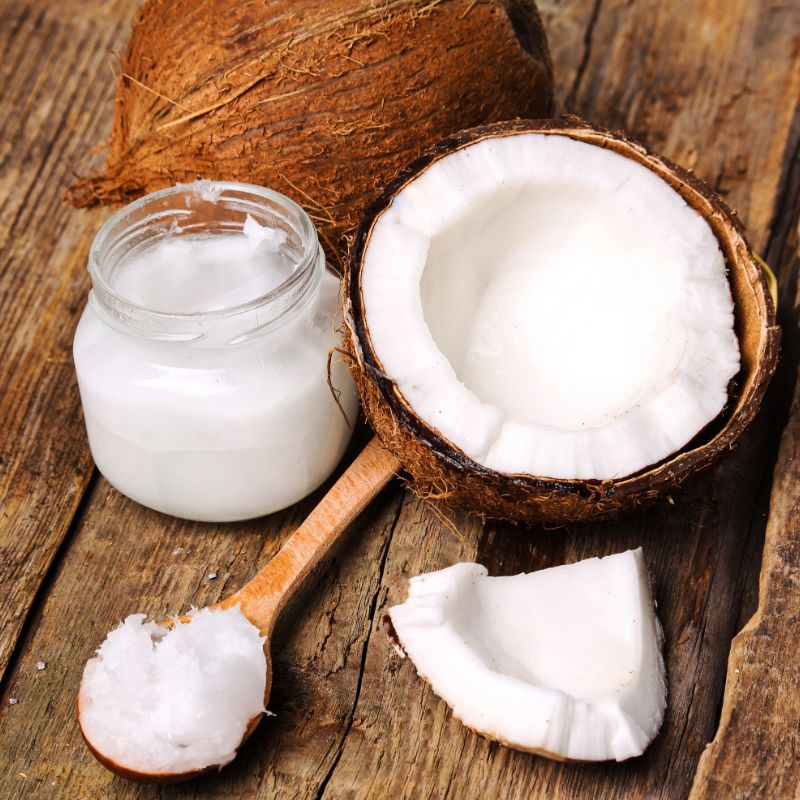
Coconut Oil: Balancing the Hype with Facts
Maintaining moderation is key when it comes to saturated fats, even when considering plant-based alternatives such as coconut oil. Although people often praise coconut oil for its health benefits, it is important to consider both the advantages and disadvantages, especially with saturated fat.
Two Sources Of Saturated Fat from Plants
Saturated fats are primarily present in animal-based foods such as beef, pork, and dairy, not many would expect there to be plant-based saturated fats but there are. Typically, plant-based diets are low in saturated fats, although there are a few exceptions, like coconut and palm oil. Many commercially made baked goods, and even certain vegan products, may contain these plant saturated fats.
Coconut Oil Is Still A Saturated Fat
Despite its high saturated fat content, coconut oil has gained popularity, appearing in everything from bottled drinks to snack bars. One tablespoon of coconut oil contains over 11 grams of saturated fat, nearly reaching the recommended daily limit. The interest with coconut oil partly stems from its content of medium-chain triglycerides (MCTs), which some studies suggest can aid in weight loss and appetite control. (St-Onge et al., 2008)
Research has discovered that many people living in the Pacific region incorporate whole coconut into their traditional diets. Their diets generally consisted of coconut flesh and milk, fresh fruits, vegetables, and plenty of fish. Research uncovered that people consuming larger quantities of coconut oil experienced elevated levels of HDL (good) cholesterol, and also with higher total cholesterol and triglycerides (potentially bad). (Eyres et al., 2016)
Research and Recommendations
While there is not an abundance of human studies on coconut oil, the existing research suggests that it may have the potential to raise levels of different types of cholesterol. In the Pacific Islands, traditional diets favoured the use of coconut milk and cream, and not the coconut oil. The focus was also on a healthier overall diet that included fresh fruits, vegetables, and plenty of seafood, including a very active outdoor lifestyle.
Coconut Oil and Candida
The results of one suggest that coconut oil could become the first dietary intervention to reduce gut colonisation by Candida albicans. (Gunsalis et al., 2016) To read more about the antifungal action of coconut oil go to the Coconut Oil page.
Conclusion
When used in moderation, coconut oil can be a healthy addition to a well-rounded diet. When cooking every day, I recommend choosing a healthier oil such as extra virgin olive oil, avocado oil, sunflower oil, safflower oil, or canola oil (preferably non-GMO). These oils, as well as nuts, seeds, and oily fish, offer healthy fats without the excessive saturated fat content found in coconut oil.
For those interested further, an excellent page to read all about coconut oil and palm oil is:

Cooking with Coconut and Palm Oils
People commonly use coconut and palm oils for frying and consider them essential kitchen ingredients. When heated, these plant oils undergo chemical reactions like oxidation, hydrolysis, isomerisation, and polymerisation. (Choe et al., 2007)
The chemical reactions result in the production of a variety of volatile compounds, some of which can be potentially bad for our health. These compounds not only produce unpleasant tastes and smells, they also raise health concerns.
Take acrolein and other α,β-unsaturated aldehydes as an example of chemicals produced in oils under high heat. Frying food in oils produces higher levels of acrolein over other sources, with flaxseed (linseed) oil producing the highest level out of six oils, including coconut oil. (Jiang et al., 2022)
The smoke point is an important consideration when frying with these oils. The smoke point is the temperature at which oil produces consistent smoke, and it is a crucial factor in determining if it is suitable for frying. Oils that have higher smoke points are better suited for deep frying, whereas oils with lower smoke points are more suitable for shallow frying.
The Smoke Point Of Oil
With a smoke point of 235°C, unrefined palm oil is good for deep frying and shallow frying. Coconut oil has a lower smoke point at 177°C, making it suitable for shallow frying. (Boateng et al., 2016)
Keep in mind the connection between the smoke point of an oil and its free fatty acid content. Reheating oils can cause an increase in levels of free fatty acids, which in turn lowers their smoke point and results in the release of more volatile compounds. More volatile compounds can become released at even lower temperatures than before, for this reason I advise not to reuse or recycle used cooking oils, especially when the oil’s smoking point has been reached.
To reduce your exposure to these potentially harmful by-products, make sure you have very good ventilation in your kitchen, especially above the stove when the oil has reached high temperatures. Use little oil, you don’t need much oil to cook your meals. This will result in cost savings and you’ll have less risk of consuming too much saturated fats linked with health concerns.

“Fat Free” Is A Misleading Term
Despite their importance, fats can be confusing due to their complex biochemistry. Modern food labelling often touts products as “99% fat-free,” but this can be misleading, as these items might be loaded with sugars and other unhealthy additives.
The prevailing notion that “fat is bad” has been deeply ingrained in our diet culture, with many people still believing that consuming fat will inevitably lead to weight gain and poor health.
Fat is essential for a healthy diet, providing essential fatty acids the body can’t produce. It helps absorb vitamins A, D, and E, which are fat-soluble. Unused fats, carbs, and proteins convert to body fat. All fats are high in energy, with each gram providing 9 kcal compared to 4 kcal for carbs and protein.
A recent study involving almost 10,000 Australian women found increased saturated fat intake was not associated with a higher risk of heart disease or death and was linked to lower rates of obesity, type 2 diabetes, and high blood pressure. (Gribben et al., 2021)
However, this rather oversimplified view that “fats are bad” overlooks the significant health benefits of consuming the right kinds of fats. Not all fats are created equal. While some fats, such as partially hydrogenated oils and deep-fried saturated fats, can have detrimental effects on health, others, like omega-3 are essential for maintaining optimal bodily functions.
Trans Fatty Acids

Trans fats, commonly found in processed foods, are associated with adverse health effects. Food manufacturers create trans fats through hydrogenation, a process that solidifies vegetable oil. This process can significantly increase levels of LDL (bad cholesterol) and decrease levels of HDL (good cholesterol), which negatively impacts heart health.
Eating foods high in trans fats can elevate our risk of heart disease by raising bad (LDL) cholesterol and lowering HDL (good) cholesterol. This is more harmful than consuming saturated fats, which also affect cholesterol levels but in a different manner.
The main reason for creating trans fats was to extend the shelf life of processed foods. Although some companies have historically blamed naturally saturated fats for health issues, trans fats have been identified as a more significant concern. (Dhaka et al., 2011)
Unsaturated Fats
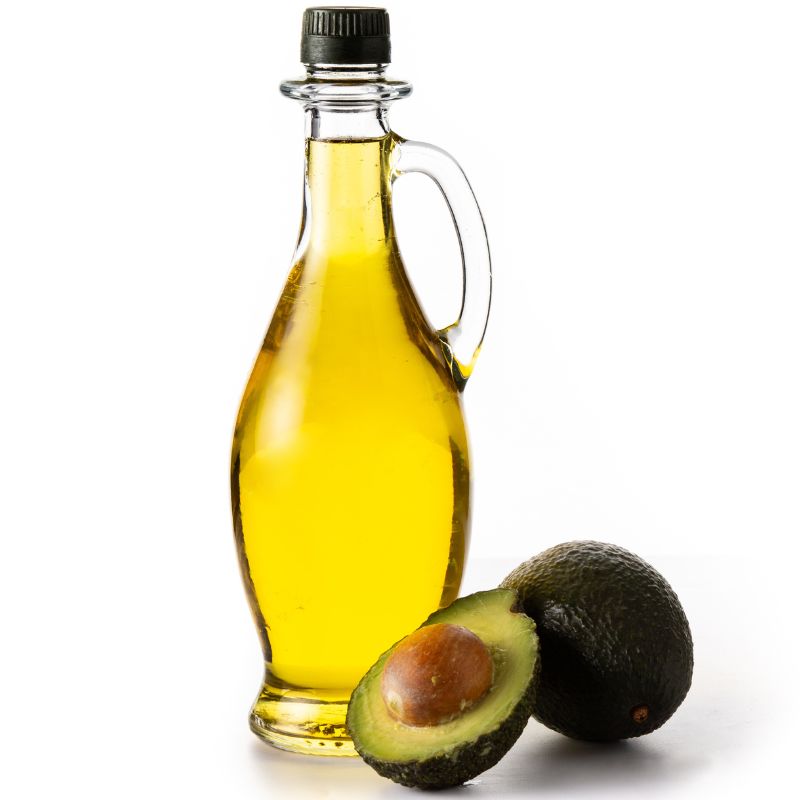
Unsaturated fats, primarily found in plant-based foods and fish, are essential for maintaining good health. Unlike saturated fats, which are solid at room temperature, unsaturated fats are usually liquid.
Unsaturated fats are found in two main groups, the mono-unsaturated oils and the poly-unsaturated oils. The three major groups of poly-unsaturated oils are Omega-3, Omega-6, and Omega-9.
Monounsaturated fats can be found in olive oil, avocados, and nuts. They help offset “bad” cholesterol levels and are associated with a lower risk of heart and circulatory disease.
Polyunsaturated fats, including omega-3 and omega-6 fatty acids, are essential for brain function and cell growth. Omega-3 fatty acids, found in fatty fish, flaxseed, and walnuts, have anti-inflammatory properties and support heart health.
Omega-3 oils help keep our blood healthy and potentially prevent dangerous blood clots from forming, which can cause strokes and heart attacks. Flaxseed oil, natural fish oils such as cod liver oil, soybean oil, and canola oil all contain varying amounts of Omega-3. Omega-6 fatty acids, present in vegetable oils and seeds, are also important but should be balanced with omega-3 intake to prevent inflammation.
Understanding the different types of unsaturated fats and their sources can help us make healthier dietary choices. Most of the unsaturated fats are polyunsaturated, but it’s essential to focus on the specific types of fatty acids for your diet if you want to get most benefit.
Different types of vegetable oils can be selected to meet individual needs accordingly. For example, to prevent heart disease and reduce stroke-risk, more unsaturated fatty acids and phytosterols should be supplied by consuming pomegranate seed oil, flaxseed oil, or rice bran oil, while coconut oil or perilla seed oil have higher contents of total phenolics and might be better choices for diabetics.
Several oils such as olive oil, corn oil, cress oil, and rice bran oil are recommended for their abundant nutritional ingredients, but the intake of only one type of vegetable oil might have drawbacks. (Tian et al., 2023)
Reconsidering the Risks of Unsaturated Fats
Heating unsaturated fats while cooking or processing can create these harmful particles called free radicals. If our immune system doesn’t stop free radical damage, it can lead to inflammation and many diseases. But antioxidants like Vitamin A, Vitamin E, zinc, and selenium help reduce the effects of free radical damage. It’s one of the key reasons nutrient-dense foods containing high levels of antioxidants are so important in our diet.
What Unsaturated Fatty Acids Do For Our Health
Here is a list of some of the things unsaturated fats do in our body:
Moderation and Balance
Moderation and balance are key when it comes to dietary fats. Both saturated and unsaturated fats have roles to play in our health. While unsaturated fats are beneficial, consuming them in excess can lead to an imbalance in the body’s fatty acid composition.
A balanced diet that includes a variety of fats, along with fibre, vitamins, and minerals, is essential for optimal health. Aim to consume more unsaturated fats compared to saturated fats for better health.
Monounsaturated Fats
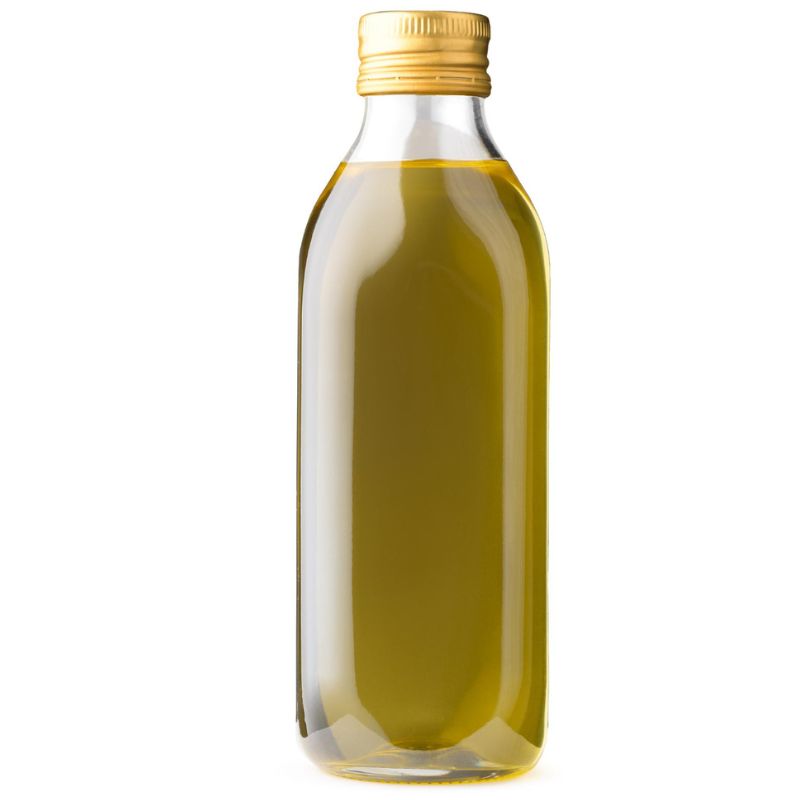
You need monounsaturated fats (MUFAs) in your diet for good health. They’re found in lots of fresh foods and oils. Unlike saturated fats, MUFAs are usually in liquid form. Their unique properties come from having a double bond, which is good for your health in several ways. If you are wanting a healthier heart, weight control, mood control, and essential nutrients, try incorporating MUFAs into your diet.
Olive oil is a major source of MUFAs, and it’s a must-have in the Mediterranean diet for maintaining great health and wellbeing. Check out our Foundation Diet, it’s my take on the Mediterranean diet, it’s the final module in our Ultimate Candida Cleanse Program.
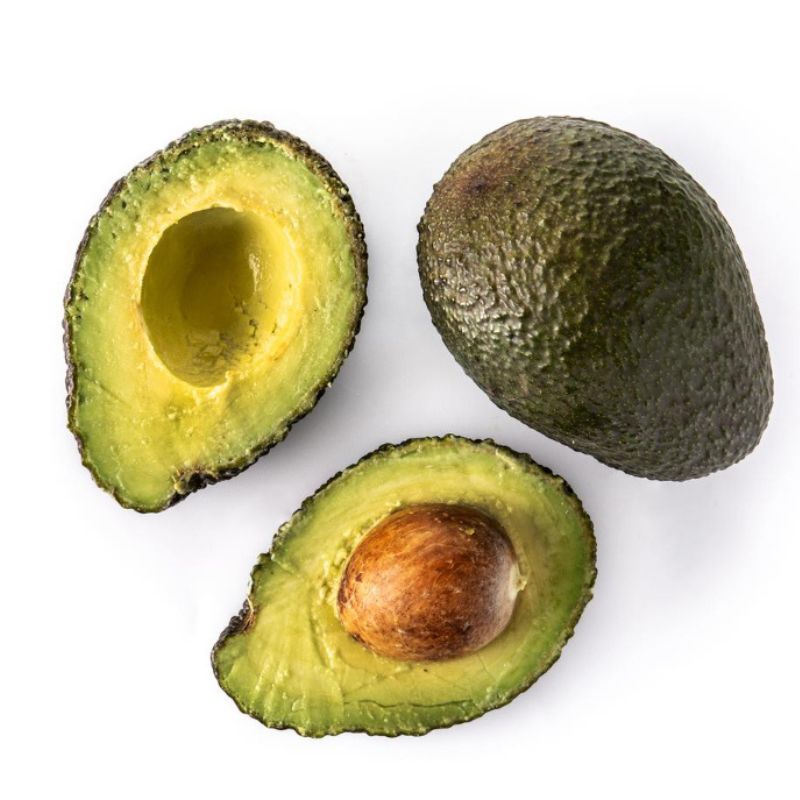
Olive oil, especially extra virgin, contains a high amount of antioxidants and anti-inflammatory components that can help prevent heart problems. Avocados and avocado oil are exceptional sources of MUFAs. They’re not just tasty, but also loaded with vitamins, minerals, and fibre. Almonds, cashews, macadamia nuts, and sesame seeds contain a high amount of healthy fats.
Monounsaturated fats can lower bad cholesterol (LDL) and boost good cholesterol (HDL). This balance is important for our heart health because it stops plaque from building up in our arteries, lowering the chances of heart disease and stroke. Also, MUFAs are great for controlling our blood sugar, so they’re perfect for people with or at risk of type 2 diabetes. They help our body handle insulin better and lower the risk of insulin resistance.
Adding MUFAs to our diet is easy and tasty. Cook with olive oil, add avocado slices to salads and sandwiches, snack on nuts, or use almond or cashew butter to get more healthy fats. Balance your fat intake by getting a mix of MUFAs and other healthy fats, like PUFAs, for optimal health. If you change your diet, you’ll get all the health benefits of monounsaturated fats. It’s good for your heart, weight, and our total well-being.
Monounsaturated Fats Sources
Here is a list of foods high in monounsaturated fatty acids:
Polyunsaturated Fats

Polyunsaturated fats (PUFAs) play a vital role in promoting health and are abundant in various food sources. Unlike saturated fats, PUFAs are usually liquid and come from plants and fish. PUFAs have more than one double bond, so they’re more flexible and fluid in cell membranes. This special structure is good for your health, especially for your heart and fighting inflammation.
There are two main types of PUFAs: omega-3 and omega-6 fats. Omega-3 fatty acids like EPA and DHA are famous for fighting inflammation and keeping your heart healthy. You can find these fats in fatty fish like salmon, mackerel, and sardines, as well as in flaxseeds, chia seeds, and walnuts. Omega-3s are super important for the brain, especially during pregnancy and early childhood. They also help prevent chronic diseases like heart disease and arthritis.
Omega-6 fatty acids, another type of PUFAs, are in veggie oils like sunflower, corn, and soybean oils, and also in nuts and seeds. Omega-6 fatty acids are important for growth, but you gotta balance them with omega-3s to prevent inflammation. The Western diet usually has more omega-6 than omega-3, which can up the chances of inflammation. It’s important to find a good balance between these two types of PUFAs for your health.
Eating lots of PUFA-rich foods is great for our health. These fats help lower bad cholesterol, boost heart health, support brain function, and fight inflammation. For the best results, try to have a mix of omega-3 and omega-6 fatty acids in your diet and find the right balance. Doing this helps you stay healthy and lowers the chance of getting sick.
Polyunsaturated Fats Sources
Here is a list of foods high in polyunsaturated fatty acids:
Omega-3 Fatty Acids
Omega-6 Fatty Acids
Omega-9 Fatty Acids
Health Benefits of Plant Fats and Plant Oils
Omega 3 and Omega 6 oils are also called EFAs, essential fatty acids. Healthy fats are crucial for supporting brain function, reducing inflammation, and promoting healthier aging. Omega-3 fatty acids, in particular, play an important role in cognitive health and may even slow down brain aging. These fats are essential for maintaining cell membrane integrity, facilitating communication between brain cells, and supporting overall mental function.
Numerous studies highlight the health benefits of omega-3 fatty acids. For example, they are vital for infant development, particularly for brain and eye health. Omega-3s also reduce the risks of cancer and cardiovascular diseases. Furthermore, they have been linked to lower incidences of mental illnesses such as depression, ADHD, and dementia, thanks to their anti-inflammatory properties and ability to support neurotransmitter function.
On the other hand, consuming trans fats, especially those found in partially hydrogenated vegetable oils, poses significant health risks. Trans fats are a known risk factor for cardiovascular disease, raising bad cholesterol (LDL) levels and lowering good cholesterol (HDL) levels. Improper cooking methods, such as deep-frying, can convert healthy fats into harmful trans and saturated fats, exacerbating these risks.
To maximise the health benefits of fats and oils, it’s essential to choose sources rich in omega-3 fatty acids and other un-saturated fats while avoiding trans fats. Incorporating healthy fats from fish, flaxseed, chia seeds, walnuts, and high-quality plant oils like olive and avocado oil can support brain health, reduce inflammation, and contribute to overall wellness. Proper cooking techniques and mindful consumption of fats ensure you gain the benefits without the drawbacks, promoting a healthier, longer life.
Eric’s Personal Oils and Fats Rating

Buy only fats and oils that are certified as organic. Buy only cold-pressed oils. Buy oils preferably packaged in dark-coloured glass bottles.
All fats and oils, including fish oils, should taste and smell “fresh”. If they do not, dispose of them. Store oils and fats in cool, dark and relatively dry conditions.
My favourite oils used in our kitchen are EVOO (extra-virgin olive oil), sesame oil, sunflower oil, avocado oil, peanut oil, macadamia oil. Fats include lard, ghee, and coconut cream/oil.
The more stars the better.
The Takeaway
We recommend following the current guidelines:
Understanding the balance and sources of fats in your diet is important for maintaining overall health and preventing disease. We hope you enjoyed reading this page.

Candida Cleanse
If you are looking how to plan the best food to eat and foods to avoid during your Candida diet, check out our Ultimate Candida Cleanse Program.

Eric Bakker N.D.
Greetings! I am a naturopathic physician from New Zealand. Although I’ve retired from clinical practice since 2019 after 34 years of clinic. I remain passionate about helping people improve their lives. You’ll find I’m active online with a focus on natural health and wellbeing education through my Facebook page, Reddit page and YouTube channel, including this website.