

8 Key Ways To Prevent Vaginal Yeast Infection
Preventing vaginal yeast infections starts with understanding what’s triggering them, identifying the underlying causes, and addressing these factors effectively. The tips and guidelines here are designed to help reduce your risk of recurring vaginal thrush and provide strategies to manage it naturally.
If you experience frequent vaginal thrush and are unsure of the cause, it’s essential to discuss your symptoms with your doctor to rule out any underlying health issues. Identifying and addressing the root cause is key to breaking the cycle of recurrent infections.
Let’s discuss some of the best ways you can prevent and avoid a yeast infection, here’s a check-list, the details are all below:
The Best Yeast Infection Prevention Strategies
By following these recommendations, you can reduce the likelihood of yeast infections and improve your overall vaginal health. If you continue to struggle with recurring infections despite these measures, consult your healthcare provider for further evaluation and guidance.
1. Wear Cotton or Breathable Underwear

Choosing the right underwear material is essential for comfort and health. Cotton and merino wool are both excellent choices due to their breathability and moisture-wicking properties.
Cotton Underwear
Cotton is a natural fibre known for its softness and breathability. It allows air circulation, helping to keep the genital area dry and reducing the risk of yeast infections. However, it may not be the best option for intense physical activity, as it absorbs moisture but doesn’t wick it away efficiently.
Merino Wool Underwear
Merino wool offers superior moisture-wicking and temperature-regulating properties. It draws moisture away from the skin and dries quickly, keeping you comfortable during various activities. Additionally, merino wool is naturally odour-resistant, making it a great choice for active wear. Brands like Icebreaker and Smartwool offer high-quality merino wool underwear options. Read why merino wool is absolutely the best underwear for women.
Recommendations
Additional Tips
Both cotton and merino wool have their unique benefits. Your choice should depend on your daily activities, personal comfort, and specific health considerations.
2. Avoid Over-Cleansing and Too Frequent Douching

Many women believe that regular douching is essential for feminine hygiene, but in reality, it can do more harm than good. Douching washes away both harmful and beneficial bacteria, disrupting the delicate balance of the vaginal microbiome. The good bacteria, particularly Lactobacillus species, play a crucial role in preventing infections by maintaining a healthy vaginal pH and competing with harmful microbes.
The U.S. Department of Health & Human Services advises against douching altogether because it has been linked to several health issues, including bacterial vaginosis (BV), yeast infections, sexually transmitted infections (STIs), and even fertility problems. Research confirms that frequent douching increases the risk of vaginal infections, making women more susceptible to both Candida overgrowth and bacterial imbalances.
Vaginal Douching Is a High-Risk Factor
A study from Indonesia involving 869 women with recurring vaginal candidiasis found that 27.7% of cases were linked to vaginal douching (Arfiputri 2017). Similar studies worldwide have reported the same pattern—frequent douching is a major risk factor for vaginal infections.
Douching upsets the natural defences of the vagina, including the production of Lactobacillus and hydrogen peroxide, which help control harmful bacteria. When these protective mechanisms are disturbed, anaerobic and aerobic bacteria can grow unchecked, leading to infections like BV (Walling 2003).
Occasional Douching Is Not the Problem
While frequent douching is risky, occasional douching with a mild, pH-friendly solution—such as diluted apple cider vinegar or yogurt-infused water—is unlikely to cause harm. The key is moderation and avoiding harsh commercial douches that contain fragrances, antiseptics, or other irritating chemicals.
Key Take-Away
3. Avoid Jacuzzi, Spa, Sauna, and Hot Bath

Frequent use of a spa, jacuzzi, hot bath, or whirlpool is not advisable if you have a vaginal yeast infection or bacterial vaginosis (BV). Since yeast and bacteria thrive in warm, moist environments, spending prolonged time in these settings may create conditions that allow infections to persist or worsen.
Although there is no definitive scientific proof that hot tubs directly cause yeast infections, many women report experiencing discomfort or flare-ups after using them. This is likely due to the increased moisture and potential chemical irritants in spa water, such as chlorine and bromine, which can disrupt the vaginal pH balance and microbiome.
Avoid Daily Spa Baths
An occasional spa visit is unlikely to cause harm, but it’s best to limit it to once a week rather than making it a daily habit, especially if you are prone to infections.
Prolonged exposure to warm water may also lead to skin irritation or excessive dryness, weakening the body’s natural defences.
If you do use a spa, make sure to follow proper sanitation protocols to minimise exposure to bacteria and fungi. Afterward, take a quick shower, change into dry clothing, and wear breathable cotton underwear. Avoid sitting in wet swimwear or sweaty gym clothes for extended periods, as damp conditions encourage yeast overgrowth.
Key Take-Away
4. Avoid Chemical-Laden and Highly Scented Feminine Products

I advise against using chemically-laden feminine products, including scented bubble baths, soaps, sprays, and fragranced tampons or pads, which are often found in discount stores. While these products may seem harmless, many contain artificial fragrances, preservatives, and harsh chemicals that can disrupt the delicate pH balance of the vaginal area, leading to irritation, dryness, and a higher risk of infections.
Many Women Are Sensitive to Fragrances
Women tend to be more sensitive to fragrances than men, and the likelihood of developing fragrance allergies increases with age, particularly after 60 (Paulsen 2015). Common symptoms of fragrance sensitivity include redness, burning, itching, and even eczema, which can worsen over time with repeated exposure.
Additionally, some fragrance ingredients, including phthalates and parabens, have been linked to hormonal imbalances and potential endocrine disruption. Given the delicate nature of vaginal and vulvar tissues, it’s essential to minimise exposure to unnecessary chemicals that could trigger irritation or inflammation.
To protect your sensitive skin, opt for fragrance-free, hypoallergenic products, and avoid harsh soaps, scented sanitary products, and synthetic chemicals. If irritation occurs, switch to mild, pH-balanced cleansers specifically designed for intimate hygiene.
Key Take-Away
5. Observe Proper Feminine Hygiene

Maintaining good hygiene is essential for preventing vaginal yeast infections. A simple yet effective habit is the front-to-back wiping method, which helps prevent harmful bacteria, such as E. coli, from migrating from the anus to the vagina or urethra.
Change Feminine Products Regularly During Menstruation
During your menstrual cycle, it’s important to change pads, tampons, or menstrual cups every 4 to 6 hours. Delaying changes can increase the risk of infections, as menstrual blood, moisture, and discharge create an ideal breeding ground for yeast and bacteria.
Additionally, recent clinical guidelines suggest using a pH-balanced, hypoallergenic cleanser for daily vulvar hygiene.
These mild cleansers help maintain cleanliness without disrupting the vaginal flora, which is particularly important in cultures where daily cleansing products are commonly used (Chen 2017).
Key Take-Away
6. Control Your Blood Sugar Levels

If you are prediabetic or have diabetes, keeping your blood sugar levels in check is essential. Women with diabetes are significantly more prone to vaginal yeast infections—a pattern I’ve consistently observed in my clinic.
Research confirms that yeast infections are twice as common in diabetics compared to those without diabetes (Mohammed 2021).
Poorly controlled blood sugar creates the perfect environment for Candida overgrowth. When glucose levels remain high, excess sugar can accumulate in vaginal tissues, fueling yeast growth and increasing the risk of persistent infections.
Some Diabetes Medications Increase Yeast Infection Risk
Certain diabetes medications, including Invokana (canagliflozin), Jardiance (empagliflozin), Farxiga (dapagliflozin), and Steglaro (ertugliflozin), have been linked to a higher incidence of vaginal yeast infections (Unnikrishnan 2018).
These drugs work by prompting the kidneys to excrete excess sugar through urine, reducing blood sugar levels. However, this process, known as glycosuria, creates a breeding ground for yeast by increasing sugar levels in the urinary and vaginal tract. As a result, women taking these medications may experience frequent or recurrent yeast infections.
Article of Interest: Hungry Or Just Craving Food?
Key Take-Away
7. Strengthen Your Gut Microbiome

If the root cause of an infection isn’t immediately clear, further investigation is essential. Chronic vaginal infections—or recurrent infections anywhere in the body—often indicate underlying health issues, particularly an imbalance in gut health.
While vaginal Candida overgrowth can occur independently, recurrent vaginal yeast infections often signal an overgrowth in the gut as well. Even after successfully treating a vaginal yeast infection, yeast can migrate from the anus to the vagina, triggering reinfection. The gut often serves as a reservoir, making it crucial to address both local and systemic imbalances.
For this reason, I frequently recommend a combination of local vaginal therapies alongside systemic oral antimicrobial treatments. A product I trust for this purpose is Yeastrix Candida Cleanse.
A Weakened Immune System
Persistent vaginal infections may also be a sign of a weakened immune system. This is particularly relevant for people diagnosed with autoimmune diseases or those who are immunocompromised, such as HIV-positive patients. A thorough clinical assessment is essential to rule out any underlying immune deficiencies that may be contributing to recurrent infections.
Conventional medicine is struggling with low Candida cure rates, largely due to increasing drug resistance. However, research suggests that combining antibiotics, azole drugs, and probiotics at strategic points in the menstrual cycle may improve treatment outcomes. One study found that integrating Lactobacillus probiotics with azole or antibiotic treatments can support beneficial bacteria while also balancing local immune function (Superti 2020).
Article of Interest: Gut Building
Key Take-Away
The Bottom Line
To maintain a healthy vaginal microbiome, incorporate high-quality probiotics containing multiple Lactobacillus strains once or twice daily. Both the gut and vaginal microbiome thrive in a lactic acid-rich environment, and an abundance of Lactobacillus helps sustain this balance.
8. Think Before Taking Antibiotics For UTI
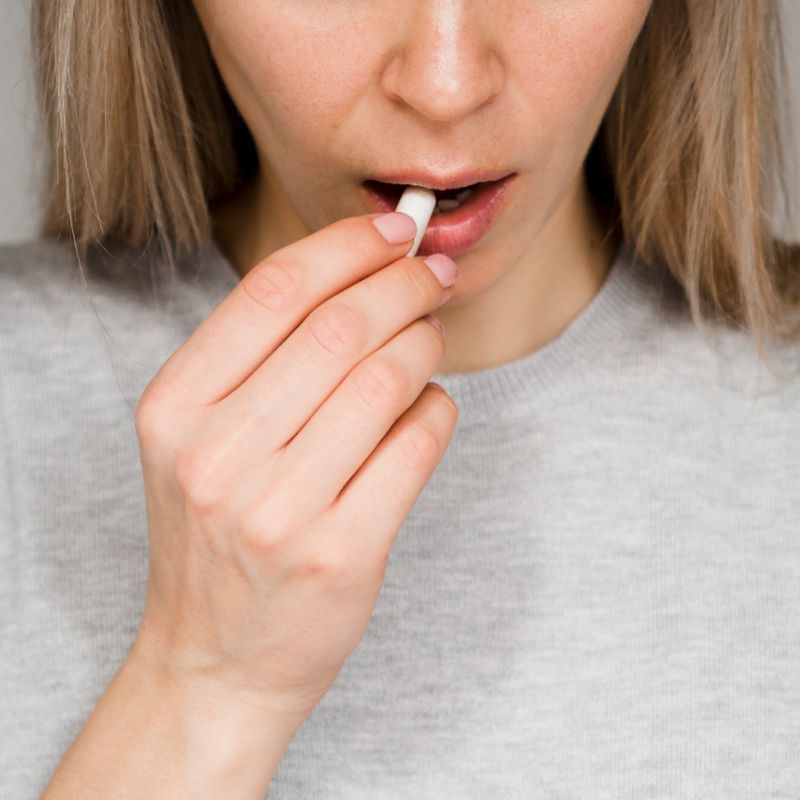
The vagina plays a crucial role in urinary tract infections (UTIs) in women, acting as both a reservoir for bacteria and a key area for intervention to reduce infection risk (Stapleton 2016). Millions of women seek medical treatment for vulvo-vaginal infections each year, making these issues among the most common health concerns for women worldwide.
While antibiotics and antifungal medications are frequently prescribed, they are not always the best solution. A single, sporadic UTI may respond well to antibiotics, but these drugs can disrupt the delicate balance of gut and vaginal flora, increasing the risk of recurrent infections that become more challenging to treat over time.
Antibiotics Can Trigger Recurrent Vaginal Infections
In my clinical practice, I’ve frequently observed a concerning pattern: Many women experience their first bout of chronic vaginal infection after taking antibiotics for a UTI. These powerful medications indiscriminately eliminate bacteria—both the harmful bacteria causing the UTI, such as E. coli, and the beneficial bacteria that help maintain vaginal health.
While antibiotics may clear the infection, they often leave the vaginal microbiome vulnerable to fungal overgrowth. Just like in the gut, the vaginal ecosystem relies on a balance of bacteria and yeast to keep harmful microbes in check.
Restoring Balance After Antibiotics
After completing a course of antibiotics, it is essential to restore the balance of vaginal flora. Otherwise, the very medications meant to cure a UTI or yeast infection may inadvertently lead to further complications. If pharmaceutical drugs worked without any side-effects, I wouldn’t see so many of these cases. Instead, I’ve spent a significant portion of my time helping women recover from gut and vaginal microbiome damage caused by antibiotic or antifungal prescriptions.
While medications like Diflucan can effectively treat yeast infections for some women, they don’t always work for everyone. Without restoring the vaginal flora, recurrent infections often follow. Research confirms that antibiotic use is a major short-term risk factor for symptomatic vulvo-vaginal candidiasis, with longer antibiotic courses directly increasing the risk of Candida infections (Spinillo 1999).
Preventing the UTI-Antibiotic-Yeast Infection Cycle
The frustrating cycle of UTIs, antibiotics, and yeast infections is often preventable. In my clinic, I have found that many recurrent infections could be avoided if women were educated on how to maintain a healthy vaginal microbiome—an area often neglected in conventional medicine.
All too often, women with yeast infections are given prescription drugs without a thorough examination of the root cause. Others are prescribed antibiotics or antifungals that fail to resolve their symptoms, leading them to seek answers on their own. This is one of the reasons I’ve dedicated so much of my work to Candida education — to help those struggling with these persistent issues.
The good news is that more healthcare providers are now exercising caution when prescribing antibiotics, ensuring a UTI diagnosis before treatment. This is a step in the right direction, considering that in past decades, antibiotics were overprescribed, contributing to today’s antibiotic resistance crisis.
Take Probiotics for Protection
One of the best ways to protect your vaginal health is by taking Lactobacillus-rich probiotics, especially after antibiotic use. Research suggests that Lactobacillus supplementation is an effective long-term strategy for maintaining a balanced vaginal microbiome and reducing infection recurrence (Chee et al., 2020).
Additionally, avoid antibiotics unless absolutely necessary. Most cases of coughs, colds, and sore throats do not require antibiotics, often caused by viruses, as these medications are ineffective against viral infections (NCBI 2023). If you don’t need them, it’s best not to take them.
Article of Interest: The Medical Treatment of Candida
Key Take-Away
By being mindful of antibiotic use and prioritising gut and vaginal health, you can help prevent recurrent infections and maintain a balanced microbiome naturally.
Supplementing with high-quality probiotics can help restore and maintain this delicate microbial balance, especially after disruptions caused by factors like antibiotics, stress, or dietary imbalances.
Rebalance Your Gut Flora the Professional Way

Yeastrix Daily Probiotic is designed to address these challenges head-on. Whether you’re aiming to rebalance your gut flora post-antibiotic use, enhance your immune defences, or improve specific areas such as vaginal, urinary, or digestive health, Yeastrix Daily Probiotic offers a potent, scientifically-backed solution.
With targeted strains, high-potency, and a gentle delivery system, Daily Probiotic provides effective, long-lasting benefits for men’s and women’s unique health needs.
Key Product Features:
By integrating these features, Yeastrix Daily Probiotic stands out as a reliable and professional choice for those seeking to enhance their health through targeted probiotic supplementation.
FREE Download: Yeastrix Daily Probiotic Dosage Method
Health Concerns Supported by Yeastrix Daily Probiotic
Yeastrix Daily Probiotic is not just effective against Candida overgrowth, but also addresses a wide range of gut imbalances, making it a comprehensive solution for improving gut health.
We’ve compiled a brief list of some of the conditions supported by the Yeastrix Daily Probiotic
Bacterial, Fungal and Yeast Infections
Digestive Issues
Energy and Metabolic Support
Yeastrix Daily probiotic is a carefully researched and clinically-developed probiotic solution for those dealing with persistent gut, fungal, bacterial, and systemic health challenges. This advanced formula is designed to be part of a comprehensive approach such as the Ultimate Candida Cleanse Program for restoring balance, energy, and vitality.
These above claims are based on extensive clinical insights and individual results may vary.

Ultimate Candida Cleanse System
Beat Candida naturally with the complete, science-based system created by naturopath Eric Bakker, N.D. This all-in-one package gives you two downloadable guidebooks plus the Yeastrix Gut Restore Kit — three targeted professional formulas that work together to reset your gut, restore balance, and rebuild healthy digestion.
You get a structured, step-by-step program, professional clinical guidance, and supplements designed to support each stage of recovery. No guesswork. No confusing protocols. Just a clear roadmap and the right tools to help you finally reduce symptoms, rebalance your microbiome, and feel like yourself again. The Ultimate Candida Cleanse System is everything you need to make real progress — naturally, safely, and effectively.

Eric Bakker N.D.
Greetings! I am a naturopathic physician from New Zealand. Although I’ve retired from clinical practice since 2019 after 34 years of clinic. I remain passionate about helping people improve their lives. You’ll find I’m active online with a focus on natural health and wellbeing education through my Facebook page, Reddit page and YouTube channel, including this website.