

Balanitis And Penile Yeast Infections: Understanding, Prevention, and Treatment
Penile yeast infections, though often overlooked, can affect men of all ages and lead to significant discomfort. These infections are typically caused by the fungus Candida albicans, which can result in itching, pain, irritation, and other unpleasant symptoms if left untreated.
It is crucial for men to recognise the signs, understand the causes, and explore treatment options for effective management and prevention of penile yeast infections.
By raising awareness through informative articles like this, we can encourage men to prioritise their personal health, seek proper treatment when necessary, and ultimately enhance their overall well-being and quality of life.
Content Advisory: This blog post contains medical images that are included for educational purposes only. Some of these images may depict sensitive areas of the body, such as conditions affecting the male genital region, to help readers better understand the topic of balanitis. If you find medical images uncomfortable or prefer to proceed without viewing them, please be aware of this before scrolling further. Our goal is to provide accurate, informative and educational content to more fully support your health journey.
Quick Answer
Balanitis is inflammation of the head of the penis. It may be caused by a yeast infection (most commonly Candida albicans), bacteria, skin irritation, allergies, diabetes, or other medical conditions. Typical symptoms include redness, itching, soreness, swelling, and discharge. Early diagnosis helps determine the underlying cause and the most appropriate treatment.
Balanitis

Balanitis is the most common infection of the penis. Chronic or recurring penile yeast infections can lead to balanitis, a painful, inflamed rash that affects the glans (head) of the penis. We’ll be discussing balanitis and its management shortly.
Balanitis is similar to a chronic vaginal yeast infection in women. In some cases, infections may be minor, while in others, they can be persistent or severe. The symptoms and severity can vary greatly from one individual to another, depending on several factors.
One of the challenges in discussing penile yeast infections is the confusion around medical terminology. Many different terms are used to describe male yeast infections, and it’s easy to mix them up.
To clear up any misunderstandings, let’s take a closer look at the key medical terms related to these conditions. By gaining a better understanding of penile yeast infections and the medical terms associated with them, it is easier to feel more empowered to take action to protect your health.
Yeast Infection On Penis
These three conditions often overlap, so the terms are frequently used interchangeably.
Balanitis can be caused by fungi like yeast, certain bacteria, or viruses, including those responsible for STDs such as gonorrhoea. However, balanitis itself is not a sexually transmitted infection, although the organisms causing it can be transferred between individuals.
Recurrent balanoposthitis might indicate hidden diabetes, so patients with frequent episodes should get their blood glucose levels checked and consult a urologist (Wray et al., 2024).
Penile Yeast Infection Symptoms
Penile yeast infections, although less talked about, can cause significant discomfort and inconvenience. Recognising the symptoms is crucial for timely treatment and relief.
Understanding these symptoms can help in seeking appropriate medical advice and treatment. Early intervention not only alleviates discomfort but also prevents potential complications, ensuring better overall health and well-being.
Could There Be More Going On?
If you’ve experienced recurring balanitis, repeated thrush, digestive symptoms or recurring yeast infections, there may be underlying factors worth exploring.
Our free Gut Health Assessment takes around five minutes and may help you identify patterns that could be contributing to ongoing symptoms.
Key Pages on Men’s Yeast Infection
Penile Yeast Infection Treatment
The three primary conditions that can affect the male penis are balanitis, posthitis, and balanoposthitis, each involving varying degrees of inflammation and discomfort. Balanitis refers to inflammation of the glans penis, while posthitis specifically affects the foreskin. When both the glans and foreskin are inflamed simultaneously, the condition is known as balanoposthitis.
These conditions can arise from a variety of causes, including infections (such as fungal or bacterial), irritants like harsh soaps, poor hygiene, or underlying health issues like diabetes.
Treatment typically involves addressing the root cause with antifungal or antibacterial medications, improving hygiene practices, and in severe or recurring cases, considering surgical interventions like circumcision to prevent further complications. Let’s now take a look at each of these three conditions in a little more detail and outline a treatment plan:
Balanitis: Penile Head Yeast Infections
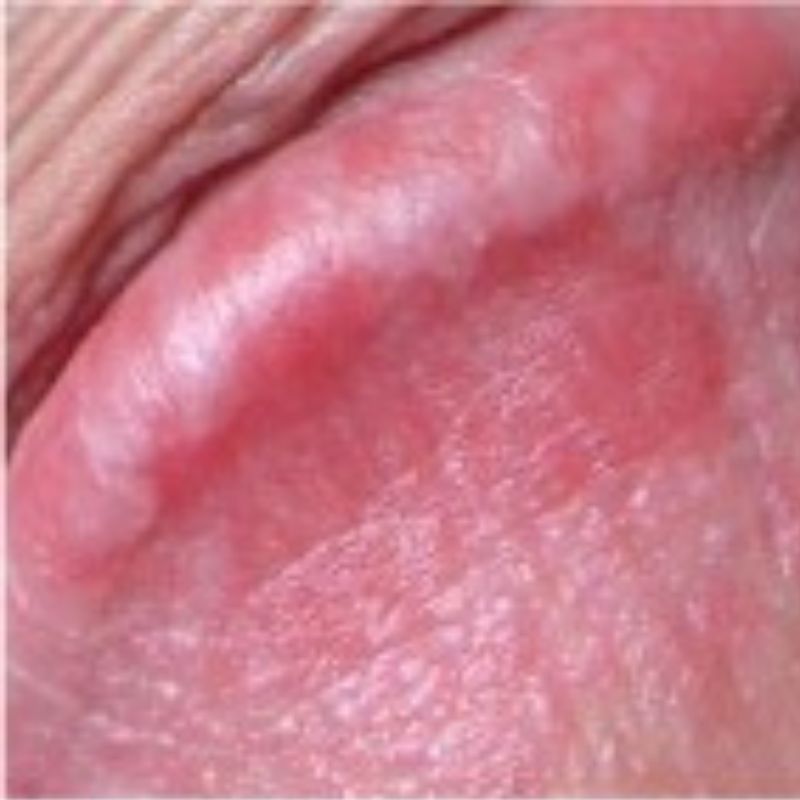
Balanitis refers to inflammation of the glans penis, or the head of the penis, which can cause significant discomfort, embarrassment, and even impact a man’s quality of life. The condition, often caused by infections, is most frequently associated with Candida albicans, the same fungal species responsible for yeast infections in other parts of the body.
Studies indicate that approximately 3–11% of men will develop balanitis during their lifetime, with uncircumcised men being at a higher risk due to the environment under the foreskin, which can trap moisture and provide an ideal breeding ground for infections (Wray 2024).
During my years in clinical practice, I saw many men struggle with recurrent balanitis. In many cases, simply treating the skin wasn’t enough—we also needed to identify the underlying factors contributing to the problem.
Many men report feelings of embarrassment, leading to strained relationships and intimacy issues.
Over time, chronic balanitis can contribute to anxiety and depression, especially if a man feels there’s no resolution in sight.
Candida Balanitis: Common Cause
One of the most frequent causes of balanitis is Candida balanitis, a yeast infection of the glans penis caused by Candida albicans. This fungal infection thrives in warm, moist environments, making the foreskin an ideal location for colonisation. Men with compromised immune systems, uncontrolled diabetes, or poor hygiene practices are particularly susceptible. (Nyirjesy et al., 2013).
Candida balanitis often presents with symptoms such as redness, itching, and irritation on the head of the penis, sometimes accompanied by a white, cheese-like discharge (smegma).
While it is not technically classified as a sexually transmitted disease (STD), Candida albicans can be passed between sexual partners, potentially causing recurring infections if both partners are not treated simultaneously.
Balanitis Symptoms
The symptoms of balanitis can range from mild to severe and include:
For men experiencing these symptoms, prompt medical evaluation is essential to rule out underlying causes and determine an appropriate treatment plan.
What Causes Balanitis?
Balanitis can result from several factors, ranging from skin irritation to infections. The most common causes include:
While balanitis is not inherently an STD, the infectious agents causing it—whether fungal, bacterial, or viral—can be transmitted between sexual partners.
Balanitis Treatment

Balanitis treatment often begins with addressing basic hygiene practices, a crucial step in both relieving current symptoms and preventing recurrence. Gently washing under the foreskin with warm water and a mild, unscented soap or just water is recommended, ensuring the area is thoroughly dried afterward. Avoiding hygiene products with potential irritants such as perfumes, dyes, or harsh chemicals is vital to reduce irritation and inflammation.
For men with recurrent balanitis, switching to hypoallergenic soaps and wearing breathable cotton underwear can also help maintain a healthy environment for the sensitive penile skin.
If the condition is linked to an allergic reaction to specific products or medications, your clinician can help identify the triggers and recommend suitable alternatives.
For example, men with sensitivities to latex can switch to latex-free condoms, while those reacting to spermicides may benefit from spermicide-free barrier methods. Similarly, alternatives to medications causing reactions can be explored under medical guidance.
Natural Treatment Solutions for Balanitis
For those seeking natural remedies, several approaches can complement conventional treatment. Coconut oil, for instance, is a gentle and effective natural moisturiser with antifungal and antimicrobial properties. Applying a small amount of virgin coconut oil to the affected area can soothe irritation and help manage fungal infections like Candida balanitis.
Aloe vera gel, known for its soothing and anti-inflammatory properties, can also be used to reduce redness and irritation.
Apple cider vinegar diluted with water may be another option for its antifungal properties. However, it should only be used externally and with caution, as undiluted vinegar can irritate sensitive skin. A warm bath with a few drops of Australian tea tree oil, a natural antifungal, can also help cleanse the area and reduce fungal overgrowth.
Antifungal Remedies like Yeastrix Candida Cleanse can help support the treatment of balanitis internally by balancing unwanted levels of yeast like Candida albicans in the gut.
Boosting Immunity
Boosting immune health is essential for preventing recurrent infections. This can be achieved by incorporating a diet rich in fresh vegetables, fruits, probiotic foods (like yogurt or kefir), and foods with natural antifungal properties, such as garlic and oregano. Taking a high-quality probiotic supplement can also help restore a healthy balance of good bacteria, particularly if antibiotics have been used in the past.
Managing Blood Sugar Levels
Finally, for men with underlying conditions like diabetes that contribute to balanitis, managing blood sugar levels naturally through diet, exercise, and targeted supplementation can significantly reduce the risk of infections. Herbal remedies like berberine or cinnamon extract may also support balanced blood sugar levels when used by those with diabetes.
By combining improved hygiene, natural remedies, and addressing potential triggers or underlying conditions, balanitis can often be effectively managed, reducing the need for stronger medications or invasive procedures. Treatment for balanitis depends on the underlying cause.
Common treatment and prevention approaches for balanitis may include:
The Emotional Impact of Chronic Balanitis

Beyond the physical symptoms, balanitis can have a profound emotional impact. Men with chronic cases often feel isolated and embarrassed, avoiding discussions about their condition with partners or medical professionals.
This can lead to intimacy problems, relationship strain, and even withdrawal from social interactions. It’s crucial to address not only the physical aspects of balanitis but also the emotional well-being of those affected.
Feeling Embarrassed? You’re Not Alone
Many men delay seeking help for balanitis because they feel embarrassed or hope the problem will simply go away. In my experience, this is far more common than most people realise.
The good news is that balanitis is a common condition, and healthcare professionals diagnose and treat it every day. Whether the cause is a yeast infection, irritation, diabetes, or another underlying condition, early assessment often leads to faster relief and can help prevent recurring episodes.
There’s no need to suffer in silence. If your symptoms persist, keep returning, or are causing concern, seeking medical advice is an important first step.
Conclusion
Balanitis, particularly Candida balanitis, is a common yet often misunderstood condition that can significantly impact a man’s quality of life.
With proper diagnosis, treatment, and preventive measures, most men can manage the condition effectively and return to their normal lives. If you’re experiencing symptoms of balanitis, early treatment can make all the difference. There’s no need to suffer, help is available, and recovery is possible.
Posthitis: Understanding Foreskin Yeast Infections
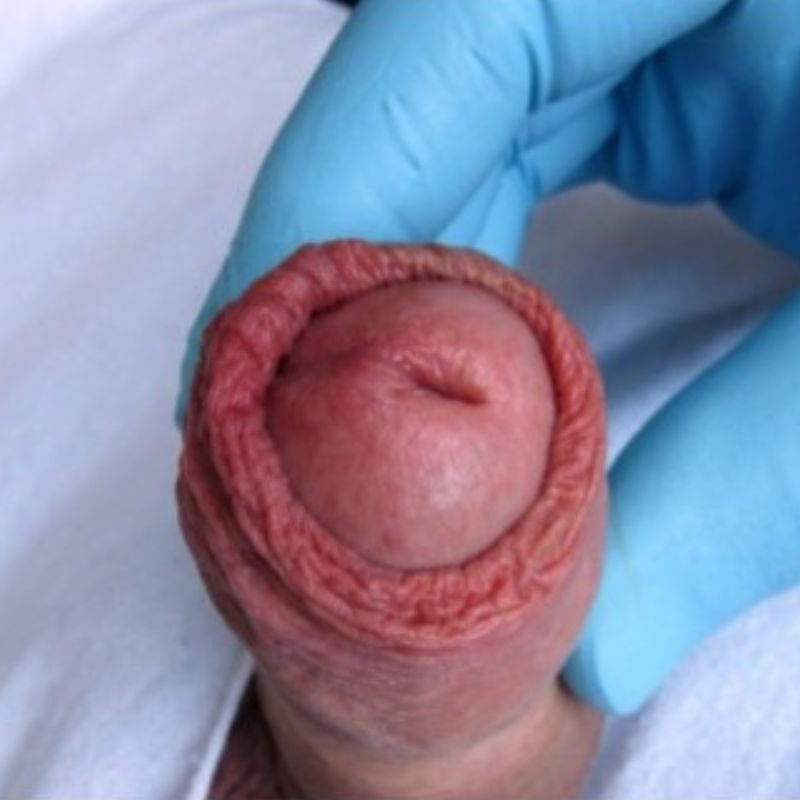
Posthitis is the inflammation of the foreskin (prepuce), often linked to a Candida yeast infection. While it primarily affects the foreskin, it frequently occurs alongside balanitis, resulting in a combined condition known as balanoposthitis.
Poor hygiene, underlying conditions like phimosis (tight foreskin), and persistent moisture in the area are common factors contributing to posthitis. Babies and infants wearing diapers are especially susceptible due to prolonged exposure to wetness and irritants, but the condition can affect men of all ages.
When sweat, dead skin, urine, and other substances collect under the foreskin, they create an environment ripe for irritation and infection.
This buildup can lead to tenderness, redness, and even pain during urination. Men with phimosis may have difficulty retracting their foreskin to clean underneath it, further increasing the risk.
Causes of Posthitis
The primary causes of posthitis include poor hygiene and infections. Fungal infections like Candida albicans are among the most common triggers, especially in moist, warm conditions.
Bacterial infections, sexually transmitted infections (STIs), and allergic reactions to soaps, detergents, or condoms can also contribute. Men with diabetes are particularly vulnerable, as elevated blood sugar levels encourage fungal and bacterial growth.
Posthitis Symptoms
The symptoms of posthitis can vary depending on the severity of the condition but often include:
Posthitis Treatment

Treatment for posthitis typically begins with addressing the root cause. Improving hygiene is essential, including gently washing the foreskin and the area beneath it with warm water and mild soap or just water. Avoiding harsh soaps, perfumed products, and anything that can further irritate the skin is equally important.
For fungal infections, antifungal creams like clotrimazole or miconazole are often prescribed to eliminate the yeast overgrowth. Natural antifungal creams are also available, you’ll find them online.
If a bacterial infection is present, antibiotics may be necessary, but you’ll find that natural antifungal creams containing tea tree oil work just as well. Men with phimosis (foreskin tightness) may require in severe cases surgical interventions like circumcision to to improve foreskin mobility and prevent recurrent infections.
In addition to medical treatments, maintaining a clean and dry environment under the foreskin is crucial to allow healing and prevent further irritation.
Using breathable, cotton underwear and avoiding tight-fitting clothes can reduce friction and moisture buildup, creating a less hospitable environment for infections. Hydrating the area with natural emollients like coconut oil can soothe irritation while forming a protective barrier against further damage.
Natural Treatment Solutions for Posthitis
Natural remedies can support conventional treatments and offer relief from fungal infections of the foreskin. These remedies are similar to those used if you have balanitis.
Additionally, incorporating probiotics into your diet through yogurt, kefir, or supplements can restore the natural balance of bacteria and fungi in the body. Foods like garlic and oregano, known for their antifungal properties, may also aid in managing Candida infections.
Preventing Posthitis
Prevention focuses on maintaining proper hygiene and addressing risk factors:
By combining proper hygiene, medical treatments, and natural remedies, posthitis can be effectively treated and prevented. Seeking early intervention and maintaining healthy practices are key to avoiding complications and ensuring long-term foreskin health.
Balanoposthitis – Penis Head and Foreskin Yeast Infection
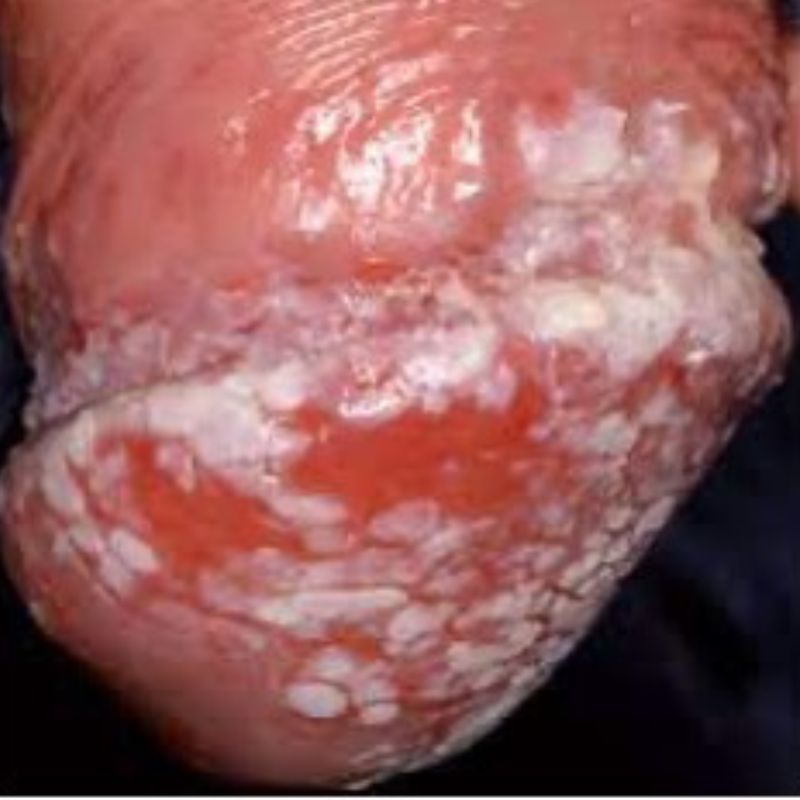
Balanoposthitis is an inflammatory condition affecting both the glans (head) and the foreskin (prepuce) of the penis. This condition affects 6% of uncircumcised males and affects both the glans and the foreskin. (Edwards 1996).
Only males who have not been circumcised develop balanoposthitis, due to the unique anatomy of the foreskin, which can trap moisture, dead skin, and other debris, creating a favourable environment for infections. This inflammation often arises from a combination of poor hygiene, fungal or bacterial infections, irritants such as harsh soaps or detergents, and, in some cases, sexually transmitted infections (STIs).
Diabetes is a significant risk factor, as elevated sugar levels in urine can encourage microbial growth. Other contributing factors include phimosis, a condition where the foreskin cannot be fully retracted, leading to the accumulation of smegma and subsequent irritation. In some cases, the cause of balanoposthitis may remain unclear even after extensive testing.
Balanoposthitis Causes

The causes of balanoposthitis are diverse and include poor hygiene, fungal infections like Candida albicans, bacterial infections, allergies to personal care products or medications, and sexually transmitted infections (STIs).
Chronic conditions such as diabetes can also predispose individuals to recurrent balanoposthitis, as high sugar levels in urine create an ideal environment for infections.
Phimosis, a condition where the foreskin cannot be retracted, can also increase susceptibility by trapping irritants beneath the foreskin.
Balanoposthitis Symptoms
Although Balanoposthitis shares symptoms with balanitis it usually presents with more extensive inflammation:
Balanoposthitis Treatment
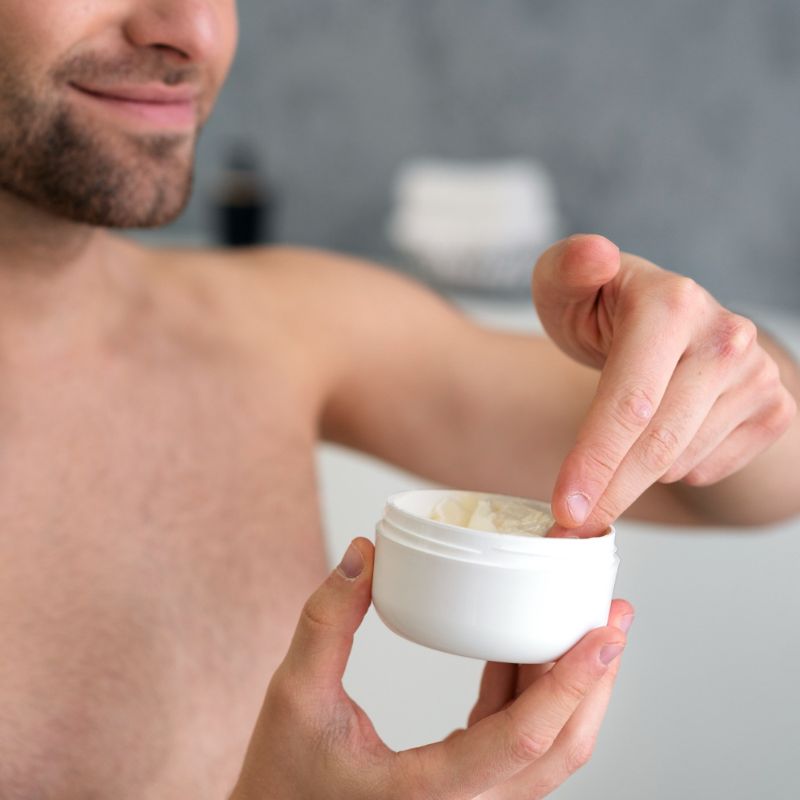
Treatment for balanoposthitis typically begins with addressing the root cause. Improving hygiene is essential, including gently washing the foreskin and the area beneath it with warm water and mild soap or just water. Avoiding harsh soaps, perfumed products, and anything that can further irritate the skin is equally important.
This condition tends to be more chronic and severe than balanitis and posthitis. For severe fungal infections, antifungal creams like clotrimazole or miconazole are most always prescribed to eliminate the yeast overgrowth. Natural antifungal creams are also available, you’ll find them online.
If a bacterial infection is present, antibiotics may be prescribed as well, but you’ll find that natural antifungal medicines can also offer support as well without unwanted side-effects.
Don’t Let Symptoms Get Chronic
The trick with chronic cases of balanoposthitis is to not let penile infections get chronic in the first place. Frequent treatments in the early or acute stages are therefore necessary. I recommend the natural treatment suggestions you’ll find under balanitis. They include apple cider vinegar, and tea tree oil.
In addition to medical treatments, maintaining a clean and dry environment under the foreskin is crucial to allow healing and prevent further irritation.
Using breathable, cotton underwear and avoiding tight-fitting clothes can reduce friction and moisture buildup, creating a less hospitable environment for infections. Hydrating the area with natural emollients like coconut oil can soothe irritation while forming a protective barrier against further damage.
Men with phimosis (foreskin tightness) may require in severe cases surgical interventions like circumcision to to improve foreskin mobility and prevent recurrent infections.
Balanoposthitis Diagnosis
A healthcare provider typically diagnoses balanoposthitis through a physical examination and a review of symptoms. Tests may include swabs of the affected area to identify fungal or bacterial pathogens, urine tests to check for diabetes, or allergy testing if an allergic reaction is suspected.
Patients with recurring bouts should have a urologist evaluate them and have blood work done to check for diabetes. (Rodriguez 2019)
Balanoposthitis Treatment Summary
Treatment for balanoposthitis depends on the underlying cause but typically includes:
Balanoposthitis Prevention
Preventing balanoposthitis requires a combination of proper hygiene, managing underlying health conditions, and making lifestyle adjustments. For uncircumcised men, regular cleaning beneath the foreskin with warm water is essential to remove moisture, debris, and bacteria that can lead to irritation and infection. It is equally important to dry the area thoroughly to prevent the growth of fungal or bacterial organisms in the moist environment. Avoiding harsh or perfumed products can help minimize the risk of allergic reactions and irritation.
Managing chronic health conditions, such as diabetes, is critical since elevated blood sugar levels can increase susceptibility to infections. Regular blood sugar monitoring and maintaining healthy lifestyle choices are essential for reducing the risk of recurrent episodes.
Practicing safe sex, such as using condoms, can lower the risk of sexually transmitted infections that may trigger or exacerbate balanoposthitis. Routine medical check-ups, including urological evaluations, are recommended for men with recurring issues, as this can help identify any hidden health problems that might be contributing to the condition.
Recurrent Balanoposthitis
If balanoposthitis becomes recurrent, it’s important to seek medical advice, as this could indicate the need for more targeted interventions, such as treating phimosis or addressing chronic skin conditions. Early detection and proactive care can prevent discomfort, embarrassment, and potential complications, ensuring better long-term outcomes.
Key Pages on Men’s Yeast Infection
| Men’s Yeast Infection Chart | Posthitis | Balanitis | Balanoposthitis | Tinea cruris (Jock itch) |
| Infectious Cause | Malassezia or Candida yeast, bacteria or viral | Malassezia or Candida yeast, bacteria or viral | Malassezia or Candida yeast, bacteria or viral | Trichophyton or Epidermophyton yeast |
| Non-infectious main causes | Diapers, tight clothing, poor hygiene, | Steroid use, antibiotics, tight clothing, diets high in sugar, diabetes, alcohol | steroid use, antibiotics, tight clothing, diets high in sugar, diabetes, alcohol | Obesity, alcohol, sweating, diabetes, steroid use, antibiotics, tight clothing, alcohol |
| Location | Foreskin of penis | Glans (head) penis | Foreskin and Glans Penis | Scrotum, groin, inner thighs, and buttocks |
| Main Symptoms | Pain, tenderness, itching, swelling | Glans penis irritation or pain, itching | Glans penis irritation or pain, itching | Rash in the crease of groin spreading to inner thighs, intense itch, burning. |
| Other Symptoms | Red, purple, discoloured skin, smegma | White or shiny skin patches, smegma | White or shiny skin patches, smegma | Small blisters, scaly skin, flaking, peeling, skin colour changes, |
| Contagious? | Yes | Yes | Yes | Yes |
Why Does Gut Health Matter?
Many recurrent yeast infections don’t occur in isolation.
Repeated antibiotic use, poorly controlled diabetes, recurrent vaginal yeast infections in a partner, and gut microbiome imbalances may contribute to recurrent Candida overgrowth in some people.
While topical creams may help relieve the visible symptoms of balanitis, addressing contributing factors such as overall health, blood sugar control, diet, and gut health may help reduce the likelihood of future recurrences.
For this reason, many people choose to support both skin recovery and overall gut health rather than focusing only on the visible symptoms.
FAQs
Mild cases of balanitis caused by irritation may improve once the trigger is removed and good hygiene is restored. However, if symptoms persist, recur, or are caused by a fungal or bacterial infection, appropriate treatment is usually needed. If symptoms last more than a few days or worsen, consult your healthcare provider.
No. While Candida albicans is one of the most common causes of balanitis, it can also result from bacterial infections, skin conditions such as eczema or psoriasis, allergic reactions, poor hygiene, diabetes, or sexually transmitted infections. Identifying the underlying cause is important for choosing the most appropriate treatment.
Balanitis itself is not contagious. However, some of the organisms that cause it, including Candida or certain bacteria, can be passed between sexual partners. If a yeast infection is suspected, both partners may need assessment and treatment to help reduce the risk of reinfection.
Yes. Poorly controlled diabetes is a well-recognised risk factor for recurrent balanitis. Higher levels of glucose in the urine can encourage the growth of yeast and bacteria, making infections more likely. Men with frequent episodes of balanitis should discuss diabetes screening with their healthcare provider.
Treatment depends on the underlying cause. Good hygiene, avoiding irritants, and keeping the area clean and dry are important first steps. Yeast infections are commonly treated with antifungal medications, while bacterial infections may require antibiotics. Some cases may also benefit from addressing contributing factors such as diabetes, skin conditions, or recurrent irritation.
Yes. Recurrent balanitis may occur if the underlying cause has not been addressed. Common contributing factors include diabetes, repeated antibiotic use, poor hygiene, chronic skin conditions, persistent moisture beneath the foreskin, or recurrent yeast infections. Identifying and treating these factors can help reduce future episodes.
It is generally best to avoid sexual activity until the cause has been identified and symptoms have resolved. Friction may worsen irritation, and if the underlying cause is infectious, it may increase the chance of passing the infection to a partner or becoming reinfected.
Probiotics do not directly treat balanitis, but they may help support a healthy balance of gut and microbial flora, particularly after antibiotic use. For men who experience recurrent yeast infections, probiotics may be one part of a broader approach that also includes good hygiene, addressing underlying health conditions, and following appropriate medical treatment.
With appropriate treatment, mild cases of balanitis often begin to improve within a few days and may resolve within one to two weeks. Recovery depends on the underlying cause and whether contributing factors, such as diabetes, ongoing irritation, or recurrent yeast infections, are also addressed.
Looking Beyond the Skin
If recurrent yeast infections are part of a broader gut health picture, supporting a healthy gut microbiome may be one part of a comprehensive approach.
Our Gut Restore Kit combines:
✓ Candida Cleanse
✓ Daily Probiotic
✓ Active Enzymes
to help support digestive health, microbial balance and overall gut wellness alongside a healthy diet and lifestyle.
Read More:

Eric Bakker N.D.
Greetings! I am a naturopathic physician from New Zealand. Although I’ve retired from clinical practice since 2019 after 34 years of clinic. I remain passionate about helping people improve their lives. You’ll find I’m active online with a focus on natural health and wellbeing education through my Facebook page, Reddit page and YouTube channel, including this website.


