

Caprylic Acid Fights Candida
Coconut oil, once considered a “bad fat,” has gained popularity in recent years despite being a saturated plant fat. Many are likely familiar with the advantages of coconut products for hair, skin, and cooking. Some are surprised to learn that coconut has multiple potent antifungal properties as well.
Coconut oil has become a popular choice among health enthusiasts for its versatility and many potential health benefits. While it’s commonly used in cooking, it also serves various other purposes, from moisturising skin to repelling bugs and even cleaning laundry. However, one of the most notable components of coconut oil is caprylic acid, a medium-chain fatty acid with powerful medicinal properties.
What Is Caprylic Acid?
Caprylic acid, also known as octanoic acid, is a type of medium-chain fatty acid (MCFA) found in coconut oil.
It’s one of three primary fatty acids in coconut oil, along with capric acid and lauric acid. While it’s not the same as coconut oil itself, caprylic acid plays a significant role in many of coconut oil’s health benefits.
Caprylic acid is also found in cow’s milk and human breast milk, and it has been gaining attention for its potential health applications, particularly its antifungal, antibacterial, antiviral, and anti-inflammatory properties. (Bhat et al., 2021) (Tejaswi et al., 2021).
Caprylic Acid Benefits
Caprylic acid is known for its variety of health benefits. It is particularly well-tolerated as an antifungal, making it ideal for those who may experience strong reactions to other antifungal treatments. Here’s a closer look at some of the most prominent caprylic acid benefits, especially antimicrobial benefits:

Antimicrobial Activity
Caprylic acid helps inhibit the growth of harmful microorganisms in the body, including different Candida and other fungal species, keeping the digestive and reproductive systems balanced and functioning properly.
Caprylic acid’s antimicrobial qualities extend well-beyond Candida, making it effective against various skin infections and even acne. It fights bacteria linked to skin conditions such as dermatophilosis, reducing skin inflammation.
This makes it a common ingredient in natural skincare products, and it can be applied topically to treat fungal skin infections.
Some may claim caprylic acid is a probiotic or even a prebiotic, but it is neither. Rather, it supports the internal probiotic environment by helping to manage the balance of harmful and beneficial bacteria in the gut.
Antibacterial
Besides being great antifungals, caprylic and capric acids are also beneficial in treating bacterial infections.
Due to their relatively short chain length they have little difficulty in penetrating fatty cell wall membranes, hence their effectiveness in combating certain bacteria, such as Staphylococcus aureus and various species of Streptococcus. Caprylic acid is known for its potent antibacterial effects in the gut environment. (Yemis et al., 2020).
By combining caprylic acid with probiotics, oregano oil, and other antimicrobials such as cinnamon and lemongrass, we can enhance these effects even more.
How Caprylic Acid Fights Candida
For over thirty years, caprylic acid has been one of our go-to remedy in the treatment of Candida infections. Its gentle yet effective antifungal properties make it a favourite, especially when combined with other antifungals like undecylenic acid and grapefruit seed extract.
Beyond Candida, caprylic acid can treat various yeast infections, including those affecting the skin, genitals, and mouth. It’s useful for conditions like athlete’s foot, jock itch, and oral thrush, offering a natural remedy with minimal side effects.
Caprylic acid works through several processes to inhibit the virulence of Candida:

Dr. William Crook – Caprylic Acid Pioneer for Candida
Dr. William Crook, author of the influential book The Yeast Connection, was one of the first to popularise caprylic acid as an effective antifungal for treating Candida overgrowth. At a time when pharmaceutical drugs dominated, Dr. Crook championed caprylic acid for its ability to combat fungal infections, despite criticism from the medical establishment.
In the 1980s, Dr. Crook recognised caprylic acid as one of the most effective anti-Candida supplements. Today, its potency remains unmatched.
While many new supplements have emerged, few have caprylic acid’s proven 50-year track record. Often, these newer products come at a higher cost without offering better results. It’s why we still recommend caprylic acid, even after 34 years.
Anti-Inflammatory Effects
Caprylic acid’s medium-chain triglycerides (MCTs) are beneficial for those with digestive issues like Crohn’s disease. MCTs help suppress inflammatory responses in the gut, protecting the epithelial lining and reducing symptoms such as pain, bloating, and diarrhea.
Although the exact mechanisms are still under study, caprylic acid appears to inhibit inflammatory cytokines, helping to maintain gut health (Hoshimoto et al., 2002).
Skin Health
Caprylic acid’s antimicrobial properties make it highly effective against a range of skin infections, including acne and bacterial conditions like dermatophilosis, a painful skin infection (Valipe et al., 2011).
Found naturally in coconut oil, caprylic acid helps reduce skin inflammation and has become a popular ingredient in natural skincare products for its ability to improve overall skin health (Fernandes et al., 2023).
Skin Infections
Beyond its internal health benefits, caprylic acid can be applied topically to address various skin conditions. Its antifungal and antibacterial properties make it particularly useful for:
Natural Disinfectant
Caprylic acid can also act as a natural disinfectant, providing a safe and effective alternative to chemical-based treatments. By using it to treat infections, there’s a lower risk of contributing to antibiotic resistance, making it a smart choice for both skin health and environmental well-being (Rosenblatt et al., 2017).
Incorporating caprylic acid into your daily routine—whether through coconut oil or specialized topical treatments—can support clearer, healthier skin and reduce the need for harsher, chemical-based products.
Current Research suggests that caprylic acid can be as effective as, or even superior to, certain commonly-prescribed antifungal medications
Why Use Caprylic Acid?
How to Take Caprylic Acid
Caprylic acid is a potent medium-chain fatty acid known for its antifungal, antibacterial, and anti-inflammatory properties. Whether you’re looking to improve gut health, treat Candida infections, or support overall wellness, incorporating caprylic acid into your routine can offer a range of benefits. Here’s how to get the most out of it.
Natural Sources Of Caprylic Acid

One of the easiest ways to introduce caprylic acid into your diet is through natural sources like coconut oil, which is rich in caprylic acid along with lauric acid and capric acid, the other two main potent antifungals.
I recommend you start by consuming 1 tablespoon of coconut oil per day, and stay around the level you like and tolerate at the time. Some recommend up to 5 or more tablespoons of coconut oil a day, but I find this a bit excessive personally, especially in the long-term. Remain flexible as always.
Certain times of the year you may find yourself liking like the smell and taste of coconut oil more than others. Typically I’ve found coconut oil, milk, and cream more enjoyable in the warmer or summer months than cooler (winter) months. This time of year also coincides with a higher level of internal and external fungal infection being present in individuals. Rising global temperatures and weather extremes are also increasing the risk of fungal infection worldwide. (Neabore 2024).
How To Consume Coconut Oil:
Other sources of caprylic acid include palm oil and certain dairy products, though coconut oil remains the most common and accessible option.
Caprylic Acid Supplements
While consuming coconut oil is beneficial, taking caprylic acid in supplement form provides a more concentrated and targeted way to support gut health. Supplements ensure that caprylic acid reaches your digestive system in higher concentrations, where it can help combat yeast infections, including Candida overgrowth.
Before starting a caprylic acid supplement, it’s recommended to determine the right dosage for you. This will help ensure safe use and minimise any potential side effects like “die-off” symptoms, which can occur when the body rapidly kills off excess yeast. Although Candida die-off can occur when taking any antifungal, it’s less likely to occur with caprylic acid in my clinical experience.
Who Should Avoid Taking Caprylic Acid?
While caprylic acid is generally considered safe and well-tolerated, certain groups should exercise caution. Some individuals may experience mild side effects like nausea, bloating, or diarrhoea, and in rare cases, more severe reactions such as vomiting, drowsiness, or heartburn.
Yeastrix Cleanse: A Comprehensive Antifungal Solution
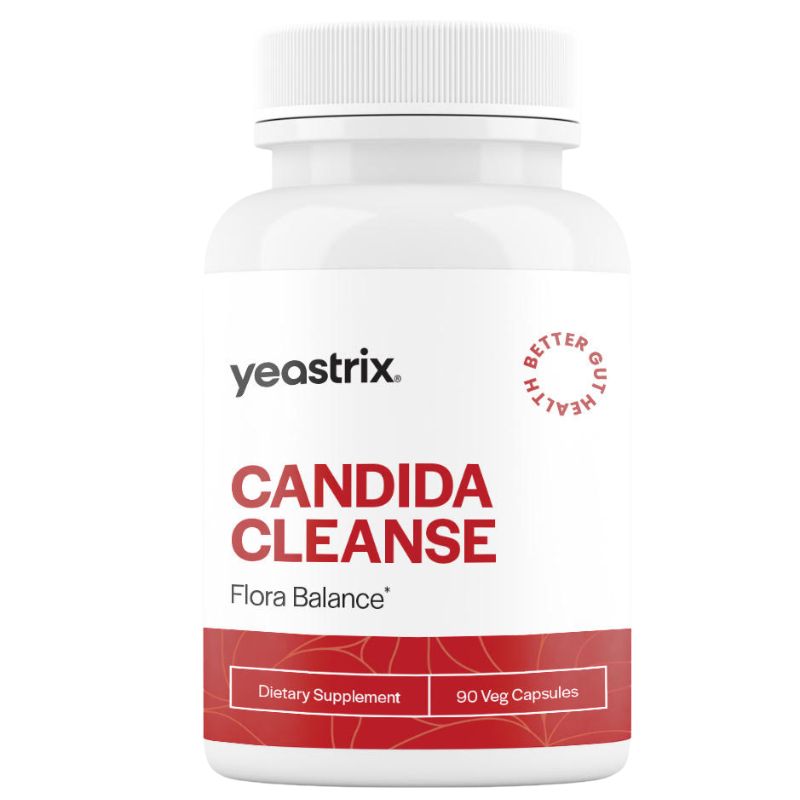
For those looking for an all-in-one solution to tackle Candida and other fungal or bacterial infections, consider Yeastrix Candida Cleanse, our 3rd generation antifungal supplement.
This product combines high-quality caprylic acid with several other powerful antifungals, creating a balanced and effective cleanse for yeast overgrowth.
Yeastrix Cleanse includes:
With Yeastrix Candida Cleanse, you can simplify your antifungal regimen by getting the benefits of caprylic acid along with other natural ingredients that promote gut health and combat yeast infections. Made with the highest-quality, non-GMO, and vegetarian ingredients, it’s designed for those looking for a natural, safe, and effective approach to Candida management.
Precaution and Side Effects
Starting slowly and paying attention to how your body reacts can help avoid unwanted side effects. If you’re new to taking caprylic acid, it’s recommended to start with small doses (e.g., 500 mg once or twice daily) to avoid digestive issues like bloating or gas.
People with specific serious or chronic medical conditions should avoid or limit their intake. Those more likely to develop side effects will be individuals with chronic health conditions, or those taking several dietary supplements of prescribed pharmaceutical drugs simultaneously.
Gradually increasing the dosage over several days can help.While caprylic acid is generally safe, large amounts combined with other medium-chain triglycerides may cause gastrointestinal discomfort. Pregnant or breastfeeding women should avoid large doses of caprylic acid capsules, as they may trigger nausea and worsen digestive problems.
Final Thoughts
Whether you’re adding coconut oil to your diet or opting for a supplement like Yeastrix Candida Cleanse, caprylic acid can be a powerful tool in maintaining a healthy gut and fighting fungal infections.
Caprylic acid is a powerful natural remedy with wide-ranging health benefits, particularly for fighting fungal infections like Candida, supporting gut health, and improving skin conditions. While more research is needed to confirm all its potential uses, existing studies suggest that incorporating caprylic acid into a natural health regimen is valuable.
To maximise effectiveness in Candida, IBS, IBD or SIBO treatment, one can combine caprylic acid with other antifungals like oregano oil and garlic, creating a multifaceted approach to eliminate yeast overgrowth and support overall wellness.

Eric Bakker N.D.
Greetings! I am a naturopathic physician from New Zealand. Although I’ve retired from clinical practice since 2019 after 34 years of clinic. I remain passionate about helping people improve their lives. You’ll find I’m active online with a focus on natural health and wellbeing education through my Facebook page, Reddit page and YouTube channel, including this website.


