
SHARE

Anti Candida Lifestyle

Home » Anti Candida Lifestyle

Healthy Lifestyle for Managing Candida Yeast Infection


Living with Candida yeast infections, SIBO, IBS, or IBD can be incredibly challenging, but embracing an anti-candida lifestyle is a powerful way to manage symptoms and support your overall health and well-being. True healing goes far beyond diet alone—it calls for a holistic approach that nurtures your body, mind, and environment.

Prioritise Healthy Diet AND Lifestyle Factors

Many Candida and gut health resources focus almost exclusively on diet and cleansing, overlooking other crucial factors that influence recovery and long-term health. While nutrition plays a vital role, true wellness comes from achieving balance in all aspects of life.

The aim with our Anti-Candida Lifestyle page is to prioritise the most important lifestyle factors alongside a healthy diet and nutrition. This reinforces a much more holistic approach to these interconnected elements, as they all have major impacts on our overall health, happiness and vitality. By reading, understanding and then implementing these key concepts into one program and one lifestyle, we can be assured of success and empowerment in all areas of our life.

This page provides comprehensive, practical tips to help you thrive, offering insights that extend beyond the usual food-and-cleansing-focused advice and empowering you with a complete lifestyle approach.

8 Key Areas of a Healthy Lifestyle for Candida, SIBO, and IBS Management

Overlooked Aspects of Truly Healthy Living

In my years of clinical practice, I discovered that the healthiest patients weren’t just following “strict diets” or taking supplements. They were investing in their long-term well-being by embracing positive lifestyle habits well-beyond diet and nutrition.

A holistic lifestyle nurtures not only physical health. It also nurtures our mental and emotional resilience, essential for preventing recurring Candida overgrowth, SIBO, IBS, and IBD.

Personally and clinically I’ve found that a well-rounded, gut-supportive lifestyle incorporates the following lifestyle factors:

  • 1 – Diet and Nutrition
  • Candida diet food list for foods that nourish and heal the digestive system.
  • 2 – Maintaining a Healthy Body Weight
  • Keeping weight in check to reduce strain on the digestive and immune systems.
  • 3 – Supporting Immune Function
  • Strengthening immunity through nutrient-dense foods, proper supplementation, and a balanced lifestyle.
  • 4 – Managing Stress
  • Chronic stress weakens digestion and the immune system, making stress reduction a critical part of healing.
  • 5 – Ensuring Quality Sleep
  • Prioritising rest and sleep to allow your body to detoxify, repair, and maintain a balanced gut microbiome.
  • 6 – Engaging in Regular Physical Activity
  • Staying active to support circulation, digestion, and overall vitality.
  • 7 – Creating a Healthy Environment
  • Caring for our living environment, improving air and water quality, fostering a clean, stress-free living space.
  • 8 – Communication and Relationships
  • Communicating well, including positive, supportive connections with family, friends, and colleagues can significantly impact your overall health and stress levels.

True wellness extends even further—it’s about fostering balance in all areas of life.

Here are a few other additional key areas to consider:

  • Career Satisfaction
  • Engaging in meaningful, fulfilling work can enhance mental well-being and reduce the emotional stress that weakens digestion and immunity.
  • Spiritual Practice
  • Whether it’s meditation, prayer, breathing exercises, yoga, or simply spending time in nature, nurturing your spiritual side can bring inner peace and a greater sense of well-being.

Healing and Recovering From Candida: A Diet and Lifestyle Approach

True healing goes beyond just what’s on your plate. It’s about building a lifestyle that nurtures your body’s natural ability to restore balance and resilience.

Our Anti-Candida Lifestyle page is your guide to lasting wellness. It can help you break free from cycles of gut dysbiosis and infection. By addressing all aspects of health—nutrition, stress, sleep, and daily habits—you create the foundation for long-term vitality, free from recurring fungal or bacterial overgrowth.

To make it simple, we’ve distilled the core principles of the anti-Candida diet into eight key guidelines. Along with a carefully curated Yes, Maybe, and No Candida diet food list, these principles provide a clear, effective framework to help you navigate your Candida recovery with confidence.

Now, let’s take a closer look at each of these eight key areas. If you’d like to explore any topic in greater depth, be sure to check out the Article of Interest related to that specific area.
1. – Diet and Nutrition

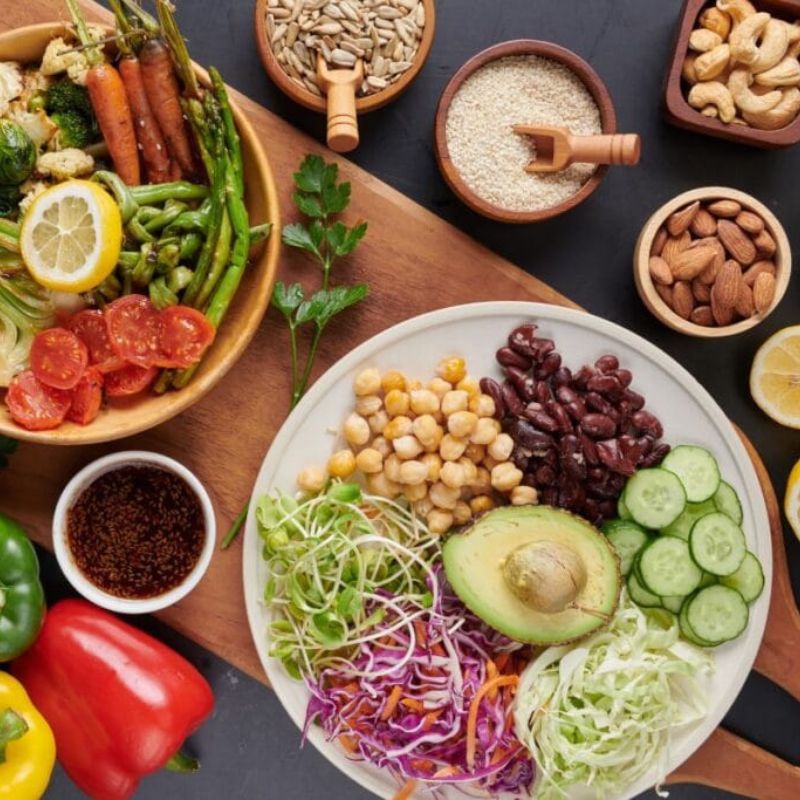
Managing a Candida overgrowth or yeast infection requires a balanced diet. Prioritise whole, unprocessed foods that promote gut health and limit sugar and refined carbs, which can contribute to Candida overgrowth and SIBO. To maintain a healthy gut microbiome, include a variety of fruits, vegetables, lean proteins, healthy fats, and fermented foods like yogurt and sauerkraut. Stay away from foods that can make symptoms worse, like alcohol, caffeine, and specific dairy products. It’s important to stay hydrated to eliminate toxins and promote overall well-being

The Candida diet is designed to reduce excessive Candida overgrowth, which can disrupt gut health and cause digestive issues, fatigue, brain fog, skin problems, and recurrent infections. Its primary goal is to restore balance, improve digestion, and alleviate symptoms by eliminating ultra-processed foods, junk foods, refined sugars, and inflammatory ingredients that fuel Candida.

More than just a short-term cleanse, this diet supports long-term gut health by emphasising nutrient-dense, whole foods tailored to individual needs. A well-balanced microbiome is essential for immune function, metabolism, inflammation control, and mental well-being. Research confirms that a fibre-rich, whole-food diet fosters microbiome diversity, benefiting not only Candida recovery but also conditions like SIBO, IBS, and IBD.

Sustainability is key. The best diet is one that nourishes both your body and enjoyment of food, making healthy eating a lasting habit rather than a restrictive regimen. When your gut thrives, your entire body benefits—laying the foundation for lifelong health.

The following links will take you to pages containing detailed information on this website about some of the key foods and their actions and other benefits:

Key Food Action Pages

Diet and Nutrition Food Pages

2. – Healthy Body Weight

A person holds a donut in one hand and an apple in the other. Various snacks including fruits, vegetables, and sweets are spread out on a black and white surface in the background.

Keeping a healthy body weight can support the functioning of your body’s systems and ease the burden on your immune system. Inflammation can worsen Candida symptoms, and excess weight can contribute to it. Maintaining a healthy weight is possible by combining a balanced diet with regular physical activity. Don’t follow trendy diets; instead, make lasting changes to your eating habits and lifestyle.

There are many ways to lose weight, and there are many weights to keep weight off. There are diets, supplements, and many self-help programs. It all comes down to these three basic points, it usually does. It’s all about:

  • 1 – How many calories you consume.
  • How much food and drink you consume.
  • 2 – How much activity is in your day.
  • How much movement and exercise you perform.
  • 3 – How you combine both on a daily basis going forward.
  • How willing you are to get the balance right.

I’d like you to consider these three points when maintaining a healthy weight. It pays to read “The Four Stages of Change, this information applies particularly well to losing and maintaining body weight.

Article of Interest: Weight Loss

If you’re looking to lose weight and keep it off, a comprehensive approach is far more effective than quick-fix diets or weight loss pills. At our clinic over the years, we’ve helped many people achieve lasting weight loss, and it’s absolutely possible to achieve this in the majority of cases. It’s good to get the basics of eating and chewing foods right, have you read the 6 core healthy eating principles? It has been of enormous help to many patients in the past:

Read: The 6 Core Healthy Eating Principles 

Key Factors for Sustainable Weight Loss:

  • Nutritious Eating
  • Focus on whole, nutrient-dense foods while reducing processed foods and sugar.
  • Regular Exercise
  • Incorporate both aerobic and strength training to burn calories, build muscle, and improve fitness.
  • Healthy Habits
  • Prioritise sleep, manage stress, and stay hydrated for overall well-being.
  • Realistic Expectations
  • Initial weight loss may be rapid, but a steady, long-term approach ensures lasting success.
  • Avoid Weight Loss Supplements
  • They offer short-term results but can’t replace a healthy diet and active lifestyle.

Final Thoughts

True weight loss isn’t just about shedding pounds—it’s about creating sustainable habits that enhance your health for life. Consistency and patience are key, and the rewards extend far beyond the bathroom scales.

An elderly man with white hair and a beard is sneezing into a tissue. He wears a gray knitted shawl and a checkered shirt. The background is a bright indoor setting.

3. – Healthy Immune Function

The best way to protect against Candida overgrowth is by having a strong immune system. Maintain a strong immune system by eating a diet rich in nutrients, exercising regularly, and getting enough sleep. Supplements such as vitamin C, vitamin D, and probiotics can also strengthen your immune response. To maintain a strong immune system and handle infections effectively, it’s important to manage stress and have regular medical check-ups.

Our First Line of Defence

Our immune system is our body’s first line of defence against pathogens, harmful chemicals, and cellular changes that can lead to illness. This intricate network of cells, organs, and proteins works tirelessly to keep us healthy.

When functioning properly, we hardly notice our immune system. But if weakened, our immune system struggles to fend off bacteria, fungi, and viruses, making us more vulnerable to infections. New or unfamiliar microorganisms—like those encountered while traveling—can also trigger illness, as can first-time exposures to certain germs, such as childhood diseases like chickenpox.

Article of Interest: Immune Function

3 Key Factors that Influence the Immune System

Our immune system’s strength depends on several factors, but three fundamental influences stand out: diet, lifestyle, and toxic load.

  • 1. Diet and Nutrition
  • A well-balanced diet is essential for immune function, requiring key vitamins (A, B6, C, E) and minerals (zinc, copper, iron, selenium). Deficiencies in these nutrients—whether due to poor diet or impaired digestion—can weaken immunity, increasing the risk of Candida overgrowth, bacterial infections (SIBO), and other health issues. Studies have consistently found that high sugar diets lead to impaired immune function in humans and animals (Ma et al., 2022), (NIH 2019), (Kawano et al., 2022) .
  • 2. Lifestyle and Stress
  • Chronic stress—whether physical (injury, infection, toxicity) or emotional (grief, anxiety, anger)—can suppress immune function, making the body more vulnerable to infections. Stress-induced chemical changes are a common trigger for Candida overgrowth, highlighting the need for stress management as part of immune support (Salleh 2008), (Dhabhar 2014).
  • 3. Toxic Load
  • Our immune system constantly battles a toxic burden from allergens, pollutants, chemicals, heavy metals, and food additives. Toxins can enter the body through air (pollen, mould, car fumes), food (preservatives, bacteria, fungi), or direct contact (occupational hazards). People in professions like mechanics, painters, gardeners, and factory workers are often exposed to harmful substances, increasing their toxic load (Winans et al., 2010), (Yang et al., 2014).

Key Take-Away

By optimising diet, reducing stress, and minimising toxic exposure, we can strengthen our immune system and improve overall health. This in turn will allow us to over come Candida overgrowth, and other conditions, such as SIBO, IBS, and IBD.

Two colleagues at a desk in an office setting, one points while the other rubs their forehead. Various office supplies and documents are on the desk.

4. – Stress Increases the Risk of Fungal or Bacterial Overgrowth

Chronic stress can weaken the immune system and cause Candida overgrowth. Maintaining a healthy lifestyle requires understanding and managing stress. Include stress-reducing activities like mindfulness, meditation, yoga, or deep-breathing exercises in your daily routine. Make joy and relaxation a priority, and reach out to friends, family, or a mental health professional if necessary.

Stress Increases the Risk of All Diseases

While stress cannot actually directly cause a Candida yeast infection or SIBO, it can certainly increase your risk of developing them for many reasons (Polk 2022).

Our comprehensive page about stress, covers how Candida overgrowth, and many gut and other health problems like SIBO, IBS, and IBD, are all stress-related in some way.

It’s important to recognise that the relationship between stress and Candida is quite complex, and not everyone who experiences stress will develop a yeast, bacterial, or other infection.

Prioritising a balanced approach to nutrition and healthy daily habits that help us reduce the stress in our lives is crucial not only for combating Candida and improving our gut microbiome, but also for increasing our longevity, boosting energy and vitality, allowing us to maintain our ideal body weight.

Article of Interest: Stress

Stress Alters Our Gut Function

Managing stress through relaxation techniques, regular exercise, sufficient sleep, and healthy dietary choices can contribute to overall well-being and potentially reduce the risk of Candida overgrowth or SIBO. We’ll talk about all these topics and more in this page.

Stress can influence the gut’s function, microbiota composition, and overall health in several ways, here are several major examples:

  • Changes in gut motility: Stress can affect gut motility, leading to changes in the speed at which food moves through the digestive tract. This can result in symptoms such as diarrhoea or constipation.
  • Changes in gut permeability: Chronic stress might contribute to increased gut permeability, also known as “leaky gut.” This condition involves the weakening of the intestinal barrier, allowing substances that shouldn’t pass through to enter the bloodstream. This can trigger inflammation and immune responses. Stress can affect the integrity of the small intestine gut lining, making it easier for any fungal hyphae or bacterial protein fragments like lipopolysaccharides (LPS) to invade tissues and cause infections. Leaky gut syndrome (LGS) is the name we give intestinal permeability.
  • Changes in hormone levels: Stress triggers the release of stress hormones such as cortisol. These hormonal changes can affect the balance of microorganisms in the body, including the gut microbiota, potentially leading to an environment favourable for Candida overgrowth.
  • Changes in gut microbial health and balance: Stress can impact the balance of gut microbiota, leading to changes in the types and quantities of bacteria present in the gut. A disrupted microbiota can influence digestion, metabolism, and immune responses. The gut microbiome plays a significant role in immune function and overall health. Chronic stress can disrupt the balance of gut bacteria, potentially creating conditions that promote Candida growth.
  • Increased inflammation: Stress triggers the release of stress hormones like cortisol, which can lead to increased inflammation in the body, including the gut. Chronic inflammation can contribute to a range of gastrointestinal issues.
  • Inappropriate immune responses: Stress can modulate immune responses in the gut. An overactive or under-active immune system in the gut can lead to autoimmune reactions, allergies, and other immune-related gastrointestinal problems. Stress can suppress the immune activity, making the body less capable of fighting off infections, including those caused by Candida. A weakened immune response can allow Candida to overgrow and cause infections more easily.
  • Neurotransmitter Activity: Stress influences the production and release of neurotransmitters in the brain, such as serotonin and dopamine. These neurotransmitters also play a role in regulating gut function and mood.
  • Intestinal Disorders: Stress can exacerbate symptoms in individuals with irritable bowel syndrome (IBS) and inflammatory bowel diseases (IBD) like Crohn’s disease and ulcerative colitis.
  • Food Choices: Under stress, some individuals might make dietary choices that can negatively impact gut health, such as consuming high amounts of processed and sugary foods. During times of stress, individuals might make poor dietary choices, consuming more sugary and processed foods. Diets high in sugar can feed Candida and contribute to its overgrowth.
  • Lifestyle Factors: Stress can influence sleep patterns, exercise habits, and other lifestyle factors. Poor sleep and lack of exercise can impact overall health, potentially affecting the body’s ability to keep Candida growth in check.
  • Increased Pharmaceutical Drug Use: Stress can lead to behaviours that might increase the risk of yeast or bacterial infections, such as excess use of antibiotics, NSAID drugs, antacids, or other pharmaceutical drugs. Frequent  pharmaceutical drug use disrupts the balance of bacteria in the body, allowing Candida to proliferate. Antibiotics are major disruptors of gut microbial function. (Ramirez 2020).
  • Functional Gastrointestinal Disorders: Stress can contribute to functional gastrointestinal disorders like indigestion, acid reflux, and abdominal pain.
  • Communication with the Brain: The gut and brain communicate through various pathways, including the vagus nerve. Signals from the gut can influence mood and stress responses, and vice versa.

Twenty Peaceful Minutes

Twenty peaceful minutes every day. That’s all. Time spent relaxing pays off – It’s important to strike a balance between work and play, to take daily breaks for relaxation, and to get enough sleep. I advised many of our patients to take at least 15 to 20 minutes of quiet time each afternoon to unwind and strengthen their immune and adrenal systems.

Start by carrying out this action on the weekends and at least one weekday. If you improvise, you can find a way to have this afternoon chill-out session, which can be a great aid in increasing your capacity to withstand stress to a much higher degree.

Some people manage this well in their offices, while others do so in their cars. Studies show that even relatively short daily relaxation can have similar behavioural effects as longer duration and higher-intensity mediation practices. (Basso 2019)

Key Take-Aways

  • Chronic Stress Weakens Immunity & Increases Fungal and Bacterial Infection Risk
  • Stress doesn’t directly cause Candida but weakens the immune system, making it easier for Candida and other infections to take hold. Managing stress is crucial for maintaining a healthy microbiome.
  • Stress Disrupts Gut Health & Increases Systemic Inflammation
  • Stress alters gut motility, increases gut permeability (leaky gut), and disrupts the balance of gut bacteria, creating a favorable environment for Candida overgrowth. It also triggers chronic inflammation, which further weakens the gut.
  • Hormonal Changes & Neurotransmitter Imbalances Affect Digestion
  • Stress increases cortisol levels, which can negatively impact gut microbiota and digestion. It also affects neurotransmitters like serotonin and dopamine, influencing both mood and gut function.
  • Poor Dietary & Lifestyle Choices Under Stress Can Worsen Candida
  • Stress can lead to unhealthy food choices, like consuming more sugar, junk food, and ultra-processed foods, which fuel Candida overgrowth. Poor sleep, lack of exercise, and increased pharmaceutical drug use (e.g., antibiotics, NSAIDs) further disrupt gut health.
  • Stress Can Trigger or Worsen Gut Disorders
  • Conditions like IBS, IBD, acid reflux, and indigestion can be exacerbated by stress, leading to further gut imbalances that increase the risk of Candida overgrowth.
  • Daily Relaxation Helps Build Stress Resilience
  • Taking at least 20 minutes daily for relaxation (e.g., mindfulness, breathing exercises, or quiet time) can improve immune function, lower stress hormones, and support a healthier gut environment.
A couple sitting close on a beach, draped in a blanket, smiling and looking into each other's eyes.

5. – The Effect of Relationships and Communication on Health

The Power of Relationships in Shaping our Well-Being

Throughout life, we form connections with many people—family, friends, colleagues, and our broader social circles. These relationships have a profound influence on our mental, emotional, and physical well-being.

Just as there is no universal “perfect” diet, there is no one-size-fits-all approach to building healthy relationships. The key is to foster connections that support our individual needs, values, and goals while promoting mutual well-being.

Beyond Diet and Exercise: The Role of Relationships in Health

Eating a nutrient-dense diet and maintaining an active lifestyle are well-known pillars of good health. However, outstanding health requires more than just food and movement—it also depends on the quality of the relationships we build and how we communicate within them.

Article of Interest: Relationships

Studies have shown that strong, positive relationships contribute to (Umberson et al., 2011):

  • Lower stress levels
  • Greater life satisfaction and emotional stability
  • Improved immune function

On the other hand, unhealthy relationships or social isolation can lead to increased stress, emotional distress, and a higher risk of conditions like mental illness and cardiovascular disease (Brandt et al., 2022).

The Influence of Social Circles on Lifestyle Choices

Our relationships don’t just impact our emotions—they also shape our daily habits and long-term lifestyle choices.

  • People with health-conscious and supportive social circles are more likely to engage in regular exercise, balanced nutrition, and stress management.
  • Conversely, environments that encourage poor lifestyle habits—such as junk food consumption, inactivity, or high stress—can make it harder to maintain good health (Schultchen et al., 2019).

This highlights the importance of surrounding ourselves with people who uplift, support, and encourage our well-being.

Relationships: The Fabric of a Healthy Life

Just as we nourish our bodies with wholesome food and movement, we must also prioritise building and maintaining meaningful relationships. Strong connections don’t just benefit us individually—they create healthier, more vibrant communities where everyone thrives.

Key Take-Away

  • Healthy relationships enhance emotional, mental, and physical well-being.
  • Social support lowers stress and improves immune function.
  • Negative relationships and isolation can increase health risks.
  • Your social environment shapes your lifestyle choices and long-term habits.
  • Investing in strong, positive relationships is as essential as diet and exercise.

6. – Sleep, Immune Function, and Candida Overgrowth

Why Sleep is Essential for Candida Recovery

Getting sufficient sleep is crucial for maintaining good health and effectively managing Candida. Poor sleep weakens the immune system, increases stress, and can contribute to Candida symptoms. Strive for 7-9 hours of restful sleep each night to support your body’s natural defence mechanisms.

  • To enhance sleep quality:
  • Establish a consistent sleep routine
  • Create a calming bedtime environment
  • Avoid stimulants like caffeine and electronic screens before bed

Article of Interest: Insomnia

Understanding the Causes of Insomnia

Good sleep is more important than many realise—especially when recovering from acute or chronic illnesses. Studies show that about 30% of adults experience chronic insomnia from a wide-range of causes, which affects mental, social, and physical well-being (Roth, 2007).

Older age, being a woman, and having other physical or mental health problems at the same time are all things that can make you more likely to have chronic insomnia. Increasing age and diabetes were significantly associated with insomnia. Twenty-seven percent of patients with insomnia did not recognise they had insomnia. (Bhaskar 2016)

  • Stress: Worries about work, school, health, finances, or family can keep your mind active at night, making it difficult to sleep.
  • Anxiety and Depression: Mental health disorders like anxiety and depression often cause sleep disturbances.
  • Poor Sleep Habits: Irregular sleep schedules, naps during the day, stimulating activities before bed, and an uncomfortable sleep environment can all contribute to insomnia.
  • Medications: Certain prescription drugs and over-the-counter medications can interfere with sleep.
  • Medical Conditions: Chronic pain, asthma, diabetes, heart disease, GERD, and other conditions can make it hard to sleep.
  • Caffeine, Nicotine, and Alcohol: These substances can disrupt sleep patterns, especially if consumed close to bedtime.
  • Eating Too Much Late in the Evening: Having a large meal right before bed can cause discomfort and indigestion, which can interfere with sleep.
  • Change in Schedule: Travel, shift work, and other changes to your daily routine can disrupt your body’s internal clock.
  • Poor Mental Health: Conditions like PTSD often lead to recurring insomnia.
  • Lifestyle Factors: Lack of physical activity and engagement in stimulating activities before bedtime can contribute to sleep difficulties.

About 40% of adults who have insomnia also have a mood disorder that can be diagnosed, often depression. Having another mood issues like anxiety or worry, along with sleep problems can be both a cause and an effect of sleep problems.

Chronic sleep disturbances can lead to:

  • Impaired cognitive function
  • Reduced physical performance
  • Increased stress and mood imbalances

How Lack of Sleep Weakens the Immune System

Research highlights a strong connection between sleep quality and immune function. The circadian rhythm system plays a vital role in regulating immune responses, influencing how well the body fights infections—including Candida overgrowth.

  • Deep sleep enhances immune responses, helping the body combat microbial imbalances and infections (Irwin et al., 1996).
  • Chronic insomnia weakens immunity, increasing vulnerability to long-term illnesses (Kaur et al., 2023).
  • Natural Killer (NK) cells—our first line of defense—peak during wakefulness to fight infections and repair tissue.
  • White blood cells peak at night, supporting adaptive immune responses and tissue repair.

The body requires a balance between active (daytime) and passive (sleep) immune phases to maintain resilience against infections.

How Poor Sleep Can Lead to Candida Overgrowth

Chronic sleep deprivation triggers persistent inflammation and immune suppression, increasing susceptibility to Candida. Studies show that prolonged insomnia leads to chronic low-grade inflammation and immunodeficiency—both of which weaken the body’s ability to control fungal overgrowth (Besedovsky et al., 2012).

Without sufficient deep sleep, our body struggles to:

  • Regulate gut microbiota, making it easier for Candida to thrive
  • Control stress-related inflammation, which fuels fungal overgrowth
  • Rebuild tissues and strengthen the gut barrier, essential for preventing Candida from spreading

Key Take-Away

  • Sleep is a powerful regulator of immune function and Candida recovery.
  • Chronic insomnia weakens immunity, increasing the risk of infections.
  • Deep sleep supports natural immune defences and tissue repair.
  • Poor sleep triggers inflammation, which can fuel Candida overgrowth.
  • Prioritising quality sleep is essential for long-term health and Candida management.
Two people sitting outdoors, both wearing athletic gear and earphones. The man is pointing at his smartwatch and smiling at the woman, who is holding a water bottle and looking at her own smartwatch.

7. – The Incredible Benefits of Physical Activity

Are You an Active or Sedentary Person?

Do you enjoy going for walks or engaging in regular movement? Or do you find yourself spending more time sitting—relaxing with your phone, laptop, or TV?

The reality is that sedentary living is on the rise, and it’s taking a toll on our health. Our bodies are designed for movement, yet modern lifestyles keep us sitting for long hours—at work, in cars, on public transport, and during leisure activities like watching TV or scrolling through social media.

Physical Activity is Essential for Good Health

According to research, one-third of people aged 15 and older don’t get enough physical activity—a statistic that directly impacts their overall health (Ha Park et al., 2020).

Incorporating regular movement into your daily routine can make a significant difference to your gut, circulation, muscles, bones, and overall well-being. By finding a balance of different forms of exercise, you can build a stronger, more resilient body.

Here are a few key points in mind can help make the transition smoother:

  • Always start gradually: It is recommend that we start (always) with low-impact exercises and gradually increase their level of intensity. This allows our body to adapt and reduces the risk of injury. Pushing too hard too soon can lead to disheartenment and physical discomfort. This is one reason people quit exercise, they’re pushing too hard and have little patience.
  • Always listen and be in tune with your body: Pay attention to how your body responds to exercise. It’s normal to experience mild aches and pains, but if you encounter sharp or persistent pain, it’s crucial to address it and, if necessary, seek professional advice.
  • Always be realistic: Establish achievable short-term goals that align with your current fitness level. Celebrate small victories, and use them as motivation to progress further. Unrealistic expectations can lead to frustration.
  • Don’t make it boring, mix it up: Variety not only keeps things interesting but also helps prevent overuse injuries. I highly recommend you include a mixture of aerobic (walking), strength (light weights), and flexibility (stretches) activity or exercise in your daily routine.
  • Always prioritise your recovery: Make sure you get plenty of rest, recovery is integral to the exercise process. This is especially important the first few weeks. By ensuring you get enough sleep, you’ll allow your muscles time to recover between activity like running, weights, stretching, etc. This can help prevent burnout or quitting, and supports your overall well-being.
  • Learn to be patient: Good results take time, great results even more time. Understand that progress is likely to be a gradual process, and setbacks are a normal part of our personal journey. I’ve learned that patience is absolutely crucial if we want to build sustainable habits and achieve lasting fitness.
  • Get support if needed: Some people may like to share their fitness journey with one or more friends or family, whereas others may like to work with a “fitness buddy”. Having a support system for some can provide a strong framework of commitment and encouragement and make the entire process and journey more enjoyable.
  • See a health-care professional if needed: If you have any health concerns or are unsure where to start, consider consulting a fitness professional or doctor. This is particularly important if you are and older person, or have a known health condition. Your health-care professional can provide guidance tailored to your individual needs and limitations.

Better Gut Function Through Exercise

Regular movement stimulates the muscles of the digestive tract, promoting efficient food transit and reducing constipation. While research on the gut microbiome and exercise intensity is still emerging, studies suggest that physical activity—especially more intense exercise—can increase beneficial gut bacteria.

A study published in the European Journal of Sport Science found that low-active individuals with Type 2 diabetes who engaged in moderate activity experienced an increase in beneficial bacteria, including Bifidobacterium. Sustained, higher-intensity exercise further boosted short-chain fatty acid (SCFA) production, which supports gut health (Torquati et al., 2022).

Article of Interest: Exercise

Movement as a Natural Constipation Remedy

Exercise helps speed up the transit of stool through the digestive system, making it an effective natural remedy for constipation.

  • Regular movement supports gut microbiome balance, promoting better digestion.
  • In my clinical experience, inactivity is often linked to constipation, particularly in individuals with higher body weight.
  • Research shows that increasing physical activity can improve BMI, reduce constipation, and enhance overall quality of life (Tantawy, 2017).

The study also emphasizes the need for greater awareness in promoting an active lifestyle and healthy diet—especially among women who struggle with constipation.

Key Take-Away

Physical activity is one of the most powerful tools for improving gut function, circulation, muscle strength, and emotional well-being. Whether you’re just starting or looking to optimise your routine, prioritising regular movement can significantly enhance your health and longevity.

A woman sitting in a chair in a room filled with a variety of green plants, holding a tablet and looking at it with a relaxed expression.

8. – Creating A Healthy Environment For Candida Recovery

Managing Candida goes beyond diet and supplements—it requires cultivating a healthy environment that supports your overall well-being. This includes both your immediate surroundings and the choices you make in daily life. By ensuring your home is clean and free of mold, reducing exposure to harmful chemicals, and fostering a positive social environment, you can create a space that promotes healing and prevents Candida overgrowth from recurring.

The Importance of a Healthy Living Environment

A clean and healthy home is essential for maintaining good health. While much of the focus in Candida recovery revolves around improving gut health, your external environment also plays a significant role. The air you breathe, the cleanliness of your surroundings, and your connection to nature all influence your body’s ability to heal and thrive.

Many people focus on diet and exercise but overlook the impact of their home and work environment. However, research suggests that improving indoor air quality, reducing clutter, and incorporating natural elements into living spaces can enhance mental and physical well-being. Small but meaningful changes in your surroundings can significantly improve energy levels, mood, and immune function.

Article of Interest: Environment

How Your Environment Affects Your Health

  • Indoor Air Quality
  • Poor air quality can aggravate respiratory conditions, trigger inflammation, and weaken the immune system. Mold, dust, and chemical pollutants found in cleaning products or synthetic materials can negatively impact gut health and contribute to Candida symptoms. Consider using air purifiers, ventilating your home regularly, and opting for natural, non-toxic cleaning products to improve air quality.
  • Household Toxins
  • Many household cleaners, air fresheners, and personal care products contain harmful chemicals that can disrupt your body’s natural balance. Choose organic, fragrance-free, and non-toxic alternatives whenever possible. Reducing exposure to these chemicals helps your immune system function optimally and minimises stress on the gut microbiome.
  • Decluttering and Organization
  • A cluttered space can contribute to feelings of overwhelm and stress, which may negatively affect digestion and immune function. Research shows that a tidy, organised home can reduce stress levels and improve focus, sleep, and emotional well-being. Keeping your living space clean and orderly can create a more calming and health-promoting environment.
  • Connection to Nature
  • Spending time in nature or bringing natural elements into your home—such as houseplants, natural lighting, or wooden furniture—can enhance relaxation and mental well-being. Studies indicate that exposure to nature can reduce stress, improve mood, and enhance cognitive function, all of which contribute to a stronger immune system and better gut health.
  • Social and Emotional Well-Being
  • Your social environment also affects your health. Surrounding yourself with positive, supportive people can lower stress and promote a sense of well-being. Chronic stress, negative relationships, and emotional turmoil can weaken the immune system and make the body more susceptible to Candida overgrowth. Engage in activities that bring joy, maintain healthy relationships, and seek out supportive communities that encourage well-being.

Key Take-Away

  • A Clean, Mold-Free Home Supports Candida Recovery
  • Keeping your living space mold-free and using natural cleaning products reduces exposure to toxins that can worsen Candida symptoms.
  • Indoor Air Quality Affects Health
  • Improving air circulation, using air purifiers, and avoiding chemical-laden products can enhance respiratory health and immune function.
  • A Clutter-Free Space Promotes Mental and Physical Well-Being
  • Organising your home reduces stress, improves focus, and creates a healthier environment for healing.
  • Nature Has Healing Benefits
  • Spending time outdoors and incorporating natural elements into your home can boost mood, reduce stress, and support overall well-being.
  • Social Environment Matters
  • Building positive relationships and avoiding toxic social environments can reduce stress and strengthen immune resilience.
  • Healthy Lifestyle Choices Complement a Clean Environment
  • A combination of good nutrition, exercise, and stress management, along with a healthy living space, creates the ideal conditions for long-term Candida recovery.

By recognising the impact of your environment and making conscious improvements, you can create a space that nurtures both your physical and mental health, ultimately supporting your journey to overcoming Candida overgrowth and achieving long-term wellness.

Thanks for reading this page, maybe you have something to add that could be of benefit to others, or further comments about the best lifestyle choices for those with Candida overgrowth, SIBO, irritable bowel, or IBD? All comments are appreciated.

The Ultimate Candida Cleanse System

Restore gut balance naturally with the Ultimate Candida Cleanse System — a complete, professional-grade gut health solution developed by naturopath Eric Bakker, N.D.

This all-in-one system combines two in-depth books — The Ultimate Candida Cleanse Program and The Ultimate Candida Cleanse Guide — along with the Yeastrix Gut Restore Kit, featuring targeted antifungal, probiotic, and enzyme formulations. Together, they deliver a structured, step-by-step approach to eliminating Candida overgrowth, rebalancing your gut microbiome, and rebuilding healthy digestion from the inside out — your foundation for lasting energy, comfort, and vitality.

To achieve real, lasting results, you need more than just a plan — you need the right support. That’s why Eric Bakker created Yeastrix, a professional-grade supplement range launched in 2025 to work hand-in-hand with his new Candida Cleanse Program. Each Yeastrix formula targets a key stage of gut recovery — helping restore microbial harmony, enhance digestion, and support long-term wellness.

If you’re ready to take control of your health and finally feel like yourself again, the Ultimate Candida Cleanse System gives you everything you need — expert guidance, a proven roadmap, and powerful natural support that truly works.
