
What Is Constipation?
Constipation refers to infrequent or difficult bowel movements, often marked by hard, dry stools. Although many people experience constipation occasionally, chronic constipation can persist for weeks or longer, significantly impacting daily life.
Those with chronic constipation are also know to be constipated. They may find themselves straining excessively or feeling discomfort during bowel movements. How often should you go top the toilet for a bowel motion (to poop)?
Normal Bowel Movement Frequency
Healthy bowel movement frequency varies. Ideally, you should have at least one, or preferably two, bowel motions daily, typically soon after meals. If your bowel habits are inconsistent in terms of frequency or stool texture, this is often a sign of constipation.
Some people go two to three times daily, but it is more common to go one daily generally in the morning. Other individuals may only have a bowel motion a few times per week, medically, constipation is defined as having less than three bowel motions per week.
While addressing underlying causes can help alleviate the condition, the root cause is best attended to, but may be difficult to determine in some cases.
Key Facts About Constipation
Constipation Symptoms
Chronic constipation manifests itself in a variety of ways, including:
What Causes Constipation?
Constipation can result from a variety of factors, including lifestyle habits, medical conditions, and certain medications. Understanding the root causes is key to addressing and preventing constipation.
Below are some of the common causes categorised for clarity:
Lifestyle and Dietary Factors
Some Medications Linked With Constipation

You may be surprised to learn how many factors can contribute to constipation, including medications that are more commonly associated with this side effect than you might expect. Opioid-induced constipation, for example, has become a well-known issue due to increased awareness of the opioid epidemic.
However, it’s not just opioids—various other medications, as well as lifestyle and dietary habits, can either cause or worsen constipation. Understanding which commonly used drugs are linked to this issue is important for managing your bowel health (Van Dijk et al., 1998).
Many pharmaceutical medications slow down bowel motility, the natural movement that pushes stool through the intestines, leading to constipation. Opioid pain relievers like codeine and morphine are especially known for reducing intestinal muscle contractions.
Additionally, certain antidepressants, antacids containing calcium or aluminum, antihistamines, and some blood pressure medications can also trigger constipation.
Even over-the-counter drugs can interfere with normal bowel movements, so monitoring symptoms and considering alternatives when necessary is essential for maintaining regularity.
Here are just a few of the key drugs implicated:
Pharmaceutical Medications Linked with Constipation
How To Treat Medication-Induced Constipation
To treat medication-induced constipation, start by adding fibre-rich foods like fruits, vegetables, and whole grains to your diet, and stay well-hydrated by drinking more fluids. Regular exercise can also help. If these changes aren’t effective, consider over-the-counter options like fibre supplements or stool softeners.
Left untreated, constipation can lead to complications such as fecal impaction or anal fissures. If natural remedies and OTC treatments don’t work, consult your doctor about switching medications or exploring prescription options for relief.
Health-Related Constipation Causes
Summary of Common Causes of Constipation
Chronic constipation may have multiple contributing factors, and addressing them holistically can lead to better digestive health.
Constipation Danger Signs
In most cases, constipation is not a serious issue, and home remedies like dietary changes, increased fiber intake, or proper hydration can help resolve it. However, if constipation persists or is accompanied by severe symptoms, seeking professional help is advisable.
Constipation is often manageable with lifestyle adjustments, but certain warning signs suggest that immediate medical attention is necessary. There are several different signs or symptoms you may experience. But there is one KEY sign – pain

Top Constipation Danger Sign
The most critical danger signs is severe abdominal pain or cramping, especially if paired with bloating or an inability to pass gas.
This could indicate a blockage in the intestines, which is a medical emergency. Another key warning sign is blood in the stool, which may suggest hemorrhoids, anal fissures, or more serious conditions like colorectal cancer.
Other Symptoms to Watch For
Additional danger signs include unexplained weight loss and persistent constipation lasting more than three weeks, despite dietary and lifestyle changes.
These symptoms could indicate underlying conditions such as thyroid issues or neurological disorders.
When to Seek Medical Attention
If constipation is accompanied by other concerning symptoms, it’s important to consult a doctor. These symptoms may include:
These could be signs of a more serious gastrointestinal issue that requires prompt treatment, and its why it is important to seek medical assistance with any concerns.
The Importance of Observing Your Bowel Motions
Understanding Stool Texture
The texture of your stool provides key information about your digestive health:

Bristol Stool Chart
Do you ever look at your bowel movements? This simple practice, which I call the “eyeball test,” is often overlooked. Many patients are surprised when I ask them if they pay attention to their stool. Checking your bowel motions regularly can provide valuable insights into your digestive health.
One tool to help assess bowel health is the Bristol Stool Chart, developed by Dr. Heaton at the University of Bristol in 1990.
If your stool falls under category 1 or 2 on the scale, it indicates significant constipation. A great resource to learn more about this is the Bladder and Bowel Community website, which provides clear guidance on the Bristol Stool Form Scale.
Listen to Your Body
If you feel the urge to go to the bathroom, don’t delay—go as soon as possible. Procrastination can lead to a lazy bowel, making it harder to pass stool when you actually want to. Additionally, small problems, such as mild constipation, can snowball into larger health issues over time, adding unnecessary stress.
Rather than reaching for laxatives regularly, try to relax and engage in activities like walking, reducing screen time, and addressing stressors in your life. Small lifestyle changes can make a big difference in promoting healthy bowel habits.

The Role of Peristalsis in Digestive Health
Peristalsis refers to the rhythmic, wave-like contractions of smooth muscles in the digestive tract that move food and waste through the system. This process is crucial for normal digestion and bowel movements. When peristalsis slows down or becomes irregular—commonly as a result of factors like stress, dehydration, or poor diet—constipation can occur.
In some cases, this manifests as hard, lumpy, or “snake-like” stools, indicating slow or incomplete bowel movements.
Stress, in particular, plays a significant role in disrupting peristalsis. During periods of stress, the body enters a “fight or flight” mode, which redirects blood flow away from the digestive system toward muscles and other organs necessary for immediate survival. This decrease in digestive function slows peristalsis, leading to constipation. Majority of the studies show a significant relationship between psychological stress and constipation in children (Gozali et al., 2023). There also appears to be a strong relationship with constipation and depression in adults (Wang et al., 2023).
Reduced water intake, often accompanying stress, can exacerbate the problem by making stools harder and more difficult to pass.
When peristalsis is impaired, treatments like colonic cleansing or enemas can sometimes help by stimulating bowel movement. However, these are short-term solutions and shouldn’t be relied upon for regular bowel health. We discuss the best way to cleanse the colon in our Ultimate Candida Cleanse Program.
Instead, maintaining proper peristalsis and preventing constipation long-term requires a holistic approach that includes stress management, adequate hydration, regular physical activity, and a diet rich in fiber. While laxatives can provide quick relief, overuse can lead to dependency and further impair natural peristalsis, making it harder for the bowels to function on their own.
Best Foods For Constipation
|
Constipation Relief
Here’s 17 of the best constipation relief tips:
1. Eat Smaller, More Frequent Meals and Avoid Overeating

Eating smaller, more frequent meals can help prevent constipation by keeping your digestive system active and reducing strain. Overeating in one sitting can slow down digestion, causing food to move sluggishly through the intestines.
It’s essential to eat mindfully—sit at the table, away from distractions like the TV. Engaging in conversation and eating slowly not only aids digestion but can reduce stress, which plays a significant role in gut health. Take the time to chew thoroughly, as the breakdown of food starts in the mouth with saliva, which contains digestive enzymes.
2. Take Time to Eat: Slow Down and Relax

How you eat is just as important as what you eat. If you’re in the habit of rushing through meals, it can impair digestion, leading to constipation. Sit down, breathe deeply, and enjoy your food. Avoid the habit of eating while distracted, like watching TV or working.
Mindful eating promotes better digestion by reducing the “fight or flight” response, which can slow bowel movements. Give your body the calm environment it needs to process food effectively.
3. Adjust Your Diet: Fibre-Rich Foods
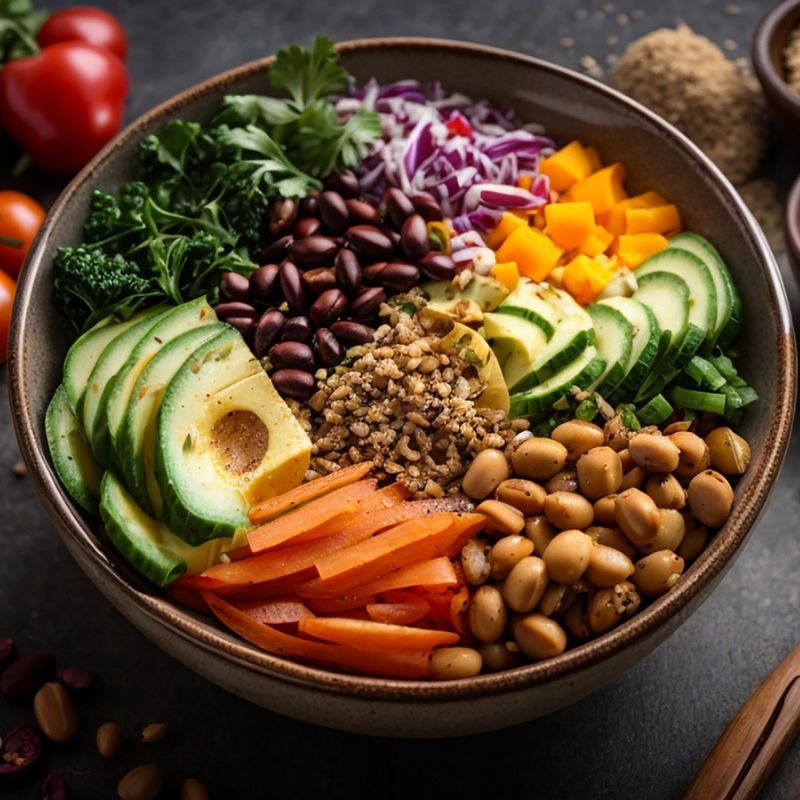
Incorporating high-fibre foods such as beans, lentils, chickpeas, fresh fruits, vegetables, and whole grains is a cornerstone of relieving constipation. Fibre adds bulk to the stool and accelerates its passage through the intestines.
However, increase your fibre intake gradually to avoid bloating or gas. Also, soak beans overnight or freeze them after soaking to reduce the potential for gas. Adding natural probiotics like sour Greek yogurt supports a healthy gut microbiome, which is essential for regular bowel movements.
4. Reduce Your Caffeine Intake

Caffeine, found in coffee, tea, and some soda energy drinks, can promote dehydration due to its diuretic effects, leading to harder stools and constipation. If you’re prone to constipation, try reducing caffeine and replacing it with herbal teas like peppermint, chamomile, fennel, or licourice, which can aid digestion without dehydrating you.
These herbal teas have been traditionally used to soothe digestive issues and promote regularity.
5. Limit Red Meat Consumption
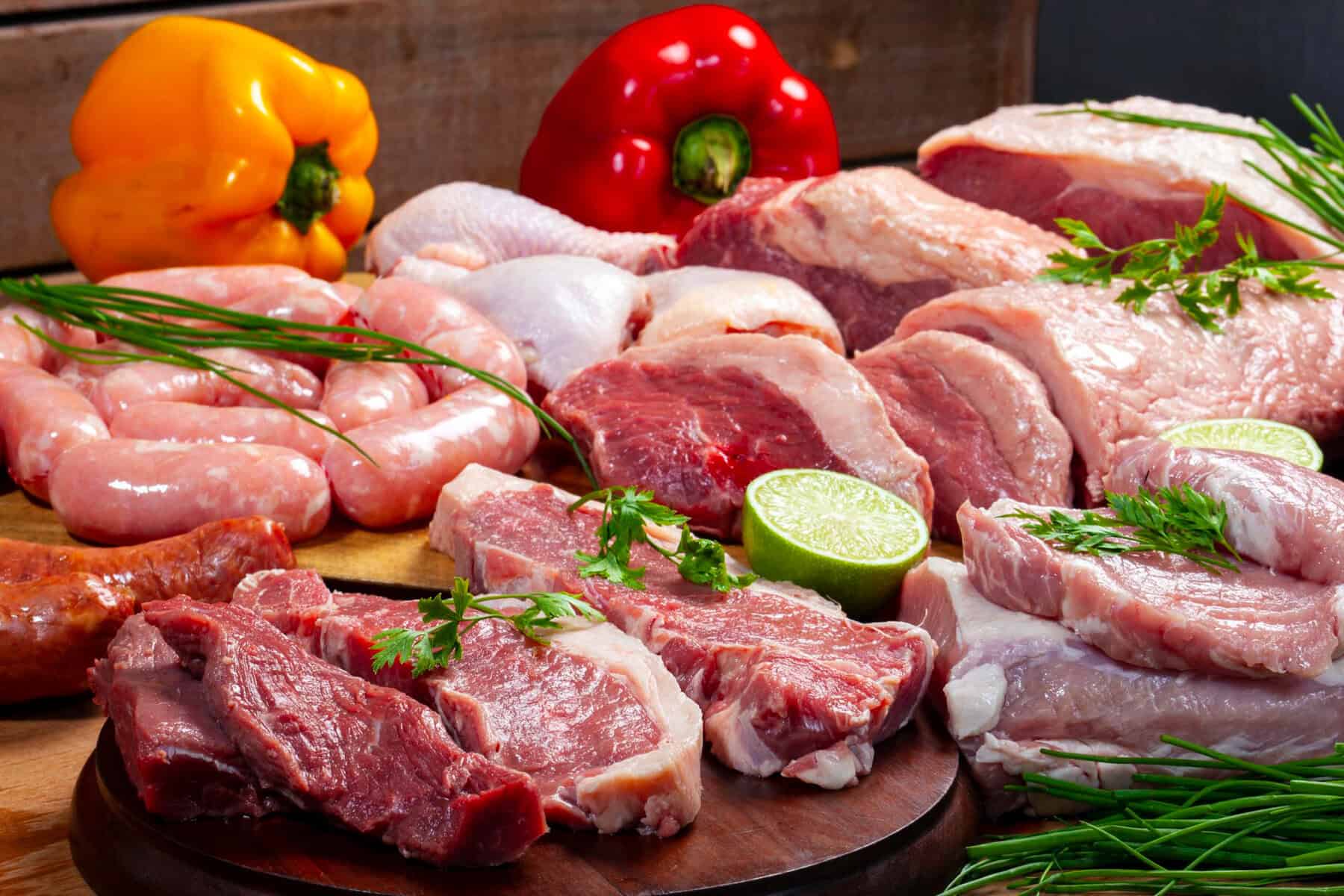
Consuming too much red meat can lead to constipation because it is low in fiber and high in fat, both of which slow down digestion. Red meat is also difficult to break down, requiring more digestive effort, which can lead to sluggish bowel movements. It’s a good idea to moderate our red meat consumption.
Instead of relying heavily on animal proteins, aim to include plant-based proteins like lentils, beans, and tofu in your diet. Additionally, eating less red meat reduces the risk of other health conditions such as heart disease and cancer.
6. Increase Your Bran Intake

Bran, especially oat bran, is highly effective at relieving constipation. Bran adds bulk to the stool, helps speed up transit time through the intestines, and can even act as a prebiotic, nourishing healthy gut bacteria.
Sprinkle unprocessed bran over yogurt, cereals, or add it to smoothies. For people with a long history of constipation, bran can be a simple yet effective addition to their diet, especially when combined with water-rich foods that help lubricate the intestines.
7. Foods That Lubricate the Intestines
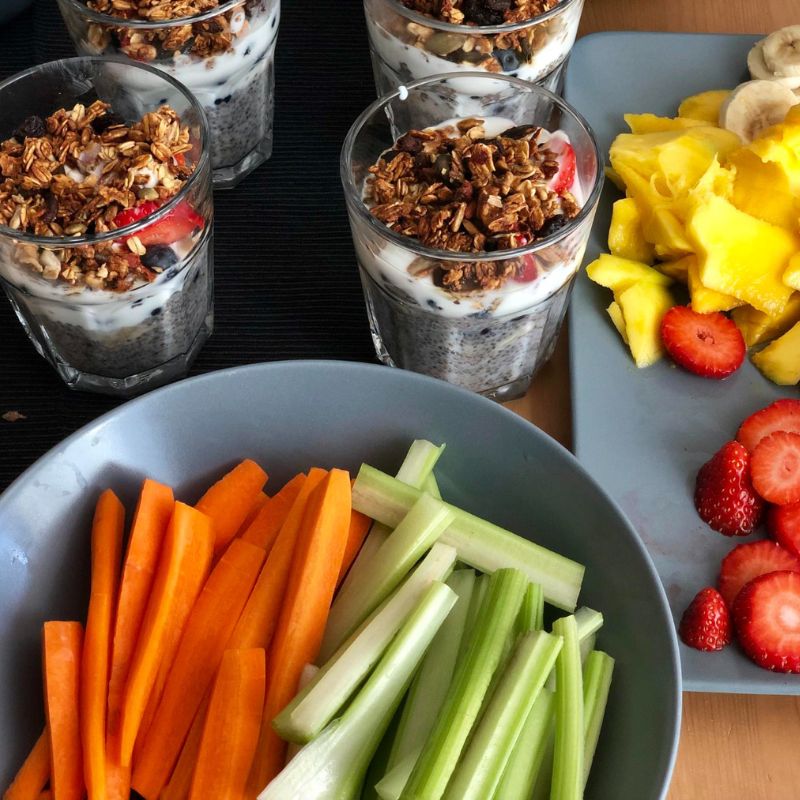
Certain foods naturally lubricate the intestines, making bowel movements easier to pass. Vegetables like okra, spinach, and carrots, celery, along with fruits like kiwi, prunes, and apples, are excellent choices.
These foods contain soluble fibre and natural oils that promote easier elimination. Sesame seeds and sesame oil, along with walnuts and almonds, are good fat sources that can further ease constipation by helping to soften stools.
8. Foods That Promote Bowel Movements

Stool-bulking foods help clear out the intestines and move waste through more efficiently. It is important for this reason to have plenty of healthy drinks on-hand to facilitate this process. Stool bulking food items include fibrous fruits, vegetables, and nuts like avocado, cabbage, peas, asparagus, walnuts, and fruits like papaya and figs. Slippery elm bark powder, flaxseeds, sunflower seeds, and aloe vera juice can also act as gentle laxatives.
Probiotic-rich foods like kefir and yogurt support healthy gut flora, which plays a key role in regulating bowel habits.
9. Herbs and Foods That Soothe the Intestines

If you suffer from conditions like haemorrhoids or fissures, soothing the intestines is essential. Foods and drinks made from marshmallow root, ground flax seeds, liquorice root, and aloe vera pulp have natural anti-inflammatory properties. These foods can ease discomfort and help heal the digestive tract.
They are particularly beneficial for people recovering from childbirth or surgeries like episiotomies, where the bowels need gentle support. They are also a good choice for those who have had a colonoscopy or are recovering from gut surgery.
10. Eat More Probiotic-Rich Foods

Probiotics support gut health by increasing beneficial bacteria, which help in the breakdown of food and promote regular bowel movements. Incorporate fermented foods like miso, sauerkraut, kimchi, and kefir into your diet. These foods help improve the balance of gut flora, which is crucial for overall digestive health and can relieve chronic constipation.
11. Decrease Saturated Fat Intake

Saturated fats, especially from animal sources, can slow down digestion and contribute to constipation. Instead, opt for foods rich in essential fatty acids like cold-water fish (salmon, mackerel), nuts, and seeds.
These fats help keep stools soft and lubricate the intestines, facilitating easier passage of stools.
12. Hydrate: Drink More Water

Drinking sufficient water is essential for digestion, especially if you’re increasing your fibre intake. Water helps soften stools, making them easier to pass. Warm lemon water before meals can stimulate digestion.
Aim for 8 glasses of water a day and reduce your alcohol intake, as alcohol can dehydrate and worsen constipation. Proper hydration is a simple, yet often overlooked solution to constipation.
13. Use Prunes and Flax Meal

Prunes have a natural laxative effect due to their high fibre and sorbitol content. Try eating 1-3 prunes daily or making prune tea by soaking prunes in hot water.
Flax meal is another great fibre source; mix it into smoothies or juices. It adds bulk to the stool and has a soothing effect on the digestive system.
14. Take a Top-Quality Probiotic Supplement

A premium probiotic supplement can significantly help those suffering from chronic constipation by promoting a healthy balance of gut bacteria. Consider Yeastrix Probiotics.
These bacteria improve digestion and increase the frequency of bowel movements. Consider adding probiotics to your daily routine to boost your digestive health.
15. Eat Greek Natural Yogurt

Natural Greek yogurt is rich in probiotics, which support gut health. Consuming it regularly can help regulate bowel movements and improve the overall health of your digestive system.
Yogurt is one of the easiest cultured foods to incorporate into your diet for a significant benefit to your gut flora.
16. Colonic Hydrotherapy
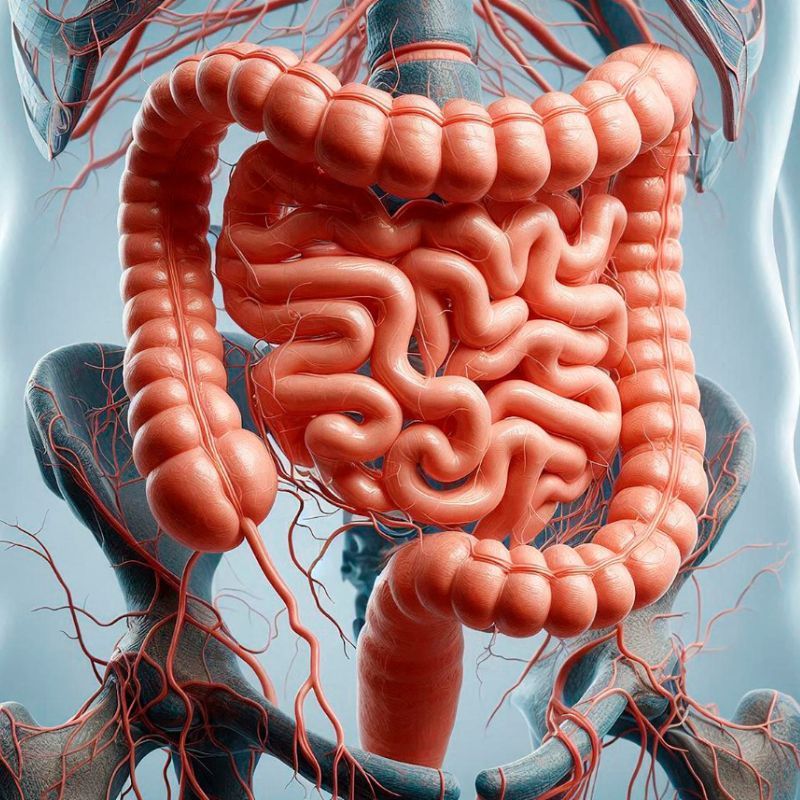
For persistent constipation, colonic hydrotherapy can be an effective treatment. This procedure involves flushing the colon with warm, purified water to help remove impacted stool, built-up waste, and toxins. When performed by a trained professional, it can provide immediate relief by softening and eliminating hardened stool that may be difficult to pass naturally.
Colonic hydrotherapy is often used as a short-term solution, but it should always be complemented with dietary and lifestyle changes to ensure lasting improvements in bowel health. Incorporating probiotics with colonic therapy can help maintain a healthy digestive system and prevent constipation from recurring. It’s best to consult a qualified and registered health care professional to determine if it’s the right approach for your individual needs.
17. Liver and Bowel Detox
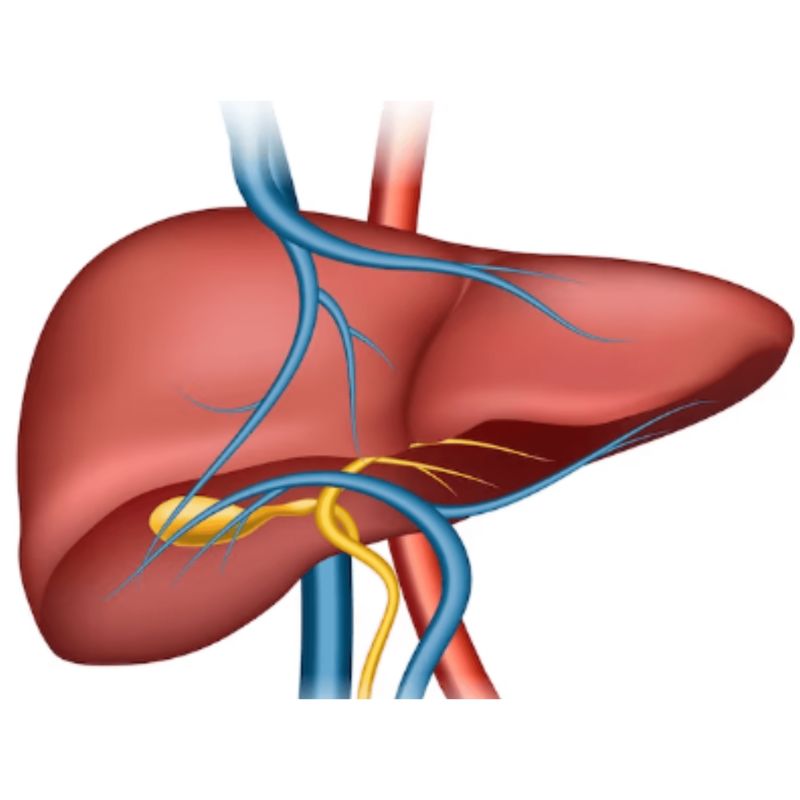
The Benefits of a Colon Cleanse and Liver Detox for Constipation
A colon cleanse and liver cleanse can play a crucial role in clearing out accumulated toxins and rejuvenating your digestive system, ultimately leading to more regular and comfortable bowel movements. Over time, poor diet, stress, and environmental toxins can contribute to sluggish digestion, making it harder for your body to efficiently eliminate waste. A proper cleanse can help reset your digestive system, promoting better nutrient absorption and overall gut health.
The Many Benefits of a Cleanse
While dietary changes, such as increasing fibre intake and staying hydrated, are essential for bowel regularity, some individuals find that these adjustments alone are not enough. If constipation, bloating, or a sense of heaviness persists, a cleanse can provide the extra support needed to kickstart the detoxification and Candida overgrowth cleansing process. By flushing out impacted stool, harmful bacterial and fungal biofilms, and waste build-up, a cleanse can help reduce bloating, improve energy levels, and restore balance to the gut microbiome.
Candida Cleanse Programs
One of the best ways to achieve this is through a structured approach, like our Ultimate Candida Cleanse Program. Our program is designed to not only cleanse the colon but also support liver function, which plays a key role in detoxification.

Candida Cleanse Program
The Ultimate Candida Cleanse includes a Colon Cleanse module, which helps clear waste buildup, followed by a Liver Cleanse module to enhance the body’s natural detox pathways. The third-step is a Cleanse Diet module. These three steps ensure that toxins are effectively removed while providing the gut with the nutrients it needs to rebuild.
A liver detox is just as important as a colon cleanse because the liver is responsible for processing toxins and eliminating them from the body. If the liver becomes overwhelmed due to poor diet, stress, or excessive toxin exposure, it may not function optimally, leading to sluggish digestion and irregular bowel movements. Supporting the liver with the right nutrients and herbs can improve bile flow, which aids digestion and helps prevent constipation.
By combining a colon cleanse, a liver detox, and a gut-cleansing plan, you can create long-term improvements in your digestive health. Our Candida Cleanse Program provides a step-by-step approach to achieving these benefits, ensuring that you not only cleanse effectively but also rebuild and maintain a strong, balanced digestive system. If you’re struggling with persistent digestive issues, consider giving your gut the reset it needs with a targeted cleansing program.
Constipation Summary
Observing your bowel movements can provide essential insights into your digestive health. The Bristol Stool Chart is a helpful tool to assess stool quality, with Type 1-2 indicating constipation.
Stress plays a significant role in impaired peristalsis, which can affect bowel regularity. Ignoring the urge to go can lead to more significant issues over time.
Paying attention to the texture and frequency of your stool, managing stress, and avoiding frequent laxative use can improve your overall gut health. If you ever notice blood in your stool, seek medical advice immediately.
Thanks for reading this page, please leave a comment with your views or tips.

Ultimate Candida Cleanse System Bundle
The Ultimate Candida Cleanse System Bundle brings together everything you need to support gut balance — expert guidance, targeted supplements, and a practical roadmap you can actually follow.
The recipes on Candida.com pair beautifully with the Ultimate Candida Cleanse Program. They’re designed to match each stage of the cleanse, making daily meals simple, nourishing, and fully aligned with your gut-healing goals.
Inside the bundle, you’ll find Eric Bakker’s two core books — The Ultimate Candida Cleanse Program and The Ultimate Candida Cleanse Guide — along with the Yeastrix Gut Restore Kit. This professional-grade supplement system works hand-in-hand with the recipes and the program, supporting each step with antifungals, probiotics, and enzymes that help restore microbial balance and strengthen digestion.
If you want a clear plan, supportive meals, and natural formulas that work synergistically, the Ultimate Candida Cleanse System Bundle ties it all together — making your cleanse easier, smoother, and far more effective.

Eric Bakker N.D.
Greetings! I am a naturopathic physician from New Zealand. Although I’ve retired from clinical practice since 2019 after 34 years of clinic. I remain passionate about helping people improve their lives. You’ll find I’m active online with a focus on natural health and wellbeing education through my Facebook page, Reddit page and YouTube channel, including this website.