
Natural Antimicrobial Support

Premium Natural Antimicrobial Support
Starting our journey toward better health through diet and lifestyle changes can be incredibly rewarding, offering lasting benefits for overall well-being. When dealing with Candida overgrowth, it’s important to understand that the issue isn’t just about yeast. More often than not, Candida overgrowth is accompanied by an imbalance in gut bacteria—an excess of harmful (dysbiotic) bacteria alongside a reduction in beneficial bacteria.
Candida Overgrowth and Bacterial Dysbiosis Are Common
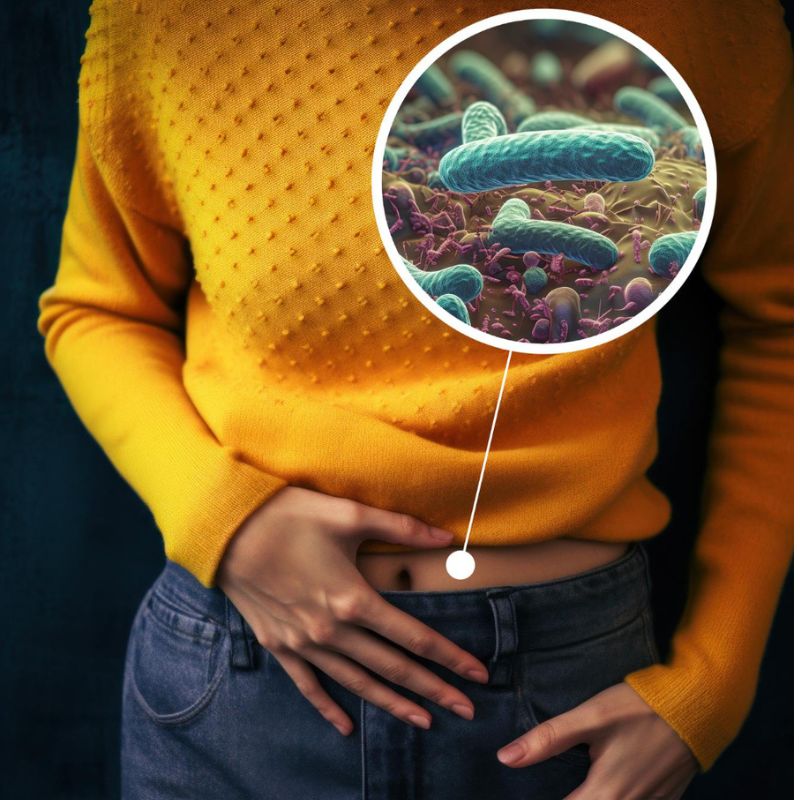
An microbial imbalance, known as dysbiosis, contributes to poor digestion, inflammation, and weakened immunity, making it essential to take a more comprehensive approach to restoring gut health.
Effectively addressing Candida overgrowth or fungal infection requires more than simply “cutting out sugar” or taking supplements if a permanent resolution is sought.
We’ve always found a more well-rounded and highly-effective clinically effective strategy includes a diet rich in antifungal foods, herbs, and spices, a focus on an anti-Candida diet and lifestyle, and finally (if required) a few high-quality specialised gut formulations that help cleanse, rebuild, and rebalance the gut microbiome.
Antifungal compounds work by disrupting the protective biofilm Candida creates to shield itself from the immune system, allowing for a more effective eradication of fungal overgrowth. By combining antifungals with a gut-healing diet and probiotics to restore beneficial bacteria, you create a long-term solution rather than a temporary fix.
In this blog post, we’ll explore different powerful natural antifungal options, from everyday kitchen ingredients to targeted supplements that support a healthier gut environment. Whether through food choices or supplementation, incorporating antifungal support into your daily routine can play a crucial role in overcoming Candida, reducing dysbiosis, and restoring balance and harmony to your digestive system.
Enhancing Your Diet with Antifungal Foods, Herbs, and Spices
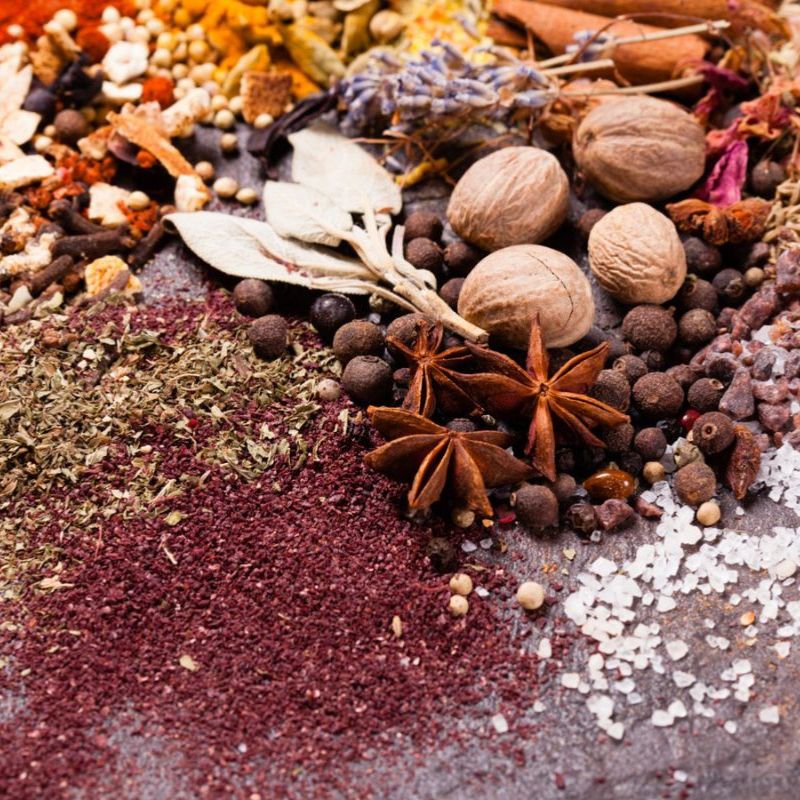
The following natural agents not only help in combating fungal infections but also contribute to developing a more balanced and diverse gut microbiome, which is essential for optimal digestion, effective immunity, and high-level health.
Incorporating natural antifungal foods, herbs, and spices into our daily diet can significantly bolster our body’s defence against Candida overgrowth and support overall gut health and vitality.
Potent Natural Antifungal Agents
Several foods, herbs, and spices are renowned for their antifungal and antibacterial properties, and many can even be seamlessly integrated into your daily food. I’ll discuss these in more detail ahead, and link you to pages with in-depth information with everything you’ll ever want to know about these amazing foods. Here’s just a few:
Integrating these foods and herbs into your diet not only enhances flavour but also provides a natural means to combat fungal infections. Let’s now discuss the importance of combining different foods, herbs, and spices, with antifungal properties into our daily diet. And, if required, how to effectively supplements our diet with high-quality antifungal supplements to facilitate our Candida cleanse.
The Importance of Combining Antimicrobial Agents

Utilising a combination of natural antifungal and antibacterial agents can prevent Candida and different bacteria from adapting and developing resistance. For instance, combining cinnamon with other natural compounds and antifungals has shown promising results in inhibiting the Candida biofilm community.
The antimicrobial foods containing natural compounds we recommend on this website have shown the most negative effects on different cellular mechanisms of Candida and could help to boost the potency of other antifungal and antibacterial agents against biofilm communities (Shariati et al., 2022).
Research supports that natural compounds in foods including certain specific herbs and spices should be considered for the treatment of Candida overgrowth, more specifically any biofilm-associated infections, especially for established Candida overgrowth or infection (Guimarães et al., 2022).
However, it’s crucial to consider the combination of these treatments to maximise their effectiveness.
For those uncertain about which antimicrobials to use and when, the best foods, herbs, and spices, comprehensive resources like the Ultimate Candida Cleanse Program offer invaluable guidance. Our comprehensive program provides a thorough understanding of Candida, including the symptoms, causes, and how it cleverly shields itself from our immune system and most treatments.
Choosing the right antifungal isn’t just about strength — it’s also about quality, delivery, and synergy with other nutrients. With so many ineffective products out there, I’ve taken the guesswork out. These Candida support products are the ones I’ve personally formulated and clinically vetted.
Advantages of Natural Antifungals Over Prescription Drugs
Natural antifungals present a superior option for many individuals when compared to prescription drugs. They offer a reduced potential for resistance and typically have fewer side effects, making them a safer choice for long-term use.
These natural remedies utilise the antifungal and immune-strengthening properties of plants, providing a holistic approach to treating Candida infections.
By supporting the body’s natural defences and addressing the root cause of the Candida or bacterial overgrowth, natural antimicrobials offer a comprehensive and effective method for combating Candida overgrowth and SIBO.
Lifestyle Modifications to Support Antifungal Treatment
In addition to incorporating antifungal foods and herbs, it is important to mention the importance of certain anti-Candida lifestyle changes can enhance treatment effectiveness. This holistic approach not only targets the existing infection but also helps prevent future occurrences.
Integrating these practices into daily life can significantly enhance overall health and well-being, providing lasting benefits beyond the immediate treatment of Candida overgrowth, SIBO, IBS, or IBD. Our Ultimate Cleanse was created with bowel, gut, and liver cleansing, and healthy lifestyle in mind, to support a holistic and effective Candida cleanse than just a diet
Take-Away
By embracing these natural strategies and lifestyle changes, you can effectively manage Candida overgrowth and promote long-term health.
Powerful Natural Antifungal Solutions Exist
Our naturopathic clinic was among the first in AUS/NZ to develop and promote a specialised range of gut health supplements, with a focus on highly-effective antifungal and anti/SIBO formulations.
Over more than 20 years, we’ve refined our formulating approach, leading to the development of Yeastrix —our third-generation antifungal dietary supplement designed specifically for individuals struggling with Candida-related overgrowth, SIBO, IBS, and IBD.
Our carefully formulated and scientifically-researched products provide targeted antifungal support while maintaining gut integrity and overall digestive health.
While antifungal agents play a key role in recovery, a complete approach is needed for long-term results. If you’re looking for guidance on what works (and what doesn’t), here’s my breakdown of the best Candida yeast infection treatment strategies available today.
Yeastrix Candida Cleanse
Both supplements and certain kinds of foods, herbs, and spices contain natural antifungal compounds.They work by disrupting the cell walls of Candida, or interfere with the development of fungal biofilm, thereby aiding in the recovery process.
Some of the most commonly accepted antifungal supplements include garlic, caprylic acid, undecylenic acid, grapefruit seed extract, Pau D’arco, and oregano oil.
We have used these antifungal supplements in our clinic for over 30 years, and began formulating our own Candida and SIBO-specific formulations in the late 1990s. We first launched the Naturopaths Own range, and in 2013, the CanXida range of products. In 2024, we created the Yeastrix range of gut health products, especially for those with Candida overgrowth, SIBO, IBS, or IBD.
The Yeastrix range of specialised gut health products represents our 3rd generation gut health supplements. Our newest antifungal formulation, Yeastrix Candida Cleanse, contains only scientifically-validated natural antifungal herbal medicines. It also contains lemongrass and cinnamon, recently found to have powerful antifungal action. (Prajapati et al., 2021)
Our specially formulated antifungal supplements have effectively combated Candida overgrowth for many years, benefiting thousands of patients in over 60 countries.
Best Antifungal Treatment: A Comprehensive Approach

Fungal overgrowth, particularly Candida and other yeast species, can cause a wide range of health issues, from persistent digestive discomfort and recurring skin infections to vaginal yeast infection, nail fungus, oral thrush, and more systemic problems affecting energy levels, immune function, and even mental clarity.
When left unchecked, Candida albicans can establish in our gut, disrupting the delicate balance of the microbiome, and create biofilms that make them considerably harder to eliminate (d’Enfert et al., 2020).
Effectively addressing fungal overgrowth requires a strategic approach that combines antifungal agents, dietary modifications, and probiotics. Antifungals work by weakening or eliminating fungal colonies, while diet plays a crucial role in depriving them of their primary fuel source—sugar, junk, refined carbohydrates, and ultra-processed foods. At the same time, probiotics help replenish beneficial bacteria, restoring balance to the gut and preventing fungal overgrowth from returning.
Types of Antifungals: Natural vs. Pharmaceutical
Antifungals generally fall into three main categories:
Pharmaceutical antifungals, such as fluconazole and nystatin, are commonly used for severe fungal infections. While they can be effective, they often come with side effects, including liver toxicity, gastrointestinal distress, and the potential for fungal resistance (McKeney et al., 2023).
Natural antifungal agents are to be found in selective plants, herbs, as well as spices. Studies have shown that Candida has shown no resistance to many of these key natural medicines (Pawar et al., 2024).
For this reason, many people prefer natural antifungals, which provide broad-spectrum activity without the same level of risk. Natural antifungals are sourced from plants, herbs, spices, and different food sources such as coconut oil, and are generally safe for long-term use.
Short-Term Treatments – Simple
A simple a highly-effective method that often clears up simple and basic fungal or bacterial overgrowth symptoms that involves a simple treatment approach—combining a bowel cleanse, cleansing diet, and liver cleanse, along with natural antifungal supplements, including probiotics.
Long-Term Treatments – Comprehensive
For a more comprehensive antifungal or bacterial dysbiosis treatment, a deeper and more thorough Candida treatment will be found to be the most effective at stopping recurrences of older symptoms, especially symptoms that have been experienced for a long time. This why we recommend following through with out 6-module clinically-proven Candida treatment plan.
Over many years, our clinically-proven Candida Cleanse methods not only eliminates fungal overgrowth by dealing with both the yeast infection and cause, but also helps prevents it from recurring by addressing the underlying imbalances, and building gut microbiome health.
How Antifungals Work
Antifungal agents combat fungal infections through various mechanisms, each targeting specific aspects of fungal cell structure or function. Understanding these mechanisms is crucial for selecting an effective treatment strategy, especially when dealing with persistent infections like Candida overgrowth.
1 – They Disrupt Fungal Cell Membranes
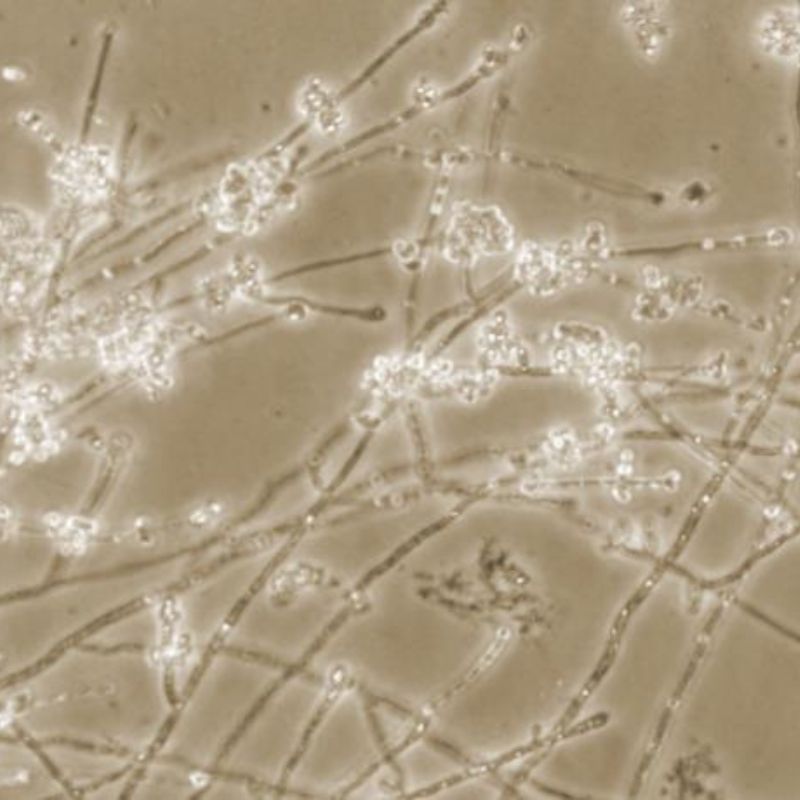
A common target for antifungal agents is the fungal cell membrane, primarily composed of ergosterol—a sterol unique to fungi. Azole antifungal drugs, such as fluconazole, inhibit and enzyme (called lanosterol 14α-demethylase), critical for the manufacturing of ergosterol.
This inhibition leads to a depletion of ergosterol and an accumulation of toxic compounds, compromising fungal cell membrane integrity and resulting in cell death (Ghannoum et al., 1999).
Natural compounds like caprylic acid, found in coconut oil, also disrupt fungal cell membranes. Caprylic acid integrates into the lipid bilayer, causing increased fluidity and permeability, which weakens the fungal cell and leads to its demise.
2 – They Inhibit Fungal Replication
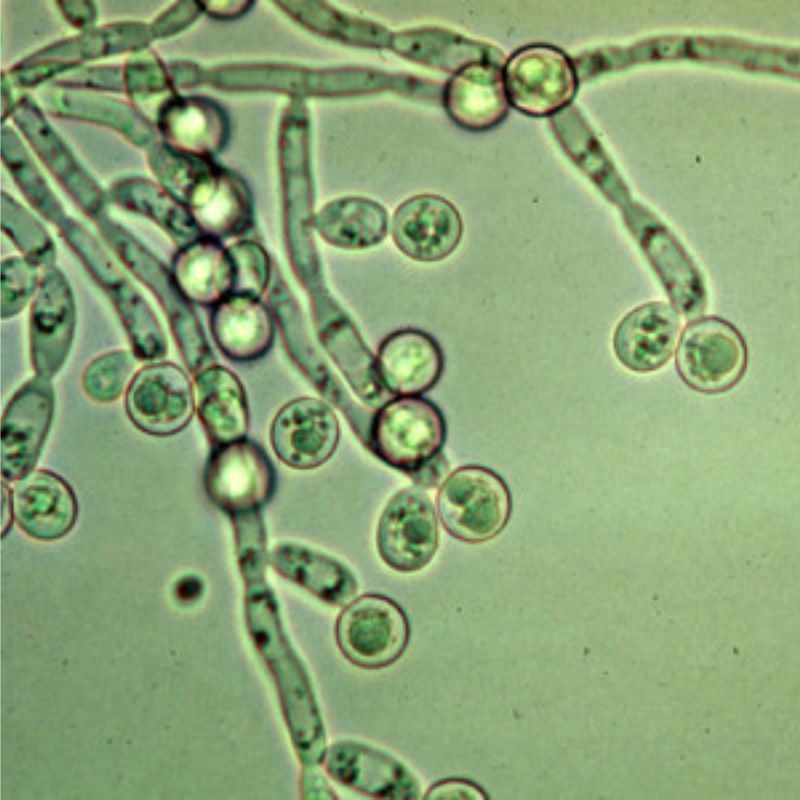
Some antifungal agents impede the replication of fungi by targeting essential enzymes or structures involved in cell division. For instance, berberine, an alkaloid present in plants like goldenseal and barberry, has been shown to inhibit fungal growth by interfering with the synthesis of nucleic acids, thereby preventing cell replication.
Oregano contains compounds such as carvacrol and thymol, which have demonstrated antifungal activity by disrupting the integrity of the fungal cell membrane and inhibiting hyphal growth, a critical process for fungal proliferation. This is similar to how cloves works as a powerful antifungal agent.
3 – They Break Down Biofilms

Candida and other fungi can form biofilms—a protective matrix that shields them from the immune system and increases resistance to antifungal treatments. Disrupting these biofilms is essential for effective eradication.
Natural agents like garlic contain allicin, which has been shown to penetrate and disrupt biofilms, enhancing the susceptibility of fungi to antifungal treatments. Similarly, grapefruit seed extract and clove oil possess compounds that can degrade the extracellular matrix of biofilms, exposing the embedded fungal cells to the immune system and antifungal agents.
Combining Antifungal Strategies
Using a combination of antifungal agents that target different mechanisms can enhance treatment efficacy and reduce the likelihood of resistance development. For example, pairing goldenseal, an herb that contains a chemical called berberine, inhibits fungal cell replication with garlic (containing allicin) that disrupts biofilms, can provide a synergistic effect, leading to a more comprehensive eradication of the Candida fungal infection.
In summary, understanding the diverse mechanisms through which antifungal agents operate allows for the strategic selection and combination of treatments, thereby improving outcomes in managing fungal infections like Candida overgrowth.
Using a combination of antifungals with different mechanisms of action is often the most effective strategy for eliminating fungal infections and preventing resistance.
How Antifungals Work
Let’s now look at the three types of antifungals:
1 – Natural Antifungals
Natural antifungals offer powerful, effective solutions without the harsh side effects of pharmaceutical drugs. They can be used alone or in combination to enhance their effects.
Both supplements and antifungal-rich foods, herbs, and spices can support fungal balance by disrupting Candida’s cell walls or breaking down fungal biofilms, aiding in recovery. Some of the most effective natural antifungals include those in the list below such as garlic, caprylic acid, undecylenic acid, grapefruit seed extract, Pau D’arco, cloves, and oregano.
Naturopaths Own and Yeastrix Products
Our clinic has used these natural antifungals for over 30 years. In the late 1990s, we developed our first line of Candida and SIBO-specific formulations. We launched the Naturopaths Own range, then formulated the CanXida products in 2013.
In 2025, we introduced Yeastrix, our third-generation gut health supplement line, specifically designed for those with Candida overgrowth, SIBO, IBS, or IBD. For decades, our specialised antifungal supplements have helped thousands of people worldwide effectively combat Candida overgrowth and restore gut health.
All the most potent natural antifungals can be conveniently found in one specialised Candida cleansing supplement called Yeastrix Candida Cleanse. The Yeastrix Candida Cleanse formula contains scientifically proven antifungal herbs and nutrients. It also includes lemongrass and cinnamon, which have only very recently been recognised for their potent antifungal properties. (Prajapati et al., 2021)
Yeastrix Candida Cleanse features 14 active ingredients encapsulated in a very-special delayed-release (DR) capsule. This advanced formulation ensures the ingredients are gradually released into the digestive tract, enhancing their effectiveness.
Yeastrix Candida Cleanse
Click on any ingredient to learn more:
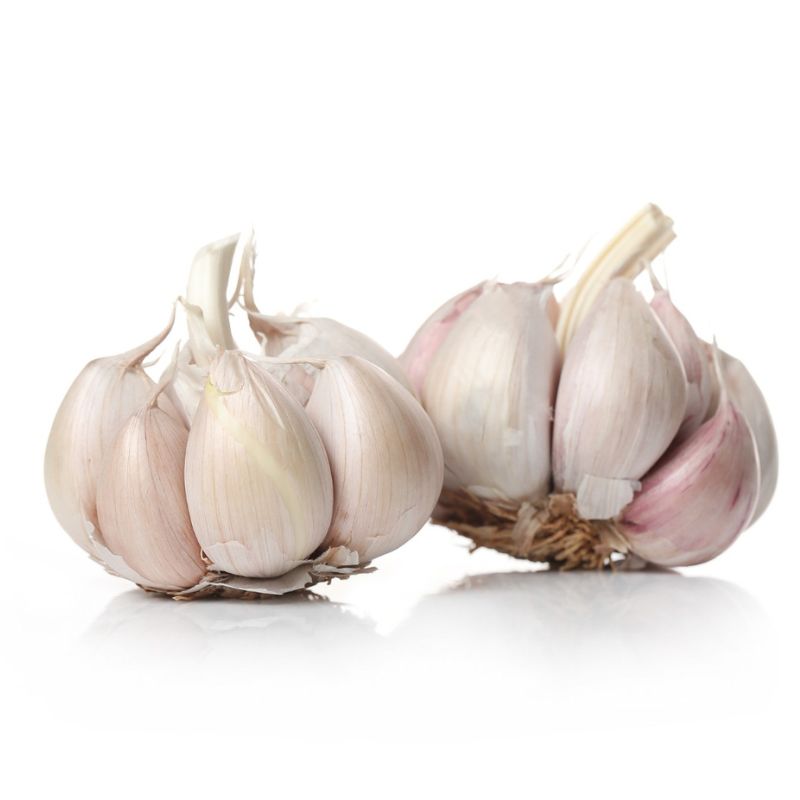
Garlic is a powerhouse ingredient known for its active compound, allicin, which is one of nature’s most potent anti-fungals. Research suggests that allicin can be as effective as some pharmaceutical treatments, including “azole” drugs and nystatin, in combating Candida albicans.
While the 2% allicin content might seem small, its effects are profound. When slow-released throughout your digestive system, it creates a robust environment for targeting harmful microorganisms. Studies indicate that allicin can combat over 800 strains of harmful bacteria, 20 different types of Candida, and various yeast species like Microsporum, Geotrichum, and Aspergillus. Yeasts are particularly vulnerable to standardised garlic extracts because they cannot develop resistance to allicin’s mechanisms. And if you’re sensitive to garlic, don’t worry—our formulation is designed with your comfort in mind.
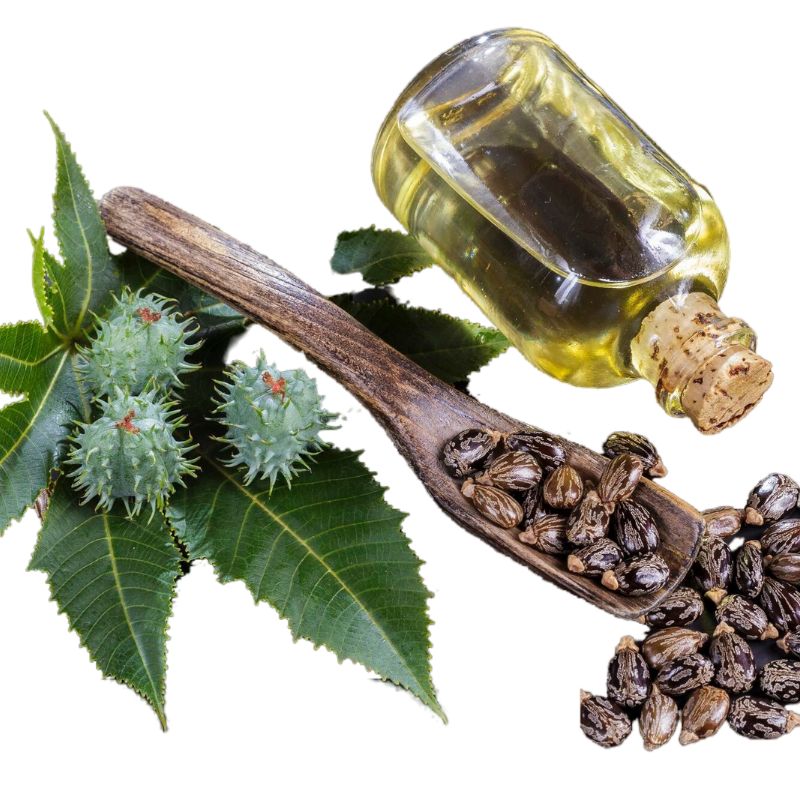
Undecylenic acid is a fatty acid derived from the castor bean plant and is known for its anti-fungal properties. Research suggests it is more potent than caprylic acid but works best in a slightly more acidic environment.
Based on our extensive testing of Candida support products, our team has found that combining undecylenic acid with caprylic acid can target a broader range of Candida species than when either is used alone.
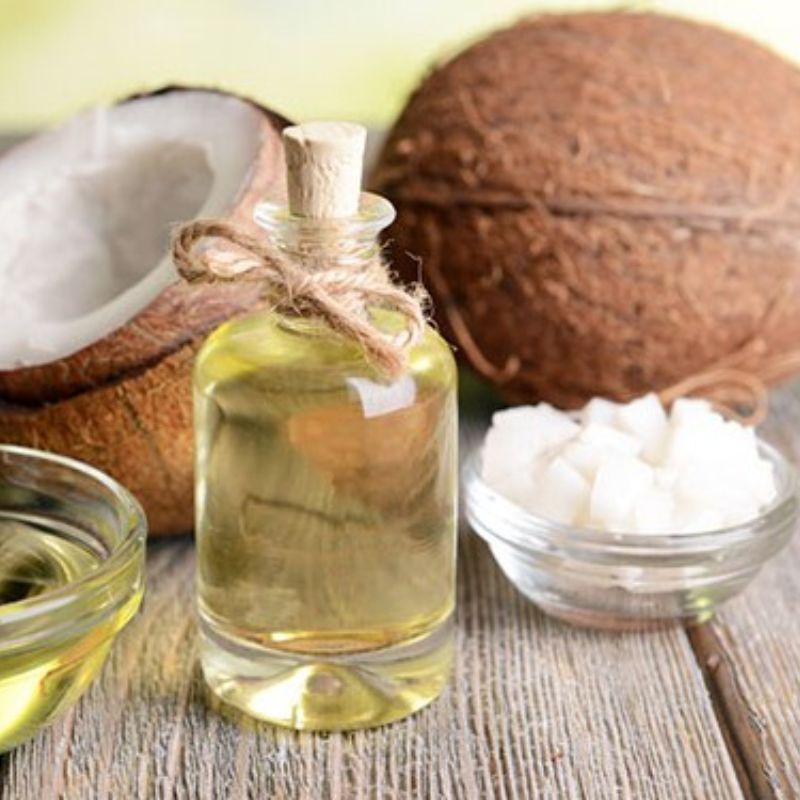
Caprylic acid is a short-chain fatty acid derived from coconut oil, known for its ability to inhibit Candida replication. Its moderate potency makes it ideal for a sustained-release formula like this one, delivering benefits without overwhelming your system.
What makes caprylic acid particularly effective is that yeasts cannot easily develop resistance to it. When combined with undecylenic acid, it can create a synergistic effect, targeting Candida in a complementary way—though these two ingredients are rarely found together in one formula.
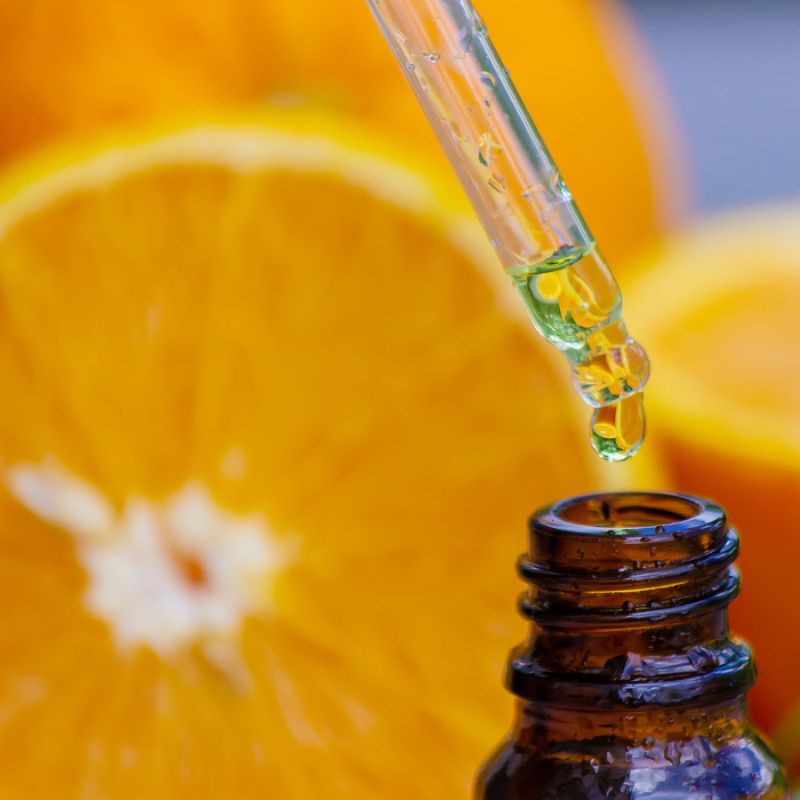
Grapefruit Seed Extract (GSE) is a potent botanical derived from the seeds of the grapefruit. Standardized to 45% flavonoids, it offers strong antimicrobial properties that help maintain a balanced microbial environment in the body.
GSE is particularly valued for its ability to disrupt the cell walls of fungi, including Candida, making it harder for these organisms to thrive. This extract is a natural ally in supporting digestive and immune health as part of a comprehensive wellness strategy.
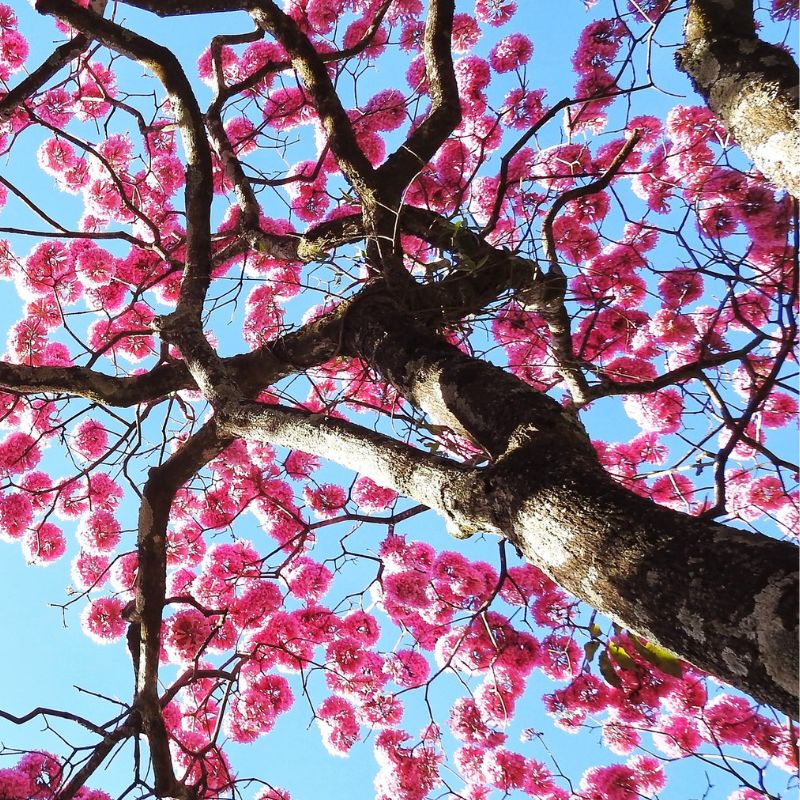
Pau d’Arco is an herb native to South America, renowned for its antifungal properties. Research from the 1970s identified several active compounds in Pau d’Arco that help inhibit Candida and other fungal organisms.*
Due to its potent effects, Pau d’Arco has long been considered a key herb in combating Candida. However, because of its high cost, it is often counterfeited, which is why we authenticate our Pau d’Arco through lab testing to ensure its purity and effectiveness.*
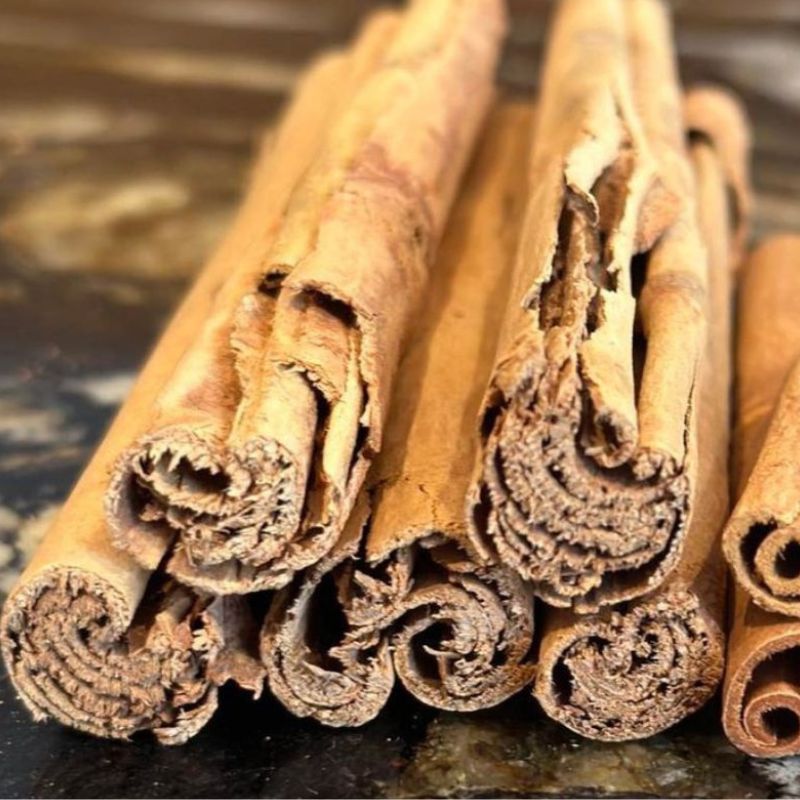
Cinnamon (Dry Bark – Cinnamomum verum)
Cinnamon is more than just a common kitchen spice—it’s a powerful herb with a broad range of health benefits. Rich in antioxidants, cinnamon also possesses antibacterial, antifungal, and anti-inflammatory properties that may help support a balanced microbial environment in the body.
Its natural compounds make cinnamon a valuable ingredient in supporting overall wellness and promoting a healthy inflammatory response. Whether used alone or in combination with other ingredients, cinnamon plays a versatile role in holistic health support.
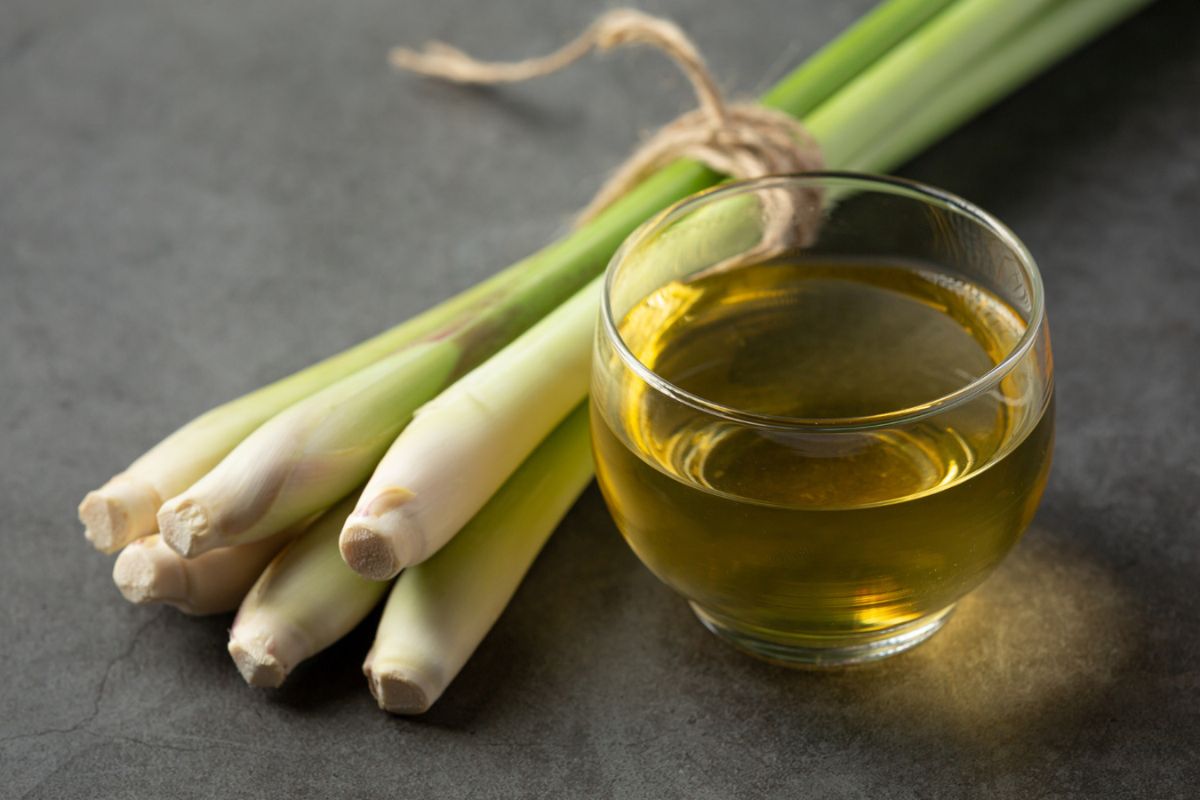
Lemongrass is valued for its potent antimicrobial properties, with both lemongrass oil and extracts showing effectiveness against a range of harmful microorganisms.* Studies suggest that lemongrass may help inhibit the growth of pathogens such as Candida albicans, Escherichia coli, Klebsiella pneumoniae, and Staphylococcus aureus, among others.
Known for its antibacterial, antifungal, and antiviral properties, lemongrass is a versatile herb that supports overall microbial balance, making it a beneficial addition to any wellness regimen.
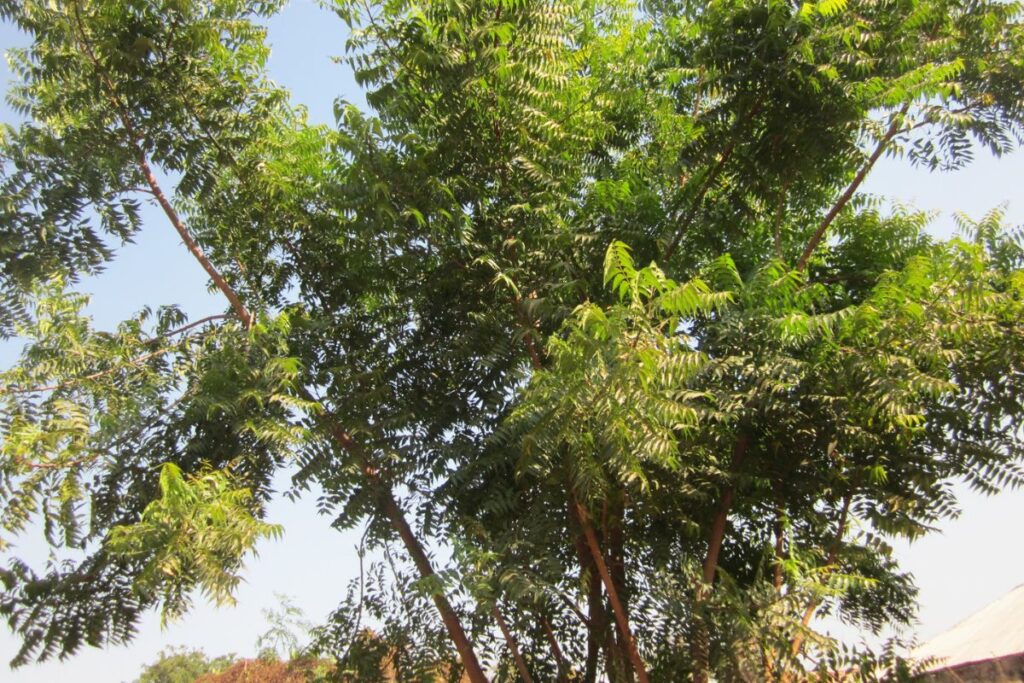
Neem is a potent herb known for its antifungal and anti-parasitic properties, making it a valuable ingredient in managing Candida and supporting a healthy microbial balance in the body. Its unique ability to disrupt fungal cell membranes and inhibit biofilm formation enhances its role in maintaining gut health.
Studies have shown that neem extract, particularly compounds like azadirachtin and nimbolide, may help weaken Candida’s cell walls, making it more vulnerable to immune responses. Additionally, neem’s anti-biofilm properties may support the body’s efforts to reduce fungal resistance to treatment.
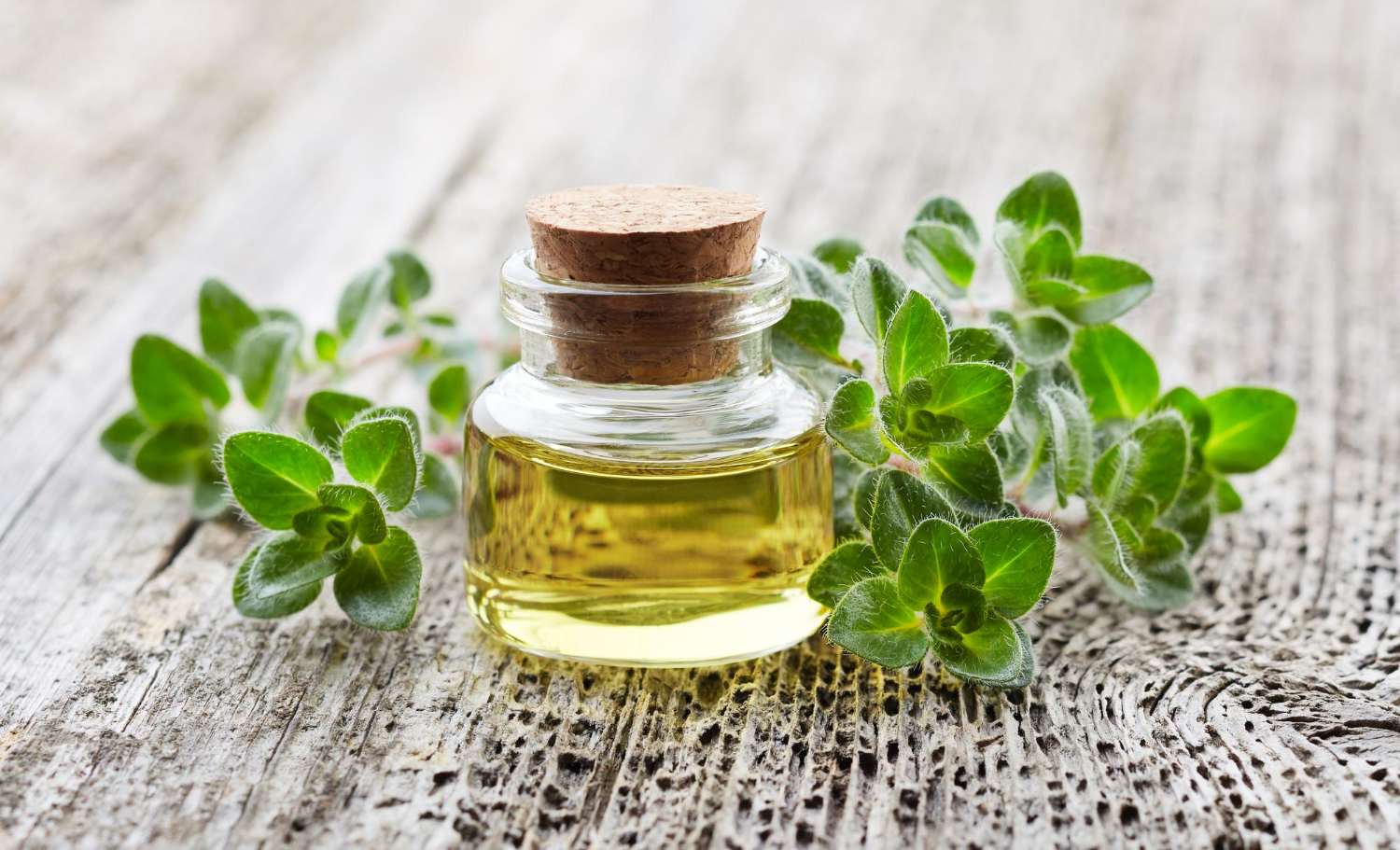
Oregano is widely recognised for its potent natural antifungal properties, making it an effective option for supporting the body’s defence against Candida.* Research has demonstrated that oregano oil may help inhibit the growth of Candida by disrupting its cellular processes.
Oregano’s antifungal effectiveness is particularly notable because Candida cannot easily develop a resistance to it, making it a valuable ally in maintaining a balanced microbial environment.
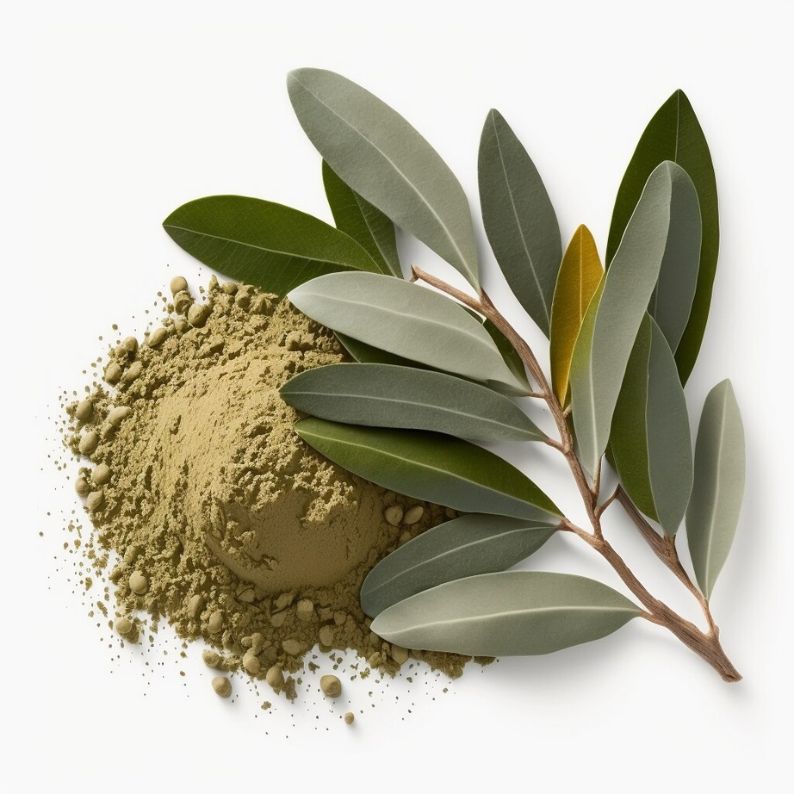
Olive leaf extract is known for its powerful antioxidant, antimicrobial, and anti-inflammatory properties. It has long been valued for its ability to support a healthy immune system and promote overall wellness. Olive leaf extract contains oleuropein, a key compound that may help support the body’s natural defence mechanisms against various microbial imbalances.
Rich in polyphenols, olive leaf extract may assist in maintaining a balanced microbial environment, promoting gut health and providing natural support against fungal overgrowth, including Candida.
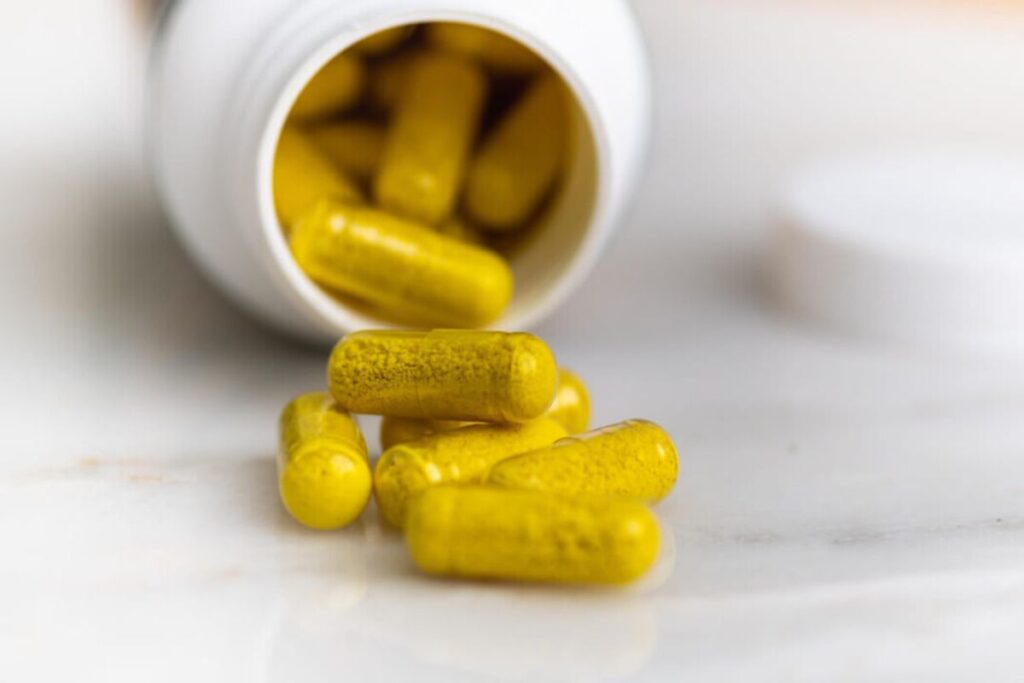
Berberine is a naturally occurring compound found in herbs like goldenseal and Berberis vulgaris, known for its broad-spectrum antimicrobial properties. It may support the body’s defenses against a variety of pathogens, including Candida and several harmful bacteria, such as Escherichia coli, Staphylococcus aureus, and Giardia.
Research suggests that berberine may help maintain a healthy balance of microbes in the body, supporting overall gut health and immune function. Its ability to target a wide range of pathogens makes it a valuable ingredient in promoting microbial balance.
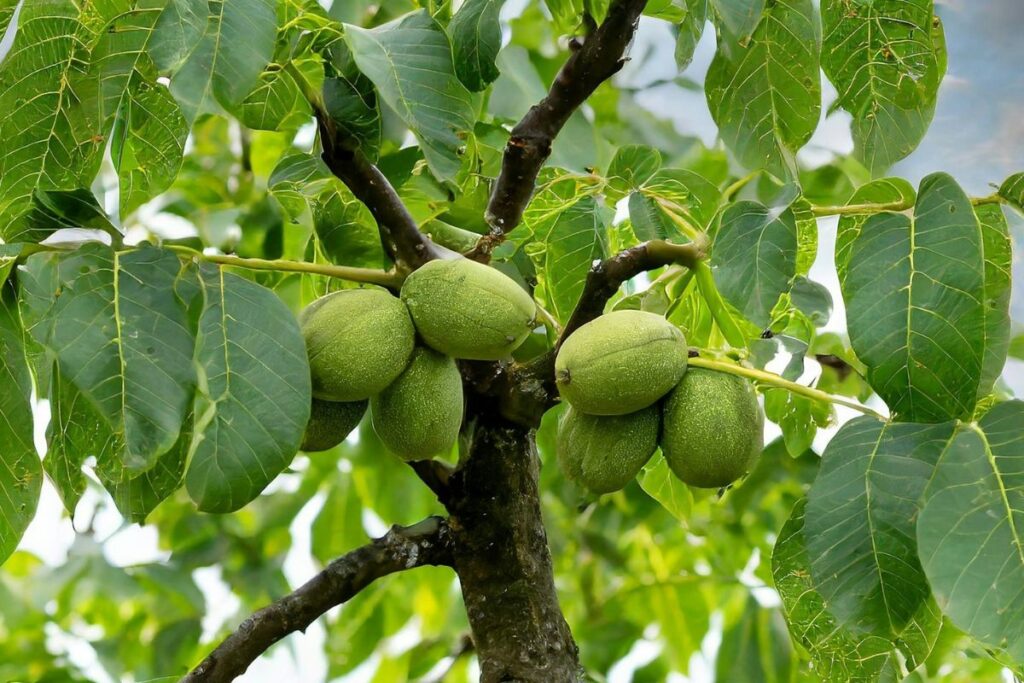
Black walnut extract is known for its potent antimicrobial properties, including the presence of tannins such as juglone, which may support the body’s natural defences against various pathogens. A study conducted by the University of Mississippi in 1999 suggested that juglone may be more effective than some pharmaceutical treatments in targeting parasitic organisms, yeast, and other microbial imbalances.
Though it has demonstrated promising effects in promoting gut health, black walnut extract is not typically associated with nut allergies, so individuals who are allergic to nuts can generally use this extract safely.
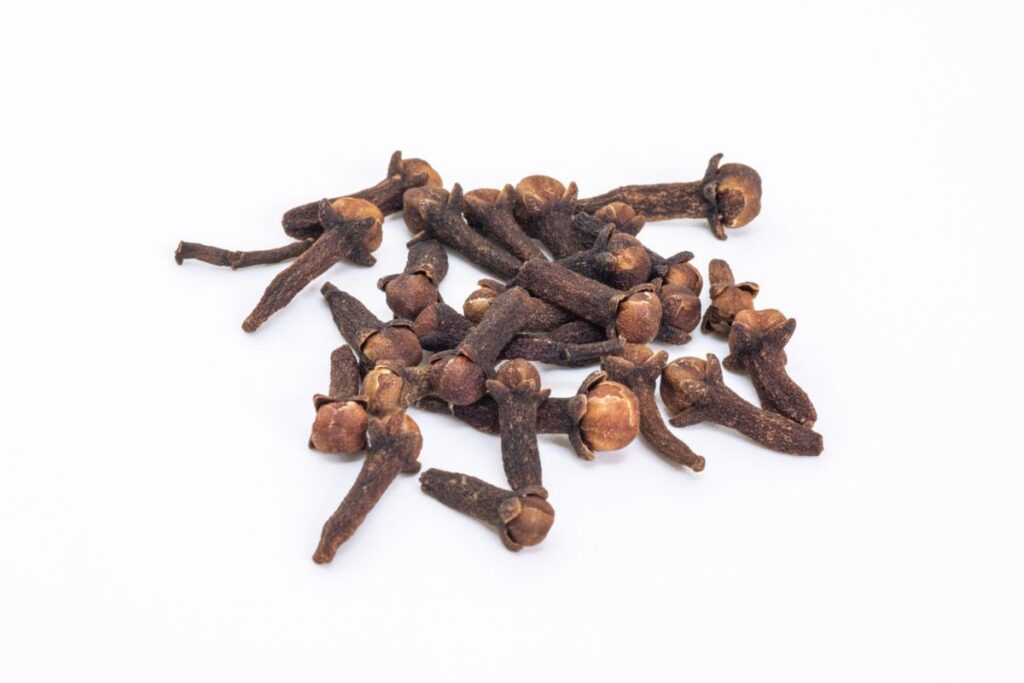
Clove is a powerful herb known for its potential antifungal properties, particularly due to the presence of eugenol, a key compound that may help support the body’s defenses against yeast and parasitic organisms. A 2009 study at the University of Porto, Portugal, found that eugenol could disrupt yeast cells, including Candida albicans, by inhibiting the formation of hyphae—branching filaments that fungi use to penetrate the gut wall and spread.
Additionally, eugenol demonstrated effectiveness against yeast strains that had developed resistance to common antifungal medications, such as azole drugs.
2 – Pharmaceutical Antifungals
In cases of severe or persistent fungal infections, pharmaceutical antifungals may be necessary. These medications target fungal cells more aggressively and are usually prescribed for short-term use.
Some of the most common pharmaceutical antifungals include:
While pharmaceutical antifungals can be effective, they should be used with caution, particularly for those with gut issues like Candida overgrowth, SIBO, IBS, or IBD. The potential for side-effects and drug resistance makes it essential to combine pharmaceutical antifungals with the correct dietary strategies and probiotic support.
Article of Interest: Medical Treatment of Candida

The Side Effects of Prescription Antifungals
Pharmaceutical antifungal drugs, such as fluconazole, can be effective in treating fungal infections, but they often come with undesirable side effects. While fluconazole is generally well tolerated, gastrointestinal symptoms are among the most commonly reported adverse reactions.
Many individuals experience nausea, abdominal discomfort, vomiting, or diarrhoea, especially children. (Govindarajan et al., 2024).
One of the key challenges with prescription antifungal medications is that yeast and fungal cells closely resemble human cells at a structural level. This similarity makes it difficult for antifungal drugs to selectively target only the harmful fungi without also affecting the body’s tissues.
Large-scale use of fungicides in agriculture is also causing a rapid increase in fungal antimicrobial-resistance, some being clinically relevant (Fisher et al., 2022).
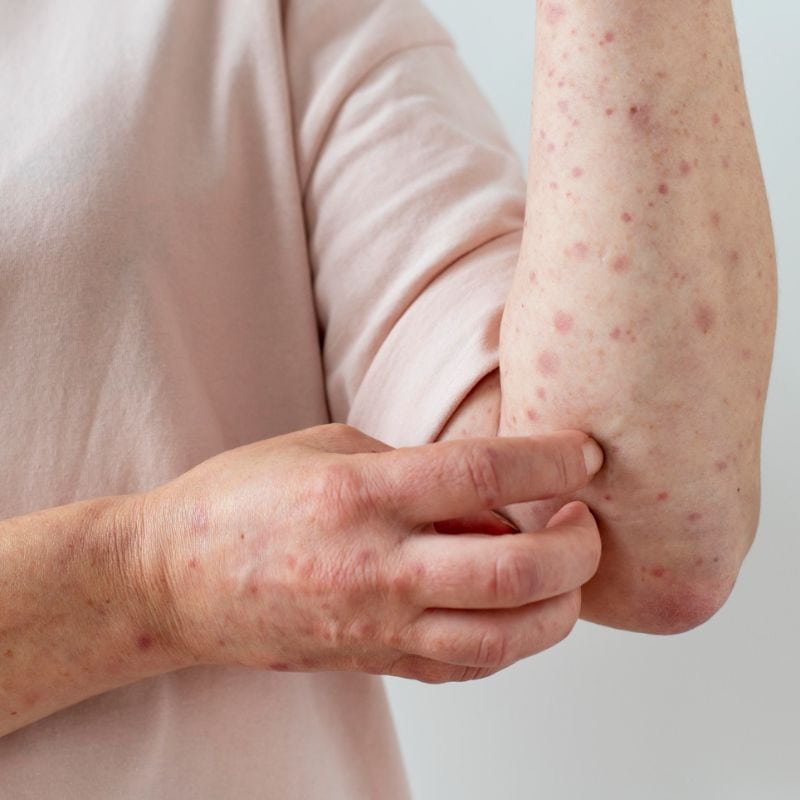
Side-Effects Go Beyond The Gut
As a result, side effects can extend beyond digestive issues to include liver toxicity, skin rashes, headaches, dizziness, and, in rare cases, serious allergic reactions. For those dealing with chronic gut conditions such as Candida overgrowth, SIBO, IBS, or IBD, the potential risks and discomfort caused by pharmaceutical antifungals make long-term use impractical or even harmful.
Recognising these concerns, many people turn to natural antifungal supplements as a safer alternative. Natural antifungals tend to be gentler on the gut, with fewer side effects, while still providing effective support in reducing fungal overgrowth.
Key Antifungals Take-Away
3 – Dietary Strategies to Support Antifungal Treatment
An antifungal diet is just as important as antifungal supplements in eliminating fungal overgrowth. The right dietary approach helps inhibit fungal and dysbiotic bacteria colonies, detoxify the gut, and restore beneficial microbial balance. Key dietary principles include:
A Candida diet-approach high in whole, unprocessed foods, lean proteins, and healthy fats can help create an environment that discourages fungal overgrowth. Consistency with dietary changes is key to ensuring long-term success.
Best Antifungal Diet Approach
The Top14 Considerations When on an Anti-Fungal Diet:
By focusing on these actions, you can effectively manage Candida overgrowth and support overall health through diet.
Anti Candida Diet
While there are many types of foods we can enjoy, those with Candida, SIBO, IBS or IBD benefit from foods with certain anti candida actions that benefit recovery and prevention of further symptoms. The foods we recommend are also suitable for those individuals looking for foods with anti bacterial, anti parasite, and anti viral activity.
These links will take you to pages containing more detailed information about some important food actions:
Final Thoughts: A Holistic Approach to Antifungal Overgrowth
Overcoming fungal overgrowth requires a multi-faceted approach that combines antifungal supplements, dietary changes, and probiotics. Whether you choose natural or pharmaceutical antifungals, consistency is essential for long-term success.
Supporting gut health through a nutrient-dense, low-sugar diet, strengthening the immune system, and maintaining a well-balanced microbiome can help prevent fungal overgrowth from recurring. By taking a comprehensive holistic approach, you not only eliminate Candida, other unwanted fungi, and bad bacteria, but also promote long-term digestive and overall health.
Final Take-Away
By following these strategies, you can restore balance to your microbiome, enhance your immune function, and maintain long-term gut health.
Thanks for reading this blog post, please leave a comment, you may have some helpful advice for others!