

Grapefruit Seed Extract: Nature’s Potent Antimicrobial
Grapefruit Seed Extract (GSE), also known as citrus seed extract, is a powerful natural medicine made from the seeds, pulp, and white membranes of grapefruit (Citrus paradisi). This incredible extract has gained popularity for its wide range of health benefits, particularly its potent antimicrobial and antioxidant properties.
Often confused with grape seed extract, grapefruit seed extract stands out for its unique chemical profile, rich in polyphenols like limonoids and naringenin, which are believed to be the key compounds responsible for its effectiveness against various pathogens.

Dr. Jakob Harich Grapefruit Seed Extract Pioneer
Dr. Jakob Harich, born in 1920, was a multi-talented scientist with expertise in medicine, physics, and immunology. made an unexpected observation and discovery. He moved to the United States from Yugoslavia in the 1960s and lived in Florida, where grapefruit trees thrived under its hot, humid climate and were cultivated in abundance.
As a keen gardener and observant scientist, Harich noticed that grapefruit seeds were almost impossible to decompose in his compost bin, a place where everything rotted and bacteria, fungi, and other pathogens flourished.
The lack of decomposition hinted at the grapefruit seed’s natural antimicrobial properties. After several years of research, Dr. Harich went on to create a liquid extract using its pulp and seeds and demonstrated its potential health benefits on patients.
Dr. Harich’s research revealed that grapefruit seeds contain compounds with remarkable properties. He found that these compounds were not only far more effective but also virtually harmless than conventional antibiotic and antifungal drugs. Dr. Harich filed his patented extract in 1992 and died in 1995 at the age of 75.
Harich’s studies demonstrated that grapefruit seed extract (GSE) could neutralize a wide range of pathogens, including:
Recognition and Validation
In 1980, the United States Department of Agriculture (USDA) conducted tests that confirmed the effectiveness of GSE, particularly in inhibiting viral strains in cattle and pigs, such as foot-and-mouth disease, African swine fever, and swine vesicular disease.
By 1984, GSE was approved for use in the USDA Avian Influenza Eradication Program, marking a significant milestone in its recognition as a powerful antimicrobial agent (Komura et al., 2019).
Agriculture, Food Packaging, and Healthcare
Initially, GSE was utilised in the agricultural sector to prevent mould growth. Today, GSE is commonly used as an antimicrobial agent in food packaging systems. Incorporating small quantities of GSE in various coatings can induce their high microbial resistance and antioxidant properties, increasing the shelf life of various food products (Roy et al., 2023).
By the 1990s, GSE had gained the attention of physicians and holistic health practitioners like myself. Recognising its broad-spectrum antimicrobial properties, they began prescribing it to patients for various conditions, such as Candida overgrowth, athlete’s foot, and urinary tract infections (UTIs). Our clinic has been recommending GSE for more than 30 years until my clinical retirement in 2019.
Natural Alternative for Resistant Microbial Control
While scientific research on grapefruit seed extract is still developing, many years of anecdotal evidence and preliminary studies suggest that it may be highly effective in managing various infections, including Candida and bacterial infections.
Its antifungal and antibacterial properties make it a compelling option for those looking to reduce their reliance on synthetic drugs and preservatives. But what makes GSE it even more desirable as an antimicrobial is its ability to kill multi drug-resistant bacteria and yeast species.
What Does Grapefruit Seed Extract Contain?
Grapefruit Seed Extract (GSE) is a powerful natural compound, primarily composed of several key nutrients and antioxidants that offer a range of health benefits. Like grape seed extracts, one of the of the best-known benefits of GSE is its high concentration of pro-anthocyanidins, potent antioxidants that help prevent diseases and protect tissues from oxidative stress and inflammation.
Grapefruit seeds, pulp, and peels are a rich source of pro-anthocyanidins, along with other key nutrients such as flavonoids, vitamin C, vitamin E, and limonoids, making it a powerful natural combination.

Naringenin Is A Key Compound
Naringenin is from the flavonoid group of polyphenols. It is commonly found in citrus fruits, especially in grapefruit. It has a wide range of pharmacological and biological effects beneficial to our health.
This flavonoid is antioxidant, anti-cancer, anti-inflammatory, antifungal and antimicrobial activity and is frequently reported in scientific literature (Duda-Madej et al., 2022).
Key Benefits of Grapefruit Seed Extract (GSE):
Researchers have also identified other bioactive compounds in GSE, such as sterols and trace minerals, which further support healing, immune function, and general well-being. Grapefruit Seed Extract is a potent blend of flavonoids, vitamins, and antioxidants, offering numerous health benefits.
It supports the immune system, promotes skin and tissue repair, and protects against oxidative stress and inflammation. This makes it a valuable tool in natural health, contributing to disease prevention and overall wellness.
Grapefruit Seed Extract Health Benefits
Antimicrobial Health Benefits
Grapefruit Seed Extract is a proven potent, broad-spectrum antimicrobial derived from citrus that offers a range of protective benefits. It’s widely used to extend the shelf life of products and safeguard personal skincare formulations from bacteria and fungi.
Known for its strong antiseptic, germicidal, antibacterial, antifungal, and antiviral properties, GSE also serves as a powerful antioxidant, making it an effective natural preservative and protective agent in various applications. Let’s explore GSE’s antimicrobials actions and uses supported by studies.
Related: Berberine: The Plant Alkaloid that Helps Treat Candida & SIBO

Disrupts Bacterial Membranes Within 15 Minutes
Data indicate that grapefruit seed extract possesses antimicrobial properties against a diverse range of both gram-negative and gram-positive bacteria, even at safe dilutions. Using scanning transmission electron microscope, researchers were able to observe the mechanism behind GSE’s antibacterial activity.
Results showed that GSE disrupts bacterial membranes within just 15 minutes of contact, even at the lowest concentrations. This rapid action highlights GSE’s potential as an effective natural antimicrobial agent (Heggers et al., 2002).
Amazing as it may seem, GSE has been found to be effective against more than 800 bacterial and viral strains, 100 strains of fungus, and a large number of single and multi-celled parasites (Heggers et al., 2002).
GSE is a multipurpose disinfectant and, more particularly, useful as a bactericide, fungicide, virucide, and is believed to be particularly effective in the treatment of HIV infections (Harich US Patent).
Preliminary data from one study even suggest an antibacterial characteristic to GSE is comparable to that of proven topical antibacterials (Reagor et al., 2002).
GSE and Multi-Drug Resistant Bacteria Study
Research has demonstrated that GSE possesses antimicrobial properties against various multi-drug resistant bacteria, including Staphylococcus aureus. A recent study aimed to identify new natural substances that could combat drug-resistant bacteria by evaluating 12 plant extracts known for their antibacterial effects (Han et al., 2021).
This research could help unlock the full potential of GSE as a natural alternative to traditional antibacterial agents. The GSE used in this study was confirmed to be free of benzethonium chloride, ruling out its influence on the results.
NO Benzethonium Chloride Found
The antibacterial effects of commercial GSE have often been attributed to benzethonium chloride, a preservative and disinfectant. In this key study, no benzethonium chloride (or other added-chemicals) was detected in the samples through laboratory analysis.
The GSE used in this study demonstrated significant antimicrobial activity against both methicillin-sensitive Staphylococcus aureus (MSSA) and multi-drug resistant bacteria (MDR). This suggests GSE could become a valuable natural solution for managing and reducing hospital (nosocomial) infections.
Key Study Findings:

Grapefruit Seed Extract Fights Fungal Infections
Grapefruit Seed Extract (GSE) is renowned for its powerful antimicrobial and antifungal capabilities. Its active compounds, including limonoids and naringenin, have been shown to effectively combat a wide spectrum of harmful microorganisms, such as bacteria, fungi, and even certain drug-resistant pathogens.
If you’re suffering from an intestinal Candida overgrowth, grapefruit seed extract could be a wise and very useful addition to your natural antifungal supplement. I’ve found many patients choose to combine it with other natural and proven antifungals like garlic, caprylic acid, undecylenic acid, and oregano.
Its broad-spectrum action provides a natural alternative to conventional antibiotics and antifungals, offering a solution with fewer side effects and less risk of developing resistance.
This makes GSE a valuable natural remedy for treating various infections, from skin irritations to more persistent and recurring fungal overgrowths like Candida.
Natural Preservative Qualities
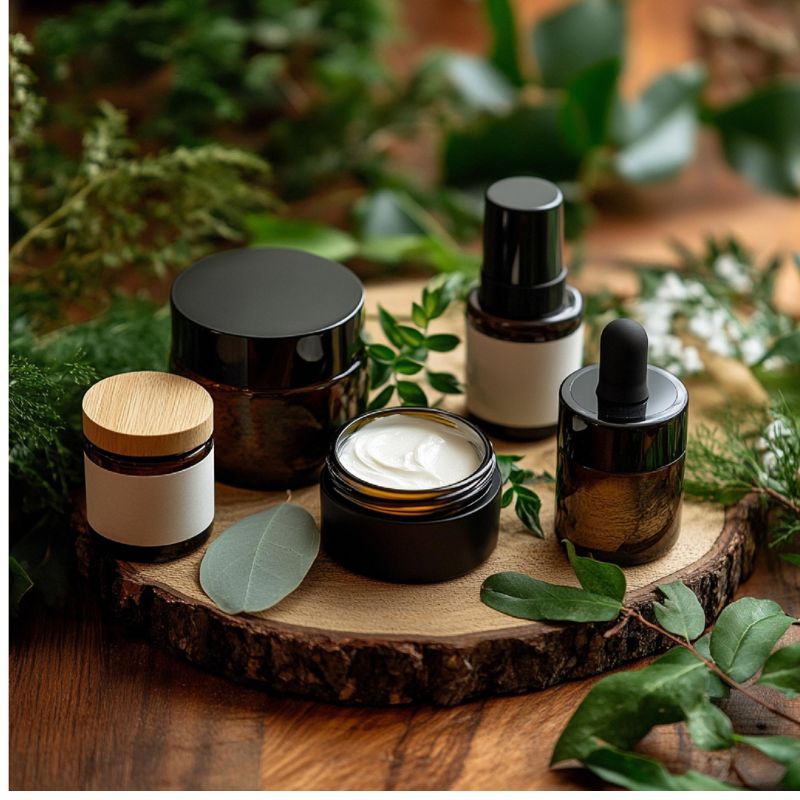
Beyond its medicinal uses, GSE serves as an effective natural preservative in both personal care products and the food industry. Its antimicrobial properties inhibit the growth of bacteria, yeast, and moulds, making it a popular choice for extending the shelf life of natural skincare products and cosmetics.
In the food industry, it is used to maintain the freshness and safety of various products without relying on synthetic preservatives.
This natural preservation ability helps reduce the need for harmful chemicals, aligning with the growing consumer demand for cleaner, more sustainable products.
Related: Garlic: Nature’s Supreme Antifungal
How To Take Grapefruit Seed Extract
Beyond personal health, GSE is also employed as a preservative and antimicrobial in natural skincare products and the food industry, thanks to its ability to extend shelf life without harmful chemicals.
Grapefruit seed extract is available in many forms, including liquids and capsules, making it adaptable for different uses. It can be applied topically to treat skin infections, used orally for infections in the ears, nose, or mouth, and even ingested to support gastrointestinal health.
GSE Dosage
This extract is available as either as a liquid concentrate or in capsules and tablets. All liquid forms of GSE will most likely contain vegetable glycerin, but the liquid concentrate is a more potent form of extract as tablets or capsules contain relatively small amounts.
In these tiny amounts, both are OK for most individuals, especially if you start with a low dose and slowly build-up. Here is a short explanation of the typical recommended dosages for Grapefruit Seed Extract in liquid form and in tablet or capsule form. Always read the label and follow the manufacturer’s instructions.
Healthcare Applications For GSE
One of the standout features of GSE is its versatility in use. Available in both liquid and capsule forms, GSE can be applied in multiple ways to suit different health needs:
Beyond Healthcare GSE Applications
Grapefruit Seed Extract is not only beneficial for health and wellness but also serves as an effective antimicrobial agent across many industries. From laundry and surface disinfecting to farming and respiratory infection control, GSE offers a natural and eco-friendly alternative to chemical-based products, showcasing its wide-ranging utility.
Some of the key antimicrobial uses include:

Who Should Not Take Grapefruit Seed Extract
Grapefruit Seed Extract (GSE) is generally considered safe and non-toxic, with one independent laboratory study indicating that a person would need to take several thousand times the recommended dosage before experiencing toxic effects.
While GSE is widely regarded as safe, individuals should be cautious about potential drug interactions and consult with a healthcare provider, especially if they are pregnant, breastfeeding, or managing a serious health condition.
For most people, GSE provides health benefits without noticeable side effects, especially in supporting digestive health.However, as with any supplement, there are certain considerations to keep in mind:
Side effects from GSE are rare. We have always found clinically that patients who took GSE for four weeks reported no serious adverse effects, even at high dosage level. Instead, they experienced improvements in digestive health, including relief from constipation, flatulence, abdominal discomfort, and improved sleep.
Safety Considerations
Grapefruit Seed Extract: Possible Side Effects and Precautions
Grapefruit Seed Extract (GSE) is a popular natural remedy, but it’s important to use it with caution and be aware of potential side effects. Before adding GSE to your routine, consult your healthcare provider, especially if you have specific health conditions or are taking certain medications.
Safety Tips for Using GSE
Potential Side Effects of GSE
When taken as directed, I haven’t found GSE to cause problems, it is generally well-tolerated and not commonly associated with side-effects. However, in rare cases, some individuals may experience:
If you notice any of these symptoms or any other unusual reactions, discontinue use and consult your healthcare provider. It’s always best to start with a low dose and gradually increase it to monitor your body’s response.
By taking these precautions and consulting your healthcare provider, you can safely incorporate GSE into your health regimen.

Grapefruit and Medication Interactions
Grapefruit and grapefruit juice can affect the safety and effectiveness of various medications, sometimes leading to serious health risks. This interaction occurs due to specific compounds in grapefruit and its juice, known as furanocoumarins, which inhibit the activity of the enzyme CYP3A4. This enzyme is crucial for metabolising many drugs in the liver and intestines, helping to break them down so they can be safely eliminated from the body (Bailey et al., 2013).
When CYP3A4 is inhibited, it reduces the breakdown of certain medications, leading to higher levels of these drugs in the bloodstream than intended. This can significantly increase the risk of adverse effects, as the medication may become more potent and last longer in the system than it should. The result can be anything from mild side effects, such as dizziness and nausea, to severe complications like toxicity, dangerously low blood pressure, or an increased risk of bleeding (PubMed 2012).
The degree of interaction can vary depending on the amount of grapefruit consumed, the type of medication, and individual differences in enzyme levels. It’s important to note that even a small amount of grapefruit or its juice can have a significant impact, and the effects can last for more than 24 hours, potentially affecting medication metabolism even if grapefruit is consumed several hours before or after the medication.
Given these potential risks, it’s crucial for individuals taking medications known to interact with grapefruit to avoid consuming the fruit and its juice altogether. Always check with a healthcare provider or pharmacist before adding grapefruit or grapefruit products to your diet if you’re on prescription medications.
Pharmaceutical Medications Known to Interact with Grapefruit
The list of medications that can interact with grapefruit juice is extensive (Anderson 2024).
Here are some notable examples:
Additional Considerations
Grapefruit may also interact with some herbal medicine supplements and over-the-counter products. It’s crucial to inform your healthcare provider and pharmacist of all medications, supplements, and herbal products you are taking before adding any grapefruit-based products to your diet.
Medication Tips
Being aware of these interactions and consulting with healthcare professionals can help you safely enjoy the benefits of grapefruit without compromising your medication regimen.

Caution When Purchasing Grapefruit Seed Extract (GSE)
It is important to exercise caution when buying Grapefruit Seed Extract (GSE). Investigative research has revealed that certain commercial GSE products have been adulterated with synthetic preservatives, including chemicals like Triclosan and Methylparaben, as well as antipathogenic agents such as Benzethonium Chloride.
These artificial additives may pose health risks, potentially causing sensitivities or even toxic reactions if ingested, applied to the skin, or inhaled. Therefore, it is critical to prioritize sourcing GSE from reputable, ethical, and trusted suppliers that ensure the purity and safety of their products.
With Yeastrix Candida Cleanse, the GSE used is sourced exclusively from pure grapefruit and is free from harmful adulterants like Benzalkonium Chloride. Furthermore, it undergoes stringent quality control and thorough purity testing to guarantee a clean and safe product.
By ensuring a commitment to purity and safety, you can confidently incorporate GSE into your health regimen without unwanted risks.
Yeastrix Cleanse: A Comprehensive Antifungal Solution

For those looking for an all-in-one solution to tackle Candida and other fungal or bacterial infections, consider Yeastrix Candida Cleanse, our 3rd generation antifungal supplement.
This product combines a high-quality potent GSE extract with several other powerful antifungals, creating a balanced and effective cleanse for yeast overgrowth.
Yeastrix Cleanse includes:
With Yeastrix Cleanse, you can simplify your antifungal regimen by getting the benefits of GSE along with other natural ingredients that promote gut health and combat yeast infections. Made with the highest-quality, non-GMO, and vegetarian ingredients, it’s designed for those looking for a natural, safe, and effective approach to Candida management.
Final Thoughts on Grapefruit Seed Extract

Eric Bakker N.D.
Greetings! I am a naturopathic physician from New Zealand. Although I’ve retired from clinical practice since 2019 after 34 years of clinic. I remain passionate about helping people improve their lives. You’ll find I’m active online with a focus on natural health and wellbeing education through my Facebook page, Reddit page and YouTube channel, including this website.


