
What Is Oregano?
Oregano is a well-known herb, often associated with Mediterranean cuisine, where it adds a savoury punch to pizza, pasta, and a variety of dishes. However, its uses go far beyond the kitchen. With roots in ancient cultures, oregano has been cherished for its medicinal properties for thousands of years.
Oregano was traditionally used by the Greeks and Romans to treat various ailments, including digestive issues and respiratory conditions, long before it became a culinary staple.
Oregano belongs to the mint family (Lamiaceae) and contains potent compounds, notably carvacrol and thymol, which contribute to its impressive antimicrobial and antifungal abilities. These natural compounds have been shown to target harmful bacteria, viruses, and fungi, making oregano oil particularly valuable in treating conditions like Candida albicans overgrowth, a common gut imbalance.
Oregano oil’s ability to combat Candida is one of the reasons it’s a sought-after remedy in anti-Candida treatment protocols. Unlike some natural antifungals, Candida is less likely to develop resistance to oregano, offering a promising long-term solution for gut health (Eddins 2018).

The Potent Mediterranean Gut Microbial Balancer
Oregano is particularly well known through its potent, broad-spectrum antimicrobial properties. Beyond fighting infections, oregano is valued for its role in restoring gut microbiome balance, reducing inflammation, blood-sugar control, and even linked with improved mood and cognitive function.
We’ll talk more about the powerful and gut microbiome balancing affect of oregano on our human gut microbiome, one of the key reasons oregano extract was used in Yeastrix Candida Cleanse.
Beyond its antifungal activity, oregano also supports gut microbial balance by selectively targeting harmful microbes while sparing beneficial bacteria (Jia et al., 2022), (Santhiravel et al., 2022). This makes oregano a potent ally for managing digestive discomfort and promoting overall gut function. Whether used in cooking, as a supplement, or in essential oil form, oregano provides a natural, versatile way to support your health, particularly your digestive system.
Today, oregano is increasingly valued for its holistic therapeutic effects, from its antioxidant properties to its role in supporting immune health. In particular, its ability to fight fungal infections like Candida while supporting digestive health makes it a key herb in maintaining a balanced, healthy gut. With its long-standing reputation as both a culinary and medicinal herb, oregano continues to be a valuable tool in natural health.
Fresh Herb, Oregano Essential Oil and Herbal Extracts
The main difference between fresh oregano, oregano herbal extracts, and oregano essential oil, lies in their composition, potency, and intended uses. While they are all derived from the same plant, their preparation methods and applications vary significantly.
Key Highlights of Oregano’s Traditional and Modern Uses
Oregano has long been revered as both a culinary and medicinal powerhouse, celebrated for its broad range of traditional and modern uses. Historically, oregano has played a significant role in ancient herbal medicine, particularly in Greek and Roman cultures, where it symbolised health and joy (Singletary 2010).

Oregano extracts have long been used in traditional medicine, generally to treat respiratory disorders and infections such as colds, fever, cough, bronchitis, bacterial and fungal infections, parasites, and urinary tract infections (NIH 2023).
Modern research has validated many of oregano’s traditional applications, revealing its impressive antimicrobial, antifungal, and antioxidant properties. This versatile herb supports gut health, combats Candida overgrowth, and promotes respiratory and immune health through its active compounds, carvacrol and thymol, we’ll discuss both compounds shortly.
People use oregano in their diet as a dried and fresh herb in cooking and dishes, in supplements to assist in the treatment of conditions like SIBO and Candida overgrowth, and as an aromatic essential oil topically against nail fungus. The antioxidants thymol, carvacrol, limonene, terpinene, ocimene, and caryophyllene give oregano its flavour and scent (Leyva-López et al., 2017). Oregano’s array of antioxidants also contribute to the health benefits of this amazing plant.
Whether used in cooking, or for nail fungus, or as a dietary supplement, oregano continues to bridge the gap between natural medicine and modern science, offering many health benefits.
Here is a brief list of oregano’s key uses and studies that support its applications:
Carvacrol and Thymol

Carvacrol
Carvacrol, a primary phenolic compound in oregano essential oil, is renowned for its antimicrobial properties and its ability to support gut health. Research shows that carvacrol disrupts the membranes of harmful bacteria such as E. coli, Salmonella, and Helicobacter pylori, preventing their replication and reducing bacterial load in the gut (Mączka et al., 2023).
This activity contributes to restoring balance in the gut microbiota, making it effective in conditions like small intestinal bacterial overgrowth (SIBO) and other digestive disorders.
Beyond its antimicrobial effects, carvacrol supports a healthy inflammatory response in the gastrointestinal tract. Studies suggest it modulates gut inflammation by targeting pathways involved in oxidative stress and immune activation. For instance, it has been observed to reduce markers of gut inflammation which can disrupt gut health. Additionally, its antioxidant properties combat oxidative damage in intestinal cells, promoting overall gut barrier integrity and function (Mączka et al., 2023).
Carvacrol’s broad-spectrum antimicrobial activity and its ability to balance gut microbiota without disrupting beneficial bacteria make it an excellent natural tool for supporting gut health and combating dysbiosis
Thymol
Thymol and carvacrol are phenolic monoterpenes found in thyme, oregano and several other species of the Lamiaceae family. Thymol exibits potent antimicrobial and gut-balancing properties that make it especially beneficial for digestive health. Like carvacrol, thymol is also known for its ability to combat harmful bacteria and target pathogens like Helicobacter pylori and Salmonella, which are common culprits of gut infections (Meeran et al., 2017).
It acts by disrupting the bacterial cell membranes, leading to their destruction. Studies also suggest thymol’s ability to control fungal overgrowths, including Candida albicans, which is crucial for those dealing with gut imbalances.
In addition to its antimicrobial effects, thymol has demonstrated significant potential in supporting gut health by promoting digestion. It has been found to stimulate enzyme activity in the intestines, enhancing nutrient absorption and improving digestive function (Van Noten et al., 2020), (Hafsan et al., 2022), (Subramaniyam et al., 2020).
This action helps alleviate discomfort from conditions like bloating and indigestion (Almanea et al., 2019). Moreover, thymol possesses antioxidant and anti-inflammatory properties that protect the gut lining, reducing the risk of gastrointestinal damage and supporting overall immune health (Liu et al., 2022).
Health Benefits Of Oregano

Oregano offers significant gut health benefits, thanks to its powerful antimicrobial, anti-inflammatory, and antioxidant properties. It helps maintain a balanced gut microbiome by targeting harmful bacteria, fungi, and parasites without disrupting the beneficial bacteria essential for digestion.
Oregano’s active compounds, particularly carvacrol and thymol, support the gut by reducing inflammation and protecting the gut lining from damage caused by pathogens. This makes it particularly useful in managing conditions like irritable bowel syndrome (IBS), leaky gut, and fungal overgrowth, such as Candida infections.
Additionally, oregano’s ability to stimulate bile production supports the digestion and absorption of fats, promoting overall digestive efficiency. By incorporating oregano into the diet or using oregano oil supplements, it’s possible to enhance gut health and promote a more resilient, balanced digestive system.
Let’s delve into more detail about some of the many gut health and some other benefits associated with oregano. Later on we’ll talk about how to incorporate oregano into your diet, and the best ways to take oregano supplements to boost your health.
Gut Health Benefits of Oregano
Oregano is a powerful herb known for its robust antimicrobial properties, particularly beneficial for gut health. Its active compounds, carvacrol and thymol, exhibit strong antibacterial, antifungal, and antiparasitic effects, making oregano an excellent ally for maintaining a healthy gut microbiome. Here’s an overview of oregano’s major gut health benefits:
Practical Uses for Gut Health
In summary, oregano (like the herb thyme) offers potent antimicrobial and antifungal benefits for the gut, making it a valuable tool in managing digestive imbalances, Candida overgrowth, and fungal infections while supporting overall gut health.
Other Health Benefits of Oregano
Antioxidants

Incorporating antioxidant-rich foods into your diet offers a range of benefits. These compounds help combat free radical damage, which can accelerate aging and contribute to various health concerns.
By reducing oxidative stress, antioxidants play a vital role in supporting healthy skin, eyes, heart, brain, and cellular function. Oregano is a nutrient-dense herb loaded with potent antioxidants like limonene, thymol, carvacrol, and terpinene, it ranks among the top antioxidant-rich foods (Leyva-López et al., 2017).
Oregano extract studies have revealed that the herb’s antioxidant effects are primarily attributed to carvacrol and thymol. (Coccimiglio et al., 2016). Oregano retains its full antioxidant value in both dried and fresh form (Henning et al., 2011).
A study found study indicates that supplementation with oregano reduces muscle damage and oxidative stress and increases antioxidant markers in male soldiers following intense physical activity of specialised military drills (Shirvani et al., 2022).
Carvacrol and thymol are mainly extracted from oregano oil, while studies show that the plant’s leaves contain a variety of other antioxidant compounds, such as phenols, triterpenes, rosmarinic acid, ursolic acid and oleanolic acid (Rao et al., 2011).
Antioxidants In Oregano
Oregano contains a variety of powerful antioxidants, primarily phenolic compounds, which contribute to its health benefits. These include:
Anti-Inflammatory

Oregano is a powerful natural anti-inflammatory herb, thanks to its rich content of bioactive compounds like thymol, carvacrol, and rosmarinic acid. These compounds help reduce oxidative stress and inflammation, which are linked to numerous chronic diseases.
Studies have shown that oregano extract can mitigate inflammatory responses in conditions like autoimmune arthritis, allergic asthma, and rheumatoid arthritis. Its anti-inflammatory effects are thought to stem from its antioxidant activity, which helps neutralise harmful free radicals that contribute to chronic inflammation.
Oregano products, such as essential oils and herbal extracts, are also used topically to soothe skin conditions like psoriasis, acne, and insect bites, as well as to alleviate muscle pain. However, it’s important to note that the most potent effects were observed in concentrated extracts rather than dietary use alone.
Supporting Studies and Findings
Incorporating oregano, whether fresh, dried, or as a supplement, may help support inflammation reduction as part of a broader health strategy.
Anti-Cancer

Oregano, particularly its bioactive components carvacrol and thymol, shows promising anticancer properties. These compounds exhibit mechanisms that may inhibit cancer cell growth and induce apoptosis, the programmed death of cancer cells (Balusami et al., 2018), (Nanni et al., 2020).
Research indicates that oregano extracts can protect cells from DNA damage caused by oxidative stress, radiation, and mitogens—proteins that promote abnormal cell division.
Carvacrol and thymol, in particular, have been studied for their ability to slow melanoma cell proliferation and potentially reduce the spread of skin cancer. Lab studies have also linked oregano to the suppression of metastatic breast cancer cell progression, highlighting its potential therapeutic role in cancer management.
While consuming oregano alone is not a guaranteed method to prevent cancer, incorporating it into a varied, plant-based diet rich in antioxidants can help protect cells from changes that may lead to cancer. Notably, studies emphasise that these effects are primarily observed with concentrated oregano extracts or supplements rather than dietary amounts.
Supporting Studies and Findings
Cholesterol Levels
Oregano has been shown to improve lipid (blood fat) profiles, helping lower cholesterol and triglyceride levels. The essential oil of oregano, which contains antioxidant compounds like carvacrol and thymol, can reduce oxidative stress and lipid peroxidation, which play a significant role in fat metabolism.
Some studies suggest that oregano oil supplementation can lower total plasma cholesterol and LDL (bad cholesterol) while boosting HDL (good cholesterol) (Leyva-López et al., 2017).
These effects are thought to result from oregano’s ability to modulate lipid metabolism and enhance the body’s antioxidant defence systems, making it a potential natural aid for heart health (Mandoza et al., 2020).
Wound Healing

Oregano essential oil promotes wound healing through its potent anti-inflammatory, antioxidant, and antimicrobial properties. It works by reducing inflammatory markers like reactive oxygen species (ROS), ICAM-1, iNOS, and COX-2, which are crucial in managing inflammation and oxidative stress.
Oregano also enhances cell movement and re-epithelialisation (skin growth), key processes in wound recovery. The active compounds carvacrol and thymol play a vital role in these effects, offering antimicrobial and antioxidant protection that helps prevent infections in healing wounds.
Supporting Studies and Findings
Cooking With Oregano – Tips and Ideas
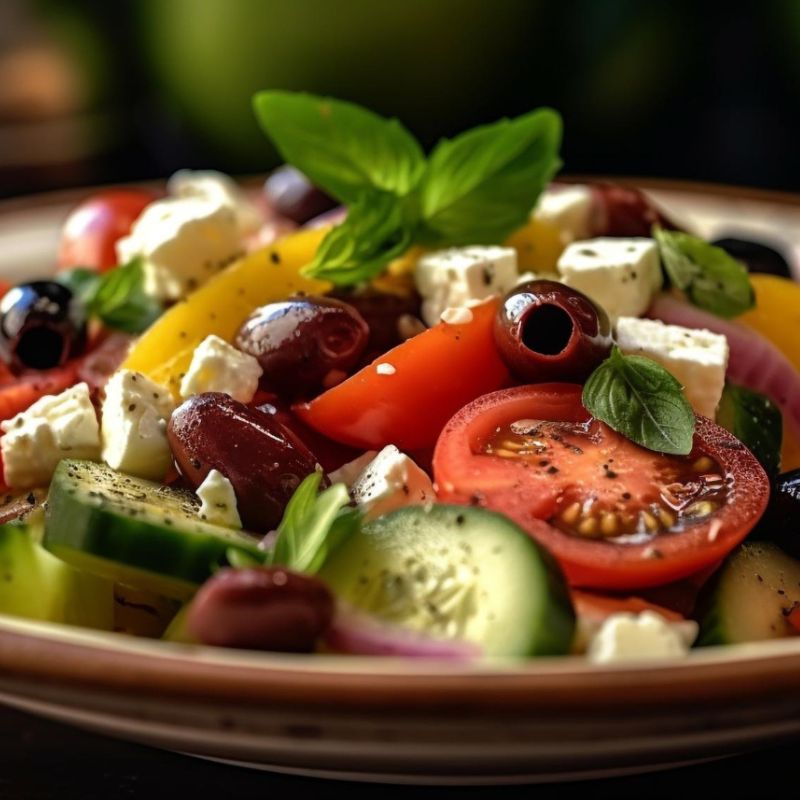
Oregano, with its bold and aromatic Mediterranean flavour, is a versatile herb that can elevate a wide range of dishes. It pairs particularly well with tomatoes, making it a go-to herb for pizzas, pasta sauces, and Mediterranean-inspired dishes. You can use oregano fresh or dried to infuse flavours in both simple and complex meals.
Common Dishes to Add Oregano:
Cooking Tips for Using Oregano:
Enhancing and Moderating Oregano’s Flavor:
Oregano Substitution:
- Dried vs. Fresh: If a recipe calls for 1 tsp of dried oregano, substitute it with 1 tbsp of fresh oregano.
Growing and Purchasing Oregano

Oregano is a perennial herb, meaning it can grow year-round in your garden or even in a pot on your windowsill or balcony. You can buy fresh or dried oregano at most grocery stores or purchase oregano seeds online to grow your own.
Additionally, dried oregano is widely available, and you can also find oregano in various forms such as oil or powdered form.
By adding oregano to your cooking, you can easily incorporate its vibrant, herbaceous flavour into countless dishes, while also benefiting from its numerous health properties. Oregano pares especially well with other herbs and vegetables that are used in Mediterranean-styled cooking. Our Foundation diet is built on these principles, and more, it’s the final module in our Ultimate Candida Cleanse Program.
Can You Use Oregano Oil in Food?
Yes, oregano oil can be used in food, but it should be consumed in small amounts, typically by adding a few drops to cooked dishes. Always ensure that the oil is well-mixed before consumption.
While oregano oil is generally safe in moderation, it is important to use it with caution, especially in medicinal amounts. Always check with a healthcare provider if you’re unsure whether it’s right for you.
How to Take Oregano Supplements
Oregano as a supplement is available in many different forms.
When looking for oregano oil – look for high carvacrol content products, the key active ingredient in oregano oil, known for its antifungal and antimicrobial properties. Choose a product that highlights a high carvacrol content to maximise the oil’s therapeutic benefits.
Oregano extracts or supplements are still highly effective, especially when used as part of a formulation that contains many other herbs with antimicrobial activity.
Yeastrix Cleanse: A Comprehensive Antifungal Solution
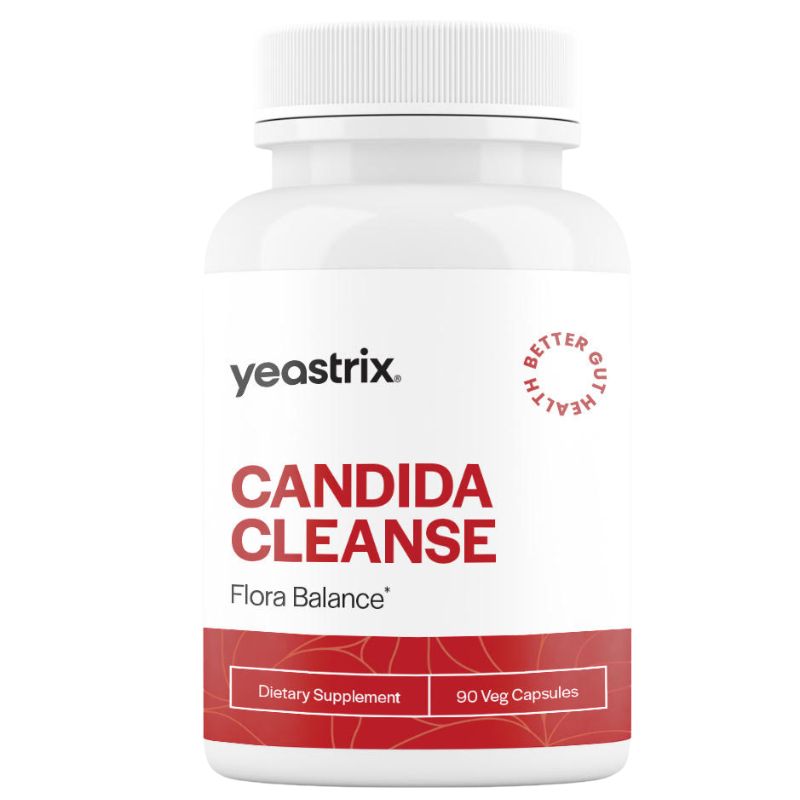
For those looking for an all-in-one solution to tackle Candida and other fungal or bacterial infections, consider Yeastrix Candida Cleanse, our 3rd generation antifungal supplement.
This product combines oregano with several other powerful antifungals, creating a balanced and effective cleanse for yeast overgrowth.
Yeastrix Cleanse includes:
With Yeastrix Candida Cleanse, you can simplify your antifungal regimen by getting the benefits of oregano along with other natural ingredients that promote gut health and combat yeast infections. Made with the highest-quality, non-GMO, and vegetarian ingredients, it’s designed for those looking for a natural, safe, and effective approach to Candida management.
Oregano Safety Guidelines
Oregano oil is generally safe for topical and oral use when applied in moderation and for short durations. However, caution is required to avoid potential side effects, especially when using it in large amounts or for extended periods.
Oregano is unlikely to cause harm in most people as long as people do not consume too much oregano oil and ensure that any topical applications use a diluted form of the oil.
Here’s what you need to know:
Safe Use for Adults
Potential Risks
Conclusion

Eric Bakker N.D.
Greetings! I am a naturopathic physician from New Zealand. Although I’ve retired from clinical practice since 2019 after 34 years of clinic. I remain passionate about helping people improve their lives. You’ll find I’m active online with a focus on natural health and wellbeing education through my Facebook page, Reddit page and YouTube channel, including this website.