Home » yeast infection

yeast infection

Delicate, thin branches with small buds or leaves against a light, muted background resemble the subtle complexity of nature, much like understanding what Candida albicans is—a microorganism that can cause infection when imbalanced in the body.

Candida Krusei

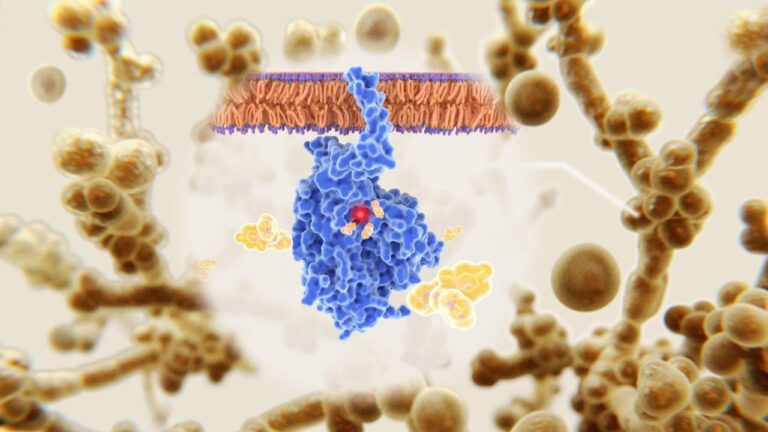
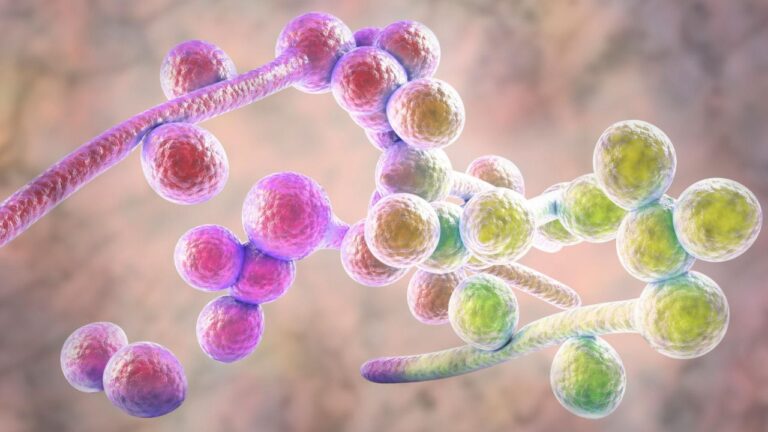
Candida krusei is an infrequent cause of fungal infection and accounts for only 3 to 4% of fungal infections. Candida krusei is naturally resistant to the widely-used pharmaceutical fluconazole

A small glass bottle of coconut oil, a halved coconut, a small bowl of coconut oil, and a small bowl of coconut pieces are placed on a wooden surface. The subtle fragrance reminds one of the health benefits of cinnamon when paired with these natural ingredients.

Caprylic Acid

Caprylic acid is a natural antifungal compound found in coconut oil that helps combat Candida yeast infections by disrupting the yeast’s cell membranes, inhibiting its growth, and reducing biofilm formation. This makes it an effective treatment for Candida overgrowth in the gut, skin, and other areas of the body.

Two individuals are shown from the waist down, standing close together. One person is holding the other around the waist. Both are wearing denim jeans and casual shirts.

Chlamydia

Learn all there is to know about Chlamydia, a common sexually transmitted infection (STI) caused by the bacteria Chlamydia trachomatis. Often labeled a “silent” infection, it frequently presents no noticeable symptoms, allowing it to be unknowingly transmitted.

Colorful representation of a petri dish with various microorganisms and colonies.

Mycotoxins

Fungi are incredibly diverse, with over a hundred species known to cause toxicity. Of these, more than 300 compounds are recognized as mycotoxins—toxic chemical substances produced specifically by molds and yeasts.

Microscopic image of human skin tissue showing multiple layers and structures, stained in shades of purple for better contrast.

4 Stages of Candida Biofilm and Yeast Infection

Understanding Candida and its biofilm formation is important for managing yeast infections most effectively. Candida albicans, a naturally occurring fungus, can become problematic when it overgrows, forming protective biofilms that shield it from treatments.

Let’s break down the four stages of Candida biofilm development in easy-to-follow terms, so you can grasp what this clever yeast does and why it matters for your health.