
Did You Know That Biofilm May Explains Why You Can’t Get Rid Of Candida Overgrowth?
If you’ve been dealing with Candida and feel like you’re going in circles, you’re not imagining it. You take something, you feel better – then it comes back. In many cases, the missing piece is something called a biofilm.
What Is a Candida Biofilm?
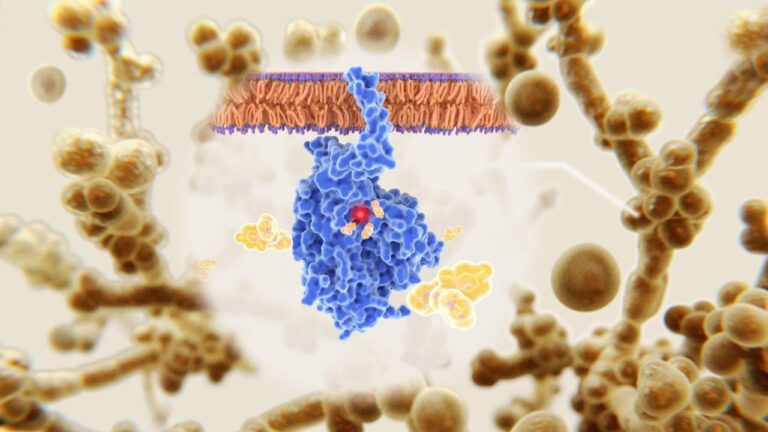
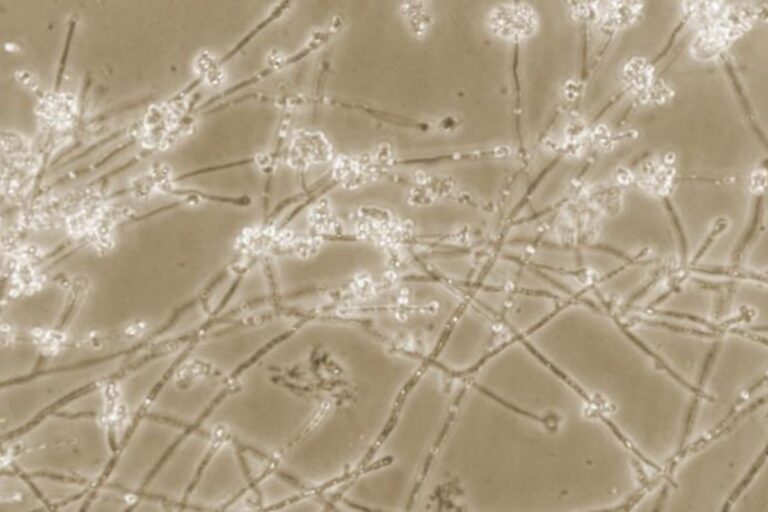
A Candida biofilm is a structured community of yeast cells that attaches to a surface and surrounds itself with a protective layer.
Instead of floating freely, the organism:
This changes how Candida behaves completely.
In simple terms:
Biofilm acts like a shield — reducing the effectiveness of antifungal treatments and immune response.
Why Biofilms Matter
Once a biofilm forms, Candida becomes:
This is a key reason why many people experience recurrence.
Where Biofilms Form
Common areas include:
In hospital or clinical settings:
The 4 Stages of Biofilm Development
Candida biofilms don’t appear overnight. They develop in stages:
- Adhesion — yeast sticks to a surface
- Growth — cells multiply
- Maturation — a structured biofilm forms
- Dispersion — cells break off and spread
That last step — dispersion — is a big reason Candida infections come back and can easily spread.
To understand how Candida builds these protective structures step by step, read:
→ Candida Biofilm Stages: The 4 Phases of Development Explained
Why Symptoms Keep Coming Back
A biofilm acts as a reservoir for different species of Candida and bacteria.
Even if treatment reduces Candida:
Not All Candida Is The Same
Different Candida species have been discovered to behave differently.
This matters because it affects:
Candida Doesn’t Act Alone
Candida often exists alongside many kinds of bacteria.
These mixed communities can:
If you want to understand how these biofilms are built and why they’re so resilient, read: → Inside Candida Biofilms: Structure, Species Differences and Survival Mechanisms
Supporting Candida Biofilms Naturally (And Why This Matters)
Once you understand how Candida biofilms work, one thing becomes very clear:
This is not just about using a stronger antifungal.
It’s about using the right strategy.
Why Standard Drug-Only Approaches Often Fall Short
Most antifungal medications were designed to target free-floating yeast cells. But biofilms are different.
Inside a biofilm:
This is why I often see in patients:
What the Research Is Showing About Botanicals
This is where things start to shift. A growing body of research shows that specific herbal and plant-based compounds can:
And importantly:
Unlike many pharmaceutical antifungals, certain botanicals do not appear to drive resistance in the same way. That’s a clear and distinct advantage.
Instead of targeting a single pathway, many specific plant compounds:
Why a Structured, Multi-Target Approach Works Better
If Candida is operating as a biofilm, then a single-action approach is often not enough.
You need to think in layers:
This is where a properly designed protocol becomes important.
A Stronger, Smarter Approach: The Yeastrix Candida Cleanse
This is exactly why I developed the Yeastrix Candida Cleanse.
Not as a quick fix — but as a structured system designed to address Candida more intelligently.
It focuses on:
The goal is not just to suppress symptoms.
It’s to shift the terrain so Candida is less able to persist and return.
Why This Matters for Long-Term Results
If you ignore biofilms, you often end up in a cycle:
If you understand biofilms and use the right tools:
The Bottom Line
Candida biofilms are not something to fear. But they do require a smarter approach.
Using targeted botanicals, combined with a structured protocol like the Yeastrix Candida Cleanse, gives you a far more effective strategy than relying on antifungals alone.
Because in the end, it’s not just about killing yeast. It’s about changing the environment that allows it to survive.
Key Take-Aways
Final Word
If you’ve struggled with persistent Candida, this is not something to ignore! But it’s also not something to fear.
Candida biofilms are:
The goal is not just to “kill yeast.” It’s to understand how it survives — and why.
Eric Bakker N.D.
Greetings! I am a naturopathic physician from New Zealand. Although I’ve retired from clinical practice since 2019 after 34 years of clinic. I remain passionate about helping people improve their lives. You’ll find I’m active online with a focus on natural health and wellbeing education through my Facebook page, Reddit page and YouTube channel, including this website.