
Candida Overgrowth

Understanding Candida Yeast Overgrowth
Candida overgrowth occurs when the naturally occurring yeast, Candida albicans, multiplies excessively in the body, leading to various health issues. This condition can affect individuals at any age, with its presentation and progression varying based on the body area involved. Since fungal infections can be contagious, prompt identification and treatment are crucial to prevent complications.
Candida Overgrowth Occurs When Our Immune System Is Compromised
Candida albicans is considered an opportunistic organism, thriving when the body’s natural defences are compromised. Several predisposing factors increase the likelihood of Candida overgrowth, which is discussed below.
Many people with Candida overgrowth report symptoms like brain fog, fatigue, and bloating. You can explore the full list of Candida symptoms here.
Effective treatment depends on identifying the right stage of Candida. Learn more about natural Candida overgrowth treatment strategy.
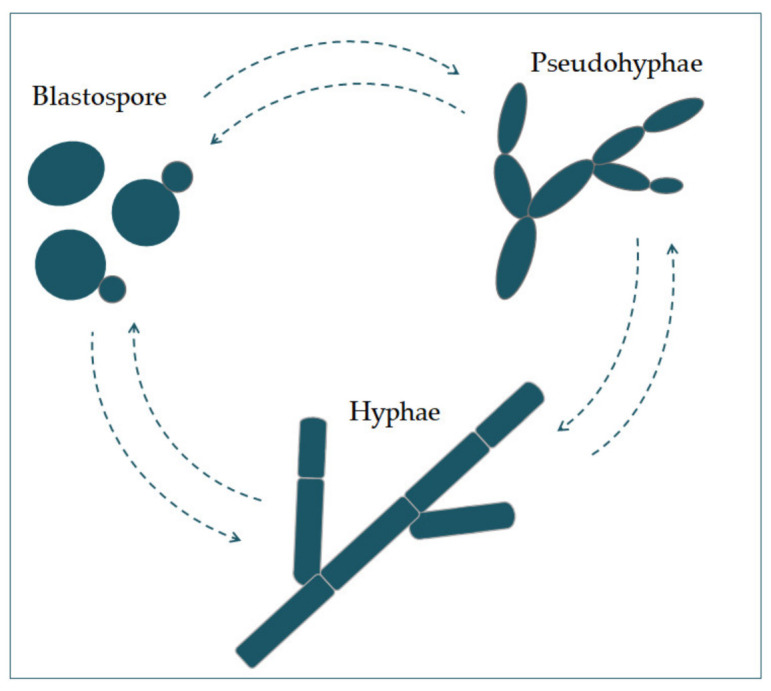
How Does Candida Cause Overgrowth Symptoms?
When Candida overgrows in the gut microbiome, it begins producing harmful metabolites that can wreak havoc on the body.
A metabolite is any substance created or broken down during the body’s metabolic processes, including food digestion, drug metabolism, or the breakdown of chemicals or tissues. While some metabolites serve beneficial functions, the by-products generated by Candida are often toxic to human cells and known to cause different diseases (Macias-Paz et al., 2023).
Candida’s Hyphal Transformation and Tissue Penetration
One of the more concerning aspects of Candida overgrowth is its ability to transition from a harmless yeast form to an invasive fungal form. In this state, Candida develops long filamentous structures called hyphae, which enable it to penetrate soft tissues and invade various areas of the body. This transformation significantly increases its pathogenic potential. According to studies on Candida albicans, this yeast has developed multiple techniques to infiltrate and damage tissues, facilitating its spread within the body.
Toxic By-Products and Their Effects
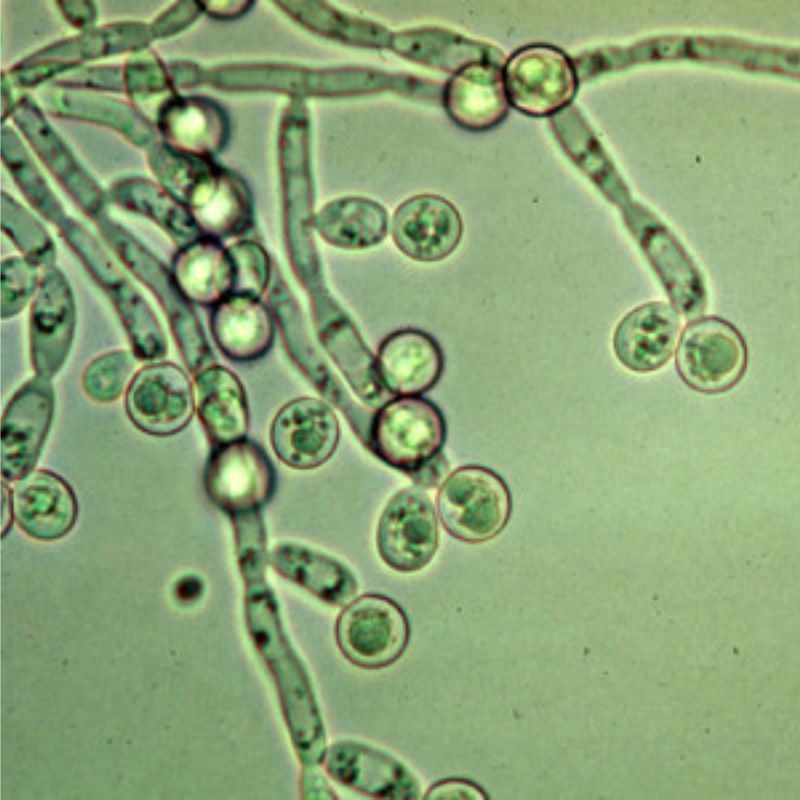
As Candida grows and colonises the gut, mouth, vaginal area, or other moist body regions, it releases metabolic waste products into the surrounding tissues. These by-products, often referred to as mycotoxins, include:
These mycotoxins can cause a wide range of symptoms, including brain fog, fatigue, headaches, joint pain, and digestive disturbances. For many individuals, these symptoms may occur without classic signs of Candida overgrowth, such as itching or sugar cravings, making the condition more challenging to diagnose.
Mycotoxins and Chronic Inflammation

A ground breaking study from 2016 by Moyes and colleagues discovered and named a Candida cell killing mycotoxin called candidalysin, linking it to a wide range of inflammatory disorders and even cancer.
It is possible to have an inflammatory symptom such as brain fog, yet without experiencing the common symptoms that Candida is capable of producing, like itching, cravings, etc. The candidalysin toxin disrupts the epithelial (gut) barrier, a critical protective layer in our gut and other mucosal surfaces, leading to “leaky gut syndrome.” The result is increased gut permeability, allowing harmful substances to enter the bloodstream and triggering widespread inflammation.
Candidalysin has also been implicated in the development of various inflammatory conditions and even cancer. According to Moyes’ research, Candida’s ability to damage tissues and provoke chronic immune responses underscores its role in promoting systemic inflammation and disease progression.
Neurological and Systemic Impact
Studies, including one by Wu in 2019, have shown that Candida can infiltrate the brain in mice, leading to fungal brain infections and memory impairment. This supports anecdotal reports from patients who have experienced significant reductions in brain fog, muscle pain, and fatigue after successful Candida treatment. The connection between Candida overgrowth and neurological symptoms highlights the far-reaching consequences of unchecked fungal infections.
Candida’s Role in Hidden Illnesses

Candida overgrowth often presents with non-specific symptoms that may be overlooked or misdiagnosed by healthcare providers. Patients with persistent brain fog, fatigue, or unexplained digestive symptoms may be referred to specialists, only to receive a diagnosis unrelated to Candida. This is due, in part, to the lack of standardised diagnostic criteria for Candida-related illnesses and the relatively recent understanding of Candida’s impact on systemic health.
As science advances, it is becoming clear that Candida’s role in chronic illnesses and inflammation is more significant than previously thought. From leaky gut syndrome to its potential involvement in cancer progression, Candida overgrowth represents a major disruptor of health that warrants further investigation.
Key Takeaways:
Articles of Interest

Candida Overgrowth Symptoms
Candida overgrowth can affect many areas of the body, presenting a wide variety of symptoms. Below is an organised and comprehensive list, categorised by body system for clarity. Identifying recurring symptoms across multiple systems can provide valuable insight into the presence of Candida overgrowth.
Digestive System Symptoms
Hormonal and Reproductive System Symptoms
Immune System Symptoms
Skin and Nails Symptoms
Musculoskeletal System Symptoms
Nervous System Symptoms
Respiratory and ENT (Ears, Nose, Throat) Symptoms
Urinary System Symptoms
Circulatory System Symptoms
Key Take-Aways
If you experience several of these symptoms across multiple systems, Candida overgrowth could be a contributing factor. Symptoms often overlap with other conditions, making a holistic approach essential.
Steps to Consider
This program focuses on eliminating Candida triggers, repairing the gut, and rebuilding your microbiome for lasting results.

Candida Overgrowth Causes
After more than 30 years in clinical practice, I’ve come to recognise a universal truth about health: nearly all diseases, including fungal infections like Candida or bacterial conditions such as SIBO, arise from a combination of factors. Rarely is there a single cause to blame. Whether it’s an infection, inflammation, or gut dysbiosis, illness often results from a complex interplay of triggers.
Do you remember what might have triggered your Candida overgrowth? For many, it’s not a single event but rather a “perfect storm” of contributing factors, such as a high-sugar diet, repeated antibiotic use, prolonged stress, hormonal imbalances from contraceptives, chemical exposure, or underlying conditions like diabetes.
The Cause of Candida Overgrowth Is Often a Combination of Factors
Candida overgrowth rarely stems from one isolated cause. Instead, it typically develops when multiple contributing factors disrupt the delicate balance of the microbiome. For example:
It’s important to understand that Candida albicans itself isn’t harmful. This yeast naturally exists in our digestive tract and contributes to healthy digestion. Problems arise when our gut microbiome’s balance is disrupted, allowing Candida to overgrow and cause various health issues. Addressing Candida overgrowth requires understanding these complex triggers and working to restore harmony in the microbiome. You’ll find there are primary causes of Candida overgrowth, and maintaining causes. Let’s briefly look at them now:
Primary Causes of Candida Overgrowth
Primary Causes These are the initial triggers that disrupt the gut microbiome, allowing Candida to gain a foothold:
Maintaining Factors of Candida Overgrowth
Maintaining Causes: These are the factors that perpetuate Candida overgrowth and prevent recovery:
By addressing these triggers and creating a personalised plan, it’s possible to restore balance and prevent Candida overgrowth from recurring.
Key Take-Away
Steps to Prevent and Manage Candida Overgrowth
By addressing both the causes that initiate Candida overgrowth and the factors that sustain it, you can take meaningful steps toward restoring balance and achieving long-term gut health.

Candida Overgrowth Treatment
Treating Candida overgrowth requires a comprehensive and patient-centred approach that targets both the immediate symptoms and the underlying causes. The first step is accurate diagnosis, often achieved through stool analysis, blood tests, or urinary organic acid tests conducted by a qualified practitioner.
These tests confirm the presence and severity of Candida overgrowth, providing a foundation for an effective treatment plan. Once identified, a structured Candida Cleanse is essential to detoxify the digestive system, support liver function, and create an environment less conducive to fungal proliferation.
The treatment typically involves the use of natural antifungal agents such as oregano oil, garlic, caprylic acid, or grapefruit seed extract.
These work to target and reduce Candida colonies without causing the disruption associated with conventional antifungal drugs, though medication may be used in severe cases. Simultaneously, replenishing beneficial bacteria with high-quality probiotics helps restore microbiome balance, fostering an environment that prevents Candida from regaining dominance.
Consistent monitoring and adjustments to diet, supplementation, and lifestyle habits are crucial for long-term success, as recovery often takes several months. A commitment to holistic care, including reduced sugar intake, stress management, and regular follow-ups, ensures a sustainable return to gut health
Candida Overgrowth: Healthy Diet and Lifestyle Recommendations
All of the following recommendations have now been endorsed by mainstream medicine , particularly in the area of preventative medicine and longevity:
Medical and Natural Treatment Interventions
How to Treat Candida Overgrowth in Gut
Step-by-Step Approach:
Achieving lasting relief from Candida overgrowth requires a strategic and holistic approach. Below is a step-by-step guide to help restore balance and support gut health:

Ultimate Candida Cleanse System
Restore gut balance naturally with the Ultimate Candida Cleanse System — a complete, professional-grade gut health solution developed by naturopath Eric Bakker, N.D.
This all-in-one system combines two in-depth books — The Ultimate Candida Cleanse Program and The Ultimate Candida Cleanse Guide — along with the Yeastrix Gut Restore Kit, featuring targeted antifungal, probiotic, and enzyme formulations. Together, they deliver a structured, step-by-step approach to eliminating Candida overgrowth, rebalancing your gut microbiome, and rebuilding healthy digestion from the inside out — your foundation for lasting energy, comfort, and vitality.
To achieve real, lasting results, you need more than just a plan — you need the right support. That’s why Eric Bakker created Yeastrix, a professional-grade supplement range launched in 2025 to work hand-in-hand with his new Candida Cleanse Program. Each Yeastrix formula targets a key stage of gut recovery — helping restore microbial harmony, enhance digestion, and support long-term wellness.
If you’re ready to take control of your health and finally feel like yourself again, the Ultimate Candida Cleanse System gives you everything you need — expert guidance, a proven roadmap, and powerful natural support that truly works.
Key Points to Remember
By following this methodical approach, you can effectively manage Candida overgrowth and restore optimal gut health.
Take-Away
Candida overgrowth is a complex condition influenced by multiple factors. Early detection and a comprehensive treatment plan involving dietary, medical, and lifestyle interventions can effectively manage and resolve this condition. Working closely with a knowledgeable healthcare practitioner ensures the best outcomes while minimising the risk of recurrence.