

Understanding Acetaldehyde Toxicity
Alcohol consumption is common, with statistics showing that 84% of U.S. adults have consumed alcohol to some extent. According to the 2022 National Survey on Drug Use and Health, approximately 215.6 million adults aged 18 and older have had alcohol at some point in their lives (NIH, 2023).
But what does alcohol have to do with Candida albicans? Surprisingly, the symptoms of excessive alcohol intake and Candida overgrowth can be strikingly similar. The connection lies in a toxic compound called acetaldehyde—a by-product of alcohol metabolism and a chemical produced when Candida ferments sugar.
Acetaldehyde buildup in the body can mimic the effects of alcohol intoxication, leading to symptoms that some might mistake for being “drunk”. However, for individuals with Candida overgrowth, these symptoms can occur without drinking a drop of alcohol—all due to a build-up internally leading to acetaldehyde toxicity.
Here are some common signs of acetaldehyde toxicity:
Understanding acetaldehyde toxicity is crucial for addressing both Candida-related symptoms and alcohol metabolism issues. In the following sections, we’ll explore how acetaldehyde affects the body, why it builds up, and what you can do to detoxify and protect yourself.

Auto Brewery Syndrome
Auto-brewery syndrome (ABS) is a rare and poorly understood medical condition in which individuals experience the effects of alcohol intoxication without consuming alcohol. This can lead to serious consequences, such as legal issues—including arrests for driving under the influence—despite the person not having had a single drink.
Unlike alcohol consumption or food allergies, ABS is caused by fungal dysbiosis in the gut, where certain fungi ferment sugars and starches, producing acetaldehyde and ethanol as by-products (Dinis-Oliveira 2021).
This internal fermentation process can lead to symptoms identical to alcohol intoxication, including dizziness, confusion, impaired coordination, and mood changes.
While ABS remains virtually unknown and understudied, understanding its link to gut health may help individuals struggling with unexplained symptoms find the right solutions.
Candida Albicans and Acetaldehyde Production
Aldehydes are potentially harmful compounds formed during sugar fermentation. Fungi and yeasts, including Candida species, naturally produce aldehydes, as they are fermentation microorganisms. One of the most concerning aldehydes they generate is acetaldehyde, a toxic by-product of alcohol fermentation from glucose.
The process begins with glucose metabolism, which converts glucose into pyruvate, then into acetaldehyde and ethanol (alcohol) (Uittamo et al., 2010). More recent research has shown that Candida species can produce significant levels of mutagenic acetaldehyde, a compound capable of altering genetic material and playing a crucial role in Candida biofilm formation, which can make infections a lot more persistent and resistant to treatment (Nieminen et al., 2014).
Understanding this process highlights the impact of Candida overgrowth on toxic aldehyde buildup in the body and its potential long-term health consequences.
Where Do Aldehydes Come From?
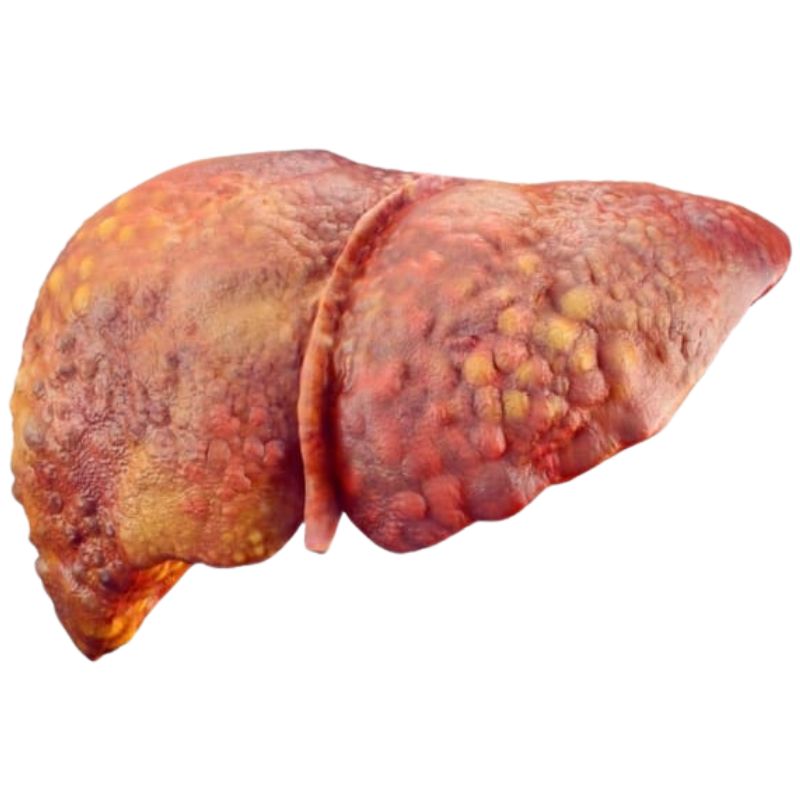
Aldehydes are everywhere—in the air we breathe, the water we drink, and the environments where we live and work. They are present in foods, beverages, and even personal care products.
While we can’t completely avoid aldehydes, we can limit exposure to one of the most common sources—alcohol.
Aldehydes are particularly toxic to the liver, especially when exposure is high and sustained. In fact, excess aldehyde accumulation is the second leading cause of liver damage and contributes to many chronic illnesses (Sinharoy et al., 2019).
The Toxic Effects of Aldehydes
When aldehydes accumulate, they trigger an immune response, leading to the release of inflammatory cytokines, proteins made by our white blood cells that are released by immune cells to promote inflammation, such as:
This immune activation contributes to chronic inflammation, pain, and a wide range of symptoms that can significantly impact overall health.

Aldehydes From Environment and Workplace
Aldehydes are also thought to be a major cause of the air pollution and smog in the air in many cities around the world today. Aldehydes are also in rainwater and surface water due to their high-water solubility (El-Maghrabey et al., 2021)..
Several lifestyle choices and environmental factors increase exposure to aldehydes, let’s now take a look at the most common sources of aldehyde toxicity:
Common Sources of Aldehyde Exposure
Occupational Exposure to Aldehydes
Certain professions involve high aldehyde exposure, particularly those handling formaldehyde and acetaldehyde. These include:
Health Risks of Aldehyde Exposure
Repeated exposure to aldehydes has been linked to an increased risk of serious diseases, including cancer and cardiovascular disease. Limiting exposure—both environmentally and occupationally—can play a key role in reducing long-term health risks.
Aldehydes From Food and Drinks
Aldehydes also come from fermented foods we eat, but most especially from the alcohol we consume. Aldehydes are commonly made inside our body by the fermentation of sugars in our diet, in this case we refer to acetaldehyde.
Dietary Sources of Aldehydes
According to the World Health Organization, fermented and processed foods contain traceable amounts of formaldehyde and acetaldehyde (Feron et al., 1991).
These include:

Even fresh fruit juices contain naturally occurring methanol and ethanol, which are enzymatically converted into formaldehyde and acetaldehyde by the enzyme alcohol dehydrogenase (ADH). Acetaldehyde, an alcohol by-product, is strongly linked to cancer (Seitz et al., 2007).
Natural Food Sources of Aldehydes
Aldehydes are also naturally present in fruits, vegetables, spices, and nuts (Guillén-Sans et al 1995). Some common sources include:
While aldehydes occur naturally in food, excessive exposure—especially through alcohol and processed products—can contribute to long-term health risks. Understanding these sources can help reduce unnecessary intake and improve overall well-being.
Aldehydes Can Be Made In Our Body
Did you know aldehydes can be made in and on the outside of our body? Our gut is where most of the fermentation takes place, but it can happen in other locations.

How Do I Know If I’ve Good Too Much Sugar in My Gut?
Distinct Signs: Fermentation within the large intestine yields methane gas, often indicating ongoing fermentation. Remarkably, this gas you pass is relatively odourless compared to the putrid scent emitted by proteins foods, peptides, and amino acids undergoing spoilage.
Protein and high-fat foods can yield quite strong and offensive gas at times. Digestive enzymes are recommended if this occurs

Acetaldehyde and Brain Fog
Acetaldehyde, a highly toxic byproduct of alcohol metabolism, is increasingly recognised as a key contributor to brain fog. When alcohol is consumed, the liver breaks it down into acetaldehyde, a compound far more toxic than alcohol itself. If acetaldehyde accumulates, it can negatively affect both physical and cognitive health.
Studies suggest acetaldehyde plays a role in alcohol tolerance, reinforcement, and addiction (Deng et al., 2009). However, its impact on the brain extends beyond addiction, contributing to cognitive issues like confusion, forgetfulness, lack of focus, and mental fatigue.
Acetaldehyde is particularly concerning because it crosses the blood-brain barrier, directly affecting brain function.
Here are key mechanisms linking acetaldehyde to brain fog:
How Acetaldehyde Causes Brain Fog
Key Take-Away
Understanding how acetaldehyde triggers brain fog is critical for those who consume alcohol regularly. Its toxic effects on the brain, immune system, and gut make it an important factor in long-term cognitive health.

Acetaldehyde and Brain Function
Acetaldehyde, a toxic byproduct of alcohol metabolism, has a profound impact on brain function. It disrupts essential brain proteins and structures, contributing to cognitive decline and neurodegenerative diseases.
Beyond its direct toxicity, acetaldehyde hinders nutrient and oxygen transport—both vital for healthy brain function.
Understanding these effects highlights the importance of reducing acetaldehyde exposure, particularly for those who consume alcohol regularly.
How Acetaldehyde Damages the Brain
Let’s now look at the key reasons acetaldehyde has the ability to cause so much dmage when it comes to brain function:
Final Thoughts
Acetaldehyde’s impact on neuronal integrity, oxygen transport, and cognitive health makes it a serious concern for brain longevity. By limiting exposure to this toxic compound, we can better protect long-term brain function and reduce the risk of neurodegenerative diseases.
Acetaldehyde And Vitamin B1 Deficiency
Studies have found that vitamin B1 (thiamine) deficiency can occur when acetaldehyde levels increase in our body, especially the brain. Thiamine is one of the most important vitamins to ensure correct nerve function in our brain.
Studies found that acetaldehyde has a potent effect on reducing vitamin B1, because it interferes with the transport of this “brain vitamin”. (Sprince et al., 1975)

ALDH: The Enzyme That Breaks Down Acetaldehyde
Acetaldehyde is metabolised into acetic acid by an enzyme called aldehyde dehydrogenase (ALDH). Acetic acid, which has a vinegar-like smell, is non-toxic and easily excreted by the body. However, when ALDH function is impaired, acetaldehyde accumulates, leading to toxic effects.
One of the key nutrients needed to activate ALDH (via the NAD pathway) is vitamin B1 (thiamine).
Acetaldehyde and Vitamin B1 Deficiency
Acetaldehyde, a harmful byproduct of alcohol metabolism, plays a major role in vitamin B1 (thiamine) deficiency, particularly in the brain. Thiamine is essential for nerve function, and its deficiency can cause severe neurological issues.
Why Does Acetaldehyde Lead to Thiamine Deficiency?
Interferes with thiamine absorption in the gut
Disrupts thiamine transport to the brain
Depletes thiamine stores, leading to nerve and cognitive dysfunction
This disruption is so severe that up to 80% of people with alcohol-related issues develop thiamine deficiency due to poor gastrointestinal absorption (Martin et al., 2003).
Candida, Acetaldehyde, and Thiamine Deficiency
For those with chronic Candida overgrowth, the link between acetaldehyde toxicity and thiamine deficiency is even more concerning. Since Candida ferments sugars into acetaldehyde, individuals with gut dysbiosis may experience the same toxic effects as heavy alcohol consumers.
Why Addressing Candida & Alcohol Intake Matters
Candida overgrowth & alcohol consumption both elevate acetaldehyde levels
Higher acetaldehyde = Greater thiamine depletion = Increased neurological symptoms
Supporting ALDH enzyme activity with thiamine helps detoxify acetaldehyde
Managing Candida overgrowth and limiting alcohol intake are essential to reducing acetaldehyde burden, protecting nerve health, and preventing long-term damage.
Key Points:
How To Get Rid Of Acetaldehyde
Lowering acetaldehyde and other aldehydes in the gut and body is not difficult—but it requires diet and lifestyle changes.
Step 1: Stop All Alcohol Consumption
Most Candida patients I’ve seen were regular drinkers, even if they weren’t heavy drinkers. Whether it’s beer, wine, or spirits, alcohol contributes significantly to acetaldehyde buildup.
💡 Key Action: Stop alcohol completely until your gut and health are restored.
Step 2: Eliminate Refined Sugars & Starches
Refined sugars and starches feed Candida and other fermentation-based microbes, leading to ongoing aldehyde production.
💡 Key Action: Cut out refined sugars and starches to reduce aldehyde load and support detoxification.
Step 3: Check for Pharmaceutical Drug Use
Certain medications burden the liver, reducing its ability to process acetaldehyde. If you’re taking pharmaceutical drugs, it’s worth discussing alternative options with a healthcare professional.
Key Action: If possible, minimise medications that stress the liver to support natural detoxification.
Step 4: Support Liver Detoxification Naturally
However, for those dealing with chronic gut imbalances like Candida, a comprehensive Candida Cleanse program can be highly beneficial in removing aldehyde toxins and restoring gut health.

Ultimate Candida Cleanse System
Beat Candida naturally with the complete, science-based system created by naturopath Eric Bakker, N.D. This all-in-one package gives you two downloadable guidebooks plus the Yeastrix Gut Restore Kit — three targeted professional formulas that work together to reset your gut, restore balance, and rebuild healthy digestion.
You get a structured, step-by-step program, professional clinical guidance, and supplements designed to support each stage of recovery. No guesswork. No confusing protocols. Just a clear roadmap and the right tools to help you finally reduce symptoms, rebalance your microbiome, and feel like yourself again. The Ultimate Candida Cleanse System is everything you need to make real progress — naturally, safely, and effectively.

Eric Bakker N.D.
Greetings! I am a naturopathic physician from New Zealand. Although I’ve retired from clinical practice since 2019 after 34 years of clinic. I remain passionate about helping people improve their lives. You’ll find I’m active online with a focus on natural health and wellbeing education through my Facebook page, Reddit page and YouTube channel, including this website.