Plan Your Candida Cleanse For Success
A Smarter Way to Start: The Ultimate Candida Cleanse Lite Guide The success of anything we undertake is often dependent on planning before execution….


A Smarter Way to Start: The Ultimate Candida Cleanse Lite Guide The success of anything we undertake is often dependent on planning before execution….

Certain diet and lifestyle choices unknowingly fuel Candida overgrowth and keep yeast infections recurring for years. These “Candida symptom maintainers” create an environment where the infection persists, making full recovery difficult. Discover the key factors that keep yeast infection symptoms ongoing.

The 7 Main Root Causes of Candida Yeast Infections Explained Naturally Many potential causes can lead to Candida overgrowth, including a high-sugar diet, antibiotics,…
When it comes to health and diagnosis, terms like signs and symptoms are frequently used. Understanding these differences can empower patients leading to more effective treatment and management.

Detecting Candida overgrowth or infection can be a complex process, as there is no single test that provides 100% certainty, besides, Candida albicans is a naturally occurring yeast that lives in the body, and in healthy people, the levels are kept in balance by our immune system and beneficial bacteria. Identifying an overgrowth can be important, but it requires a combination of clinical observation and laboratory testing.

Candida home tests are straightforward, at-home methods designed to help identify a possible overgrowth of Candida albicans, a type of yeast that can contribute to digestive issues, fatigue, brain fog, skin problems, and more. However, it’s important to note that these home assessments lack scientific validation and should be used as an initial self-evaluation rather than a definitive diagnosis.
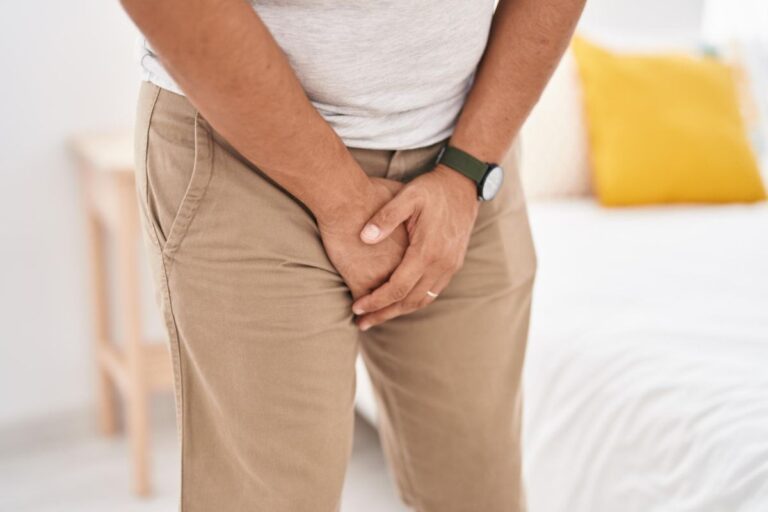
Preventing male yeast infections, particularly jock itch, requires a proactive approach that includes proper hygiene, dietary modifications, and lifestyle changes. Let’s look at the best steps men can take to lower their risk of developing or prolonging genital and groin fungal infections.

Jock itch, or tinea cruris, is a common fungal infection closely related to ringworm. It appears as an itchy, often burning rash, typically affecting the groin, inner thighs, and buttocks. Although uncomfortable, jock itch can be effectively treated at home with proper hygiene and care.

While male yeast infections are often overlooked, they’re actually quite common, with many contributing factors leading to an overgrowth of Candida, a type of yeast responsible for these infections. Through years of clinical practice, I’ve observed several recurring triggers in men, ranging from lifestyle choices and diet to environmental influences.

Candida yeast infections are seen as women’s problems. While it is true that women are more likely to get yeast infections than men, guys get yeast infections too. And sometimes pretty bad, as I’ve discovered through my clinical work, specialising in Candida.
candida.com
Discover what’s going on inside your gut today
Take the free 5-minute assessment and uncover the causes of your digestive symptoms, including:
✓ Candida Overgrowth
✓ SIBO & IBS
✓ Bloating & Food Intolerances
✓ Leaky Gut & Microbiome Imbalances
✓ Fatigue, Brain Fog & Digestive Symptoms
© 2026 candida.com.
* The statements on candida.com have not been evaluated by the FDA. Our website candida.com and all content on this website is not intended to diagnose, treat, cure, or prevent any disease. Information is presented for educational purposes only and is not intended to replace the advice of your healthcare professional.
Candida.com
Support
Discover what’s really going on inside
Take the free 5-minute Gut Health Assessment and uncover causes of your digestive symptoms, including:
✓ Candida Overgrowth
✓ SIBO & IBS
✓ Bloating & Food Intolerances
✓ Leaky Gut & Microbiome Imbalances
✓ Fatigue, Brain Fog & Digestive Symptoms
your gut today:
Join more than 1,000 people who have taken this assessment:
©2026 candida.com.
* The statements on candida.com have not been evaluated by the FDA. Our website candida.com and all content is not intended to diagnose, treat, cure, or prevent any disease. Information is presented for educational purposes only and is not intended to replace the advice of your healthcare professional.
