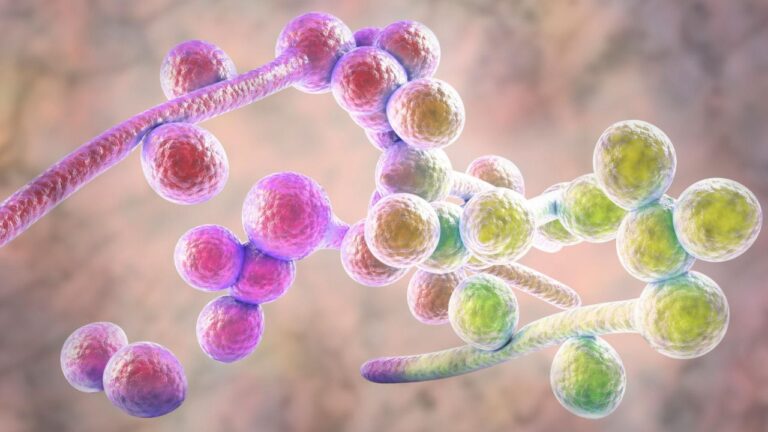

The Causes Of Male Yeast Infection
While male yeast infections are often overlooked, they’re actually quite common, with many contributing factors leading to an overgrowth of Candida, a type of yeast responsible for these infections. Through years of clinical practice, I’ve observed several recurring triggers in men, ranging from lifestyle choices and diet to environmental influences. Identifying these underlying causes is crucial for both preventing and effectively treating yeast infections.
Understanding Yeast and Its Role in the Body
The body naturally hosts a balance of bacteria and yeasts, known as microflora, which support the immune system and help control the growth of potentially harmful organisms. In a healthy state, these microflora work to prevent excessive yeast growth.
However, when certain conditions disrupt this balance—such as stress, excessive alcohol consumption, poor dietary choices, or immune-compromising medications—Candida can shift into its pathogenic form. In this state, it can penetrate tissues and cause infection.
For men, this can commonly manifests as balanitis, an infection of the penis (penile yeast infection), typically affecting the head of the penis, or glans.
Article of Interest: Male Yeast Infection
What is a Male Yeast Infection?
Though yeast infections are more often associated with women, men are also susceptible. Male yeast infections typically occur when Candida grows beyond its normal limits, often resulting in inflammation and irritation.
Candida thrives in warm, moist environments and can affect any area where these conditions exist, such as under the foreskin. Symptoms often include redness, itching, and rash, and in more severe cases, pain or discharge.
Primary Causes of Male Yeast Infections
From a clinical perspective, several factors commonly contribute to the development of male yeast infections. Yeast infections in men are primarily caused by a combination of factors that disrupt the body’s natural balance of microorganisms. Some of the most significant contributors include:
Key Points to Remember
Here are some essential takeaways about the causes of male yeast infections:
Male yeast infections are more common than many realise, with various factors such as diet, lifestyle, stress, medications, and sexual contact influencing their development.
By recognising these causes, men can take proactive steps to adjust their habits and better protect themselves against yeast overgrowth. First let’s look at the different species of yeast involved with men’s yeast infections:
Candida and Malassezia in Male Yeast Infections

Yeast species such as Candida albicans and Malassezia are naturally present on the male body, particularly in the genital area. However, under certain conditions, they can overgrow and cause infections.
Candida albicans thrives in the preputial space (under the foreskin) and can cause balanitis or other infections. Malassezia has also been associated with conditions like seborrheic dermatitis and balanitis, and studies have shown that it’s prevalent in a significant number of uncircumcised men.
Studies have shown Malassezia was present in 47% of uncircumcised men, while Candida albicans was found in 20.8% (Mayser 2001).
Another study revealed Candida in 65.5% of patients with fungal infections of the glans penis, while 30.9% had Malassezia (Aridogan 2005).
Key Pages on Men’s Yeast Infection
Common Triggers and Risk Factors for Yeast Infections in Men
Several factors can make men more susceptible to yeast infections. These are the most common triggers that are responsible for men’s yeast infections.
They include:
Is Male Yeast Infection Sexually-Transmitted?
Genital candidiasis, or a yeast infection in the genital area, is generally not classified as a sexually transmitted infection (STI). While sexual activity can introduce or make the infection worse, yeast infections can also develop independently of sexual contact. This is because Candida naturally exists on the skin and within the body’s microbiome in most people. An imbalance due to factors like antibiotics, stress, or poor diet can cause an overgrowth, leading to infection.

Important Points to Consider:
While yeast infections can be affected by sexual activity, they are not strictly sexually transmitted and can be managed with proper precautions and treatment.

Lifestyle and Dietary Habits that Contribute to Yeast Infections
From my clinical experience, lifestyle choices play a significant role in male yeast infections. Diets high in sugar, alcohol, and processed foods, combined with stress and poor hygiene, are the most common culprits.
The 4 Major dietary and lifestyle triggers include:
Stress & Burnout: Hidden Causes of Yeast Infections
Chronic stress and burnout are significant, yet often overlooked, factors that can lead to yeast infections in men. When stress persists, it triggers a cascade of physiological changes that compromise the body’s immune defenses, making it easier for Candida and other yeasts to flourish.

Stress affects the body by increasing the production of cortisol—a hormone that, in small amounts, helps regulate immune function and inflammation.
However, prolonged stress can lead to imbalances in cortisol levels, either elevating it chronically or eventually depleting it, both of which impair the immune response (Chu et al., 2024).
This weakened immunity provides an opportunity for Candida to overgrow, increasing the likelihood of infection.
Candida Can Adapt To Any pH
While stress can indeed disrupt the body’s natural pH balance, potentially making it more acidic, higher acidity does not necessarily foster a more favourable environment for yeast proliferation. Candida is highly adaptable, able to thrive across a broad pH spectrum—from very acidic (pH 2) to highly alkaline (pH 10) (Vylkova et al., 2011).
Stress Affects Our Gut Flora
Additionally, stress and burnout can alter gut health by reducing beneficial gut flora, which play a critical role in preventing Candida overgrowth. When the balance of good bacteria in the gut is disturbed, Candida can overpopulate, potentially leading to systemic yeast infections (Jawhara 2023).
Combined with the physical toll stress places on the body, lifestyle factors associated with burnout—such as inadequate sleep, poor diet, and reduced exercise—further strain immune health, amplifying the risk of infections.
Take-Away
Addressing stress and burnout is vital not only for mental health but also for preventing yeast infections and maintaining overall immune resilience.
The Dangers of Late-Night Snacking

Men are often prone to late-night snacking, frequently reaching for sweets, processed foods, or high-carb treats. These types of foods can cause spikes in blood sugar, which can fuel yeast growth and disrupt gut health. Additionally, eating late at night can interfere with digestion and metabolism, as the body’s natural processes slow down in the evening, making it harder to process sugary or heavy foods effectively.
This pattern can also impact sleep quality and lead to weight gain, creating a cycle of increased cravings that can be difficult to break.
Social Event Snacking

Social events like watching sports, card games, BBQs, or other gatherings often encourage mindless snacking, where beer, chips, sugary soda drinks, and high-salt or high-fat foods are easily accessible. In these settings, guys may be more likely to graze on unhealthy snacks without realising the impact on their health.
This kind of social snacking often adds up quickly, contributing to excess calorie intake and creating habits that may eventually affect the gut and digestion, blood sugar stability, and overall health.
These habits can feed yeast and can exacerbate the problem. Snack foods left in the fridge overnight can develop molds and spores, further contributing to the yeast overgrowth.
Key points to consider:
Read: 50 Healthiest Snack Ideas
Key Diet and Nutrition Pages
The Conclusion
Male yeast infections are common, yet preventable. The key to avoiding them lies in maintaining good hygiene, eating a balanced diet, reducing stress, and avoiding triggers such as alcohol, refined carbs, and processed foods.
By addressing these underlying causes, men can significantly reduce their risk of developing or sustaining a yeast infection.

Eric Bakker N.D.
Greetings! I am a naturopathic physician from New Zealand. Although I’ve retired from clinical practice since 2019 after 34 years of clinic. I remain passionate about helping people improve their lives. You’ll find I’m active online with a focus on natural health and wellbeing education through my Facebook page, Reddit page and YouTube channel, including this website.