

Most Common Causes Of Vaginitis
Vaginal infection is also known as vaginitis. This condition can result from various causes including infections, irritants, hormonal changes, and a vaginal flora imbalance. Let’s take a more detailed look at the common types and causes of vaginal infections. Likely causes of infection include fungal, bacterial, viral and even of parasitic origin.
A healthy vagina contains numerous types of microorganisms such as bacteria and fungi that coexist harmoniously. This microflora might also be referred to as your vaginal microbiome or flora. ( Barrientos-Durán et al., 2020).
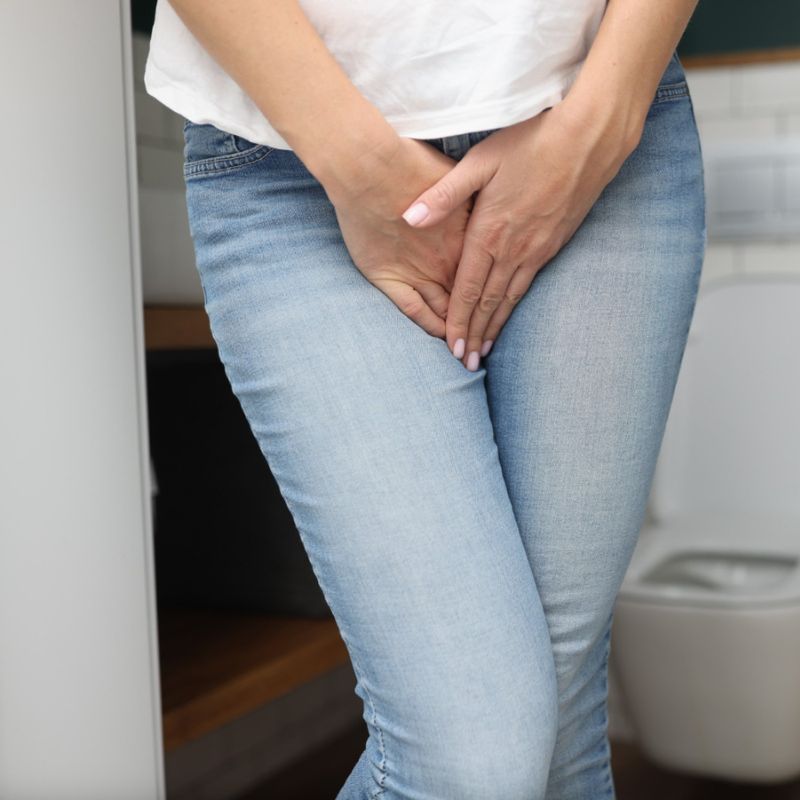
What Is Vaginitis?
Vaginitis refers to inflammation or infection of the vagina, a condition that arises when the delicate balance of the vaginal microbiome is disrupted. Normally, the vaginal microbiome is dominated by beneficial lactobacilli, which help maintain a slightly acidic pH to defend against harmful microbes.
However, when this natural balance is disturbed—due to factors such as infections, hormonal changes, or irritants—opportunistic pathogens can thrive, leading to symptoms of vaginitis, such as irritation, discomfort, and abnormal discharge.
Vaginitis Symptoms
Vaginitis is a condition that involves inflammation or infection of the vagina, often extending to the vulva (vulvovaginitis). It is a common issue with symptoms that can vary depending on the underlying cause. Here’s a detailed breakdown of the symptoms and associated factors:
Common Symptoms of Vaginitis
Additional Symptoms Based on Underlying Causes
Less Common Symptoms
When to Seek Medical Attention
Some symptoms, such as pain, abnormal discharge, or persistent itching, warrant medical evaluation. Diagnosis often involves a physical examination, review of symptoms, and lab testing of vaginal discharge to identify the cause and guide treatment.
Most Common Causes Of Vaginitis
Determining the cause of vaginitis can be challenging, especially if the condition is chronic or recurring. In such cases, seeking professional medical care for a proper diagnosis is crucial.
Vaginitis may be triggered by chemical irritants, such as creams, sprays, soaps, or even clothing that comes into contact with the vaginal area. Other contributing factors include vaginal dryness, hormonal imbalances (such as a lack of estrogen), and microbes transmitted between sexual partners.
In cases of infectious vaginitis, it’s important to identify the specific type of infection—whether bacterial, yeast, viral, or parasitic. If self-care measures don’t lead to significant improvement, consulting a healthcare professional is essential to ensure accurate diagnosis and effective treatment.
Microbial Irritants

Candida Vaginitis
There are several potential causes of vaginitis, each with distinct characteristics. Vaginal yeast infections, primarily caused by Candida albicans, are among the most common forms. They often occur when the natural balance of vaginal flora is disrupted, allowing Candida overgrowth.
Beyond infections, vaginitis can also result from non-microbial irritants. Chemicals found in personal care products, detergents, scented sprays, soaps, or even dyes in garments or underclothing may irritate the sensitive vaginal tissue. Additionally, hormonal changes, such as low oestrogen levels during menopause, can lead to vaginal dryness, thinning of the vaginal walls, and an increased susceptibility to irritation or infection.
Bacterial vaginosis (BV) is another prevalent form of vaginitis, resulting from an imbalance in vaginal bacteria, often characterised by a reduction in Lactobacilli and an overgrowth of anaerobic bacteria. Viral infections, such as genital herpes caused by the herpes simplex virus, can also lead to vaginitis, typically accompanied by sores and significant irritation.
Microbial Causes of Vaginitis
Non-Microbial Irritants

Other factors that contribute to vaginitis include poor hygiene, unprotected sexual activity, excessive douching, or the use of antibiotics, which can disturb the natural vaginal flora. These disruptions create an environment conducive to microbial overgrowth or allow harmful microbes to establish an infection.
Effective treatment of vaginitis depends on identifying its specific cause. For instance, antifungal medications are used for yeast infections, while antibiotics or other targeted therapies may be necessary for bacterial vaginosis or viral infections.
Preventive measures, such as avoiding irritants, wearing breathable cotton underwear, maintaining proper hygiene, and supporting vaginal health with probiotics, can help reduce the risk of recurrent episodes. Addressing vaginitis involves more than symptom management—it requires restoring and maintaining the natural harmony of the vaginal microbiome to promote long-term vaginal health.
Non-Microbial Causes of Vaginitis
Let’s look at common vaginitis treatments
Vaginitis Treatments
There are different kinds of vaginitis treatment recommendations based on the cause. Before deciding on your course of treatment, make sure you have the proper diagnosis and ascertain what is causing your vaginitis. A correct diagnosis is recommended before you decide to treat any condition.
The most effective treatment depends on the cause of vaginitis. Yeast infections typically respond to antifungal treatments, while BV and trichomoniasis require antibiotics. Atrophic vaginitis often improves with moisturisers and hormone-based treatments
Let’s discuss the three most typical presentations of inflammatory disorders that can affect a woman’s vaginal region:
Vaginal Infection
Many women experience some type of vaginal infection at some stage in their lives, causing discomfort and disruption. Although vaginal infections mainly impacts women, men can also show symptoms if they contract a penile infection from an infected partner during sexual contact.
Vaginal infection or infectious vaginitis is an inflammation of the vagina caused by infections like bacterial vaginosis, vaginal yeast infection, trichomoniasis, genital herpes and chlamydia. These infections occur due to imbalances in vaginal flora or the introduction of pathogens like bacteria, yeast, viruses and even parasites. Recognising and treating these infections promptly is key to maintaining good vaginal health.
Symptoms of infectious vaginitis vary but commonly include abnormal discharge, itching, burning, and irritation. These many symptoms can be uncomfortable and affect daily activities.
Treatment Depends On Infection Type
Preventive measures like good hygiene, avoiding douching, wearing breathable underwear, and practicing safe sex can reduce the risk of recurrence. Regular check-ups and early treatment are crucial for managing infectious vaginitis effectively.
One of the most common vaginal infections is vaginal yeast infection, with symptoms easily noticeable including severe itching, burning, and irritation in the vaginal and vulvar regions. Pain during urination or sexual intercourse, along with a white vaginal discharge, may also be experienced by women.
Each infectious condition will have a different treatment, in case of vaginal yeast infection, antifungal treatment is recommended, the STDs, antibiotics are recommended. Infectious vaginitis, or inflammation of the vagina due to infection, is commonly caused by one of these five main types of infections.
Click on the Read: link to direct you to the page for comprehensive information about treatments:

Vaginal Yeast Infection
Vaginal yeast infection occurs when there is an excessive growth of the Candida fungus, typically Candida albicans, in the vaginal area. Candida albicans lives in small quantities in the vagina and gut, in harmony with other yeast and bacteria. In most cases, a disturbance in the vagina’s acid/alkaline balance results in a vulnerability, and increase and overgrowth of Candida yeast, which causes the infection.
There are multiple factors that can cause a vaginal yeast infection. Factors that contribute to this condition are antibiotic use, hormonal changes, diabetes, and weakened immune system. Wearing tight, non-breathable clothing and poor hygiene practices can also increase the risk. It’s important to identify and address these underlying causes to prevent recurrent infections.
Read: Yeast Infection Treatment
Sometimes, though, the cause of a vaginal yeast infection might not be immediately apparent. At other times there are yeast infection causes that make it stay. Yet the diagnosis is simple, and a vaginal swab or a simple flow test can be used to confirm it. Pessaries (tablets placed in the vagina), creams (using an applicator) and oral tablets are the two main forms of traditional medical vaginal yeast infection treatment. Yet, is it vaginal thrush or is there another cause, could it be bacterial vaginosis?

Bacterial Vaginosis
Bacterial vaginosis (BV) is a common bacterial vaginal infection caused by an imbalance of vaginal bacteria. The condition involves a decrease in Lactobacilli and an increase in anaerobic bacteria. While BV can impact any woman, it is particularly prevalent among sexually active individuals. Although not classified as an STI, it is often associated with sexual activity, especially among women with multiple or new partners.
The signs of bacterial vaginosis can differ, but the main symptoms include a thin, grayish-white discharge with a strong fishy smell, especially after sex. Itching, burning, and irritation around the vaginal area may also be experienced by some women during urination. Nevertheless, several women with BV may not show any signs, resulting in unnoticed condition.
Read: Bacterial Vaginosis
The causes of bacterial vaginosis are not fully known, but certain factors can raise the risk of developing it. This includes engaging in multiple sexual partners, trying new sexual activities, douching, and using specific intrauterine devices (IUDs) for birth control. BV diagnosis typically includes a pelvic exam and lab tests on vaginal discharge to confirm the presence of certain bacteria and elevated vaginal pH.
It is important to understand bacterial vaginosis, including its symptoms and causes, for optimal vaginal health. To lower the risk of BV, it’s important to practice safe sex, avoid douching, and maintain proper hygiene. Regular gynecological check-ups and prompt treatment of any symptoms can also play a key role in managing and preventing this common vaginal infection. Yet, is it vaginal thrush or is there another cause, could it be Trichomoniasis?

Trichomoniasis
Trichomoniasis, caused by Trichomonas vaginalis, is a common yet often disregarded sexually-transmitted infection (STI). This infection mainly affects the urogenital tract and is commonly spread through vaginal, oral, or anal sex. Many people are unaware of trichomoniasis, despite its high prevalence, as it frequently manifests with mild or no symptoms, especially in men.
Women may experience more noticeable symptoms, such as frothy, greenish-yellow vaginal discharge with a strong odour, itching, discomfort during intercourse, and irritation in the vaginal area. In contrast, men rarely show symptoms or may have mild irritation or discharge from the penis. The lack of symptoms in men can facilitate the infection’s transmission, since carriers may be unaware of their status.
Read: Trichomoniasis
The typical process for diagnosing trichomoniasis involves a physical exam and lab tests, such as microscopic examination of vaginal fluid or highly sensitive lab tests. Trichomoniasis can be successfully treated with prescribed anti-parasitic medications like metronidazole or tinidazole. To prevent re-infection, it is essential that both the infected person and their partners receive treatment at the same time.

Genital Herpes
Genital herpes is a common sexually-transmitted infection (STI) caused by the herpes simplex virus, which has two types: HSV-1 and HSV-2. Although commonly linked to oral herpes, HSV-1 can also cause genital herpes. Genital herpes is primarily caused by HSV-2. Genital herpes is potentially a highly-contagious chronic infection can be transmitted through direct skin-to-skin contact during sexual activity with an infected person.
Many people with genital herpes may not show symptoms, which increases the risk of unknowingly transmitting the infection. Symptoms often manifest as painful blisters or sores in the genital and anal regions, accompanied by itching and discomfort while urinating. Genital herpes symptoms have the potential to recur due to the virus remaining dormant in the body and reactivating periodically.
Read: Genital Herpes
The diagnosis of genital herpes usually includes a physical exam and lab tests like viral culture, PCR tests, or blood tests to detect HSV antibodies. Although genital herpes has no cure, antiviral medications such as acyclovir, valacyclovir, and famciclovir can aid in outbreak management, symptom reduction, and lowering the risk of transmission.

Chlamydia
Chlamydia trachomatis is the bacteria responsible for one of the most common sexually-transmitted diseases (STDs), known as chlamydia. Both men and women can be affected by this infection, often without noticeable symptoms, making it easy to unknowingly transmit. Chlamydia mainly impacts the genital region but can also infect the rectum and throat. Unprotected sexual activity with an infected partner, whether vaginal, anal, or oral, is the primary method of transmission.
Read: Chlamydia
Men and women may experience different symptoms of chlamydia. Typical symptoms in women consist of abnormal vaginal discharge, a burning sensation while urinating, and discomfort during sexual intercourse. Failure to treat chlamydia can lead to serious reproductive complications, including pelvic inflammatory disease (PID) and infertility.
Men infected with chlamydia may have symptoms like penile discharge, painful urination, and swelling or pain in the testicles. Regular STI screenings are crucial because many people with chlamydia may not show symptoms.
Key Articles About Women’s Yeast Infections
Vaginal Irritation
Irritant Vaginitis
Vaginal irritation without infection is frequently brought on by an allergic reaction or exposure to irritants. Chemicals used in douches, vaginal sprays, and spermicidal products are common offenders.
Commonplace products like fabric softeners, detergents, and scented soaps may further aggravate this discomfort. Sometimes, the chemicals used in the production of clothing can cause symptoms as well.
It is crucial to differentiate between irritating and atrophic vaginitis, as the former is brought on by low oestrogen levels and can also induce non-infectious vaginitis. Similar symptoms, like dryness, itching, and discomfort, can be caused by both illnesses, but they have different origins and courses of therapy.
To relieve irritating vaginal irritation, think about using pads rather than tampons. If you would rather keep using tampons, go for natural options that are devoid of chemicals or irritants. It can be helpful to look into several brands or to go to a health food store to purchase premium natural tampons.
Further protection against irritation can be achieved by staying away from scented goods and using mild, fragrance-free detergents and soaps instead. Speaking with a healthcare professional can also guarantee that there are no underlying problems causing the discomfort and offer tailored solutions.
Atrophic Vaginitis

Vaginal Atrophy
Vaginal atrophy is inflammation, thinning, dryness, irritation, and soreness, of vaginal walls. Symptoms can also include increased urinary frequency, urgency, urgency incontinence and painful intercourse.
This condition is also known as atrophic vaginitis, and typically occurs when your body produces less oestrogen. Vaginal atrophy most frequently occurs after menopause. According to estimates, up to 50% of post-menopausal women may have atrophic vaginitis. (MacBride 2010)
This condition refers to a weakening of the skin lining the vagina, more frequently see in older women. It is brought on by a decrease in hormones like oestrogen, essential for nourishing and thickening the skin lining. The most likely cause is in post-menopausal women, but vaginal atrophy can also occur in those who have had a hysterectomy.
Menopause, surgical ovarian removal, and radiation therapy are among causes of vaginal atrophy. Even after childbirth, especially in women who are nursing, this condition can occur. The vaginal tissue gets dry and thin from a lack of sufficient oestrogen.
Your doctor may prescribe and closely monitor a vaginal oestrogen cream as part of the conventional course of treatment. Natural progesterone and oestrogen creams are available, but to effectively treat atrophic vaginitis, natural or synthetic hormones are not always necessary.
Symptoms Of Atrophic Vaginitis
Vaginal Dryness
The lack of oestrogen stimulation on the vaginal tissue causes inflammation, which can also cause adhesions, painful sex, and a higher risk of infections like a bacterial (BV) or yeast infection, both which can cause itching, burning, stinging, and discharge.
The vulva may also be impacted by this illness, leading to skin loss or atrophy in these regions. An irritated, dry, red, and burning vagina and vulva may be among the symptoms.
In the clinic, I’ve found that many menopausal women endure symptoms like painful urination, itching and burning, and painful sexual activity as a result of atrophic vaginitis. Vaginal atrophy is problematic because it can make the vulva and vagina more prone to other problems like yeast infections, leaving the area more vulnerable to any kind of skin infection.
Treatment For Atrophic Vaginitis
Vitamin E
If you prefer a more natural solution with no side effects in this situation, consult a naturopath or herbalist. Try applying natural vitamin E oil to your skin every night; many women swear by it. Taking 400 IU of vitamin E daily sees to do the trick according to many other women I’ve known as patients.
A recent study found of 50 post-menopausal women taking 400 IU of vitamin E followed by placebo or vice versa for 4 weeks each, participants showed a reduction of 2 hot flashes per day, and reduced hot flash severity overall with vitamin E. (Ziaei 2007)
Another study found that vitamin E suppositories are good for relieving the symptoms of vaginal atrophy, especially in women who are unable to use hormone therapy or cope with the associated side effects. (Emamverdikhan 2017)
Preventative Tips for Vaginitis
Thanks for reading this page. Please leave a comment with your views or experiences.

Ultimate Candida Cleanse System
Beat Candida naturally with the complete, science-based system created by naturopath Eric Bakker, N.D. This all-in-one package gives you two downloadable guidebooks plus the Yeastrix Gut Restore Kit — three targeted professional formulas that work together to reset your gut, restore balance, and rebuild healthy digestion.
You get a structured, step-by-step program, professional clinical guidance, and supplements designed to support each stage of recovery. No guesswork. No confusing protocols. Just a clear roadmap and the right tools to help you finally reduce symptoms, rebalance your microbiome, and feel like yourself again. The Ultimate Candida Cleanse System is everything you need to make real progress — naturally, safely, and effectively.

Eric Bakker N.D.
Greetings! I am a naturopathic physician from New Zealand. Although I’ve retired from clinical practice since 2019 after 34 years of clinic. I remain passionate about helping people improve their lives. You’ll find I’m active online with a focus on natural health and wellbeing education through my Facebook page, Reddit page and YouTube channel, including this website.


