

What Is Bacterial Vaginosis?
Bacterial vaginosis (BV) is one of the most common vaginal infections worldwide, affecting millions of women every year. Despite its prevalence, BV is often misunderstood, yet it has significant implications for vaginal, reproductive, and overall health. This condition arises when the natural balance of bacteria in the vagina is disrupted. Under normal circumstances, the vaginal environment is dominated by beneficial Lactobacillus species, which help maintain its health and pH balance.
In this most comprehensive post, we’ll cover everything you’ll ever need to know about bacterial vaginosis, including its symptoms, causes, the most effective treatments, and strategies for prevention. You’ll also discover natural remedies, home-based treatments, and links to valuable additional resources.
The exact mechanisms that lead to the onset of BV remain unclear. Despite antibiotic treatment, over 50% of women experience a recurrence of BV within a year of their initial diagnosis (Bradshaw et al., 2006)
If you have any insights, tips, or experiences related to BV, please share them in the comments below. Your input is highly valued and may help others seeking guidance.
Bacterial Vaginosis Symptoms

Bacterial vaginosis is a type of vaginitis, an inflammation of the vagina. The high alkalinity produced during the bacterial overgrowth stage can create a fishy or brine-like odour and a grey frothy discharge.
BV can present with a range of symptoms, although some women may remain asymptomatic (virtually no symptoms).
Common bacterial vaginosis symptoms include:
Symptoms Of Bacterial Vaginosis Can Go Unnoticed
It’s important to note that not all women with BV experience symptoms, which means the condition can often go unnoticed. Let’s now briefly look at vaginitis, it’s the medical term for vaginal inflammation, and there are essentially three types of vaginitis that commonly occur. Bacterial vaginosis is one the most common types of vaginitis globally.
What Is Vaginitis?
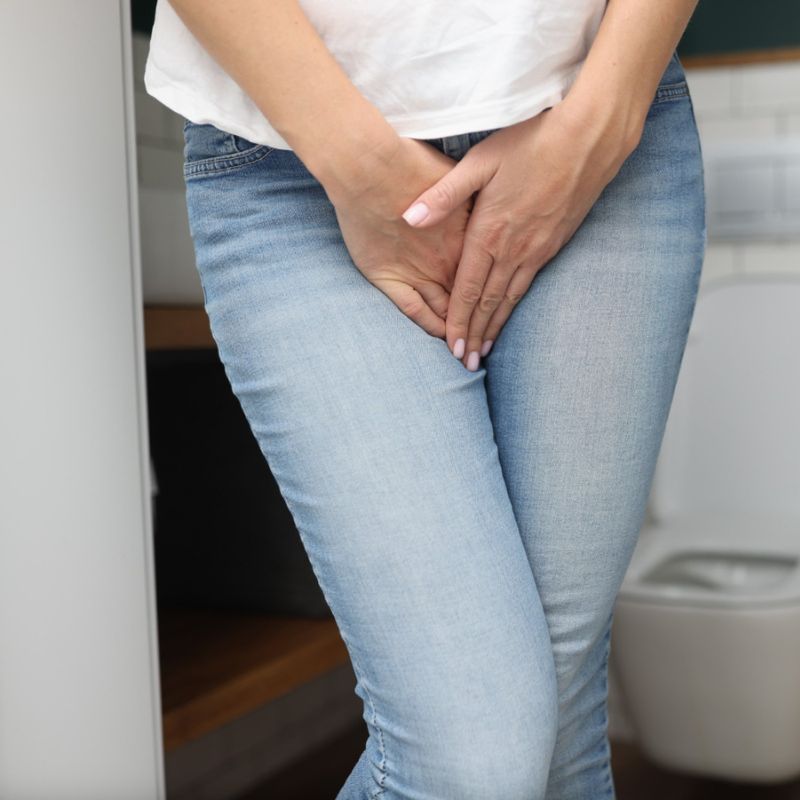
A key indicator of good vaginal health is the presence of a thin, clear, or pale yellow discharge with a mild odor. This natural discharge plays an essential role in lubricating the vagina, maintaining a healthy pH balance, and supporting beneficial bacteria.
However, when the balance of bacteria and vaginal pH is disrupted, vaginitis can develop. This common condition is often characterised by an overgrowth of a microorganism such as a bacteria, Candida, or virus, leading to a thicker, discharge, often accompanied by itching or burning.
Vaginitis refers to inflammation or infection of the vagina, a condition that arises when the delicate balance of the vaginal microbiome is disrupted. Normally, the vaginal microbiome is dominated by beneficial lactobacilli, which help maintain a slightly acidic pH to defend against harmful microbes.
However, when this natural balance is disturbed—due to factors such as infections, hormonal changes, or irritants—opportunistic pathogens can thrive, leading to symptoms of vaginitis, such as irritation, discomfort, and abnormal discharge.
One of the three prevalent kinds of vaginitis (together with trichomoniasis and vaginal yeast infection), bacterial vaginosis is arguably the most widespread of all vaginal illness, one of the most common vaginal infections in our clinic.
Vaginitis Symptoms
Vaginitis is a condition that involves inflammation or infection of the vagina, often extending to the vulva (vulvovaginitis). It is a common issue with symptoms that can vary depending on the underlying cause. Here’s a detailed breakdown of the symptoms and associated factors:
Common Symptoms of Vaginitis
The 3 Main Causes Of Vaginitis
Bacterial Vaginosis (BV)
Vaginal Yeast Infection (Vaginal Thrush)
Viral Infection (Genital Herpes)

Bacterial Vaginosis Is More Common Than Vaginal Yeast Infection
Many women assume that vaginal yeast infections are the most common type of vaginal infection (also called vaginitis), but the reality may surprise you. Research shows that bacterial vaginosis (BV) is actually more widespread among women of reproductive age. According to studies, vaginal infections affect an estimated 37.6% of women in this age group, with BV accounting for the largest share at 27.2%. (Abdul Aziz et al., 2019).
This means that while yeast infections are certainly a concern, BV deserves equal—if not greater—attention when it comes to understanding and addressing vaginal health. Unlike yeast infections, which often involve overgrowth of Candida albicans, BV occurs due to an imbalance in the natural bacteria of the vagina. Recognising the differences between these conditions is crucial for choosing the most effective treatment and restoring balance to the vaginal microbiome.
Bacterial Vaginosis Causes

Bacterial vaginosis (BV) is one of the most common vaginal infections, affecting millions of women globally. Despite its prevalence, BV remains a misunderstood condition with significant implications for vaginal, reproductive, and overall health (Kairys et al., 2024).
BV occurs when the natural balance of bacteria in the vagina, also known as the vaginal flora or more recently, vaginal microbiome, becomes disrupted. Normally, the vagina is home to a thriving population of beneficial bacteria, primarily Lactobacillus species, which help maintain a slightly acidic pH (Chen et al., 2021).
Healthy Vaginal Acidity Prevents Infection
This vaginal acidity prevents harmful organisms from overgrowing. However, when the beneficial Lactobacillus bacteria decrease, anaerobic bacteria—such as Gardnerella vaginalis—can proliferate, leading to bacterial vaginosis (Chacra et al., 2022).
Gardnerella vaginalis results in the vagina’s acidity becoming significantly more alkaline, leading to bacterial vaginosis, a form of vaginitis.
Poor hygienic practises, poor general health, the use of birth-control IUDs, and in particular the transmission of E. coli bacteria from the rectal area to the vagina as a result of poor hygienic practises or sex are all contributing factors to BV (World Health Organization 2024).
BV is also common among people who are pregnant. In this case, BV is most likely triggered by hormonal changes associated with pregnancy (Jayaram et al., 2020).
What Causes Bacterial Vaginosis
While the exact cause of BV remains elusive, several contributing factors have been identified. BV typically results from a reduction in hydrogen peroxide-producing Lactobacillus species and an overgrowth of opportunistic anaerobic bacteria like Gardnerella vaginalis.
Factors that can disrupt the balance of vaginal flora and increase the risk of BV include:
Interestingly, studies have shown that Gardnerella vaginalis can be present in up to 50% of women who have no symptoms, suggesting it may be part of normal vaginal flora for some women (Livengood 2009). However, in certain cases, changes in the vaginal environment can allow these bacteria to overgrow and cause BV.
Is Bacterial Vaginosis an STD?

Bacterial vaginosis (BV) is not considered a sexually transmitted disease (STD). Instead, it is a condition caused by an imbalance in the vaginal microbiome, where harmful bacteria, such as Gardnerella vaginalis, outgrow beneficial bacteria like Lactobacillus.
While BV is not transmitted through sexual activity, sexual behaviours can influence its occurrence. Factors like having multiple intimate partners, a new partner, or engaging in unprotected sex may increase the risk of developing BV, but the condition can also affect women who are not sexually active through other causes or triggers. BV is distinct from STDs because it stems from internal bacterial shifts rather than being caused by an infectious agent passed between individuals.
Key Points:
Bacterial Vaginosis Can Be Hard To Treat – Here’s Why…

Bacterial vaginosis (BV) is typically a mild infection, but if left untreated, it can lead to serious reproductive health issues, including miscarriage, premature birth, and early IVF failure. It is also a contributing factor to pelvic inflammatory disease. Additionally, BV often occurs alongside other vaginal dysbiosis conditions, such as vaginal yeast infections.
Bacteria linked to BV, such as Gardnerella vaginalis, often form biofilms, protective layers that make them harder to eliminate. These biofilms are structured communities of bacteria encased in a protective matrix that adheres to the vaginal epithelial cells.
This bacterial biofilm matrix provides a shield that makes bacteria more resistant to treatment, contributing to the persistence and recurrence of BV.
This could explain why 10% to 15% of BV cases don’t respond to initial antimicrobial treatments (Sousa et al., 2023). One author mentions that women often experience several episodes of B.V. recurrence (Bradshaw et al., 2016). It is also being reported that around 60% of women experience a new case of BV within a year after B.V. treatment (Bradshaw et al., 2006).
The high rates of recurrence raise the question of whether the currently used treatments are effective or nt. Even for those who do respond, recurrence rates are high, often requiring repeated courses of antibiotics.
The problem with repeated antibiotic use is that it:
This highlights the importance of addressing BV with a more holistic and sustainable approach to support long-term balance and health.
Biofilms Make Bacterial Vaginosis Difficult to Treat
The formation of biofilms by Gardnerella vaginalis and other BV-associated bacteria creates significant obstacles in eradicating the infection. Biofilms are known to:
What To Read Next

How Is Bacterial Vaginosis Diagnosed?
Diagnosing bacterial vaginosis (BV) requires a thorough evaluation by a healthcare provider. While the symptoms of BV, such as unusual discharge and a fishy odour, can be indicative, only a professional assessment can confirm the condition.
Early diagnosis is essential to effectively manage BV and prevent potential complications. Healthcare providers use a combination of methods to accurately identify BV.
The diagnostic process typically involves taking your medical history, doing a pelvic exam, including the collection of a sample of vaginal discharge. This will be sent to a laboratory for analysis and determination of what type of infection is occurring, leading to appropriate treatment recommendations.
Medical History
Your healthcare provider will begin by asking about your medical history, including:
Pelvic Examination
A pelvic exam allows the provider to physically assess the vaginal area for signs of infection. During the exam:
Collection of Vaginal Discharge
A speculum is gently inserted into the vagina to allow the provider to collect a sample of vaginal discharge using a swab. This sample is then sent to a lab for further analysis to identify specific bacteria such as Gardnerella vaginalis and pH levels.
Laboratory Tests for BV
The collected sample of vaginal fluid undergoes various diagnostic tests to confirm the presence of BV. These include:
Why Early Diagnosis Matters
Recognising and diagnosing BV early is vital for several reasons. Like any infection, the sooner you attend to it the less risk it will spread further. Here’s why earlier is better than later:
When to See a Healthcare Provider
If you notice symptoms such as unusual discharge, a strong fishy odor, or irritation, it’s crucial to consult a healthcare provider. BV can be effectively managed with the right diagnosis and treatment plan. Additionally, regular gynecological check-ups can help detect and address BV or other vaginal health concerns early.
By understanding the diagnostic process and seeking timely care, you can take control of your vaginal health and prevent potential complications associated with bacterial vaginosis.
Bacterial Vaginosis Treatments
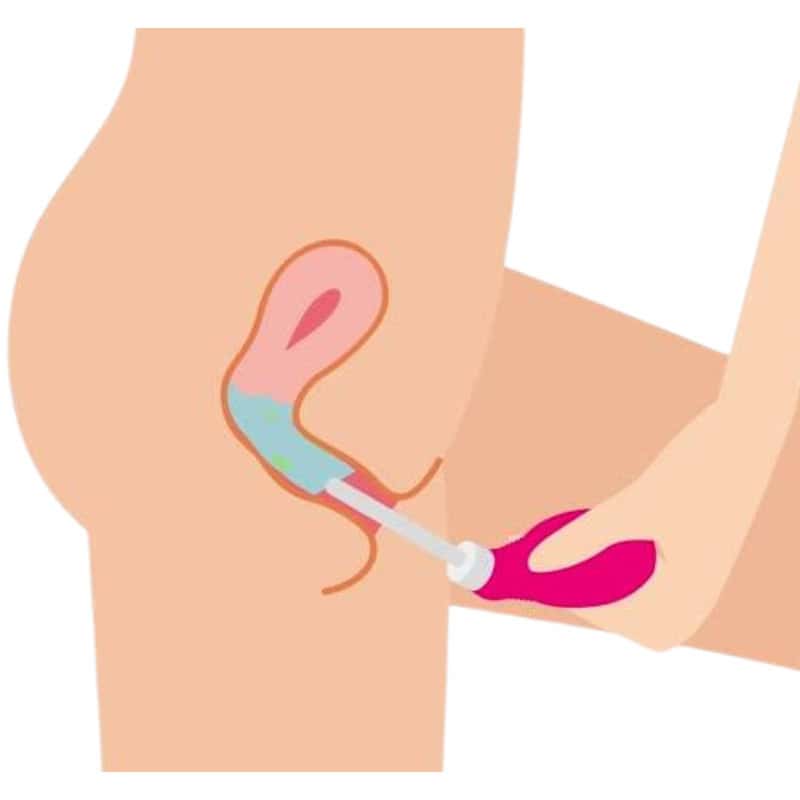
How To Treat Bacterial Vaginosis
Bacterial vaginosis (BV) can be effectively treated using a variety of approaches tailored to individual needs and preferences. Treatments aim not only to relieve symptoms but also to restore balance to the vaginal microbiome, reducing the risk of recurrence.
Pharmaceutical Treatments
Standard medical treatments for BV often involve antibiotics like metronidazole or clindamycin, available in oral and topical forms.
Oral antibiotics, such as metronidazole pills, are effective but may cause side effects in over 60% of users, including nausea, vomiting, or diarrhoea (Ayindy et al., 2023).
For a gentler alternative, topical treatments like metronidazole or clindamycin gels are applied locally, targeting the infection with fewer systemic side effects. However, concerns about antibiotic resistance and frequent recurrence have prompted many women to consider complementary therapies.

The Role of Natural Medicine
Natural remedies and lifestyle changes can also support BV management. Probiotics, particularly those containing Lactobacillus strains, are highly recommended to restore healthy vaginal flora. Many women find relief with natural options like tea tree oil suppositories or boric acid capsules, which are often just as effective for BV as they are for yeast infections.
You can find detailed guidance on vaginal cleansing and the best home remedies in our Yeast Infection Treatment Program, which also addresses BV treatments. In addition to natural remedies, preventative measures such as maintaining good hygiene, avoiding douches and harsh soaps, and wearing breathable cotton underwear can help reduce the risk of imbalance. Whether you choose pharmaceutical treatments, natural options, or a combination, it’s a good idea if in any doubt to see a healthcare provider to determine the best solution for your unique needs.
Let’s now dive deeper into the available treatment options and find the approach that works best for
Bacterial Vaginosis Medication
Let’s look at different treatment approaches for bacterial vaginosis, both pharmaceutical/medical, as well as natural. One of the most common treatments of BV is taking antibiotic medications, both oral antibiotics as well as applying creams of gels vaginally.
Oral Antibiotics for Bacterial Vaginosis
Taking metronidazole (Flagyl) 500 mg tabletss twice a day for 7 days is one of the most common BV treatments. Metronidazole is an effective antibiotic to treat BV, but some people have a recurrence.
Using metronidazole tablets as bacterial vaginosis medication does come with an increased risk of side effects, though. So some may choose to use another treatment option.
Metronidazole Oral Antibiotics For BV
One of the most common treatments for bacterial vaginosis is taking Metronidazole (Flagyl) 500 mg tablets twice daily for seven-days.
Metronidazole is an effective antibiotic for BV, but it’s important to note that people may experience a recurrence of symptoms after treatment. Additionally, oral antibiotics like metronidazole carry a high risk of side effects which more than half of people who take it, which might prompt some people to explore alternative treatment options.

Side-Effects In More Than Half
A study of 155 women found that 64% experienced at least one side effect from metronidazole, with 47% reporting gastrointestinal issues such as nausea, vomiting, abdominal pain, or diarrhoea, mostly occurring within the first three days of treatment and resolving within five days. Despite these side effects, only 8% discontinued treatment, and adverse effects were the reason in just 3%.
Overall, metronidazole side effects were common but short-lived (Ayindy et al., 2023).
I am not against the use of Flagyl, I’ve prescribed it myself years ago when I worked in a medical clinic. It is very effective when used most carefully, particularly against Blastocystis hominis infections. The issue I had was that the side-effects were quite apparent with some people, in some cases, they were quite bad. It’s one of the main reasons I looked at natural antifungal and antibacterial medicines with no side effects and no recurrence of symptoms.
Bacterial Vaginosis Treatment Precautions

If you’re prescribed metronidazole, it’s crucial to avoid consuming alcohol during treatment and for at least three days after completing the course, as combining the two can cause severe nausea, vomiting, and other adverse reactions.
The FDA recommends this waiting period, but if you’re on any other medications, it’s wise to consult your healthcare provider for personalised advice. Depending on your specific health and medication regimen, you may need to extend the timeframe before safely consuming alcohol.
Although widely used, metronidazole has been associated with neurotoxicity and genotoxicity. Genotoxicity is the ability of drugs or chemicals to damage the genetic information within a cell resulting in genetic mutations, which may lead to malignancies (Ceruelos et al., 2019). It is thought that the active metabolite interferes with DNA synthesis.
Subsequently, the study’s author states that further studies are needed to discover the secure use of metronidazole and describe new usages for this drug.

Metronidazole 0.75% Cream for BV
A common treatment for BV involves applying antibiotics directly into the vagina. Metronidazole vaginal cream or gel is a commonly recommended option and is considered a first-line treatment. This gel is typically applied once daily for five days, delivering the medication directly to the affected area.
It causes fewer side effects compared to oral antibiotic pills, making it a preferred choice for those who may experience digestive discomfort or other issues with antibiotics. Localised treatment can be both convenient and effective in resolving BV symptoms, but the potential for side effects is still present.
Oral metronidazole is more effective short-term for recurrent BV, but women often prioritise ease of use and avoiding antibiotics. Current treatments have limited success, highlighting the need for research into non-antibiotic options and better management strategies (Ross et al., 2023).
Precautions with Clindamycin Vaginal Treatment
If your treatment involves using clindamycin cream vaginally, there’s another precaution to keep in mind. Clindamycin can weaken latex condoms, increasing the risk of breakage during use. For this reason, it’s important to consider alternative protective measures or consult your healthcare provider for guidance if using condoms is necessary during your treatment.
Being aware of these precautions can help you avoid complications and ensure that your bacterial vaginosis treatment is both effective and safe. Always consult a healthcare professional to discuss the best approach based on your individual needs and medical history.
Can You Get Rid Of Bacterial Vaginosis Without Antibiotics?

Yes, it’s possible to address bacterial vaginosis without antibiotics, especially if your symptoms are mild. According to the American College of Obstetricians and Gynecologists (ACOG), practicing good hygiene can promote healing and help prevent future episodes.
Key recommendations include:
However, if your symptoms persist despite these measures, it’s important to seek medical care. Untreated BV can increase the risk of complications, including pelvic inflammatory disease (PID), sexually transmitted infections (STIs), and pregnancy-related issues.
How To Treat Bacterial Vaginosis Naturally

How Your Diet Influences Bacterial Vaginosis
While bacterial vaginosis (BV) is often discussed in terms of symptoms and treatment, the role of diet and nutrition in BV as medicine is rarely given the attention it deserves.
Surprisingly, there isn’t much reliable information online about the best foods to eat when managing BV. If you are having any issues with establishing specific BV food triggers or causes, you may like to check if you have any food allergies (clinical observation in some chronic cases).
However, the insights I’m about to share are grounded in years of clinical experience and are now increasingly supported by scientific research. The following dietary recommendations have consistently proven effective in my naturopathic practice, and it’s encouraging to see them gaining recognition in the broader scientific community.
The Link Between Diet and BV
A landmark study in 2007 was the first to explore the relationship between bacterial vaginosis (BV) and nutritional intake. The findings revealed that women with higher intakes of folate, vitamin E, and calcium had a significantly reduced risk of severe BV. These nutrients are believed to enhance immune function, reduce oxidative stress, and support the growth of beneficial vaginal bacteria, such as Lactobacillus.
The study also demonstrated a strong link between dietary fat consumption and BV risk. After accounting for demographic and behavioural factors, women with the highest intakes of total fat, saturated fat, and monounsaturated fat were found to have more than double the risk of severe BV compared to those with the lowest fat intakes. Conversely, those with higher levels of folic acid, vitamin E, and calcium experienced a significantly lower risk of developing BV. These findings highlight the importance of a nutrient-rich, balanced diet in promoting vaginal health and reducing the risk of BV. (Neggers et al., 2007)
Scientific research has highlighted the connection between dietary patterns and BV risk. Diets high in unhealthy (bad) fats and ultra-processed foods are linked to increased BV prevalence, while nutrient-rich diets may offer protective effects.
Here’s what the research says:
Best Foods for Managing Bacterial Vaginosis
The best diet aimed at preventing or managing BV should focus on nutrient-dense, anti-inflammatory, prebiotic, and fermented foods that support a healthy gut and vaginal microbiome. These include:
Poor Dietary Patterns Linked to Bacterial Vaginosis
Unhealthy dietary habits are significant risk factors for bacterial vaginosis. Diets high in processed foods, refined carbohydrates, and sugar—known for their high glycemic load—are particularly associated with an increased risk of BV.
Key Insights
Certain foods may exacerbate BV or disrupt the vaginal microbiome:
The Food Take-Away
To prevent or manage bacterial vaginosis effectively, follow these dietary strategies:

Bacterial Vaginosis Diet For Chronic Sufferers
Best Foods to Prevent and Manage Bacterial Vaginosis
Diet plays a significant role in influencing vaginal health by supporting beneficial bacteria like Lactobacillus while suppressing harmful ones, such as Gardnerella vaginalis. A well-planned diet can reduce inflammation, balance the microbiome, and lower the risk of recurrent BV.
To improve vaginal health and prevent chronic BV, focus on a diet rich in fibre, antioxidants, and prebiotics (fruits, vegetables, yogurt, sauerkraut) while avoiding foods that promote inflammation (take-away foods, sweet or fatty foods) or powerfully disturb the microbiome (alcohol, sugar). High-fibre diets support beneficial bacteria, while diets high in saturated fat and processed foods have been associated with increased BV risk. Here is a simple Yes and No list of the best and worst food choices:
Foods To Eat
Foods To Avoid
Bacterial Vaginosis and Calendula Cream and Douche

Bacterial Vaginosis and Calendula
Calendula cream and calendula douche are highly effective for the treatment and recovery of B.V. We recommend using both a cream containing calendula as well as a douche containing calendula.
Studies have found that Calendla officinalis (an herb is effective for the treatment of in r bacterial vaginosis in reproductive-aged women without any side effects. The use of this herb could be recommended in women who are uncomfortable with the potential side effects of conventional pharmaceuticals. (Pazhohideh et al., 2018).
Calendula is unparalleled in its ability to heal skin and combat bacterial and fungal infections. It is particularly beneficial for women recovering from vaginal trauma, such as childbirth, episiotomies, or vaginal tears, but also really good for B.V. and vaginal yeast infections.
Calendula’s powerful properties not only soothe irritation but also promote rapid tissue repair and regeneration, making it ideal for lingering issues caused by trauma or bacterial infections.
Why Calendula is So Effective
Calendula (Calendula officinalis) is a potent herbal remedy known for its antifungal, anti-inflammatory, and skin-regenerating properties.
It helps combat yeast and bacterial imbalances while supporting the repair of delicate vaginal tissues.
Benefits of using Calendula Cream for Vaginal Healing
How to Use the Calendula Douche
The calendula douche method is different from using Calendula cream, because a herbal tincture made from Calendula officinalis will first need to be obtained from a health-food store or through an online outlet.
Ingredients:
Method:
Integrating calendula into your vaginal care routine provides a natural and effective way to support healing, fight B.V., and restore balance to the vaginal microbiota.

How To Prevent Bacterial Vaginosis
Preventive measures are key to reducing the risk of BV and avoiding recurrence.
Consider these strategies:
Yeast Infection Treatment Program
The 4-Steps to Vaginal and Gut Cleansing and Balancing
The 4-step yeast infection treatment protocol integrates the latest scientific insights and decades of clinical experience, offering a practical and highly effective alternative to standard pharmaceutical treatments. Not only have the methods we recommend been scientifically-validated to perform as well, if not better, than drug-based interventions, and clinically-validated over more than 30 years, they also provide long-term relief by addressing the root cause of vaginal yeast infections. The following program is suitable for individuals with vaginal yeast infection or bacterial vaginosis (BV).
Each stage is vital, but Stage 4 is where the real transformation happens. This is where you shift from managing infections to building a healthy foundation for lasting gut and vaginal health.
Please share your thoughts or experiences in the comments below—we’d love to hear how our program may be helping you on your journey to great heath!

Ultimate Candida Cleanse System
Beat Candida naturally with the complete, science-based system created by naturopath Eric Bakker, N.D. This all-in-one package gives you two downloadable guidebooks plus the Yeastrix Gut Restore Kit — three targeted professional formulas that work together to reset your gut, restore balance, and rebuild healthy digestion.
You get a structured, step-by-step program, professional clinical guidance, and supplements designed to support each stage of recovery. No guesswork. No confusing protocols. Just a clear roadmap and the right tools to help you finally reduce symptoms, rebalance your microbiome, and feel like yourself again. The Ultimate Candida Cleanse System is everything you need to make real progress — naturally, safely, and effectively.

Eric Bakker N.D.
Greetings! I am a naturopathic physician from New Zealand. Although I’ve retired from clinical practice since 2019 after 34 years of clinic. I remain passionate about helping people improve their lives. You’ll find I’m active online with a focus on natural health and wellbeing education through my Facebook page, Reddit page and YouTube channel, including this website.


