
Your Guide to Mycotoxin Testing
Mycotoxin exposure is a hidden health threat—and too often overlooked. If you’ve been feeling off without a clear diagnosis, a mycotoxin test could help uncover the root cause. In this article, I’ll walk you through exactly what you need to know about mycotoxin testing, how to do it properly, how to interpret your results, and what steps to take next.
What Is a Mycotoxin Test?
A mycotoxin test detects the presence of toxic chemicals produced by mold—called mycotoxins—in the body or environment. These toxins, often found in water-damaged buildings and contaminated food, are invisible but potent. Even low-level, chronic exposure may lead to fatigue, immune dysfunction, brain fog, hormone disruption, or chronic illness.
The mycotoxin urine test is the most common method, where your urine is analyzed for fungal metabolites. These tests help identify toxins like aflatoxin, ochratoxin A, zearalenone, T-2 toxin, and trichothecenes.
Article of Interest: Mycotoxins
Why You Might Need a Mycotoxin Test
You may benefit from mycotoxin testing if you:
Types of Mycotoxin Tests
Here’s a breakdown of the most relevant test types:
1. Urine Mycotoxin Test
The go-to clinical option. Labs like RealTime Labs and Vibrant Wellness offer urine mycotoxin testing panels that screen for multiple toxins.
- RealTime Labs uses ELISA to test for 16+ toxins. RealTime Labs
- Vibrant Wellness uses LC-MS/MS for high-precision detection. Vibrant Wellness
2. ELISA Mycotoxin Kits
For food, grain, and environmental screening. These kits are rapid, accurate, and scalable.
- Example: R-Biopharm RIDASCREEN ELISA kits
3. Lateral Flow Devices (LFDs)
Rapid strip tests, often used in the agricultural sector for mycotoxin detection in grains.
4. LC-MS/MS Chromatography
Gold standard for confirmatory testing. Offers highly sensitive quantification.
- Learn more: FDA Mycotoxin Testing Methods
The Mycotoxin Testing Process
Here’s how a mycotoxins test generally works:
What Your Results Mean
Choosing the Right Mycotoxin Test
Key criteria:
- CLIA-certified lab (e.g., RealTime, Vibrant)
- Broad toxin panel
- Validated methods (ELISA or LC-MS/MS)
- Professional interpretation
5 Key Mycotoxin Research Studies
- CDC on Unvalidated Mycotoxin Tests – Caution with non-FDA-approved tests: https://www.cdc.gov/nceh/mold/mycotoxins/faqs.htm
- Ochratoxin & Kidney Damage – Risk of nephrotoxicity: https://www.ncbi.nlm.nih.gov/pmc/articles/PMC8702615/
- Aflatoxin & Liver Cancer – Impact of contaminated grains: https://www.ncbi.nlm.nih.gov/pmc/articles/PMC7287314/
- Urinary Mycotoxins in Humans – Prevalence and methods: https://www.sciencedirect.com/science/article/pii/S0160412021001245
- Mycotoxins in Food: A Global Threat – WHO and FAO report: https://www.fao.org/3/y5499e/y5499e00.htm
Key Take-Aways
Final Thoughts
If you suspect mold exposure or feel unwell without clear answers, don’t ignore it. A well-selected mycotoxin test could be the key that unlocks your health puzzle. Work with a qualified practitioner, choose your tests carefully, and act on your results.
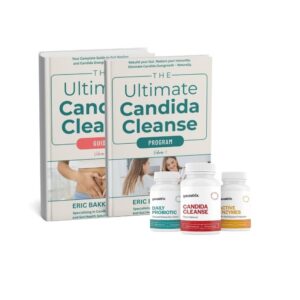
Ultimate Candida Cleanse System
Beat Candida naturally with the complete, science-based system created by naturopath Eric Bakker, N.D. This all-in-one package gives you two downloadable guidebooks plus the Yeastrix Gut Restore Kit — three targeted professional formulas that work together to reset your gut, restore balance, and rebuild healthy digestion.
You get a structured, step-by-step program, professional clinical guidance, and supplements designed to support each stage of recovery. No guesswork. No confusing protocols. Just a clear roadmap and the right tools to help you finally reduce symptoms, rebalance your microbiome, and feel like yourself again. The Ultimate Candida Cleanse System is everything you need to make real progress — naturally, safely, and effectively.
Eric Bakker N.D.
Greetings! I am a naturopathic physician from New Zealand. Although I’ve retired from clinical practice since 2019 after 34 years of clinic. I remain passionate about helping people improve their lives. You’ll find I’m active online with a focus on natural health and wellbeing education through my Facebook page, Reddit page and YouTube channel, including this website.