

What Is A Yeast Infection?
A yeast infection is also known as Candidiasis, is caused by an excess of Candida yeast, with Candida albicans being the yeast of primary cause. Although yeast infections can appear in different areas of the body, they commonly impact women’s vaginal area. Men and children can also develop these infections, which cause discomfort and necessitate proper treatment.
Vaginal Yeast infection

Vaginal yeast infection occurs when there is an excessive growth of the Candida yeast, typically Candida albicans, in the vaginal area. Many women may experience this common fungal infection at some stage in their lives, causing discomfort and disruption.
Although vaginal yeast infection mainly impacts women, men can also show symptoms if they contract a penile yeast infection from an infected partner during sexual contact.
Vaginal yeast infections are more commonly experienced by women than any other genital yeast infection (NIH). This page on vaginal yeast infection is comprehensive and has links to many other prominent pages
Treating a vaginal yeast infection can relieve symptoms within a few days. In more severe cases, it may take longer and be recurring. If you are interested in learning more about the natural treatment of vaginal yeast infections just click on the link. If you want to know the most common causes, click here:
Article Of Interest: 12 common causes of vaginal yeast infections.
Vaginal Yeast Infection Symptoms
Vaginal yeast infection symptoms are easily noticeable and may include:
Male Yeast Infection

Yeast infections can also affect men, often due to sexual contact with an infected partner, but it is not considered a sexually transmitted infection.
Men may experience jock itch, or symptoms such as redness, itching, and a rash on the penis, along with discomfort during urination or intercourse.
The usual treatment for men involves applying antifungal creams to the affected area. Men can prevent yeast infections by practicing good hygiene, keeping the genital area dry, and wearing loose-fitting, breathable clothing.
Article Of Interest: Men’s Yeast Infections
Yeast infections can affect children too, often presenting as diaper rash or oral thrush. Yeast-induced diaper rash in babies presents as red, swollen skin with tiny bumps. Regular diaper changes, proper hygiene, and anti-fungal creams can treat and prevent these infections. Healthcare providers may prescribe anti-fungal medications to treat oral thrush in children.
Effective prevention and treatment of yeast infections require understanding their symptoms in men, women, and children. Maintaining good hygiene, managing underlying health conditions, and seeking timely medical intervention are crucial for managing and preventing the discomfort and complications of yeast infections. This webpage is all about yeast infection, including yeast infection symptoms, causes, and treatments.
Candida Species

Although Candida albicans is the most frequent cause of yeast infection, infections can also be brought on by other yeast species. Studies involving the collection of 1,000 samples in a hospital found Candida glabrata to be the second most-commonly isolated Candida species, followed by Candida tropicalis and Candida parapsilosis. (Husni et al., 2023)
Candida glabrata is well-known for having a higher tolerance to standard anti-fungal medications like fluconazole. This species can produce infections that need stronger or different antifungal drugs.
Non-albicans species may not respond as well to the standard anti-fungal drugs used to treat Candida albicans infections. Non-albicans Candida species are capable of producing more persistent and serious fungal infections requiring other treatments. (Gómez-Gaviria et al., 2022)
Yeast Infection Symptoms
There are many kinds of symptoms that people may experience with a yeast infection, but here are the most commonly experienced symptoms:
Vaginal Yeast Infection Symptoms
Male Yeast Infection Symptoms
Key Article Of Interest: 12 Most Common Candida Symptoms
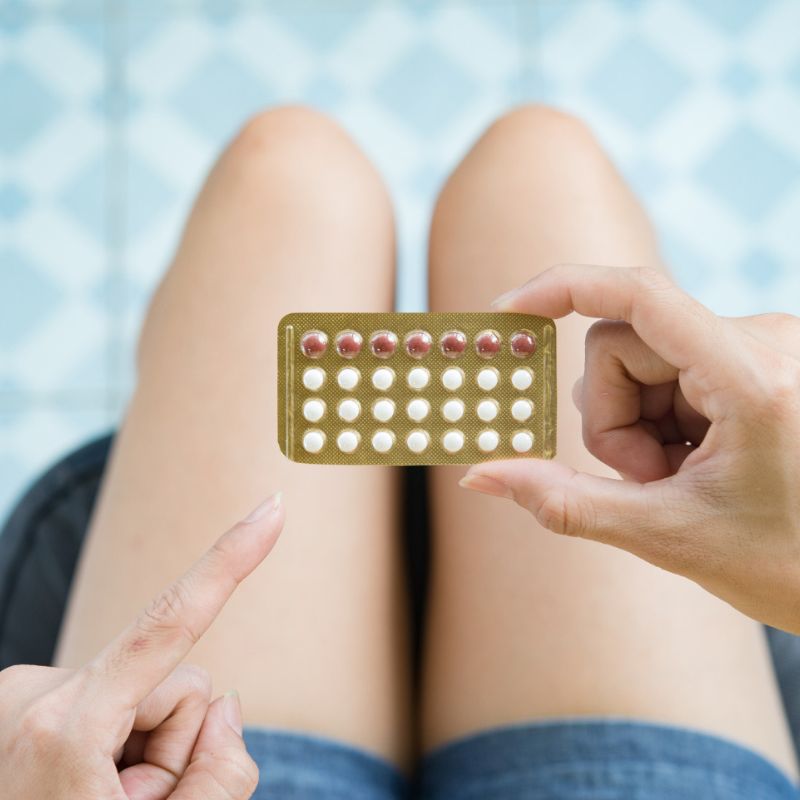
How to Recognise the Female Candida Patient
Identifying a female patient with Candida overgrowth requires a thorough case history and a keen eye for patterns in symptoms and lifestyle factors. Here is a logical breakdown of signs, symptoms, and associated factors to consider:
Medical History
Vaginal Symptoms
Hormonal and Reproductive Health
Dietary Habits and Food Cravings
Lifestyle and Supplement Use
Other Symptoms and Indicators
By piecing together these factors, practitioners can better identify and support women struggling with Candida overgrowth and related health challenges.
Yeast Infection Discharge
One of the most common signs and symptoms of candidiasis is the discharge from yeast infection. Usually thick and white in substance, a yeast infection typically does not produce a strong-smelling discharge, in contrast to other types of vaginal infections such as bacterial vaginosis.
Yeast infection discharge frequently co-exists with additional symptoms such as severe burning, stinging, and irritation in the vaginal region.
Because bacterial vaginosis and sexually transmitted diseases frequently create different forms of discharge, it might be helpful to distinguish a yeast infection from other disorders based on this characteristic discharge.
Articles Of Interest

Yeast Infection Treatment
Our clinic has seen many women over time who have wanted to get rid of their vaginal yeast infection permanently. Some will have been to their doctor and had temporary results, others will have no satisfaction and suffer with recurring yeast infections and try all kinds of cleansing treatments. This page has been made to help those seeking self-help. The Yeast Infection Treatment Program is also outlined below.
There are many solutions and different treatment approaches you can take to quickly get rid of female yeast infections. If you want to get rid of your vaginal yeast infection on a more permanent basis however, it’s important to follow the Ultimate Candida Cleansing Program, it’s all explained in this website.
Most yeast infections are easy to treat at home, and you won’t need to get any antifungal medicine or cream from the doctor. I’ll describe the programme and give you all the instructions you need below, this is a problem you should be easily able to fix yourself.
Yeast Infection Treatment Program
The 4-Steps to Vaginal and Gut Cleansing and Balancing
The 4-step yeast infection treatment protocol integrates the latest scientific insights and decades of clinical experience, offering a practical and highly effective alternative to standard pharmaceutical treatments. Not only have the methods we recommend been scientifically-validated to perform as well, if not better, than drug-based interventions, and clinically-validated over more than 30 years, they also provide long-term relief by addressing the root cause of vaginal yeast infections. The following program is suitable for individuals with vaginal yeast infection or bacterial vaginosis (BV).
Each stage is vital, but Stage 4 is where the real transformation happens. This is where you shift from managing infections to building a healthy foundation for lasting gut and vaginal health.
Please share your thoughts or experiences in the comments below—we’d love to hear how our program may be helping you on your journey to great heath!
Women’s Yeast Infections
A vaginal Candida yeast infection was once called as having leucorrhoea, a discharge, in nineteenth-century medical texts on diseases of women.
Leucorrhoea was once seen as a symptom, rather than an infectious disease caused by a yeast called Candida albicans. When a woman experienced discharge, it was a symptom indicative of some kind of generalised illness, ranging from a case of tuberculosis right through to hysteria.
In 1931, three obstetricians and gynaecologists (Dr. Everett Plass, Dr. Henry Hesseltine and Dr. Irving Borts), obstetricians and gynaecologists from Iowafrom Iowa, USA, first discovered the connection between leucorrhoea and a fungal infection. They called it monilial vulvovaginitis. (Hurley 1977)
If local treatment for leucorrhoea was advised in the nineteenth century, it typically involved the use of “mild” antiseptics or anti-inflammatories like silver nitrate, boric acid, permanganate of potash, or mercury. (Homei 2013)
This was because there was most always the belief that any discharge may prove to be a sexually transmitted disease, so prevalent at the time. The discharge could represent localised issues with the ovaries, fallopian tubes, uterus, cervix, or vagina, even the brain and nervous system, all of which could be linked and commonly were, to sexually-transmitted disease, mainly gonorrhoea, and syphilis.
Today we know that leukorrhea, an unhealthy vaginal discharge, is usually caused by being infected with Candida albicans, or trichomonas vaginalis, a protozoan parasite, and not likely to be gonorrhoea, or syphilis.
Key Articles About Women’s Yeast Infections
Instead of creating one very long artocle about women’s yeast infectuions, I thought it more prudent to create a series of articles. Let me know in the comments below if you have any feedback.

Ultimate Candida Cleanse System
Beat Candida naturally with the complete, science-based system created by naturopath Eric Bakker, N.D. This all-in-one package gives you two downloadable guidebooks plus the Yeastrix Gut Restore Kit — three targeted professional formulas that work together to reset your gut, restore balance, and rebuild healthy digestion.
You get a structured, step-by-step program, professional clinical guidance, and supplements designed to support each stage of recovery. No guesswork. No confusing protocols. Just a clear roadmap and the right tools to help you finally reduce symptoms, rebalance your microbiome, and feel like yourself again. The Ultimate Candida Cleanse System is everything you need to make real progress — naturally, safely, and effectively.

Eric Bakker N.D.
Greetings! I am a naturopathic physician from New Zealand. Although I’ve retired from clinical practice since 2019 after 34 years of clinic. I remain passionate about helping people improve their lives. You’ll find I’m active online with a focus on natural health and wellbeing education through my Facebook page, Reddit page and YouTube channel, including this website.


