Candida Krusei
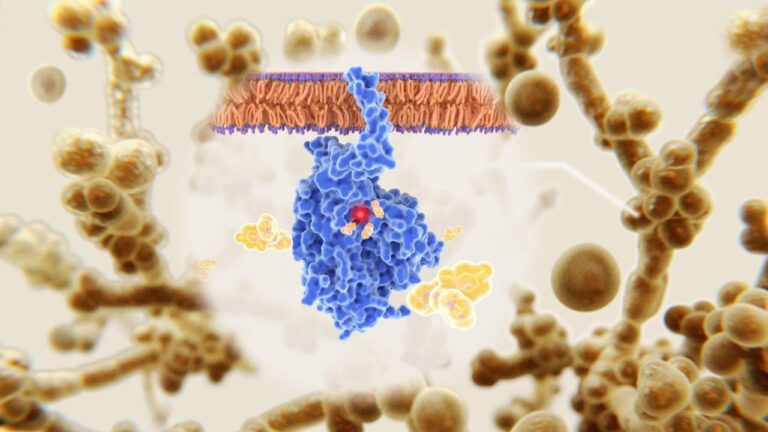
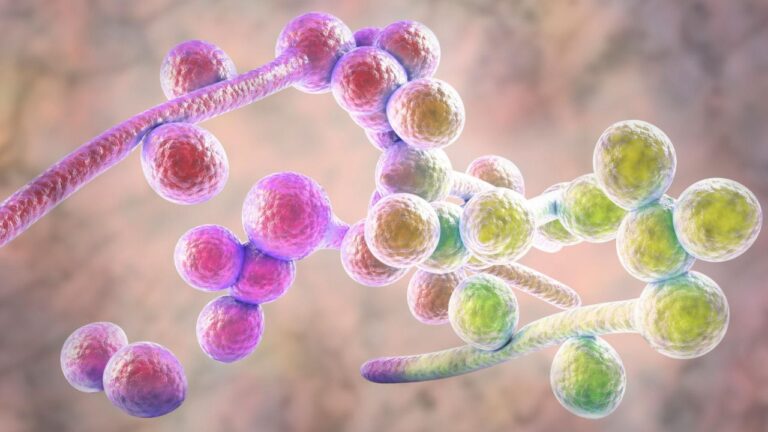
Candida krusei is an infrequent cause of fungal infection and accounts for only 3 to 4% of fungal infections. Candida krusei is naturally resistant to the widely-used pharmaceutical fluconazole
Candida in the mouth, also known as oral thrush, is a common fungal infection caused by the overgrowth of Candida yeast. This condition can lead to white patches on the tongue, inner cheeks, and roof of the mouth, often accompanied by redness and discomfort.
Ulcerative colitis, an autoimmune disease, inflames the colon, leading to symptoms like persistent or intermittent diarrhea, weight loss, abdominal cramping, weakness, anemia, and blood or pus in bowel motions. Inflammation can be managed with dietary and lifestyle adjustments.
Aldehydes, toxic byproducts of sugar fermentation, exacerbate Candida overgrowth, leading to a host of health issues. Candida’s metabolic processes release acetaldehyde, intensifying symptoms akin to a persistent hangover. Addressing Candida overgrowth and minimising aldehyde exposure are vital for restoring balance and alleviating associated discomfort, highlighting the intricate interplay between these two factors in health and wellness.
Fungi are incredibly diverse, with over a hundred species known to cause toxicity. Of these, more than 300 compounds are recognized as mycotoxins—toxic chemical substances produced specifically by molds and yeasts.
Certain diet and lifestyle choices unknowingly fuel Candida overgrowth and keep yeast infections recurring for years. These “Candida symptom maintainers” create an environment where the infection persists, making full recovery difficult. Discover the key factors that keep yeast infection symptoms ongoing.
The 7 Main Root Causes of Candida Yeast Infections Explained Naturally Many potential causes can lead to Candida overgrowth, including a high-sugar diet, antibiotics,…
Irritable Bowel Syndrome (IBS) is one of the most common gastrointestinal disorders, affecting up to 10% of the population. However, less than half of those affected receive an official diagnosis. IBS is characterised by recurring abdominal pain, discomfort, and changes in bowel habits, making it a challenging condition to manage.
Understanding Unique Traits of Candida Albicans Fungi possess a fascinating array of characteristics that set them apart from other living organisms. Candida albicans, a…
Understanding Candida and its biofilm formation is important for managing yeast infections most effectively. Candida albicans, a naturally occurring fungus, can become problematic when it overgrows, forming protective biofilms that shield it from treatments.
Let’s break down the four stages of Candida biofilm development in easy-to-follow terms, so you can grasp what this clever yeast does and why it matters for your health.