

What Is Colitis?
Ulcerative colitis (UC), often referred to simply as colitis, is a type of inflammatory bowel disease (IBD), a chronic condition characterised by inflammation within the gastrointestinal (GI) tract. UC and Crohn’s disease are the two primary forms of IBD.
In UC, the inflammation is specifically confined to the innermost lining (the mucosa) of the colon and rectum. This inflammation leads to the formation of ulcers, which can cause symptoms such as abdominal pain, diarrhea, rectal bleeding, and an urgent need to defecate, sometimes as frequently as 3 to 4 times daily.
While ulcerative colitis is restricted to the large intestine (the colon), Crohn’s disease can affect any part of the digestive tract, with the terminal ileum and the beginning of the colon being the most commonly affected areas. Inflammation in Crohn’s disease can extend through the entire thickness of the intestinal wall, leading to complications such as narrowing, abnormal connections (fistulas), and abscesses.
Both ulcerative colitis and Crohn’s disease are chronic conditions characterized by cycles of active disease (known as flare-ups) and periods of remission. Although the exact cause of IBD remains unclear, researchers believe it arises from a combination of genetic predisposition, environmental influences, and immune system dysfunction.
The primary goals of IBD treatment are to manage inflammation, alleviate symptoms, and achieve long-term remission. This is typically accomplished through a combination of medication, dietary modifications, lifestyle changes, and, in some cases, surgery.
Ulcerative Colitis
The incidence of ulcerative colitis (UC) has seen a significant rise in recent years. In the late 1980s, I encountered a case every two to three months. However, by the time I retired in 2019, I was seeing nearly one case every fortnight. This raises the question: Are more colitis patients turning to natural medicine, or has the prevalence of the condition genuinely increased?
UC is a bowel disease in which an autoimmune response inflames the lining of the colon. This inflammation can result in the formation of raw sores, or ulcers, leading to pain and bloody diarrhea. UC can develop at any age, though it commonly first appears in a person’s early twenties. For many, UC is a lifelong condition that comes and goes.
Patients who experience frequent flare-ups (those with UC will understand what I mean) often see significant improvements by adhering to a few simple guidelines, which we will discuss shortly.
Some UC patients I’ve seen over the years remain relatively stable, experiencing only occasional flare-ups during particularly stressful periods. For example, a sheep farmer I treated a few years ago would experience a flare-up annually during the intense shearing season. Similarly, an accountant I know struggles with major bowel issues around tax time.
It’s common for stress to trigger a flare-up of an autoimmune condition like UC. This is because stress depletes cortisol, an adrenal hormone crucial for reducing the body’s natural inflammatory response.
Ulcerative Colitis Symptoms
Ulcerative colitis can manifest with a wide range of symptoms. Abdominal pain, bloody diarrhea, and stools containing pus or mucus are common, especially during a flare-up, which can range from mild to severe. Typically, diarrhea occurs three to four times daily, but during a flare-up, it can become much more frequent, with ten or more trips to the bathroom significantly disrupting a person’s quality of life.

Abdominal Pains and Gut Symptoms
Abdominal pain can range from mild tenderness to severe cramping. The presence of blood in the stool may indicate the severity of the condition. Those with colitis are often accustomed to frequent bathroom visits, particularly in the early morning hours.
Most Common Ulcerative Colitis Symptoms
Ulcerative Colitis Ulcers
Ulcers typically form in the inner lining of the colon which cause the abdominal pains, later these pains can be more severe and increase in intensity.
- Pain Area: in the abdomen, joints, or rectum area.
- Pain Type: Pains are often intermittent in the abdomen, cutting, stabbing, cramping, sharp or shooting pains can occur.
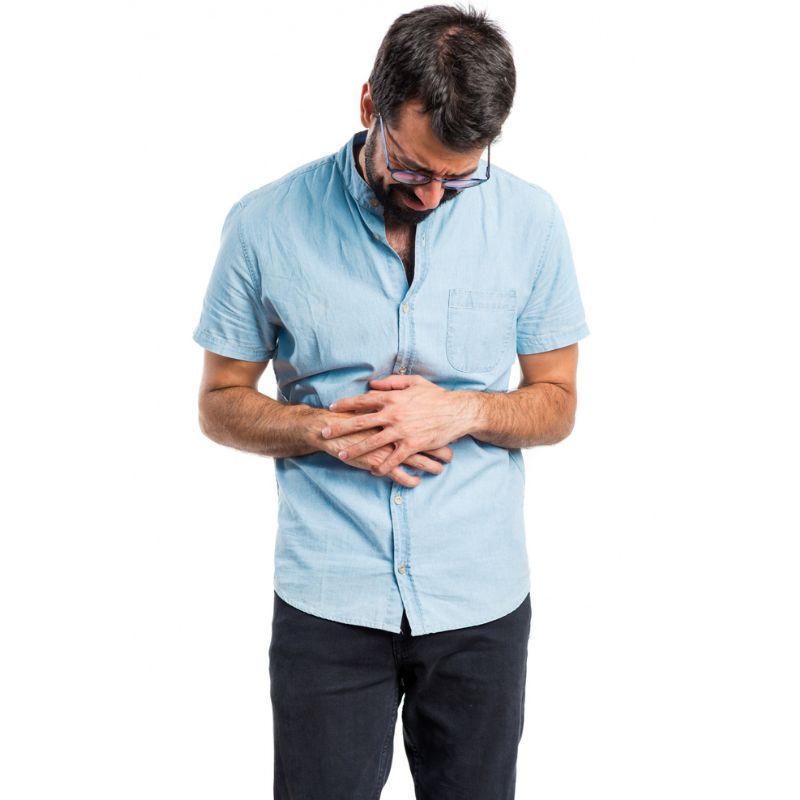
Acute Bowel Flare-Up
Most people who develop colitis experience periods of flare-ups, from which they eventually recover. While some individuals heal quickly, others may take much longer for their bowel to restore itself.
Doctors often advise that these “bowel attacks” can be controlled through medication and dietary adjustments. However, for about one in four people with UC, surgery may become necessary at some point.

Stress Makes Colitis Worse
If those with ulcerative colitis could better understand the connection between their stress levels, immune system, diet, and lifestyle, they would be more likely to achieve better clinical outcomes and experience fewer flare-ups.
Recent studies have shown that psychological stress accelerates the progression of IBD by disrupting the gut-brain-immune system regulatory network, affecting intestinal mucosal immunity, and disturbing gut microbiome balance (Ge et al., 2022).
Rather than relying on long-term medication to prevent flare-ups, it makes more sense to identify and address the sources of stress in our lives. Consider your lifestyle—have you been living in a state of low-grade stress?
For some, this might mean a high mortgage or a troubled personal relationship. For others, it could be a lingering low-grade infection, such as one caused by a root canal or a dead tooth.
What Causes Colitis?
Ulcerative colitis is caused by any number of potential causes that are still largely unknown. What is believed is that ulcerative colitis is caused by one or several of the following factors:
According to one researcher, ulcerative colitis is caused by a combination of a viral or bacterial infection in the colon and the body’s immunological response to it (Silva et al., 2016).
Other research has found growing evidence linking food allergens to IBD highlights the importance of personalised dietary management. (Capobianco et al., 2024)
In healthy individuals, the immune system’s cells and proteins protect against infections. When faced with disease or infection, the immune response naturally triggers temporary inflammation. Once the body heals and the infection is cleared, the inflammation subsides.
However, in ulcerative colitis patients, this inflammatory response persists long after the immune system should have completed its task. White blood cells continue to be sent to the intestinal lining, resulting in chronic inflammation and ulcers. This ongoing process forms the basis of autoimmunity.

Diet and Lifestyle Factors
As naturopaths, we work with a diverse range of individuals from various backgrounds, delving into their gut problems, digestive issues, dietary habits, and lifestyle choices.
Through these interactions, we consistently uncover the profound connection between a person’s diet, lifestyle, and the chronic gastrointestinal issues that often follow—much like night follows day.
IBD Symptoms Happen Before The Clinical Diagnosis
In our clinical experience, inflammatory bowel disease (IBD) doesn’t develop overnight. A person doesn’t suddenly wake up one day to discover they are unwell. Instead, symptoms gradually emerge over time, often dismissed as “harmless” or “normal” by many individuals. IBD progresses slowly before becoming fully symptomatic, meaning it eventually produces noticeable signs and symptoms.
Our clinic has found that many patients experience symptoms for weeks, months, or even years before receiving an IBD diagnosis. In several cases, patients have endured symptoms for a year or more before seeking help. In several cases, we’ve had patients experience the following symptoms for a year or more before seeking help:
Western Diets and Lifestyles
People in Westernised nations are believed to be developing IBD more frequently due to the adoption of Western-style diets, which are high in saturated fats and simple carbohydrates and low in fibre, as well as other lifestyle changes (Piovani et al., 2019).
Although though some people recover spontaneously, from IBD, this is certainly not always the case, and some species that have evolved to thrive in disturbed ecosystems frequently proliferate. For example, one of the most common bacterial species described as being closely associated with inflammatory bowel disease is Faecalibacterium prausnitzii. (Lobionda 2019)
Our food choices have a significant impact on the bacteria living in our gut and how they function. One animal study demonstrated that a low-fiber diet over several generations alters the gut microbiota in ways that, unfortunately, cannot be reversed. These genetic changes include a reduction in bacterial species and fewer bacteria capable of breaking down polysaccharides (Sonnenburg et al., 2016).

Poor Circadian Rhythms and IBD
Recent studies have highlighted the significant role of stress and its impact on inflammatory bowel disease (IBD), revealing that stress can exacerbate symptoms and contribute to disease progression. In addition to stress, disruptions to a person’s circadian rhythms—such as irregular sleep patterns or shift work—have also been linked to heightened inflammation.
This disruption can lead to more severe disease progression, particularly in conditions like Crohn’s disease. The connection between circadian rhythm disturbances and IBD suggests that maintaining a regular sleep schedule may be crucial in managing inflammation and slowing disease advancement. (Canakis et al., 2020)
Several Drugs Linked To Ulcerative Colitis
Isotretinoin Drug (Roaccutane)
If you or someone you know has taken Accutane for acne, you may find the following information valuable. A particular webpage offers extensive details about the potential dangers associated with this pharmaceutical drug, as well as the numerous lawsuits that have followed its use.
Acne Drugs and Lawsuits
In 2006, the American Journal of Gastroenterology published a study that suggested a link between the use of isotretinoin (Accutane) and the development of inflammatory bowel disease (IBD), a gastrointestinal disorder encompassing chronic conditions like ulcerative colitis and Crohn’s disease.
Since then, this link has been widely debated, with most studies concluding that there is “little to no” association between isotretinoin and IBD. However, other studies have presented conflicting findings, leaving some uncertainty. Ultimately, the choice of medication is up to you, the patient. Being well-informed and understanding the full scope of the available information is crucial for making an educated decision.


NSAIDS and Ulcerative Colitis
Non-steroidal anti-inflammatory drugs (NSAIDs), particularly Ibuprofen, are believed to be a potential triggering factor for ulcerative colitis (UC). These drugs are thought to be linked to the onset of UC and may exacerbate existing conditions by increasing bowel permeability, commonly known as “leaky gut.” This increased permeability can contribute to bowel bleeds and worsen the overall state of the disease. (Klein et al., 2010)
Development of Auto-Immunity After Antibiotics
What our clinic discovered after working with many ulcerative colitis (UC) cases is that a significant percentage of UC patients had been taking antibiotics, sometimes regularly and intermittently, before their diagnosis. When our clinic first began in the late 1980s, antibiotics were still widely prescribed as essential medications and were not yet linked to autoimmune diseases as they are today.
Antibiotics Damage Gut Microbiota
Increasing research is revealing just how damaging antibiotics can be to our delicate gut microbiota. For instance, antibiotic prescriptions have been associated with a higher risk of autoimmune diseases, such as rheumatoid arthritis. The study’s author suggests this may be due to the disturbances in gut microbiota caused by these drugs (Sultan et al., 2019).
Interestingly, antibiotics are now recognised as a major factor disrupting bacterial signalling at every stage of life(Strzępa et al., 2018). We’ve also observed that several younger patients had taken Accutane for chronic acne before their UC diagnosis. Is this a coincidence? Not if you’ve seen several teenagers each year develop UC after taking this drug. We’ll delve more into this later.
While genetic susceptibilities do play a role, our extensive experience working with autoimmune patients has led us to conclude that, in many cases of autoimmunity, there is an underlying cause — one that is often over-looked or insufficiently investigated. We’ve long suspected that an altered gut microbiome is at the core of these conditions, and current research seems to validate this belief.
Ulcerative Colitis Complications
UC patients are at a higher risk of developing a number of secondary conditions, including:
Ulcerative Colitis Treatment
Here are several natural medicine treatments we recommend for those with IBD.
Ulcerative Colitis Diet
Food allergies have long been considered a potential causative factor in ulcerative colitis, with considerable research focusing on allergies to cow’s milk. While no consistent evidence has been found linking lactose intolerance (a sugar found in milk) to colitis, studies show there’s a big link between UC, cow milk, and casein (a protein found in milk). (Judaki et al., 2014)
If you’re allergic to dairy, using dairy products can make your colitis worse. Given this uncertainty, I generally advise ulcerative colitis patients to avoid dairy products (cow), with the exception of butter.
Food Allergies
A small study demonstrated that an elimination diet, which excluded all commonly known allergenic foods, led to a reduction in UC symptoms, particularly diarrhoea and bleeding. Remarkably, a few patients achieved remission on the elimination diet, and several months later, three of them remained symptom-free, even after returning to a normal diet. (Keshteli et al., 2019)
Highly allergenic foods identified in this context include citrus fruits (especially oranges), pork, pineapple, banana, spicy or curried foods, shellfish, grapes, and tomatoes.
Groningen Anti-Inflammatory Diet
Diet is crucial in the development and management of inflammatory bowel disease (IBD). Patients often seek dietary advice to manage symptoms and prevent flare-ups, but clear guidelines are scarce. A recent review examines the impact of various food groups on IBD, drawing on evidence from studies involving both patients and animal models.
The findings were used to create the Groningen anti-inflammatory diet (GrAID), which emphasises lean meat, eggs, fish, plain dairy (like milk, yogurt, kefir, and hard cheeses), fruits, vegetables, legumes, wheat, coffee, tea, and honey. Patients are advised to limit red meat, other dairy products, and sugar, while avoiding canned and processed foods, alcohol, and sweetened beverages.
This review offers IBD patients evidence-based guidance on which foods to eat or avoid to minimise flare-ups, forming the foundation of the GrAID. (Campmans-Kuijpers et al., 2021)
Psyllium Husk
Diets with a low fibre content have been associated with an increased risk of developing UC. The low fiber diets which are rich in refined carbs are thought to help promote the muscle spasms which are a common feature of the UC flare-up. Diets high in complex carbs help to promote optimal intestinal flora composition. Psyllium husk is best taken in it’s natural form, and your health food shop should be able to help out here.
Psyllium protects against colitis via altering bile acid metabolism, which suppresses pro-inflammatory signalling. (Bretin et al., 2023)
Butyric acid, a key fatty acid, serves as the primary fuel for the cells lining the colon, supporting their health and energy needs. It promotes the growth of healthy colon cells and is the preferred energy source for these cells.
Psyllium seed enhances butyric acid production in the intestines, especially in the colon, by providing carbohydrates that beneficial bacteria ferment. Interestingly, butter contains the highest amount of butyric acid, which is why I advise UC patients that consuming butter is beneficial—ghee, or clarified butter, is an even better option.

Ulcerative Colitis Medications
Ulcerative colitis medications aim to manage inflammation, alleviate symptoms, and maintain remission. Common treatments include aminosalicylates (such as mesalamine) to reduce inflammation, corticosteroids for short-term flare-up control, and immunomodulators or biologics to suppress the immune response.
In more severe cases, biologics like infliximab or adalimumab target specific pathways in the immune system to prevent inflammation. Each treatment plan is tailored to the individual’s disease severity and response to medication, with the goal of minimising symptoms and improving quality of life.
Steroids and Anti Inflammatory Drugs
While conventional treatments for ulcerative colitis can effectively maintain remission and reduce the duration of flare-ups, they are not without side effects. Additionally, a significant number of UC patients may not respond even to the most potent drugs.
The standard drug protocol often includes aminosalicylates like sulfasalazine to maintain remission and corticosteroids such as prednisolone during acute flare-ups. Corticosteroids, derived from adrenal hormones, can cause short-term side effects like fluid retention, weight gain, and mood swings. Long-term use poses more serious risks, including cataracts, osteoporosis, immune suppression, and adrenal gland depletion, which can lead to severe fatigue.
Antibiotics
Antibiotic-induced gut dysbiosis triggers a chain of harmful effects on the gut microbiome. This disruption leads to a decrease in microbial diversity, creating an environment that favours the growth of antibiotic-resistant strains. (Lathakumari et al., 2024)
The author of a study published only a few years ago mentions there is an increasing body of evidence that gut microbiota play an important role in the development of both Crohn’s disease and ulcerative colitis. No benefit of antibiotic drugs was shown for treatment of non-severe colitis. (Nitzan et al., 2016)
Cyclosporin
Cyclosporin, though sometimes prescribed for ulcerative colitis, carries a risk of significant toxicity, with potential side effects including high blood pressure, nausea, vomiting, headaches, seizures, and kidney damage.
Many might find these risks more daunting than the condition itself. It’s advisable to avoid such powerful drugs in the management of autoimmune conditions. These medications often create more problems than they solve, particularly through recurrent use, which can disrupt the gut microbiome and encourage the overgrowth of harmful organisms like yeast and fungi.

Read Your Body’s Signals
Are you attentive to your body’s signals? Many men, in particular, tend to ignore symptoms, pushing through discomfort instead of seeking help. Take the story of Tom (not his real name), a man in his early 40s who came to our clinic with ulcerative colitis.
For over a year, Tom’s bowel was bleeding, but he was too embarrassed to tell anyone, not even his wife. Tragically, he passed away from bowel cancer at just 42, leaving behind his wife and two children.
Tom reflected, “Eric, I was in no pain; I didn’t think much of it.” If he had sought help earlier, a simple colonoscopy might have saved his life. If you can relate to this story, please talk to a family member or friend—it could save your life.
IBD Can Lead To Surgery Even Cancer
When gut inflammation persists or recurs frequently, it can progressively damage the digestive tract, leading to more severe bowel disease symptoms such as abscesses, deep ulcerations, cell dysplasia, and even cancer (Gordon et al., 2023).
Due to these potential complications, nearly 50% of people with Crohn’s disease and 15% of those with ulcerative colitis require surgery within 10 years of diagnosis (Cantoro et al., 2023).
IBD Conclusion
In my clinical experience, most UC patients who make significant changes to their diet and lifestyle often find they can gradually reduce their reliance on sulfasalazine (or other drug) therapy. Over time, this allows the bowel to heal to the point where flare-ups become infrequent.
There are exceptions, of course, and not every chronic UC patient responds as expected, but the majority do. And when they reach that point, they are immensely grateful to finally trust their bowel to function properly.
The best results come from making the right changes. Relying solely on medication like sulfasalazine for the long term isn’t the ideal solution. It’s more effective to address the root causes of the condition.

Eric Bakker N.D.
Greetings! I am a naturopathic physician from New Zealand. Although I’ve retired from clinical practice since 2019 after 34 years of clinic. I remain passionate about helping people improve their lives. You’ll find I’m active online with a focus on natural health and wellbeing education through my Facebook page, Reddit page and YouTube channel, including this website.