
Candida Symptoms

Candida Overgrowth Symptoms
Candida species like Candida Albicans can produce infections that range from simple fungal skin or mucous membrane infections right through to highly invasive systemic and life-threatening fungal infections with symptoms that may involve virtually any organ in our body.
Such a broad range of infections exhibiting such a wide range of Candida symptoms requires an equally broad range of Candida treatment, including different therapeutic strategies. (Pappas et al., 2004)
Before we go any further, it is good to understand the difference between a sign and a symptom. What is a sign of Candida infection, and what would be considered a symptom? Read: The Difference Between A Sign And A Symptom.

How Does Yeast Cause Symptoms?
As the Candida yeast population in our gut microbiome increases, it can potentially produce an increasing amount of harmful metabolites.
A metabolite is a substance made or used when the body breaks down food, drugs or chemicals, or its own tissue. Some metabolites are useful, many made by Candida can be harmful to our body’s cells. Candida can produce long branches (hyphae) that can penetrate our soft tissue when it transforms into a fungus. Read more here about 5 key techniques Candida albicans has developed to infiltrate and infect our body.
These can then enter our digestive tract, mouth, vaginal area and other areas of our body and release these same waste products into the surrounding tissue. Uric acid, ammonia, and acetaldehyde are some of these toxic by-products, we call them mycotoxins. The symptoms these chemicals can produce may manifest as headaches, mental fog, weariness, and many kinds of digestive issues in our bodies.
A ground breaking study from 2016 by Moyes and colleagues discovered and named a Candida cell killing mycotoxin called candidalysin, linking it to a wide range of inflammatory disorders and even cancer. It is possible to have an inflammatory symptom (like brain fog), yet without experiencing the common symptoms that Candida is capable of producing, like itching, cravings, etc.
Candida Causes and symptoms
Candida Albicans Symptoms

Coated Tongue 
Inflammatory Responses 
Digestive Issues 
cognitive dysfunction 
Fatigue 
Vaginal Infections 
Poor Immunity
Candida overgrowth can manifest in various ways throughout the body. Below is a comprehensive list of symptoms, categorised by body system and presented alphabetically for easy reference. Take note of any recurring symptoms you may have, as these could indicate Candida overgrowth.
Digestive System
Article: Irritable Bowel Syndrome: Guide to Symptoms, Causes, Management, and Best Treatment.
Hormonal and Reproductive System
Immune System
Skin and Nails
Musculoskeletal System
Nervous System
Respiratory and ENT (Ears, Nose, Throat)
Urinary System
Circulatory System
Candida Auris Symptoms
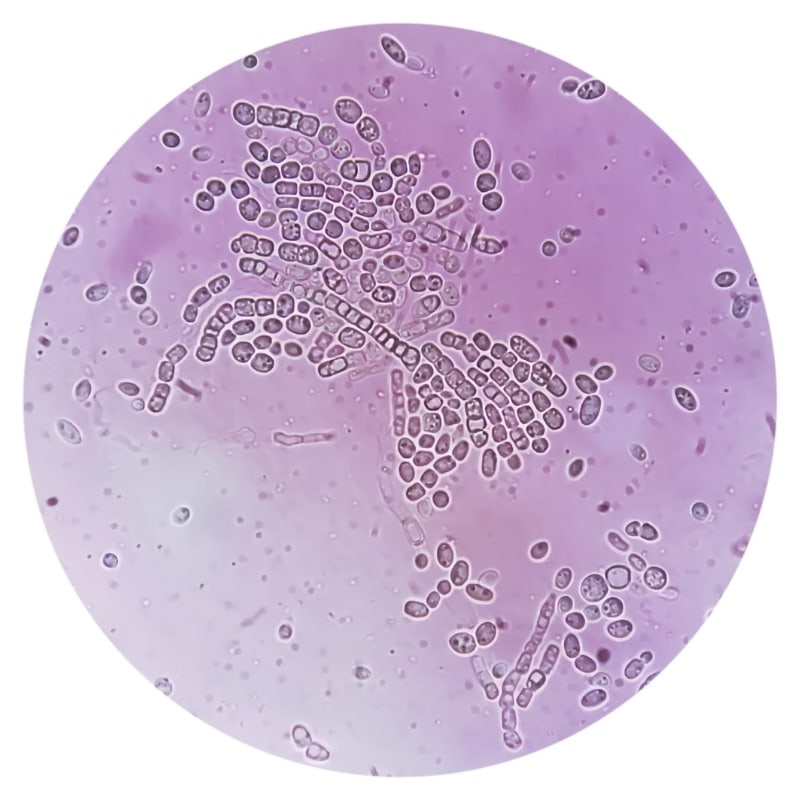
Candida auris is an emerging fungal pathogen that primarily affects individuals with weakened immune systems or serious underlying health conditions. It is most commonly encountered in healthcare settings, where it can spread rapidly and lead to severe infections.
Unlike some other Candida species, Candida auris does not have a unique set of symptoms, often mimicking infections caused by Candida albicans, Candida glabrata, or even bacterial pathogens. In some cases, individuals may be carriers without showing symptoms but can still transmit the yeast to others.
This fungal infection frequently results in bloodstream infections but can also impact the respiratory system, central nervous system, internal organs, skin, and other tissues. Diagnosing Candida auris can be challenging because its symptoms overlap with those of other infections, making laboratory testing essential for accurate identification.
Symptoms vary depending on the site of infection, but may include:
Accurate diagnosis and prompt treatment are critical for managing Candida auris, especially in vulnerable individuals in healthcare settings. Laboratory confirmation is necessary to distinguish it from other Candida species or bacterial infections, as the symptoms can often be misleading.
Candida Has The Ability To Create Many Symptoms

Research into Candida’s effects on the body has advanced significantly in recent years. Studies have shown that Candida albicans can produce mycotoxins that trigger chronic inflammation, and emerging research suggests links between Candida infection and gut barrier damage, neurological symptoms, and immune dysregulation.
A 2022 study found that Candida albicans may contribute to cancer progression by damaging the epithelial mucosal barrier, producing carcinogenic metabolites, and inducing chronic inflammatory responses (Vadovics et al., 2022). Separately, animal studies have demonstrated that Candida can cross the blood-brain barrier and trigger an inflammatory response that causes temporary memory impairment in mice (Wu et al., 2019) — findings that may help explain why many patients report improvements in brain fog and cognitive clarity following successful treatment.
It is worth noting that Candida symptoms are often diffuse and don’t always follow a predictable pattern. A patient may present with fatigue, joint pain, or cognitive issues without the more obvious signs of fungal infection. This can make diagnosis challenging, and symptoms may be attributed to other conditions before Candida overgrowth is considered. Some of the mycotoxins produced by Candida have only recently been identified, and our understanding of their full impact continues to evolve.
Yeast Infection symptoms In Men, Women, and Children
Recognising Chronic Candida Overgrowth

In clinical practice, a recognisable pattern often emerges in patients with chronic Candida overgrowth. They typically present with a restricted diet, multiple food sensitivities, and persistent digestive complaints. Many have already tried a range of supplements — probiotics, digestive enzymes, multivitamins, magnesium — often without lasting relief.
In many cases, a history of repeated antibiotic or antifungal use is a contributing factor, as these can disrupt the gut microbiome and create conditions in which Candida can establish itself more firmly. Chronic cases rarely resolve without addressing gut restoration directly — typically through a combination of antifungals, probiotics, and dietary changes.
For patients: if this profile sounds familiar, it may be worth exploring whether Candida overgrowth is a contributing factor. See our symptom guides and testing information for more.
For healthcare professionals: Candida overgrowth is worth considering in patients who present with overlapping gut, immune, and systemic symptoms, particularly where previous treatments have provided only partial or temporary relief. A thorough history covering diet, lifestyle, and prior medication use is essential.
Candida’s Survival Strategies
Candida albicans has developed several mechanisms that allow it to persist in the body and evade immune defences. These include the ability to switch from a yeast form to a filamentous fungal form (hyphae), which enables it to penetrate soft tissue and invade cells. It also produces enzymes and chemicals that can break down cell membranes, and forms protective biofilms that are resistant to both antifungal treatment and immune attack (Wilson et al., 2009).
The immune system’s response to these metabolites can itself produce symptoms — including inflammation, allergic reactions, and a range of systemic effects. This is part of why Candida overgrowth can manifest so differently from person to person.
To learn more, see:
- How Clever Candida Albicans Is
- The Fungal Characteristics of Candida Albicans
- 4 Stages of Biofilm and Yeast Infection Development
- The 5 Key Survival Strategies Of Candida Albicans
- What Are Fungi?
Yeast infection May Have No Definitive Set Of Symptoms

Candida symptoms are often diffuse and overlap with other common conditions. Fatigue and brain fog may be attributed to depression; bloating, gas, and food intolerances may be diagnosed as IBS. In many cases, an underlying Candida overgrowth may not be identified or addressed until other avenues have been exhausted.
Research supports the gut-brain connection — dysbiosis and gut inflammation have been linked to anxiety, depression, and other mental health conditions (Clapp, 2017), and as noted above, Candida albicans has been shown to cross the blood-brain barrier and impair memory in animal models (Wu et al., 2019).
Diagnosing Candida overgrowth, particularly in the digestive system, can be genuinely difficult. Research has confirmed that establishing a diagnosis of systemic candidiasis through signs and symptoms alone is problematic, as the presentation varies so widely between patients (Anane & Kalfallah, 2006). Symptoms may also shift or worsen in different parts of the body over time, further complicating the clinical picture.
For more on testing options, see: Testing For Candida
Candida Blood Tests And Their Limitations

Blood culture remains the standard diagnostic test for systemic Candida infection, but it has significant limitations — it can take several days to return a result, and its sensitivity is poor. Studies have found that current blood tests fail to detect invasive candidiasis in a substantial proportion of patients, with research estimating that up to 50% of confirmed cases may return a negative result (Clancy et al., 2013). Non-culture detection methods — including metabolite detection, antigen detection, and PCR testing for Candida DNA — are still being developed and refined.
Recent research has also established that the absence of pseudohyphae or measurable immune activity does not rule out a clinically significant Candida infection, particularly in throat infections (Hissong et al., 2020). This reinforces the importance of clinical assessment alongside laboratory testing.
For a full overview of available testing options, see: Testing For Candida

Candida Diagnosis And Your Doctor
Candida overgrowth has long been one of the more contested diagnoses in medicine. A 2017 study by Lauer noted that effective clinical practice requires open-mindedness — including a willingness to take seriously symptoms that may seem minor or unconnected at first presentation.
Research from the American Psychological Association has highlighted that physicians often interpret symptoms without a clear organic cause as psychosomatic (De Angelis, 2013). For Candida patients, this can mean that fatigue, bloating, recurring infections, and cognitive symptoms are attributed to stress or lifestyle rather than investigated further.
It is also worth noting that patients themselves sometimes underestimate persistent symptoms. A study by Taber and colleagues (2015) found that around 12% of patients delayed seeking medical care because they expected symptoms to resolve on their own — a pattern that may contribute to Candida overgrowth going unaddressed for longer than necessary.
Conventional medicine tends to assess symptoms by organ system, referring patients to the relevant specialist for each presenting complaint. This works well for many conditions, but Candida overgrowth can affect multiple systems simultaneously, which means no single specialist may see the full picture. Functional and integrative medicine practitioners, who take a whole-body view of gut health and the microbiome, are often better placed to consider Candida as a contributing factor across a range of symptoms.
Over the past three decades, growing research into the gut microbiome has brought Candida overgrowth increasingly into mainstream clinical awareness — a shift that continues to accelerate with the emergence of Candida auris as a global health concern.

Ultimate Candida Cleanse System
Beat Candida naturally with the complete, science-based system created by naturopath Eric Bakker, N.D. This all-in-one package gives you two downloadable guidebooks plus the Yeastrix Gut Restore Kit — three targeted professional formulas that work together to reset your gut, restore balance, and rebuild healthy digestion.
You get a structured, step-by-step program, professional clinical guidance, and supplements designed to support each stage of recovery. No guesswork. No confusing protocols. Just a clear roadmap and the right tools to help you finally reduce symptoms, rebalance your microbiome, and feel like yourself again. The Ultimate Candida Cleanse System is everything you need to make real progress — naturally, safely, and effectively.
