
Candida Auris

What Is Candida Auris?
Candida auris is a newer fungal threat, but most of us live with Candida albicans, a yeast commonly found in our digestive tract, genito-urinary tract, and on the skin. In a balanced gut, Candida usually doesn’t cause harm.
The most common cause of human fungal infections is the Candida species, especially Candida albicans. Normally, Candida yeast isn’t invasive because it coexists with other yeast and bacterial species in our body, which keep it in check.
Besides Candida, scientists have discovered several other yeast species that colonise our bodies, including Malassezia, Cryptococcus, Rhodotorula, and several other Candida species. (Kühbacher et al., 2017)
There are five species of Candida that commonly affect our health, including Candida albicans, Candida glabrata, Candida tropicalis, Candida parapsilosis, and Candida krusei. These five Candida species account for about 90% of all Candida yeast infections. (Turner et al., 2014)
Article of Interest: Medical Mycology
Some People Are Especially Vulnerable To Candida Infections
Only in more serious clinical situations, Candida species are known to penetrate inside our body and infect our bloodstream or vital organs like the brain, joints, heart, or kidneys, and digestive system. Some hospital patients and others with very impaired immune functioning are particularly vulnerable to invasive Candida infections.
Many of these hospital-bound infections are quickly developing medication resistance. Sometimes Candida albicans can get completely out of control, and in rare cases, patients are even known to have died from systemic candidiasis, this is the exception rather than the rule however. (Delaloye et al., 2014)
While still the most often isolated species in healthcare facilities, Candida albicans is becoming less of a concern by comparison to other Candida species, such as Candida auris.

When Was Candida Auris First Discovered?
A single strain of a new yeast species belonging to the genus Candida was first isolated from the external ear canal of an elderly patient in a Japanese hospital in 2009. (Satoh et al., 2009). It was named Candida auris, “auris” was chosen because it was first isolated from the ear, auris meaning “ear” in Latin.
Candida Auris Is A Superbug
Since its discovery, Candida auris has rapidly emerged as a significant global health threat. Epidemics appeared almost simultaneously in South Asia, East Asia, Africa, and South America, and it has since been linked to outbreaks in over a dozen countries.
In the United States alone, more than 1,460 cases were reported in 2021, with over 3,000 clinical cases documented to date. There were 4,514 new clinical cases of Candida auris in the United States in 2023. The number of clinical cases has continued to increase since the first U.S. case was reported in 2016. The year-to-year changes vary for different states.
Candida auris is now recognised as a superbug, with its rising frequency of outbreaks on every inhabited continent highlighting its role as a major source of invasive fungal diseases. (Ahmad et al., 2021).
Particularly concerning is its impact on elder healthcare, as outbreaks have predominantly occurred in hospitals treating older patients with severe conditions, often leading to high mortality rates. Due to its drug resistance and associated high death rate, the Centers for Disease Control and Prevention (CDC) have classified Candida auris as a serious global health threat (Solomon et al., 2014).
Healthy? No Need to Fear Candida Auris
Healthy individuals are generally not at high risk from Candida auris. Similar to other Candida species, Candida auris poses minimal risk to people in good health. However, in healthcare settings, the risk increases significantly for those with compromised immune systems.
Unlike with COVID-19, screening and testing family members for Candida auris is not necessary. Still, it’s important to inform your doctor if you have regular contact with someone known to have a Candida auris infection, especially if that person is a patient in a hospital or similar healthcare facility.
Candida Auris Outbreak
Due to the rapid spread of Candida auris outbreaks, poor diagnostic methods, and resistance to many sterilization techniques, C. auris outbreaks have been difficult to contain. Accurate diagnosis is crucial since the death rate from Candida auris infections can range from 30% to 60% (Clark, 2023).
Dr. Meghan Lyman, Chief Medical Officer of the CDC’s Mycotic Diseases Branch, has expressed significant concern over the rising number of Candida auris cases (Lyman et al., 2023).
In Mississippi, the Department of Health is battling an increasingly widespread Candida auris outbreak. By November 2023, at least 12 people had contracted Candida auris in healthcare facilities, with four potential deaths linked to the infection, according to Dr. Paul Byers, the state’s epidemiologist (DiNatale 2023).
Because of the quick spread of Candida auris outbreaks, poor diagnostic techniques and resistance to many sterilising techniques, C. auris fungal outbreaks have proven challenging to contain. Diagnosis is very important, because the death rate from Candida auris infection can range from 30 to 60%. (Clark 2023)
Dr. Meghan Lyman, the Chief Medical Officer of the CDC’s Mycotic Diseases Branch and lead author of the most recent research, has expressed deep concern about the increase in Candida auris cases. (Lyman et al., 2023)
The Department of Health in Mississippi USA has been fighting a Candida auris outbreak that is becoming increasingly widespread. By the time the CDC had issued renewed Candida auris warnings, by November 2023 at least 12 people had contracted Candida auris infection in healthcare facilities, with four potential deaths linked to the Candida auris, according to Dr. Paul Byers, the state’s epidemiologist. (DiNatale 2023)
How Does Candida Auris Cause Symptoms?

Each year, millions of people are affected by Candida albicans overgrowth. Although Candida albicans can affect any region of the body, it frequently results from an imbalance in the gut flora. Candida auris is different however, and is often hospital or healthcare facility acquired, and it poses a real threat due to its inability to respond to most antifungal drugs. But how does it cause symptoms?
The growth of Candida auris within the body can cause symptoms, primarily because of the generation of toxic compounds called Mycotoxins. Uric acid, ammonia, and acetaldehyde are a few of these hazardous byproducts that can build up and have a variety of negative consequences. These symptoms can cause difficulty for those who are infected, including headaches, lethargy, mental fog, and a range of stomach problems.
Just like Candida albicans, Candida auris can create elongated structures called hyphae, besides poisonous compounds. When the yeast transforms, these hyphae act as invasive appendages that enable it to enter the body’s soft tissues. These hyphae’s penetration into tissues has the potential to worsen symptoms and increase the intensity of Candida auris infections, which is extremely concerning for both patients and medical practitioners.
Articles of interest:
Is Candida Auris Deadly?

Some people may worry unnecessarily and think all cases of Candida auris are serious, and end very badly, when this is clearly not the case. Candida auris, like other species of Candida, can create superficial skin infections, respiratory or gut infections, all the way through to more severe and life-threatening infections involving the blood stream or central nervous system.
It is important to know that high death rates are linked to Candida auris-related invasive infections, particularly in elderly patient populations that are more susceptible. Underlying patient problems, delayed or incorrect diagnosis, and limited treatment options might cause less desirable patient outcomes.
Because many people who get infected with Candida auris were very weak and immuno-compromised beforehand, it is hard to know to what level the Candida contributed to their passing.
Because of its capacity to remain in healthcare environments and its propensity to exhibit or develop resistance to many types of antifungal drugs, Candida auris has emerged as one of the primary causes of invasive fungal infections in many healthcare centres around the world today.
Prompt diagnosis using accurate and fast identification techniques, as well as strict adherence to infection control protocols, can stop the transmission of Candida auris and prevent and control outbreaks.
Why Is Candida Auris A Problem For Healthcare Facilities?
There are several reasons why public health experts consider Candida auris to be a significant problem in our community, especially amongst our most vulnerable citizens, the elderly and immune-compromised patients.
Let’s take a look at the key reasons Candida auris remains a real challenge for those in healthcare:
Little research conducted. Since Candida auris was discovered in 2009, researchers still have a limited understanding of this Candida species, which poses a challenge in creating efficient preventative and control measures. In order to create new and effective therapies and preventative strategies, researchers are still investigating Candida auris to gain a deeper understanding of its origin, spread, and how it causes disease.
Can Candida Auris Be Cured?
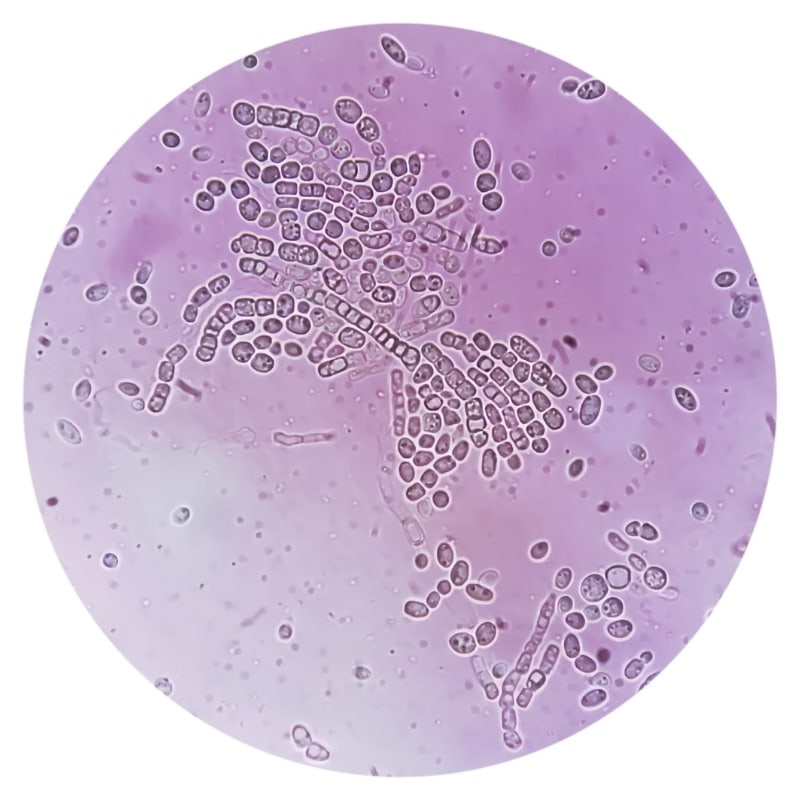
The treatment for Candida auris is difficult because in contrast to most species of Candida, Candida auris has unfortunately proven to be resistant to several of our most commonly used antifungal drugs. This prominent drug resistance raises the possibility of treatment failure and restricts available options.
Candida auris has shown resistance to many kinds of drugs, such as polyenes and the azoles class of antifungal drugs. Candida auris has even become resistant to some of our more rarely used antifungal drugs. After DNA analysis, it has been discovered that Candida auris has similar antifungal resistance genes that Candida albicans.
According to research, echinocandins, a type of antifungal drug, have proven to be successful in treating the majority of Candida auris infections. However, there are certain strains of Candida auris showing resistance to all three major classes of antifungal drugs (azoles, echinocandins, and polyenes), meaning that none of these drugs are effective in eradicating the infection. (CDC – 2023)
To treat the Candida auris yeast infection, doctors may have to use various antifungal medications or opt (if possible) newer antifungals in this case. Certain cases may warrant consideration of alternative natural medicine agents or combination therapy of natural and pharmaceutical.
It has been advised for those who have been positively diagnosed with Candida auris not to treat with antifungals without a good reason, for example unless the symptoms are quite serious. There is no evidence that that treatment at this stage prevents a Candida auris infection from occurring. (CDC – 2023.
Candida Auris Biofilm
Researchers believe that Candida auris biofilm acts as a resistance mechanism shown to reduce the yeast’s susceptibility to the antifungal medication. (Kaur et al., 2023)
To fully understand the wide range of mechanisms that occur in this development type, a lot more research is still required. Even in well-known species like Candida albicans, the fungal biofilm is a complex structure that is still poorly understood and challenging to study.
Candida Auris Symptoms

Candida auris primarily affects groups of people with weakened immune systems or underlying chronic or more serious medical conditions. There is no specific set of symptoms only people with Candida auris tend to get, because they may develop symptoms similar to a Candida albicans infection, they may even be infected with both (or more) Candida species simultaneously.
Because it is found mainly in hospital settings, Candida auris often causes bloodstream infections, but it can also affect our respiratory system, our central nervous system and brain, internal organs, as well as our skin. (Cristina et al., 2023)
Symptoms of Candida auris may be hard to diagnose clinically, and may resemble the infection of another Candida species, like Candida albicans or Candida glabrata. (CDC 2023) Symptoms may also resemble a bacterial infection in some people. Other people may be carriers of Candida auris and remain symptom-free, passing the Candida yeast to another person.
Depending on the yeast infection site, Candida auris infection symptoms can include symptoms like:
Where Is Candida Auris Found?

Candida auris is primarily linked to nosocomial (originated in hospital) epidemics in intensive care hospital settings or healthcare facilities. (Ahmad et al., 2021)
Its capacity to cling to a range of hospital or health-care surfaces and withstand cleansing and sterilisation treatment are essential component of its spread.
Clinical facilities face a dilemma in sterilising surfaces of fungal and bacterial contamination when they encounter a variety of surface types, since typical disinfection methods have proven to be ineffective and inappropriate for every kind of surface available in a hospital.
In certain circumstances, Candida auris can be part of someone’s mycobiome, even when they show no symptoms. Unlike most other Candida species however, Candida auris can spread person-to-person or through contact with surfaces, especially in hospital or health care environments.
How Candida Auris Spreads
Candida auris transmission is a real concern for many because it can spread from human to human just by contact. Candida auris can spread through human-to-human transmission, through the use of medical equipment, and contaminated operating room or other hospital environment.
Limitations in the cleaning of hospital surfaces types, and the inability for sterilising techniques to entirely eradicate Candida auris are some factors potentially causing it to spread.
Another reason Candida auris persists in hospital settings is its environmental persistence, is because it can live for extended periods of time on environmental surfaces.
(Ahmad et al., 2021)
Who Is Most At Risk Of Candida Auris Infection?
People most at risk of developing a Candida auris infection will have poor immune system functioning or other chronic underlying health complaint.
Your risk may be higher if:
Candida Auris Diagnosis
Two main methods diagnose Candida auris in a patient, distinguishing between carrier status and confirming if the patient’s symptoms stem from Candida auris.
In a hospital setting, the diagnosis and treatment process, laboratories commonly test clinical materials such as blood, urine, or wound cultures to diagnose Candida auris infections.In a hospital setting, laboratories commonly test clinical materials such as blood, urine, or wound cultures to diagnose Candida auris infections and may require specialized laboratory methods to differentiate Candida auris from other Candida species in some instances.
Candida Auris Treatment
Because of its antibiotic resistance, worldwide distribution, and high death rates, Candida auris poses a serious threat to public health. An effective treatment has been sought since it was first discovered, but the antifungal pharmaceutical drug approach so far has failed to deliver.
Let’s look at essential oils that have proven to actually eradicate Candida auris, first, there is recently-published online research now validating the use of certain essential oils to counter Candida auris.
Some Essential Oils Kill Candida Auris

Researchers are increasingly recognising the effectiveness of essential oils to combat bacterial and fungal diseases. The purpose of a recent study was to evaluate the effectiveness of four essential oils—Australian tea tree oil (Melaleuca alternifolia), thyme (Thymus vulgaris), cajeput (Melaleuca cajeputi), and niaouli (Melaleuca quinquenervia) against Candida auris.
The minimum inhibitory concentration method and the agar disc method were used to find out how essential oils affected the growth of Candida auris.
Researchers then assessed the same effect on biofilm by counting the number of CFUs (colony-forming units) after using the essential oils. The findings showed all 4 essential oils could stop Candida auris from growing with high kill values for all oils.
Some Essential Oils Prevent Candida Biofilm
Incredibly, research also discovered that essential oils can totally prevent the production of Candida biofilm. The tea tree and niaouli essential oils considerably diminish pre-formed biofilm, while thyme and cajeput eliminate them entirely. As a result, research shows that essential oils may offer therapeutic alternatives and represent a promising new front in the ongoing battle against Candida auris. (Fernandes et al., 2022)
A 2022 study tested the antifungal activities of 21 essential oils against Candida auris. It was observed that several essential oils could inhibit the growth and kill Candida auris and Candida lusitaniae when in direct contact and at concentrations considered safe for topical use. The most effective essential oils were lemongrass, clove bud, and cinnamon bark. (Parker et al., 2022)
A more recent study tested 15 essential oils against 10 clinical strains of Candida auris. Cinnamon (Cinnamomum zeylanicum) was identified as the most effective oil at killing Candida auris. (Vito et al., 2023)
Water-Soluble Tannins Kill Candida Auris
A natural substance present in many plants, according to a recent study, prevents the growth of drug-resistant Candida species, particularly the most virulent type so far discovered, Candida auris. The Emory University scientists published their discovery in the journal ACS Infectious Diseases.
Tests in a lab dish show that the natural ingredient, PGG, a water-soluble tannin, stops 90% of the growth in four different species of Candida fungi, including Candida auris. The researchers found the tannin stops Candida growth by stealing away any iron molecules, depriving Candida of a vital nutrient.
Unlike antifungal drugs, this mechanism does not encourage the development of drug resistance because it starves the fungus instead of destroying it. Studies also revealed that it is not harmful to our body’s cells. (Quave 2023)
Probiotics Have Proven Antifungal Activity Against Candida Auris

Despite study limitations, one researcher concluded that Lactobacillus paracasei may have antifungal activity against Candida auris. This includes activity against cells and biofilms. (Rossoni et al., 2020). Yeastrix Probiotics contains Lactobacillus paracasei.
Probiotic Yeast Effective Against Candida Auris
Another interesting review focuses on the use of probiotic yeasts as a complementary treatment for Candida auris infections. Pre-clinical research found probiotic yeasts can suppress the pathogenicity of Candida auris, including other Candida species.
Clinical investigations validated Saccharomyces cerevisiae (var. boulardii) ability to inhibit Candida auris and other Candida species in laboratory and human studies.
Researchers discovered that probiotic yeasts employ several defence strategies, including erecting physical barriers, including having the ability to attract disease-causing micro-organisms and make them avirulent, (taking away their ability to cause symptoms). (Kunyeit et al., 2020)
In addition, probiotic yeasts can secrete short-chain fatty acids (SFCAs) that efficiently inhibited the transition and adhesion of multiple Candida species. Probiotic yeasts therefore show promise as an effective substitute or a combined treatment for Candida auris infections. Further research in the future would likely support the use of probiotic yeasts.
Conclusion
To counter the growing threat of Candida auris, a new approach is likely to be the most beneficial, including improving surveillance, implementing infection control protocols, and conducting research into new ways of treatment, including diet and lifestyle, anti-microbial medicines and maybe even the inclusion of a new-generation antifungal drug if necessary. But the ever present threat of Candida-drug resistance looms.
At candida.com, we believe the most effective approach with Candida auris is to build up our immune system’s health. That way we will be in a much better position to avoid contracting this potentially deadly fungal infection.
Consider the Ultimate Candida Cleanse Program, designed to boost immune function to its highest level.

Ultimate Candida Cleanse System
Beat Candida naturally with the complete, science-based system created by naturopath Eric Bakker, N.D. This all-in-one package gives you two downloadable guidebooks plus the Yeastrix Gut Restore Kit — three targeted professional formulas that work together to reset your gut, restore balance, and rebuild healthy digestion.
You get a structured, step-by-step program, professional clinical guidance, and supplements designed to support each stage of recovery. No guesswork. No confusing protocols. Just a clear roadmap and the right tools to help you finally reduce symptoms, rebalance your microbiome, and feel like yourself again. The Ultimate Candida Cleanse System is everything you need to make real progress — naturally, safely, and effectively.
