

Cloves Are A Powerful Antifungal Spice
Clove (Syzygium aromaticum), a spice native to Indonesia, has been used since 200 BC, during China’s Han Dynasty. Originally cultivated in the Indonesian Maluku Islands and New Guinea, clove is now grown globally, including in Brazil’s Bahia state.
The fragrant dried flower buds known as cloves come from the Syzygium aromaticum tree. Cloves (Syzygium aromaticum) have been traded for thousands of years as a highly-valued commodity. As a spice, cloves were first cultivated in several Indonesian islands, as well as New Guinea.
Cloves are a rich source of phenolic compounds like eugenol, eugenol acetate, and gallic acid, giving them significant potential in pharmaceutical, cosmetic, food, and agricultural applications.

Historical and Medicinal Uses of Clove
For centuries, cloves have been used worldwide as a food preservative and medicinal remedy due to their fragrant dried flower buds. They were finally introduced into Europe during the early 1500s and were traditionally used to flavour food and prevent spoilage. They continue to play a vital role in global cuisines and medicinal practices today.
Cloves have been used for over 2,000 years, with early records showing their use in the Chinese empire around 200 BC, where subjects chewed them to freshen their breath before addressing the emperor.
More recently, clove extract is being used for dengue prevention: Clove’s larvicidal properties offer a promising solution to combat dengue fever in tropical regions like Brazil (Alyahya et al., 2023).
Traditional Remedies
For centuries, cloves have been employed to treat a wide range of ailments, including:
Medicinal Benefits of Cloves
Cloves (Syzygium aromaticum) are small flower buds harvested from evergreen trees. Once dried, these reddish-brown buds are commonly used in culinary dishes like gingerbread cookies, mulled wine, and meat marinades. In addition to their culinary uses, cloves are highly valued for their many medicinal properties.
Leading Source of Polyphenols and Antioxidants
Clove has more antioxidant power than nearly any fruits, vegetables, and spices, making it highly-effective in fighting free radicals. According to a study using data from a collaboration between the United States Department of Agriculture (USDA), universities, and private companies, clove (Syzygium aromaticum) ranks as one of the richest dietary sources of polyphenols and antioxidant compounds (Pérez-Jiménez et al., 2010).
The comprehensive database of polyphenol content in foods shows that:
Other beneficial compounds found in clove extracts include:

Rokok Cengkeh – Clove Cigarettes
According to reports, today, more than 90 percent of cloves are used with tobacco to manufacture cigarettes called Kretek. Kretek are Indonesian cigarettes, made with a blend of tobacco, cloves, and various other flavours. It could be with filter or unfiltered. As of 2009, clove cigarettes are no longer legal, and selling or distributing in the US is unlawful, any clove cigarettes purchased overseas are subject to seizure by U.S. Customs.
Eugenol
Cloves are also the source of clove oil—a concentrated essential oil rich in bioactive compounds like eugenol. Studies have determined that eugenol is the main agent responsible for clove oil’s antifungal activity against many strains and species of yeast, including Microsporum, Fusarium, Trichophytum, and Aspergillus species. The study used chromatographic analysis to confirm eugenol’s role. (Rana 2011).

Eugenol Is The Key Compound
Clove oil is especially rich in eugenol, a naturally occurring phenolic molecule found in several plants such as cinnamon, clove, and bay leaves. Eugenol accounts for 80%–90% of clove bud oil.
This phenolic compound helps neutralise free radicals, potentially defending against chronic diseases and promoting healthy aging. Eugenol is the primary component responsible for its potent antifungal, antibacterial, and anti-parasitic properties.
Health Benefits of Clove
There are many health benefits associated with cloves, but we’ll be concentrating on the digestive effects, especially when it comes to clove’s antimicrobial nature. Here are just a few of the many health benefits associated with cloves:
Clove Is A Potent Antifungal
Clove, along with other spices, has long been known for its antimicrobial properties. Many studies have examined and validated the sensitivity of human pathogenic bacteria and yeast to various spice extracts.
Several studies, particularly from India and Asia, have demonstrated clove’s effectiveness in eliminating yeast infections in the digestive tract and oral cavity.
Immune Support and Infection Defence
Eugenol, the key compound in clove, is not only an anti-inflammatory and antioxidant but also a potent natural germicide with strong antimicrobial properties (Marchese et al., 2017). Like raw garlic, which contains the immune-boosting compound allicin, clove fights bacterial growth and supports the immune system.
Clove Fights Infections and Boosts Immunity
Pain Relief and Analgesic Effects
Clove, particularly clove oil, has a long history of use in dental care thanks to its natural analgesic, anti-inflammatory, antiseptic, and antibacterial properties. It is commonly used to:
This natural pain relief makes clove oil a versatile solution for various aches and discomforts.

Clove Oil and Toothache
You may have heard about the effect that cloves have on toothache. Clove oil, in particular, has a numbing effect on mouth tissues like the gums and helps to relax the nerves of teeth that are affected by toothache. It acts as a stimulant and treats toothaches while suppressing bad breath.
What you may not know is that clove oil happens to be an extremely potent antibacterial and antifungal agent, even in the tiniest of doses (Pandey et al., 2022).
Supports and Improves Digestive and Liver Health
Cloves may support digestion and improve gut health through their anti-inflammatory and antimicrobial properties, helping maintain a balanced gut microbiome and protect against digestive infections. Some benefits of cloves for digestive health include:
Safety and Warnings When Using Clove Oil
Clove Oil Warning
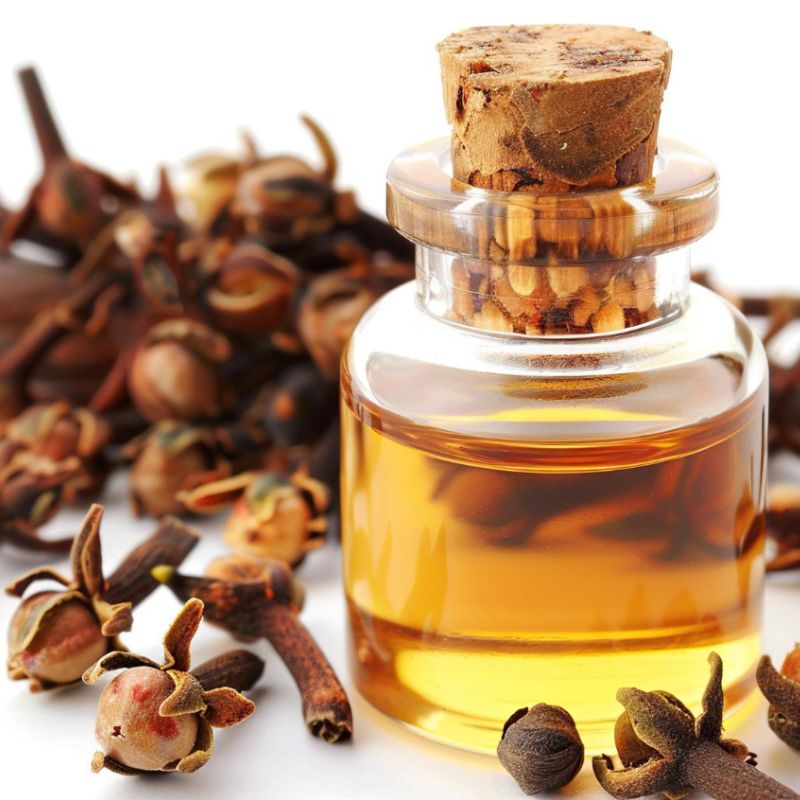
Clove oil is potent and should be used carefully. When applying it to the skin, ensure it is diluted to a concentration of 1% or less to avoid irritation. Dilute 1 drop of clove oil with 1 tablespoon of a carrier oil like coconut or olive oil.
Always perform a patch test on your wrist to check for any allergic reactions before wider use. Avoid using clove oil near sensitive areas such as the face, eyes, and genitals, as it can cause severe irritation. If it gets into your eyes, flush immediately with water and seek medical help if necessary.
Internal Use: Clove Oil, Ground Spice, Supplements and Safety
While clove oil can be beneficial, it should be used with caution internally due to its high eugenol content. Eugenol, which makes up over 80% of clove oil, can be toxic in large doses and may lead to liver damage if not used correctly. (NIH 2019).
Ingesting clove oil should only be done with much caution and under a doctor’s supervision. If ingested, dilute it with a carrier oil like olive oil and consume no more than 1 drop at a time.
Consuming clove as a spice is safe in moderate amounts. From one quarter up to one teaspoon of ground clove daily can be used in cooking or herbal teas without problem in most cases. Clove and cinnamon are especially good spices to incorporate if you Candida issues (Shahina et al., 2022).
For safe use:
Potential Side Effects of Clove Oil
Pure clove oil is strong and, if taken in large quantities, can cause a range of side effects. Some of the most common include:
To avoid these risks, start with very small doses and gradually increase only if no adverse effects are experienced.
How To Take Clove
Culinary Uses of Cloves

Versatile Spice In Cooking and Baking
Cloves are a highly versatile spice, widely recognized for their aromatic and flavorful contributions to a variety of dishes. Derived from the dried flower buds of the Syzygium aromaticum tree, cloves are commonly used in both sweet and savory recipes.
In many cuisines, especially in Indian, Middle Eastern, and Southeast Asian cooking, cloves are an essential ingredient in spice blends such as garam masala and baharat. They add warmth and depth to curries, rice dishes, and marinades for meats.
The strong, slightly sweet, and spicy flavor of cloves complements stews, soups, and roasted meats, providing a distinctive taste that enhances the overall complexity of a dish.
In addition to savory applications, cloves play a central role in sweet dishes and baked goods. They are often used in holiday desserts like pumpkin pie, gingerbread, and mulled wine, where their spicy warmth is highly appreciated.
Cloves pair well with cinnamon, nutmeg, and allspice, creating rich, aromatic profiles in cakes, cookies, and spiced drinks. Clove oil is sometimes used sparingly in confections for its potent flavor, and ground cloves are frequently added to fruit-based dishes like applesauce or poached pears to bring out the natural sweetness of the fruit while adding a spicy undertone.
Clove Storage Tips
To keep your clove products fresh:
Medicinal Use of Cloves
Yeastrix Cleanse: A Comprehensive Antifungal
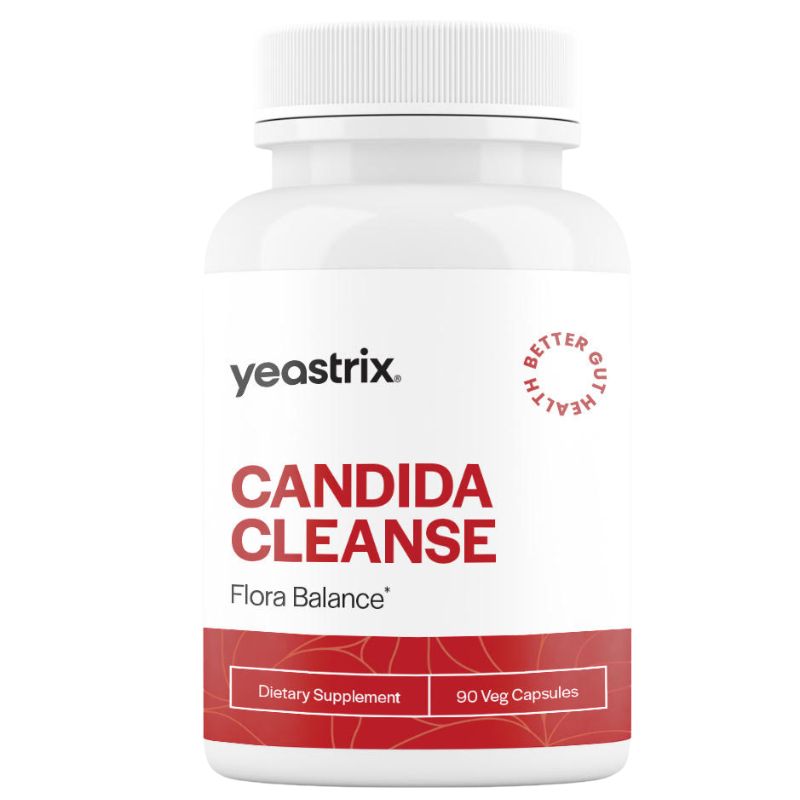
For those looking for an all-in-one solution to tackle Candida and other fungal or bacterial infections, consider Yeastrix Cleanse, our 3rd generation antifungal supplement.
This product combines clove with several other powerful antifungals, creating a balanced and effective cleanse for yeast overgrowth.
Yeastrix Cleanse includes:
With Yeastrix Cleanse, you can simplify your antifungal regimen by getting the benefits of clove along with other natural ingredients that promote gut health and combat yeast infections. Made with the highest-quality, non-GMO, and vegetarian ingredients, it’s designed for those looking for a natural, safe, and effective approach to Candida management.
Clove External Use
Important Warning
External Use of Clove Oil or Clove Tea
When using clove oil topically, it is essential to dilute it properly to avoid skin irritation. Concentrations greater than 1% can cause significant discomfort, similar to the effects of undiluted oregano oil.
A safe dilution ratio is one drop of clove oil per tablespoon of a carrier such as olive oil, coconut oil, or butter. However, individual tolerance varies—while some people can handle a higher concentration (up to 10 drops per tablespoon), others may require even less.
Always exercise caution, particularly when applying near sensitive areas like the face, eyes, and genitalia. Personal experience has shown that clove oil can cause severe discomfort if it comes into contact with the eyes.
Even a tiny amount near the eye can result in a burning sensation that lasts for hours. To prevent adverse reactions, it’s recommended to apply a small amount to the wrist as a patch test before broader use. If any irritation occurs, use extreme care moving forward to avoid further discomfort.
Clove and Oregano Oil For Toenails and Athlete’s Foot
If you have athlete’s foot or toenail fungus that is very difficult to treat, I advise you to try this oil mixed with oregano oil. Try this protocol, combine the following:
Apply twice daily to the afflicted areas very sparingly. If the clove oil is too powerful, cut back on it, and if you want to hide the clove oil smell, add a few drops of lavender oil.
Fungal Foot Massage Using Essential Oils
Clove oil is an excellent choice for fungal foot massages due to its powerful antifungal and antibacterial properties. It pairs well with other essential oils such as lavender, Spanish rosemary, nutmeg, thyme, cinnamon, and basil, creating a blend with a rich, deep, and spicy aroma. Each of these oils complements clove oil, enhancing its antimicrobial effects.
Best Essential Oil Combinations for Foot Massage
A 50/50 blend of clove oil and high-quality lavender oil is particularly effective for fungal foot massages. Lavender oil’s soothing properties balance the intensity of clove oil, making it a great combination for daily use. To start:
Additional Tips for Foot Care
This method, combined with proper foot hygiene, can significantly improve fungal conditions over time.

Clove Tea For Jock Itch
Many years ago, I treated a patient who used a concentrated tea made from clove buds to treat his jock itch. He used this potent tea, brewed by steeping 1 teaspoon of clove buds in 250 ml of hot water for 20 minutes, to wash his groin every night.
Results came in as little as two weeks, and with the help of the Candida diet I recommend, he was free of chronic jock itch in less than 8 weeks, not months or years.

Eric Bakker N.D.
Greetings! I am a naturopathic physician from New Zealand. Although I’ve retired from clinical practice since 2019 after 34 years of clinic. I remain passionate about helping people improve their lives. You’ll find I’m active online with a focus on natural health and wellbeing education through my Facebook page, Reddit page and YouTube channel, including this website.


