What Is Psyllium Husk?
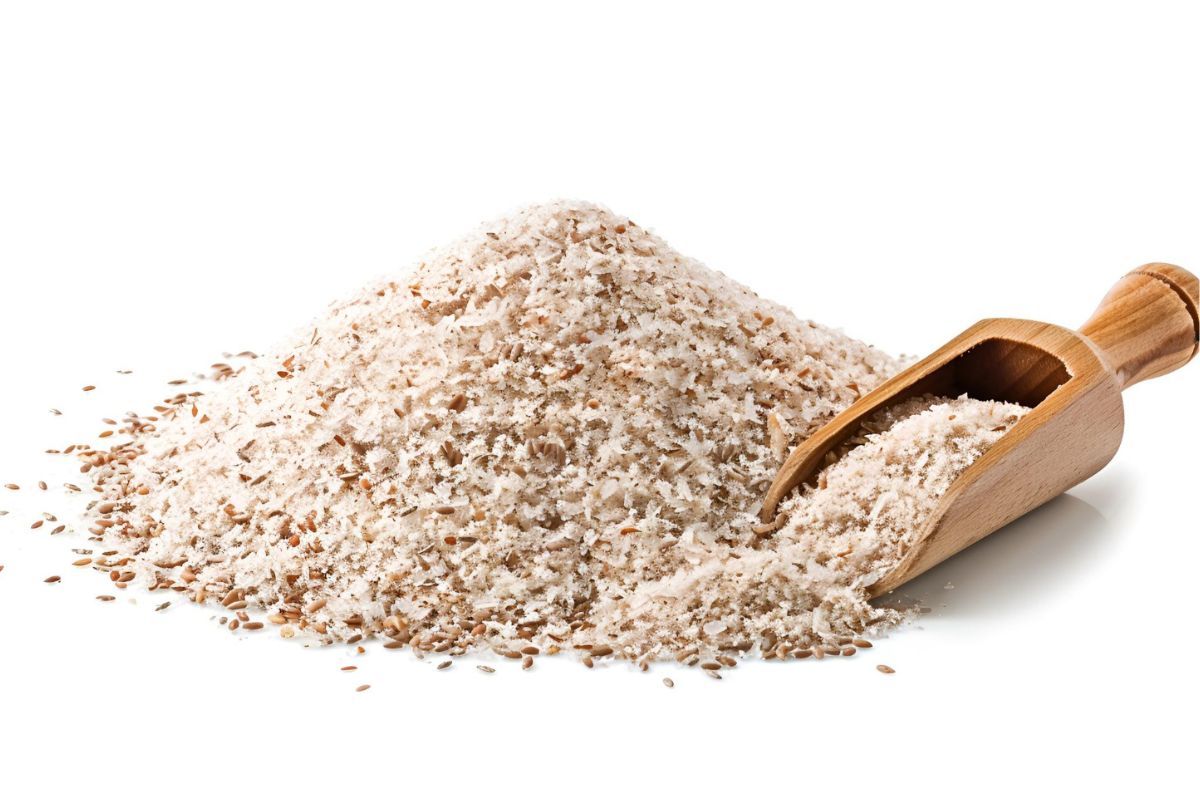
Psyllium comes from the seeds of the Plantago ovata plant, a small herb native to India and the Mediterranean region. Each plant produces thousands of tiny seeds, from which the husks are harvested and dried. These husks are rich in soluble fibre and mucilage, giving psyllium its well-known gel-forming ability when mixed with water.
Many people are familiar with a product called Metamucil, a powdered psyllium powder often recommended by doctors for those with constipation.
Psyllium husk has been used for centuries as a traditional remedy for digestive complaints, but how does it fit into a Candida cleanse? While psyllium doesn’t directly kill Candida, it can still play an important supporting role in your antifungal protocol—especially during periods of intense microbial die-off.
Let’s dive into what psyllium husk is, how it works, and whether it earns a place in your Candida recovery plan.
Psyllium Forms Available
If you’re using psyllium medicinally, choose bulk husk or whole seeds over commercial brands like Metamucil, which often contain added sugars or artificial sweeteners.
Psyllium and Candida: What the Research Says
Psyllium doesn’t have direct antifungal properties. It won’t kill Candida in the gut or elsewhere. However, this doesn’t mean it’s not useful. Studies have found that psyllium supplementation alleviates constipation by increasing stool water and this was associated with significant changes in microbiota, most marked in constipated patients.
Adding psyllium to the diet increases the production of three key types of bacteria (Lachnospira, Roseburia and Faecalibacterium) associated with increasing the water output from colonic cells (Jalanka et al., 2019).
What Psyllium Does NOT Do:
What Psyllium CAN Do:
In my clinical experience, regular elimination is non-negotiable during a Candida cleanse. Psyllium helps ensure that waste products don’t recirculate and trigger additional symptoms like brain fog, bloating, or fatigue.
The Role of Psyllium in Gut Health and the Microbiome
While the effect of psyllium on the gut microbiota is still being studied, emerging evidence suggests powdered supplements such as Metamucil some beneficial effects—though highly individual. Partially hydrolysed psyllium showed prebiotic effect as it easily fermented in colon and produced SCFA which supported the growth of lactobacilli. (Yadav et al., 2016).
Possible Benefits to the Gut Microbiome:
⚠️ Note: Psyllium is not universally prebiotic. Its effect on the gut microbiome varies by individual, depending on existing flora, diet, and other factors.
Additional Health Benefits of Psyllium
Beyond its role in gut health, psyllium has a broad spectrum of proven clinical benefits:
Heart Health
Blood Sugar and Metabolic Support
IBS & Digestive Issues
Best Practices for Using Psyllium During Candida Cleanse
To use psyllium effectively in a Candida protocol:
Dosage & Instructions
Combine with:
Warnings and Interactions
Psyllium is generally safe for most people but must be taken with care.
Important Considerations:
Should You Take Psyllium for Candida Overgrowth?
While psyllium won’t fight Candida directly, it:
If you’re constipated, bloated, or experiencing symptoms of die-off, adding psyllium could be a smart move. Just be sure to drink plenty of water and separate it from medications and supplements.
Key Take-Away
Final Thoughts
Psyllium husk isn’t a silver bullet for Candida, but it’s a reliable ally for gut health. If you’re experiencing constipation, toxin buildup, or die-off symptoms, this gentle bulk-forming fibre might just be what your gut needs to get moving again.
As always, listen to your body, start low and slow, and stay hydrated. Psyllium, used mindfully, can be a helpful part of your long-term gut-healing toolbox.

Eric Bakker N.D.
Greetings! I am a naturopathic physician from New Zealand. Although I’ve retired from clinical practice since 2019 after 34 years of clinic. I remain passionate about helping people improve their lives. You’ll find I’m active online with a focus on natural health and wellbeing education through my Facebook page, Reddit page and YouTube channel, including this website.